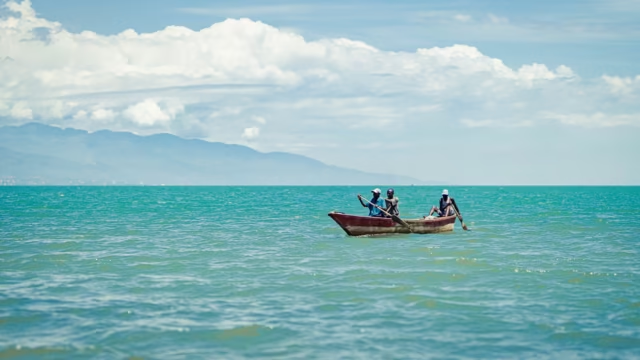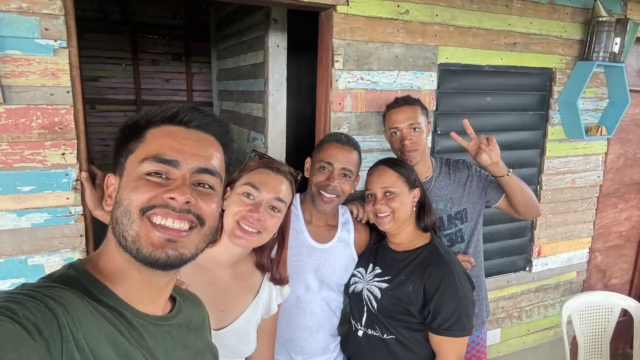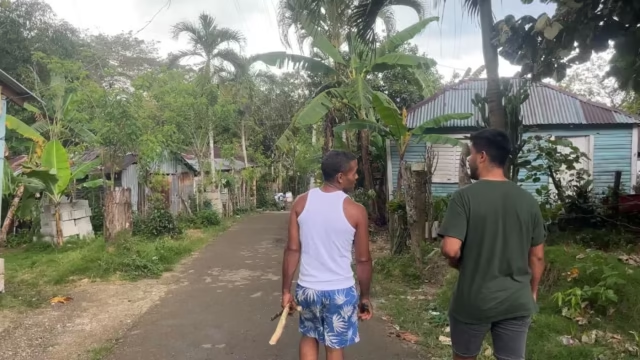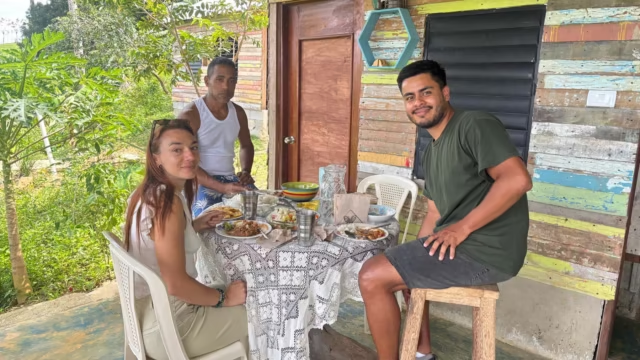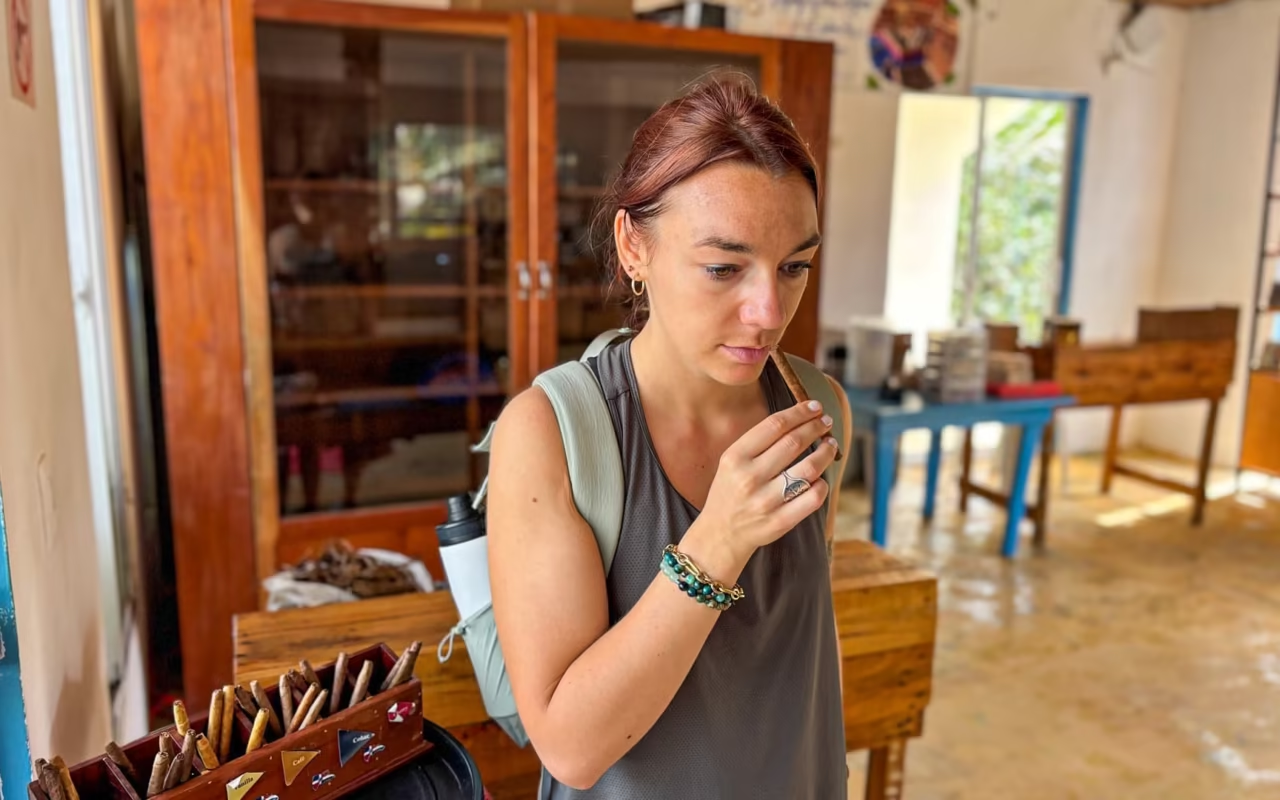
The Cibao is the breadbasket of the Dominican Republic. Located along the Duarte Highway, it remains relatively undeveloped for tourism but plays a vital role in the local economy. Fields of tobacco, cacao, and coffee, along with hiking trails and waterfalls, make up a vibrant region frequented mainly by Dominicans. It’s a region to explore, experience, and savor.
In the heart of the country, the Cibao is home to the most fertile lands in the Caribbean. Here, agriculture shapes the landscape and daily life. Travel here follows the rhythm of the harvests, rural trails, and encounters, rather than a list of “sites” to check off.
La Vega: An Agricultural and Vibrant Part of the Dominican Republic
Located near La Vega, this area features a landscape of fertile plains dotted with plantain, cassava, and cacao crops. The atmosphere here is distinctly local, centered around agricultural production and everyday Dominican life.
Easily accessible (about 15 minutes from the Duarte Highway), it’s an interesting stop for travelers wishing to discover another side of the country—one that’s more rural and authentic.
What to see around La Vega?
Although the area remains off the beaten path, several major cultural sites are nearby:
La Vega and its carnival
La Vega is known throughout the country for its carnival, one of the oldest and most iconic in the Dominican Republic. Every year, it draws a large local crowd, particularly for the “diablos cojuelos” traditions.
Salcedo and the Mirabal Sisters Museum
About 25 minutes away, Salcedo ( Hermanas Mirabal Province) is home to the museum dedicated to the Mirabal sisters, historical figures in the resistance against Rafael Trujillo’s dictatorship.
It is one of the most visited museums in the country.
Museo Maguá
Near the Mirabal Museum, the Museo Maguá offers an exhibition focused on Taíno culture, with an educational presentation of the island’s pre-Columbian heritage.
Santo Cerro
Located about 30 minutes away, Santo Cerro is a local pilgrimage site, perched on a hill in the heart of the Cibao.
Beyond its religious significance, it offers a remarkable panoramic view of the entire valley: Santiago, La Vega, Moca, and San Francisco de Macorís.
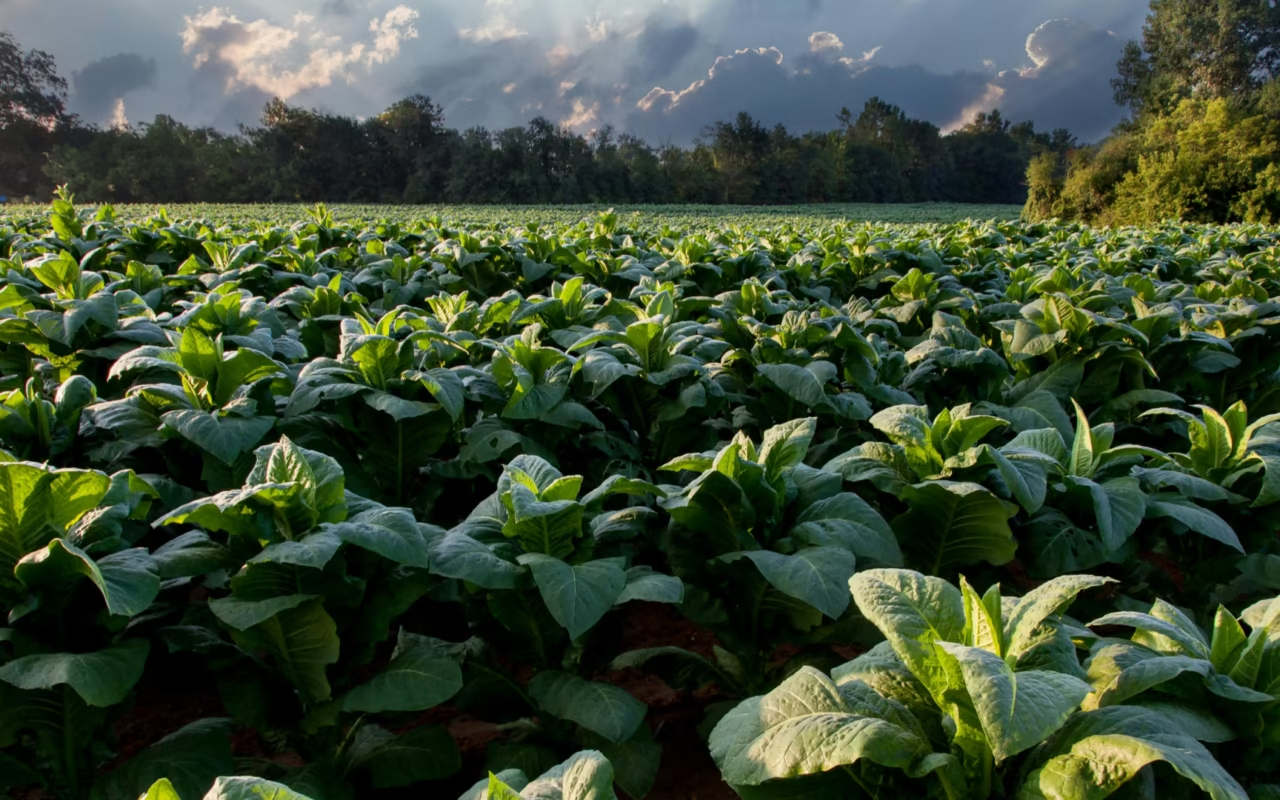
Tobacco Fields – Sabareta
Around Sabareta, the tobacco fields define the identity of the Cibao. Here you can see the plantations, the drying sheds, and the traditions passed down from generation to generation. This is the unstaged backdrop to the cigar capital of the world.
Farmland shaped by the history of cacao
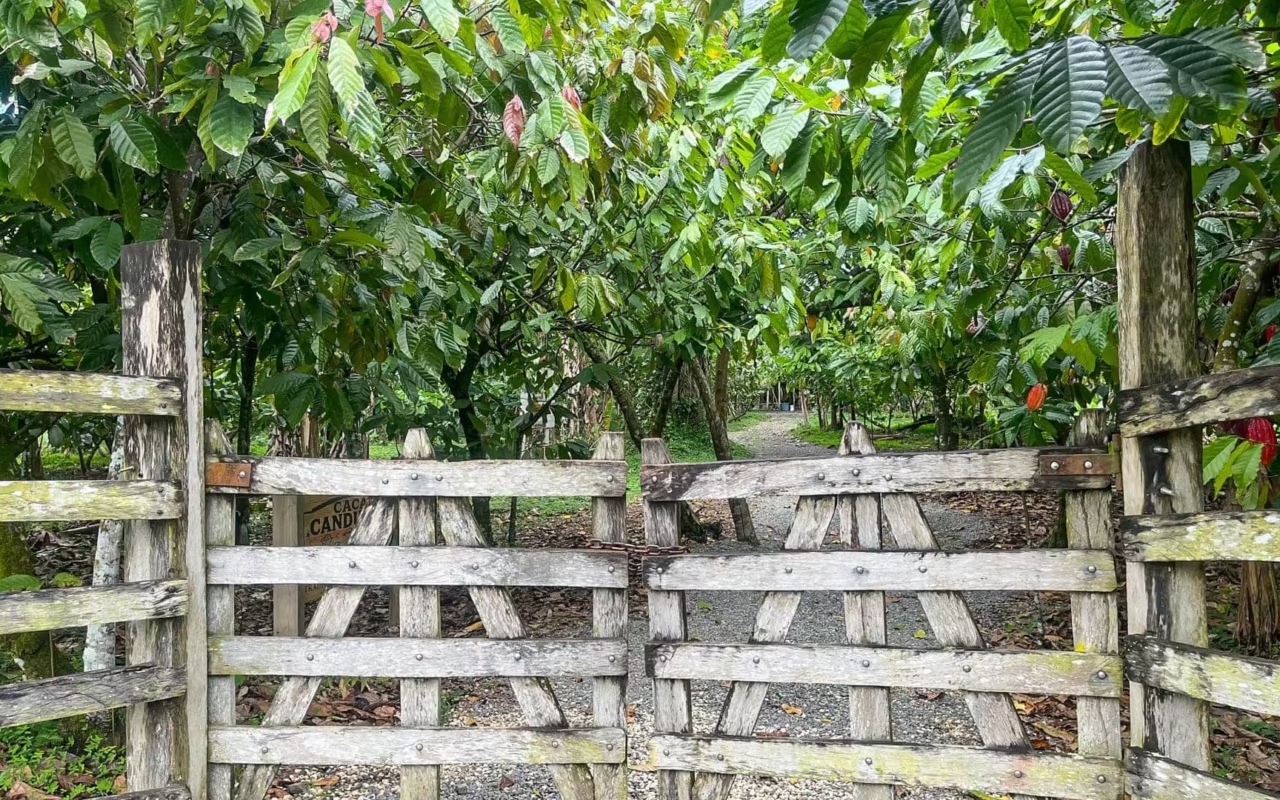
The Cibao was historically a major cocoa-producing region. Until the 1980s, a large portion of the land was devoted to this crop.
Thedrop in international cocoa prices profoundly transformed the agricultural landscape: many plantations were replaced by more profitable crops such as plantains and cassava.
Today, the few cocoa farms still in operation bear witness to this agricultural history. In this region, Terra Dominicana works with a local farm that has chosen to preserve this model by developing educational projects focused on agroforestry and agroecology. This committed approach offers a deeper understanding of the country’s agricultural challenges while providing a hands-on experience in the field.
« We're in an agricultural region where much of the country's plantains and cassava are grown. Cocoa has a long history here. »
– Terra Dominicana, a local organization committed to agroecology, April 2026
Cocoa & Coffee – Plantation Tours
The Cibao is also a land of cacao and coffee. Plantation tours let you follow the product from the field to the tasting. Sometimes, the surprise comes in the form of artisanal “chocolate therapy”—a sensory and playful experience rooted in the local terroir.
Our tip : Stop at a local café for a farm-to-table experience featuring excellent local products, paired with locally grown coffee—all while enjoying a view of the Central Valley.
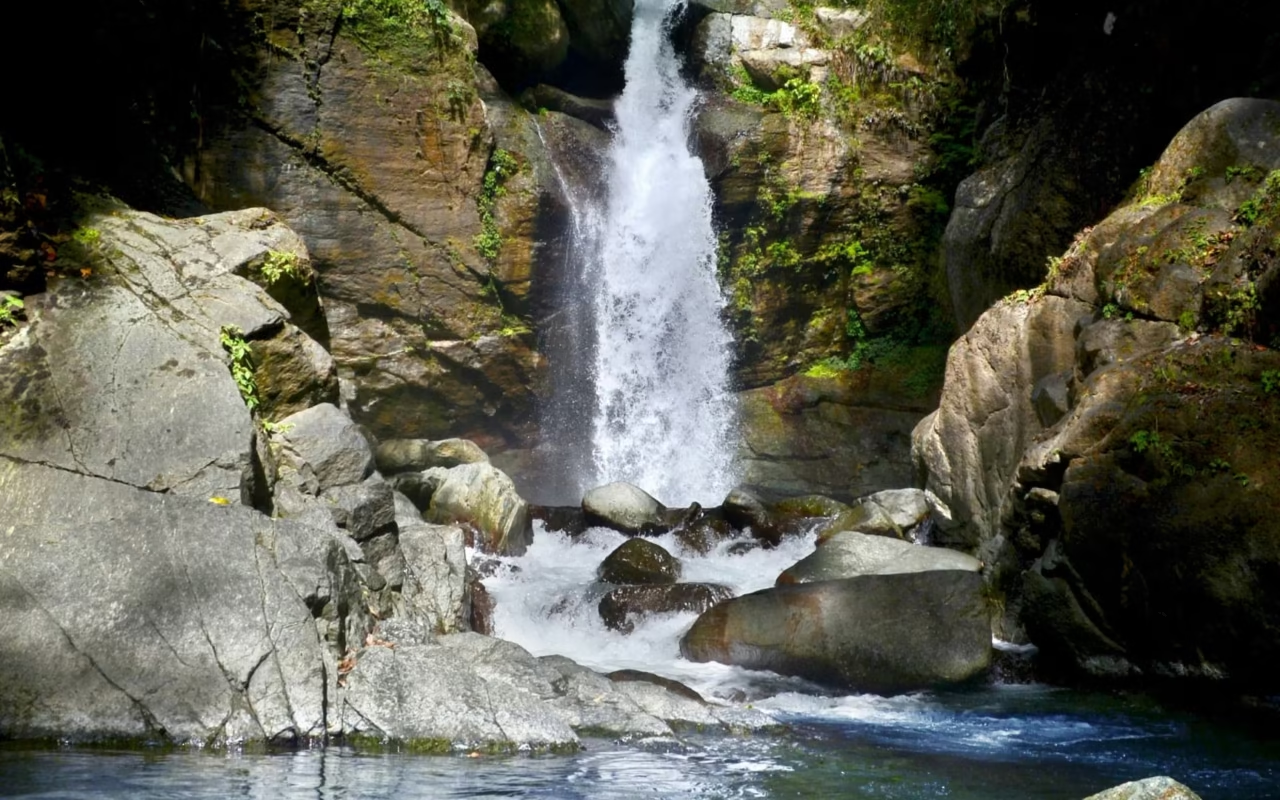
Outdoor Adventures – Hiking and Waterfalls
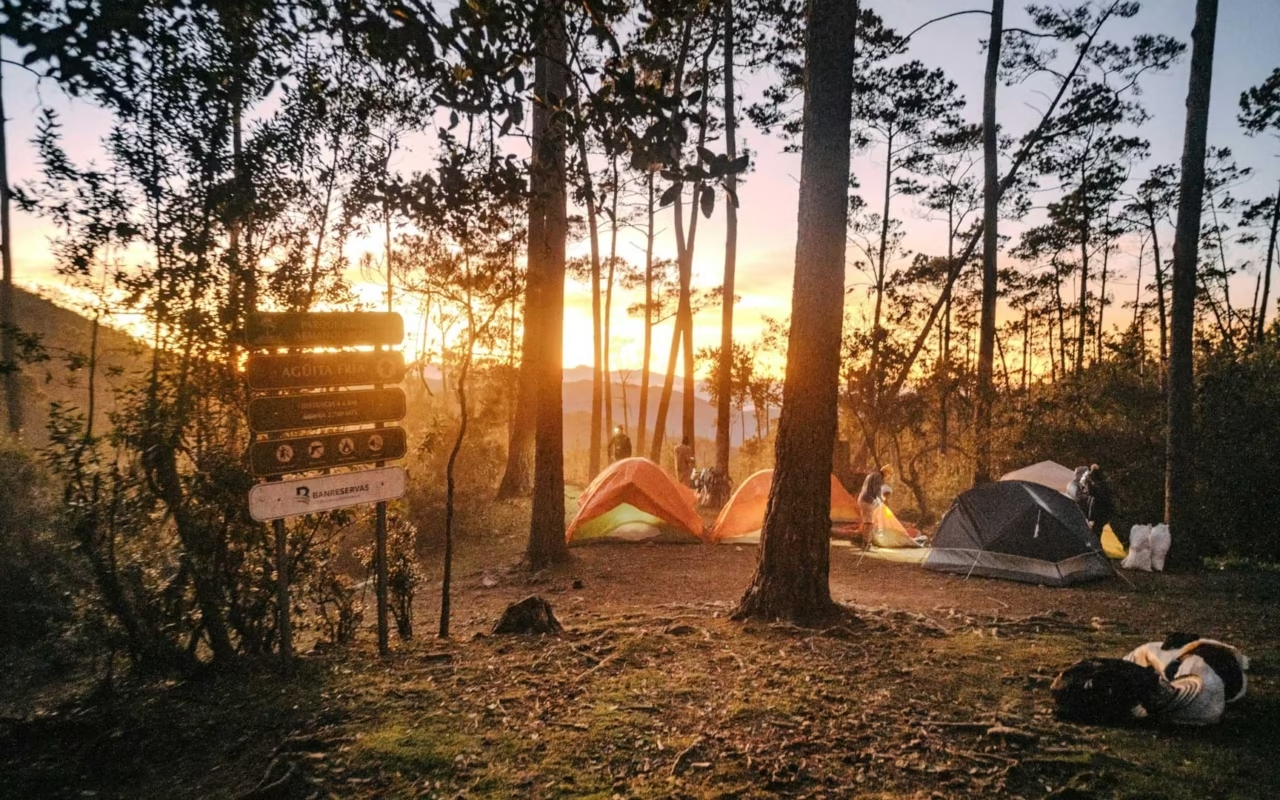
The region is perfect for easy and moderate hikes, dotted with waterfalls and natural pools. Dominicans often come here on weekends to camp, build a campfire, and share traditional dishes in a simple, friendly atmosphere.
« The region isn't typically a tourist destination, but it's surrounded by important sites. The idea is to create connections—roads—so that travelers can explore this part of the Cibao in a different way. »
– Terra Dominicana, a local organization committed to agroecology, April 2026
The Terra Dominicana Approach
The Cibao agricultural valley offers a discreet yet intimate glimpse into the agricultural products of the Dominican Republic. Here, tobacco, cacao, and coffee shape both the landscape and daily life. At Terra Dominicana, we prioritize carefully curated stops: plantation tours, nature walks, and gatherings around a wood fire featuring traditional dishes. Few cookie-cutter experiences—just authentic, local encounters that let you fully immerse yourself in the country’s agricultural heart.