Our Guide to Discovering a Different Side of the Dominican Republic, Away from the Resorts
The Dominican Republic is more than just a beach destination.From secluded beaches accessible only by boat to humpback whales in Samaná Bay (mid-January–March), hikes toPico Duarte(3,098 m, the highest peak in the Caribbean),preserved national parks, andthe UNESCO-listedColonial Zone of Santo Domingo —the country offers a range of experiences rarely found in the Caribbean. Terra Dominicana, a local travel agency based in Santo Domingo, offers customized tours to all these regions, far from the standard tourist circuits.
One Island, Seven Faces: Understanding the Regions of the Dominican Republic
Sharing the islandof Hispaniola with Haiti, the Dominican Republic covers an area of 48,670 km² and brings together in a single country landscapes that one would normally expect to find across several continents: coastal desert, mangroves, pine forests, white-sand beaches, and salt lagoons. The terrain is dramatic: from Lake Enriquillo, 44 meters below sea level, to Pico Duarte at an elevation of 3,098 meters, the vertical difference exceeds 3,100 meters over a distance of less than 300 kilometers.
To travel in the Dominican Republic beyond the resorts, you need to think in terms of regions. Here’s an overview before we dive into the details—you can also explore the interactive map of the regions.
| Region | What to do? | Traveler Profile |
|---|---|---|
| Samaná Peninsula | Humpback Whales, Los Haitises, Playa Rincón, Las Terrenas | Nature, immersion, beach life without resorts |
| Santo Domingo & Surrounding Area | UNESCO Colonial Zone, museums, Baní, Las Salinas | History, culture, urban cuisine |
| Central Mountain Range | Pico Duarte, Jarabacoa, Constanza, canyoning | Hiking, mountains, getting away from it all |
| Eastern Caribbean | Saona Island, Bayahibe, Miches, scuba diving | Sea, coastal nature, snorkeling |
| Puerto Plata & Atlantic Coast | Cabarete (kitesurfing), 27 Charcos, Punta Rucia | Water sports, coastal adventure |
| Wild Southwest | Barahona, Bahía de las Águilas, Lake Enriquillo, larimar | Untouched nature, birdwatching, off the beaten path |
| Cibao & agricultural valleys | Santiago, cacao, cigars, coffee, artisanal craftsmanship | Cultural immersion, gastronomy, local flavors |
Our itinerary for exploring the country’s most beautiful natural sites
What to Do in Samaná? Whales, Forests, and Unspoiled Beaches
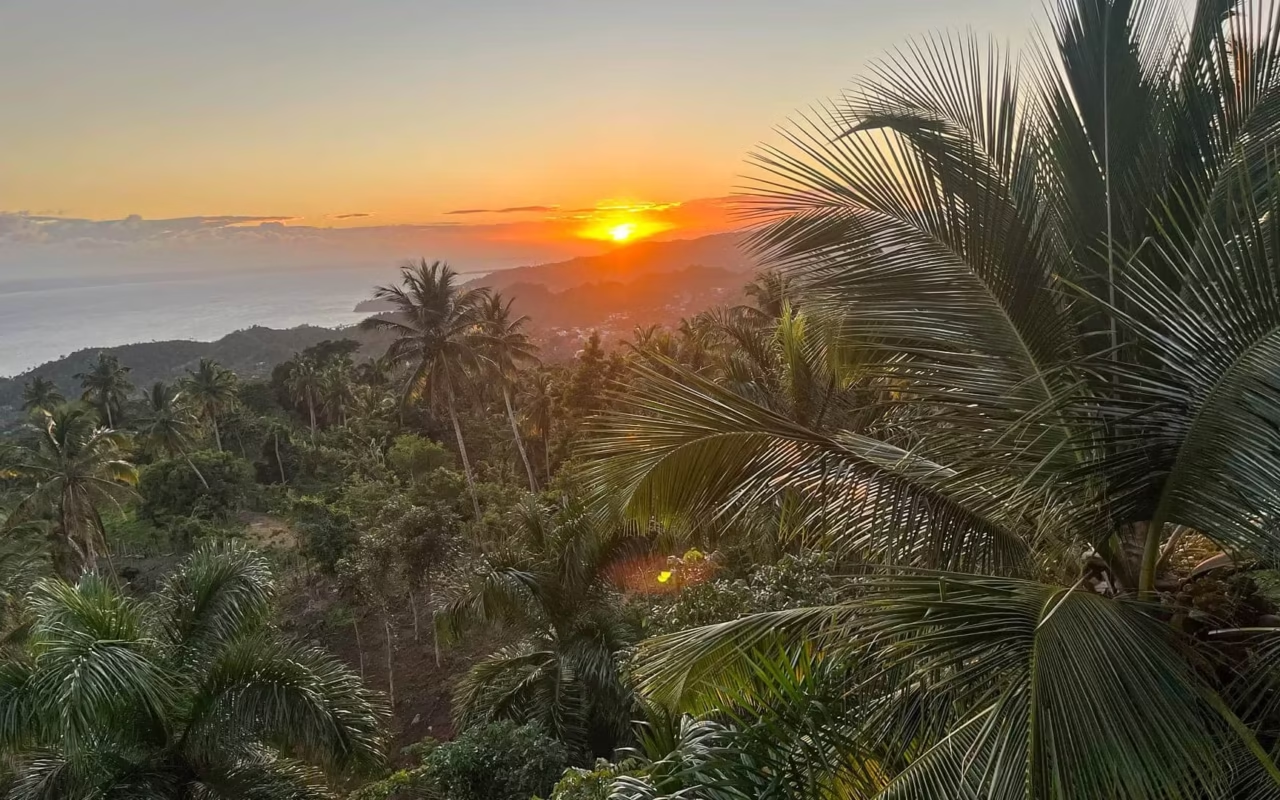
The Samaná Peninsula is probably the most spectacular region in the Dominican Republic for travelers looking to get away from mass tourism. Its landscapes—mountains covered in dense vegetation, deep bays, and beaches accessible only on foot or by boat—stand in stark contrast to the island’s usual image.
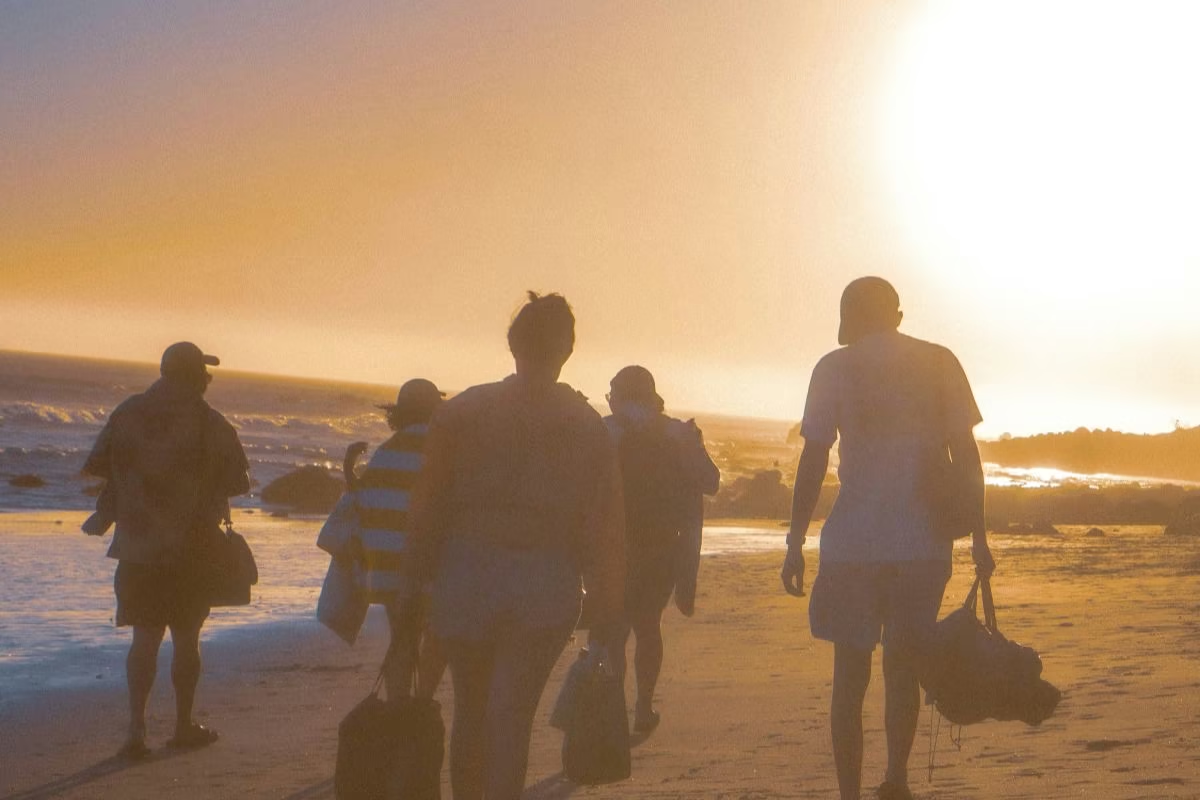
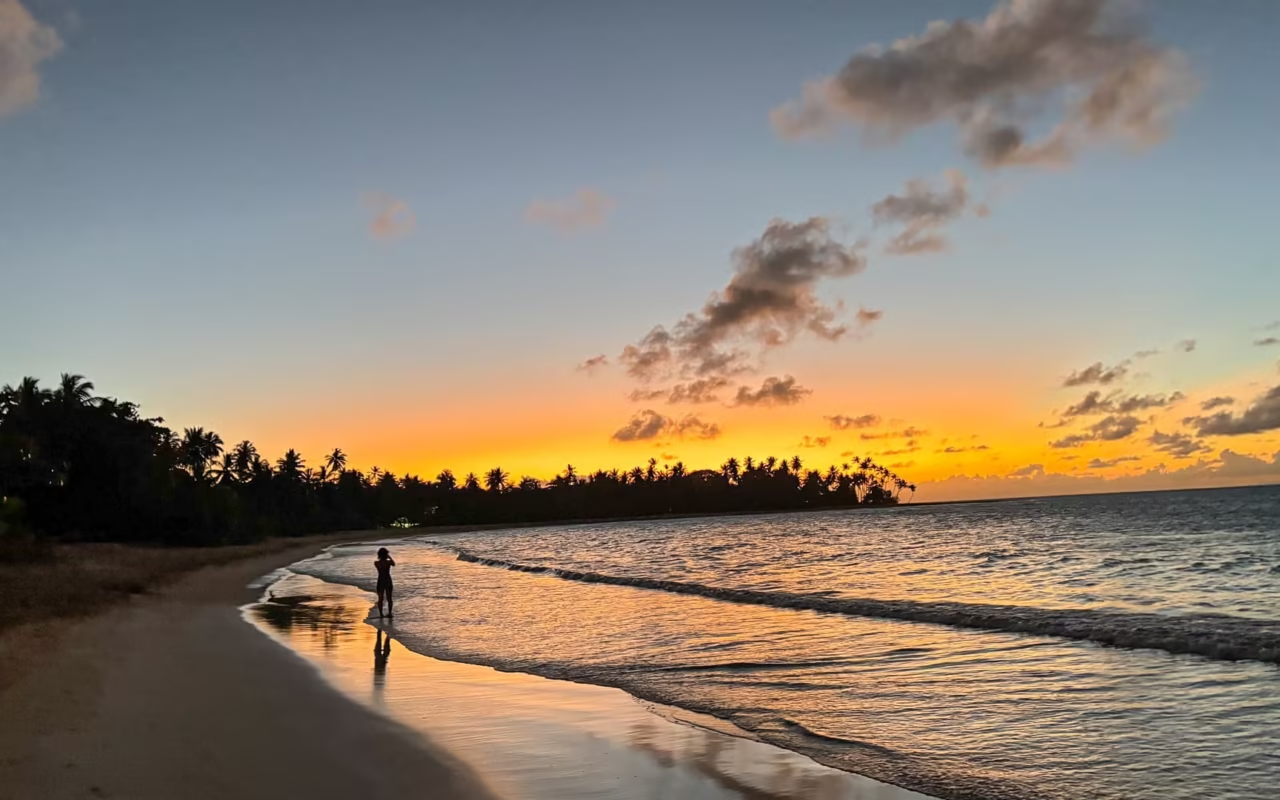
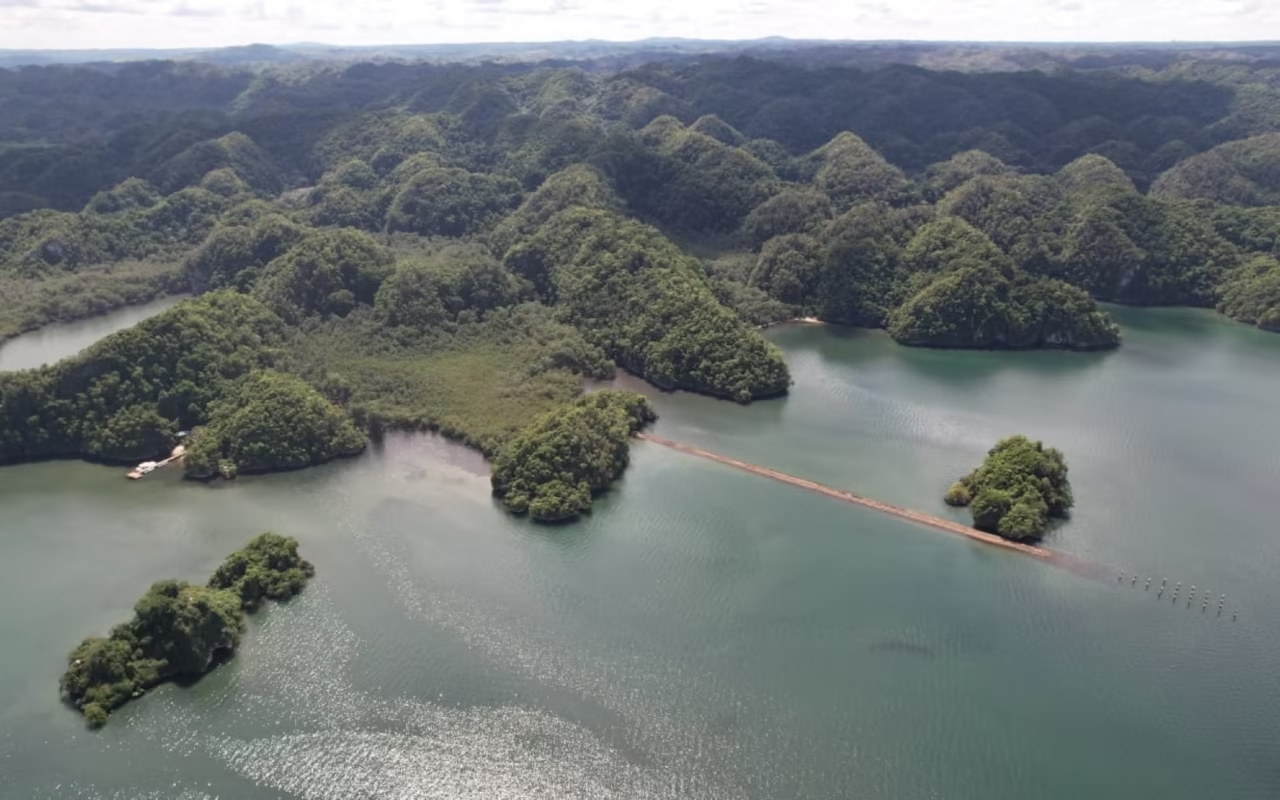
Even outside of whale season, Samaná is well worth the trip. Los Haitises National Park can be explored by kayak or boat through a labyrinth of mangroves, karst islets, and caves adorned with Taíno cave paintings dating back more than 500 years. Las Terrenas is the liveliest hub on the peninsula; Las Galeras and El Valle offer a more secluded setting, with beaches like Playa Rincón—regularly cited as one of the most beautiful beaches in the Dominican Republic —accessible only by boat or on foot. See also our feature on the beaches of the Samaná Peninsula.
Humpback Whales: Samaná’s Signature Experience
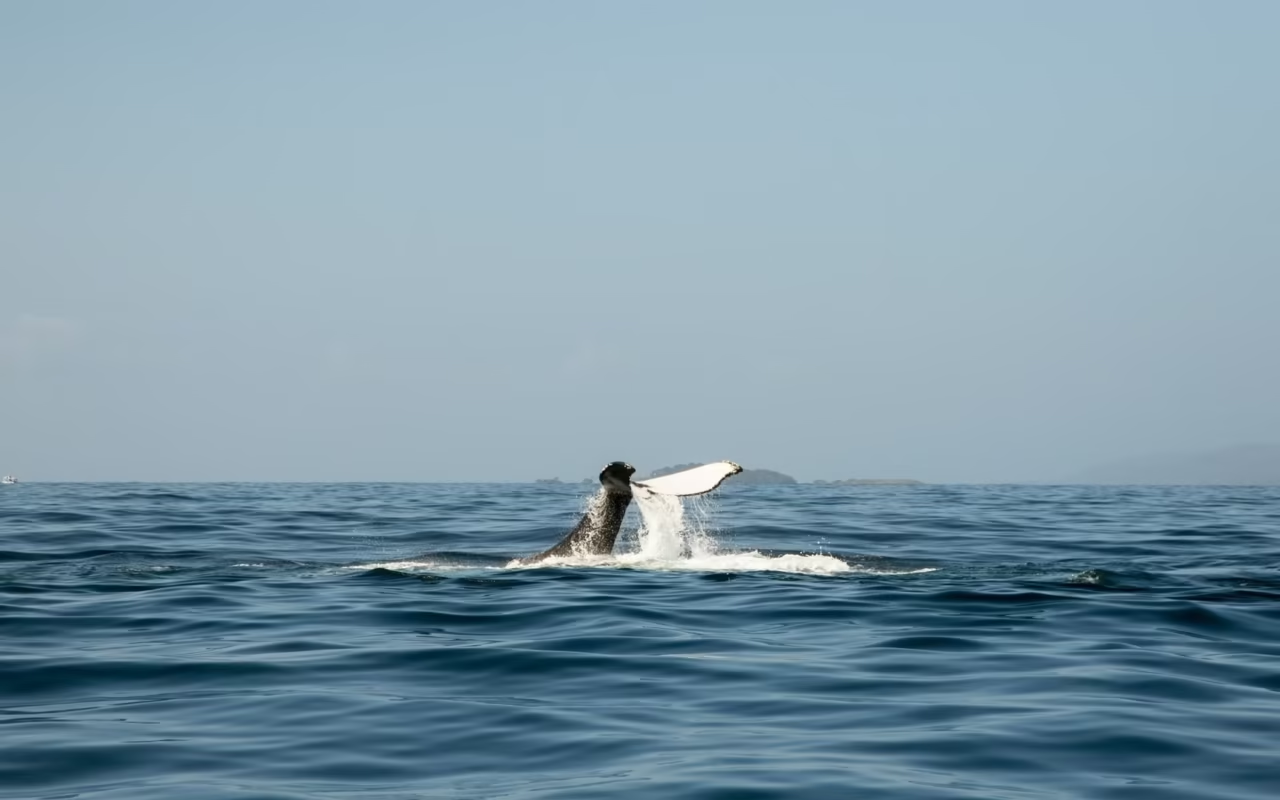
Between mid-January and late March, between 1,500 and 2,000 humpback whales migrate from the North Atlantic to breed in the calm waters of Samaná Bay, which was officially designated a Marine Mammal Sanctuary in 1986. In the first quarter of 2024, more than 61,000 people made the trip, 66% of whom were international tourists. Tours are strictly regulated: boats may not come within 50 meters of the whales, and 80 meters if the whale is a female with her calf. To plan your trip, check out the best times to travel and when to see wildlife in the Dominican Republic.
What to See in Santo Domingo? Culture Where the Continent’s History Began
The Dominican capital is often overlooked in favor of the beaches. That’s a mistake. Santo Domingo was the first city founded by Europeans in the Americas: Bartolomé Columbus, Christopher’s brother, laid its foundations in 1496 on the eastern bank of the Ozama River. For the full historical context, see our article onthe history of the city of Santo Domingo.
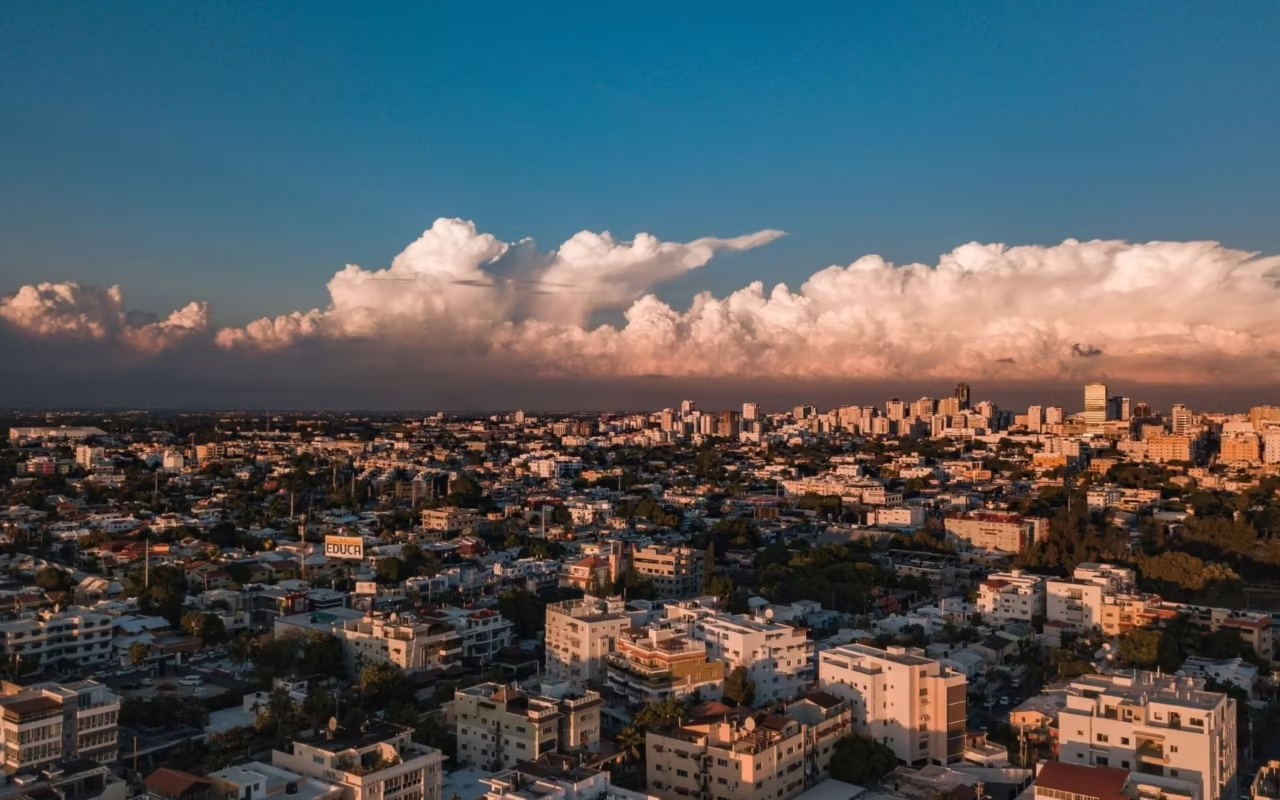
Beyond the colonial district, Santo Domingo is a capital city of 3 million people with a vibrant food scene, museums, and a nightlife scene driven by merengue and bachata—both of which are listed as UNESCO Intangible Cultural Heritage. To explore Dominican music further, see our dedicated article. The immediate surroundings also hold some pleasant surprises: the sand dunes of Baní, the Las Salinas lagoons, and the coast of San Cristóbal.
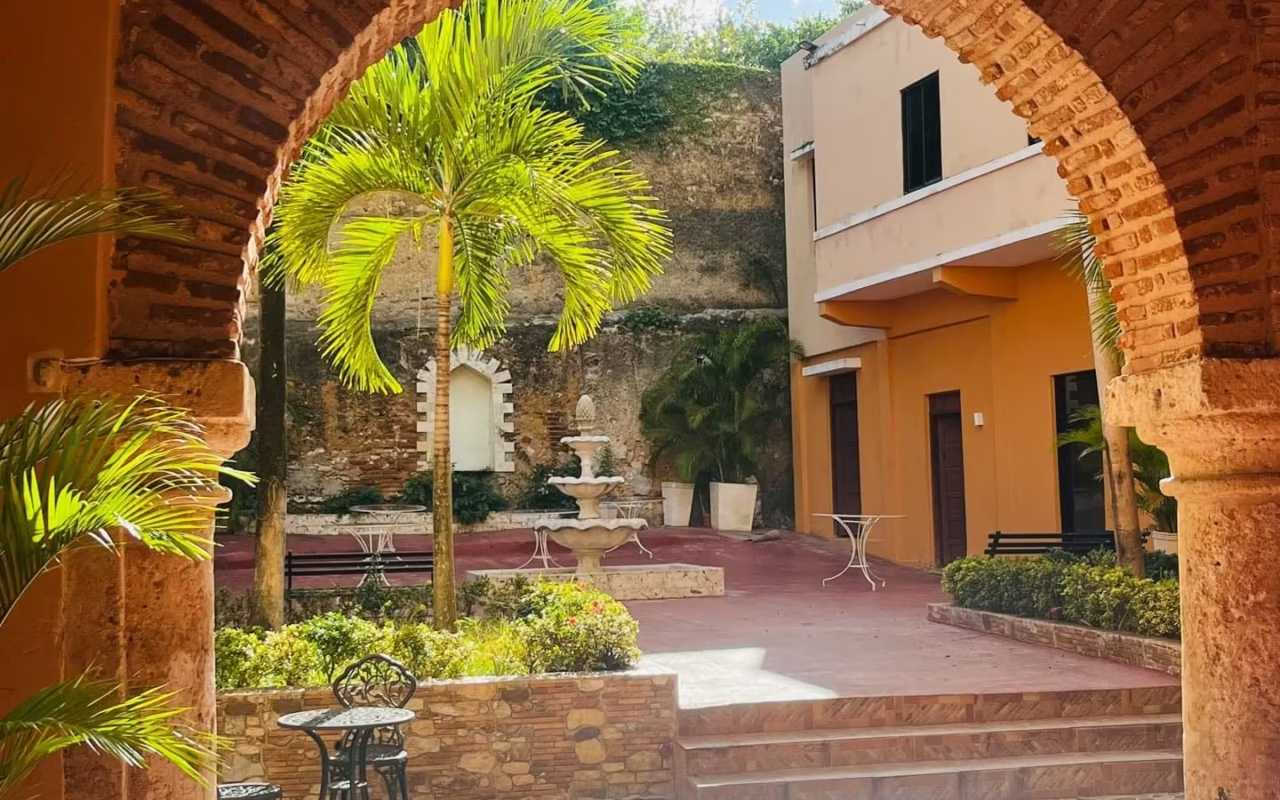
The Colonial Zone, a UNESCO World Heritage Site since 1990
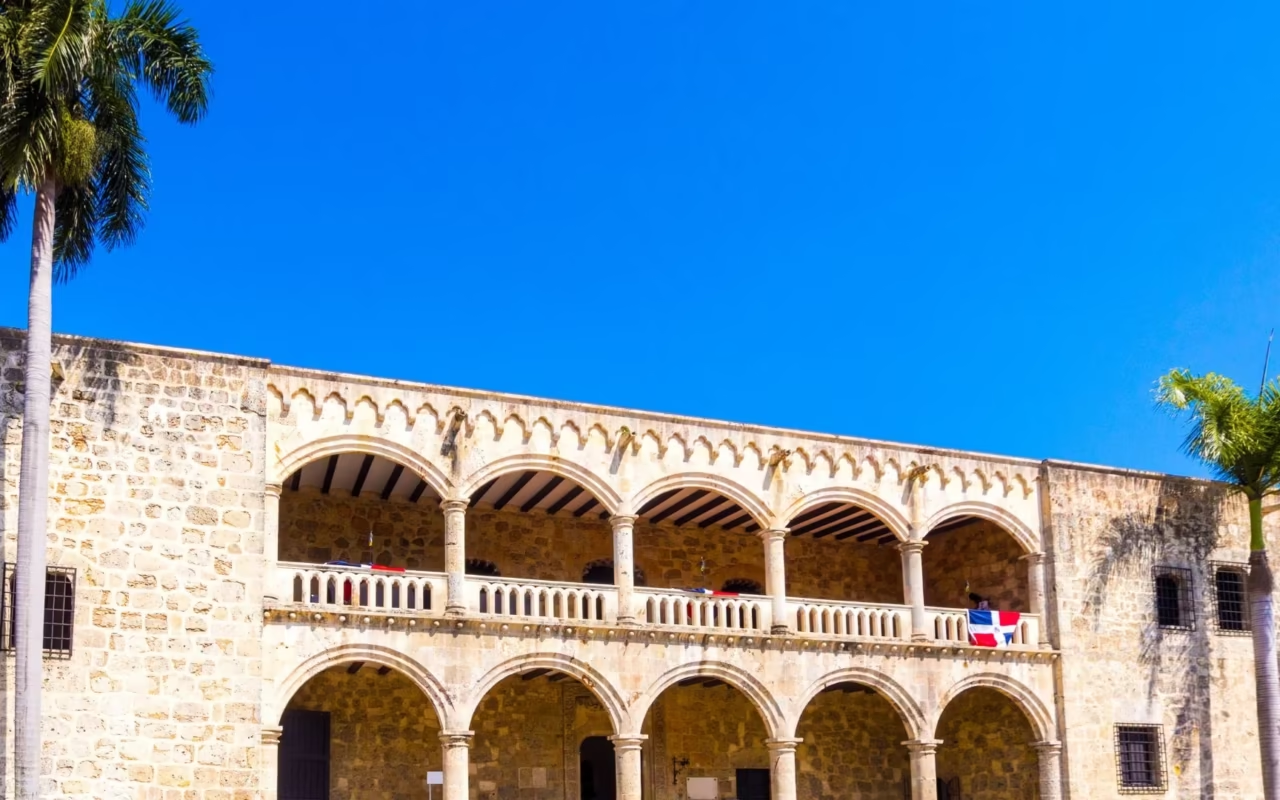
This 12-hectare neighborhood is home to a series of “firsts” in the Americas: the first cathedral (Catedral Primada de América, consecrated in 1541), the first university (successor to the one founded in 1538), and the first fortress (Ozama, 1507).The Alcázar de Colón, the residence of Christopher Columbus’s son, overlooks the river and is one of the best-preserved Renaissance complexes on the continent. The historic center boasts more than 300 monuments, most of which date from the16th century—a rare treasure trove for lovers ofart, culture, and heritage.
The Central Cordillera: Hiking and Mountains in the Heart of the Caribbean
Few travelers know that the Dominican Republic is home to the highest peak in the Caribbean. Jarabacoa and Constanza are also worth a visit in their own right, regardless of Pico Duarte. At an altitude of about 600 meters, the climate is cool, and the landscapes of green valleys and waterfalls stand in stark contrast to the rest of the island. Around Jarabacoa, rafting on the Río Yaque del Norte, canyoning, and horseback riding on local fincas make for a 3- to 4-day nature getaway full of variety. Constanza, higher in elevation and more secluded, is surrounded by vegetable farms and small strawberry and apple orchards—a side of the Dominican Republic that most visitors are unaware of.
To learn more about hiking: check out our comprehensive guide to hikes and treks in the Dominican Republic.
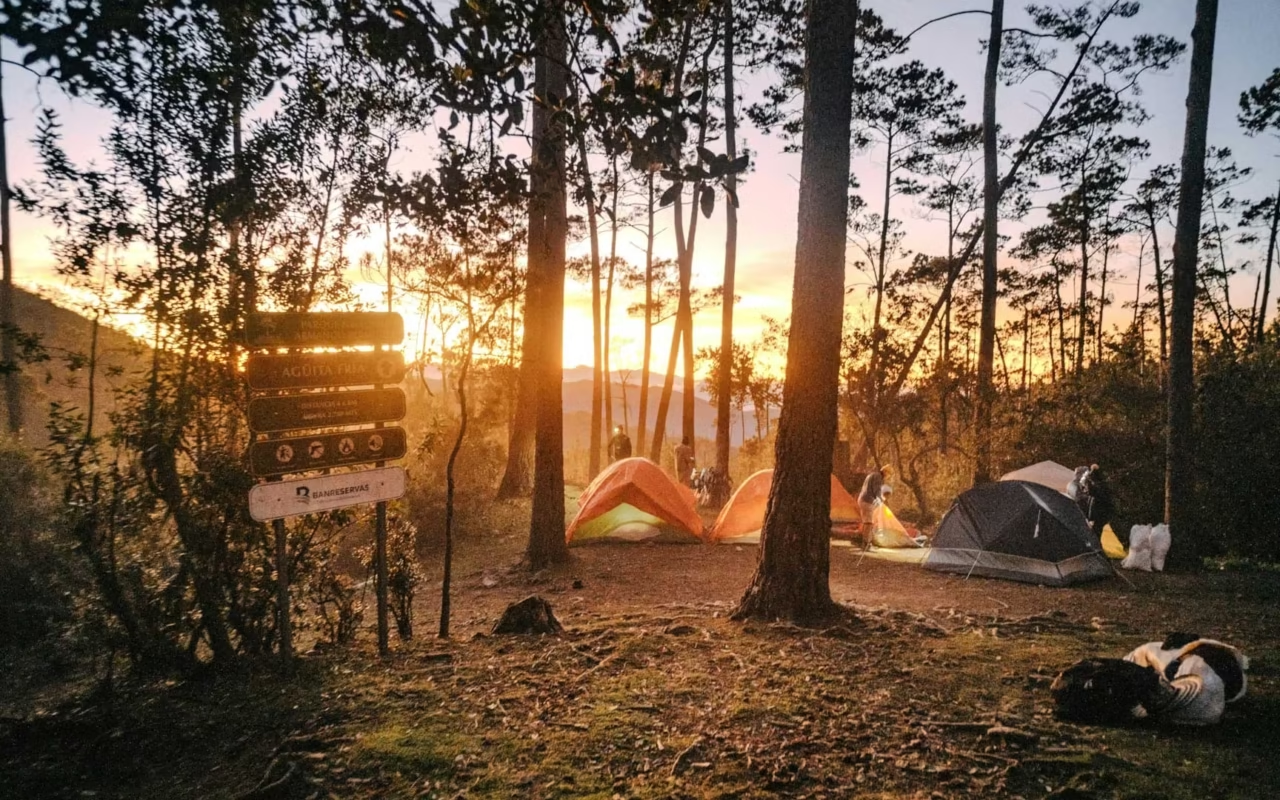
Pico Duarte, 3,098 m — the roof of the Caribbean
The ascent, which typically starts from La Ciénaga near Jarabacoa, takes 3 to 4 days with mules and local guides. It is physically demanding but accessible to any well-prepared, regular hiker. The trail winds through pine forests, high-altitude páramos, and fords. A certified local guide is required, and nighttime temperatures drop below 5 °C atthe summit, even in summer. For details and logistics, see our article dedicated toclimbing Pico Duarte.
The Eastern Caribbean: Beyond the Resorts of Punta Cana
The eastern part of the island is home to the majority of all-inclusive hotels— Punta Cana, Cap Cana, and Bávaro form one of the largest all-inclusive hubs in the Caribbean. But this region also boasts remarkable natural areas that independent travelers can reach in just a few hours by road or sea.
Bayahibe, a small fishing village on the edge of the national park, is the most pleasant base in the region. Miches, on the eastern side of Samaná Bay, offers a nature-focused alternative to Punta Cana: turquoise lagoons, coconut groves, and a tourism industry still in its infancy. Isla Catalina, accessible from La Romana, is known for the wreck of pirate William Kidd’s ship, a diving site in 3 to 5 meters of water—see our article on the best diving and snorkeling spots.
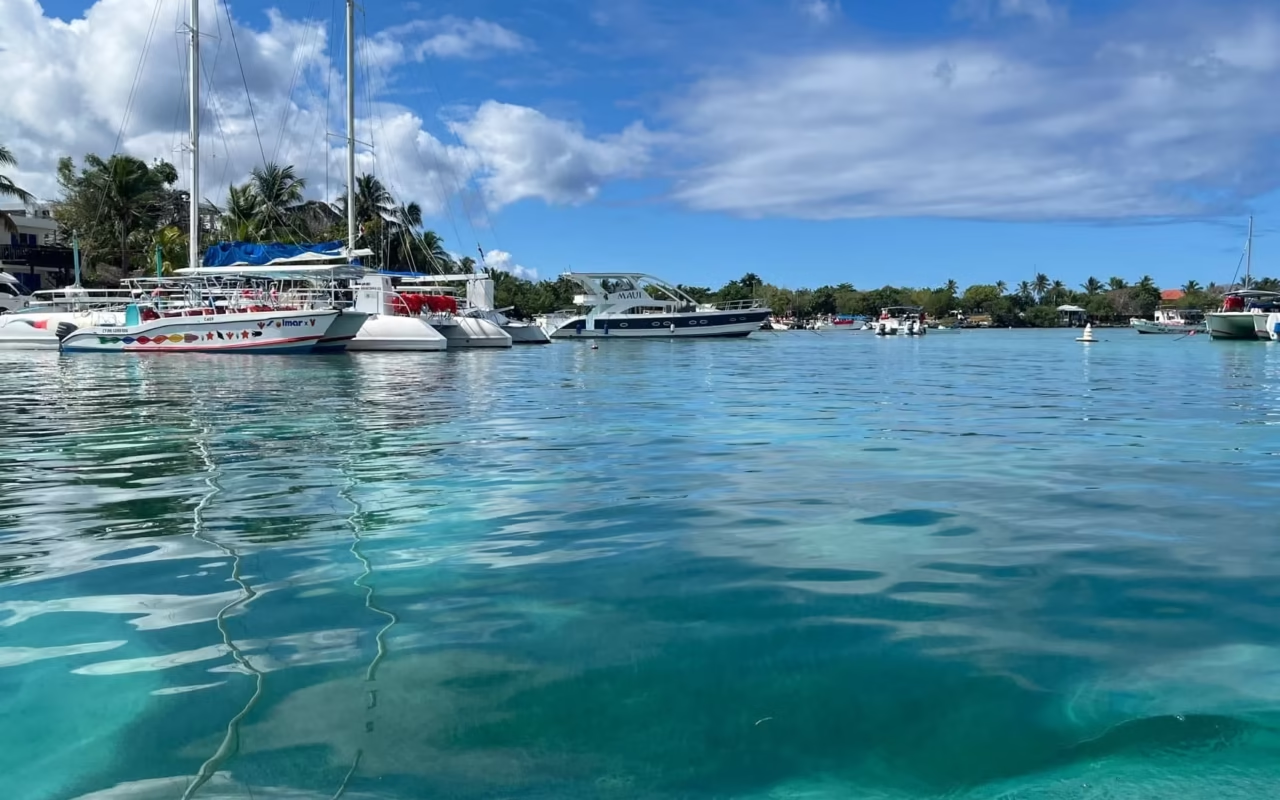
Saona Island & Cotubanamá National Park
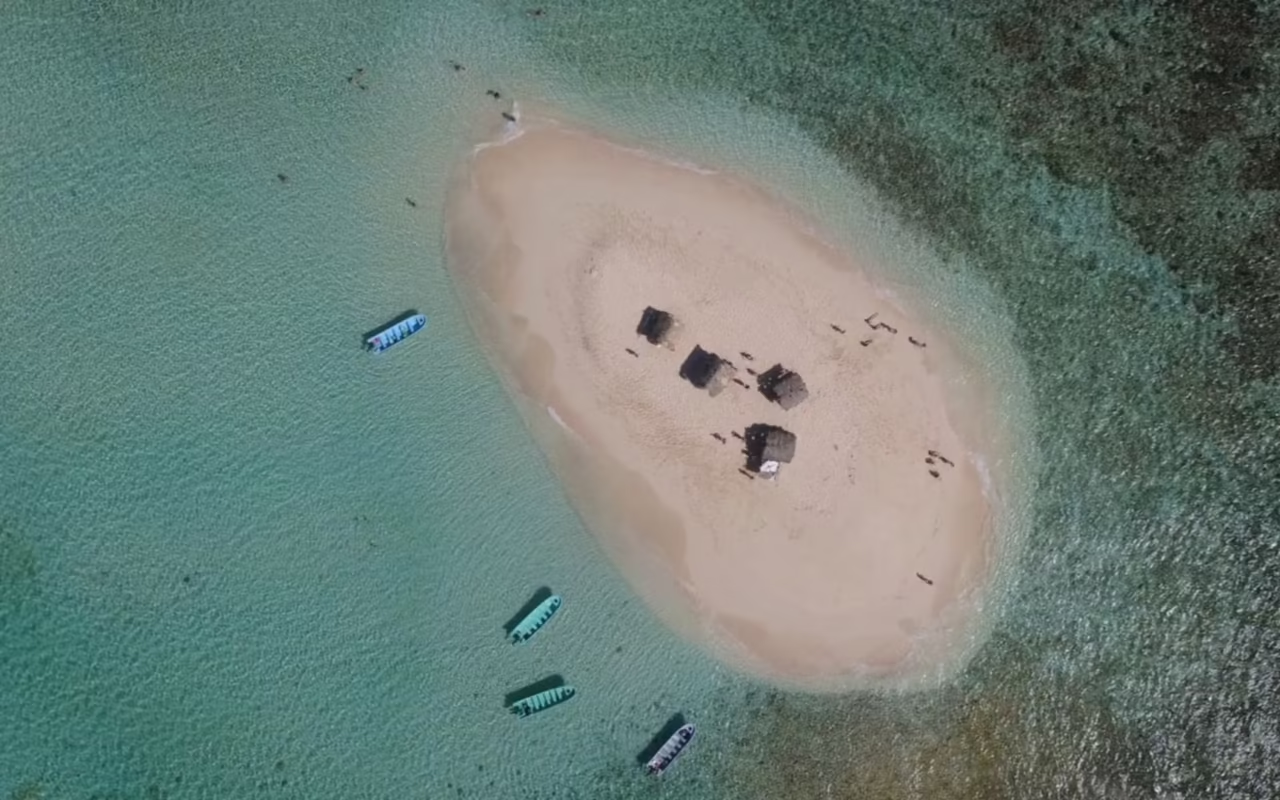
Isla Saona is part of Cotubanamá National Park (formerly del Este), established in 1975 and covering more than 400 km². The island is home to 144 recorded bird species, manatees, and a rich marine ecosystem that can be explored while snorkeling from the shallow natural pool that borders the island. To choose the right day trip, see the differences between Saona and Isla Catalina.
Puerto Plata and the Atlantic Coast: Sports and Untamed Nature
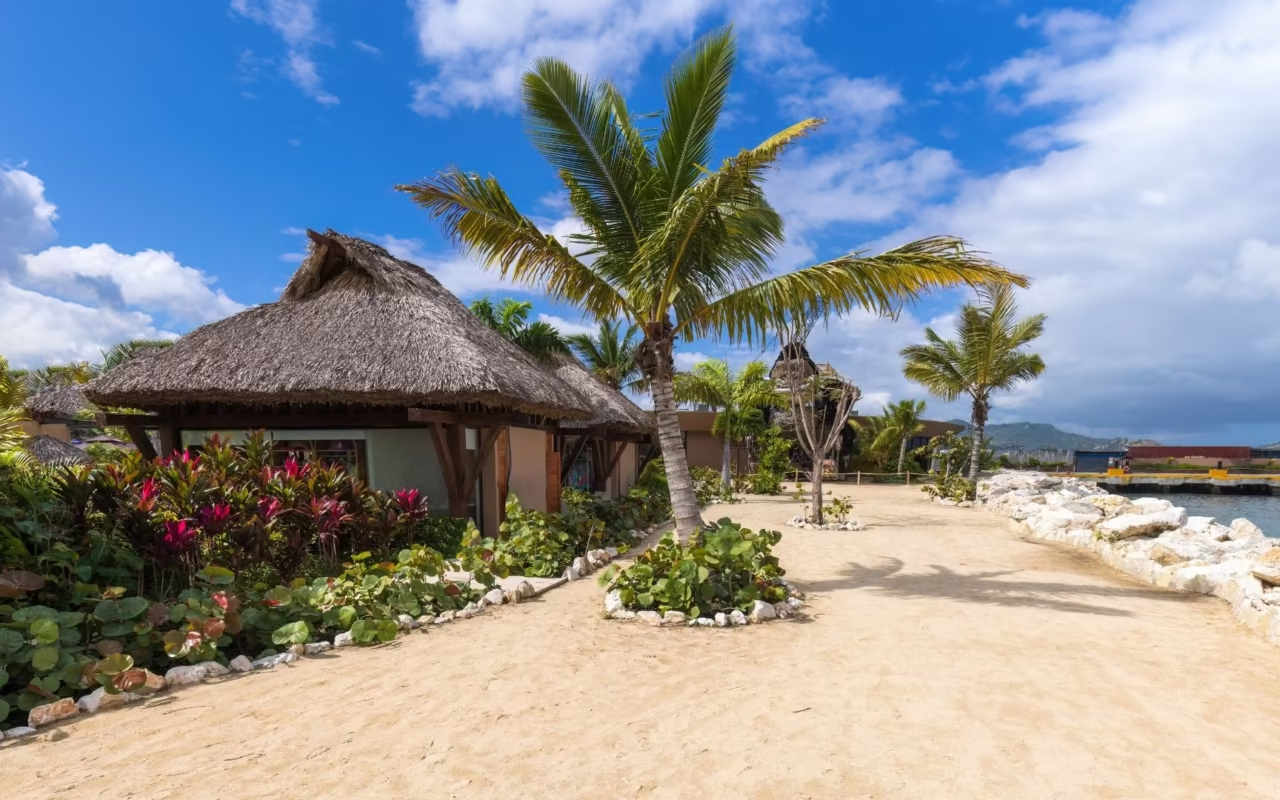
The northern coast, bathed by the Atlantic, has a character all its own: stronger waves, landscapes of hills covered in vegetation, and small fishing villages that are still largely untouched by tourism. Cabarete is recognized worldwide as one of the best kitesurfing and windsurfing spots in the Caribbean, thanks to steady trade winds and a shallow lagoon ideal for both beginners and competitive athletes—see our feature on kitesurfing, windsurfing, and surfing.
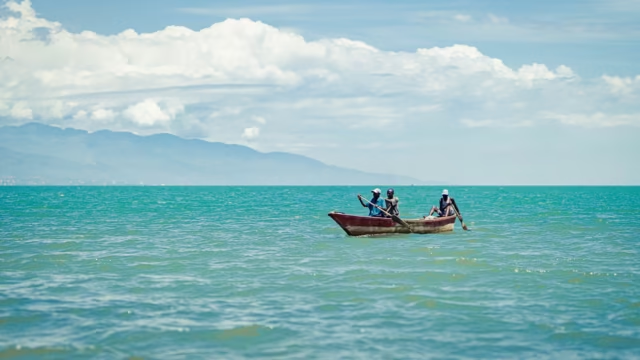
Further west, Punta Rucia and Montecristi are two nature-focused destinations. Punta Rucia provides access to the Gri-Gri Lagoon, a mangrove system navigable by boat. Montecristi, in the arid northwest, is a historic fishing port with well-preserved colonial architecture and seabeds ranked among the richest on the island. Cabrera and Río San Juan, between Puerto Plata and Samaná, are still virtually off the beaten path.
27 Charcos de Damajagua: Canyoning at Its Best
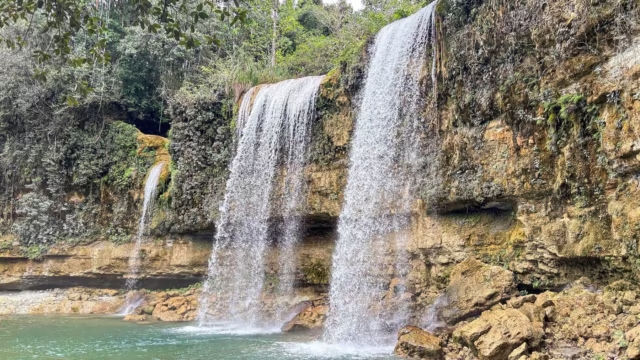
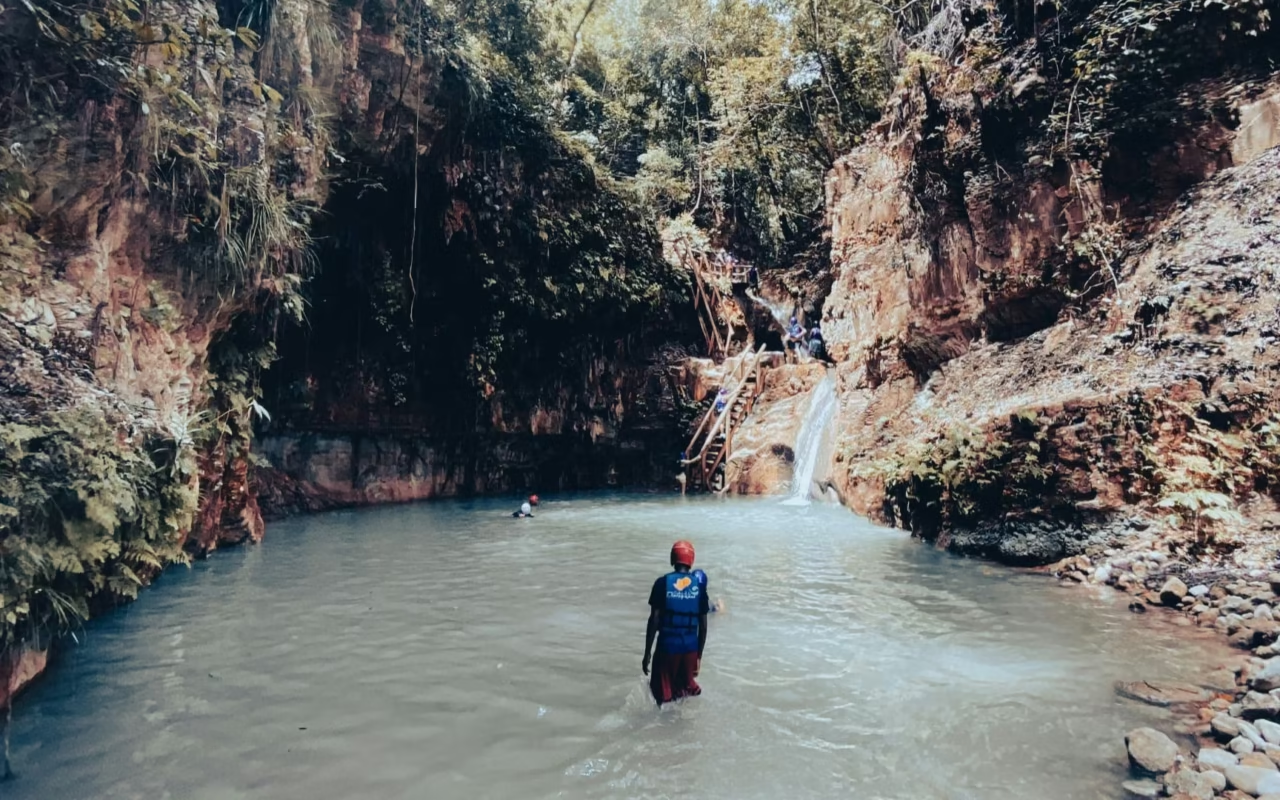
Just 1 hour and 30 minutes from Puerto Plata, the 27 Charcos de Damajagua offer one of the island’s most unique nature experiences: 27 waterfalls and natural pools to navigate through a mix of canyoning, natural slides, and dives into turquoise pools, all under the guidance of certified guides. The park is open year-round, but a visit is particularly enjoyable outside of peak tourist hours (before 9 a.m. or on weekdays). Combine this with other must-see lagoons and waterfalls.
The Untamed Southwest: Barahona, Bahía de las Águilas, and Larimar
The Southwest is the least visited and perhaps the most striking region of the Dominican Republic. This part of the island is home to most of the country’s protected natural areas yet receives only a tiny fraction of its tourists.
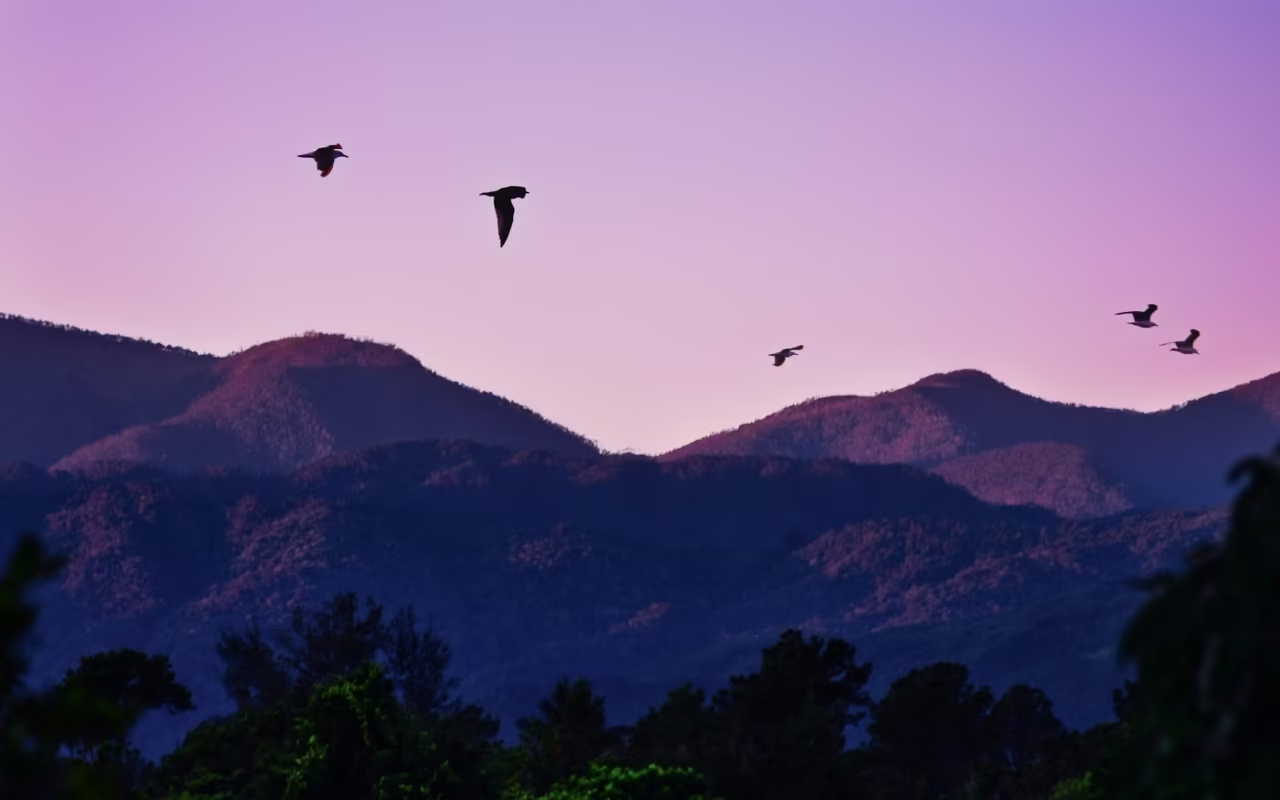
The region is also home to Lago Enriquillo, a hypersaline lake located 44 meters below sea level—the lowest point in the Caribbean—and a refuge for a colony of endemic land iguanas. Lago Enriquillo and the Oviedo Lagoon are among the most interesting birding sites in the Caribbean, with over 100 species observable—including 32 that are endemic to the island of Hispaniola. The Sierra de Bahoruco rounds out this picture with its high-altitude forests and poorly marked trails.
Bahía de las Águilas and Larimar: Exclusives of the Southwest
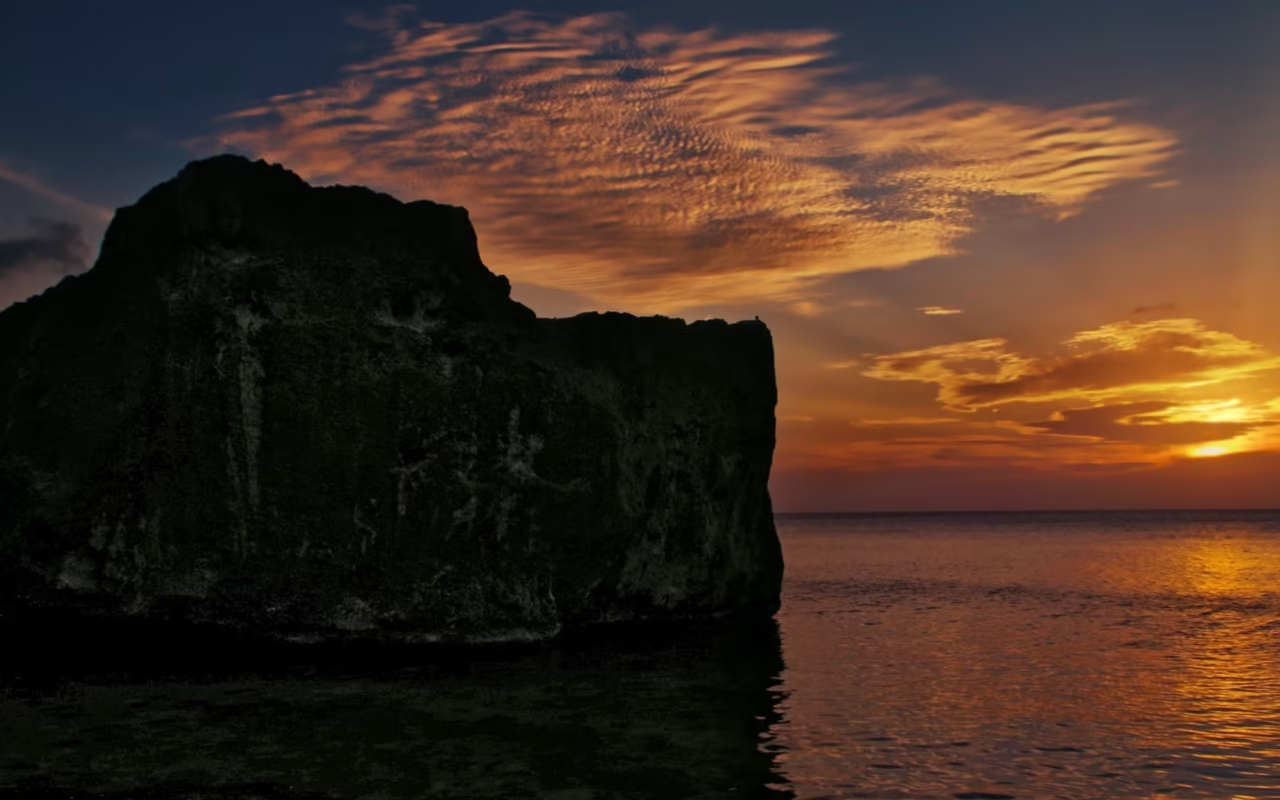
Bahía de las Águilas is regularly cited as the country’s most beautiful unspoiled beach: 8 km of white and brown sand, with no infrastructure, accessible only by boat from Pedernales. It is part of Jaragua National Park, designated a UNESCO Biosphere Reserve. Larimar, a blue variety of pectolite, is mined in only one place in the world: the mines of Barahona Province.
The Cibao and the Agricultural Valleys: Cigars, Cacao, and Dominican Culture
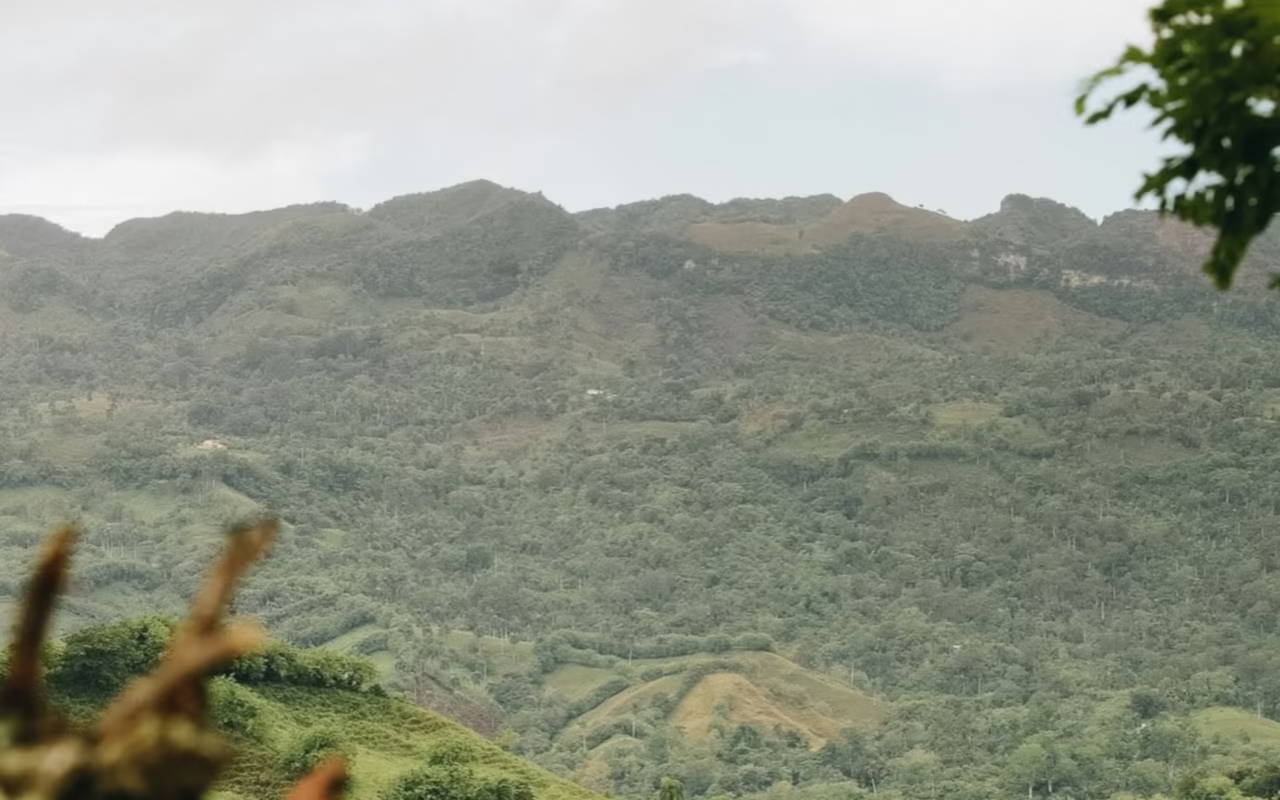
The Cibao Valley, in the north-central part of the island, is the agricultural heartland and cultural cradle of the Dominican Republic. In San Francisco de Macorís, an hour from Santiago, tours of cacao plantations let you follow the entire process from bean to chocolate, while interacting directly with the producers. Further east, the Cibao Valley offers unexpected agricultural landscapes and hospitable rural communities.
To understand the country’s productive spirit—rum, cacao, coffee, tobacco—see our article on Dominican terroirs and craftsmanship.
Santiago de los Caballeros, the capital of tobacco and rum
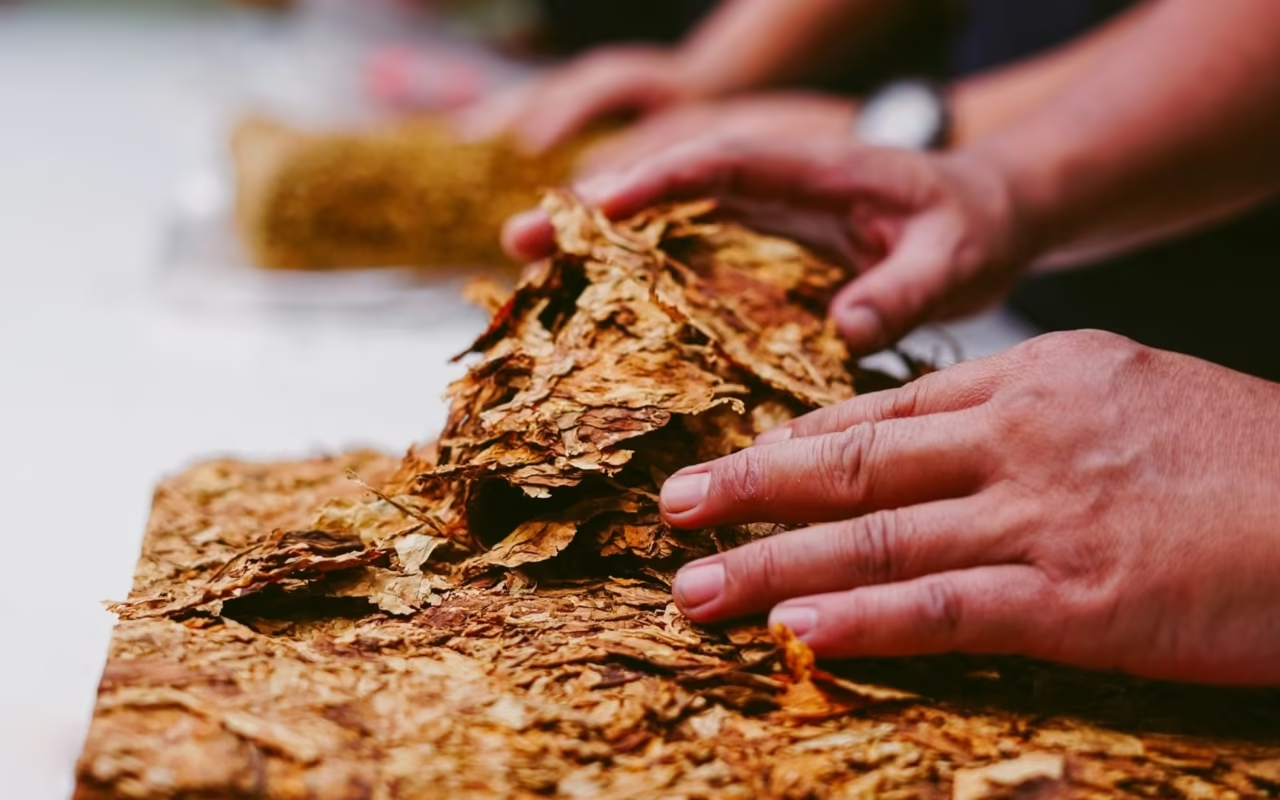
Santiago de los Caballeros, the country’s second-largest city, is known for its cigar factories—some of the largest in the world—where torcedores hand-roll locally grown tobacco leaves using techniques passed down since the19th century. Dominican rum traces its origins to major producers such as Brugal, founded in Puerto Plata in 1888, and Barceló, whose distilleries are located in the San Pedro de Macorís region.
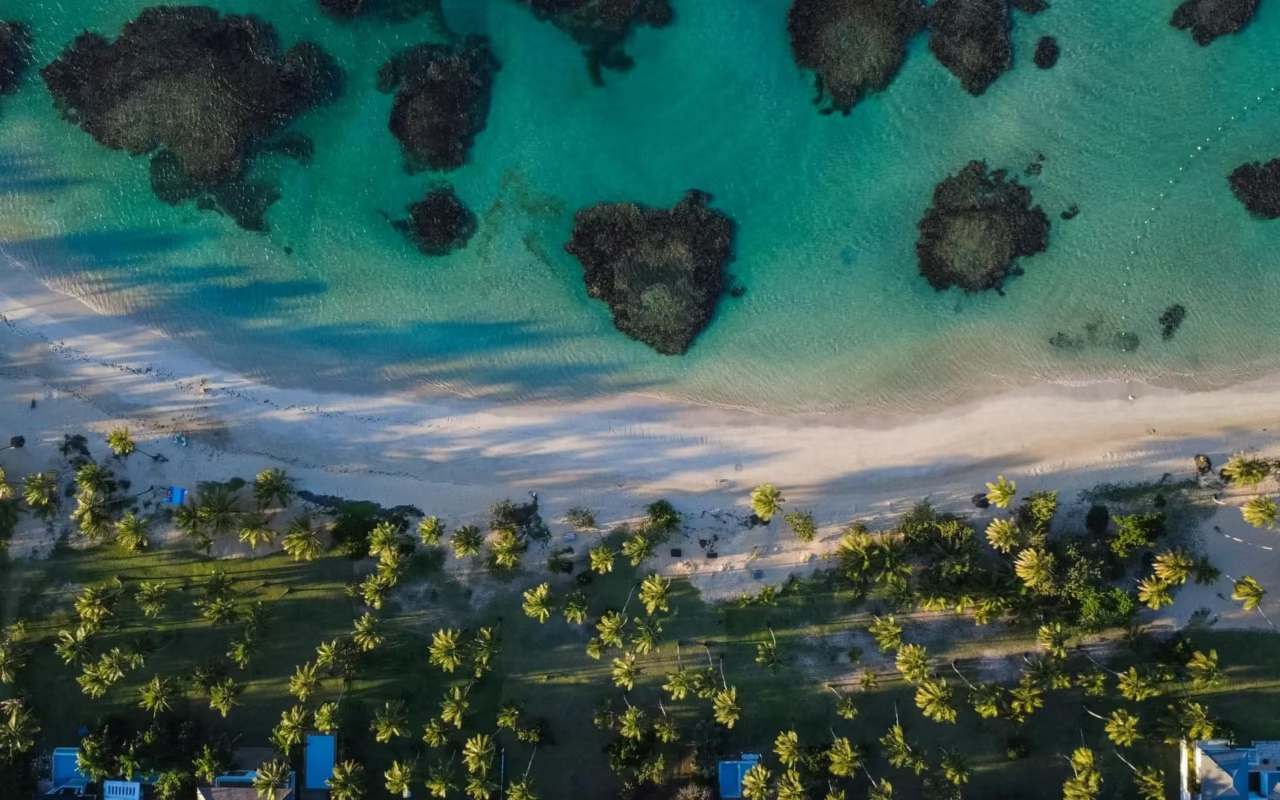
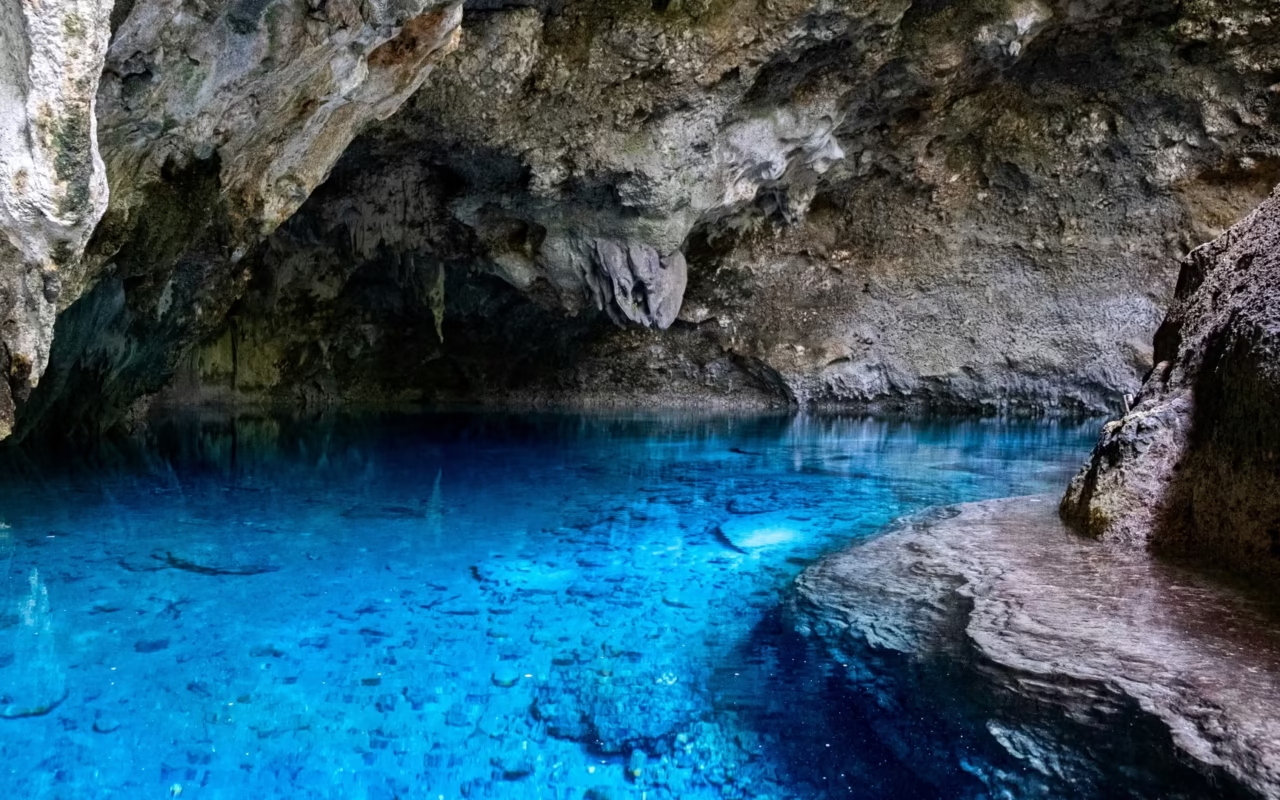
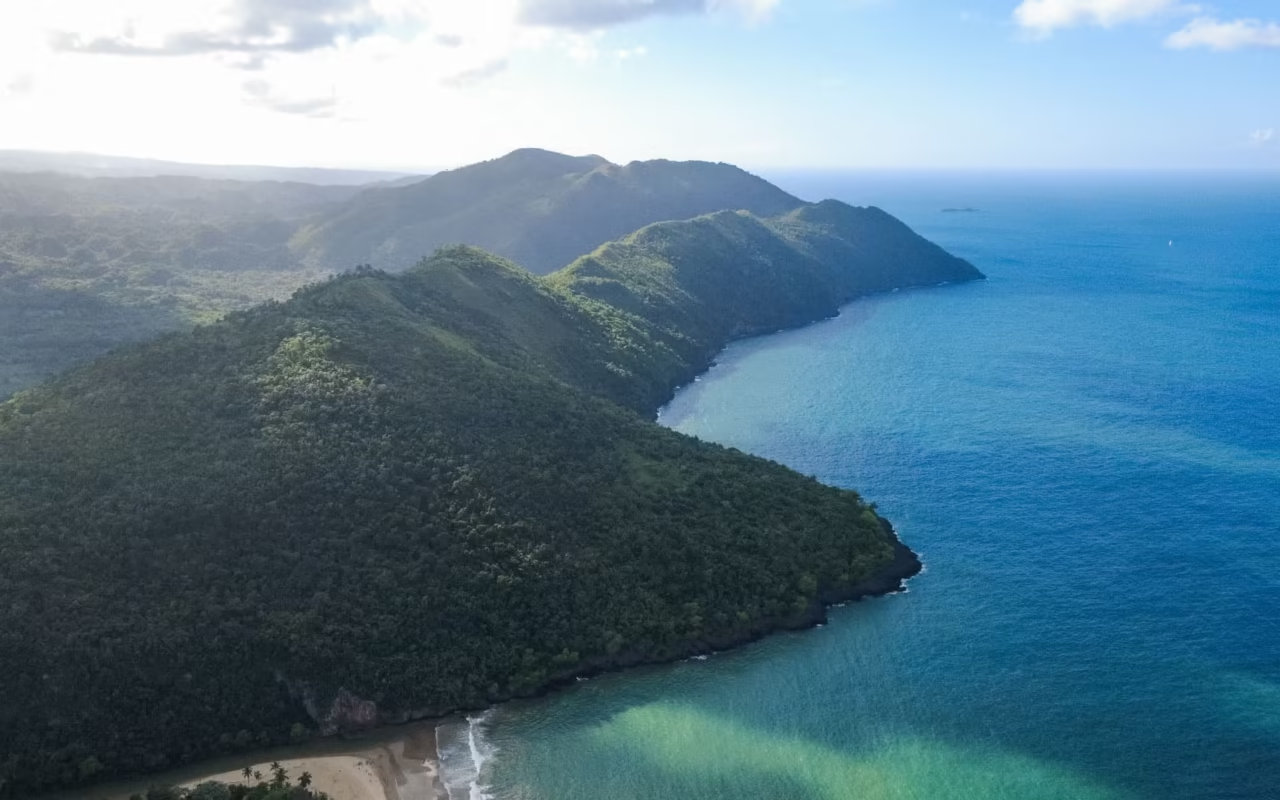
Untouched beaches, cenotes, and turquoise rivers
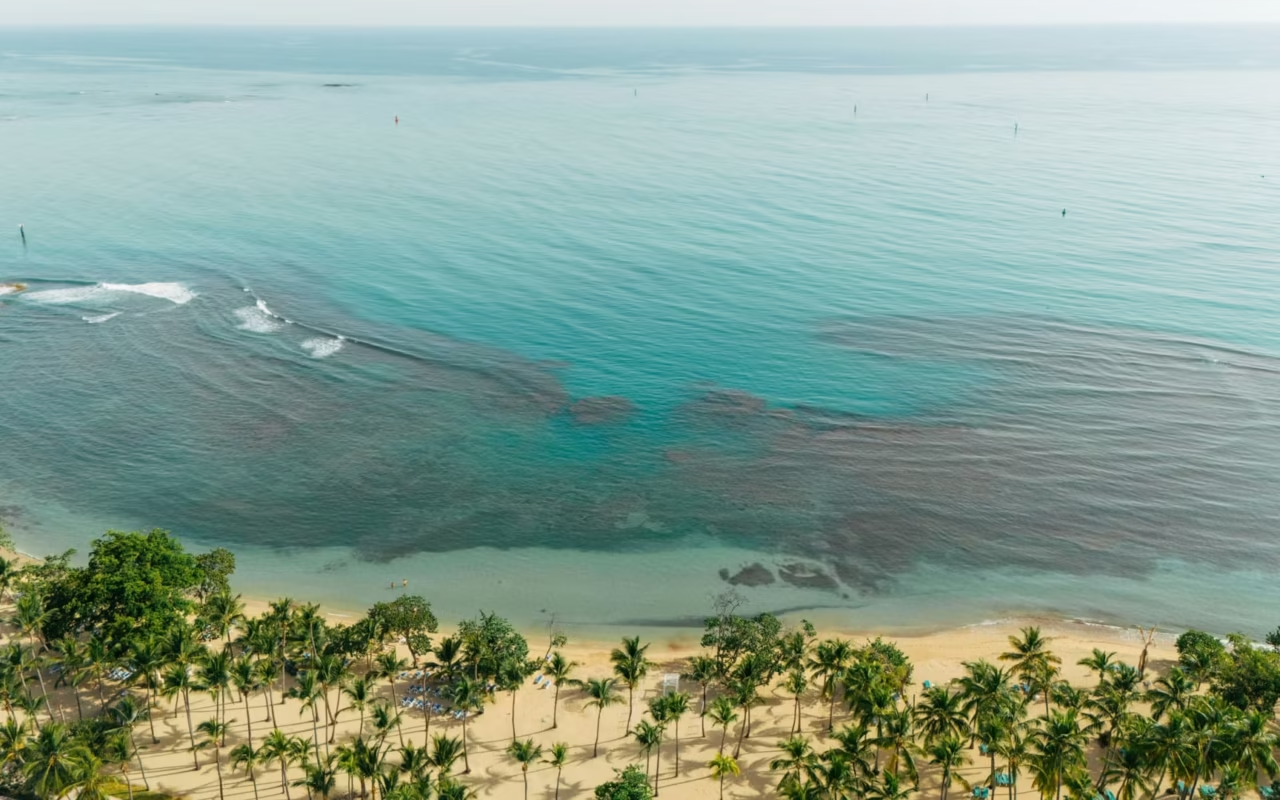
The Dominican Republic’s reputation as a beach destination rests on its kilometers of white sand—but the most interesting beaches are rarely the ones featured in brochures. The most beautiful Dominican beaches are often accessible only by boat or via a hiking trail: Playa Rincón in Samaná, Bahía de las Águilas in the southwest, Playa Frontón, and Playa Macao on the east coast.
The network of cenotes and caves of Taíno origin remains largely unknown. These karst formations offer swimming in crystal-clear waters, sheltered from the sun and the crowds. In the inland waterways—the Río Yaque del Norte, the Río Jamao, and the basins around Jarabacoa—the turquoise waters and the cool, refreshing surroundings create a striking contrast to the heat of the coast.
Activities and Sports: A Destination for Active Travelers
The Dominican Republic is a playground for travelers seeking more than just relaxation. In addition to the activities mentioned by region, here is a brief overview.
| Activity | Main Location | Best Time |
|---|---|---|
| Humpback Whale Watching | Samaná Bay | Mid-January – late March |
| Kitesurfing & Windsurfing | Cabarete | Year-round (trade winds) |
| Hiking – Pico Duarte | Central Mountain Range | November–April |
| Diving & Snorkeling | Bayahibe, Isla Catalina, Saona | Year-round |
| Canyoning – 27 Charcos | Damajagua, North Coast | Year-round |
| Birdwatching | Bahoruco Mountains, Los Haitises, Lake Enriquillo | December–April |
| Kayaking in the mangroves | Los Haitises, Gri-Gri Lagoon | Year-round |
| Baseball (stadium) | Santo Domingo, Santiago | Winter season (Oct.–Jan.) |
| Catamarans & mini-cruises | Samaná, Bayahibe, Punta Cana | Year-round |
| Big-game fishing | Punta Cana, Samaná | Year-round |
Baseball deserves a special mention. The national sport since the19th century, it is as much a part of Dominican identity as bachata. Attending a game at a local stadium—in Santo Domingo or Santiago—during the winter season (October through January) is more of a social experience than just a sporting event. For sailors, see also our feature on private catamarans and mini-cruises, as well as fishing in the Dominican Republic.
Cuisine, rum, and craftsmanship: the delights of Dominican dining
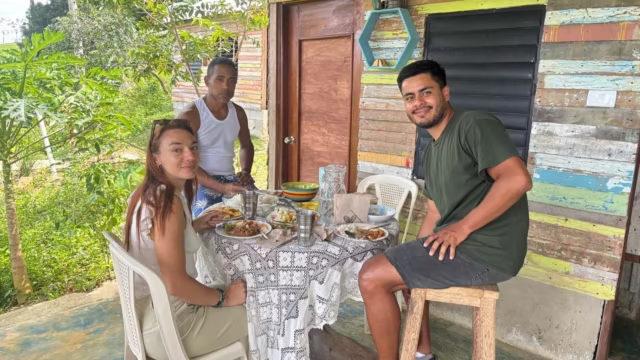
Dominican cuisine is a fusion of flavors, hearty, and relatively unknown internationally. Sancocho —a stew made with meat and root vegetables—is the quintessential festive dish. Mangú, a purée of green plantains served with eggs, fried cheese, and salami, is the daily breakfast for a large portion of the population. Along the coast, grilled lobsters, the catch of the day, and tostones (fried plantain rounds) are staples at every coastal eatery. To learn more, see our feature on Dominican cuisine.
The Dominican Republic is also a producer of high-quality cacao, recognized in the international market for fine chocolate. Cocoa beans from the Dominican Republic are used in many premium European chocolates. As for coffee, the crops from the mountainous regions (Jarabacoa, Constanza) rival those of other major coffee-producing countries in the Americas.
FAQ — Your Questions About What to Do in the Dominican Republic
Is it really worth going beyond Punta Cana in the Dominican Republic?
Punta Cana is the country’s busiest airport, but it represents a specific type of trip—the all-inclusive resort—that only scratches the surface of what the destination has to offer. Travelers who spend 10 to 14 days in the country and venture to Samaná, Santo Domingo, the Central Mountain Range, or the Southwest invariably return feeling as though they’ve visited several distinct countries.
When is the best time to go whale-watching in Samaná?
The official season runs from January 15 to March 20. The peak season is generally between late January and mid-February. Excursions depart from Santa Bárbara de Samaná or Las Terrenas with operators approved by the Ministry of the Environment. See also : Best times to travel.
Is the ascent of Pico Duarte accessible to the average hiker?
Yes, provided you are in good physical condition. The main trail from La Ciénaga takes at least three days round-trip and passes through pine forests, páramos, and fords. A local guide is required. Nighttime temperatures drop below 5 °C at the summit, even in summer.
What is larimar, and where can you find it?
Larimar is a blue variety of pectolite, a semiprecious stone mined exclusively in the province of Barahona. You can buy it at artisanal jewelry workshops in Santo Domingo or visit the mines around Los Chupaderos.
Which national parks are not to be missed?
Los Haitises, Jaragua (Bahía de las Águilas), Cotubanamá (Isla Saona), Armando Bermúdez (Pico Duarte), and the Sierra de Bahoruco. The Dominican Republic has more than 30 protected areas covering about 30% of the country’s territory—see our complete guide to national parks and protected areas.
Is Dominican cuisine worth trying?
Dominican street food and home-cooked meals offer a true window into the local culture. The agricultural regions of Cibao allow you to delve deeper with visits to cacao, coffee, and tobacco plantations.
Can you go surfing or kitesurfing in the Dominican Republic?
Cabarete, on the Atlantic coast, is the Caribbean’s kitesurfing capital, with ideal wind and sea conditions year-round. Beginners can take lessons there at IKO-certified schools. Surfing is popular on the north coast (Cabarete, Encuentro) and at a few spots on the east coast (Playa Macao). See our water sports guide for details.
How does Terra Dominicana organize custom trips?
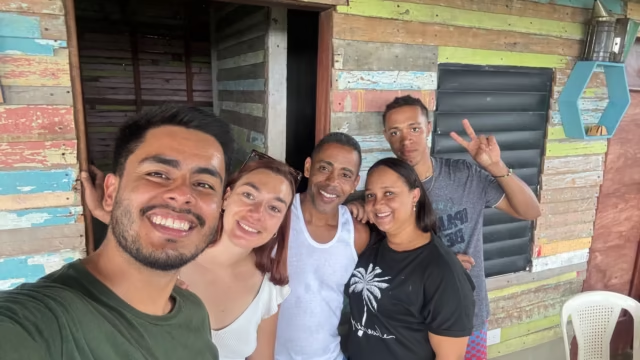
Terra Dominicana is a local incoming tour operator based in Santo Domingo. Every trip begins with a meeting in the capital with the team, who know every region of the island firsthand from having traveled there themselves. The agency selects authentic accommodations—mountain fincas, coastal guesthouses, nature lodges—and English-speaking local guides in each region. You can read traveler reviews or contact them directly.
Plan Your Trip to the Dominican Republic with Terra Dominicana
The Dominican Republic is a country of contrasting paces. You could spend two weeks at a resort without ever encountering a Dominican who isn’t a hotel employee. But you can also travel differently: by choosing regions based on your interests, staying in accommodations with character, and taking the time to visit Barahona or Los Haitises rather than just checking off the organized excursions offered by the resort.
Terra Dominicana designs custom itineraries from Santo Domingo for travelers who want to understand the country, not just experience it as a tourist. Our knowledge of the regions—including those not featured in any brochure—and our network of English-speaking local guides allow us to offer well-rounded, well-paced trips tailored to each traveler’s profile.
To take your planning a step further: find out the best time to travel, how much to budget, entry requirements, explore a map of the regions, or request a personalized itinerary.
About the Author
Laura Grenouillet is the founder of Terra Dominicana, an inbound travel agency based in Santo Domingo. She designs custom itineraries that allow travelers to discover the Dominican Republic in all its diversity.