At a Glance
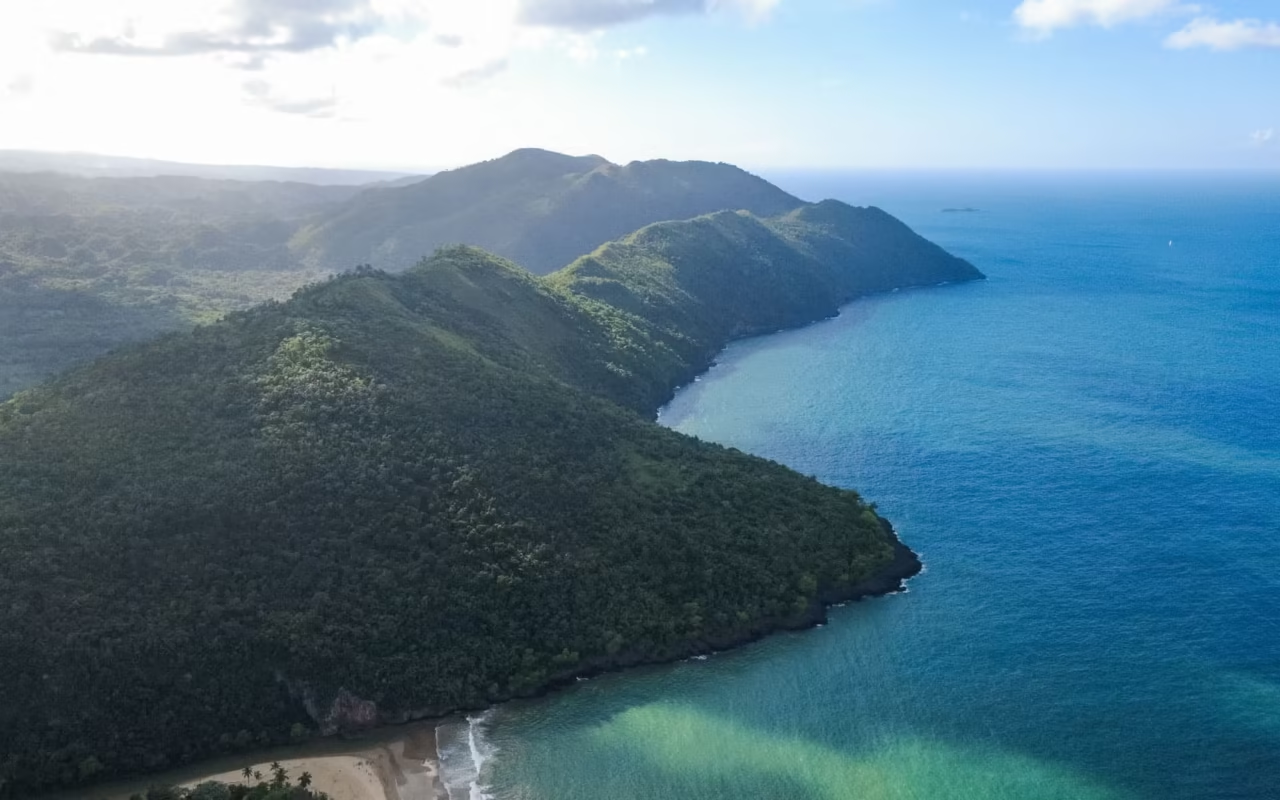
The Dominican Republic has more than 130 protected areas, covering 25.32% of its land area and 10.8% of its marine waters. These areas are home to most of the country’s endemic species. Here is our selection of must-see national parks and natural monuments, tailored to your profile and travel style.
An exceptional natural area,
protected by the government
Since 2004, the Dominican Republic’s protected areas have been governed by the Sistema Nacional de Áreas Protegidas (SINAP), administered by the Ministry of the Environment and Natural Resources. Their goal is to preserve the country’s environmental and cultural treasures—pine-covered mountains, karst landscapes, mangroves, dunes, waterfalls, salt lagoons, and tropical forests make up a region of ecological diversity rarely found in the Caribbean.
At Terra Dominicana, we don’t talk about “seeing all the parks,” but rather about choosing the right ones: based on your pace, the season, and your interests in hiking, biodiversity, or scenery.
National Parks in the Northern Part of the Country
Los Haitises National Park
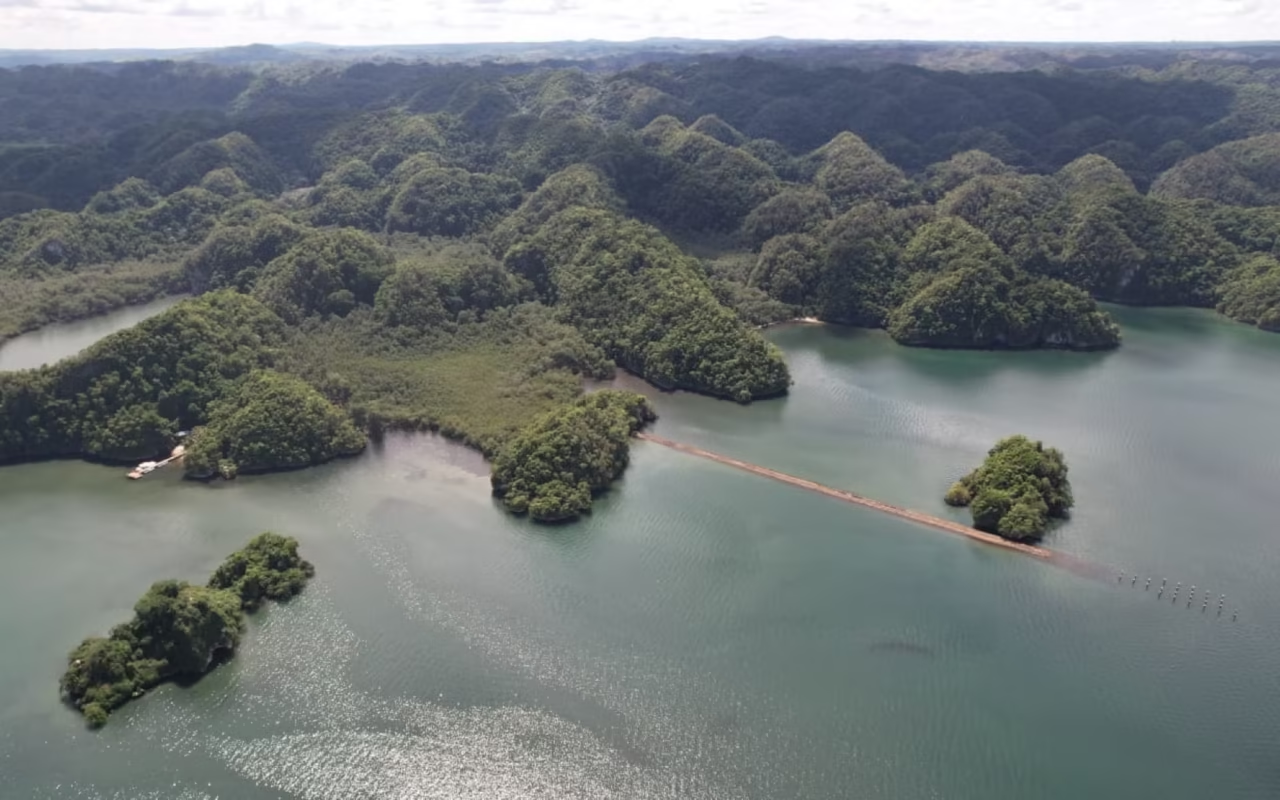
Located in the northeast, in Samaná Bay, Los Haitises is one of the country’s most iconic parks. It is distinguished by its karst limestone formations known as mogotes —rounded hills rising from the mangroves and the bay—as well as its extensive mangrove forests and caves adorned with Taíno pictographs and petroglyphs.
Visits are exclusively by boat, which helps preserve the site’s wild character. As you cruise along, you’ll sail past the mogotes, enter caves, and watch birds from the boat.
- Boating through the mangroves among the rock formations
- Birdwatching (frigatebirds, pelicans, herons, endemic parrots)
- Exploring Taíno archaeological sites in accessible caves
Terra Dominicana Tip: Leave early in the morning to avoid crowds. From January to March, combine this with humpback whale watching in Samaná Bay—a rare and unforgettable combination.
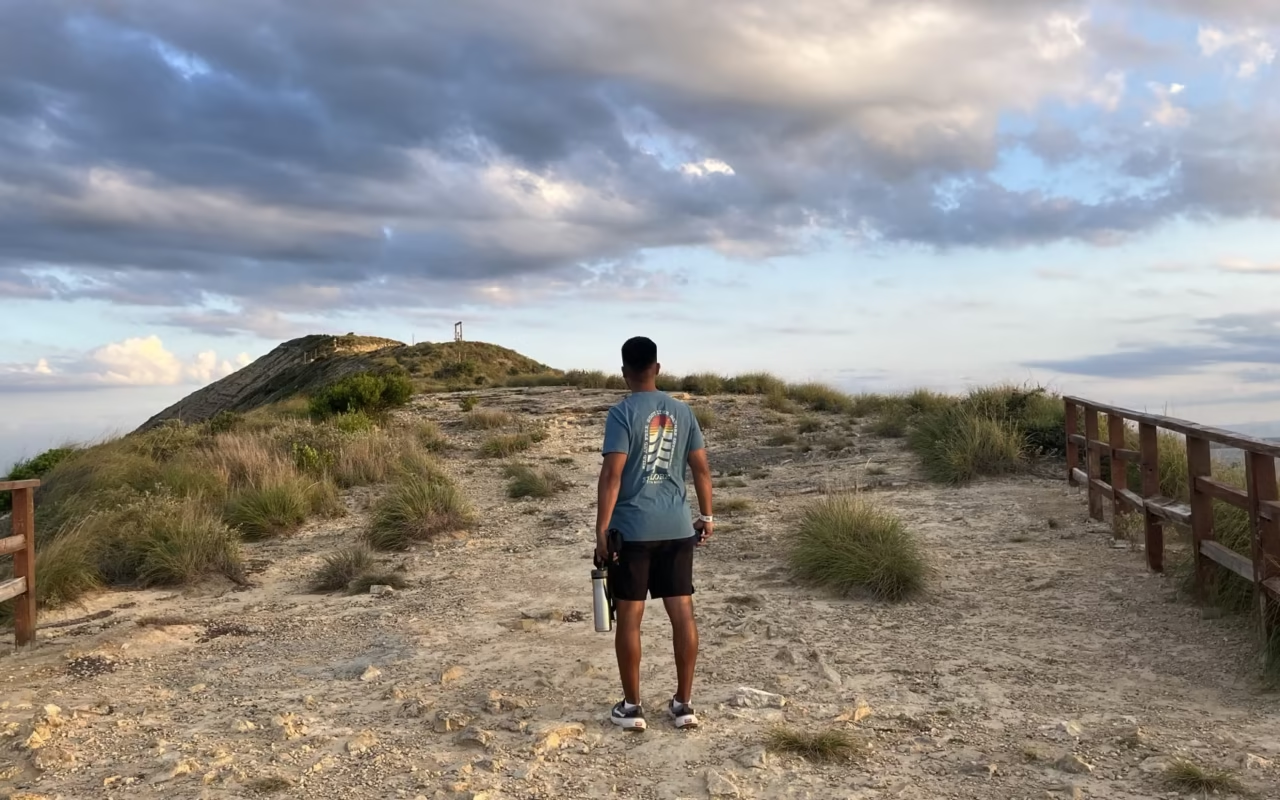
El Morro National Park — Monte Cristi
Located in the province of Monte Cristi, near the Haitian border, this national park protects a highly distinctive coastal landscape in the northwest. El Morro, an imposing rock formation overlooking the sea, has become the symbol of the region.
The park features beaches, mangroves, wetlands, dry forests, and rocky coastlines. Its biodiversity is adapted to arid environments, with two locally endemic plant species. Coastal trails offer walks with unobstructed views of the Atlantic. It’s a destination off the beaten path, perfect for travelers who want to explore an unusual side of the country.
National Parks in the Wild Southwest
Lago Enriquillo and Isla Cabritos National Park
Located in the southwestern part of the country, this national park protects the largest lake in the insular Caribbean. Lago Enriquillo lies more than 40 meters below sea level and covers an area of approximately 260 km². Its hypersaline waters are three times saltier than the sea.
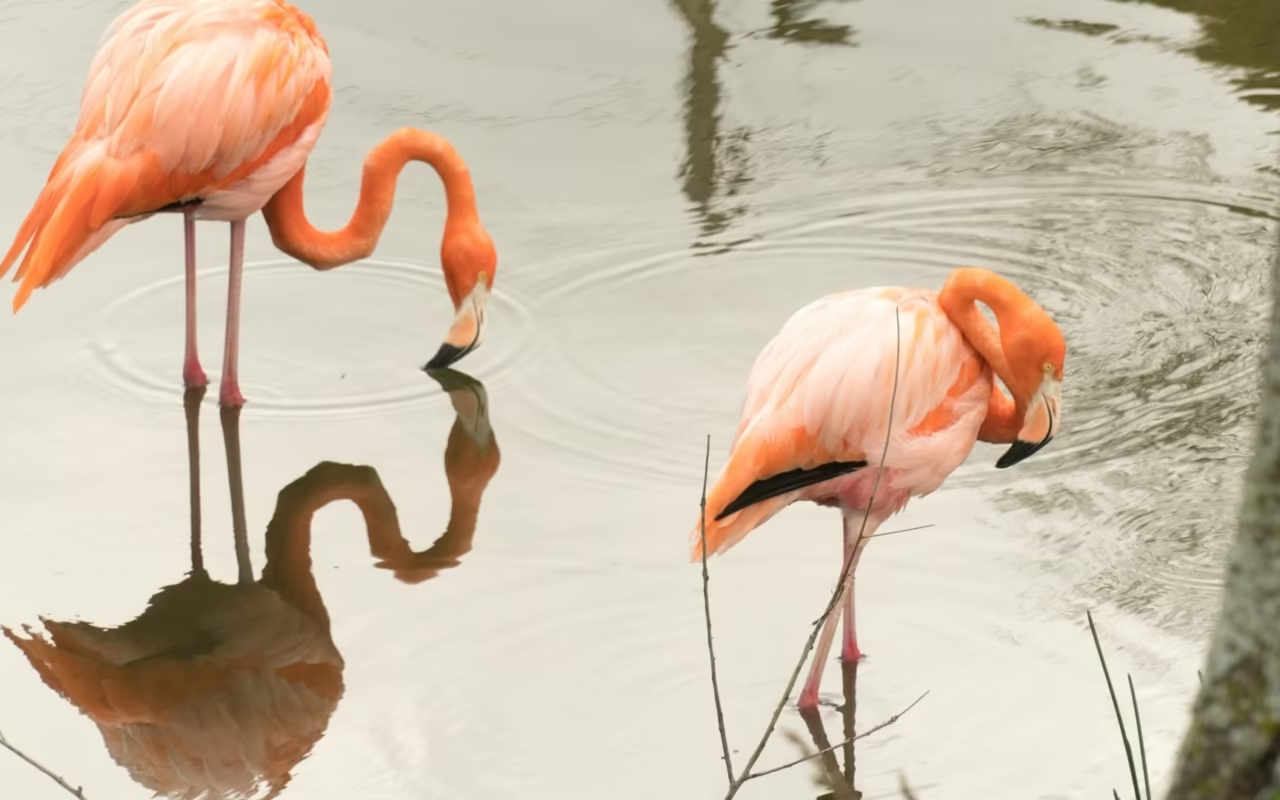
The park is part of the Jaragua–Bahoruco–Enriquillo Biosphere Reserve, recognized by UNESCO, and is designated as a Ramsar Wetland. The wildlife is spectacular: American crocodiles, endemic rhinoceros iguanas (found only on Hispaniola), flamingos, and a rich variety of birdlife. Visitors can explore the area by boat from the shore.
Jaragua National Park — including Laguna de Oviedo
Located not far from Barahona and Bahía de las Águilas, Jaragua National Park is the country’s largest protected area, covering approximately 1,543 km² of land and marine areas. It protects the largest remaining intact expanse of tropical dry forest in the Caribbean, as well as limestone cliffs, secluded beaches, and mangroves.
Laguna de Oviedo is best explored by boat: flamingos, rhinoceros iguanas, and an exceptionally abundant variety of birdlife thrive in a largely unspoiled semi-desert environment. It is one of the most remarkable “floating safari” experiences in the Caribbean.
National Parks in the East, Near Punta Cana
Cotubanamá National Park
Located about an hour from Punta Cana, Cotubanamá (its original Taíno name, formerly Parque Nacional del Este) is one of the most visited parks in the country. It spans nearly 80 km of coastline and includes the entireisland ofSaona.
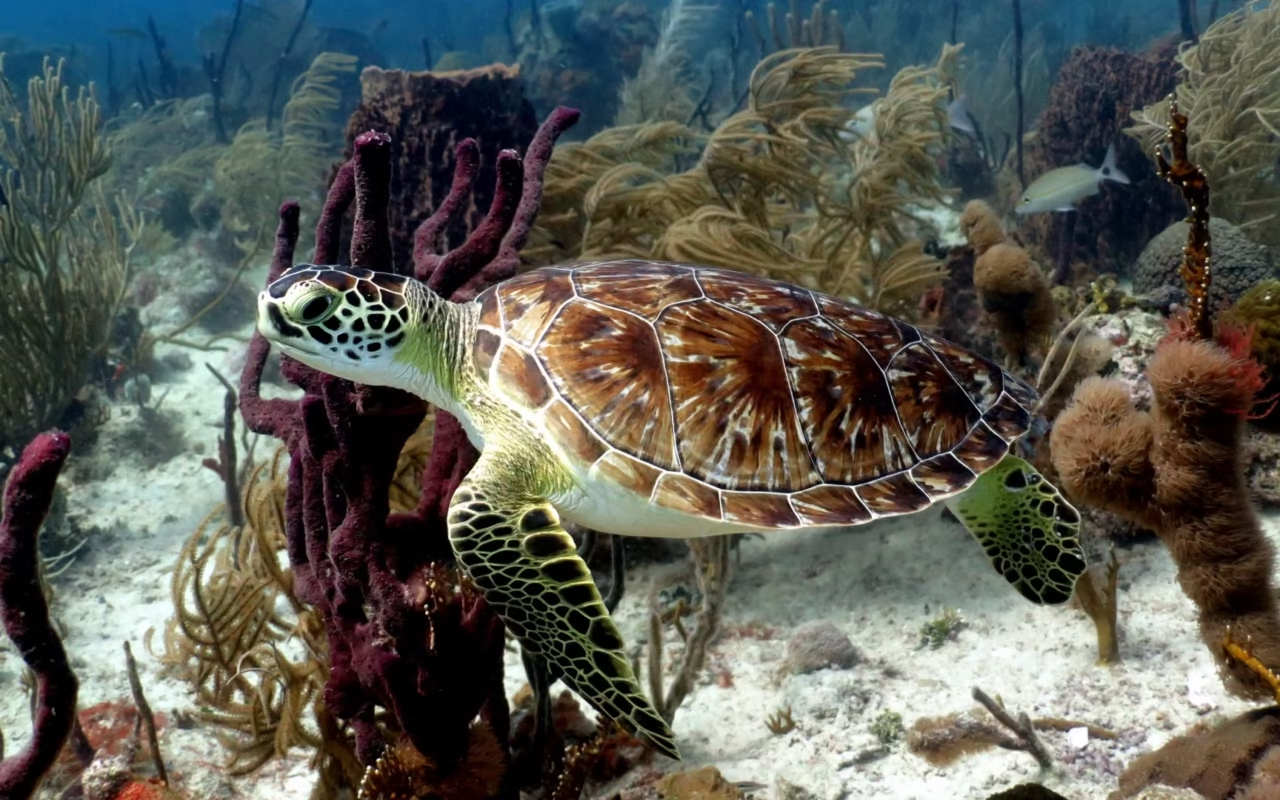
But the park is more than just its beaches. Underwater, the coral reefs are home to hundreds of marine species— snorkeling and scuba diving offer the chance to see tropical fish, turtles, and dolphins. On land, the park protects tropical forests, mangroves, and nearly 400 limestone caves adorned with Taíno petroglyphs.
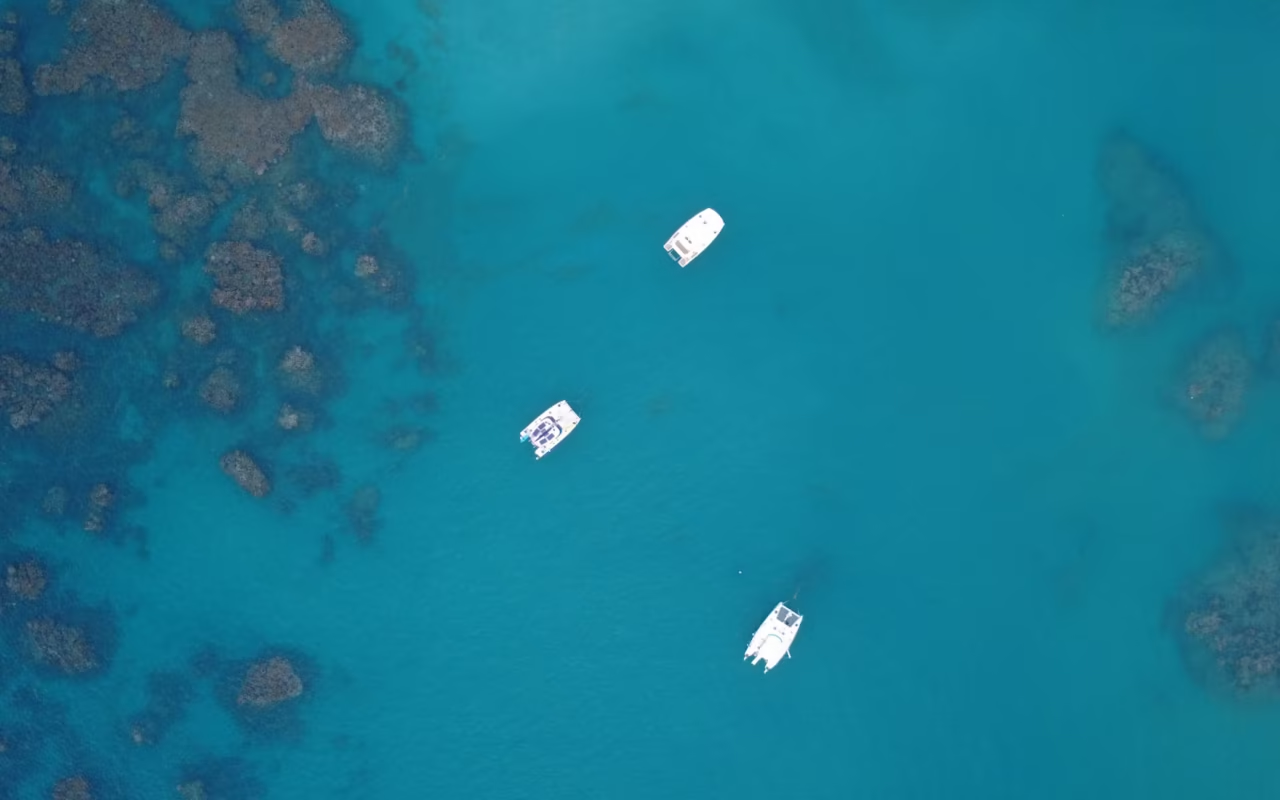
Terra Dominicana Tip: Isla Saona is very crowded. A private tour (on achartered catamaran) is in a league of its own compared to standard group excursions.
Preserved Natural Sites Outside Major Parks
Los Tres Ojos National Park — Santo Domingo
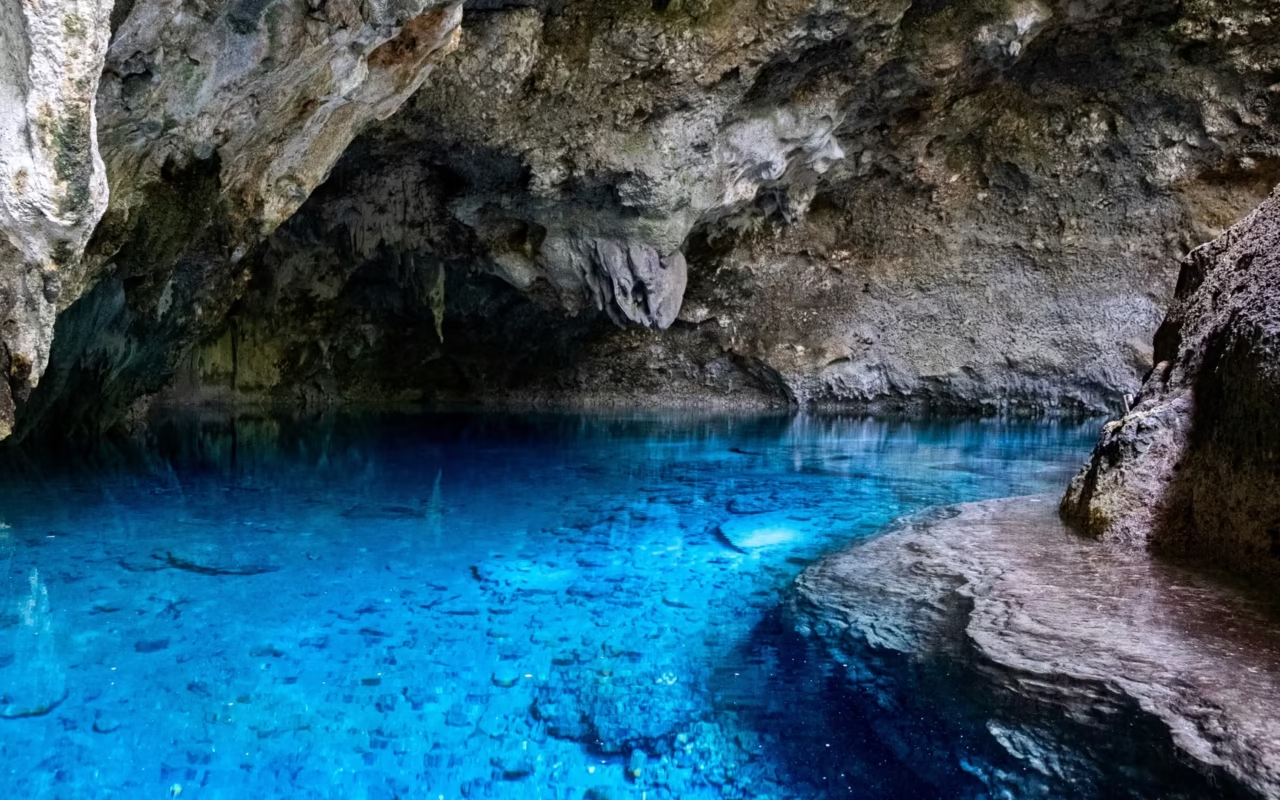
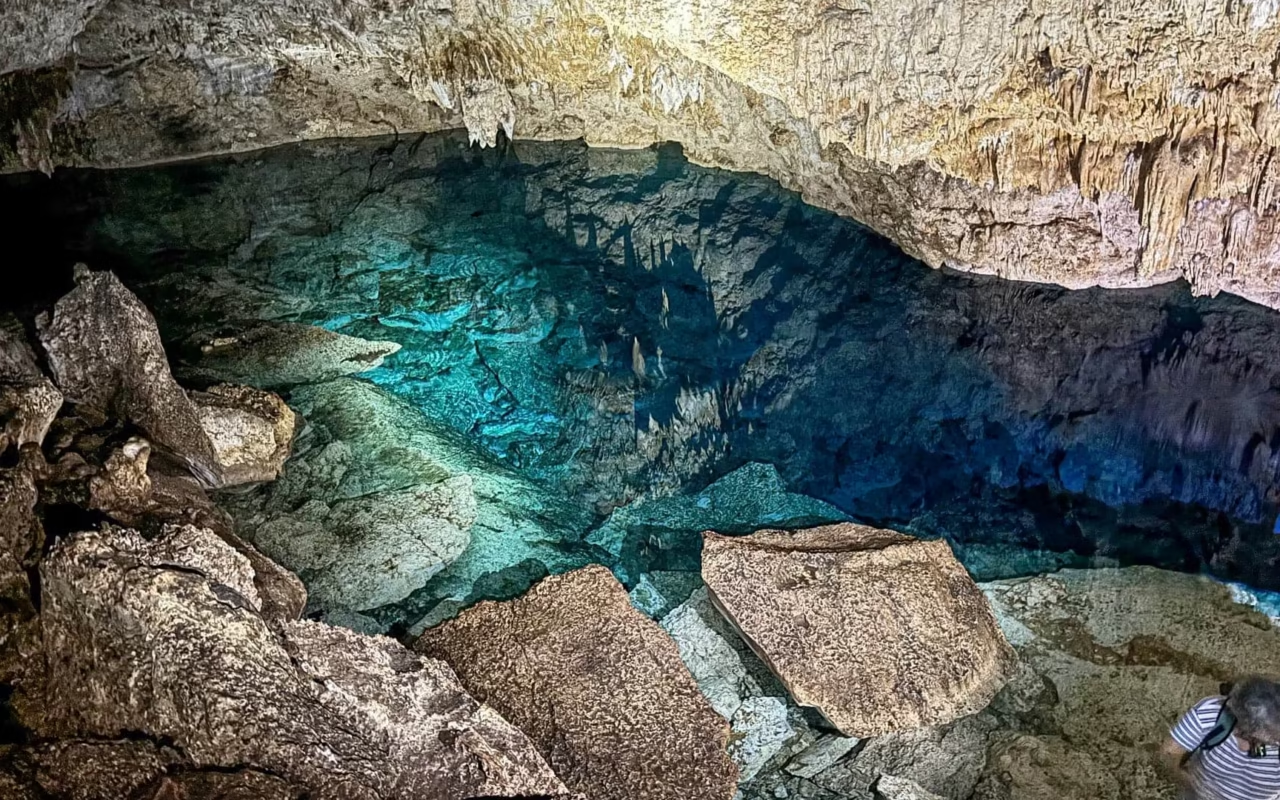
This natural landmark, located east of the capital, is home to four freshwater lagoons connected by underground passages, one of which is accessible only by boat. The Taínos performed their rituals here and left petroglyphs on the walls. The site is easily accessible on foot, just a 15-minute walk from the Colonial Zone.
27 Charcos de Damajagua — Puerto Plata
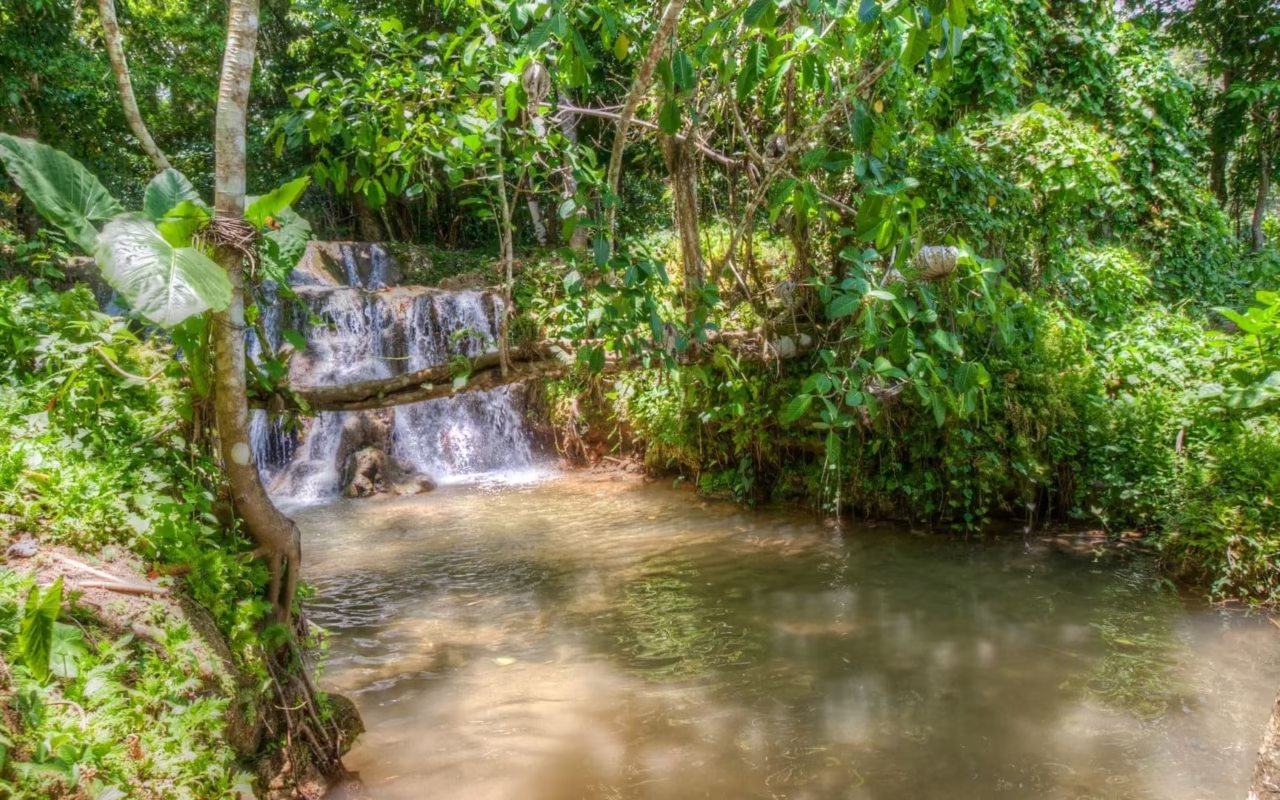
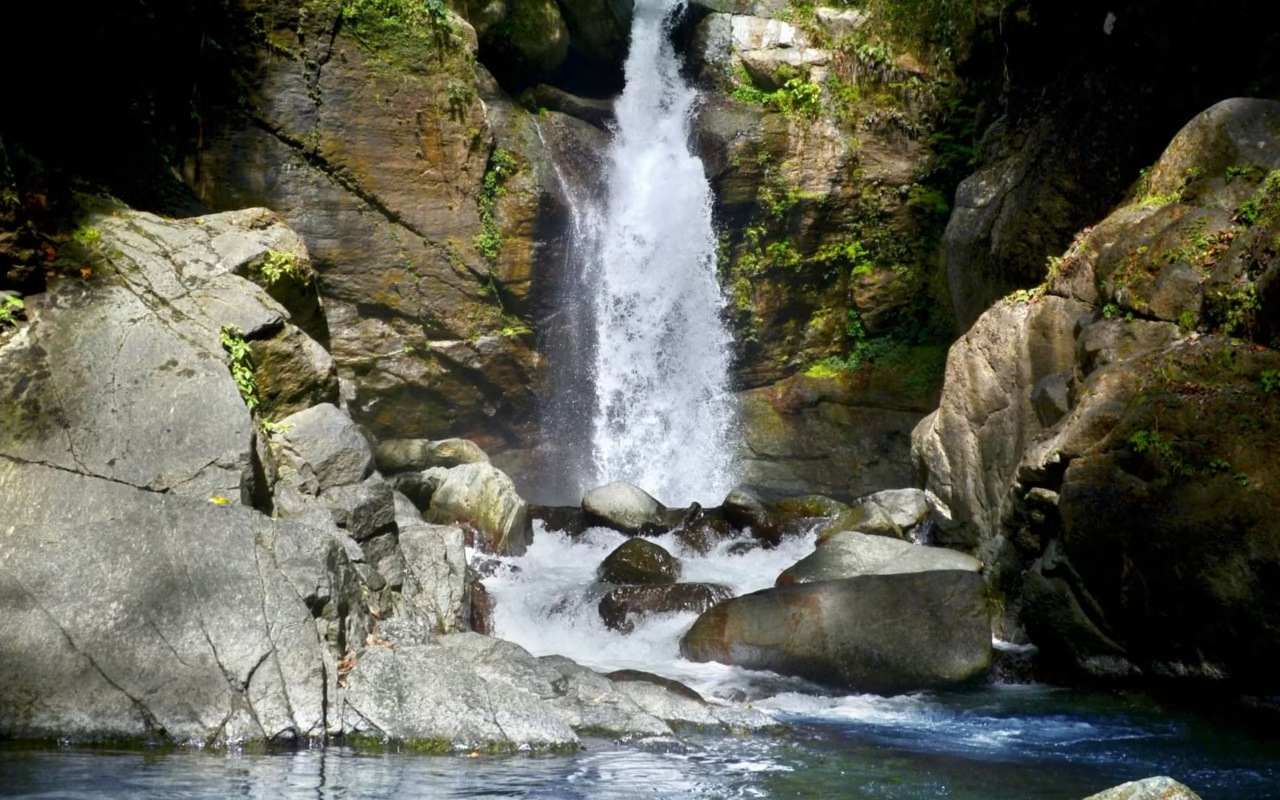
Near Puerto Plata, this site offers a trail through 27 successive waterfalls in a rocky gorge. After a walk through the forest, visitors alternate between small jumps, natural pools, and water slides carved into the rock. The trail combines physical adventure with spectacular tropical scenery. Led by certified guides, the experience is open to children ages 8 and up. It’s one of the most popular nature activities on the north coast.
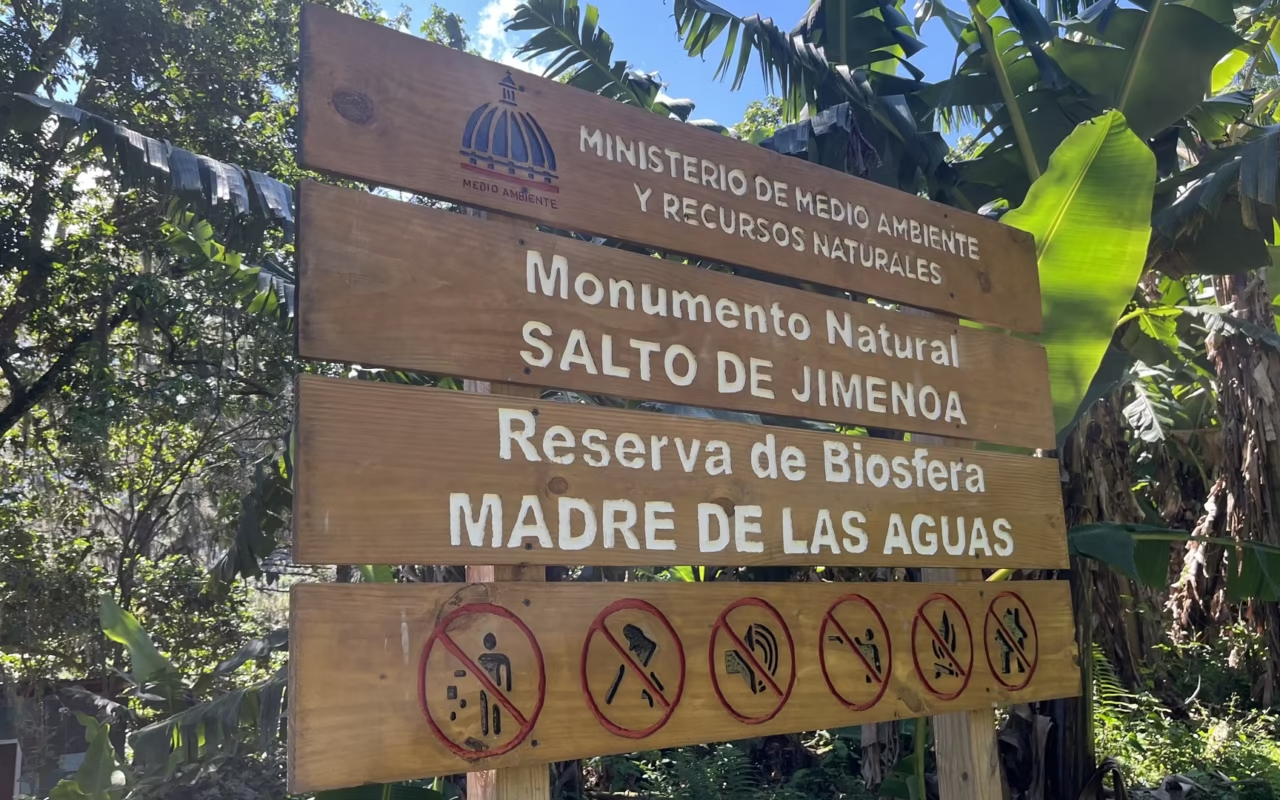
Salto de Jima Natural Monument — Bonao
From Bonao, a trail winds through a rainforest before reaching several waterfalls surrounded by dense vegetation. Natural pools offer a chance to cool off in a secluded setting—a peaceful alternative to more touristy sites. Easily combined with an itinerary between Santo Domingo and the Cordillera Central.
Las Dunas de las Calderas Natural Monument — Baní
Located near Baní, these protected dunes form an unexpected landscape in the south of the country: wind-sculpted sand formations, with Ocoa Bay below. A striking contrast to the surrounding tropical environment. The site can be explored on foot in about an hour.
Selection Guide Based on Your Profile
| Looking for | Park / Recommended Site | Region |
|---|---|---|
| Hiking + Birds + Taíno Caves | Los Haitises | Samaná Bay |
| Endemic Wildlife Safari | Lake Enriquillo + Oviedo Lagoon | Southwest (Barahona) |
| Wild Beach + Marine Biodiversity | Cotubanamá + Bahía de las Águilas | East / Southwest |
| Waterfalls + thrills | 27 Damajagua Waterfalls | Puerto Plata |
| Arid Landscape + Isolation | El Morro + Las Calderas Dunes | Northwest / South |
| Taíno history + capital | Los Tres Ojos | Santo Domingo |
Conclusion
The Dominican Republic’s national parks and protected areas are much more than just a complement to the beaches. They cover a quarter of the country’s territory, are home to the nation’s most remarkable endemic species, and offer nature experiences that are hard to match anywhere else in the Caribbean—from lake safaris in the southwest to snorkeling in the Cotubanamá reefs, to sailing among the mogotes of Los Haitises.
If you’d like to include one or more national parks in your trip, we can help you plan based on your pace, preferences, and overall itinerary.
About the Author
Laura Grenouillet is the founder of Terra Dominicana, an inbound travel agency specializing in custom trips to the Dominican Republic. Based in Santo Domingo, she regularly explores the country’s various regions to identify well-rounded itineraries for English-speaking travelers.
Sources
- National System of Protected Areas (SINAP) — sinap.ambiente.gob.do
- Ministry of the Environment and Natural Resources — Official Protected Areas
- Field data from Terra Dominicana, 2025