Tourist Map of the Regions in the Dominican Republic
The Main Attractions of Quisqueya Island
Interactive map of the Dominican Republic: Select your region to learn more.
The Santo Domingo Region
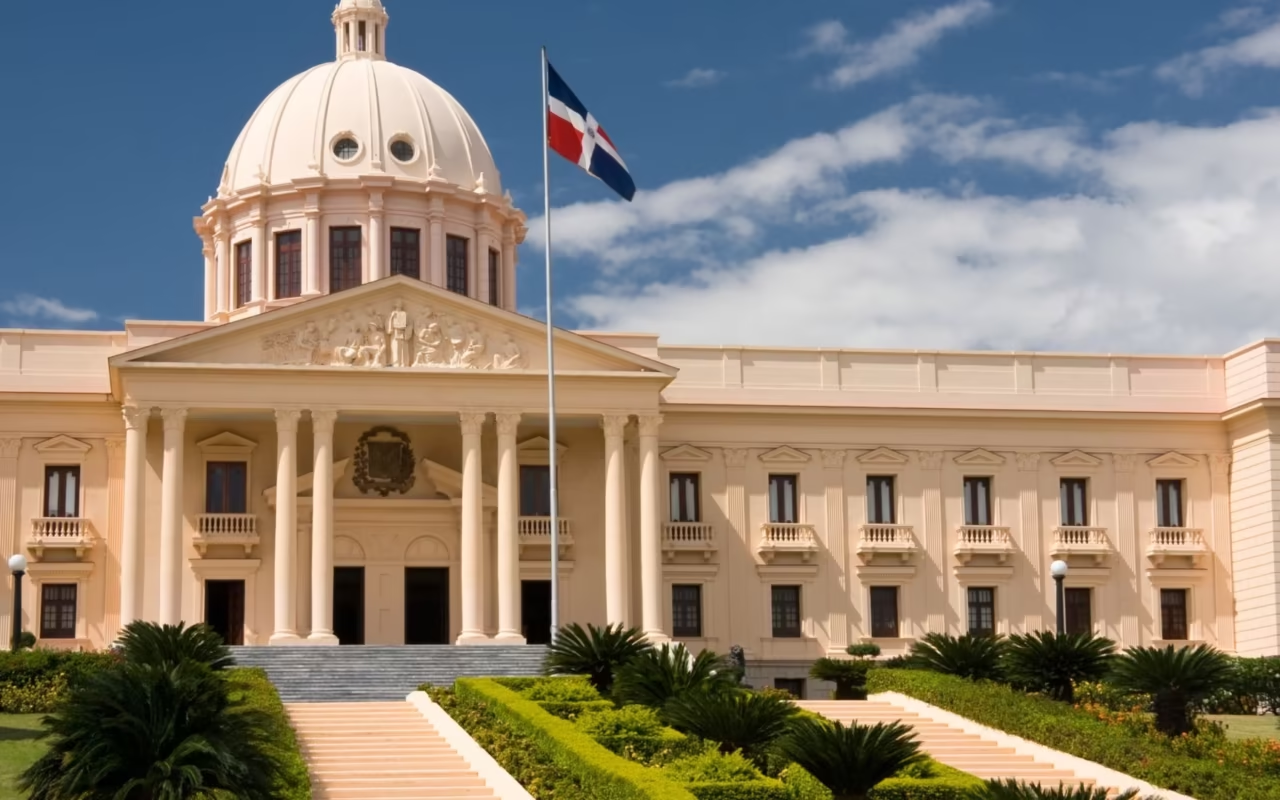
Santo Domingo is the country’s capital and largest city, as well as a major historical, cultural, and economic hub. Its Colonial Zone, a UNESCO World Heritage Site, features the earliest European buildings in the Americas, museums, and colonial architecture. A vibrant city facing the sea, it combines heritage, cuisine, cultural life, and modern neighborhoods, often serving as a key stop at the beginning or end of a trip.
The Caribbean region in the eastern part of the country
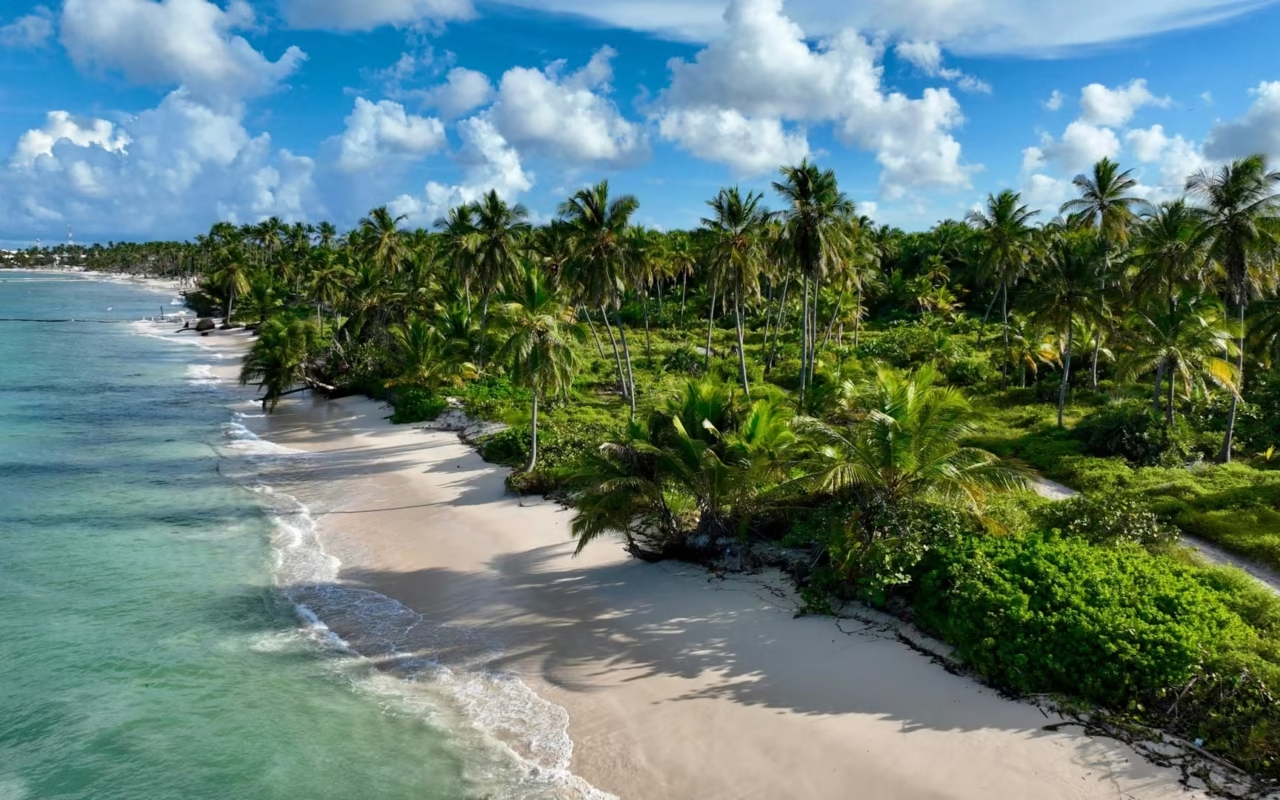
The Caribbean region in the eastern part of the Dominican Republic includes Punta Cana, Bávaro, Cap Cana, and Miches. Known for its white-sand beaches, turquoise waters, and excellent air access, the region offers a wide variety of options: resorts, boutique hotels, golf, water sports, and nature excursions. While Bávaro and Cap Cana appeal for their amenities, Miches draws visitors with its wilder, more untamed charm. Together, they form an ideal destination for a beach vacation that combines comfort, tropical landscapes, and new experiences.
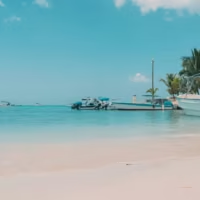
Southeastern Caribbean Coast
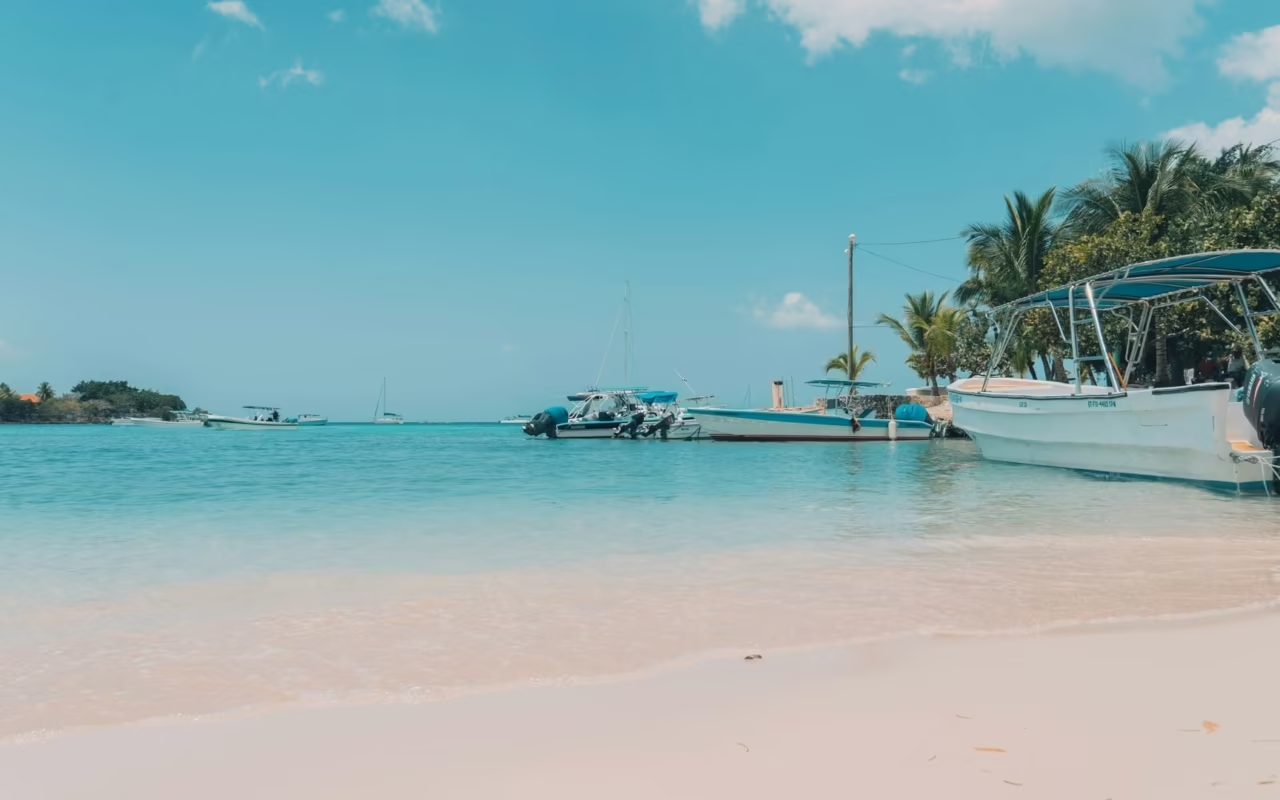
The southeastern Caribbean coast, around La Romana and Bayahibe, is one of the country’s most vibrant regions. Saona Island, part of Cotubanamá National Park, is the most visited day-trip destination in the Dominican Republic, bustling with boat departures and excursions to its iconic beaches. Beyond its popularity, the park is home to a rich natural environment: mangroves, forests, Taíno caves, and trails in the heart of protected ecosystems. Catalina Island attracts divers with its marine biodiversity.
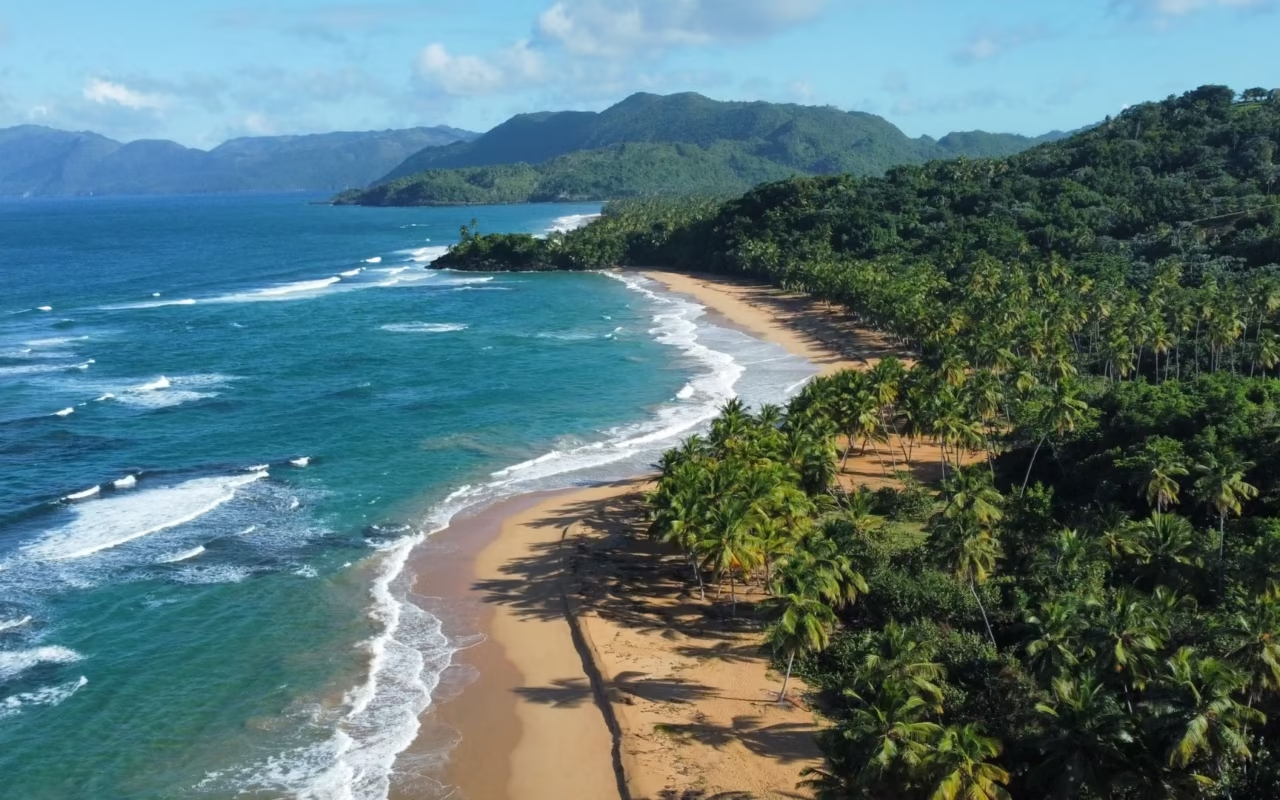
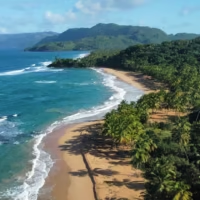
The Samana Peninsula
The Samaná Peninsula is one of the country’s most natural regions, prized for ecotourism and its pristine beaches. Las Terrenas adds a lively touch with its English-speaking community and charming hotels. Less well-known, Las Galeras and El Valle charm visitors with their unspoiled coves, hiking trails, and peaceful atmosphere. Waterfalls, lush jungle, and coastal villages set the tone for your stay. From January through March, the bay becomes a prime spot for humpback whale watching.
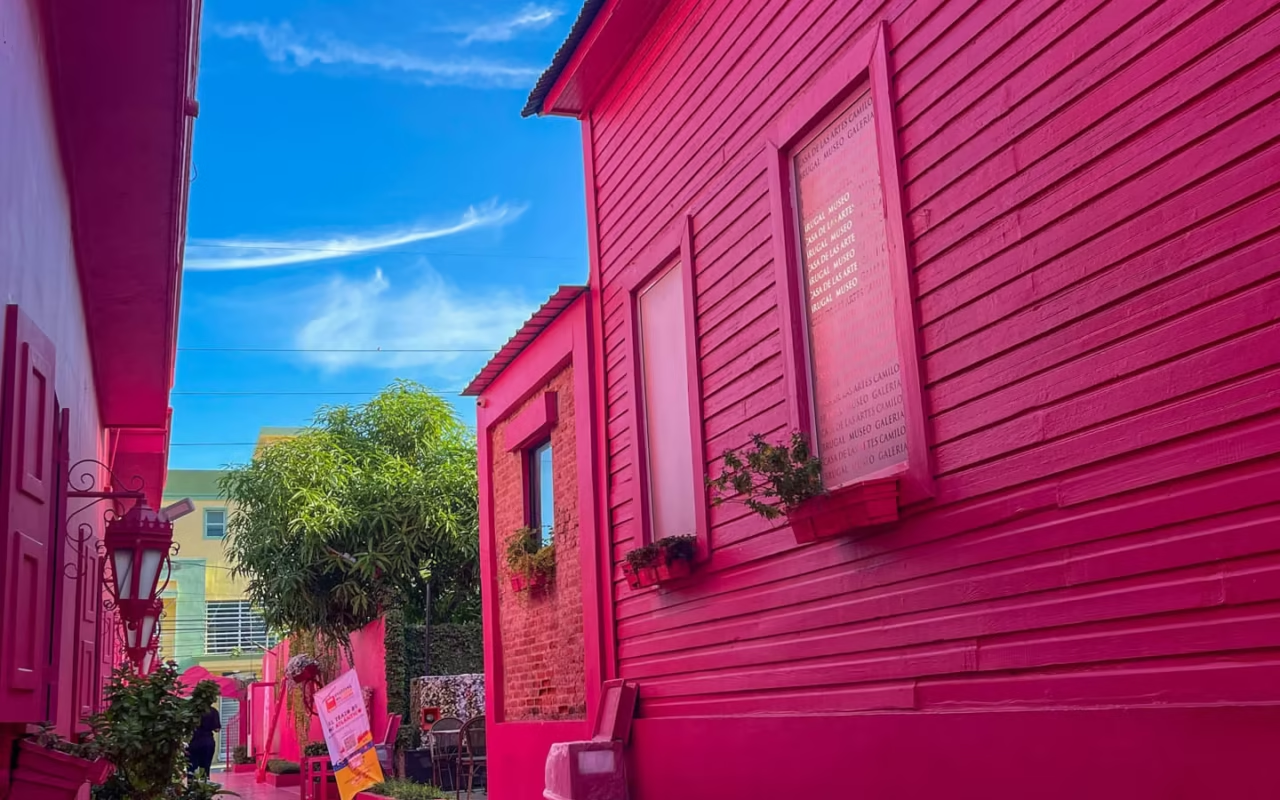
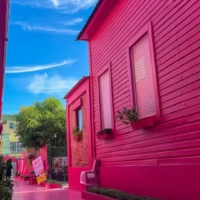
Puerto Plata and the North Atlantic Coast
The northern Atlantic coast, around Puerto Plata, combines heritage, the sea, and outdoor adventures. Puerto Plata charms visitors with its historic center and Mount Isabel de Torres. Nearby, the 27 waterfalls of Damajagua offer a refreshing experience with natural jumps and slides. Further east, Cabrera entices visitors with El Dudú Lagoon and its pristine beaches. Cabarete buzzes with the excitement of kitesurfing, while Sosúa invites you to go snorkeling in its sheltered bay.
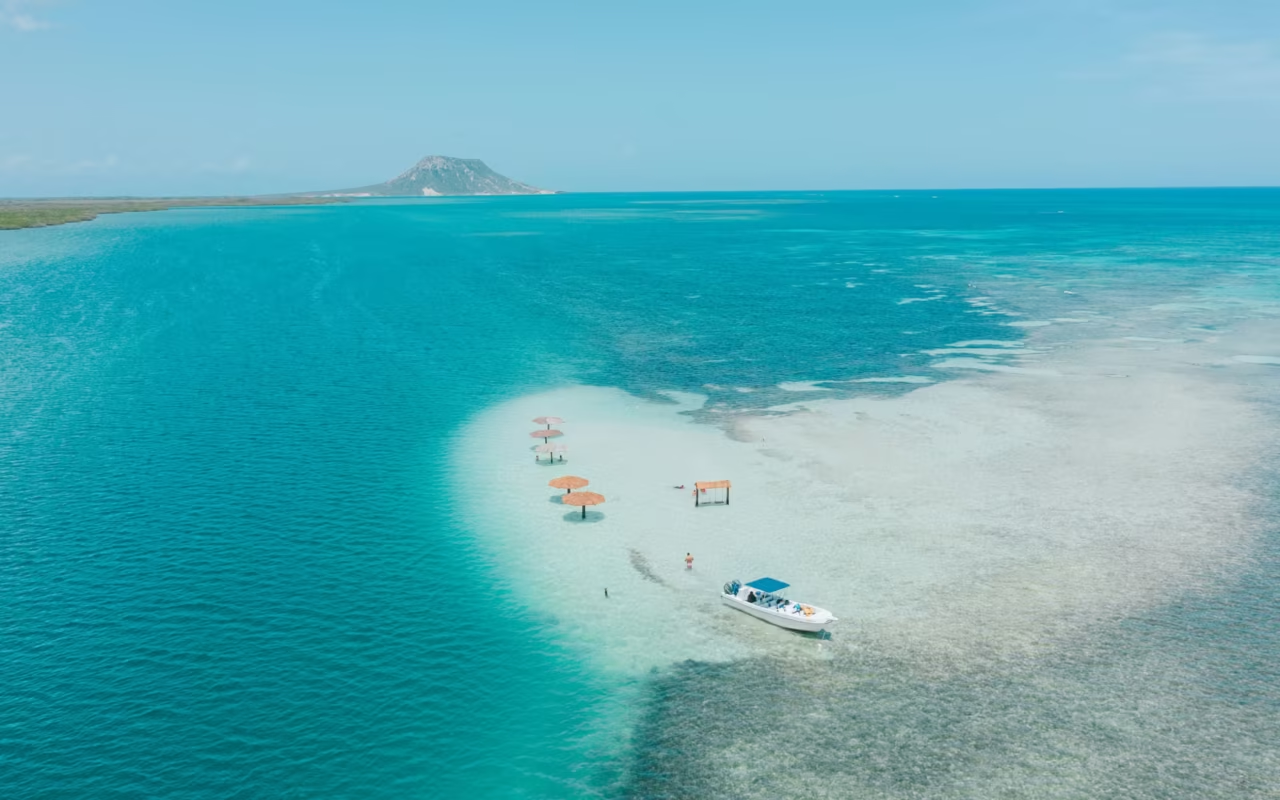
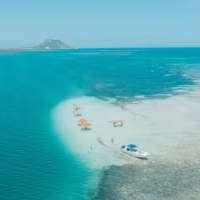
Far North
The far north reveals a wilder and still relatively undiscovered coastline. Punta Rucia charms visitors with its spectacular beach and calm waters, serving as a starting point for Cayo Arena, an islet renowned for snorkeling. San Fernando de Monte Cristi is known for El Morro, its mangroves, salt flats, and the open landscapes of the national park. Nearby, La Isabela bears witness to the first European settlements in the Americas.
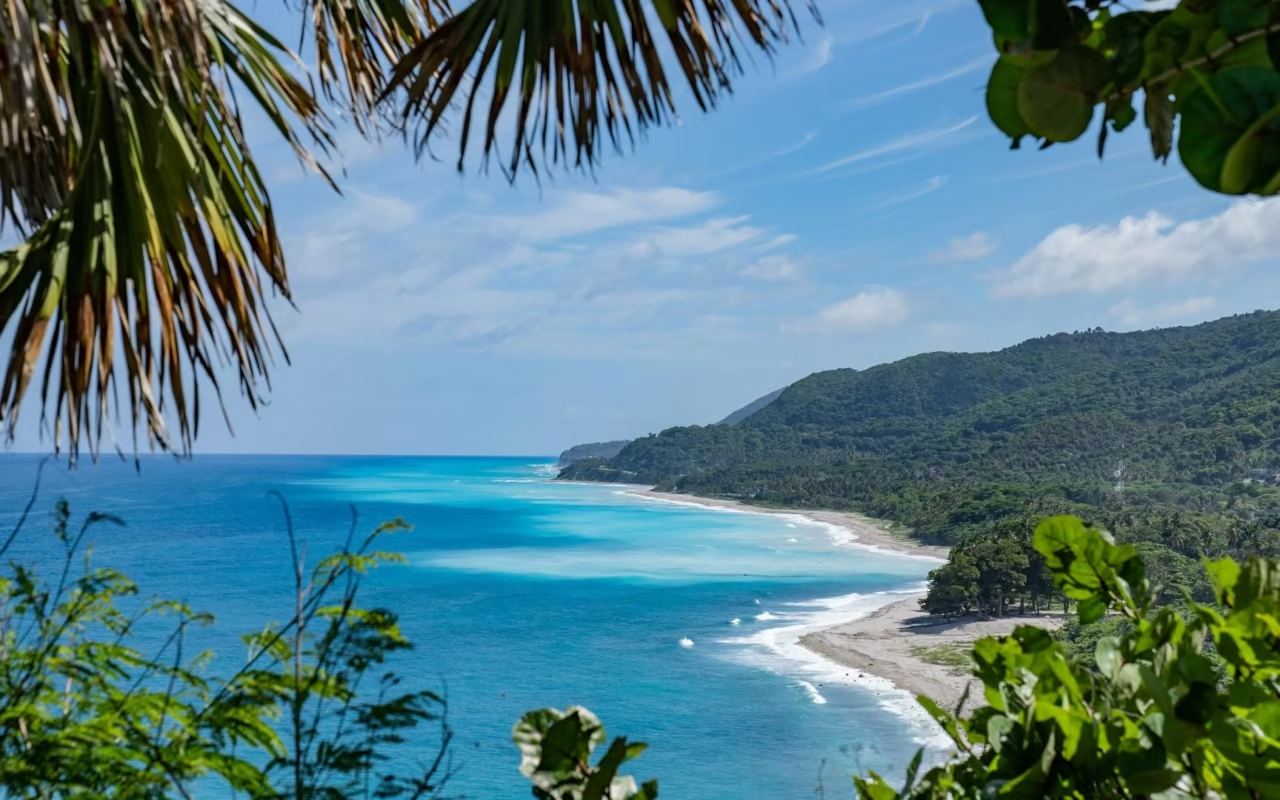
The Wild Southwest
The southwest reveals one of the country’s wildest landscapes. Around Barahona, the mountains of the Sierra de Bahoruco and scenic roads run along the coast. Bahía de las Águilas, in the heart of Jaragua National Park, stretches for several kilometers of pristine beach, accessible from Cabo Rojo or by boat, with a few secluded eco-lodges in the area. Pedernales and Oviedo Lagoon round out the scene, nestled among mangroves, islets, and flamingos.
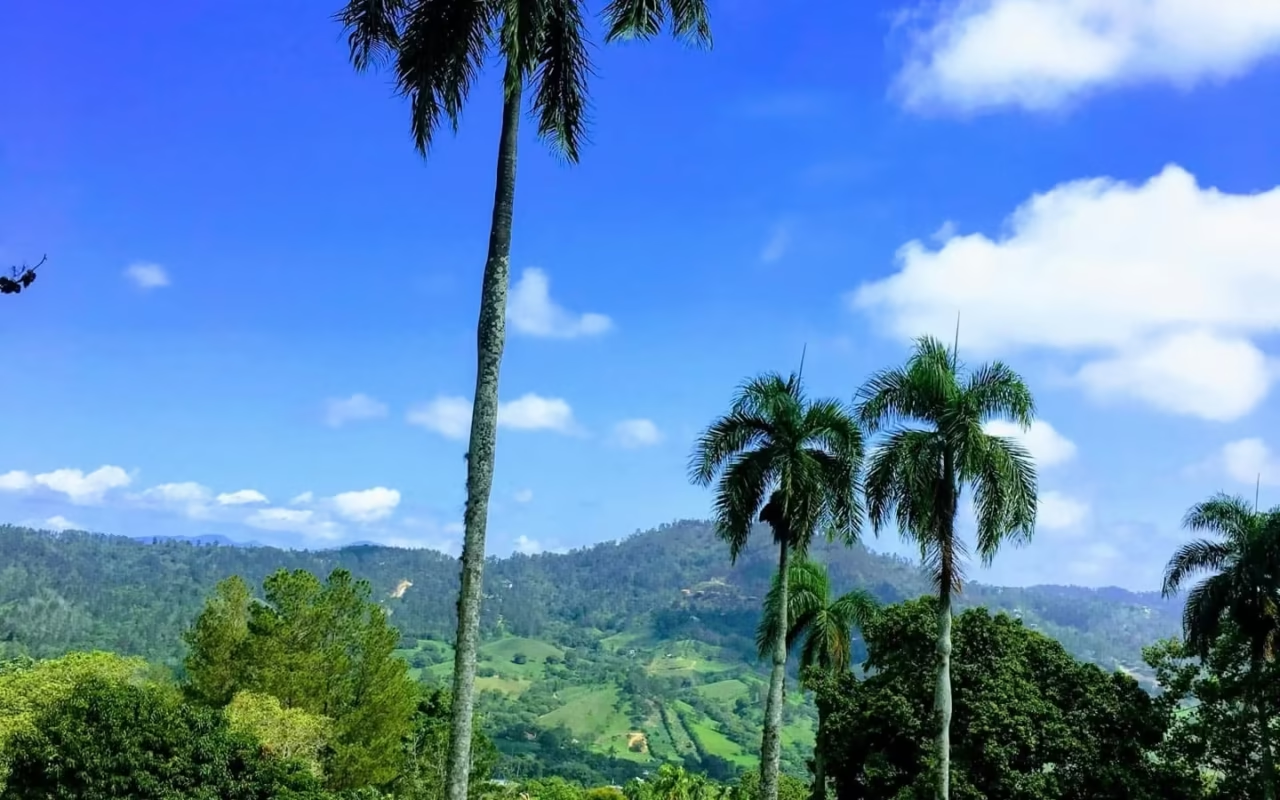
The Central Mountains
In the heart of the Cordillera Central, the central mountains offer a striking contrast to the coastline. Constanza, perched at an altitude of more than 1,200 meters, charms visitors with its cool climate and high-altitude agricultural landscapes. Jarabacoa is the Dominican Republic’s ecotourism capital, ideal for rafting, hiking, and exploring waterfalls. Further south, Pico Duarte, the highest peak in the Caribbean, attracts trekking enthusiasts for a multi-day ascent through pine forests and mountain valleys.
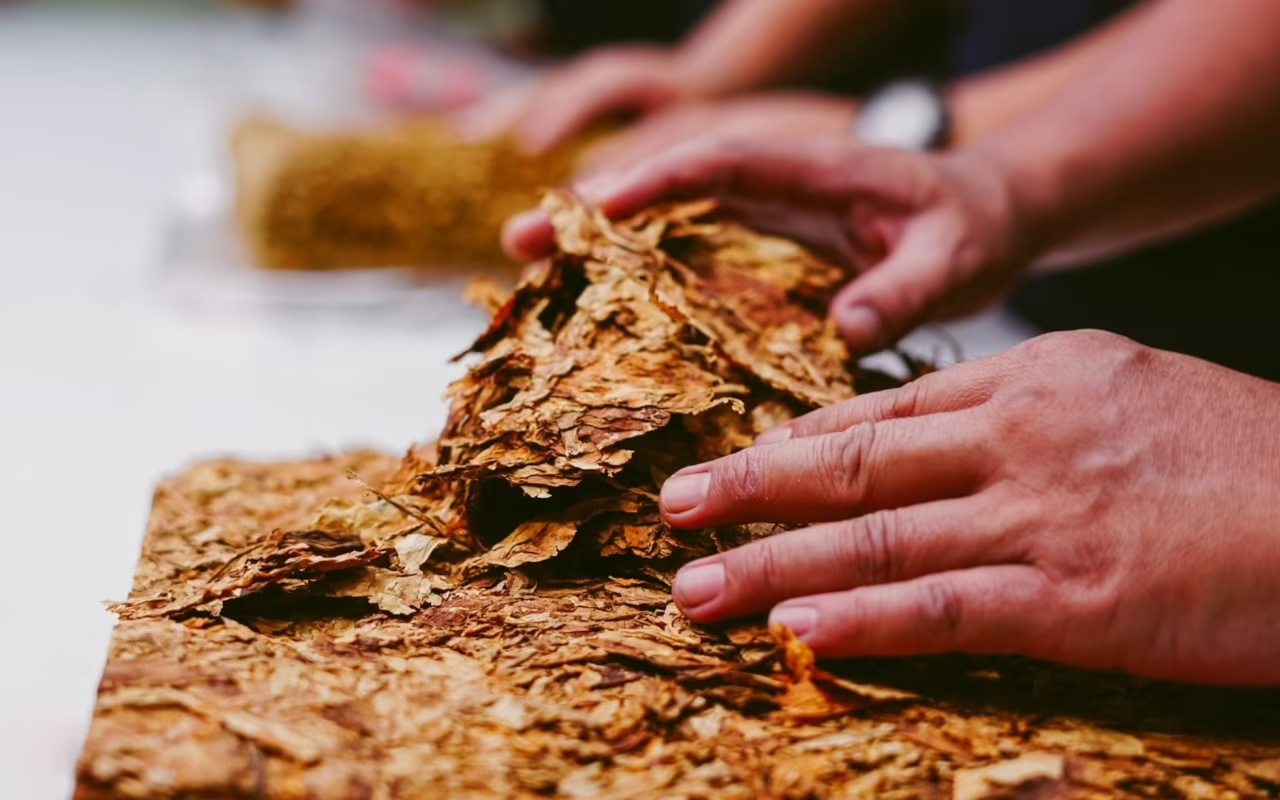
Cibao Valley: Culture and Traditions
The Cibao Valley is one of the country’s major cultural and agricultural centers. Santiago de los Caballeros, the country’s second-largest city, is known for its tobacco industry, cultural life, and vibrant urban atmosphere. Further south, La Vega embodies tradition and fertile agriculture and is famous for its iconic carnival. The region offers an authentic glimpse of the country, blending heritage, local cuisine, and agricultural traditions.
The Santo Domingo Region
The Caribbean region in the eastern part of the country
Southeastern Caribbean Coast
The Samana Peninsula
Puerto Plata and the North Atlantic Coast
Far North
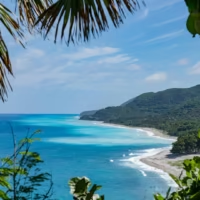
The Wild Southwest
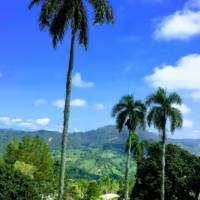
The Central Mountains
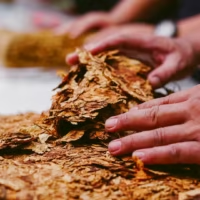
Cibao Valley: Culture and Traditions
Other travel ideas
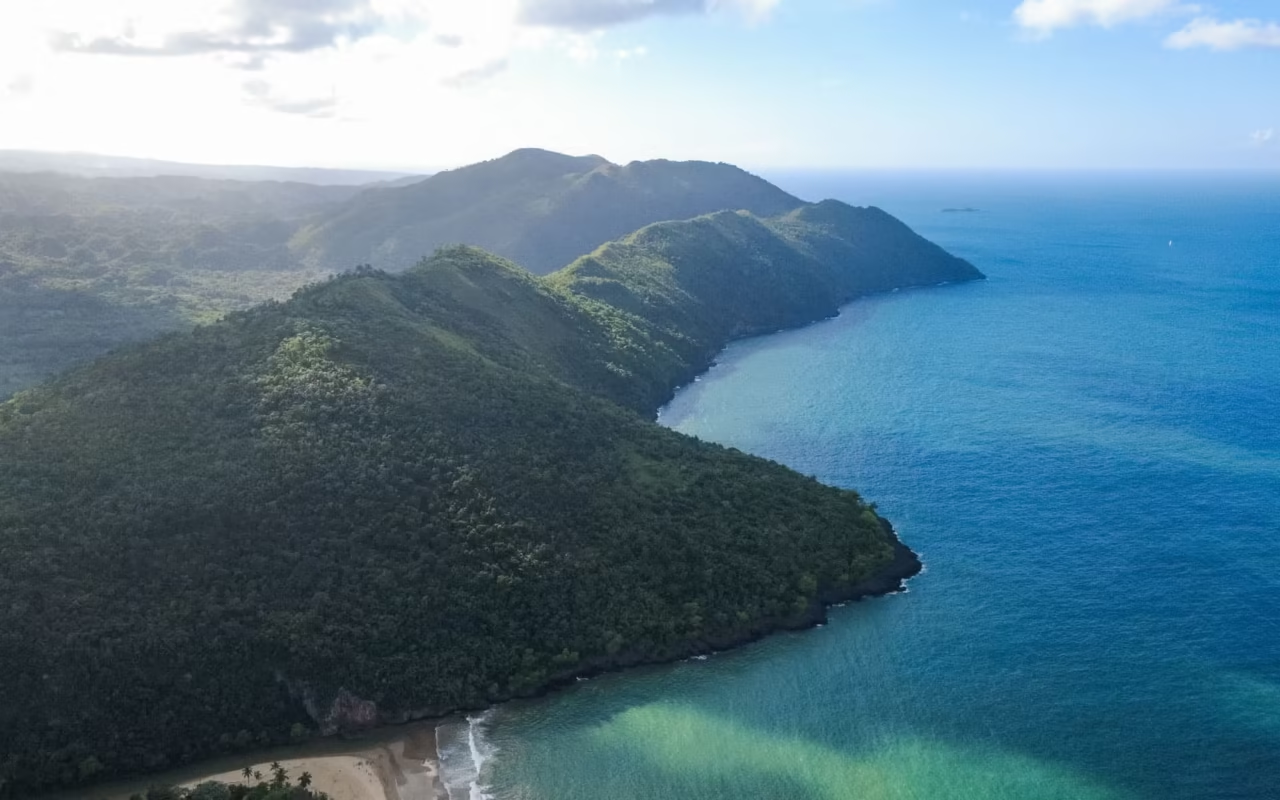
Birdwatching Tour in the Dominican Republic: tropical birdwatching
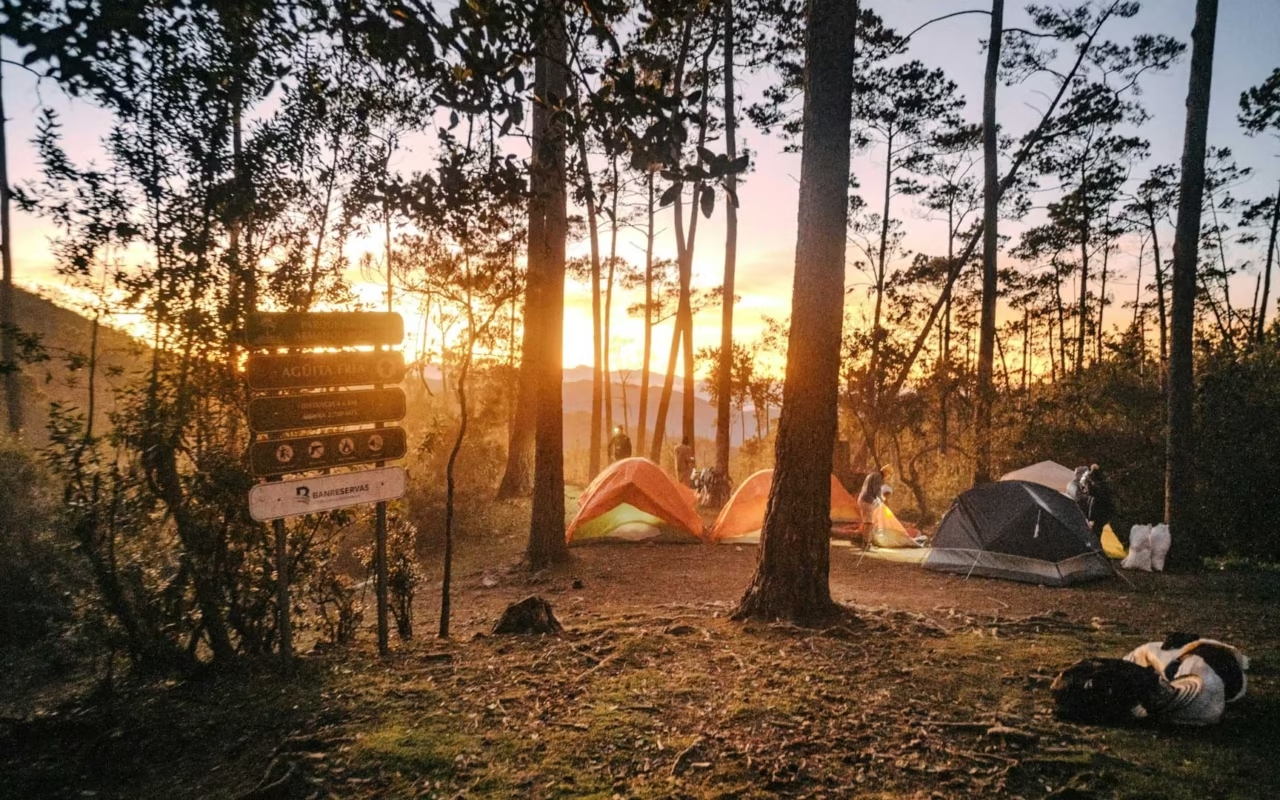
Adventure Trip to the Dominican Republic & Climb of Pico Duarte
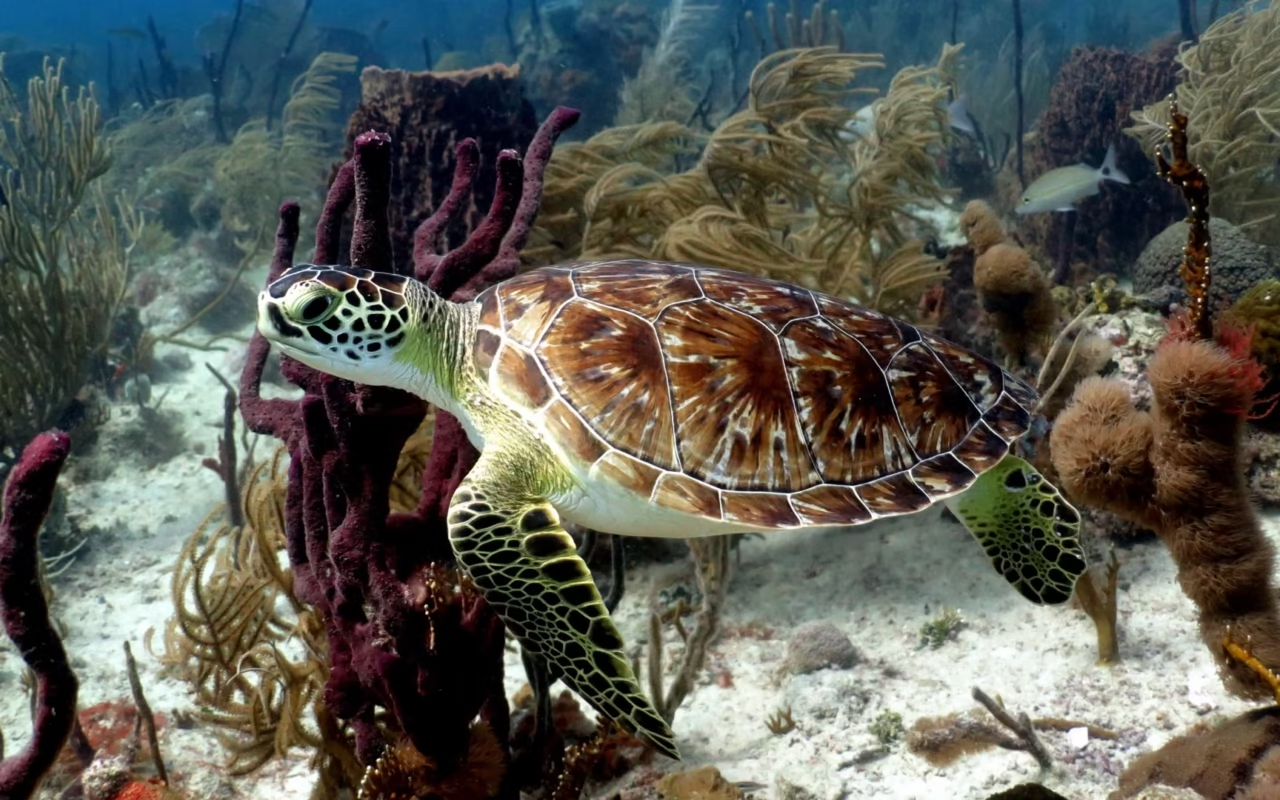
Diving Tour in the Dominican Republic: private or small-group tours
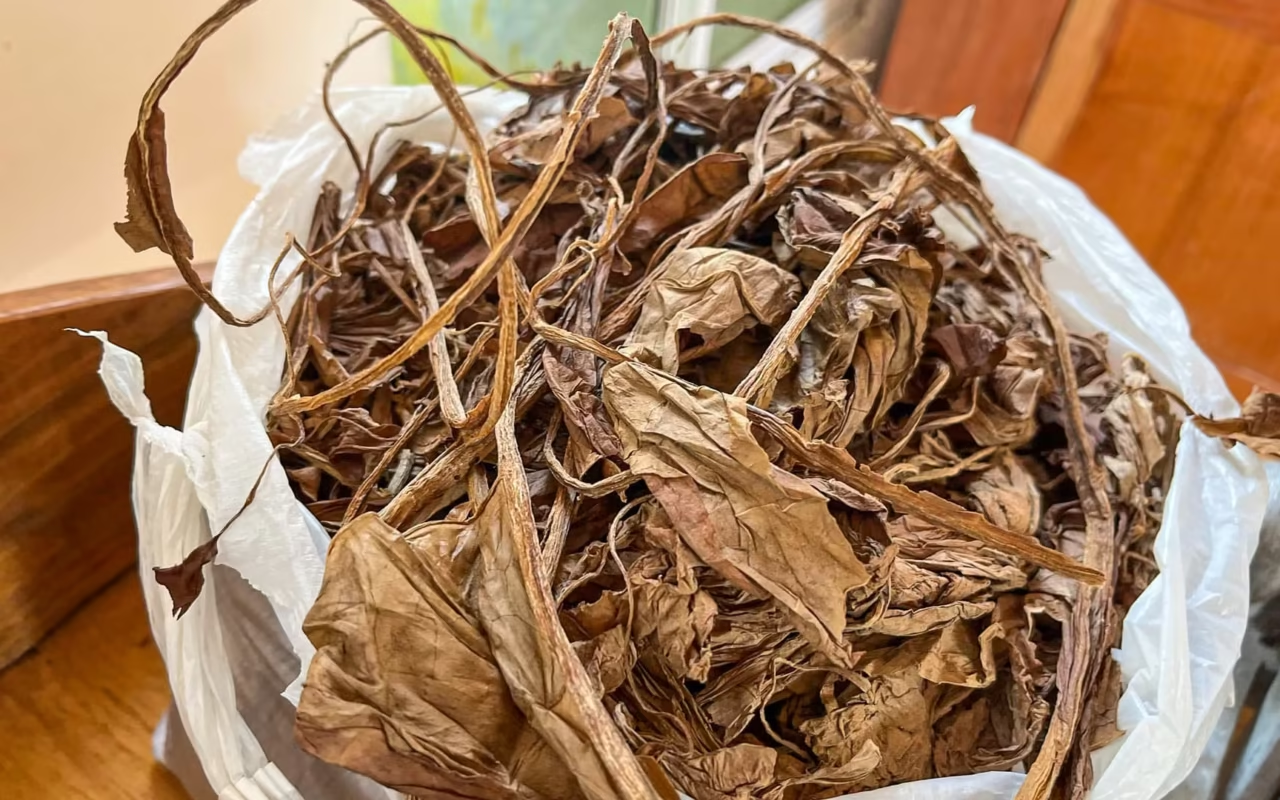
Cultural Trip to the Dominican Republic: Rum, Coffee, Cigars & Heritage