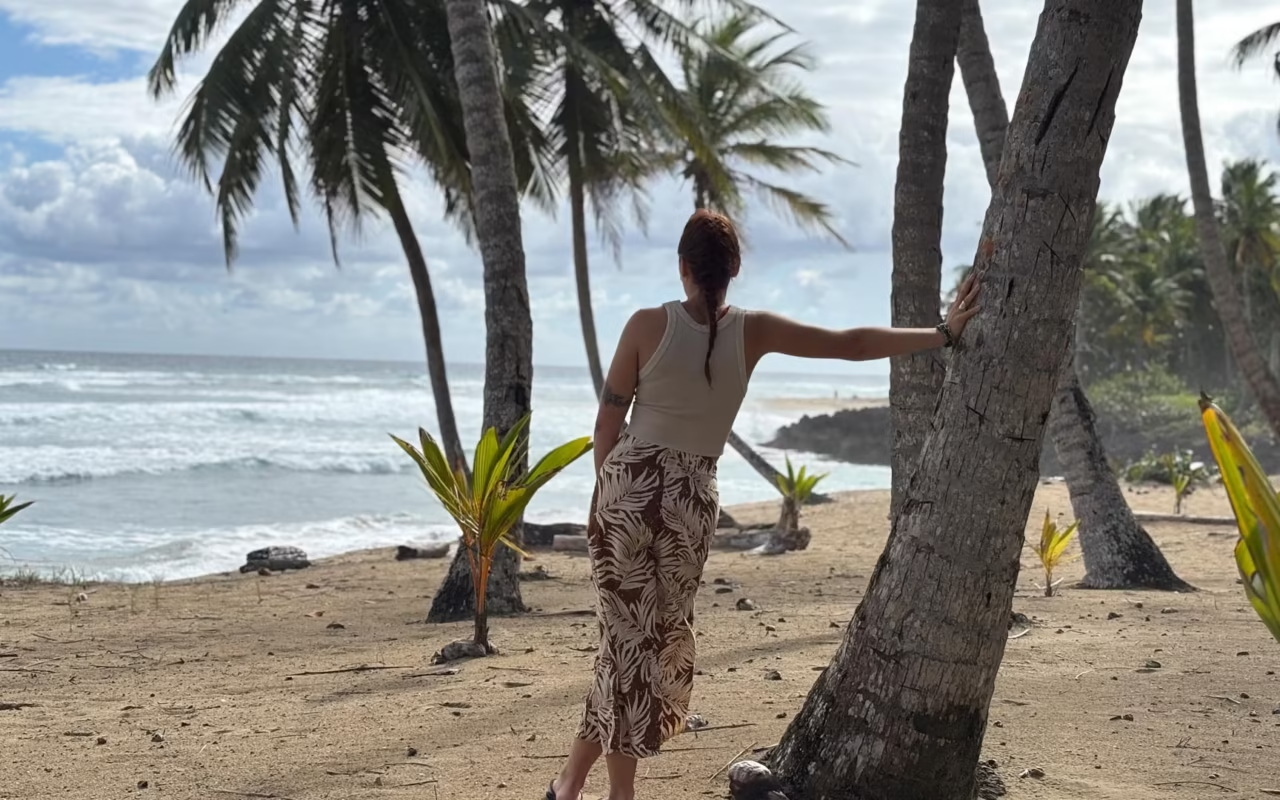
Puerto Plata and Cabarete are both located on the Atlantic coast in the northern part of the country. Cabarete is 18 km from Gregorio Luperón Airport, the main gateway to the north. People come here for surfing at Playa Encuentro, kitesurfing, the 27 waterfalls of Damajagua, and the Loma Isabel de Torres cable car. Three nights here is a reasonable minimum.
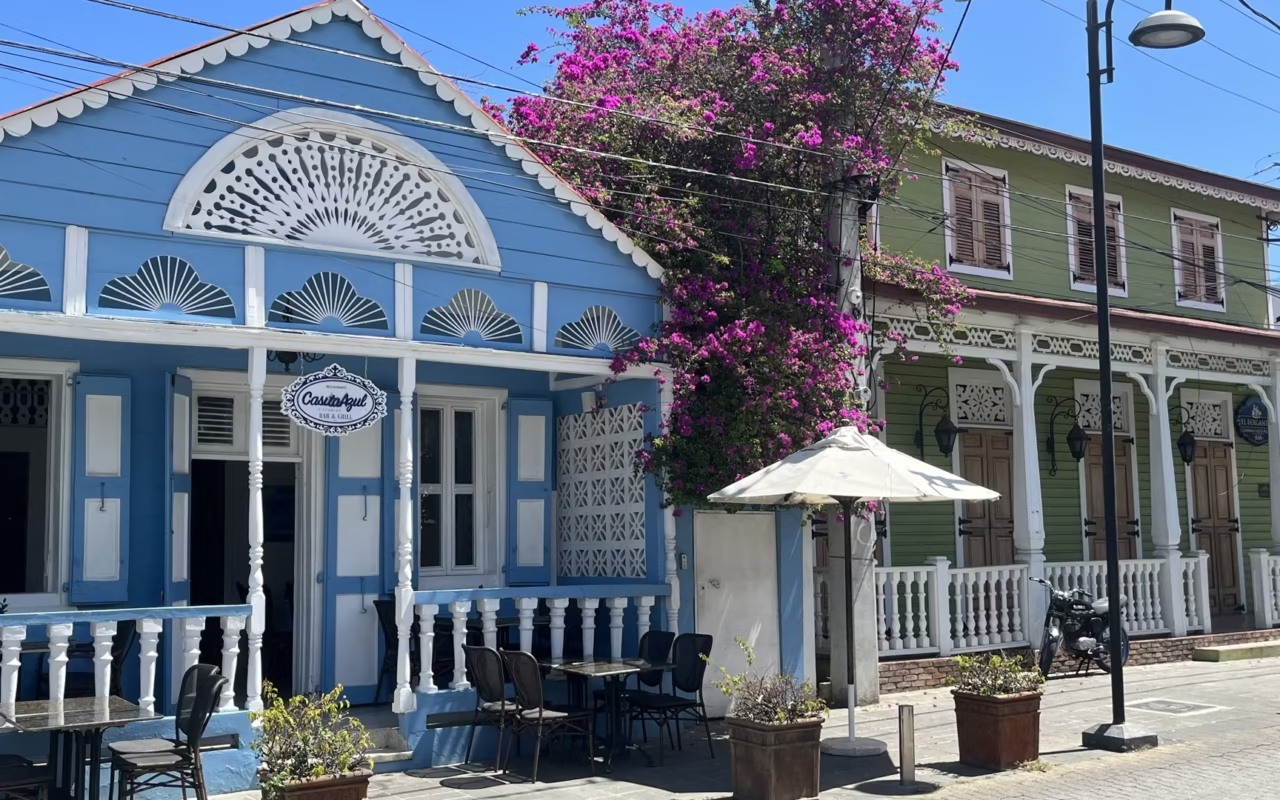
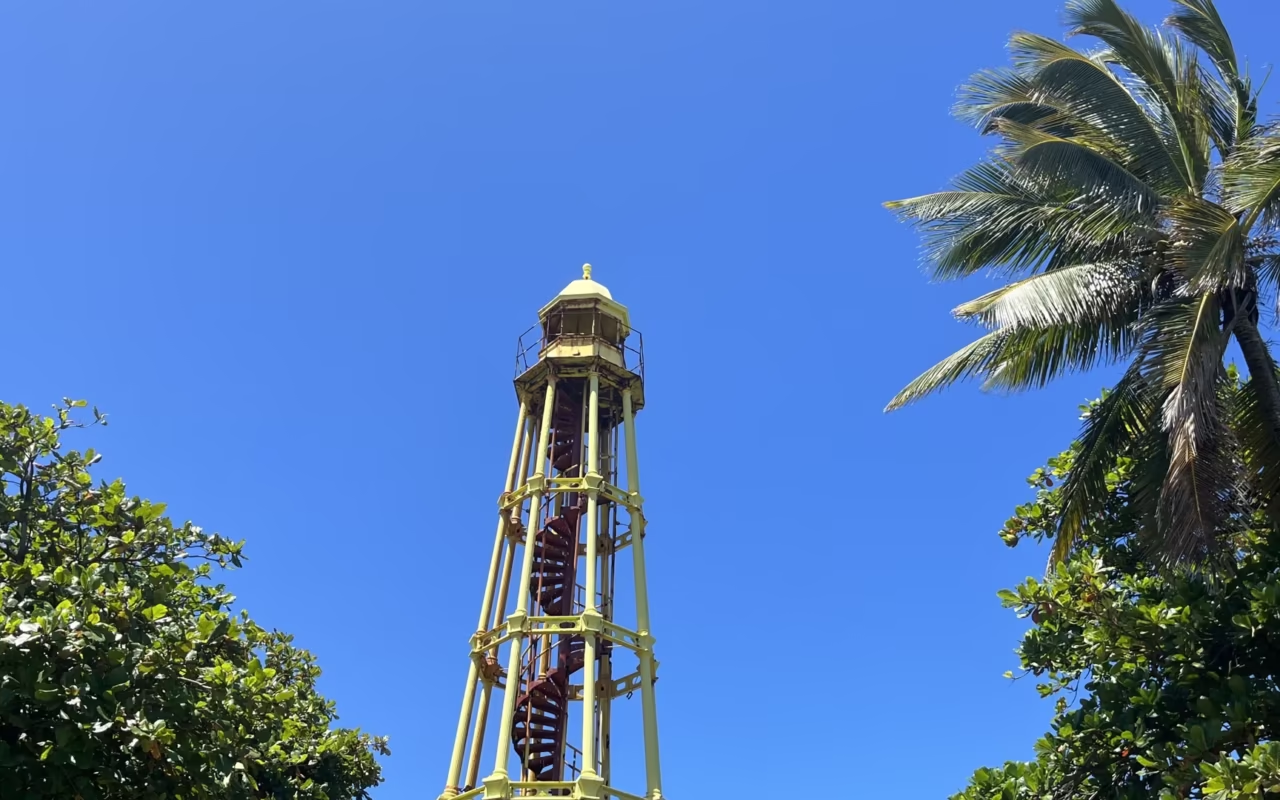
Puerto Plata holds a special place in the history of tourism in the Dominican Republic. It was here that the tourism industry took shape in the late 1970s, giving rise to a city that is now lively, developed, and very popular. But to reduce Puerto Plata to just its resorts would be to miss the point. Its historic center, panoramic views, nature excursions, and the diversity of nearby towns offer a much more nuanced perspective on the region. When planned well, this stop allows you to combine cultural discoveries, outdoor adventures, and a gradual immersion into the Dominican spirit.
The Historic Center and Its Landmarks
The heart of Puerto Plata is distinguished by its colorful Victorian houses, a legacy of the colonial period. Around Parque Independencia, wide, airy streets, public buildings, and restaurants make for a pleasant center to explore on foot. The Fortaleza San Felipe, built in the 16th century, serves as a reminder of the city’s strategic importance and offers a first glimpse into its maritime past.
City Walks and Caribbean Atmosphere
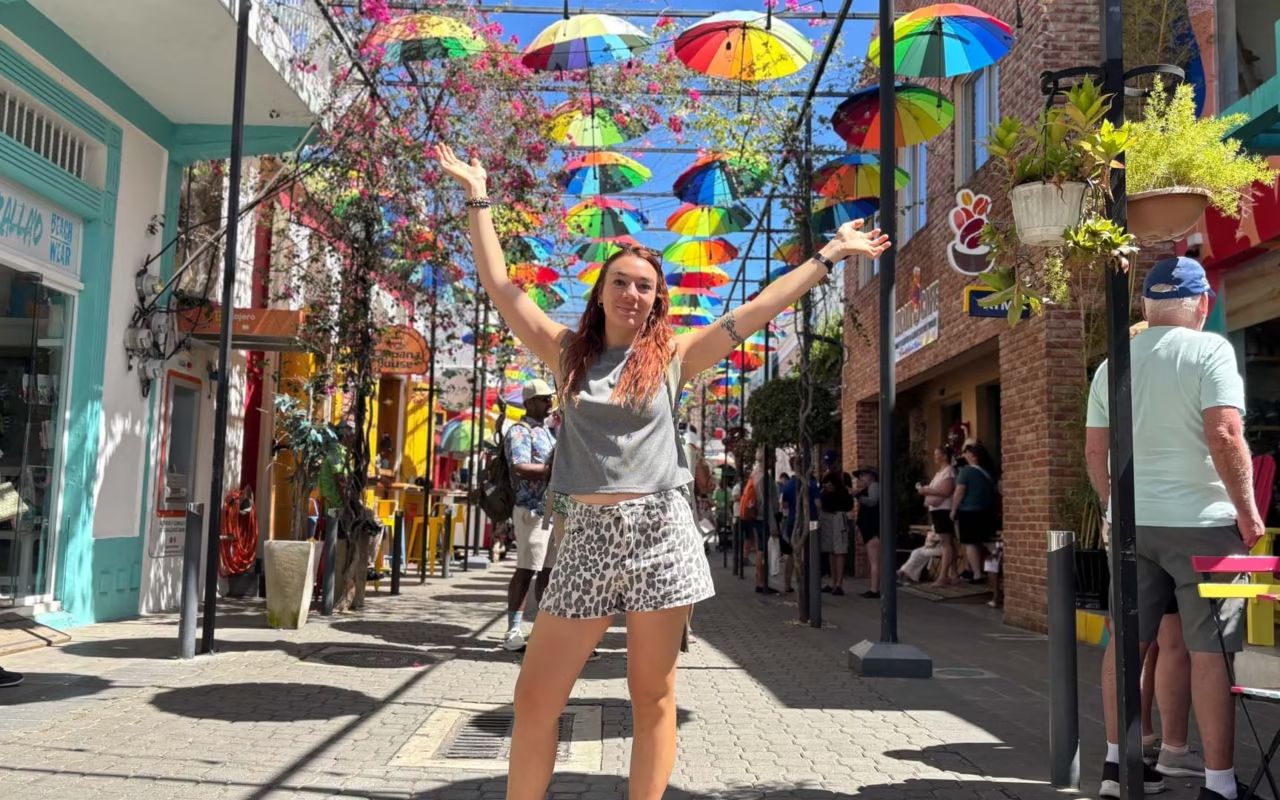
A stroll along Puerto Plata’s Malecón is a must-do. At the end of the day, locals and visitors gather there to enjoy the view of the Atlantic. In the city center, Calle de las Sombrillas and Paseo Doña Blanca add a splash of color to your urban exploration.
Museums and culture
Museo Gregorio Luperón : the birthplace of the national hero, ideal for understanding the country’s political history.
Amber Museum: we highly recommend this visit. You’ll have the opportunity to discover a beautiful collection of Dominican amber, some of which contains prehistoric inclusions.
Take the cable car up Mount Isabel de Torres
The cable car ride up to Mount Isabel de Torres, at an elevation of 800 meters, offers views of the entire city, the ocean, and the northern coast. A botanical garden rounds out the visit, making it ideal for the end of the day. It is open daily from 8:30 a.m. to 5:00 p.m.
Where is Cabarete, and how do you get there?
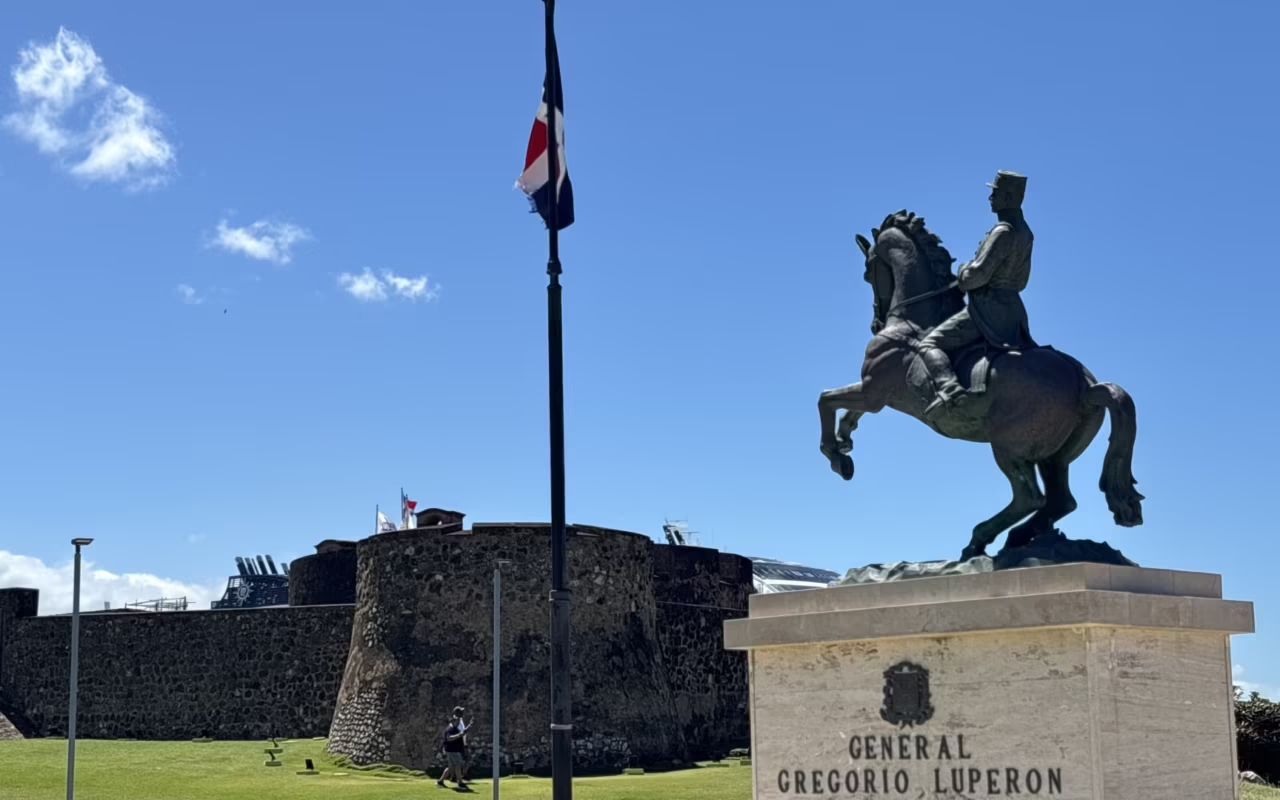
Cabarete is a village in the province of Puerto Plata, situated on a bay opening onto the Atlantic Ocean, between Sosúa to the west and La Boca to the east. According to Wikipedia, it is located 18 km from Gregorio Luperón International Airport (code POP), about a 35-minute drive away. This is the airport served by most flights to the northern part of the country, which avoids the six-hour transfer from Punta Cana.
The village’s main street, Calle Principal, is lined with water sports schools, restaurants, and equipment rentals along a stretch of a few hundred meters. Once you’re settled in, everything is within walking distance. A vehicle or organized excursions are still necessary to explore Damajagua and the city of Puerto Plata.
The north also welcomes cruise ships at the Amber Cove and Taíno Bay terminals. On port days, the most popular sites—including Damajagua and the cable car—get significantly busier.
Must-See Attractions Around Puerto Plata
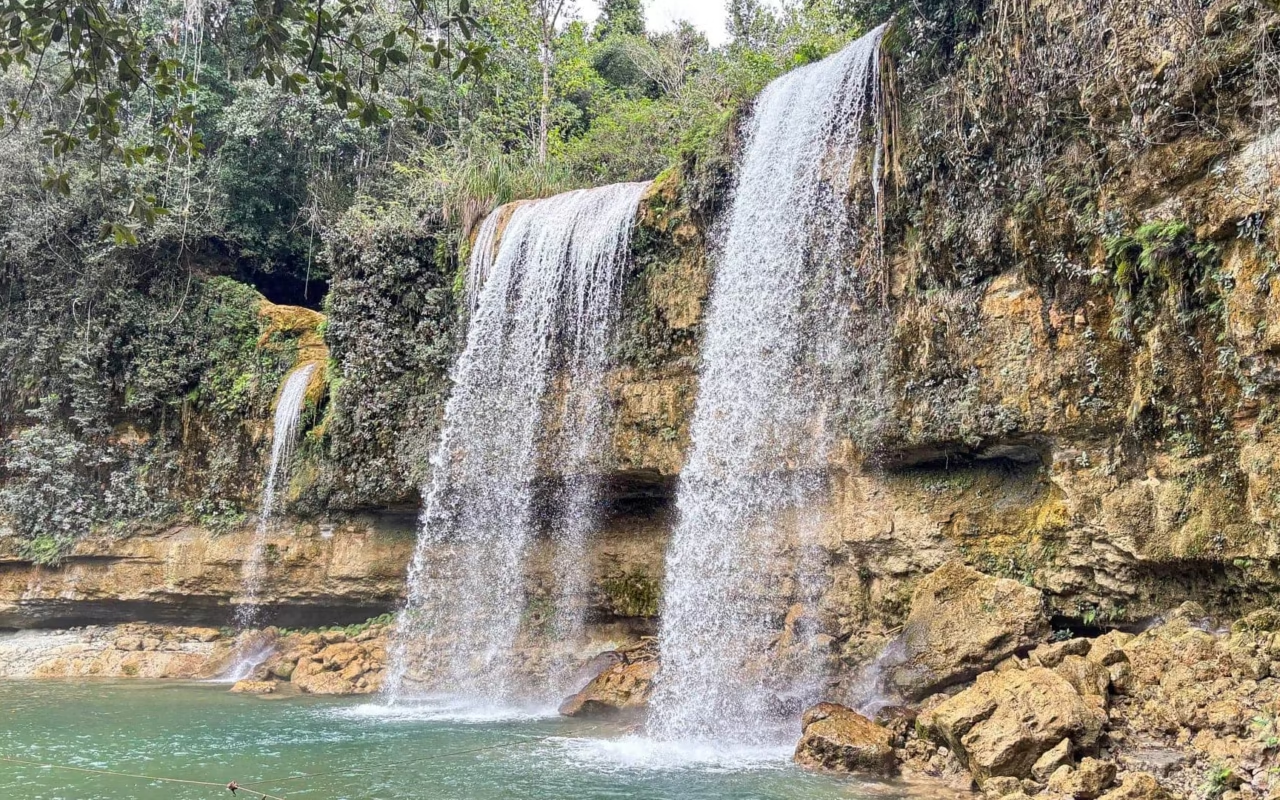
Located in the hinterland, the 27 Damajagua Falls are among the most exciting experiences in the northern part of the country. After a short hike through the forest, the adventure really begins: a series of natural slides and jumps lead into pools of clear water as you make your way down the waterfalls. Laughter, cool water, and thrills are guaranteed, all under the supervision of local guides. A must-do activity to let off some steam and take in the breathtaking scenery. So, will you take on the adventure?
Cabarete – Water Sports and Energy
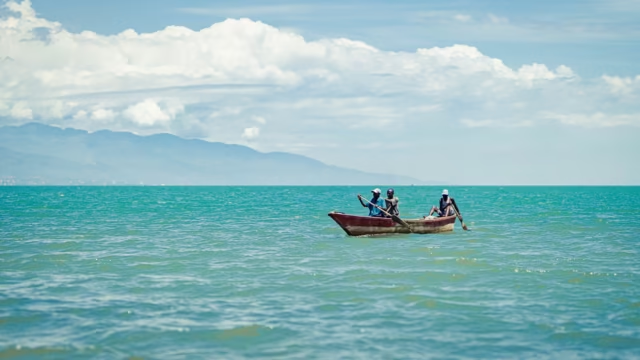
A world-renowned destination for kitesurfing and windsurfing, Cabarete attracts water sports enthusiasts and active travelers. The beach, exposed to the trade winds, the dynamic atmosphere, and the cultural scene (especially the music scene ) make it a lively stop.
Our tip : Don’t miss the jazz festival here.
We love to incorporate a sports-focused break into our itinerary, complemented by local initiatives with a strong social impact—particularly those focused on education and giving back to the communities.
Our Favorite – A Community-Focused Experience in Cabarete
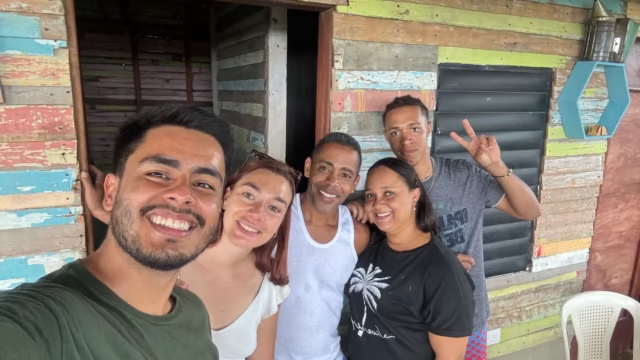
We like to give meaning to the trip by offering an immersion experience at a local nonprofit center dedicated to helping children in the region. Creative workshops, computer classes, language lessons, swimming, and woodworking shape daily life there. Travelers can get involved on an ad hoc basis, support the center’s efforts with a donation, or explore volunteer opportunities during longer stays. It’s a meaningful experience that adds real depth to your time in Cabarete.
Surfing, kitesurfing, and windsurfing: Which spot is best for which skill level?
The search terms that bring the most visitors to this page are related to surfing in Puerto Plata, not city tours. The north coast faces the Atlantic and receives swells that form far out at sea—longer and more consistent than those on the Caribbean side. Specialized guides for the north coast, such as The Surf Atlas and My Wave Finder, describe four main spots between Cabarete and the city.
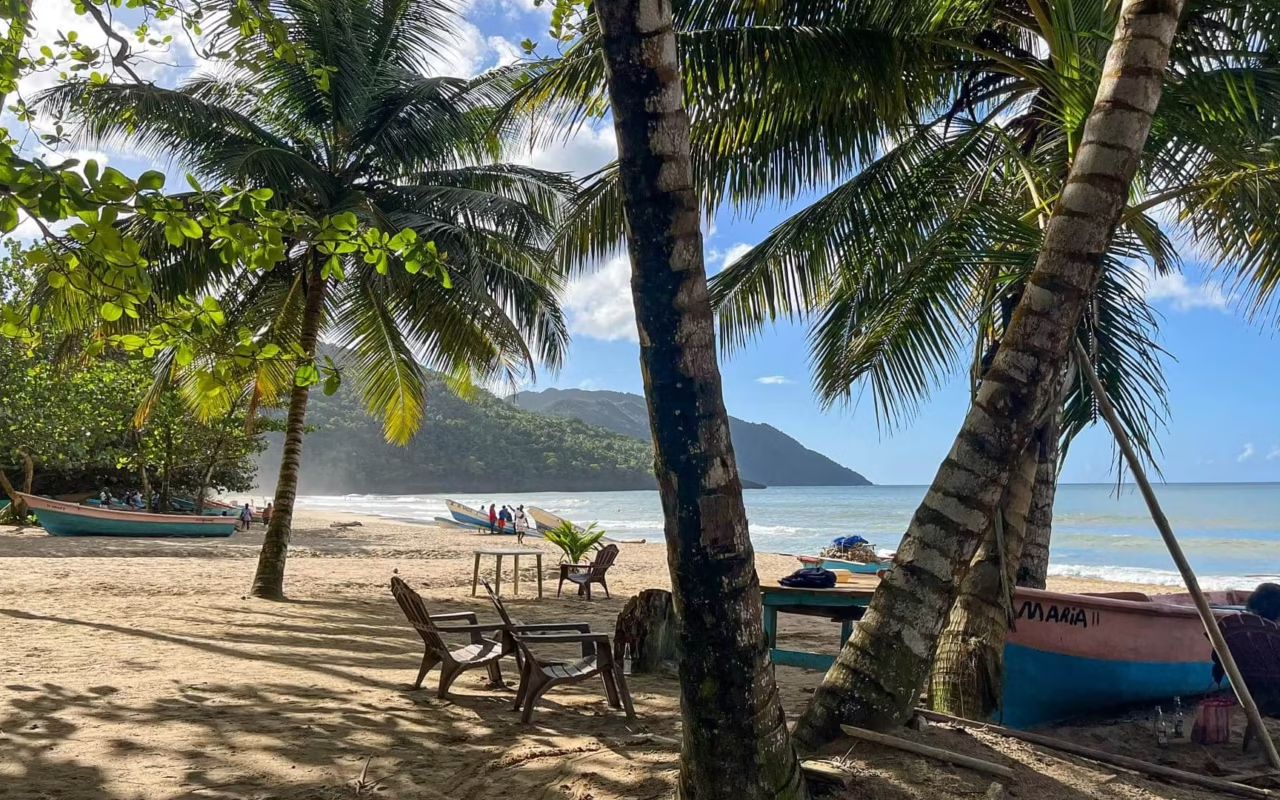
Playa Encuentro, a few kilometers west of Cabarete, is the go-to spot. Several breaks share the reef, ranging from the most forgiving to the most challenging. Destroyers and Coco Pipe break over a shallow reef and are reserved for experienced surfers. Cabarete Bay, on the other hand, belongs to the wind: Kite Beach for kitesurfing, Bozo Beach for windsurfing and relaunching. La Puntilla, off the port of Puerto Plata, offers a left and a right, but suffers from urban pollution, according to The Surf Atlas.
| Spot | Discipline | Open Water | Level |
|---|---|---|---|
| Playa Encuentro | Surfing | Reef | All levels depending on the break |
| Destroyers and Coco Pipe, Encuentro | Surfing | Shallow reef | Experienced surfers |
| Kite Beach, Cabarete | Kitesurf | Sand and reef | Beginners (with instruction) to advanced |
| Bozo Beach, Cabarete | Windsurfing | Sand | Intermediate |
| La Puntilla, Puerto Plata | Surfing | Reef | Advanced |
Details on conditions and schools can be found in our guide to kitesurfing, wingfoil, and surfing spots in the Dominican Republic.
You can walk along the Encuentro Reef. Wetsuit shoes protect against cuts from dead coral and sea urchins, and the outer reefs are best tackled with a guide on your first attempt. Dive schools in Cabarete rent equipment by the half-day, which is enough time to try it out before committing to a course.
When is the best time to visit the Atlantic coast of Puerto Plata?
The dry season runs from December to April, while the rainy season is concentrated from May to November. The Ministry of the Environment documents the climate of the Damajagua Natural Monument, located in the hinterland of Puerto Plata. Its report indicates an annual average of 1,500 mm of precipitation and an average temperature of 27.1 °C. The highest temperature is 28.4 °C in August, and the lowest is 24.9 °C in January.
The hurricane season officially runs from June 1 to November 30 in the North Atlantic and the Caribbean, according to the Dominican Institute of Meteorology. A trip scheduled between August and October requires trip cancellation insurance and some flexibility with flight schedules.
For board sports, the peak periods do not overlap. Guides on the north coast note that the most consistent swells occur between November and April, when low-pressure systems in the North Atlantic are active offshore. The thermal wind in Cabarete Bay, on the other hand, picks up mainly in the afternoon, which explains the local routine: surfing in the morning, kitesurfing in the late afternoon.
How long should you stay?
Two to three nights are enough for the town, Damajagua, and a day in Cabarete. Plan on four to five nights if you’re coming to surf, giving you time to catch two or three decent sessions without relying on a single day of swells.
Safety and Things to Know Before You Go
The Atlantic coast does not require any special precautions beyond the rules that apply elsewhere in the country, as detailed in our guide to safety in the Dominican Republic. Two points are worth noting.
The first concerns the ocean. The exposed beaches along the north coast are subject to rip currents, and Bozo Beach is affected by currents flowing eastward from Cabarete Bay. Swimmers who are uncomfortable with these conditions should stay in the sheltered part of the bay.
The second concerns traffic. The road connecting Puerto Plata to Cabarete via Sosúa is heavily trafficked with motoconchos, trucks, and motorcycles. Nighttime driving is not recommended on this route, as on most secondary roads in the country.
The Terra Dominicana Approach: Creating Contrast
Puerto Plata and its surroundings offer a wide variety of atmospheres. To make the most of this, Terra Dominicana selects small ecolodges and boutique hotels located away from the most crowded areas.
This approach allows you to experience a real contrast: enjoy the highlights of Puerto Plata’s tourist scene, then rediscover the rhythm, nature, and Dominican spirit in quieter places that are more seamlessly integrated into their surroundings. This balance is essential for gaining a deep understanding of the region.
FAQ
Can you surf in Puerto Plata itself?
Yes. La Puntilla breaks in front of the city’s harbor and offers both left- and right-hand waves. The spot is reserved for experienced surfers and suffers from urban pollution, which drives most travelers to Playa Encuentro, about 25 kilometers to the east, near Cabarete.
What’s the difference between Cabarete and Puerto Plata?
Puerto Plata is the city: historic center, Victorian houses, museums, and the Loma Isabel de Torres cable car. Cabarete is a surf village, centered around its bay, with a single main street. You can visit both during the same trip—one for culture, the other for the water.
Is Cabarete suitable for beginner surfers?
Yes, as long as you choose the right break. Playa Encuentro has several breaks of very varying difficulty, and the deepest ones break over a shallow reef. Taking an introductory session with a local surf school helps ensure you don’t pick the wrong spot on days when the swell picks up.
How much time should you plan for in Puerto Plata and the surrounding area?
Two to three nights will give you time to explore the city and venture out to Damajagua, Sosúa, or Cabarete. Plan on four to five nights if surfing or kitesurfing is the main reason for your trip, so you’re not limited to just one day of good conditions.
Is Puerto Plata family-friendly?
Yes. Damajagua offers a short trail with seven waterfalls, suitable for children who can swim, and the cable car ride is effortless. Family-friendly ecolodge-style accommodations, away from the most crowded areas, are better suited for this type of trip than a large resort.
Can you get around without a car?
Downtown Puerto Plata and the village of Cabarete are easily explored on foot. A vehicle or organized tours are necessary to reach Damajagua and to travel between the two towns other than by taxi.
The order in which you visit these places changes the experience. Starting with Puerto Plata—with its Fortaleza San Felipe and cable car—then heading to Cabarete for water activities leaves the active part of the trip for the end of the itinerary. With less than three nights, Damajagua gets skipped because there isn’t a half-day available.
Nature Tour in the Dominican Republic: Waterfalls, Cenotes, and Untouched Beaches
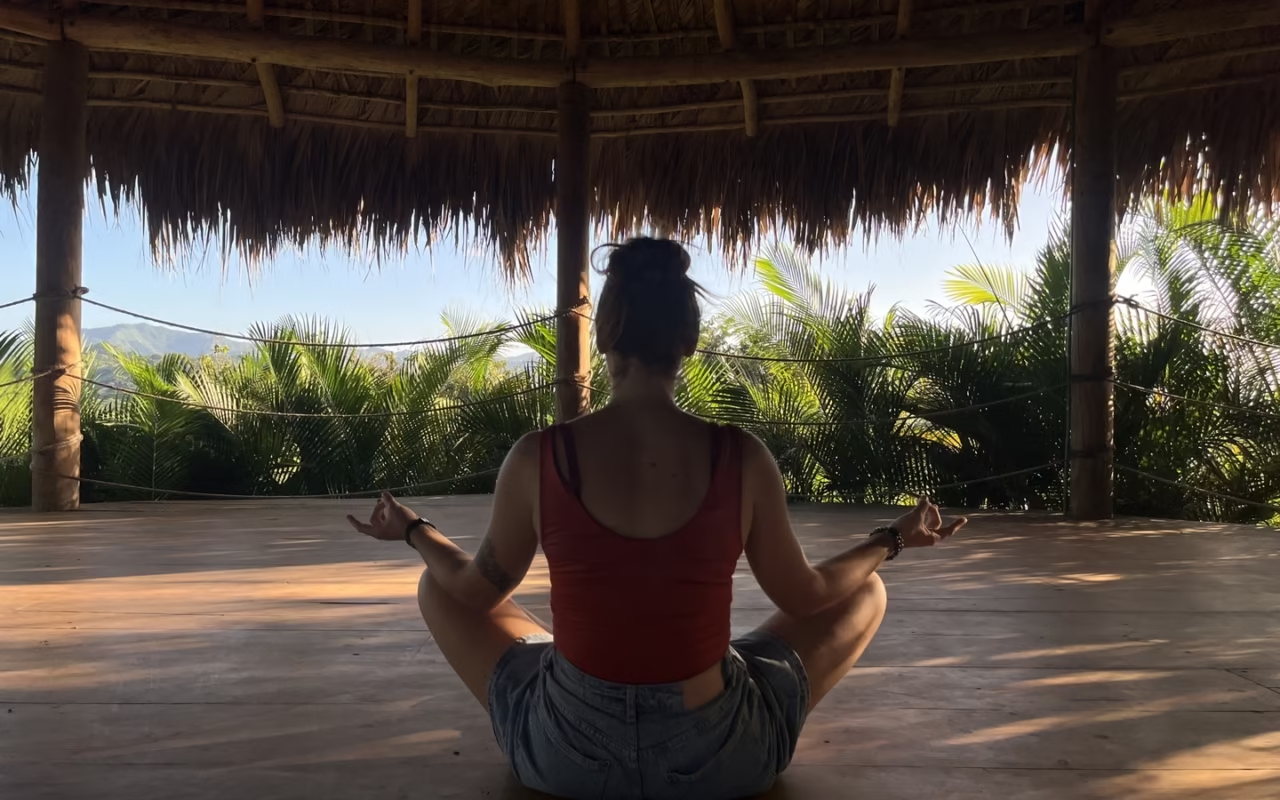
A Getaway in the Dominican Republic: Encounters, Adventures, and Wellness
Updated: August 14, 2026
About the Author
Laura Grenouillet founded the incoming tour operator Terra Dominicana in 2026. Specializing in customized and sustainable itineraries, she guides travelers on well-rounded journeys along the Dominican Atlantic coast, combining must-see sites with more exclusive experiences.
Sources
- Ministry of the Environment and Natural Resources, fact sheet on the Salto de la Damajagua Natural Monument, ambiente.gob.do
- Sectoral Law on Protected Areas 202-04, Category III, Natural Monument
- Dominican Institute of Meteorology, 2026 hurricane season, as reported by Listín Diario, June 17, 2026
- Acción Verde, decree establishing the boundaries of the Loma Isabel de Torres Natural Monument, accionverde.com
- El Caribe, Loma Isabel de Torres, elcaribe.com.do
- Wikipedia, articles on Cabarete and Cabarete Bay, distances and location
- The Surf Atlas and My Wave Finder, guides to surf spots along the Dominican Republic’s north coast
- Field surveys by Terra Dominicana, 2026