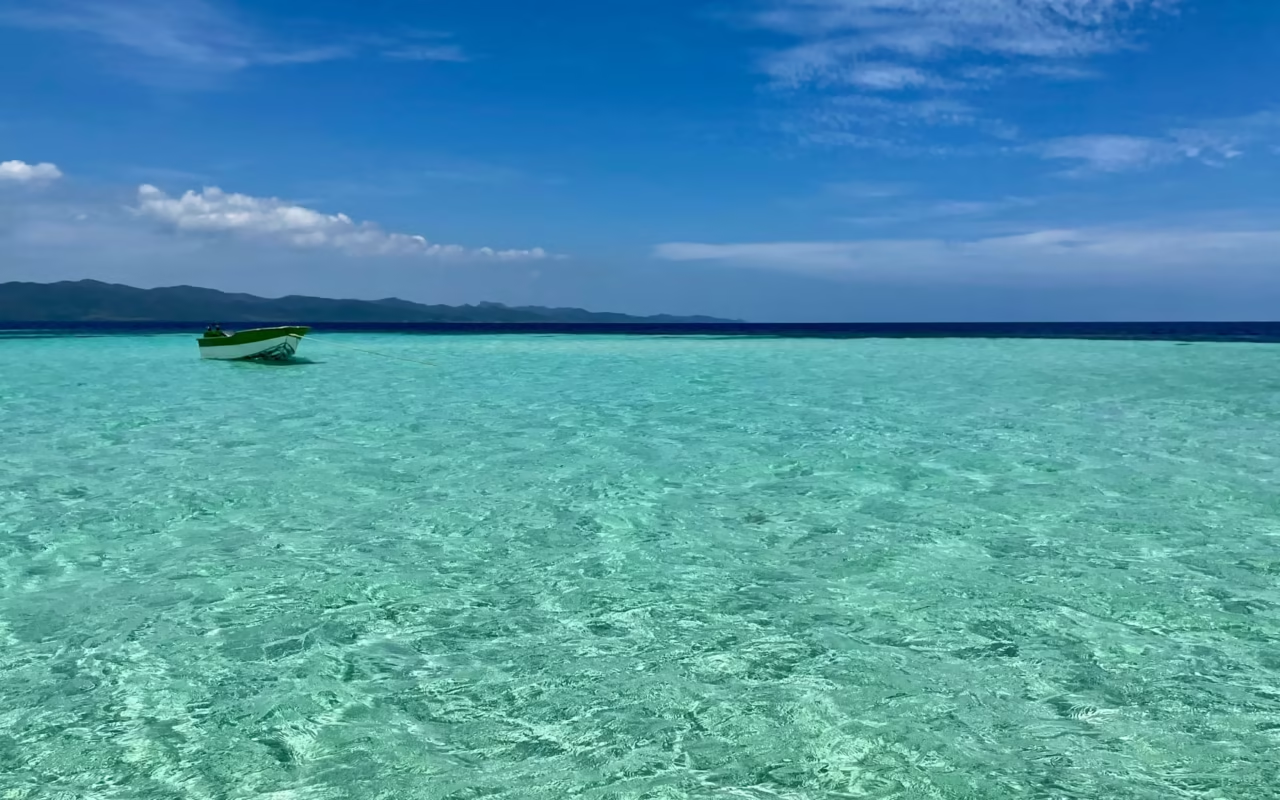
Punta Rucia is a fishing village on the northwest coast, about a 2-hour drive from Puerto Plata. Visitors come here for Cayo Arena, a coral sandbar reachable by boat in 15 to 30 minutes, and for the mangroves of Estero Hondo. Montecristi, about 60 kilometers further west, offers El Morro and a semi-arid landscape. Plan to spend 2 to 3 days there.
Where is Punta Rucia, and how do you get there?
The village is located in the province of Puerto Plata, on La Isabela Bay, on the border with the province of Montecristi. From the Gregorio Luperón Airport in Puerto Plata, the drive along the coast takes about 2 hours; it takes longer if you go through La Isabela. The last few kilometers can be rough after it rains; an SUV is more comfortable than a compact car.
From Santo Domingo, the drive takes over 4 hours. From the Samaná Peninsula, plan on spending the whole day. It’s this distance that explains why the village isn’t very crowded outside of tour hours.
Distance Guidelines
- Puerto Plata: about a 2-hour drive
- Montecristi: about 1 hour, about 60 kilometers to the west
- Santiago: about 2 hours via the Duarte Highway and then the coastal road
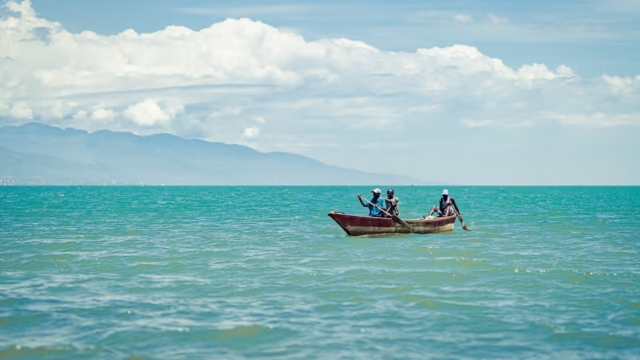
- Cayo Arena: 15 to 30 minutes by boat; no access on foot
Punta Rucia – A Dream Beach and Anchorage
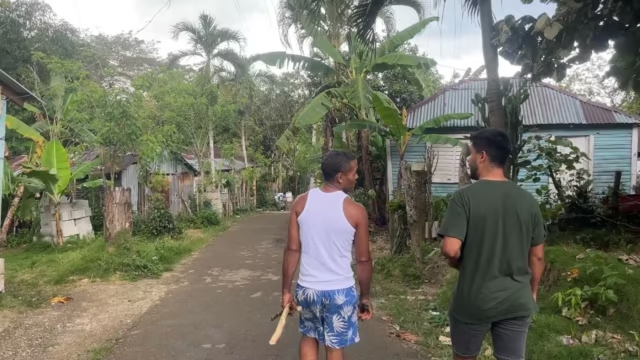
A peaceful fishing village, Punta Rucia boasts a long stretch of white sand beach and a tranquil atmosphere. It’s our favorite stop on the northwest coast, with a few charming small hotels. From here, you can easily explore the still largely unexplored areas around Montecristi without having to change accommodations too often.
Cayo Arena – Paradise Just a Short Boat Ride Away
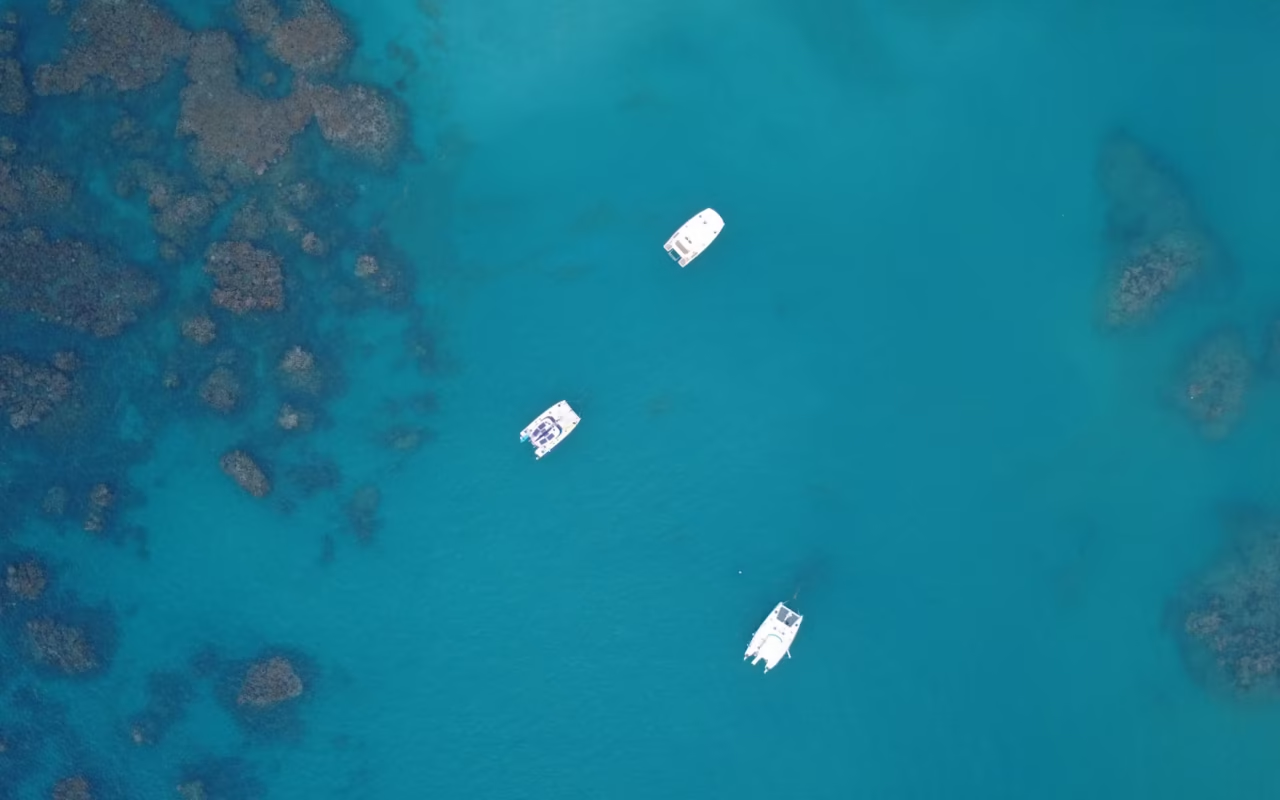
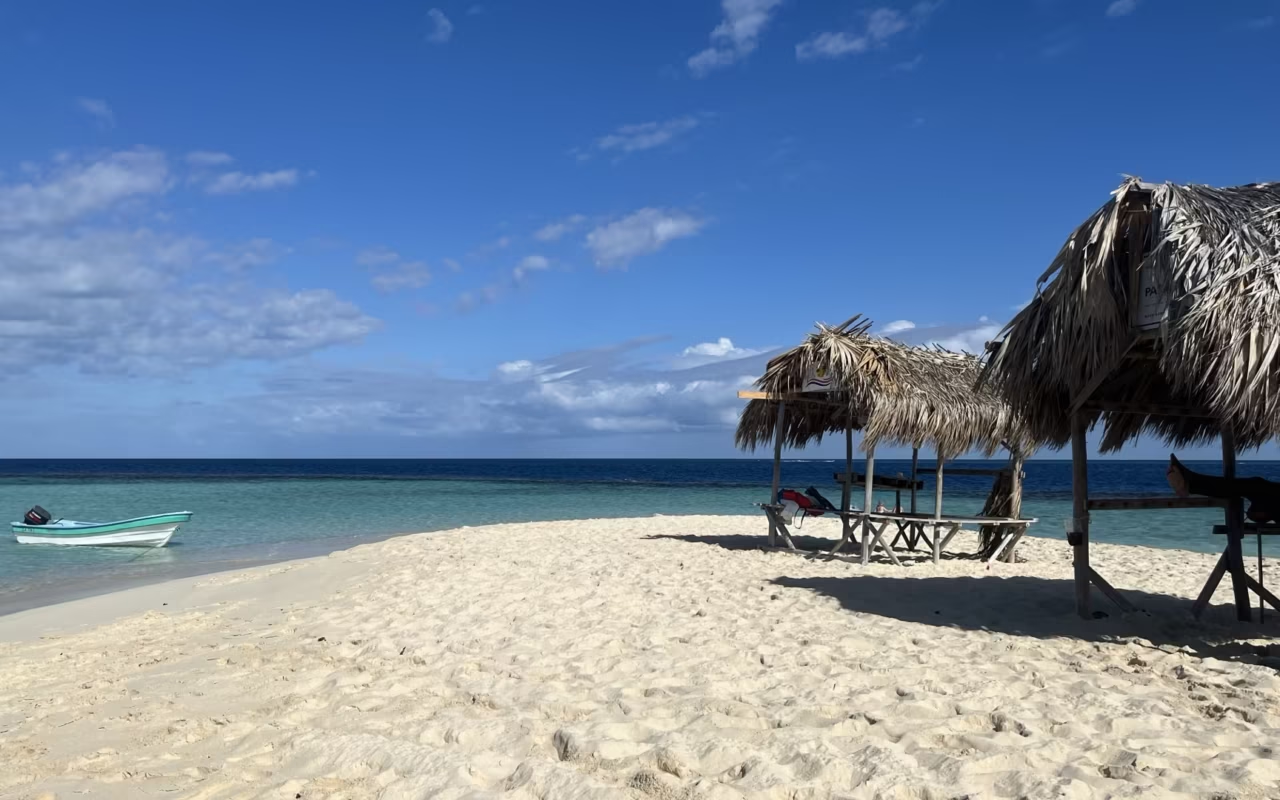
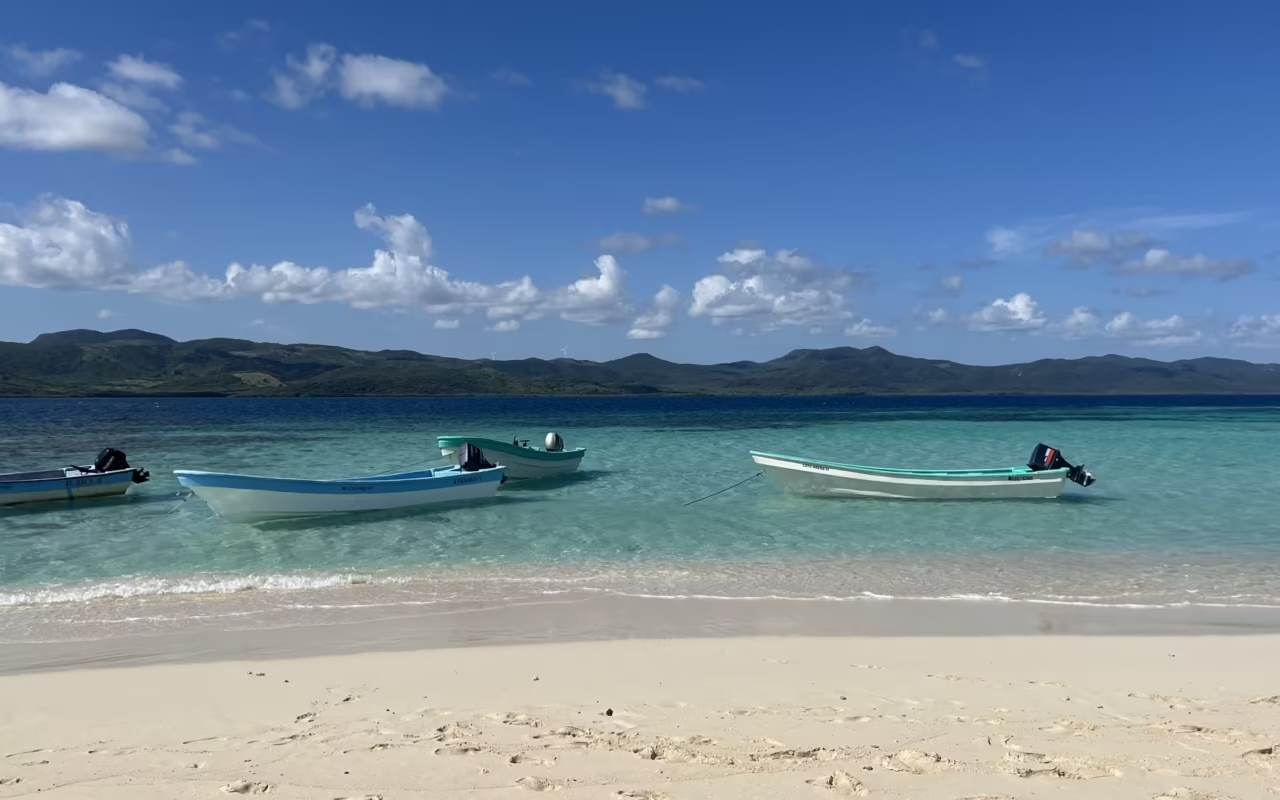
A 15- to 30-minute boat ride from the village beach, Cayo Arena is a coral sandbar set in turquoise waters, ideal for snorkeling and swimming. Yes, it’s not far from the perfect postcard scene!
Very crowded during peak hours, the site reveals its full magic early in the morning or at the end of the day. That’s why we prefer these times—sometimes even at sunset—for a more intimate experience.
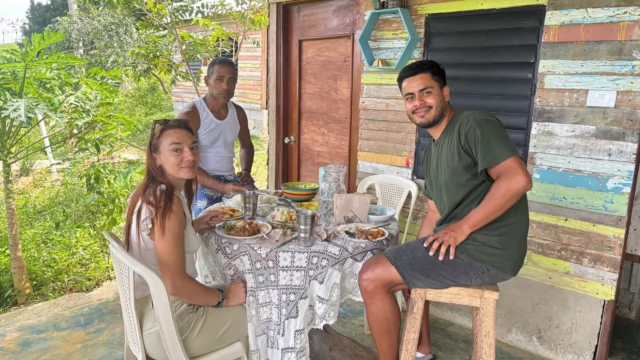
We like to round out the outing with a local meal: grilled fish, tostones, chicharrón… At Terra Dominicana, paradise is also shared around a table.
Don’t hesitate to travel during the off-season as well: this region remains beautiful during off-peak months like May, June, July, August, or November.
Toward Montecristi – A Completely Different Landscape in the Dominican Republic
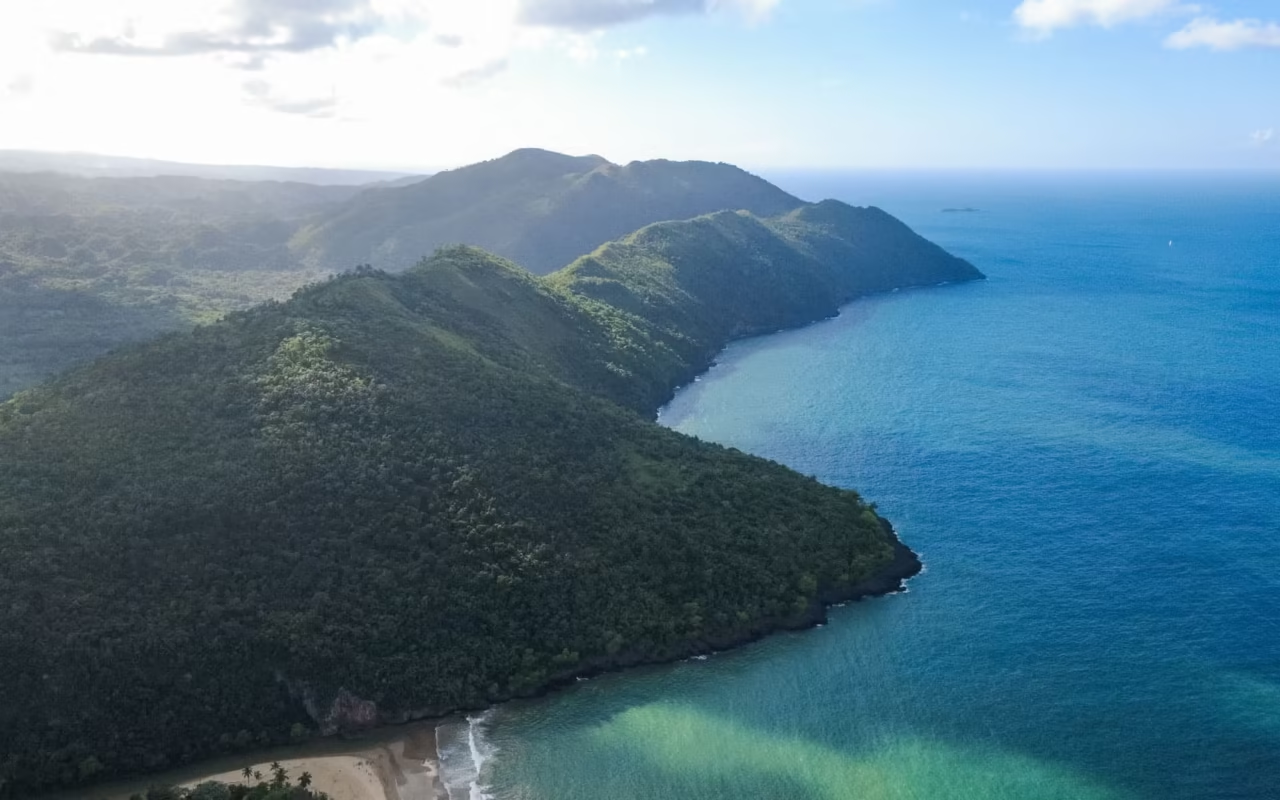
As you head north toward San Fernando de Montecristi, the scenery changes dramatically. The dense vegetation gives way to an arid, rocky landscape, dotted with giant cacti and vast open expanses. One of the sunniest regions in the country—powerful and unique—it attracts travelers in search of unspoiled landscapes. Yes, you can truly explore it year-round!
Mangroves and Salt Ponds
Around Montecristi, exploring the protected mangroves and salt ponds is a gentle experience, gliding along the water. It’s the perfect way to observe wildlife, understand coastal ecosystems, and soak in the silence unique to this still-off-the-beaten-path region.
Montecristi – Timeless History and Elegance
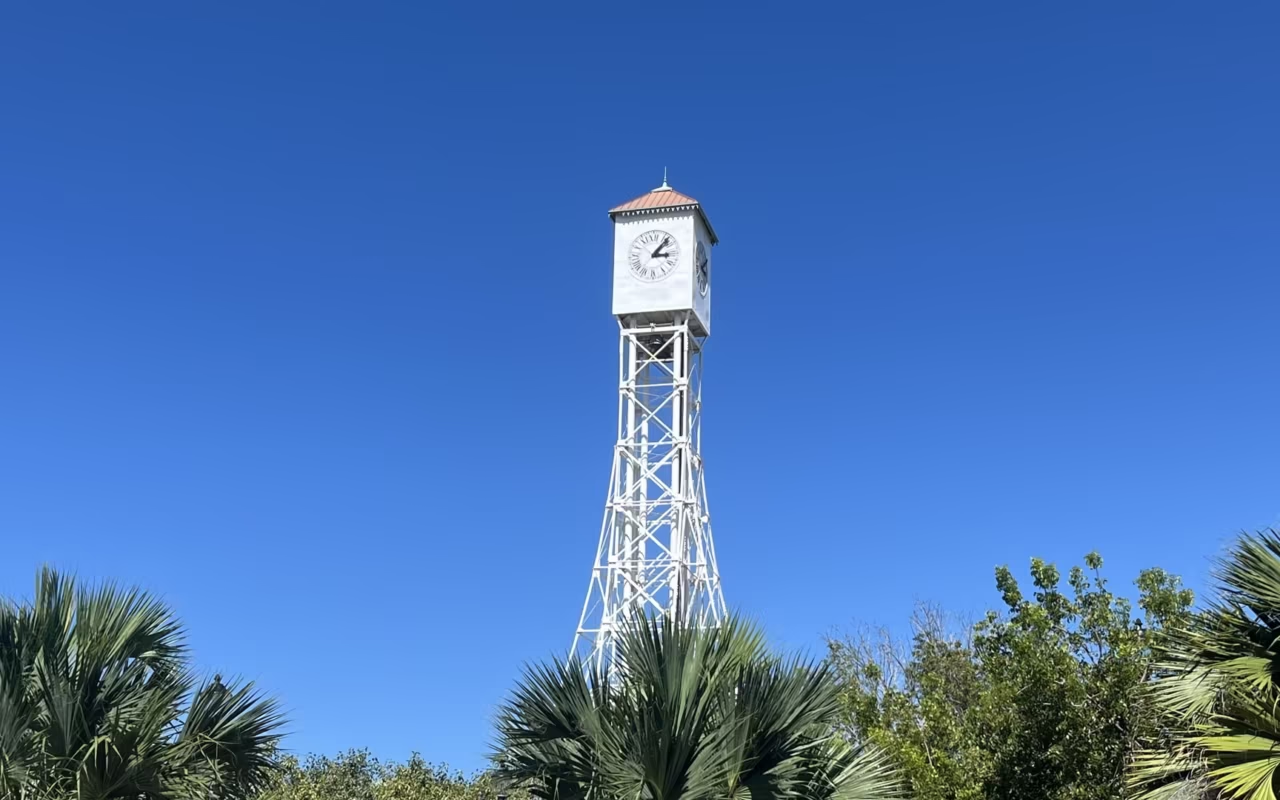
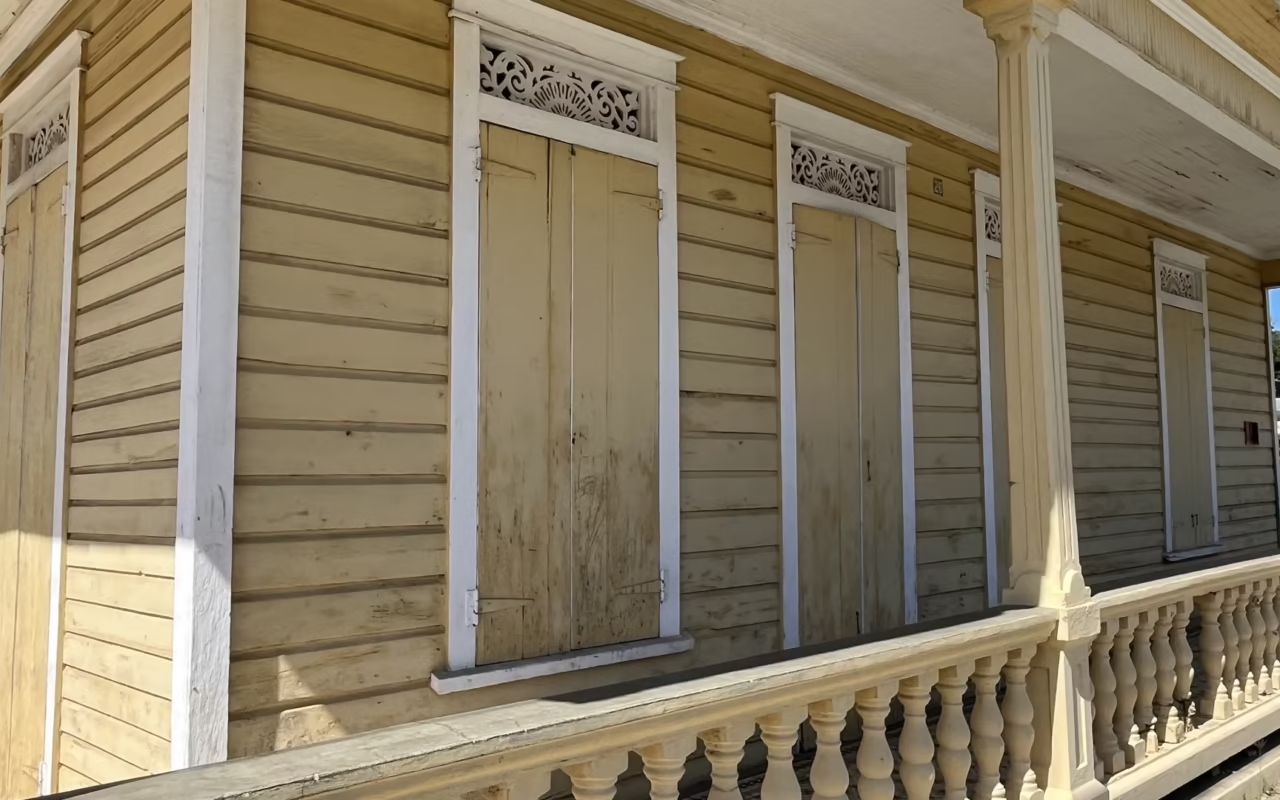
Officially founded in 1533, Montecristi has a remarkable history: Christopher Columbus considered establishing the first city in the New World here, drawn by its natural harbor. The prosperity of the late 19th century, driven by agricultural exports to Europe, left a visible legacy in its Victorian-style homes.
Rarely visited today, the town invites you to slow down and connect with residents who are deeply committed to preserving their land.
High in the Northern Cordillera, an agroecological farm offers a wonderful educational and rural experience. There, you’ll discover the iconic crops of the Cibao Valley—cacao from plant to cup—as well as medicinal plants and local biodiversity. You’ll love chatting with the locals to learn all about their best practices!
Accessible trails lead to natural lookouts offering sweeping panoramic views, sometimes all the way to the Atlantic Ocean. An ideal experience even for the littlest ones!
La Isabela Historical Park
Founded in 1494, La Isabela Historical Park is home to the remains of the first European settlement in the New World. A visit feels like an immersive stroll: ruins, coastal trails, and views of the Atlantic, all in a peaceful and uncrowded setting.
Montecristi, El Morro, and the protected areas
The province of Montecristi has nine protected areas, accounting for 25% of its total land area, according to the Dominican Ministry of the Environment. This concentration explains the landscape: dry forests, coastal lagoons, deserted cays, and a shallow coral coastline.
El Morro
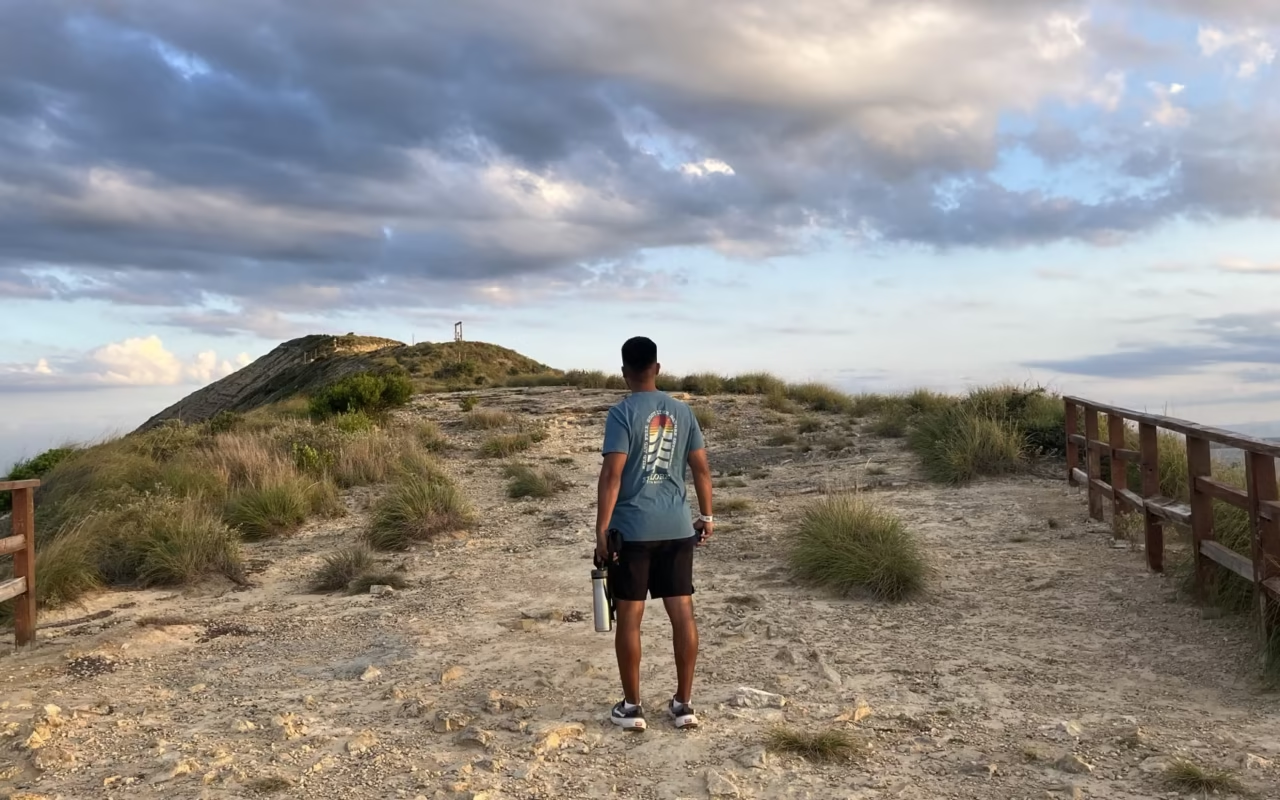
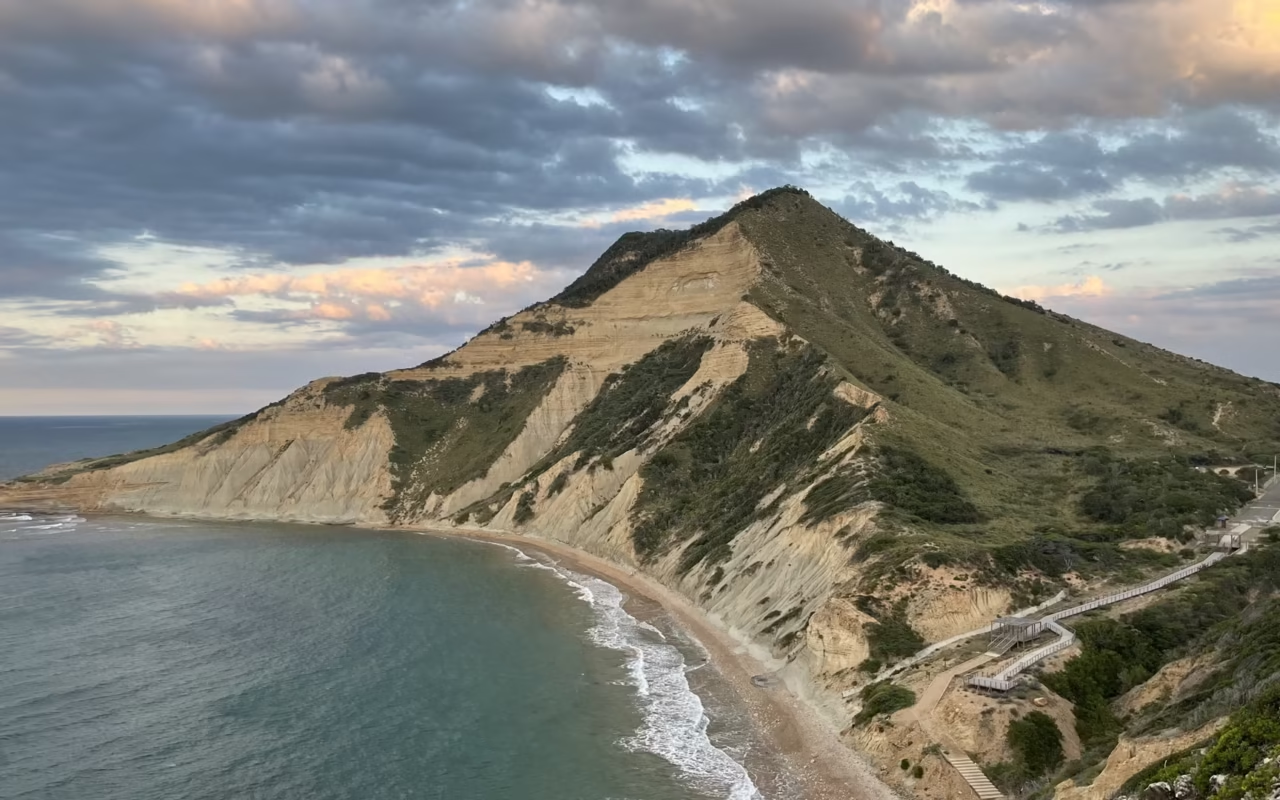
The limestone mesa of El Morro overlooks the coast from a height of about 237 meters. The trail starts at the national park entrance and takes about an hour to climb, with no technical difficulty. Set out early: there is no shade, and the heat rises quickly in this semi-arid area.
Monte Cristi Underwater Park
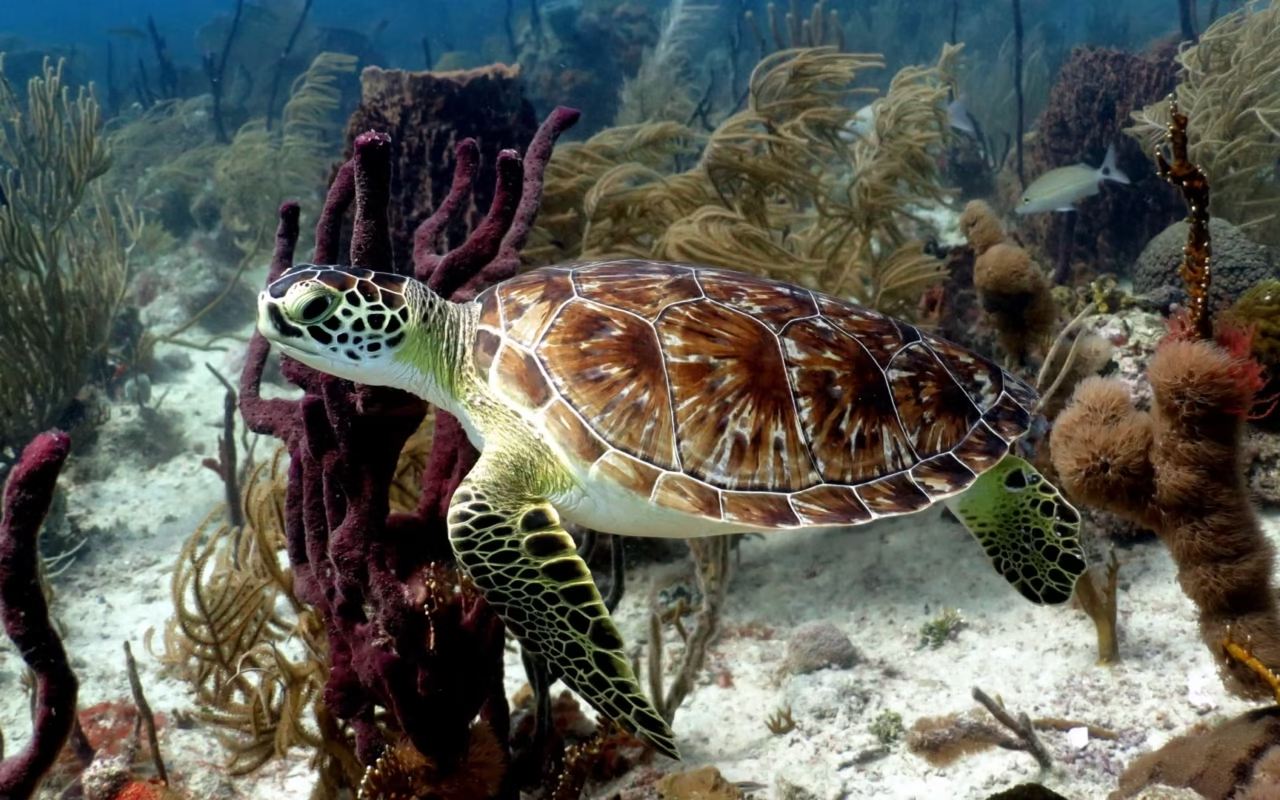
The underwater national park protects a group of reefs and several historic shipwrecks along the northwest coast. Diving here remains off the beaten path due to a lack of facilities, which explains the excellent condition of the seabed.
A Changed Organizational Structure
The former Monte Cristi National Park, established by Decree 1315 of August 11, 1983, was reorganized under Sectoral Law 202-04 on protected areas. This resulted in several distinct entities: El Morro National Park, the Estero Balsa mangroves, the underwater park, and the Estero Hondo Marine Mammal Sanctuary. Older maps and many guidebooks still use the original name.
When is the best time to visit the Dominican Northwest?
The northwest is the driest region of the country. The Estero Hondo Sanctuary receives about 700 mm of rain per year, with an average temperature of 26.5 °C. In other words, the window of good weather there is longer than along the rest of the Atlantic coast.
The Atlantic hurricane season runs from June 1 to November 30. The risk of rough seas and canceled boat trips is highest in September and October. Cayo Arena is entirely dependent on sea conditions: even a single windy day is enough to cancel the crossing.
| Season | Conditions | How this affects conditions on-site |
|---|---|---|
| December through April | Dry, steady trade winds | Better underwater visibility; sea can be choppy in the afternoon |
| May through July | Short showers, hot weather | Greener vegetation, less crowded sites |
| August | Hot and humid | Outings possible; check weather reports |
| September and October | Peak of hurricane season | Real risk of trips being canceled at sea; best to avoid this time of year if Cayo Arena is your top priority |
| November | Transition | End of the rainy season, low visitor numbers |
How long should I stay there?
Two nights there are enough for the beach, a boat trip, and the mangroves. Three nights let you add Montecristi, El Morro, and La Isabela Historical Park without having to rush around.
If you stay less than one night, you’ll miss the one time slot that really matters: the early morning departure for Cayo Arena, before the tours from Puerto Plata arrive. A day trip from a hotel on the coast means a 4-hour drive for just 2 hours on the beach.
Safety and Practical Tips Before You Go
The area does not pose any particular security concerns. The areas requiring vigilance are elsewhere, and they are practical.
Things to Watch Out For
- The road: uneven surface on the last few kilometers; no streetlights at night. Avoid driving after dark.
- The ocean: The reef is just a few meters below the surface around Cayo Arena. Following the guide will help you avoid cuts from the coral.
- The sun: The sandbar offers no natural shade. Reef-safe sunscreen, a hat, and water are essential.
- Mosquitoes: The mangroves of Estero Hondo are teeming with them, especially at sunrise and sunset.
- Services: There are no reliable ATMs or on-call pharmacies in the village. Bring cash and a basic first-aid kit from Puerto Plata.
Where to stay between the beach and the dry woods
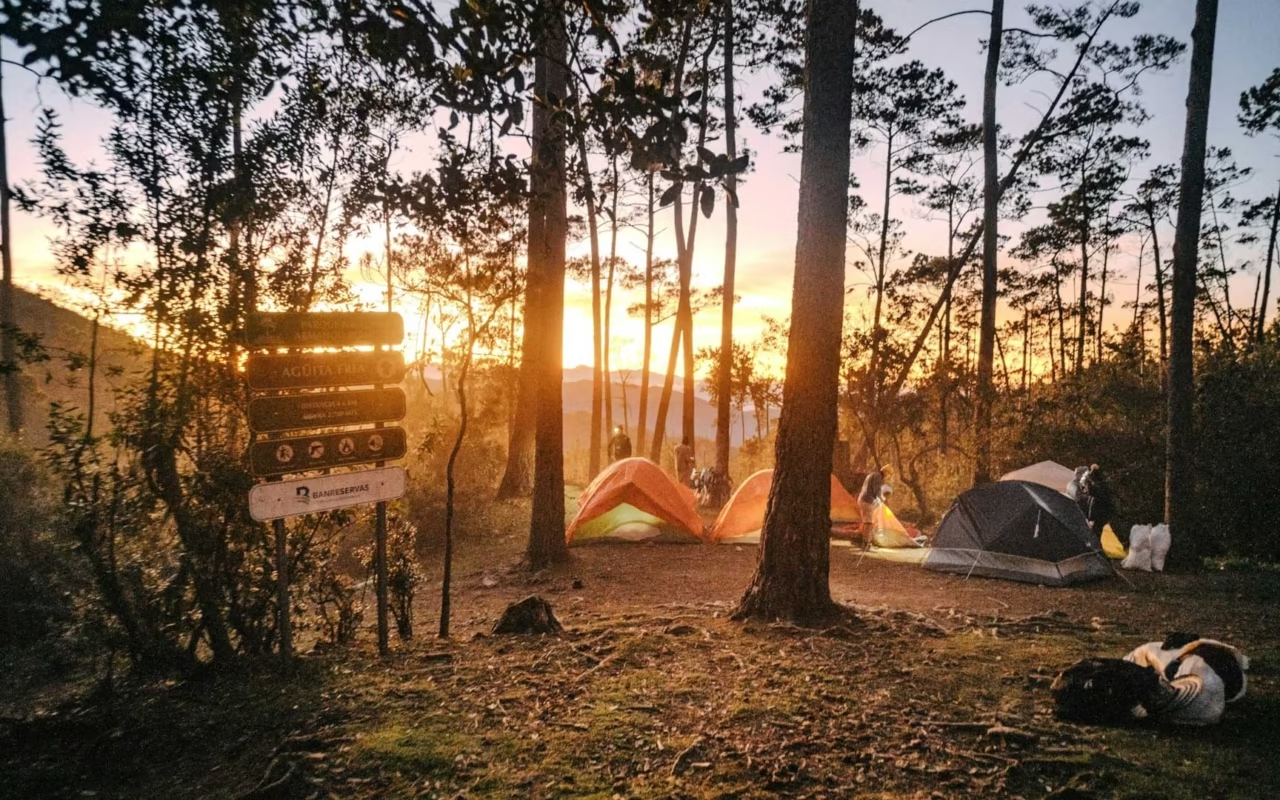
The selection of accommodations remains modest, which is part of the area’s charm. You’ll find small, family-run establishments right on the beach, a few nature-oriented eco-lodges, and guesthouses run by couples who live in the village. No large all-inclusive resorts have been built here.
This has two practical consequences. Total capacity is low, so advance reservations are necessary during peak season. Meals are most often enjoyed at beachside restaurants, featuring fish and seafood caught that morning.
The Terra Dominicana Approach
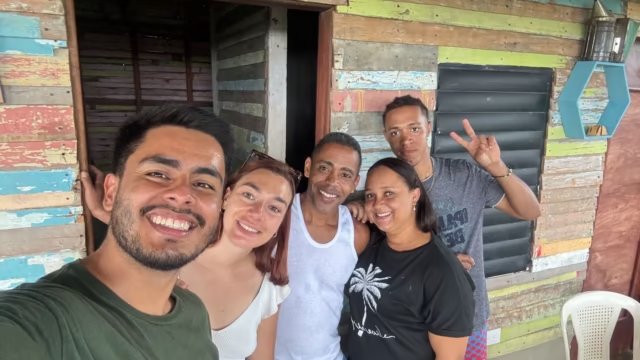
By connecting Punta Rucia and Montecristi, we offer a comprehensive experience of the Northwest: beach fun, unspoiled nature, and local engagement.
Terra Dominicana selects ecolodges and eco-adventure hotels to provide a genuine contrast to more touristy areas, allowing you to fully experience the Dominican spirit, up close with its landscapes and people.
Combine with neighboring regions
The Northwest is easily connected to the rest of the Atlantic coast. Cabarete and Puerto Plata are a 2-hour drive to the east and offer surfing, waterfalls, and a much wider variety of dining options. Cabrera and Río San Juan, another hour away, extend the itinerary to equally tranquil beaches. The three can be combined into an 8- to 10-day loop starting from the Puerto Plata airport, without ever taking the same route twice.
The CTA at the bottom of the page links to a nature tour that includes the northwest coast, with its wild beaches and waterfalls. This is the format that best suits this region: just a few kilometers per day, short legs, and small-capacity accommodations chosen for their local ties.
Two nights in Cabarete at the end of the trip also make it easy to return to the airport, which is less than 30 minutes away.
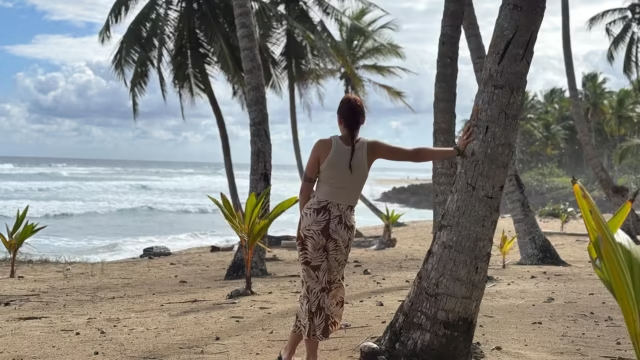
From Cayo Arena to Montecristi, the Dominican Northwest reveals itself in all its unadorned beauty. A luminous, peaceful, and deeply human region—ideal for those who want to travel differently, far from clichés and mass tourism. An itinerary to be savored at a leisurely pace, guided by nature and the people you meet.
Frequently Asked Questions
Where exactly is the village located?
In the province of Puerto Plata, on the northwestern coast of the Dominican Republic, on the shores of La Isabela Bay. The village marks the border with the province of Montecristi, located about 60 kilometers further west. It’s about a 2-hour drive from the Puerto Plata airport.
How do you get to Cayo Arena?
Only by boat, departing from the village beach. The crossing takes 15 to 30 minutes, depending on the type of boat and sea conditions. Trips usually include a snorkeling stop at the reef and a passage through the mangrove channels. There are no shops on the sandbar.
Is Montecristi worth a visit?
Yes, if you’re interested in arid landscapes and cultural heritage. The province has nine protected areas—accounting for 25% of its total area, according to the Ministry of the Environment—including El Morro National Park and the Monte Cristi Underwater Park. The town still features its late 19th-century Victorian houses.
When is the best time to visit?
December through April for the ocean and visibility; May through July for peace and quiet. September and October see the highest risk of hurricanes and cancellations of boat trips.
Can you see manatees in Estero Hondo?
The Estero Hondo Marine Mammal Sanctuary is home to one of the most closely monitored manatee populations in the Caribbean, spanning 48.3 km² of marine and land areas. Sightings are unpredictable; the visit is primarily worthwhile for the mangroves and the work of the park rangers.
Updated: August 7, 2026
About the Author
Laura Grenouillet is a founder dedicated to ensuring that Terra Dominicana offers unique experiences that travelers might not think of when planning a trip to the Dominican Republic. Specializing in sustainable and immersive itineraries, she guides travelers as they explore the most unspoiled regions of the Dominican Republic.
Sources
- Ministry of the Environment and Natural Resources, Monte Cristi provincial fact sheet, protected areas in the province
- Estero Hondo Marine Mammal Sanctuary, Decree No. 1315 of August 11, 1983, and Sectoral Law No. 202-04
- Diario Libre, Estero Hondo, Caribbean Manatee Sanctuary, 2023, area and climate data
- El Nacional: Get to Know Your Town of Montecristi Better, 2022
- Montecristi Municipal Government, 2026
- Terra Dominicana field surveys, 2026