When is the best time to visit?
Best times to visit, climate, seasons, and tips from a local travel agency for a unique travel experience in the Dominican Republic.
The Dominican Republic often brings to mind sunshine, beaches, and a getaway. But beyond the postcard views and resorts, the island reveals a much richer side that can be explored year-round—as long as you travel at the right pace.
At Terra Dominicana, we don’t talk about “good” or “bad” seasons. We focus on the season that suits you best—the one that aligns with your desires, your travel style, and the experiences you want to have.
Climate in the Dominican Republic: What You Need to Know to Choose the Right Time to Visit
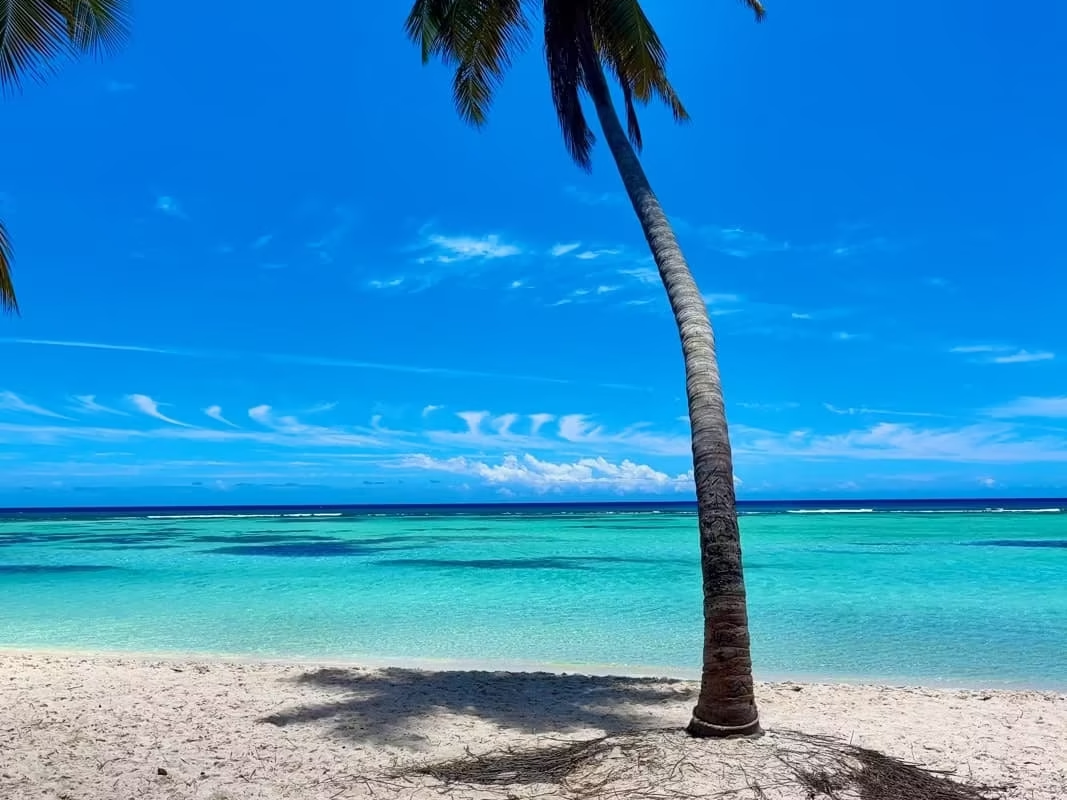
The Dominican Republic enjoys a stable and pleasant tropical climate year-round. Temperatures vary little from month to month, and the ocean remains warm in every season. It’s the landscapes, the atmosphere, the pace, and the number of visitors that change depending on the time of year.
Here are some basic climate guidelines:
- Average temperatures: 26–30°C along the coast year-round
- Sea temperature: 26°C in winter, 29°C in summer —perfect for swimming 365 days a year
- Sunshine: good to excellent year-round, including during the wet season
- Rainfall during the rainy season: often short and intense, mainly in the late afternoon
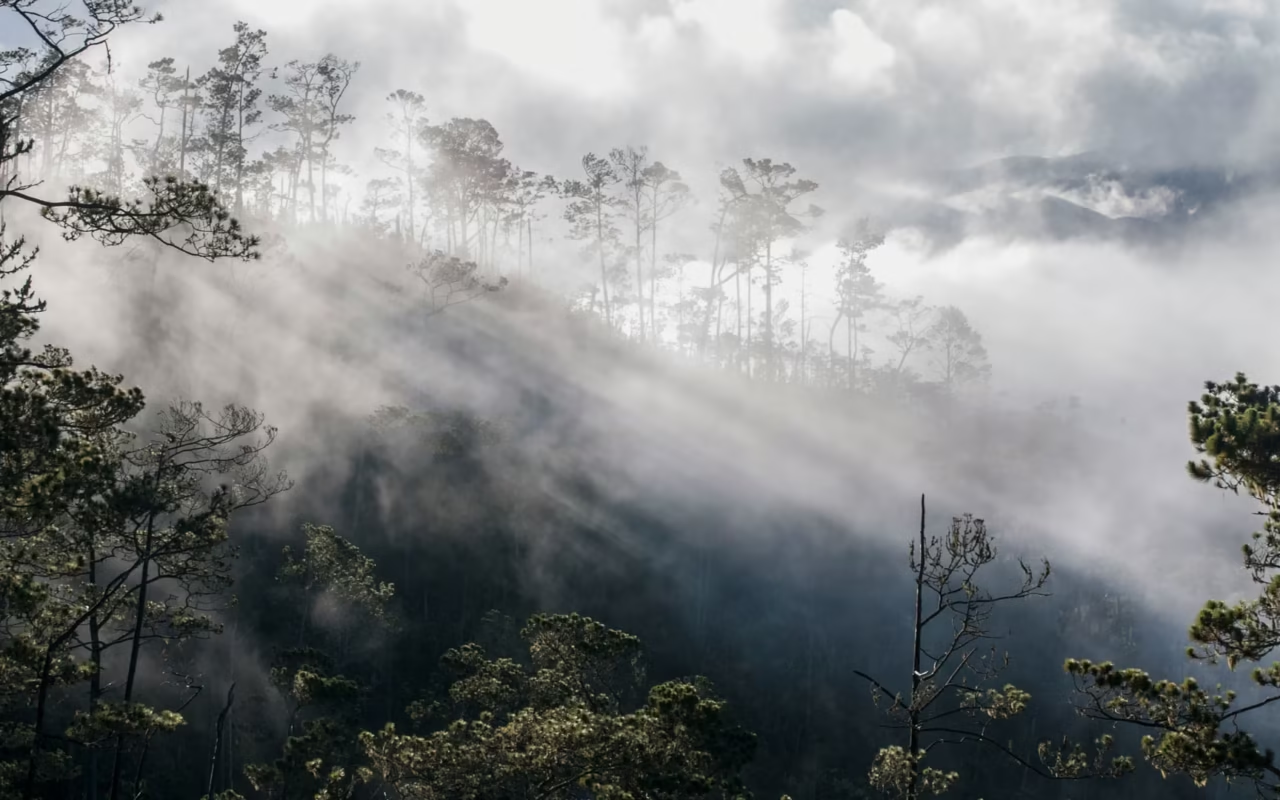
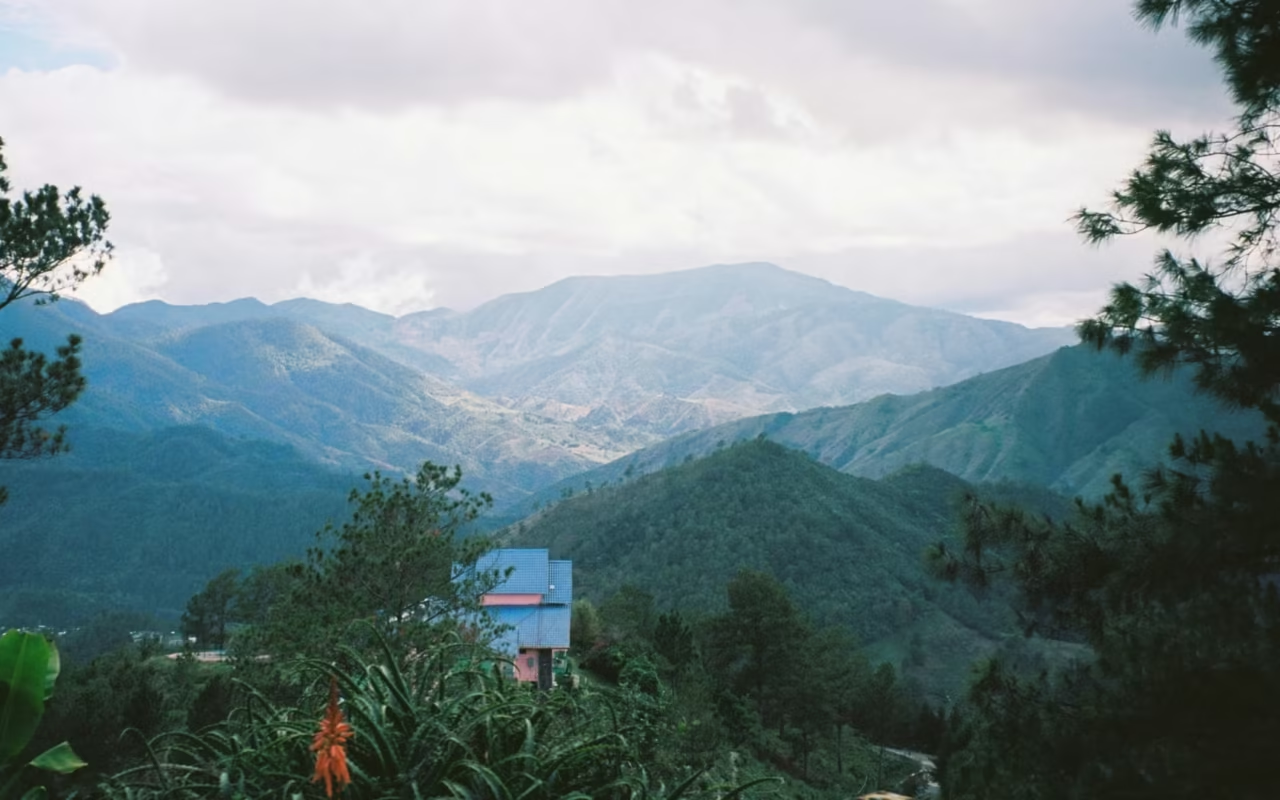
- In the mountains (Jarabacoa, Constanza): cool temperatures at night, which can drop below 10°C in winter
A point that is often misunderstood: the Dominican Republic does not have a single climate, but rather several microclimates depending on the region. The south (Barahona, Enriquillo) is dry and hot. The north (Puerto Plata, Samaná) is more humid year-round, even during the dry season. The east (Punta Cana) has a consistent climate with little rainfall. This diversity is an asset for planning a well-rounded itinerary.
Month-by-Month Climate Table for Santo Domingo (reference data)
| Month | High (°C) | Min. Temp. (°C) | Precip. (mm) | Rainy Days | Sea (°C) | Season |
|---|---|---|---|---|---|---|
| January | 30 | 20 | 71 | ~11 | 26 | Dry season |
| February | 30 | 20 | 47 | ~12 | 26 | Dry season |
| March | 31 | 21 | 63 | ~12 | 26 | Dry season |
| April | 31 | 22 | 77 | ~13 | 27 | End of the dry season |
| May | 31 | 23 | 139 | ~19 | 27 | Growing Season |
| June | 32 | 23 | 102 | ~17 | 28 | Growing Season |
| July | 32 | 23 | 143 | ~20 | 28 | Growing Season |
| August | 32 | 23 | 155 | ~20 | 29 | Hurricane season |
| September | 32 | 23 | 170 | ~21 | 29 | Hurricane season |
| October | 31 | 23 | 165 | ~20 | 29 | Hurricane season |
| November | 30 | 22 | 110 | ~17 | 28 | Transition |
| December | 30 | 21 | 80 | ~13 | 27 | Start of the dry season |
Sources: Historical climate data for Santo Domingo (1991–2024), Partir.com, Climatsetvoyages.com, Historique-meteo.net. The values are averages—actual conditions vary by year and region.
December through April: the dry season in the Dominican Republic
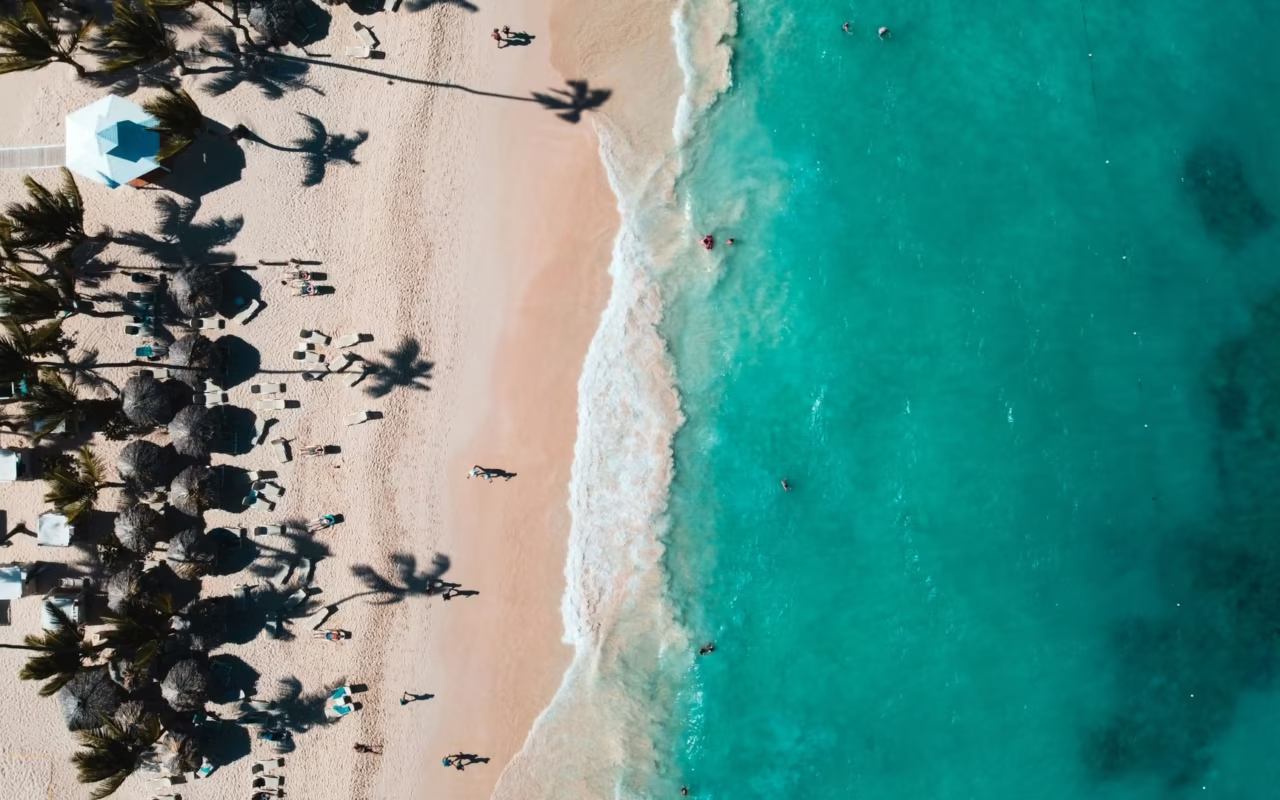
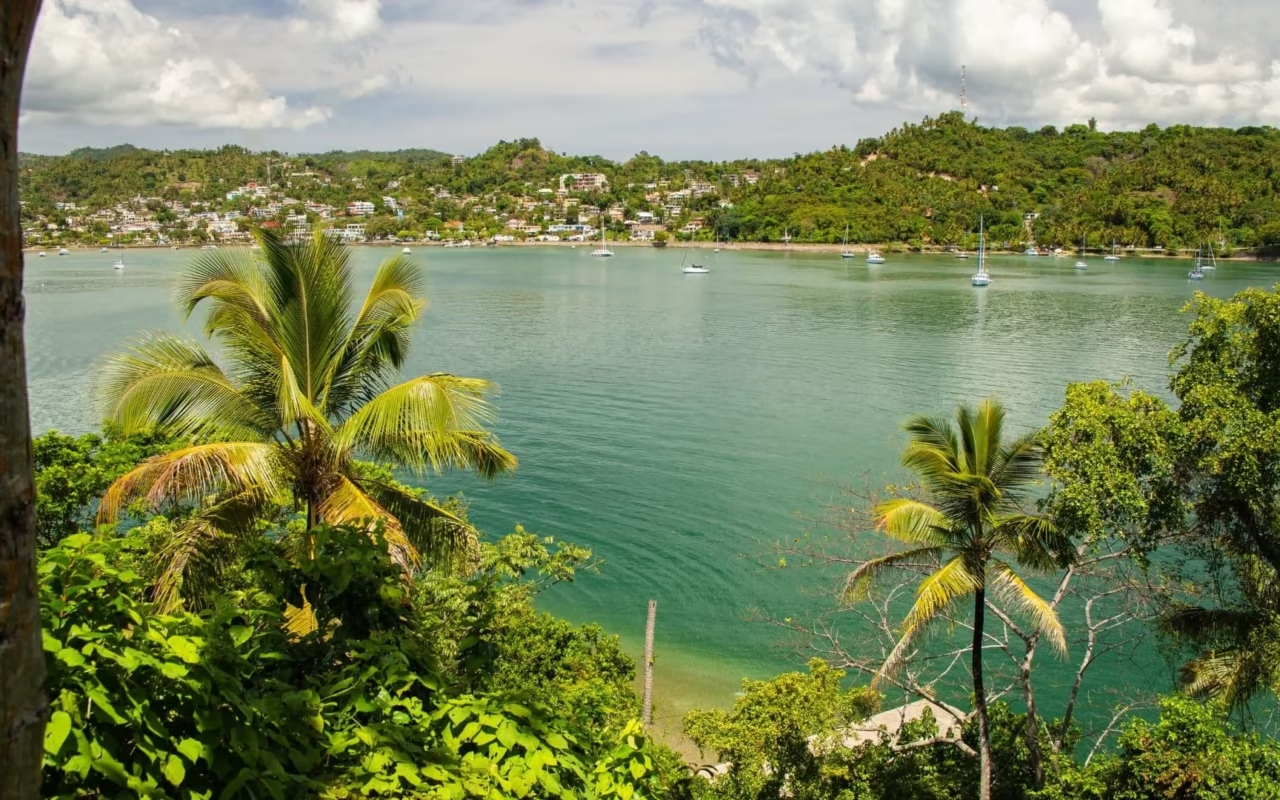
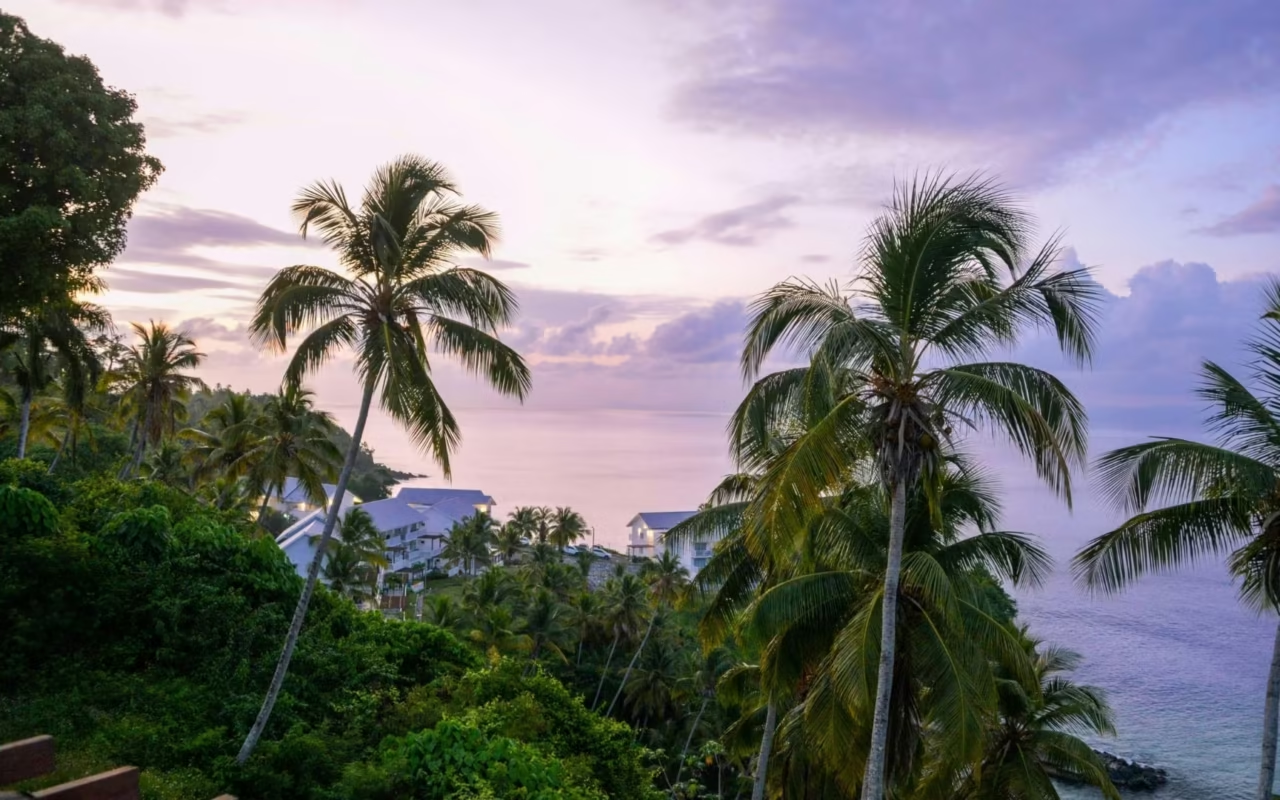
This is the best-known and most popular time of year, and it coincides with the international peak tourist season. Mostly dry weather, milder temperatures (20–31°C depending on the region), and easier travel: the conditions are ideal for a comfortable trip, whether you’re exploring cities, hiking in the mountains, or enjoying the beaches.
Why travel during this time?
- Mostly dry and sunny weather, with few showers
- Ideal conditions for traveling between regions and hiking
- A perfect balance of culture, nature, and beaches
- Pico Duarte is accessible under good conditions
- Humpback whales in Samaná Bay (January through March)
Who is this for?
- First-time travelers to the Dominican Republic
- Couples, families, honeymooners, small groups
- Travelers looking for a very stable and predictable climate
This is also the peak tourist season, with large crowds in the traditional beach resorts. At Terra Dominicana, we prioritize authentic regions, charming accommodations away from overcrowded areas, and local experiences that retain their charm even during peak season.
Please note: Semana Santa (Holy Week, before Easter) and the end-of-year holidays attract very large crowds of locals, leading to a sharp rise in prices. We recommend planning ahead for these periods.
May through November: the green season in the Dominican Republic (our favorite time of year)
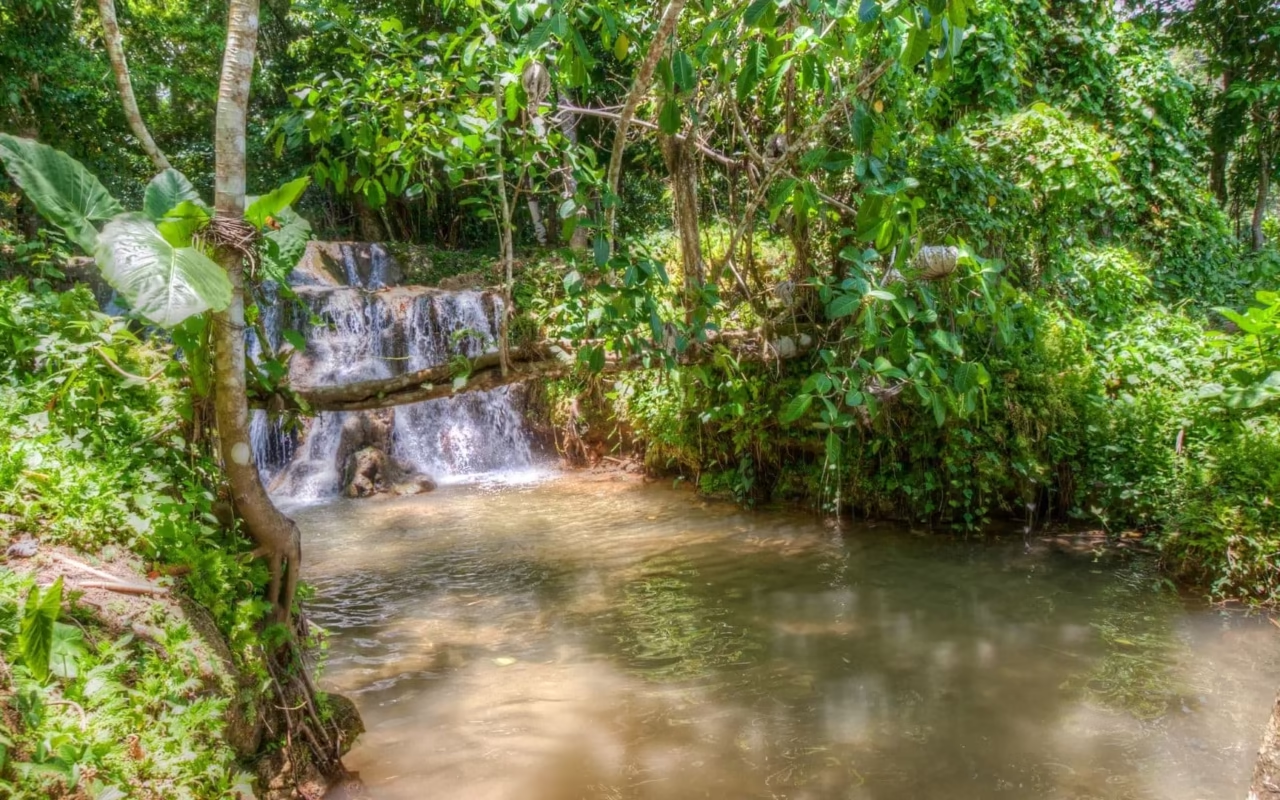
Often underestimated —and sometimes unfairly feared—the rainy season is one of the most rewarding ways to discover the real Dominican Republic. Rainfall generally consists of short, localized showers, often in the late afternoon around 5:00–6:00 p.m. These showers nourish nature without ever spoiling a well-planned trip.
What makes it unique
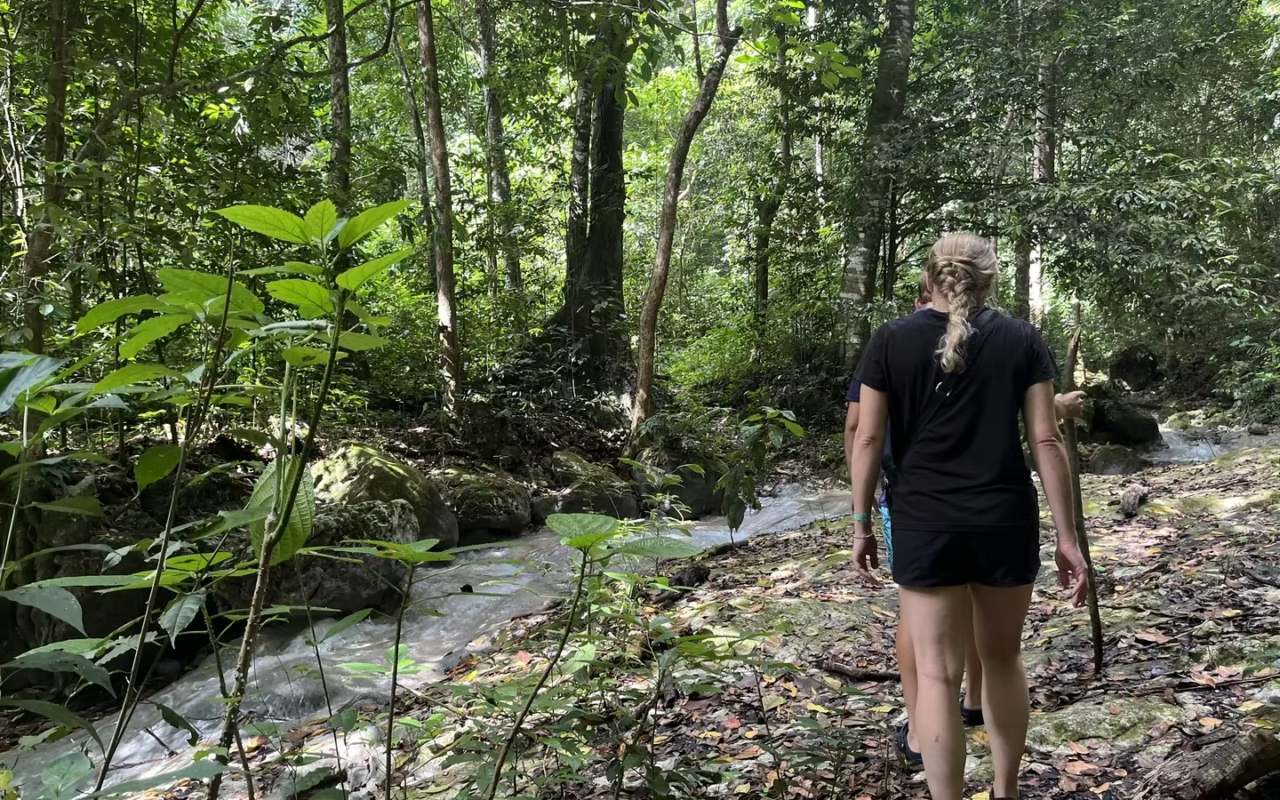
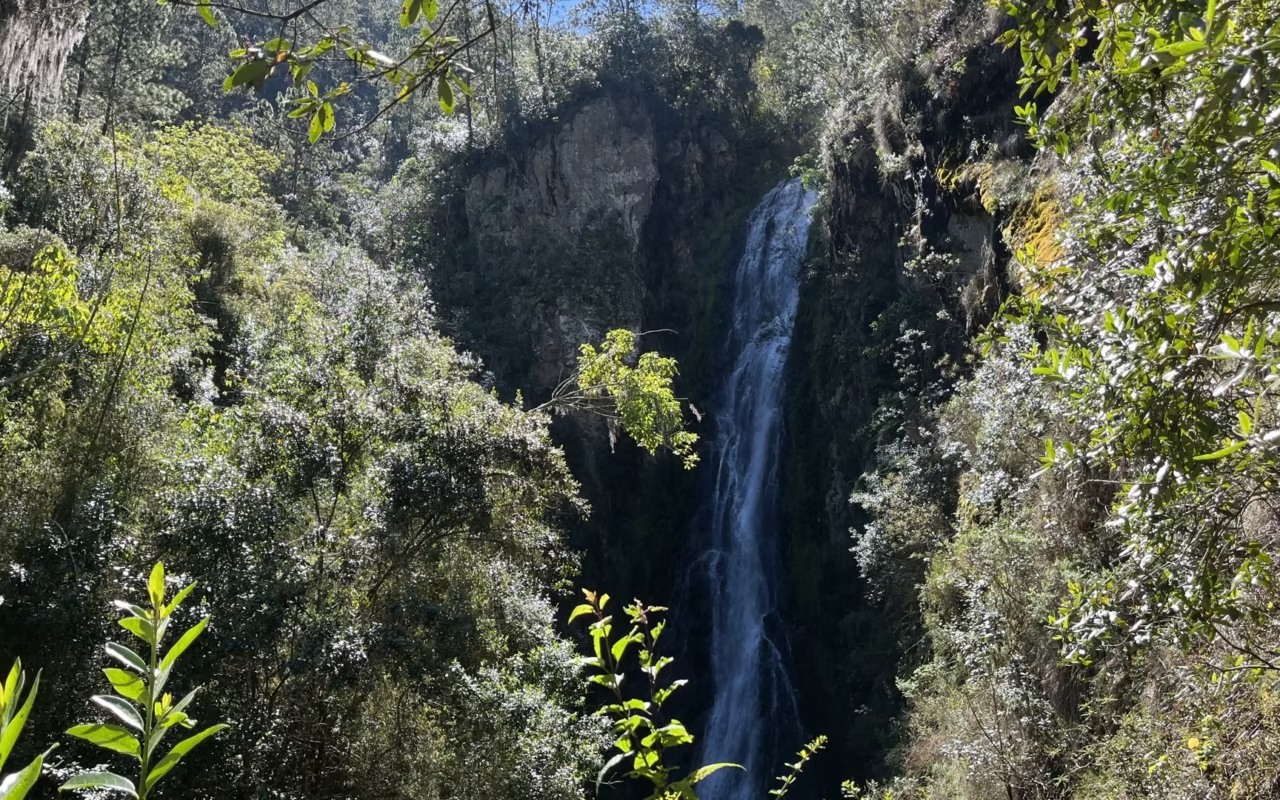
- Lush green landscapes, spectacular waterfalls
- Fewer foreign travelers, a more local and peaceful atmosphere
- Accommodation and flight prices are often 20–35% lower
- Ideal for rural and community-based tourism and meeting local people
- Access to the most remote regions when they’re at their best
Who is it for?
- Lovers of nature, the great outdoors, and photography
- Curious travelers looking for an off-the-beaten-path experience
- Those who prefer to meet Dominicans rather than other tourists
This is the perfect time for rural and community-based tourism—at the heart of Terra Dominicana’s DNA.
When to Visit the Dominican Republic Based on Your Preferences
Some experiences are particularly tied to the seasons. This table helps you plan your trip based on what you want to experience:
| Experience / Activity | Jan | Feb | Mar | Apr | May | June | Jul | Aug | Sep | Oct | Nov | Dec |
|---|---|---|---|---|---|---|---|---|---|---|---|---|
| Whale Watching (Samaná) | Yes | Yes | Yes | — | — | — | — | — | — | — | — | — |
| Hiking & Pico Duarte | Yes | Yes | Yes | Yes | — | Possible | Yes | Possible | Possible | — | Yes | Yes |
| Beaches and swimming | Yes | Yes | Yes | Yes | Yes | Yes | Yes | Yes | Yes | Yes | Yes | Yes |
| Kitesurfing in Cabarete | Yes | Yes | Yes | Yes | Possible | Yes | Yes | Yes | Possible | Possible | Yes | Yes |
| Waterfalls and lush greenery | Possible | Possible | Possible | Possible | Yes | Yes | Yes | Yes | Yes | Yes | Yes | Possible |
| Rural and community tourism | Yes | Yes | Yes | Yes | Yes | Yes | Yes | Possible | Possible | Possible | Yes | Yes |
| Culture and History (Santo Domingo) | Yes | Yes | Yes | Yes | Yes | Yes | Yes | Yes | Yes | Yes | Yes | Yes |
| Diving and snorkeling | Yes | Yes | Yes | Yes | Yes | Yes | Yes | Possible | Possible | Possible | Yes | Yes |
Yes = ideal | Possible = depending on conditions | — = off-season
Travel to the rhythm of Dominican cultural events
The Dominican Republic is a vibrant destination, punctuated by its folk festivals, religious traditions, music festivals, and community celebrations. Contrary to popular belief, most of these events take place outside the peak tourist season, mainly between May and November. Traveling during this time allows you to discover the country from the inside, alongside Dominicans, far from the crowds and standard tourist itineraries.
| Cultural Event | Dates | Main Location(s) |
|---|---|---|
| DominicanCarnival | February–March | Santo Domingo, La Vega, Santiago |
| Holy Week (religious festival and beaches) | March–April (variable) | Throughout the country—large local crowds |
| Local patron saint festivals | May–October | Towns and cities throughout the country |
| Merengue and Bachata Festival | July–August | Santo Domingo, Puerto Plata |
| Virgen de las Mercedes Celebrations | September 24 | La Vega, National Pilgrimages |
| Día de la Altagracia (national holiday) | January 21 | Higüey — major national pilgrimage |
| Independence Day | February 27 | Santo Domingo, national parades |
At Terra Dominicana, we incorporate these events into your itinerary when it makes sense, while respecting your pace and the balance of the trip.
Viewthe completecultural calendar for the Dominican Republic
What about hurricane season?
The official hurricane season runs from June 1 to November 30, with the highest risk concentrated in August, September, and October. In reality, these events are rare and closely monitored: the Dominican Republic is less vulnerable than other Caribbean islands, and Hurricane Fiona in 2022 was the first to hit the island in 18 years.
What you need to know:
- The risk exists, but it is very low relative to the length of the season
- Storms are forecast several days in advance, allowing for adjustments to contingency plans
- A hurricane is localized and never affects the entire country at the same time
Traveling with a local agency like Terra Dominicana means benefiting from constant weather monitoring, flexibleitineraries, and quick decisions if the situation requires it. The safety and peace of mind of our travelers remain our top priority.
Sargassum: What You Need to Know for a Smooth Trip to the Dominican Republic
Sargassum is a type of brown seaweed that occasionally appears on certain Caribbean beaches. In the Dominican Republic, this is a seasonal, localized phenomenon that varies greatly depending on the region and ocean currents.
It is generally more prevalent between May and October, mainly along certain coastlines facing the Atlantic Ocean. Many beaches—particularly on the Caribbean coast, in the southern part of the country, or in certain areas of the Samaná Peninsula—may be completely or largely unaffected.
A key point: the presence of Sargassum never affects the entire country at the same time.
Our role as a local travel agency is precisely to anticipate these variations: choosing the right regions and beaches at the best times, alternating between the ocean, nature, the mountains, and culture, and making real-time adjustments as needed. Because a trip to the Dominican Republic is about more than just one beach.
Seasons and Prices: What This Means for Your Trip
| Season | High season (Dec. – Apr.) | Off-season (May–Nov.) |
|---|---|---|
| Weather | Dry, sunny, 20–31°C | Hot, humid, with showers in the late afternoon |
| Tourist traffic | High to very high | Low to moderate |
| Accommodation prices | High (+30 to 40%) | More affordable |
| Flight prices | High (Christmas, Feb., Easter) | Lower, frequent deals |
| Landscapes | Drier, yellowing vegetation | Lush green, active waterfalls |
| Local atmosphere | More touristy | More authentic, easier to meet people |
| Cultural events | Carnival (Feb.), National Day (Feb. 27) | Patron saint festivals, festivals, local life |
| Hurricane risk | None | Low to moderate (Aug.–Oct.) |
The Climate by Region: One Country, Many Realities
The Dominican Republic is a country of striking geographical contrasts. The climate you experience depends as much on the season as on the region you’re traveling through:
- Santo Domingo and the south coast: a distinct dry season (Nov.–Apr.), with significant rainfall from May through October
- Punta Cana and the east coast: the most consistent climate in the country, with moderate rainfall year-round, constant trade winds, and less than 1,100 mm of rainfall per year
- Samaná and the northeast coast: humid year-round, even during the dry season—evergreen landscapes, up to 200 mm in May
- Puerto Plata and the north coast: more than 2,000 mm of rain per year, no distinct dry season
- Central Mountain Range (Jarabacoa, Constanza): Cool temperatures, with nighttime lows dropping below 10°C in winter; a distinct mountain climate
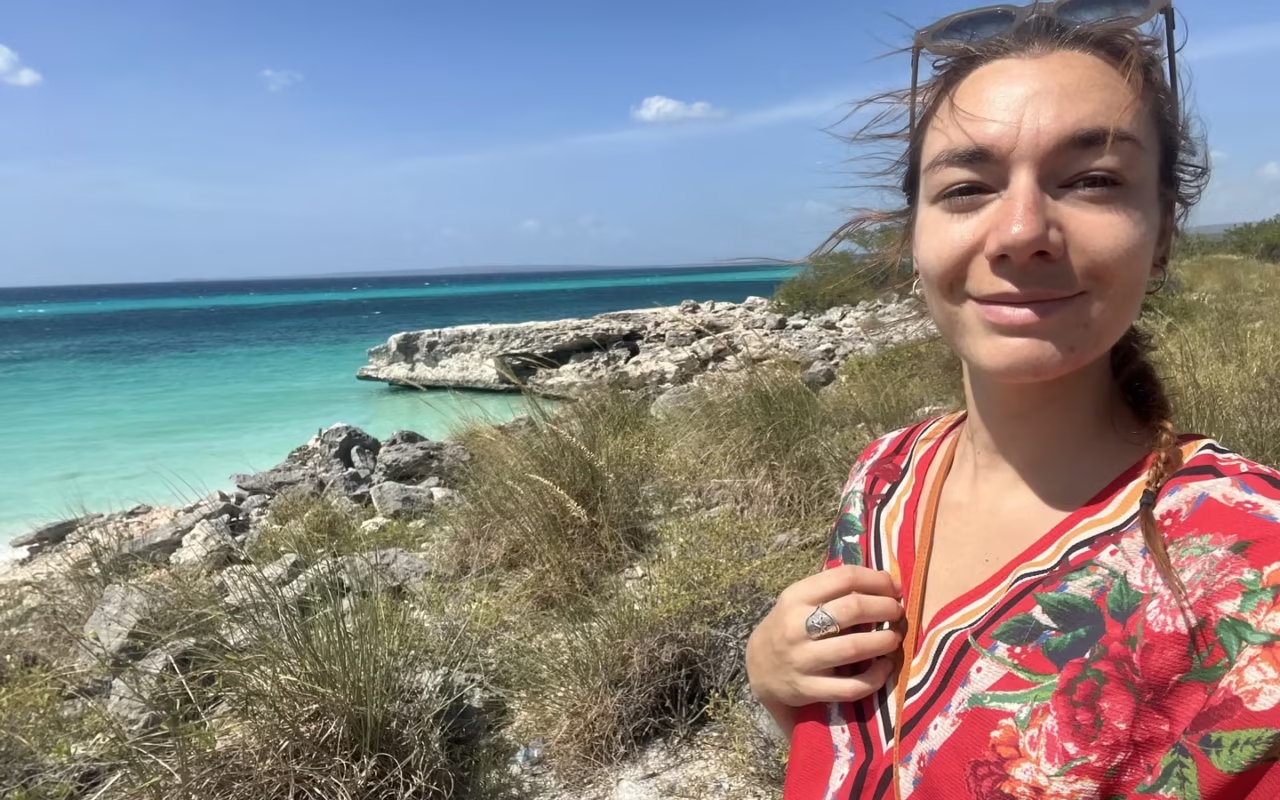
- Southwest (Barahona, Pedernales): the driest region, sometimes less than 800 mm per year, intense heat, vegetation consisting of cacti and scrub
This regional climatic diversity is one of the Dominican Republic’s greatest strengths for creating rich and well-balanced itineraries—which is exactly what we do at Terra Dominicana for every custom-designed trip.
Our local travel agency’s advice: When is really the best time to visit?
As a local incoming tour operator based in Santo Domingo, we see it trip after trip: the most memorable trips aren’t always the ones taken during peak season.
The “green season,” often wrongly feared, offers a more authentic, greener, and more welcoming Dominican Republic—with fewer visitors, more spontaneous encounters, and more spectacular landscapes. It’s also the ideal time to explore the hinterlands, the mountains, rural villages, and community projects.
The dry season remains perfect for a first-time visit or for those seeking a relaxed pace, very stable weather, and hassle-free travel.
Our best advice: don’t look for a universal “ideal” date, but rather plan a trip tailored to your season, your interests, and your travel style. That’s exactly what we do with each of our travelers.