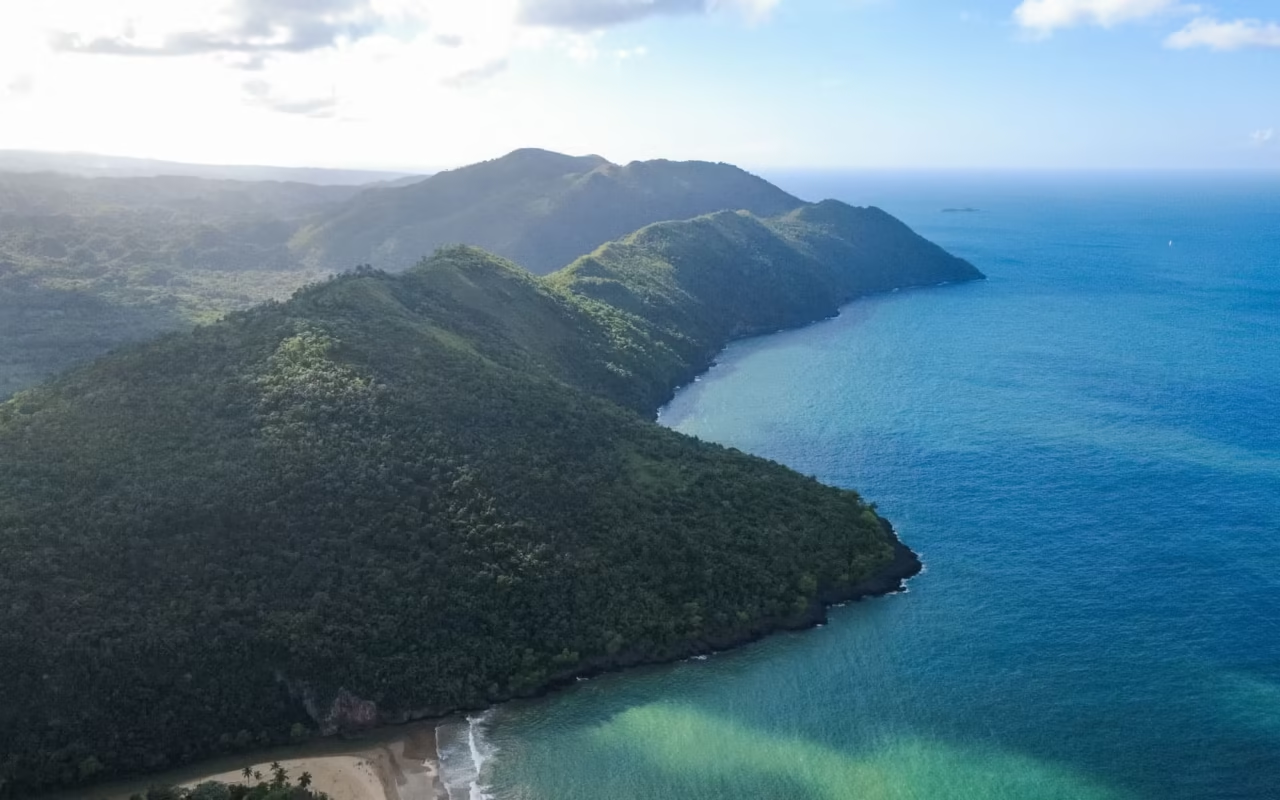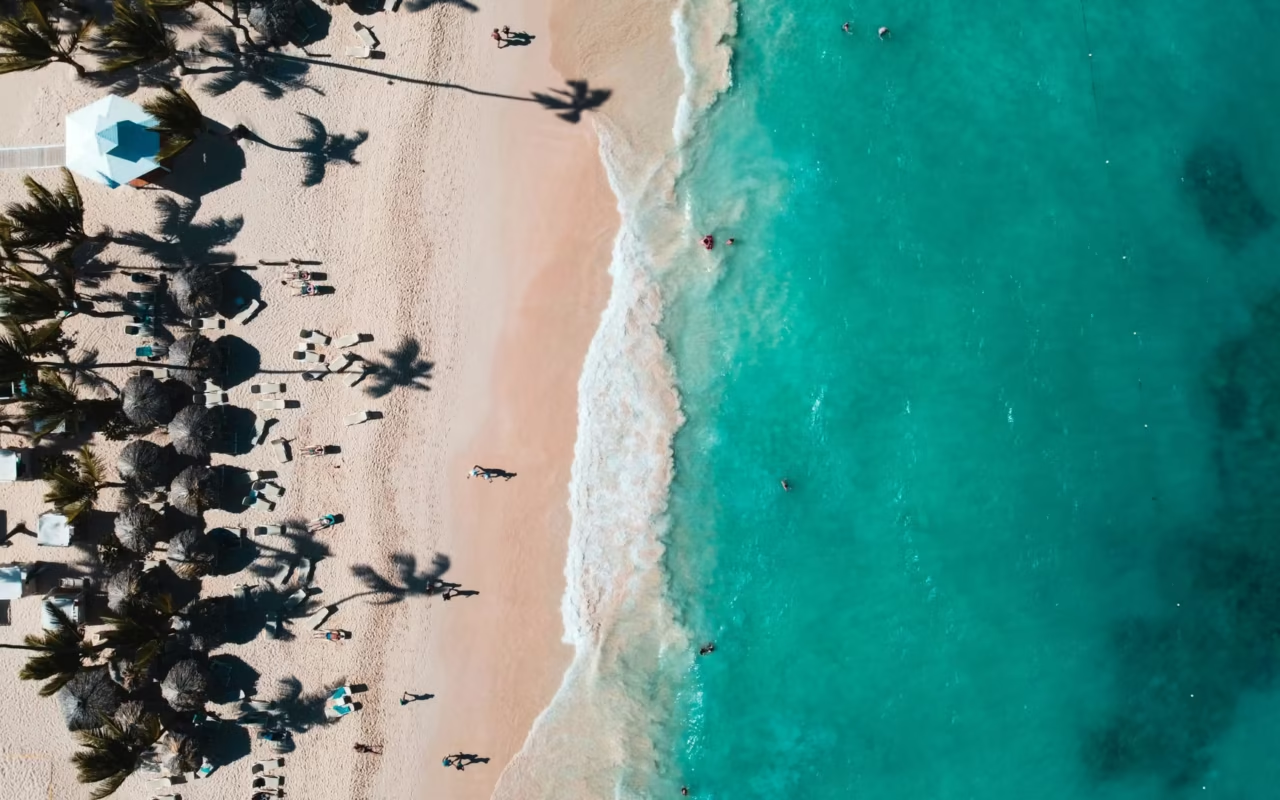
Punta Cana is located at the eastern tip of the Dominican Republic, in the province of La Altagracia, on the island of Hispaniola. According to the Ministry of Tourism, its airport accounted for 58% of the country’s air arrivals in July 2026. Bávaro, Cap Cana, and Uvero Alto are neighboring areas along the same coastline. The flight from Paris takes 9 hours, followed by a 2.5-hour drive to Santo Domingo.
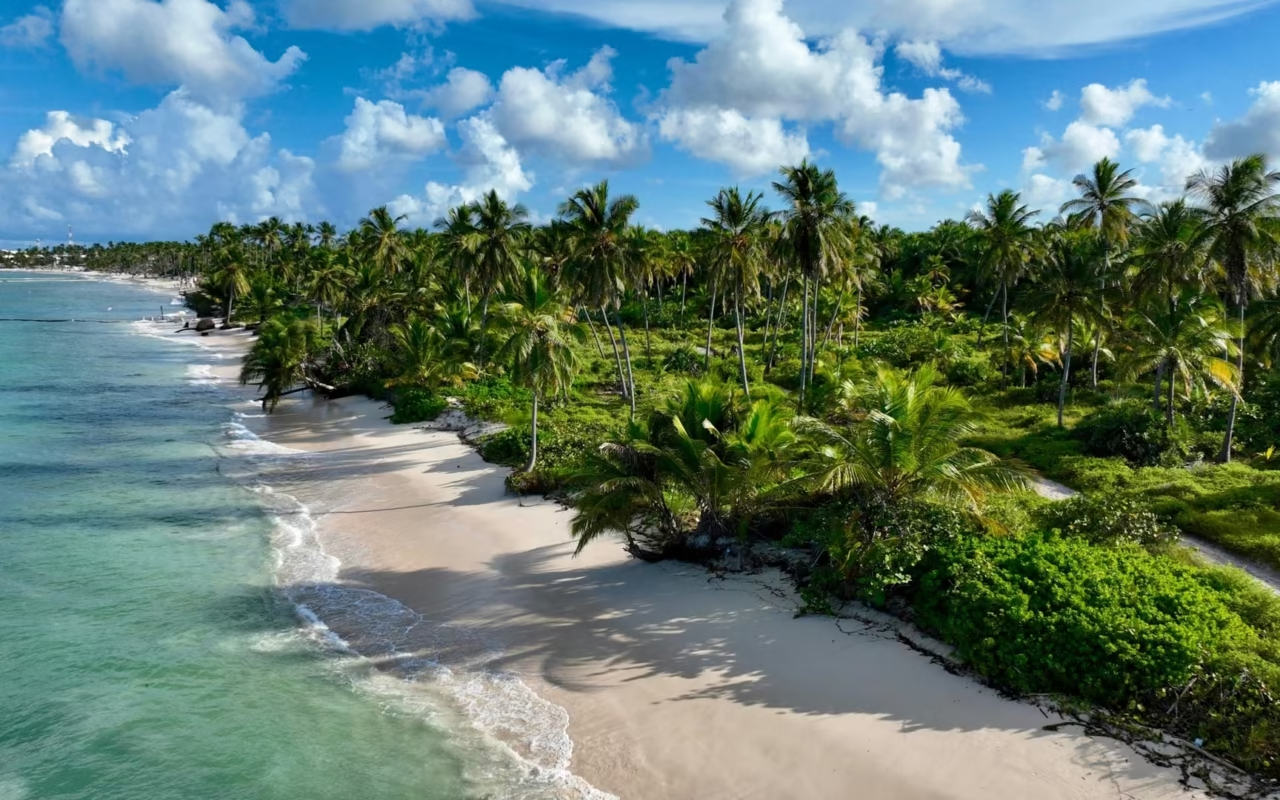
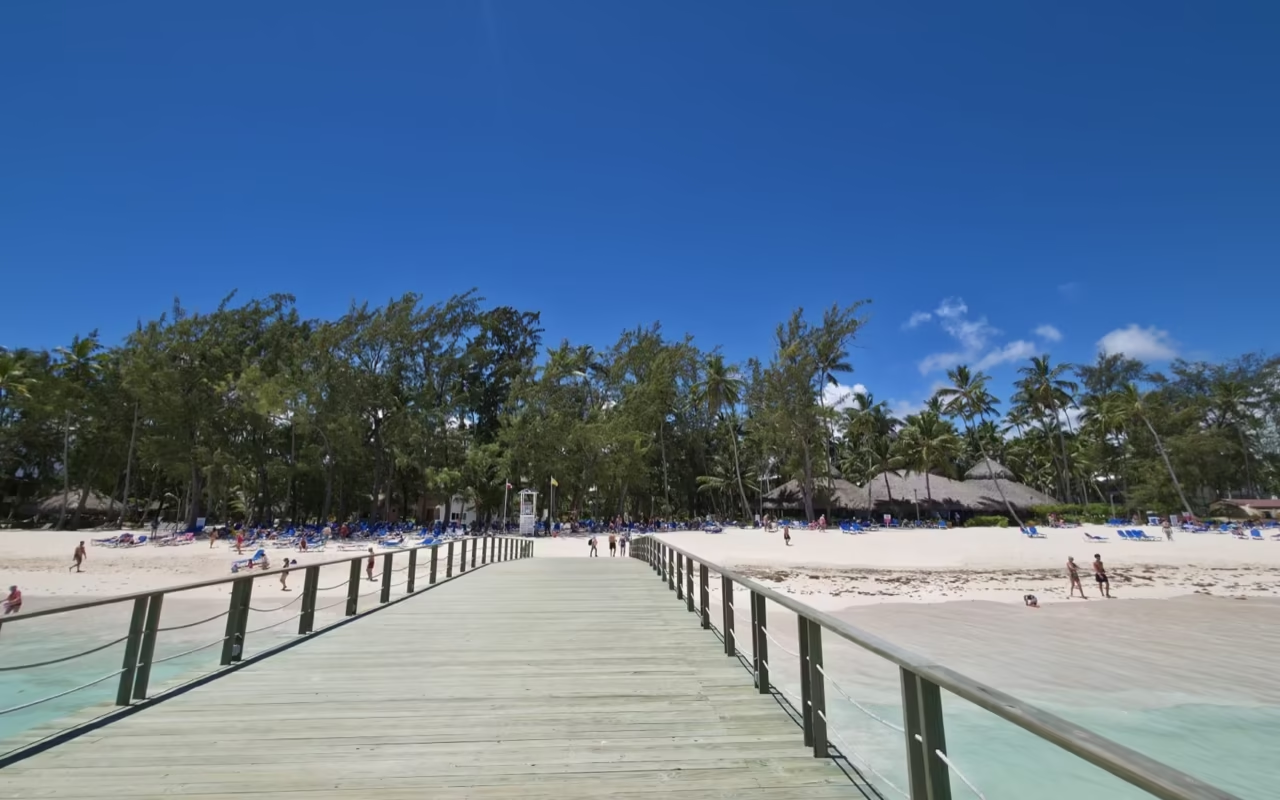
The east coast is home to the country’s largest hotel capacity: white sand beaches, all-inclusive resorts, golf courses, marinas, and organized excursions. The Verón-Punta Cana tourist district had a population of 138,919 according to the 2022 national census, spread over approximately 475 km².
This page first answers basic location questions: in which country, how far from what, and what distinguishes the four sectors of the coast. It then describes what’s available outside the resort complexes and explains when Sargassum seaweed washes ashore.
Where is Punta Cana, and in which country?
Punta Cana is part of the Dominican Republic, a Spanish-speaking country that occupies the eastern two-thirds of the islandof Hispaniola, which it shares with Haiti. The official language is Spanish, and the currency is the Dominican peso. The capital, Santo Domingo, is located about 200 km to the west.
The area forms the Verón-Punta Cana municipal tourist district, established on June 27, 2006, and attached to the municipality of Higüey. It is therefore not a city in the administrative sense, but rather a developed coastal strip facing the Atlantic Ocean to the north and the Caribbean Sea to the south.
How to Get There and Back
Punta Cana International Airport (PUJ) opened in December 1983, featuring open-air terminals shaded by palm trees. It remains a private airport. From Paris, the direct flight takes about 9 hours.
Once there, the Boulevard Turístico del Este and then the Autopista del Coral connect the area to the rest of the country. Bayahibe and La Romana are about an hour away, Santo Domingo is 2 hours and 30 minutes away, and Miches is 1 hour and 15 minutes away. Driving conditions are detailed in our guide to transportation in the Dominican Republic.
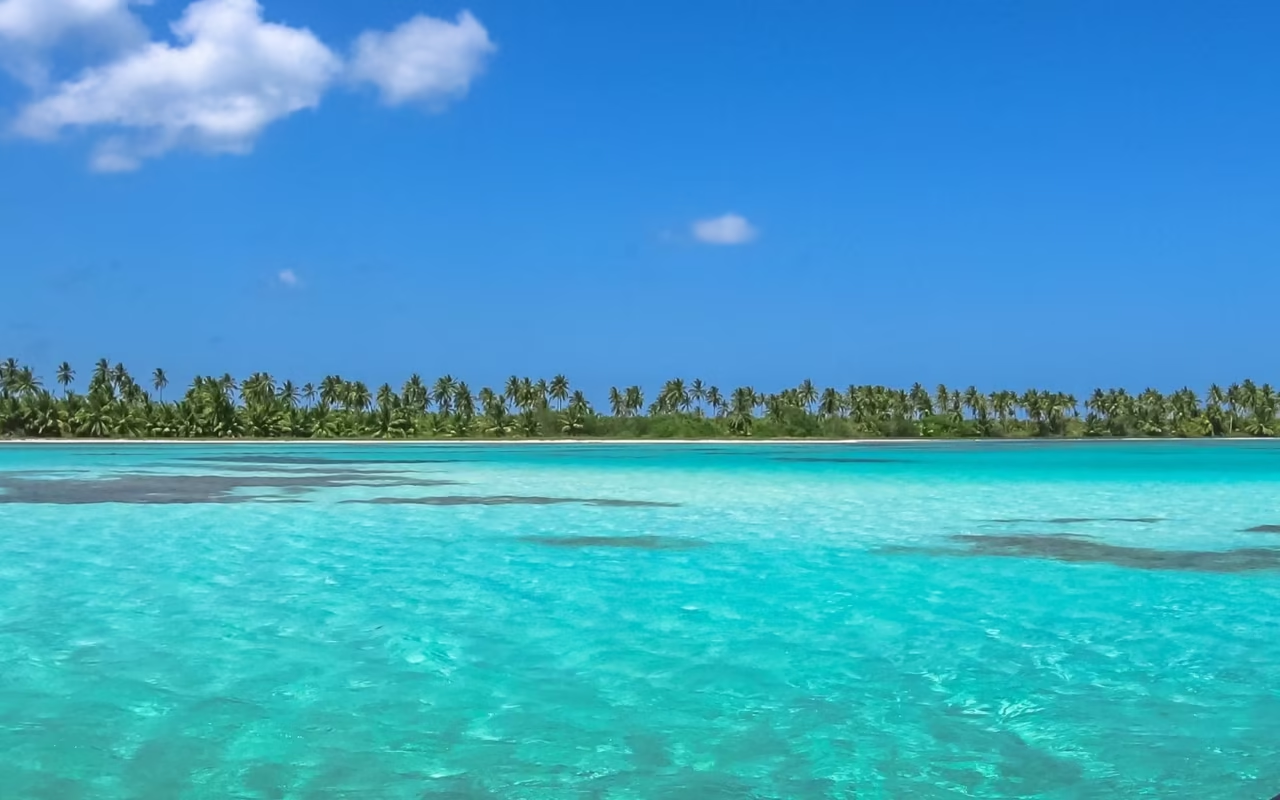
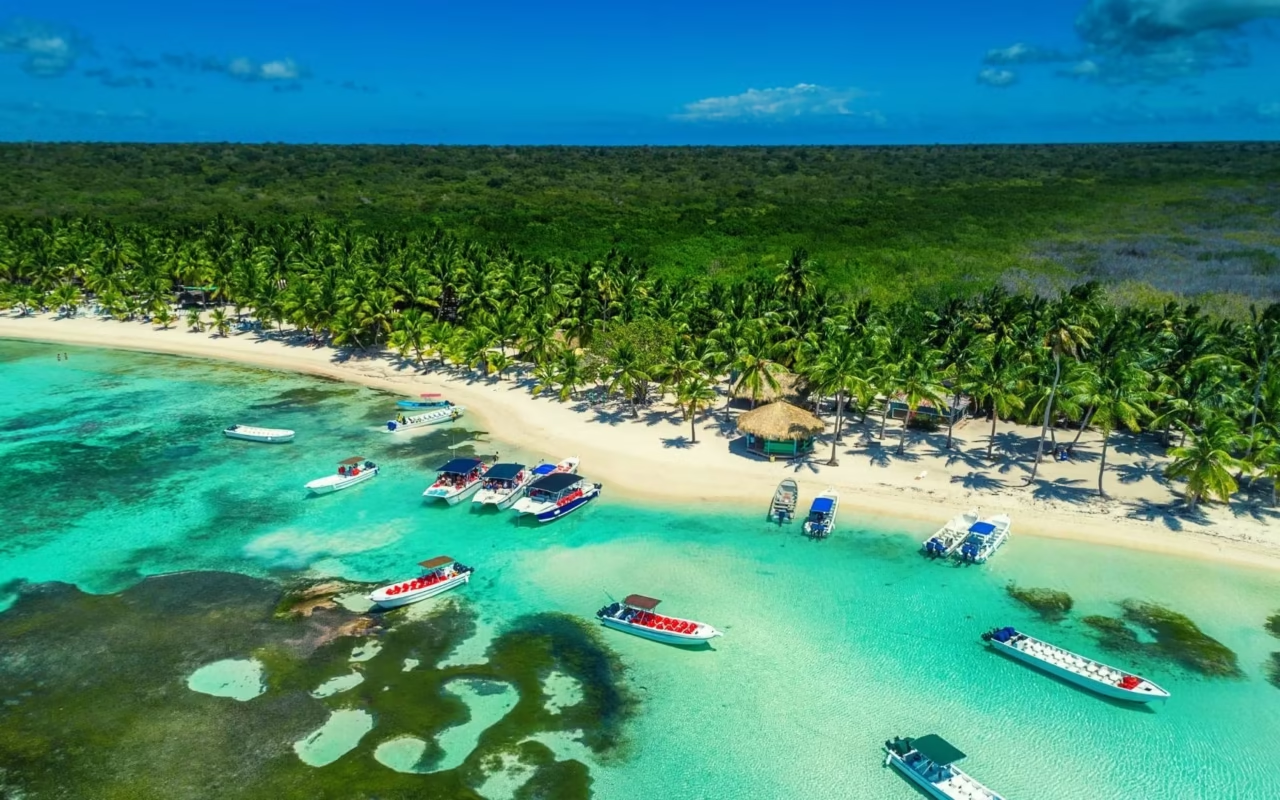
Punta Cana, Bávaro, Cap Cana, or Uvero Alto: What are the differences?
The four names refer to distinct areas along the same coastline, from south to north. They differ from one another in terms of atmosphere, distance from the airport, and beach traffic. A reservation made simply under the name “Punta Cana” may therefore place a traveler an hour’s drive from the area they intended to visit.
| Area | Airport Transfer | Main beaches | What You’ll Find There |
|---|---|---|---|
| Cap Cana | 15 to 20 min | Playa Juanillo | Marina, golf course, low density of buildings |
| South Punta Cana | 10 to 20 min | Cabeza de Toro, Playa Blanca | Historic hotels in the area, lagoons, diving schools |
| Bávaro | 20 to 30 min | Playa Bávaro, El Cortecito, Arena Gorda | The highest concentration of hotels, shops, and beach life |
| Uvero Alto | 45 to 60 min | Uvero Alto, Macao nearby | Open coastline, few shops, sea is often rougher |
The transfer from the airport takes anywhere from 15 minutes to Cap Cana to one hour to Uvero Alto. On a short stay, this difference matters more than the room rate. Be sure to check a hotel’s exact location before booking: the term “Punta Cana” covers more than 40 kilometers of coastline.
Why Punta Cana Is the Gateway to the Country
The airport handled 537,204 passengers in July 2026, accounting for 58% of the country’s air arrivals, ahead of Las Américas in Santo Domingo (24%) and Cibao (13%). The Ministry of Tourism publishes this breakdown every month. The 2023 statistical compendium had already reported a figure of 57%.
This location explains a common practice among our travelers: landing here and then traveling directly to another region without staying overnight. The east coast also receives regular cruise ship stopovers.
Punta Cana: Who Is It For?
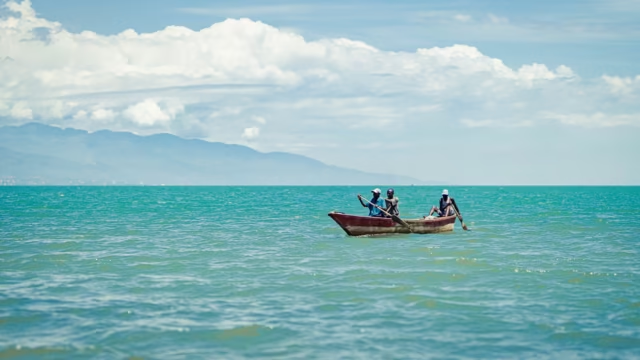
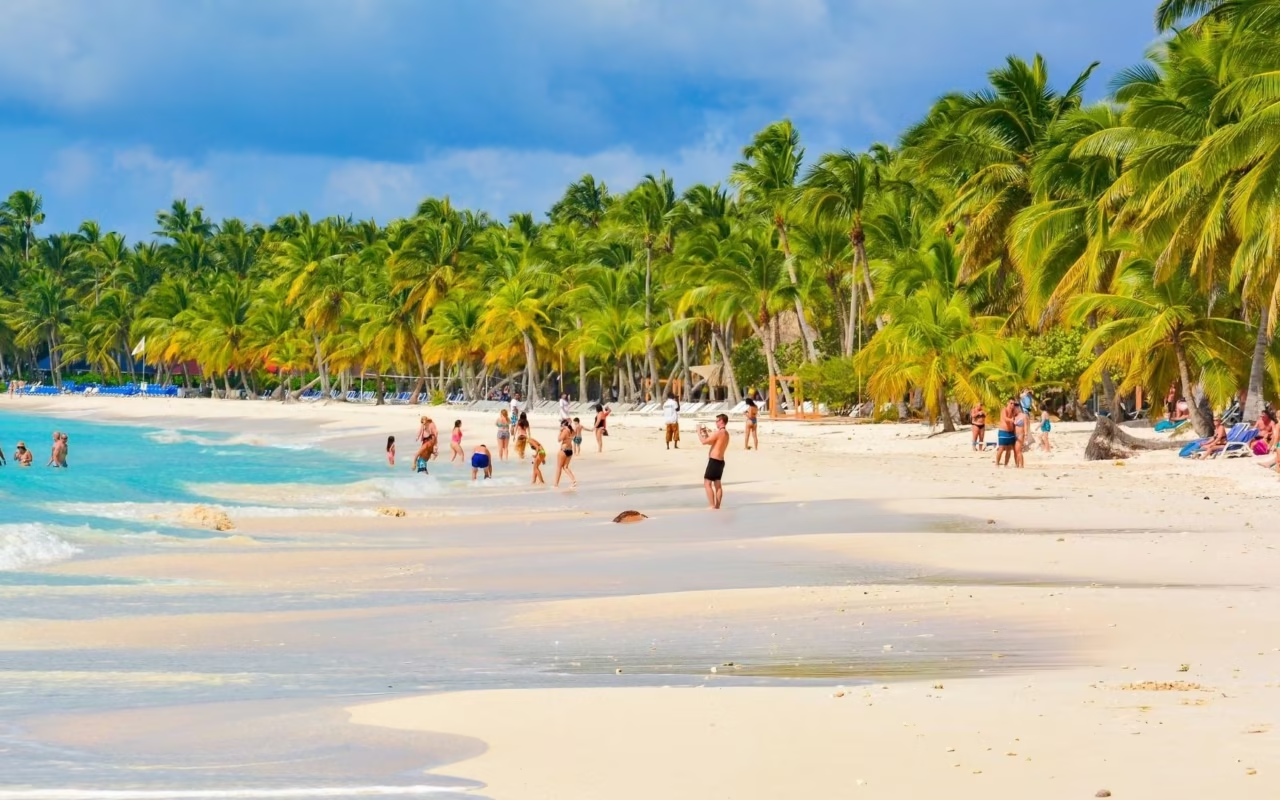
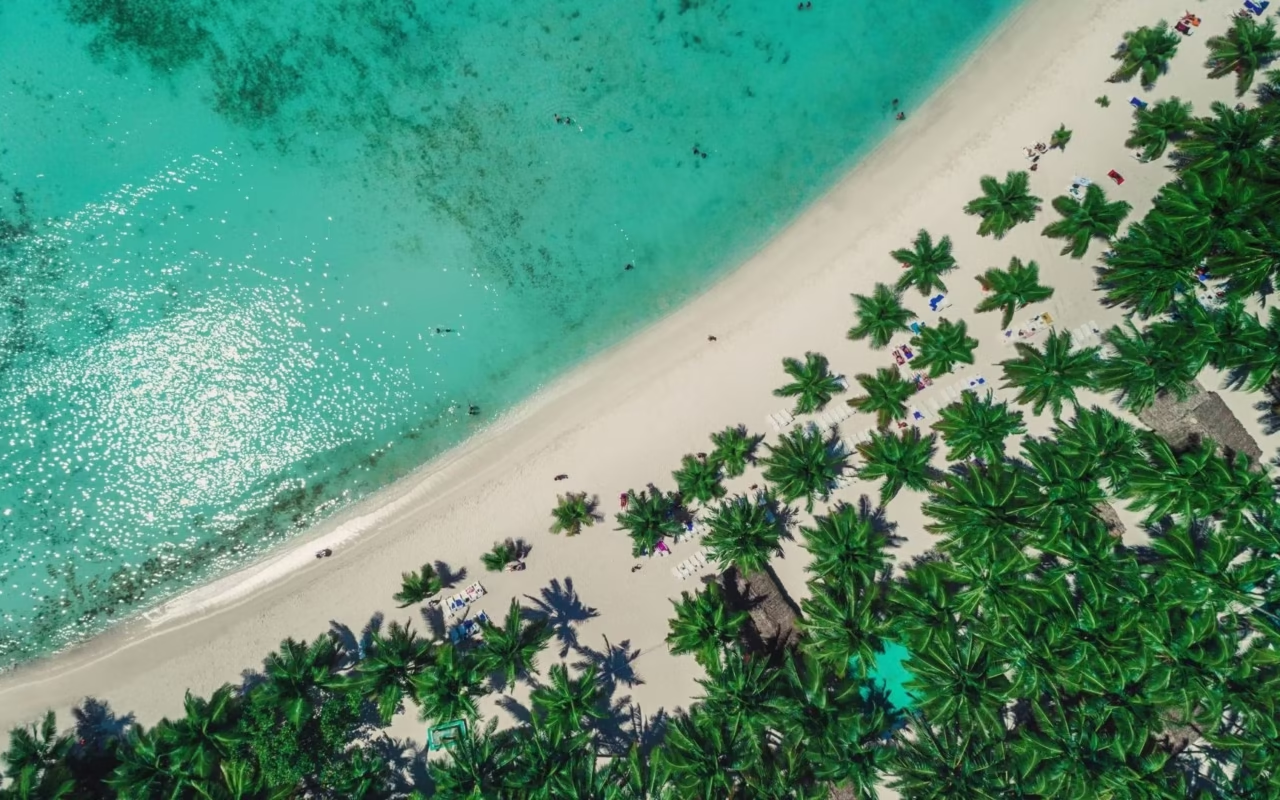
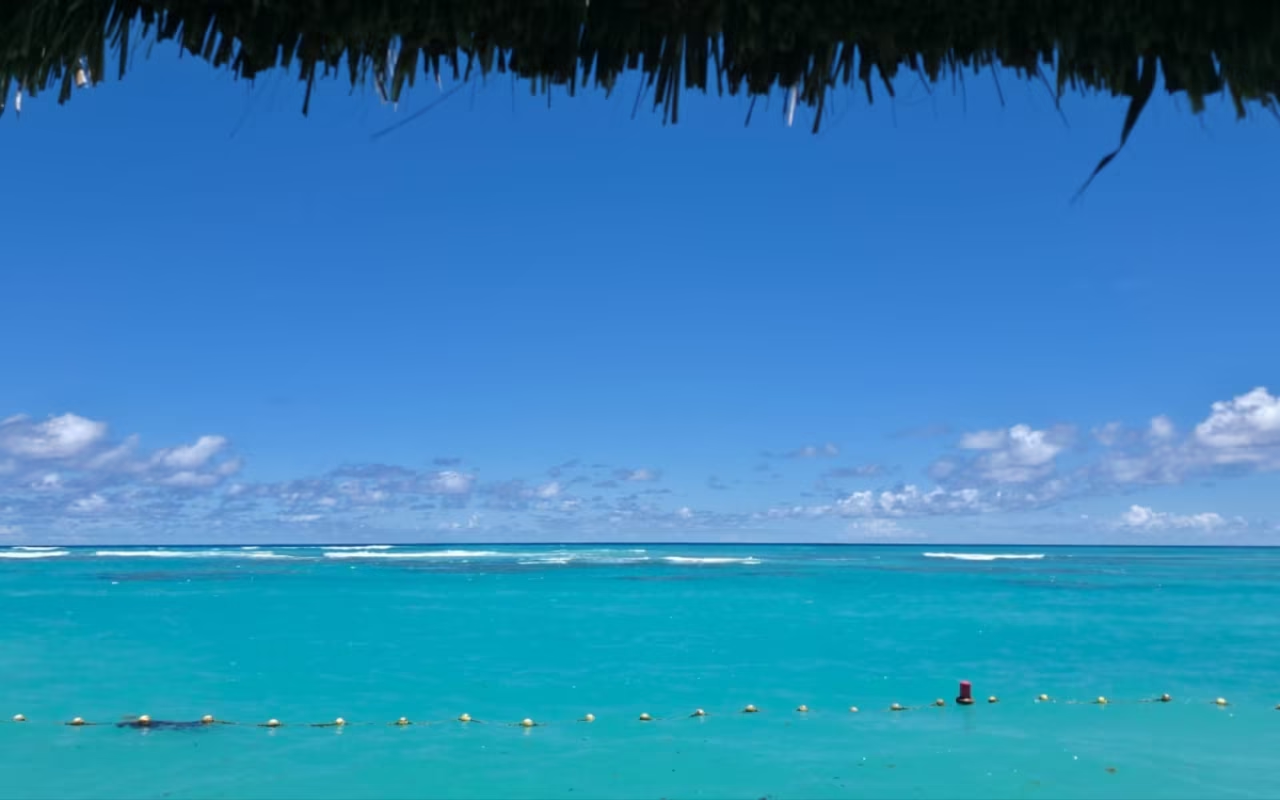
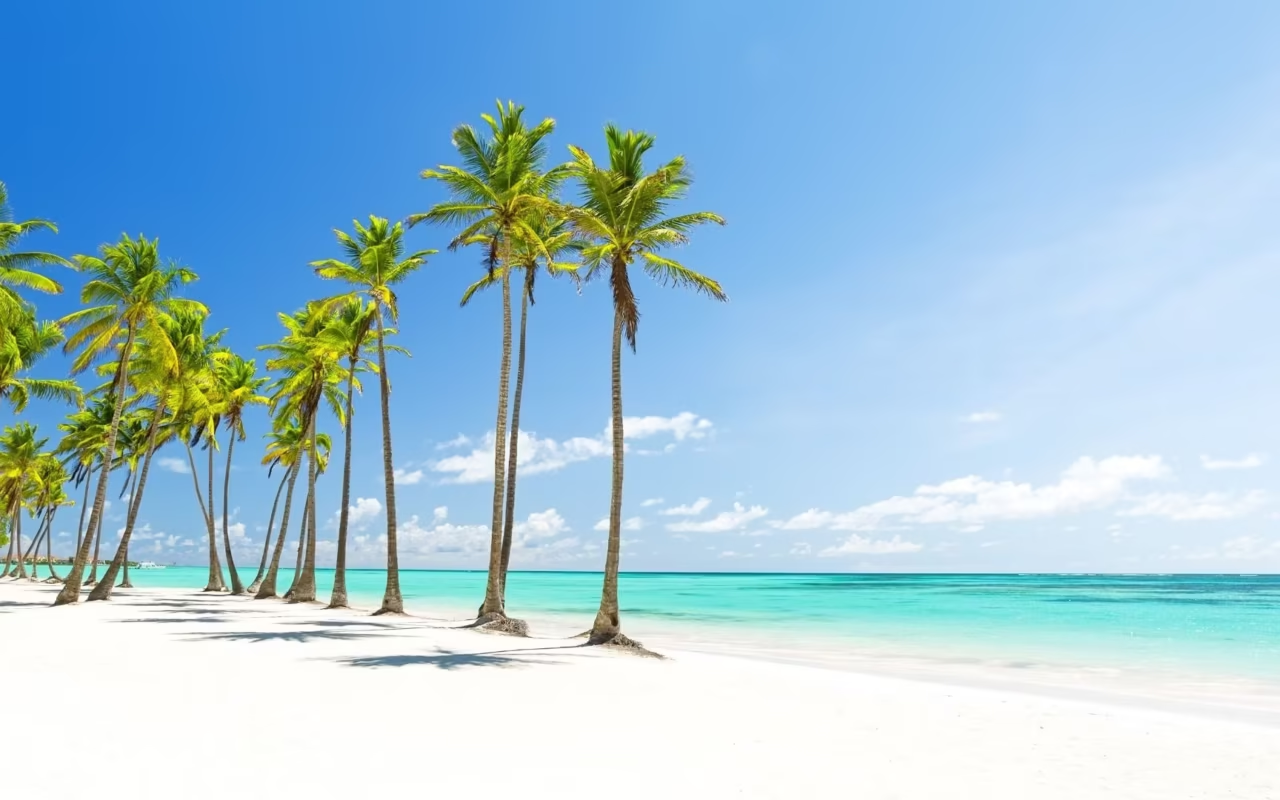
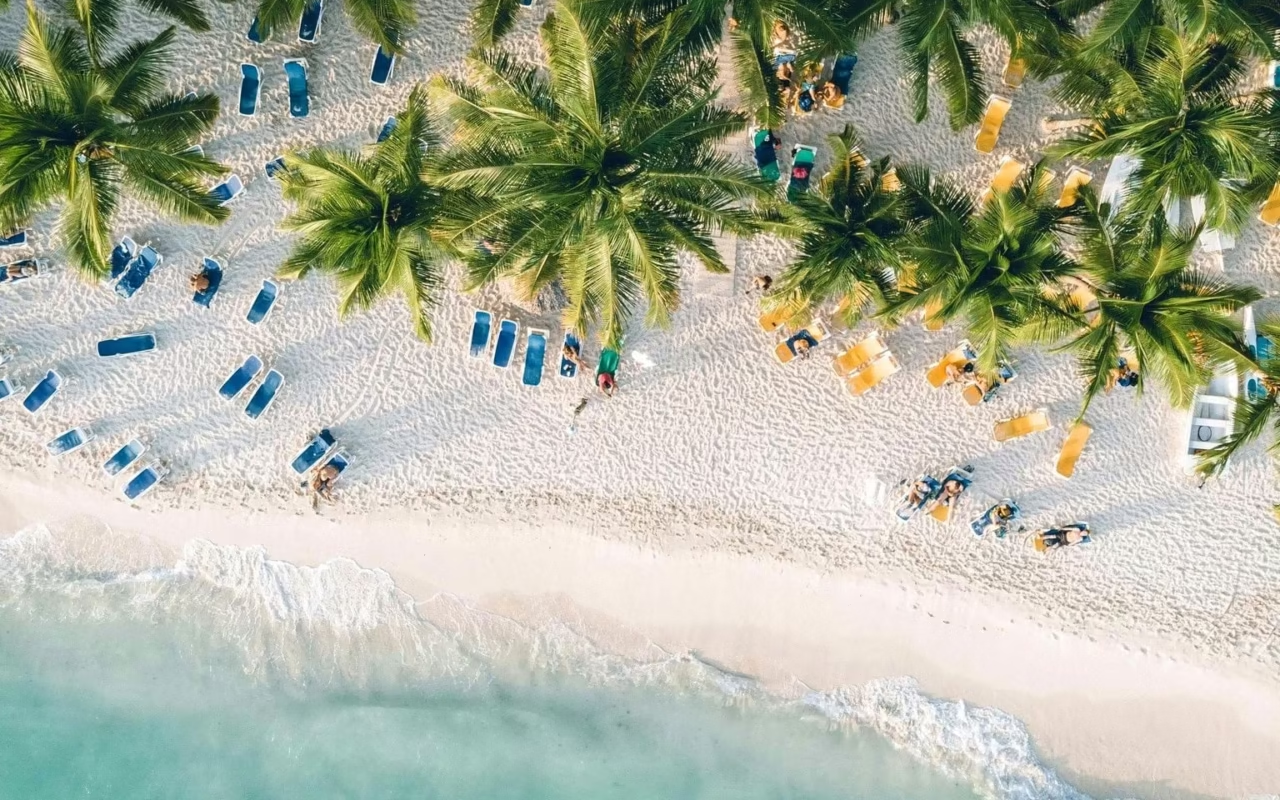
The area is ideal for travelers seeking a hassle-free beach vacation: all-inclusive hotels, beaches, dining, and water sports—all in one place. In Bávaro, Playa Arena Gorda, Playa El Cortecito, and Playa Bávaro feature long stretches of sand lined with coconut palms, protected in some places by a coral reef.
This destination is often part of a group trip, a party-filled vacation, or simply a chance to relax without having to plan anything.
What’s there to do outside the hotels?
For a day trip, the city of Higüey and its Basilica of Our Lady of Altagracia offer a different perspective on the province. The Hoyo Azul cenote in Cap Cana remains one of the few natural attractions accessible without leaving the area.
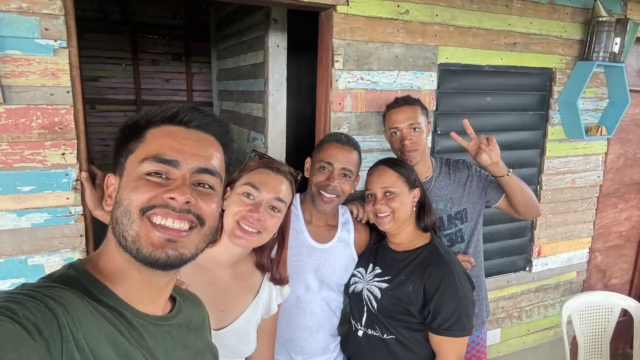
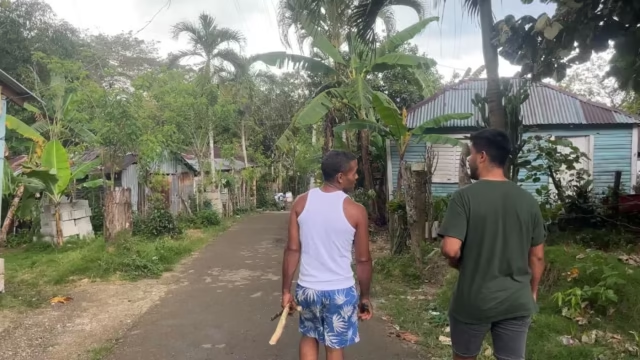
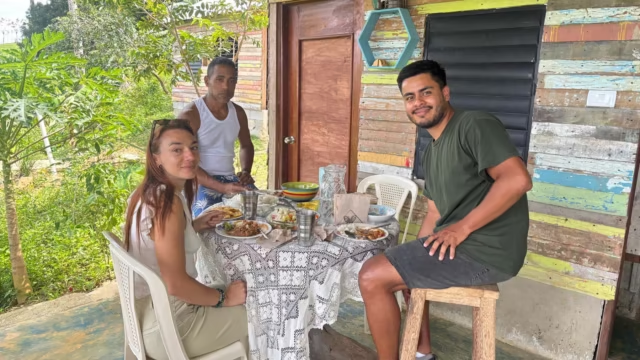
We also offer small-group excursions led by a English-speaking guide. Activities include: artisanal coconut oil production, lunch at a local’s home, birdwatching, horseback rides to beaches, and diving focused on coral restoration.
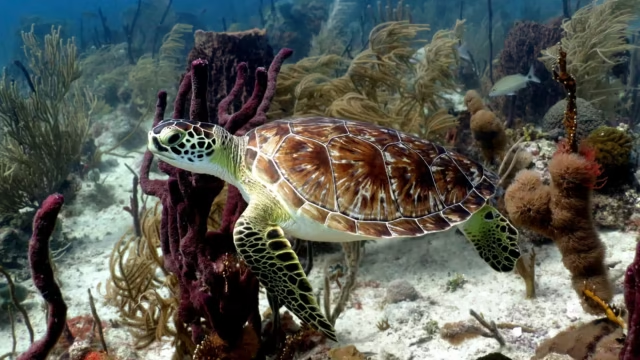
From the east coast, many tour operators offer the same excursions: Isla Saona, Santo Domingo, 4×4 safaris, zip-lining, and wildlife parks. These tours operate in large groups, provide a brief overview, and spend little time at each site.
At Terra Dominicana, we do the opposite: we design itineraries that take their time, encourage meaningful encounters, and highlight lesser-visited regions. To compare two similar boat tours, see Isla Saona or Isla Catalina.
When is the best time to go, and when should you avoid the Sargassum?
The dry season runs from December to April. The Atlantic hurricane season lasts from June 1 to November 30, and the rainiest months are September and October. The climate remains warm year-round, ranging from 25 to 31 °C.
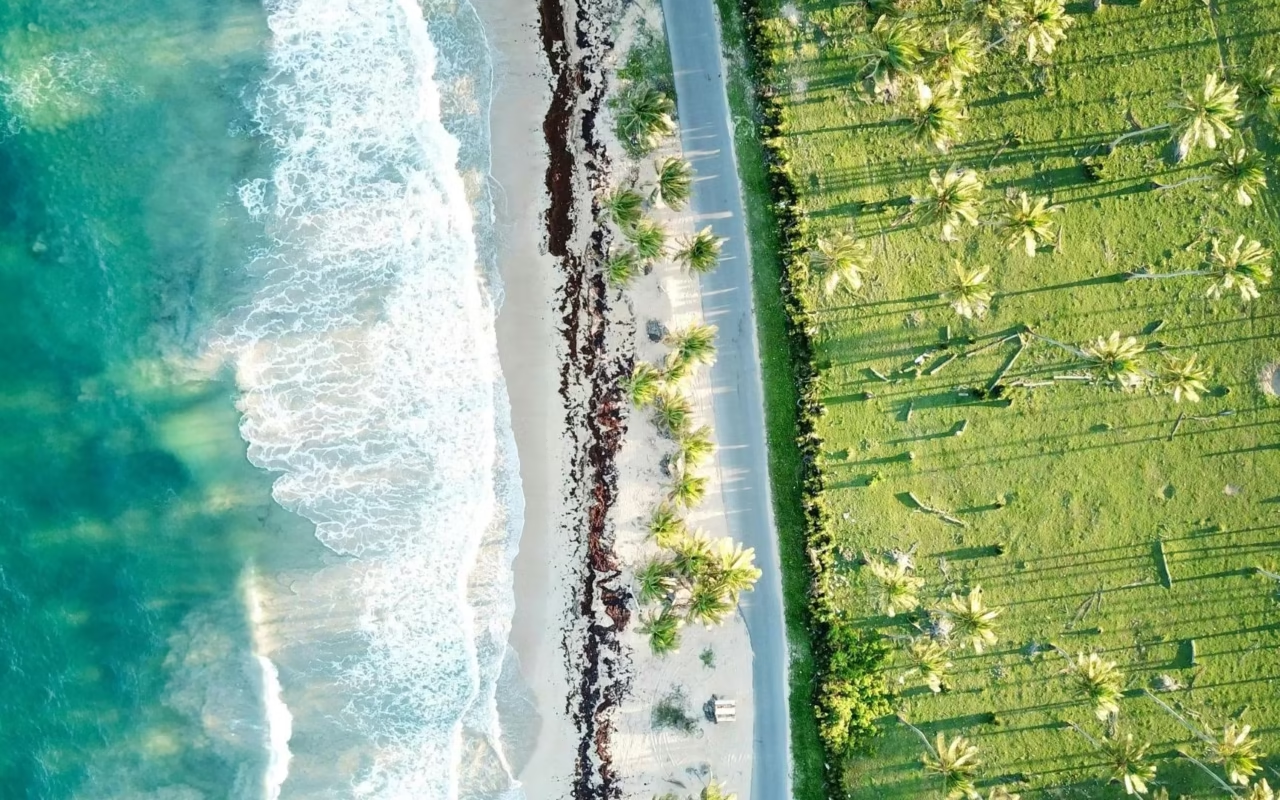
The second factor is algal. Sargassum reaches the coast from May through October, peaking in June and July. The University of South Florida’s Optical Oceanography Laboratory publishes a monthly bulletin in collaboration with NOAA. It measured approximately 9 million metric tons of Sargassum in the region between January and the end of June 2026, compared to 8.3 million metric tons during the same period in 2025.
| Season | Weather | Sargassum | Visitor Numbers |
|---|---|---|---|
| December through April | Dry season, steady trade winds | Low to none | High, highest rates |
| May through July | Short showers | Regular arrivals, peaking in June and July | Moderate |
| August through October | Hot and humid, risk of cyclones | Still present | Low season, best rates |
| November | End of the rainy season | Declining | Gradual recovery |
If your trip falls between May and October and the beach is your top priority, you have two options: head to the south coast, around Bayahibe, or to the Samaná Peninsula, where the currents wash up significantly less Sargassum than on the eastern coast.
How long should I stay, and what should I pair it with?
For a beach vacation on its own, six to seven nights are enough to enjoy the beach without getting bored. As a stopover on a tour, three nights cover arrival, a rest day, and an excursion. For stays of fewer than two nights, travel time and jet lag take up most of the time.
The shortest trips are to Miches, 1 hour and 15 minutes away, and to Bayahibe, one hour away. Santo Domingo is a 2-hour-30-minute drive away, and the Samaná Peninsula is about four hours away. To help you plan your trip, our guide on when to visit the Dominican Republic provides a month-by-month breakdown.
Is Punta Cana safe?
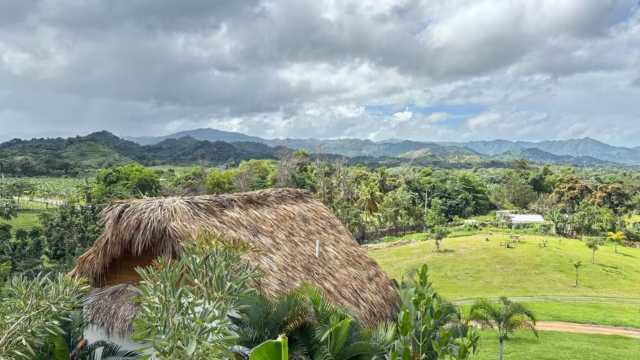
The hotel zone is monitored and patrolled by the specialized tourist security force, CESTUR, which has posts along the coastline and a visitor assistance hotline. Reported incidents most often involve petty theft and traffic accidents.
The recommended precautions are the same as in any crowded area: avoid leaving valuables on the beach, use taxis arranged by the hotel, and do not drive at night on secondary roads. Detailed information by region is available in our safety guide for the Dominican Republic.
Laying the Groundwork for Sustainable Tourism in the East
In response to rapid coastal development, several local foundations are funding environmental protection and community support programs in the province of La Altagracia. Some of their activities are open to visitors.
Three of these organizations welcome visitors. A tour of cenotes and tropical trails, supported by conservation projects. Guided bird-watching excursions featuring endemic species such as Ridgway’s hawk. A marine innovation center dedicated to coral restoration.
These programs demonstrate that a different perspective on the region is possible—one that is more connected to the land. At Terra Dominicana, we prioritize these types of initiatives in our itineraries along the east coast.
FAQ
In which country is Punta Cana?
It’s in the Dominican Republic, at the eastern tip of the country, on the island of Hispaniola, which it shares with Haiti. The official language is Spanish, and the currency is the Dominican peso. The capital, Santo Domingo, is located about 200 km to the west, a 2.5-hour drive away.
What is the difference between Punta Cana and Bávaro?
Bávaro is the area north of Punta Cana, along Playa Bávaro and El Cortecito. It has the highest concentration of hotels and shops. Punta Cana refers to the southern area, closer to the airport, and is also used as a general term for the entire coastline.
Is there sargassum in Punta Cana?
Yes, mainly from May to October, peaking in June and July. The eastern coast is more exposed than the southern coast, around Bayahibe, and than the northern part of the Samaná Peninsula. The amount of sargassum varies from beach to beach and from day to day, depending on the winds.
Is Punta Cana safe?
The tourist area is patrolled by CESTUR, the specialized tourist security force. The usual precautions apply: don’t leave valuables on the beach, use taxis arranged through the hotel, and exercise caution when driving at night.
Can you rent a car there?
Yes, right at the airport. A national driver’s license is sufficient for a tourist stay. Renting a car allows you to travel independently to Higüey, Bayahibe, or Miches via well-maintained main roads.
Can you fly into this airport without staying here?
Yes. The airport handles 58% of the country’s air arrivals, and many tours begin with a direct transfer to another region, without an overnight stay on the east coast.
Conclusion
Punta Cana meets a specific need: a well-equipped beach, a short transfer from the airport, and no planning required. The choice of area and time of year then makes the biggest difference between two trips with the same name.
If you want to see more than just the developed coastline, the region serves primarily as a starting point. An hour’s drive is all it takes to find yourself in a completely different setting.
Updated: August 15, 2026
About the Author
Laura Grenouillet is the founder of Terra Dominicana. Now based in the Dominican Republic after spending more than seven years living and working in the Caribbean, she helps English-speaking travelers discover the country’s many facets, from well-known beach destinations to lesser-known regions.
Sources
- Ministry of Tourism of the Dominican Republic (MITUR), air arrival statistics, July 2026
- SITUR, Statistical Compendium of Tourism, 2023
- National Population and Housing Census, 2022
- Optical Oceanography Lab, University of South Florida, monthly Sargassum bulletin in collaboration with NOAA, 2026
- Puntacana Foundation, 2026
- Punta Cana Tourism Office, 2026
- Terra Dominicana Field Observations, 2025