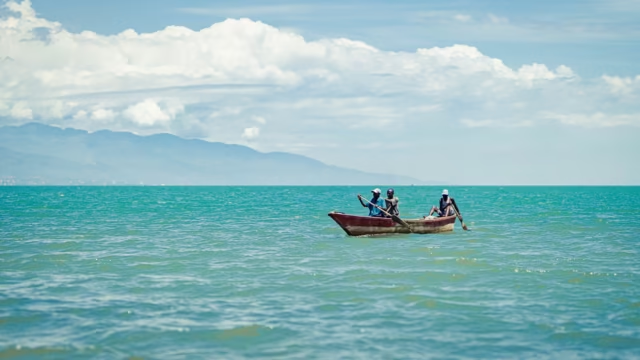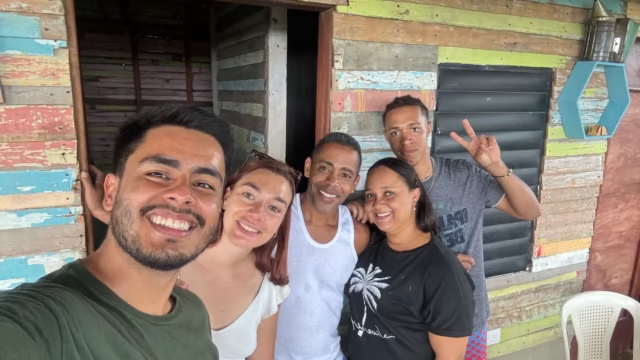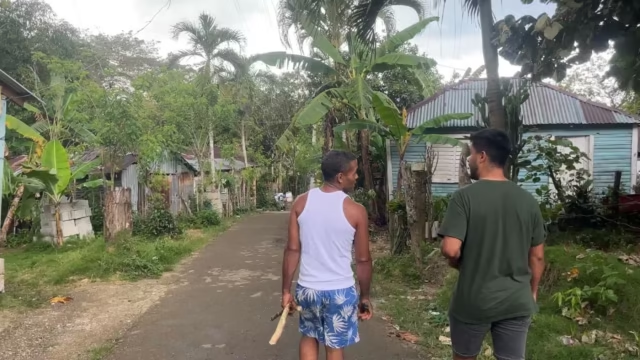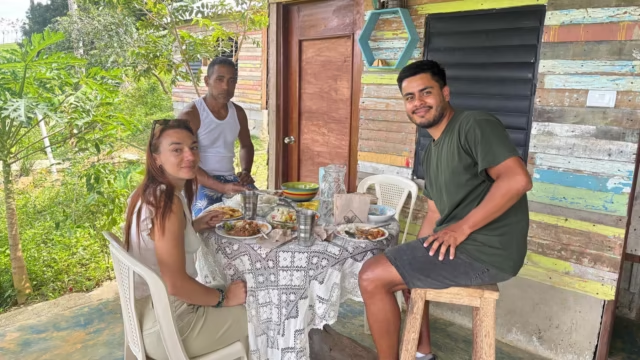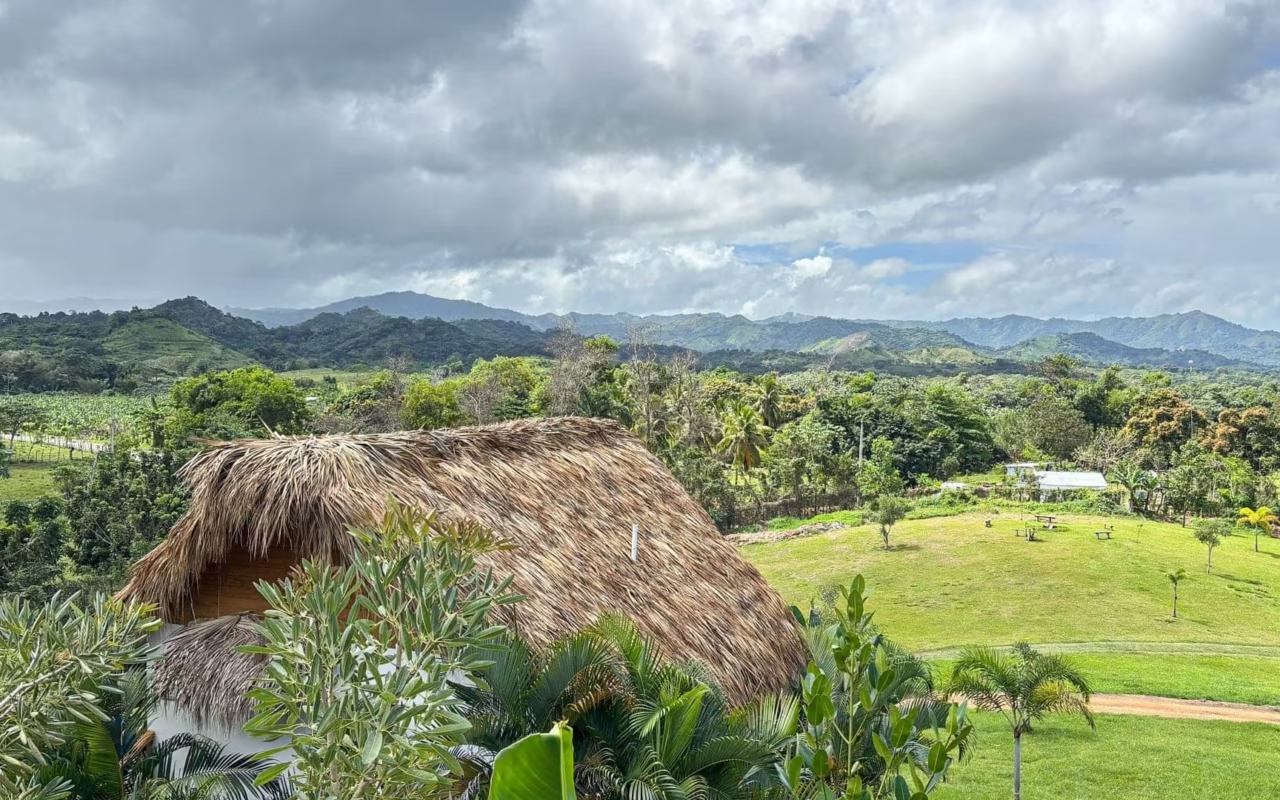
Miches is a small town on the eastern coast of the Dominican Republic, situated on the southern shore of Samaná Bay. It’s about a 1.5-hour drive from the Punta Cana airport. The 2022 census recorded a population of 12,196. People come here for Playa Esmeralda and its 11 km of sandy beach, Montaña Redonda, and two protected lagoons. Three nights are enough.
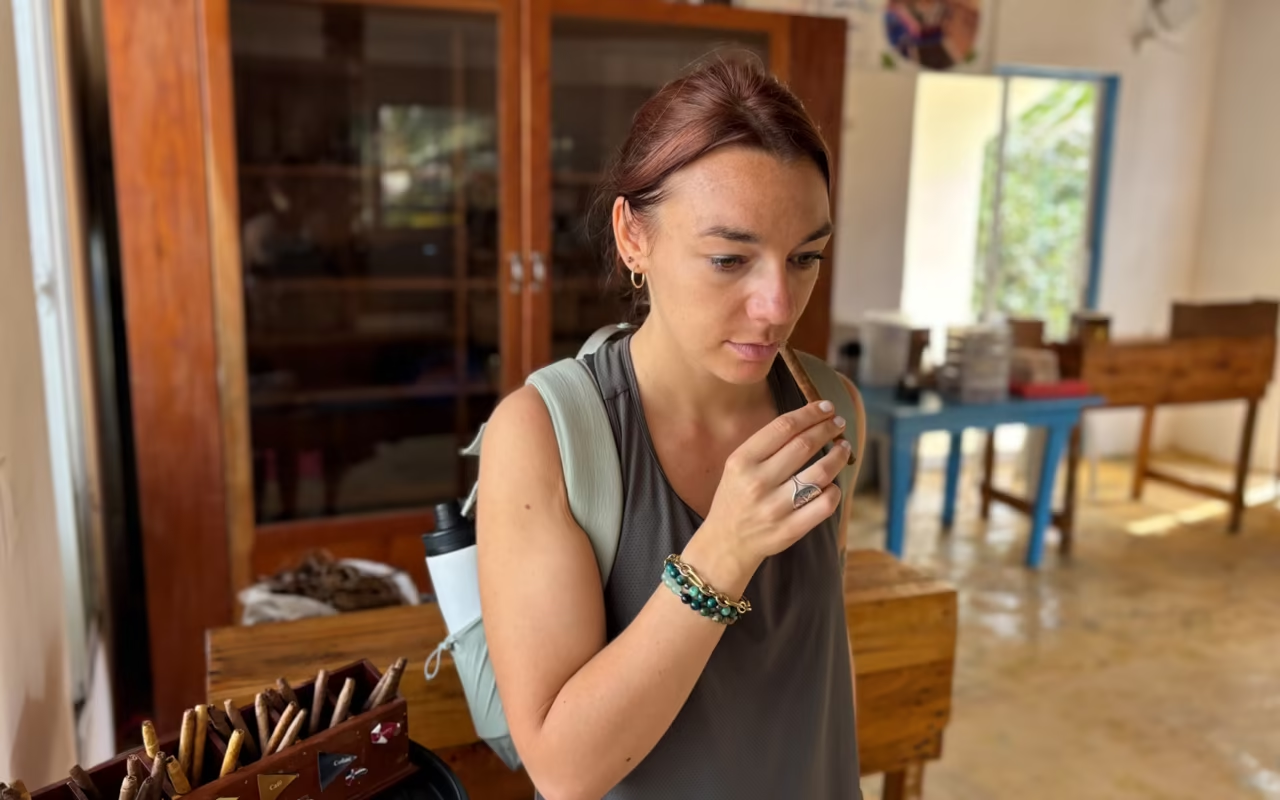
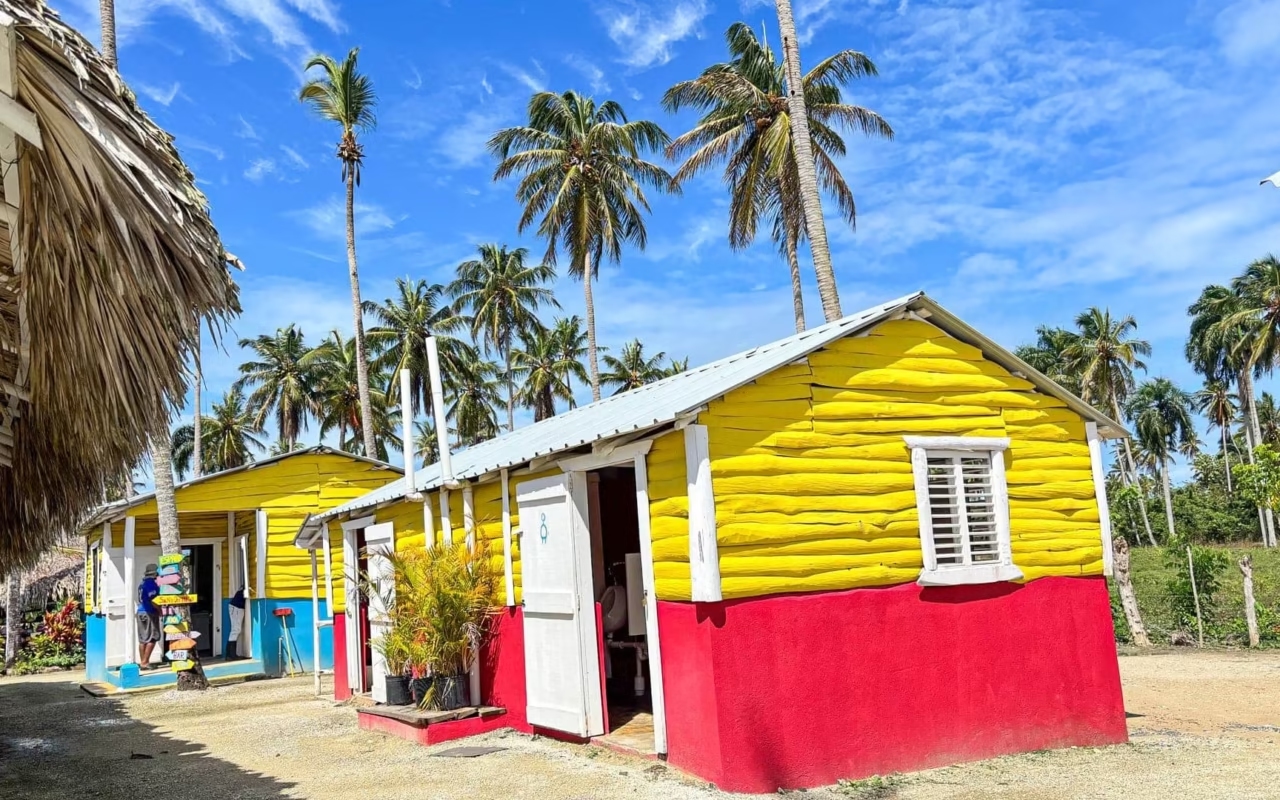
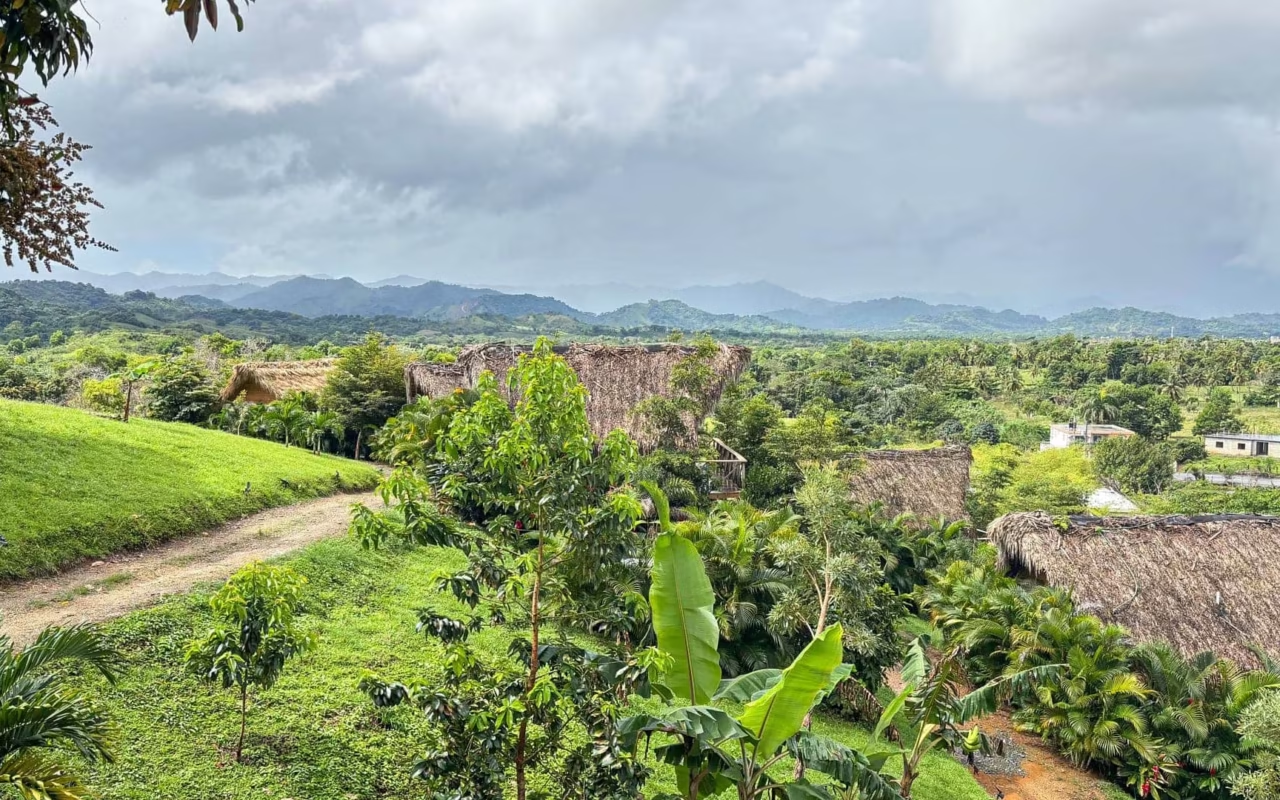
For a long time, the eastern part of the country was synonymous with Punta Cana, Bávaro, and Cap Cana. About 100 kilometers north of these resorts, Miches offers a different setting, with a coastline that remains largely undeveloped and hills that slope down toward the sea.
The municipality stretches between the Eastern Cordillera and Samaná Bay, in the provinceof El Seibo. It was known asEl Jovero until 1936, when Law 1186 gave it its current name. Rice and cacao remain at the heart of its economy, and tourism has been growing there since the opening of the first major resorts on Playa Esmeralda.
The difference between this area and Punta Cana, Cap Cana, and Bávaro lies primarily in density. Here, hotels do not line the coastline in a continuous row.
Where is Miches, and how do you get there?
Access is via the coastal road connecting Uvero Alto to Miches, which is paved and suitable for passenger cars. From Santo Domingo, the route passes through Hato Mayor and Sabana de la Mar.
The roads leading to the lagoons, Montaña Redonda, and Salto La Jalda are unpaved. Local transportation available at the base of these sites makes it unnecessary to drive a rental car there.
| From | Approximate distance | Travel time |
|---|---|---|
| Punta Cana Airport (PUJ) | 95 km | 1 hr 30 min |
| Bávaro | 95 km | 1 hour 30 minutes |
| Sabana de la Mar | 40 km | 1 hr |
| Santa Cruz de El Seibo | 44 km | 1 hr |
| Santo Domingo | 170 km | 3 hrs 30 mins |
The coastal road to the town is paved, but the access roads to the lagoons, Montaña Redonda, and Salto La Jalda are still dirt roads. After heavy rain, they become difficult to navigate without four-wheel drive. Plan to use local transportation from the base of the site rather than a passenger vehicle.
What is there to do in Miches?
Four sites account for the vast majority of visits, all of which can be visited on a day trip from the town.
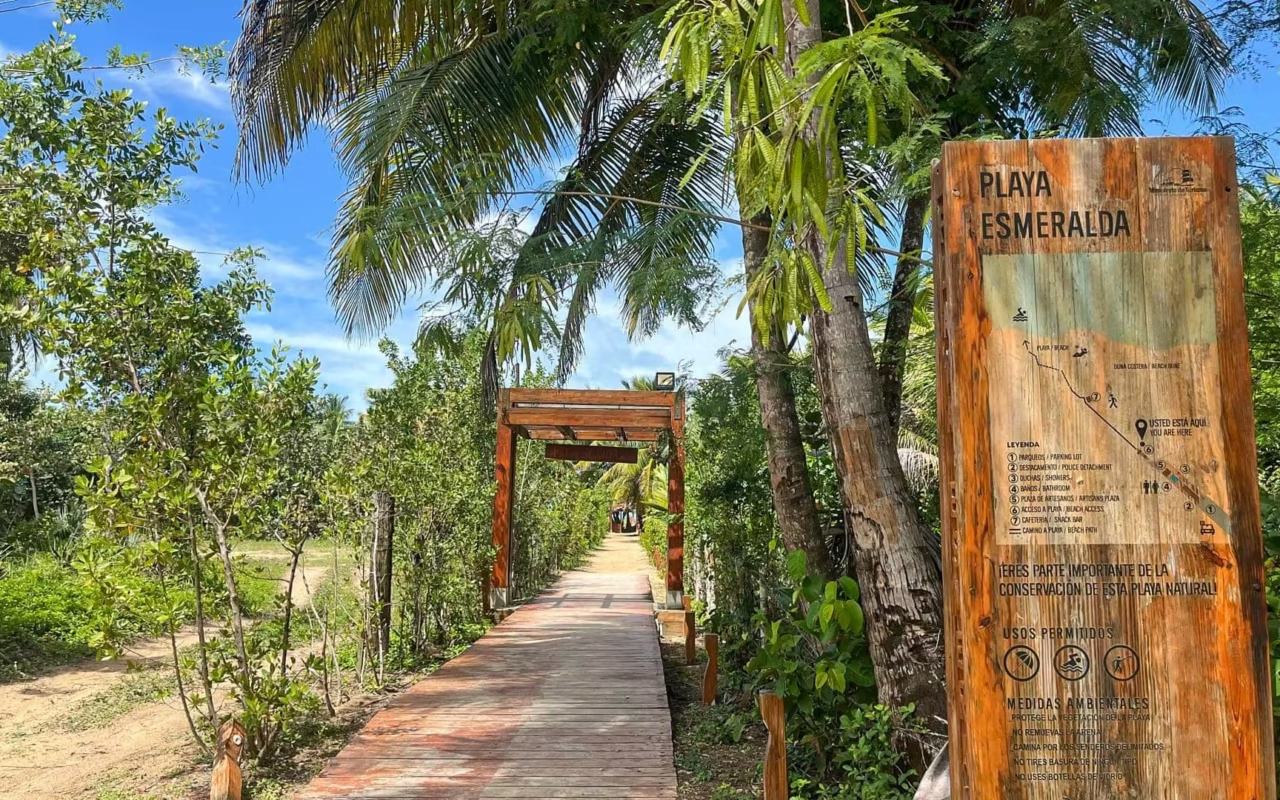
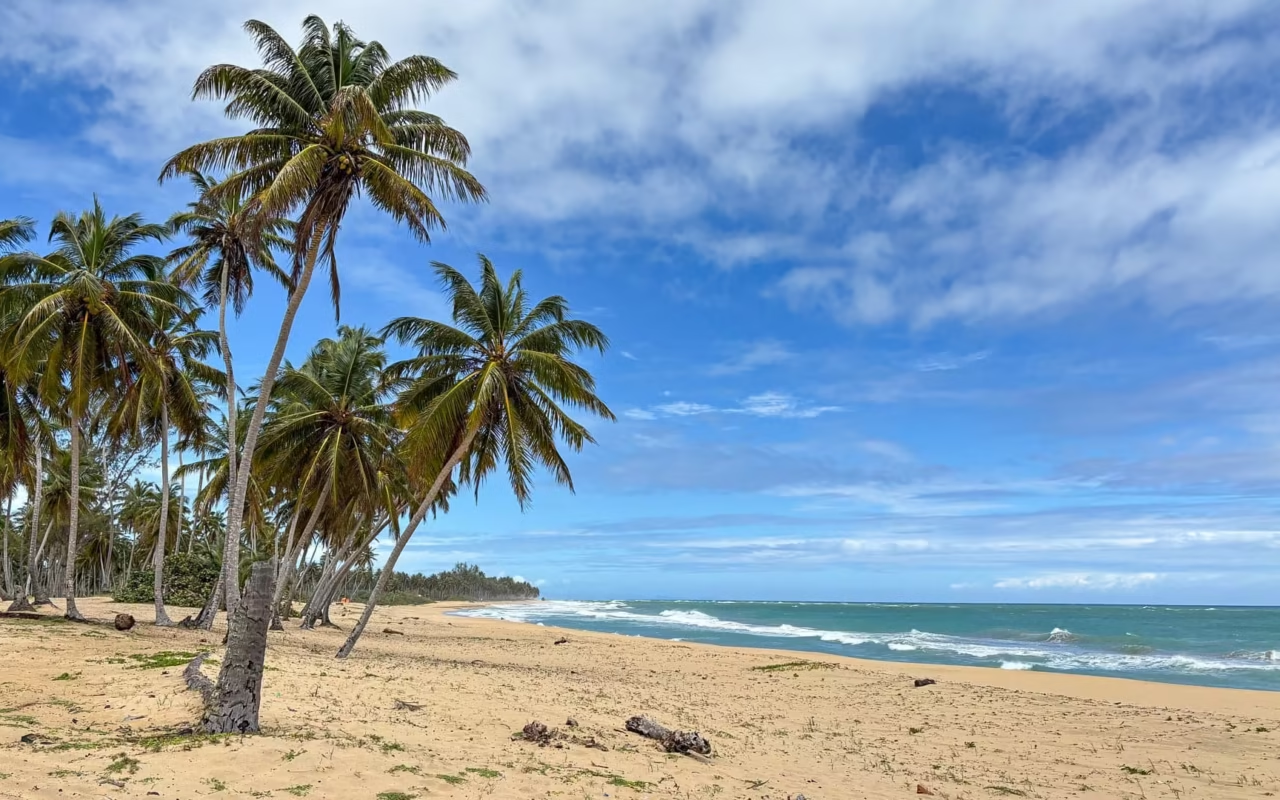
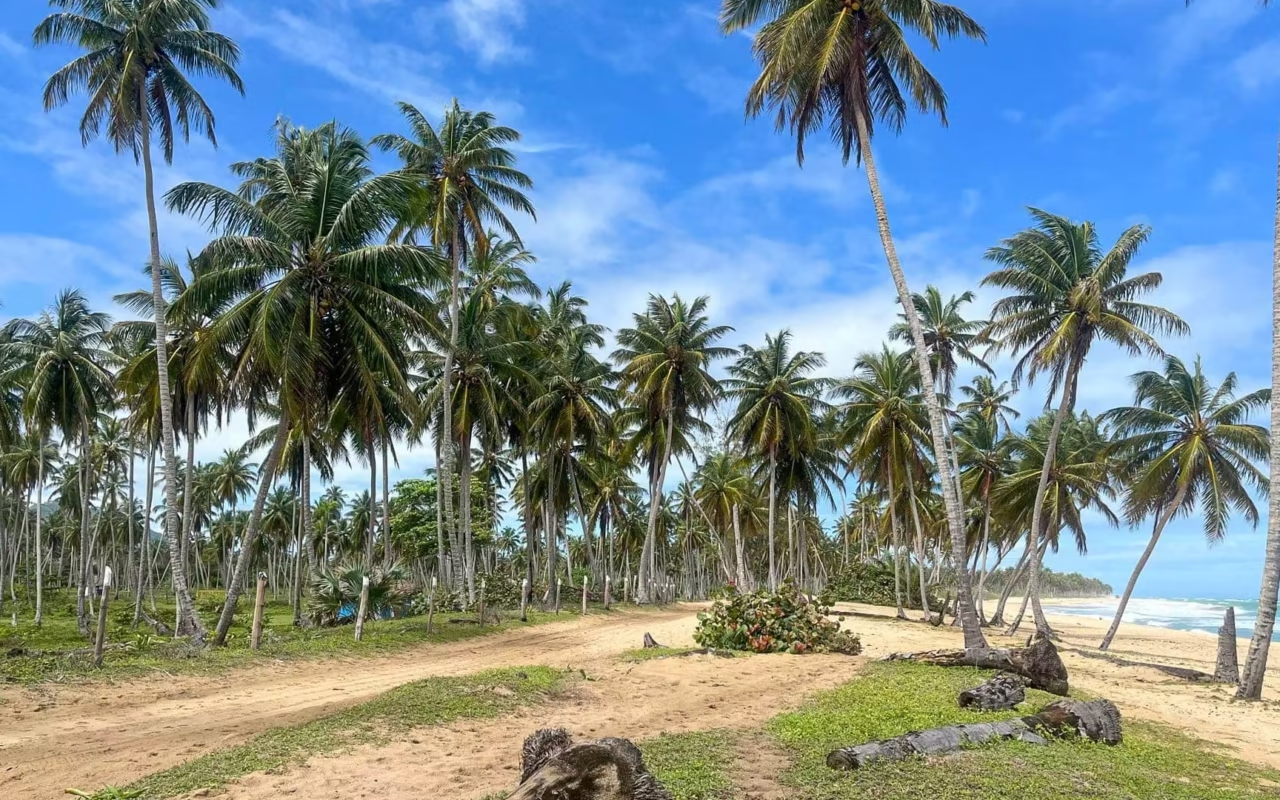
Playa Esmeralda and Playa El Limón
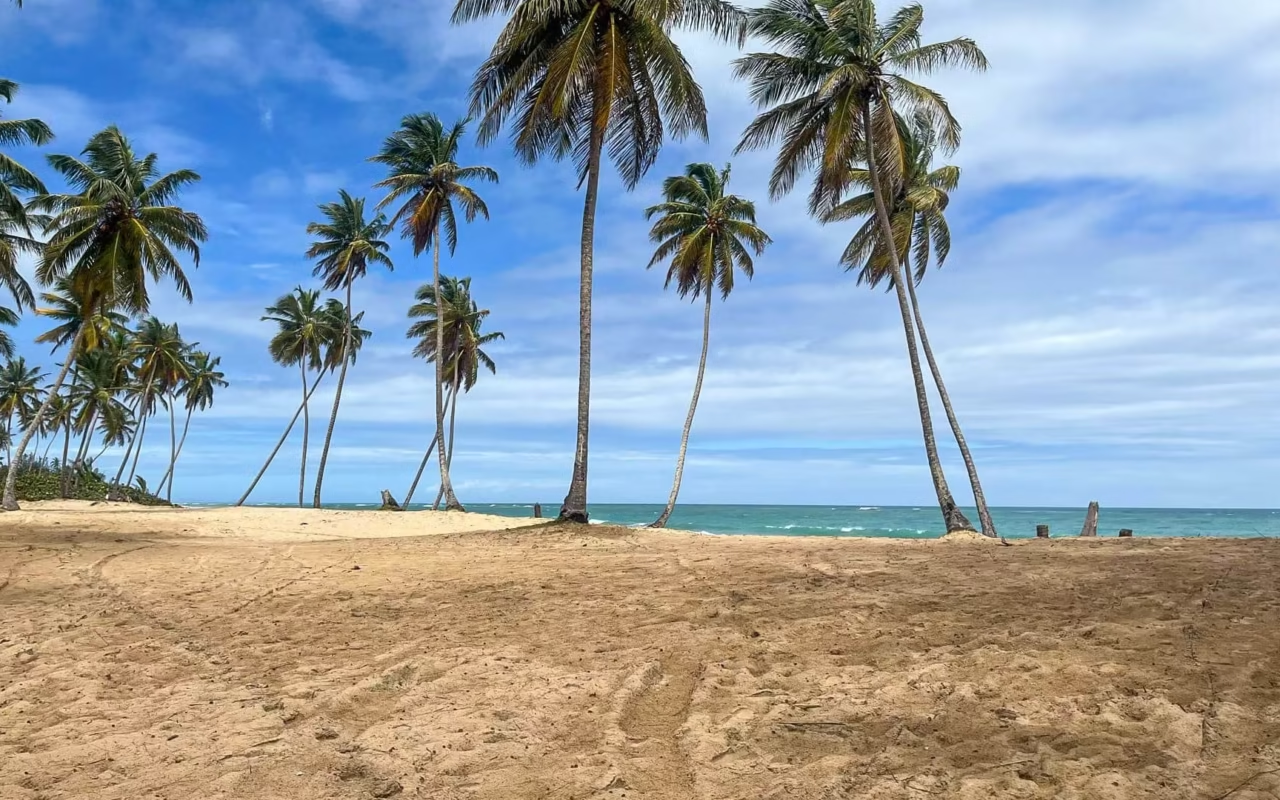
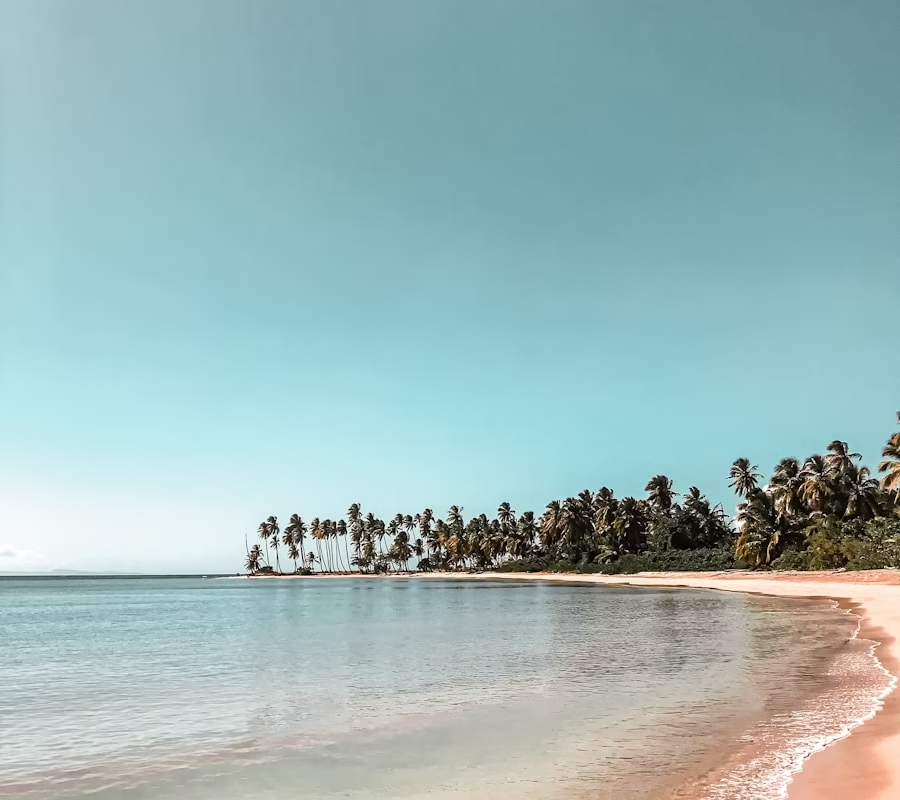
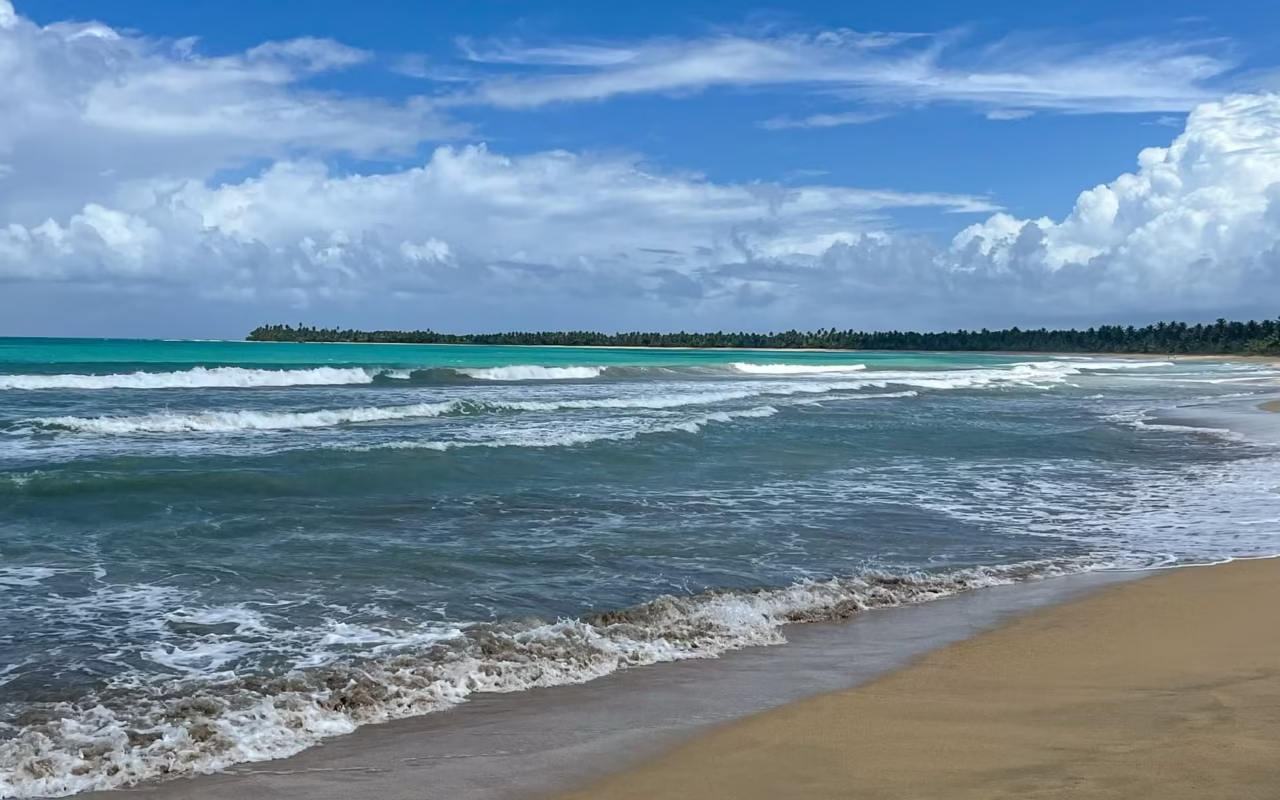
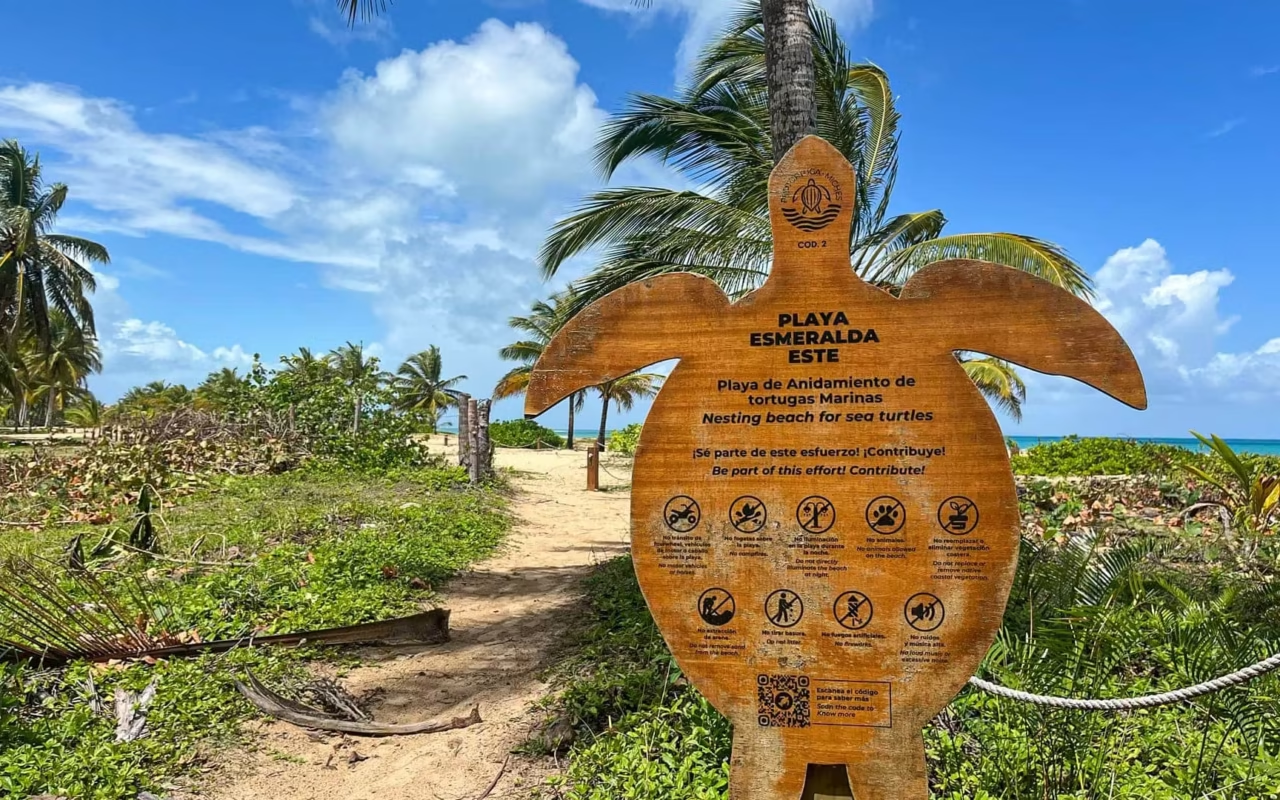
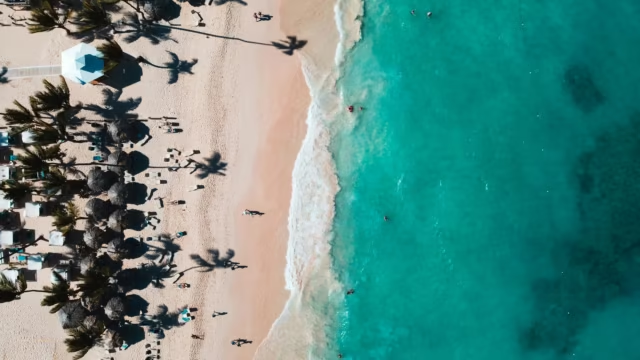
According to the Dominican Tourist Board,Playa Esmeralda stretches for more than 11 km of white sand. It borders Samaná Bay rather than the open Atlantic, resulting in calmer waters than on the Macao coast. Playa El Limón, closer to the city, offers a long, nearly deserted stretch of beach, with no lounge chairs or street vendors.
La Montaña Redonda
This isolated hill overlooks the coastal plain. Published estimates of its elevation range from 300 to 330 meters, with no single official measurement. From the summit, the view takes in Samaná Bay, the two lagoons, and the ocean. The ascent is made by all-terrain vehicle from the Miches road.
Laguna Redonda and Laguna Limón
These two bodies of water make up the Lagunas Redonda and Limón Wildlife Refuge, a protected area within the Dominican National System. They are about 8 km apart, located 17 and 27 km from the city, respectively. Laguna Redonda covers nearly 5 km² and connects to the sea via the Caño Celedonio. Laguna Limón, a freshwater lagoon, has a dock near the hamlet of Los Guineos. Boat tours take visitors through mangrove forests and past waterfowl.
Saltos de La Jalda
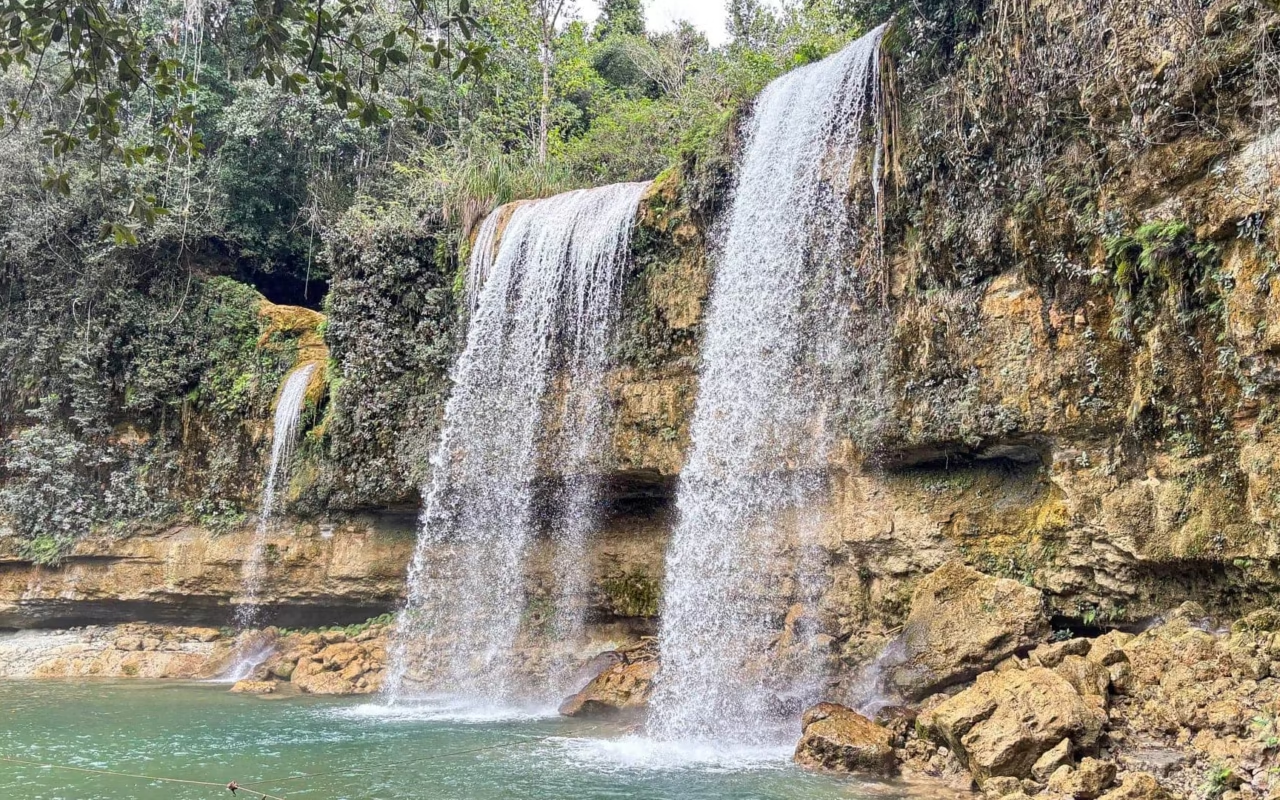
Saltos de La Jalda National Park was established on October 22 , 2009, by Decree 571-09, covering an area of approximately 36.43 km². Its main waterfall is over 120 meters high and is considered the highest in the Caribbean region, although there is no official ranking to confirm this. The hike takes about four and a half hours on foot, or two and a half hours on horseback.
« La Jalda Falls is over 120 meters high and is one of the tallest waterfalls in the Caribbean region, according to Jonathan Mercado, a technician with the Ministry of the Environment »
Cocoa, Rice, and Small-Town Life
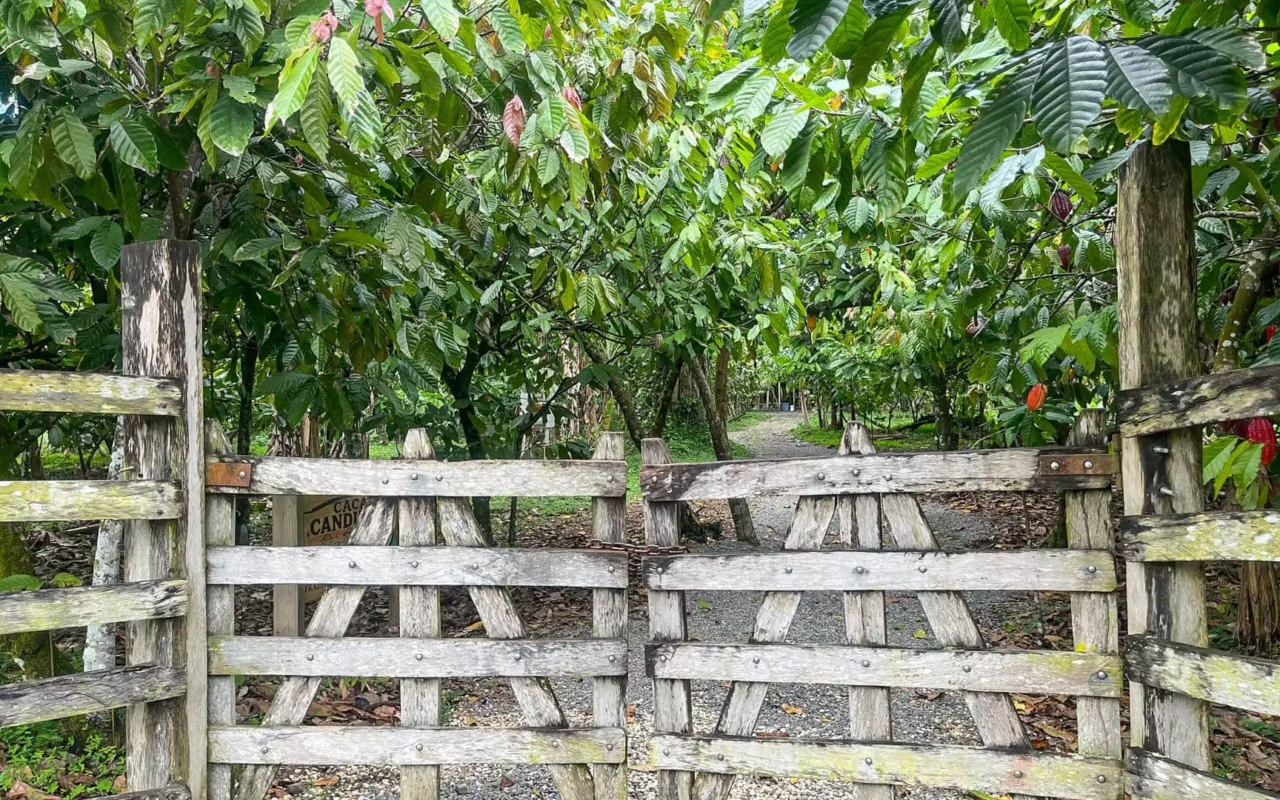
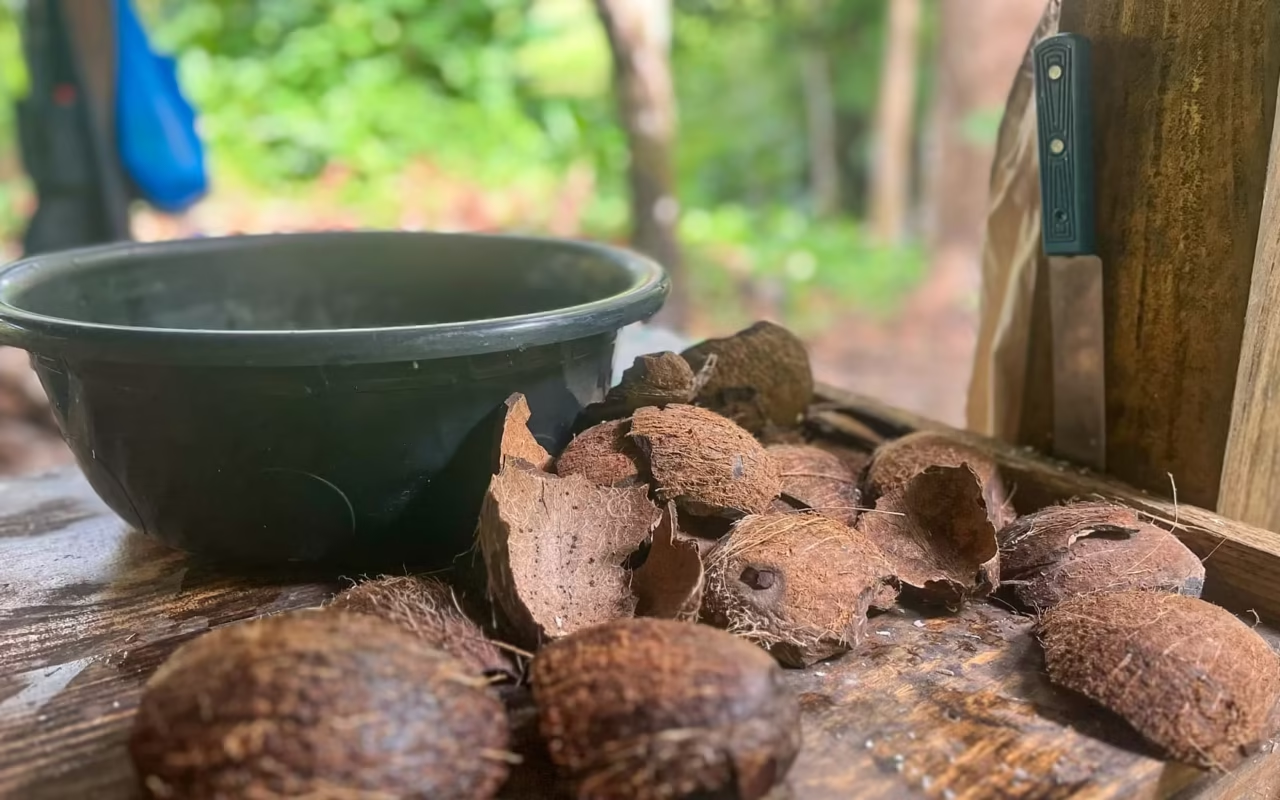
Visitors can tour the cacao plantations and rice paddies with local farmers. At the end of the day, the Miches boardwalk once again becomes the gathering place for locals.
When is the best time to visit Miches?
This destination can be visited year-round. The period from December through April offers the most stable conditions, with less rain and calmer seas.
The Atlantic hurricane season runs from June 1 to November 30, peaking between August and October. Humpback whales frequent Samaná Bay from January to March, but whale-watching tours depart from Samaná, not from here.
Sargassum mainly affects the open Atlantic coast. The location at the back of the bay limits sargassum buildup, though it doesn’t eliminate it entirely. To help you choose your dates, check out our guide on when to visit the Dominican Republic.
From January through March, Dominican regulations govern whale sightings in Samaná Bay. No more than three boats are allowed near a single pod; a minimum distance of 50 meters must be maintained from an adult whale, 80 meters from a pod accompanied by a calf, and observation is limited to a maximum of 30 minutes. Swimming with whales is prohibited there.
How long should I stay, and where should I stay?
Two nights are enough to see a beach and Montaña Redonda. Three to four nights are needed to include the lagoons or the hike to Salto La Jalda, which takes a full day.
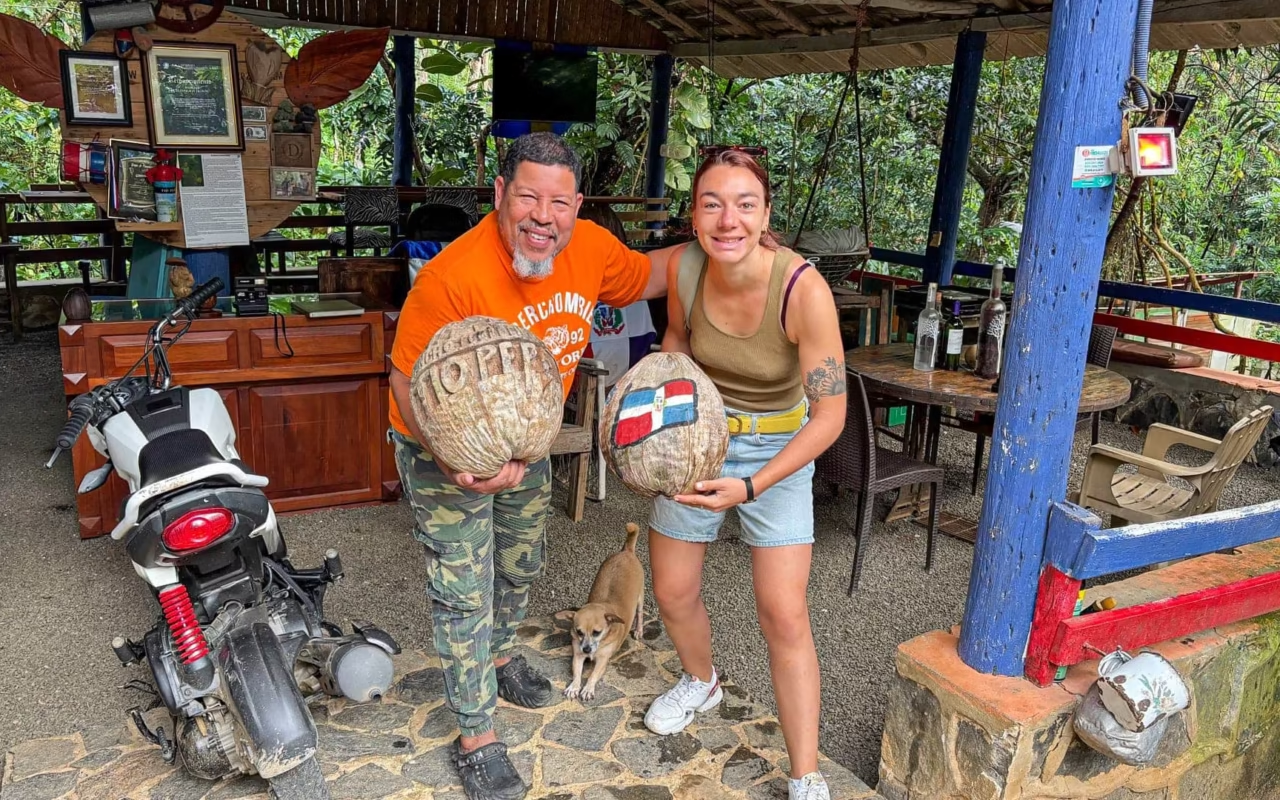
We prefer not to stay right on the beach, but rather inland. The contrast between the beaches and the hills is more striking there, and the surroundings are quieter. We favor small ecolodges nestled within the vegetation.
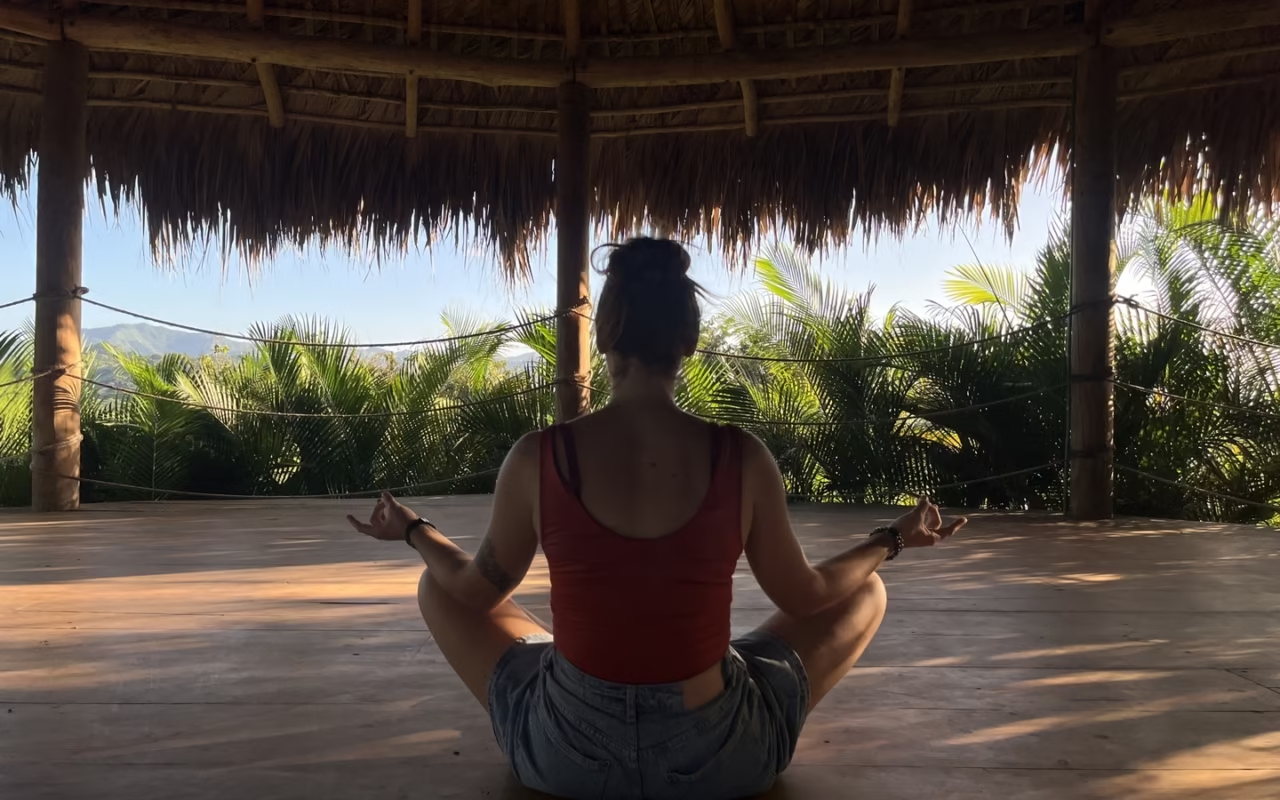
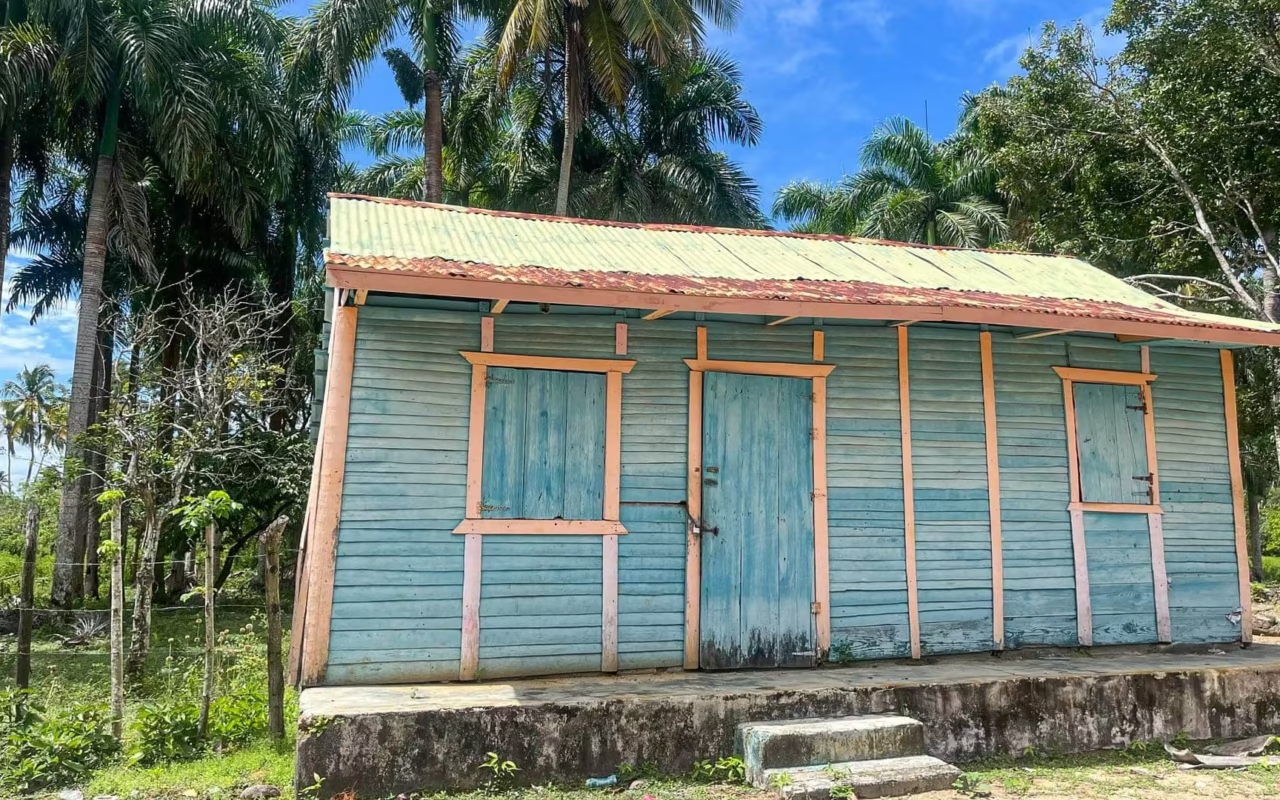
Local accommodations range from large all-inclusive resorts on Playa Esmeralda to ecolodges in the hills and simple lodgings in the village. While you’re here, we also organize yoga and meditation sessions, as well as walks to explore neighboring villages.
Safety and What to Know Before You Go
The town remains rural and has no areas identified as unsafe for visitors. The main concerns relate to road conditions and the natural environment rather than crime.
- Unpaved trails become slippery after rain.
- There are strong currents at open beaches, which are not lifeguard-patrolled.
- Cell service is poor around the lagoons.
Detailed information by region can be found in our guide, “Is Traveling in the Dominican Republic Dangerous?”
Which region should you pair Miches with?
Its location at the far end of Samaná Bay makes this stop a key link between the country’s east coast and the northeast.
| Region | Travel time | What It Offers |
|---|---|---|
| Punta Cana and Bávaro | 1 hour 30 minutes | Direct flights, well-equipped beaches, boat tours |
| Las Terrenas and the Samaná Peninsula | 3 hours by road | Whales from January through March, El Limón Waterfall, restaurants |
| Sabana de la Mar and Los Haitises | 1 hour | Mangroves, caves with petroglyphs, seabirds |
FAQ
Where is Miches located in the Dominican Republic?
In the province of El Seibo, on the northeast coast, on the shores of Samaná Bay. The town lies between the northern slope of the Eastern Cordillera and the sea, 40 km from Sabana de la Mar and 44 km from Santa Cruz de El Seibo.
How long is the drive from Punta Cana?
About 1 hour and 30 minutes for 95 km, via the coastal road that passes through Uvero Alto. The route is paved from start to finish and is accessible by passenger car. From Santo Domingo, allow about 3 hours and 30 minutes via Hato Mayor.
Which beach should you visit first?
Playa Esmeralda, which stretches over 11 km of white sand, according to the Dominican Tourist Board. Playa El Limón, closer to town, is easier to reach and nearly deserted on weekdays. Both border the bay, so the water is calmer than the open Atlantic.
Can you get to Samaná from Miches?
Yes, by road in about 3 hours via Sabana de la Mar and Sánchez. There’s also a boat crossing between Sabana de la Mar and Samaná, with varying schedules. Whale-watching tours depart from Samaná from January through March.
Is Miches worth a visit compared to Punta Cana?
Both cater to different preferences. Punta Cana is where most flights, hotels, and organized activities are concentrated. Here, the coastline is less developed, natural sites are closer by, and the selection of restaurants and transportation options remains limited.
About the Author
Laura Grenouillet is the founder of Terra Dominicana and is based in Santo Domingo. After more than seven years designing custom trips in Central America and the Caribbean, she now explores the different regions of the Dominican Republic to offer a more comprehensive and nuanced perspective on the country.
She has traveled throughout the eastern part of the country on several occasions—from Punta Cana to Miches and Samaná—carefully selecting local partners and accommodations that align with a responsible approach.
Sources
- Dominican Republic Tourism Board, Playa Esmeralda profile
- Dominican Republic Tourism Board, Miches destination profile
- Ministry of the Environment, maps of protected areas
- Municipalidad en tus manos, profile of the municipality of Miches, 2022 census
- National Statistics Office, “Tu municipio en cifras,” Miches
- Diario Libre, Saltos de La Jalda National Park and Decree 571-09
- Listín Diario, Height of Saltos de La Jalda
- International Whaling Commission, Samaná Bay Sanctuary
- Field observations by Terra Dominicana, 2025