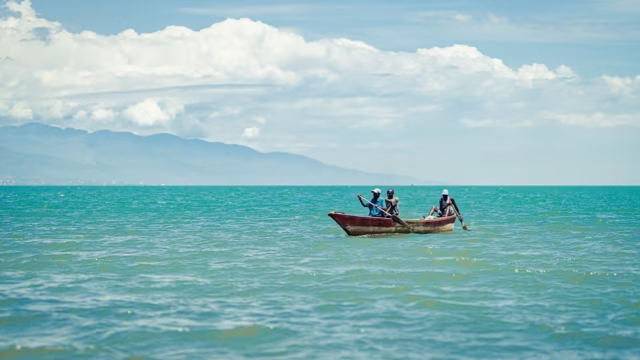
Isla Saona covers 110 km² and thrives on just one thing: day trips by boat from Bayahibe to the island, with its village of Mano Juan and its natural pools. Isla Catalina covers 9.6 km², remains uninhabited, and offers exceptional underwater exploration: reefs just a few meters from shore, the drop-off known as “The Wall,” and the wreck of the Quedagh Merchant lying in 2.40 m of water. Saona is for walking and meeting people; Catalina is for diving.
The choice between Isla Saona and Isla Catalina depends less on the islands themselves than on how you get there. Dozens of tour operators offer the same day trip at very different prices. Whether it’s a catamaran with live music, a group speedboat, a private tour, or a certified or uncertified guide—the package you choose changes everything, from the number of people on the sand to the time you arrive at the beach.
Both islands live up to their promises. The key question is the format of the day—and that’s the one most websites overlook.
Saona Island or Catalina Island: What's Really Different
| Criterion | Isla Saona | Catalina Island |
|---|---|---|
| Area | 110 km², 22 km long | 9.6 km², 4.5 km long |
| Status | Cotubanamá National Park | La Romana-Bayahíbe Special Protected Areas |
| Population | Approximately 300, in Mano Juan and Catuano | None |
| Distance from the coast | 2.4 km south of the peninsula | 2.4 km off the coast of La Romana |
| Shortest departure point | Bayahibe | La Romana or Bayahibe |
| Highlight | Long beaches, village, natural pools | Snorkeling from the shore, scuba diving, shipwreck diving |
| Visitor Volume | The highest in the country | Lower, except on days when cruise ships dock |
| Traveler profile | Families, first-timers, hiking and socializing | Snorkelers, divers, and those looking for a quiet day |
The starting point sets the tone for the day. From Bayahibe, the two islands are less than an hour apart by boat. From Punta Cana, you have to add about two hours by car each way, often with a pickup before 7 a.m. Same excursion, two different levels of exhaustion.
Isla Saona, the largest island in Cotubanamá National Park
Located off the coast of Bayahibe, within Cotubanamá National Park, Isla Saona is the most visited island in the country. The park was named in October 2014, by Law 519-14, in honor of the Taíno chieftain Cotubanamá. It covers 791.9 km², including the marine area.
A Long, Flat Island
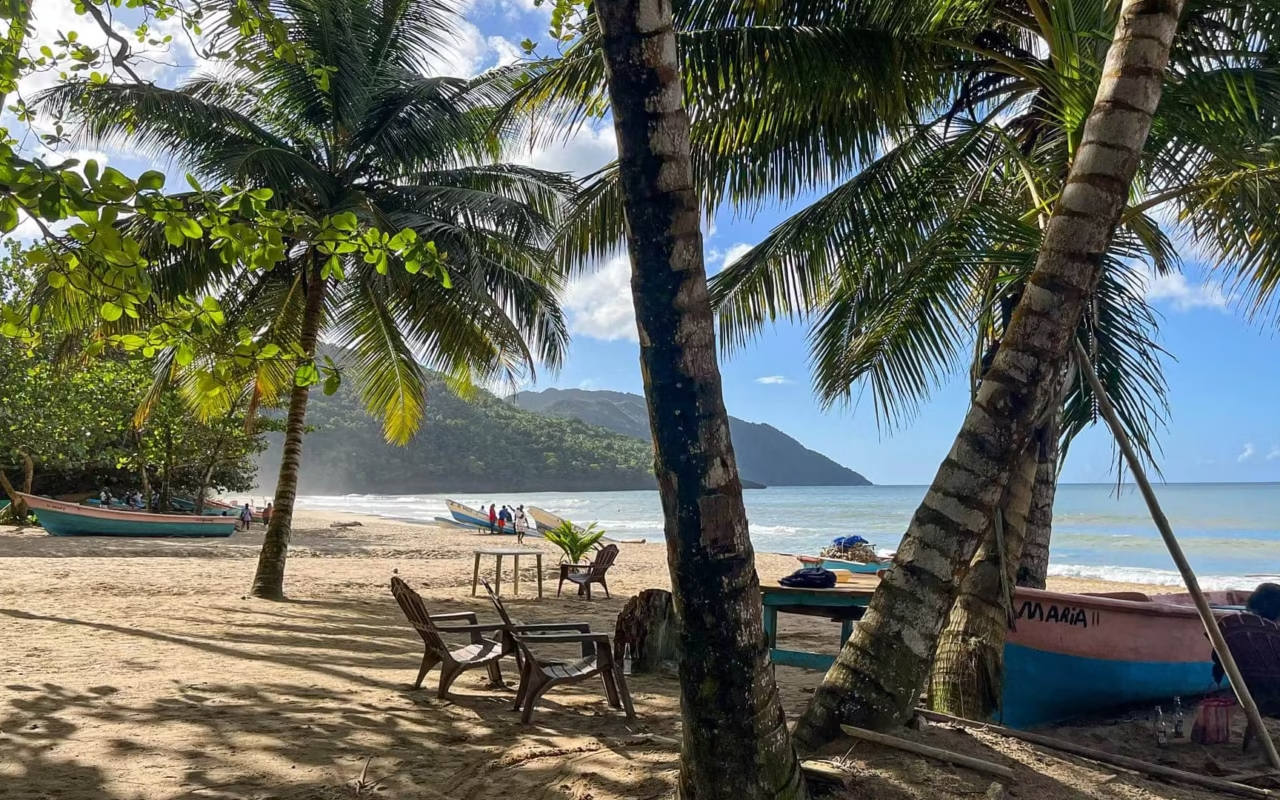
Saona stretches 22 km long and 5 to 6 km wide, covering an area of 110 km². The highest point is barely 35 m. It features long beaches lined with coconut palms, sandbars at water level known as « natural pools, » and mangroves along the northern coast. The Taíno people called it Adamanay.
Mano Juan, the only bustling village
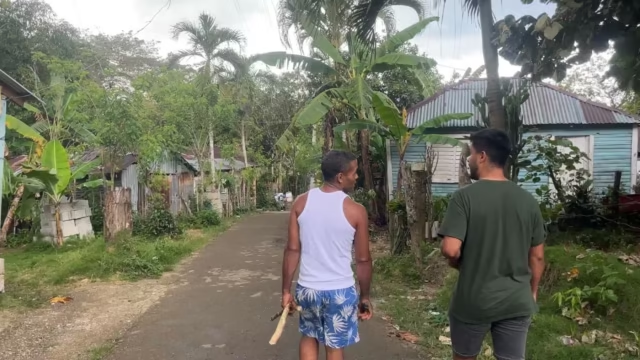
At the southern tip, the fishing village of Mano Juan features rows of painted wooden houses facing the sea. The island has about 300 residents, divided between Mano Juan and Catuano, where there is a military post. You can get around on foot, by bike, or by motorcycle taxi. There are a few restaurants, a colmado, handicrafts, and a sea turtle conservation center.
Is there a place to stay on Saona?
Accommodations are virtually nonexistent. A few casitas are available for rent in Mano Juan, though there is no tourist infrastructure. Staying overnight on the island is possible but rustic, with frequent power outages. Most travelers stay in Bayahibe and return to the other island the next day.
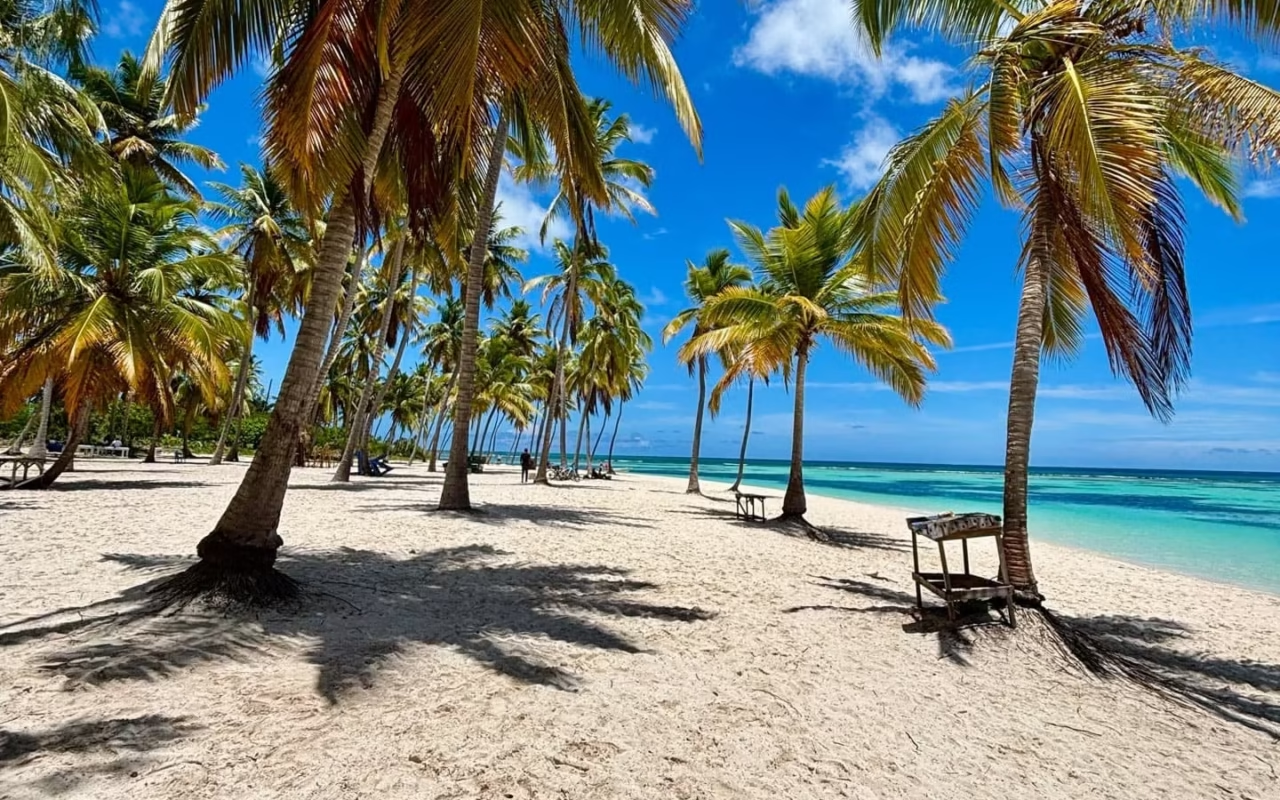
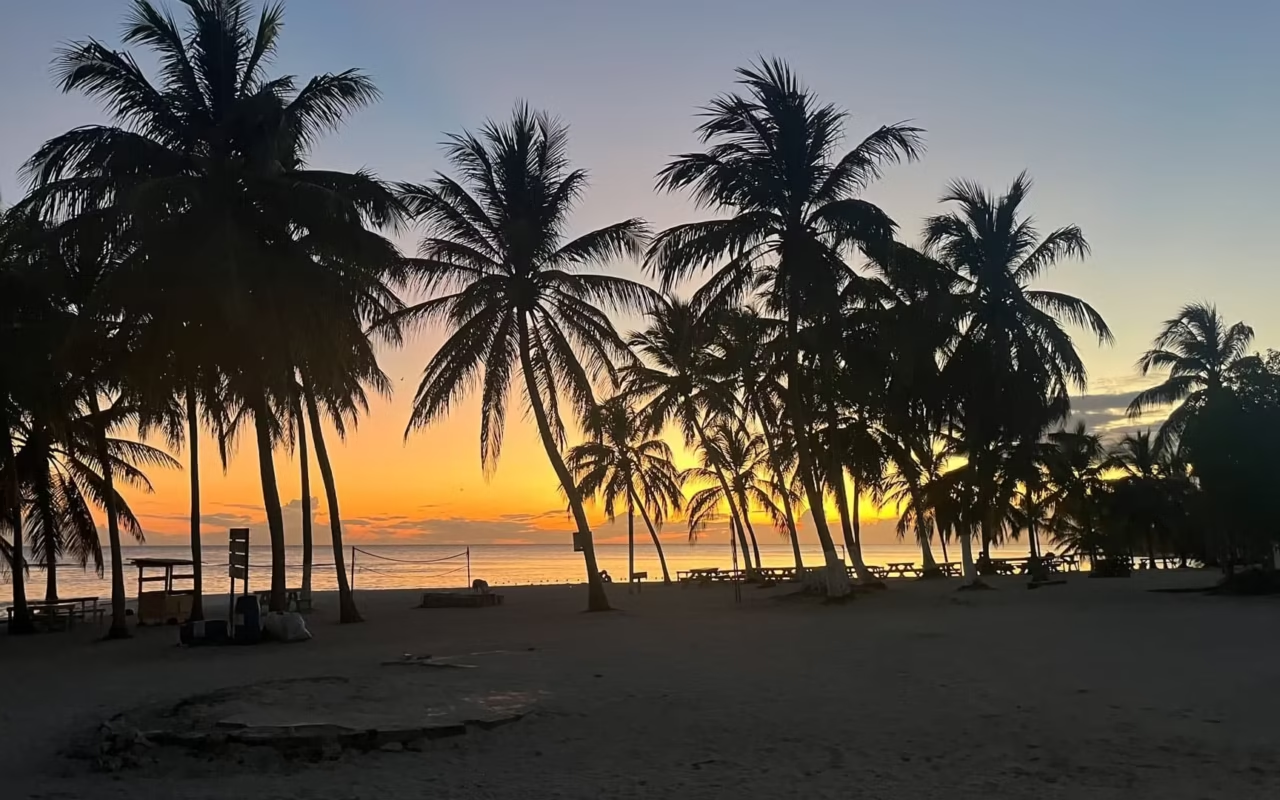
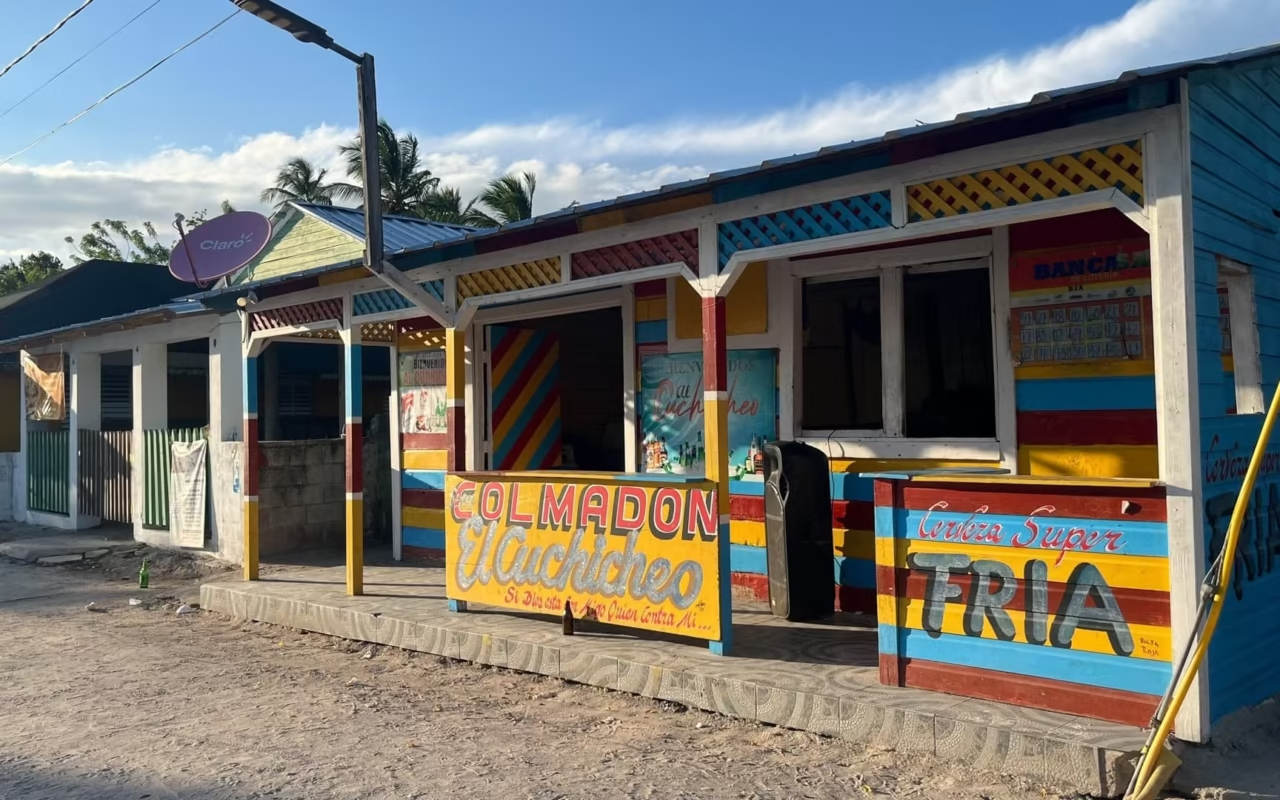
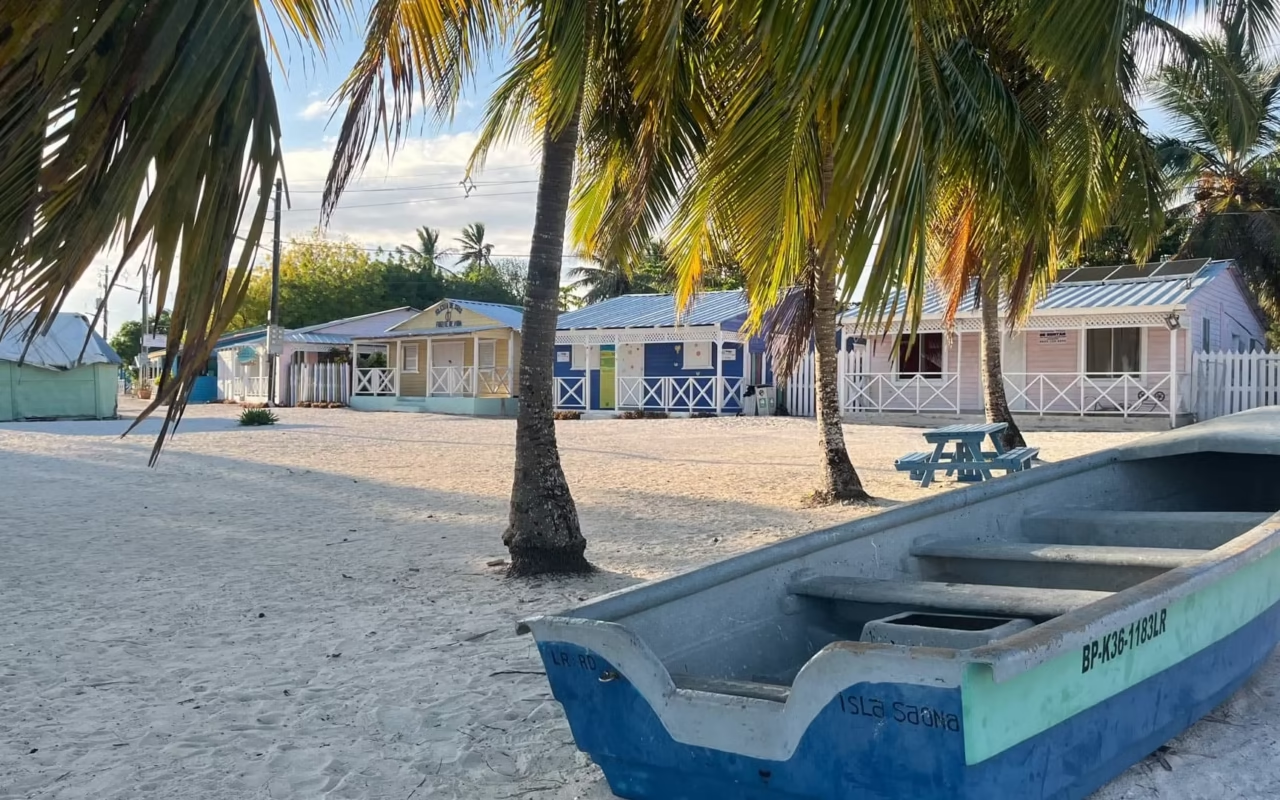
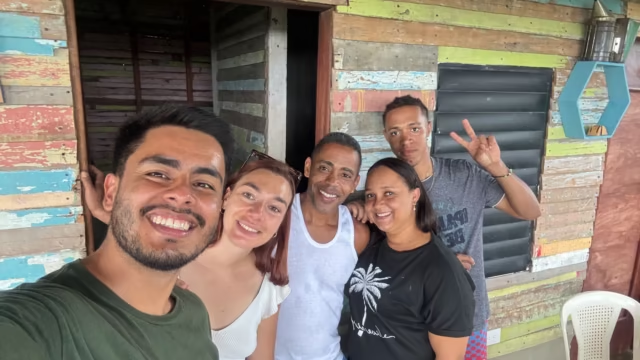
Our Day in Saona, in a Small Group
We set out from Bayahibe with 6 to 12 people—no more—for a full day at sea in Cotubanamá Park.
The itinerary
- We’ll cruise along the mangroves, spot starfish, and sometimes even see a turtle from the boat.
- Stop at Mano Juan, meet the locals, and visit the sea turtle conservation center.
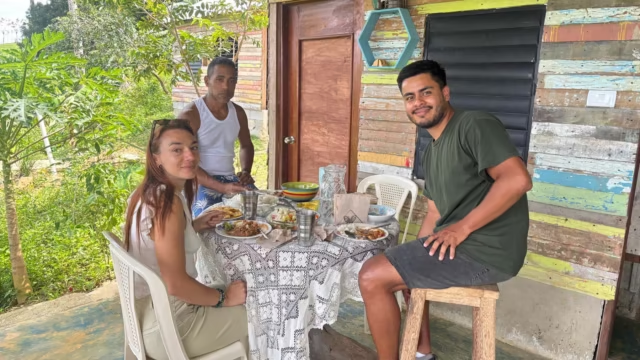
- Lunch at a village restaurant overlooking the sea—grilled lobster or octopus, depending on the catch.
- Walk to Canto de la Playa, at the eastern tip—the island’s least crowded beach. Snorkeling in a shallow lagoon.
- Stop at the natural pools—sandbars where the water reaches waist-high—at the end of the day once the catamarans have left.
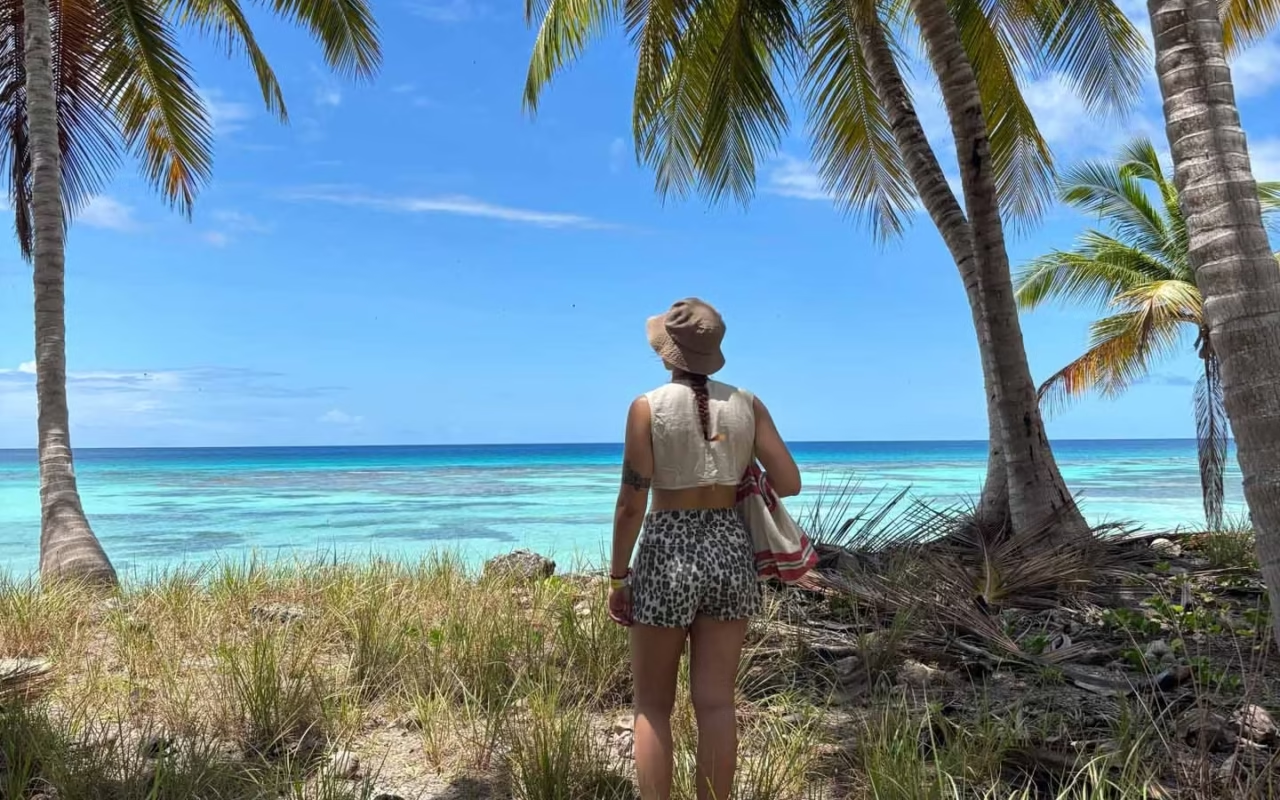
Isla Catalina, the island you can explore underwater
Located across from La Romana, 2.4 km off the coast, Isla Catalina covers 9.6 km² and has no permanent residents. It takes about 30 minutes by boat to reach the island from La Romana, and a little longer from Bayahibe.
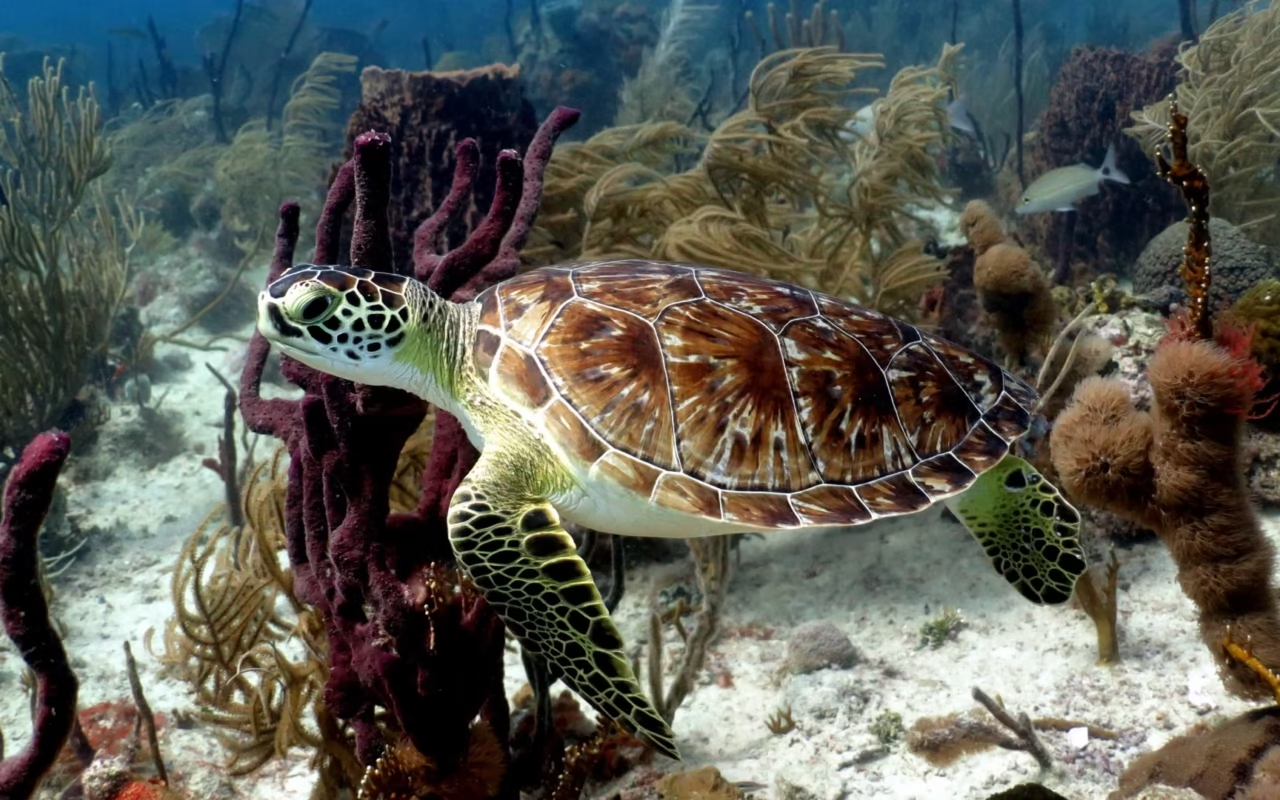
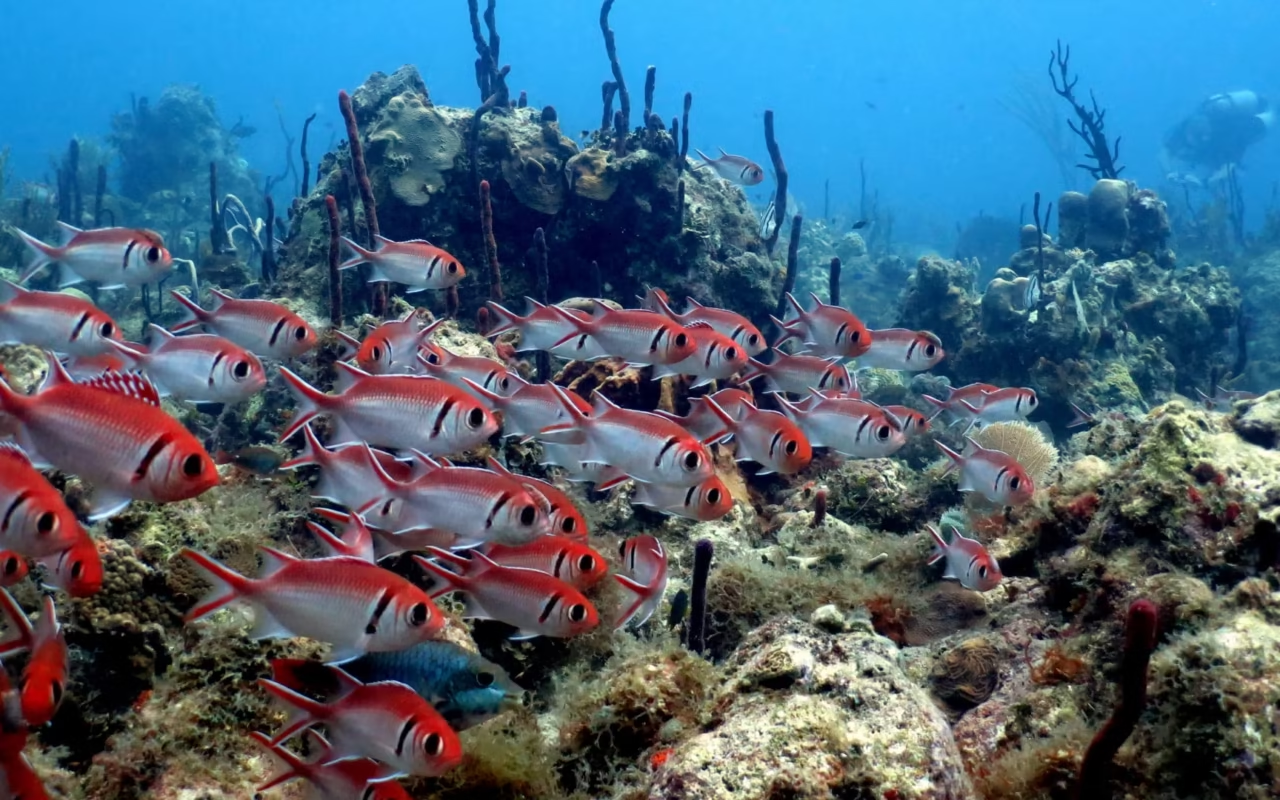
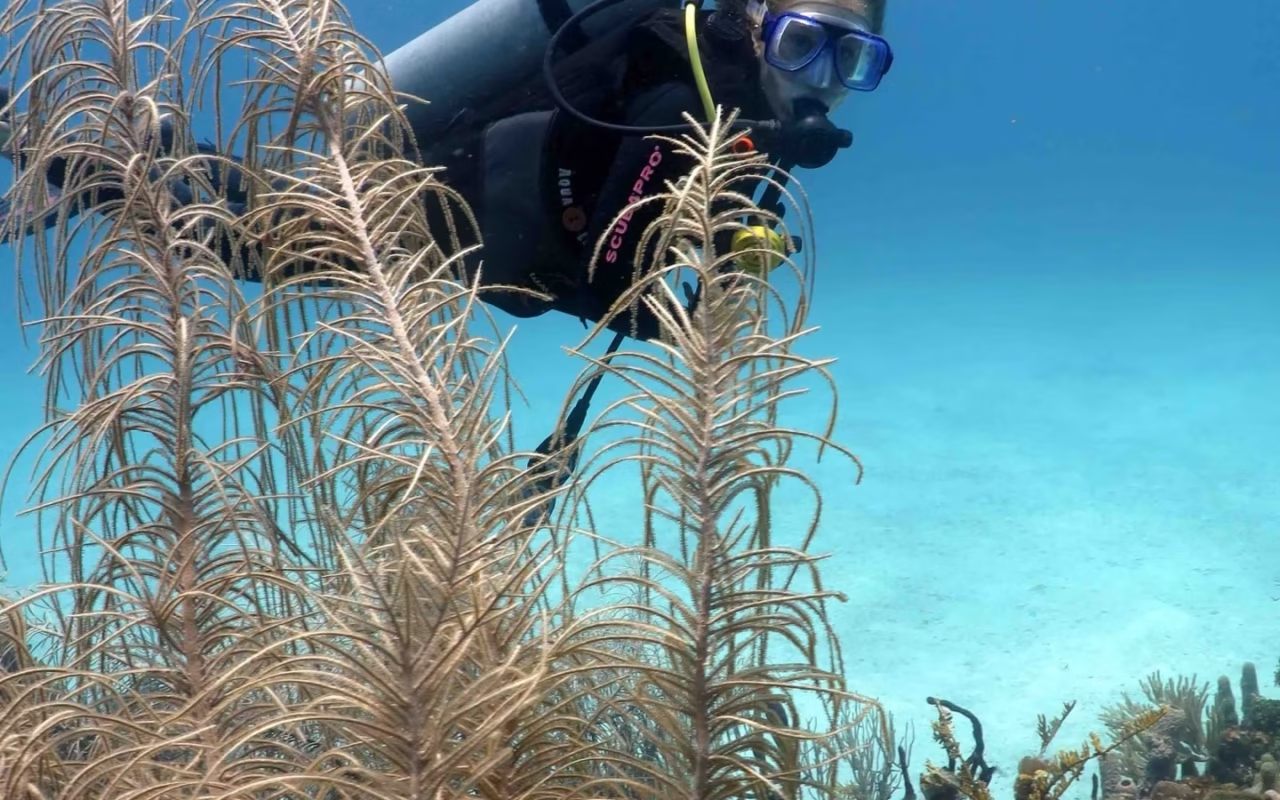
The reef begins just a few meters from the shore. With just fins and a mask, you can see tropical fish, sponges, and corals without ever having to swim far from shore. Certified divers descend to “The Wall,” a drop-off that starts at about 10 m and plunges far below, to the west of the island.
The Wreck of the Quedagh Merchant
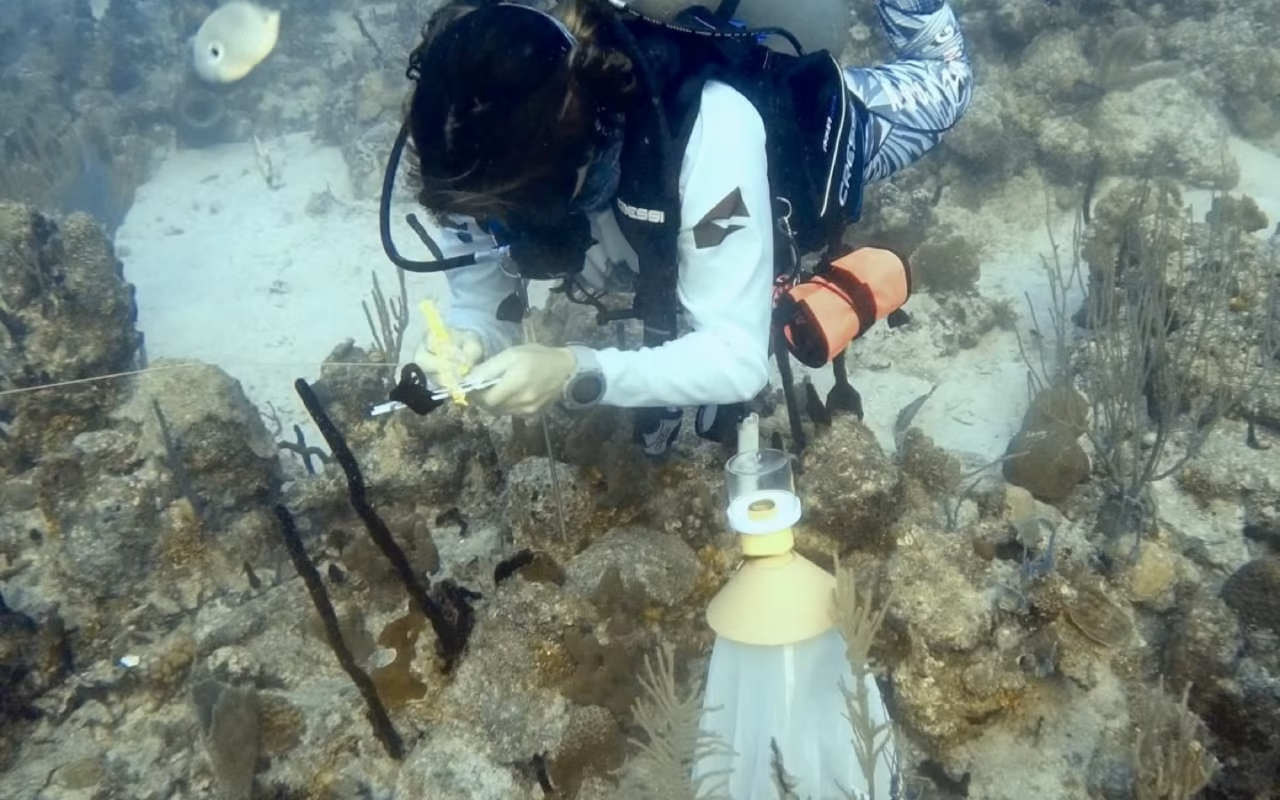
In 2007, a snorkeler spotted a cluster of cannons 25 m from the rocky shore. The National Office of Underwater Cultural Heritage alerted Indiana University, whose team identified the Quedagh Merchant, a ship abandoned by the privateer William Kidd in 1699. The site features 26 cannons and three anchor chains, lying in just 2.40 m of water. Designated a “Living Museum in the Sea,” it can be explored by both snorkeling and scuba diving.
While Saona is best explored on foot and comes to life through its village, Catalina is all about the water. It’s perfect for travelers who want to swim, dive, and return without having to navigate a series of transfers.
When should you go, and how much time should you plan for?
Both islands can be visited year-round. The dry season, from December to April, brings the calmest seas and the best underwater visibility—around 20 to 30 meters off Catalina. Hurricane season runs from June 1 to November 30 in the North Atlantic, peaking in August and September: trips are canceled more often during this time, sometimes even the same morning.
Plan on spending a full day on each island. Trying to visit both on the same day is possible but rarely ends well: two rushed stops, lots of boats, and not much time in the water. For a three-night stay in Bayahibe, a comfortable schedule is Saona on one day, rest or cave exploration the next, and Catalina on the third. Crowds depend on the time of day: the large catamarans arrive around 11 a.m. and leave around 3:30 p.m.
Where should you stay when visiting Saona and Catalina?
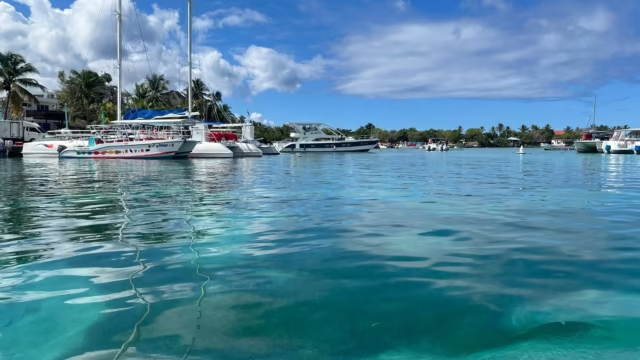
Bayahibe remains the most convenient base: a fishing village that has become a port of embarkation, with all departures leaving from there or from the nearby Dominicus marina. Accommodations range from small posadas to large all-inclusive resorts, with restaurants open in the evening—which isn’t the case everywhere along the coast.
La Romana is a good choice if Catalina is your priority, as it offers the shortest trip to the island. Punta Cana and Bávaro are also options, though they involve a two-hour drive each way. For the cost of a day at sea, the budget section of a trip to the Dominican Republic provides a rough estimate. The diving and snorkeling spots put Catalina into perspective with the rest of the country.
Frequently Asked Questions About Isla Saona and Isla Catalina
Which island is the most visited?
Isla Saona, by far. It’s the most popular spot in Cotubanamá Park, thanks to day trips from Punta Cana and Bayahibe. Isla Catalina sees fewer visitors, except on days when cruise ships make port calls, when part of the beach is reserved for the cruise line.
Which island is best for diving?
Isla Catalina. The “Wall” drop-off and the Quedagh Merchant shipwreck, at a depth of 2.40 m, can both be explored on the same dive. Saona is still best for easy snorkeling in the shallow lagoon, with starfish and seagrass beds rather than reef.
Is it possible to avoid large groups?
Yes, by adjusting the group size and schedule. A small-group excursion or a privately chartered boat allows you to arrive before the catamarans and stay after they leave. We select operators based on our own site visits and feedback from our travelers.
Where should you stay to visit Saona and Catalina?
Bayahibe. The village is the departure point for both trips; it’s quieter than Punta Cana and saves you a two-hour drive each way. La Romana is the alternative when Catalina is your top priority.
How do you get around on Saona?
On foot, by bike, or by motorcycle taxi in Mano Juan, which you can cross in just a few minutes. There are no roads connecting the island’s beaches: Canto de la Playa, the natural pools, and the north coast are accessible only by boat.
Are Isla Catalina and Isla Catalinita the same island?
No. Isla Catalinita is a 22-hectare islet located northeast of Saona, within Cotubanamá Park, known for its diving sites and stingrays. Isla Catalina is located about 40 kilometers to the west, across from La Romana.
Are there sharks or other dangers in the water?
The reefs around Catalina do not have any shark-infested areas. The main risks involve sun exposure, sea urchins, and strong currents at the tips of the headlands. For general safety precautions, see our page on safety in the Dominican Republic.
Is there an entrance fee for Cotubanamá Park?
Yes, an entrance fee is collected in Bayahibe for the protected part of the park, and a wristband is required. It’s almost always included in the price of the tour, but be sure to check before booking, as the amount is subject to change by the Ministry of the Environment.
Updated: August 16, 2026
About the Author
Laura Grenouillet is the founder of Terra Dominicana and has been a Caribbean specialist for over 7 years. Based in the Dominican Republic, she regularly travels along the East Coast, to Bayahibe, and to the islands of Saona and Catalina to identify the most reliable service providers and truly high-quality experiences.
Her approach: prioritizing small groups and local encounters, far from standardized tours. She helps English-speaking travelers create custom itineraries tailored to their pace and expectations.
Sources
- UNESCO, liste indicative, Parque Nacional Cotubanamá
- Indiana University, Center for Underwater Science, Captain Kidd’s Quedagh Merchant
- Indiana University, Living Museums in the Sea, République dominicaine
- Go Dominican Republic, Isla Saona
- Visit Dominican Republic, Parque Nacional Cotubanamá
- Repérages terrain et sélection de partenaires, Terra Dominicana, 2025-2026