At a Glance
The Dominican Republic offers a diverse range of underwater activities: scuba diving (Bayahíbe, Punta Cana, Sosúa, Isla Catalina, Las Terrenas) and snorkeling (Playa Frontón, Cayo Arena, Isla Catalina, Bayahíbe). The best spot depends on your skill level, the body of water (Atlantic vs. Caribbean), and the kind of experience you’re looking for.
What’s Happening Beneath the Surface
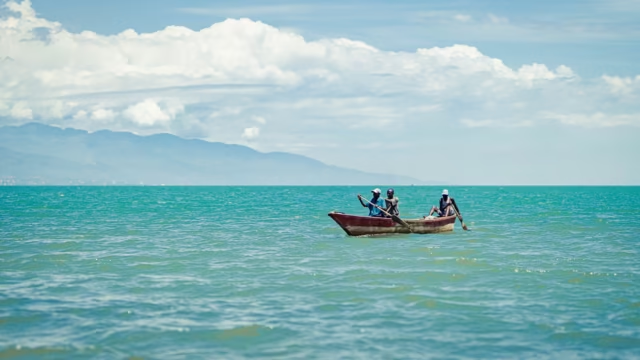
With 1,668 km of coastline, a variety of reefs, and protected areas in two seas with distinct characteristics, the Dominican Republic offers a wide range of underwater experiences: snorkeling from the beach, boat trips to unspoiled reefs, and technical dives on shipwrecks and drop-offs. The meeting of the Caribbean Sea and the Atlantic Ocean creates radically different environments depending on the region.
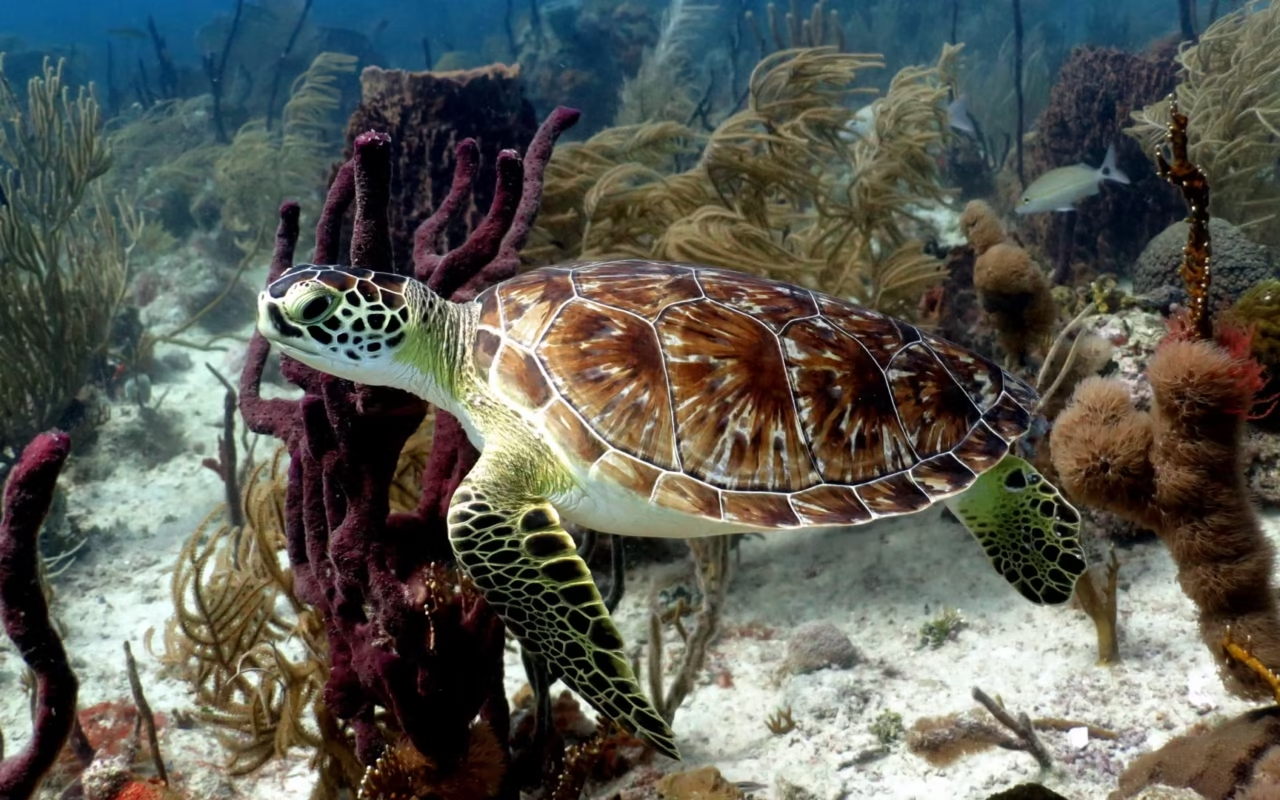
In terms of wildlife, Dominican waters are home to four species of sea turtles (green, leatherback, hawksbill, and loggerhead), stingrays and eagle rays, nurse sharks, moray eels, barracudas, and, more rarely, manatees. The coral reefs—some of the best-preserved in the Caribbean—are home to a wide variety of tropical fish.
Scuba Diving vs. Snorkeling
Scuba diving requires a recognized certification (PADI, SSI, or equivalent), or at a minimum, an introductory dive supervised by a certified dive center. It allows you to explore deeper areas: shipwrecks, drop-offs, caves, and reefs located beyond the surface zone.
Snorkeling is accessible to everyone, even young children, and requires no certification. Equipped with a mask and snorkel, you can observe the seabed from the surface. It’s ideal for families, beginners, or for enjoying simple moments between dives.
Selection Chart: Which Spotlight for Which Profile?
| Spot | Type | Level | Ideal for | Highlight |
|---|---|---|---|---|
| Bayahíbe | Diving + Snorkeling | All levels | The most diverse diving area in the country | Shipwrecks, reefs, protected national park |
| Punta Cana | Scuba diving | Beginners / Intermediate | First dive, introductory | Accessibility, artificial reefs, coral nursery |
| Sosúa (Puerto Plata) | Diving | Intermediate | Recreational divers, varied terrain | Volcanic rocks, drop-offs, dynamic scenery |
| Catalina Island | Diving + Snorkeling | All levels | The legendary “The Wall” drop-off | Coral wall, sea fans, turtles |
| Las Terrenas (Samaná) | Scuba diving + snorkeling | Certified divers | Nature getaway, off the beaten path | Rock formations, Atlantic atmosphere |
| Playa Frontón | Snorkeling | All (water shoes required) | Wild cove, breathtaking views | Shallow reef, rich marine life, 90-meter cliff |
| Cayo Arena | Snorkeling | All levels / families | Aquarium-like setting, very accessible | Sandbar, turquoise lagoon, tropical fish |
The Best Diving Spots
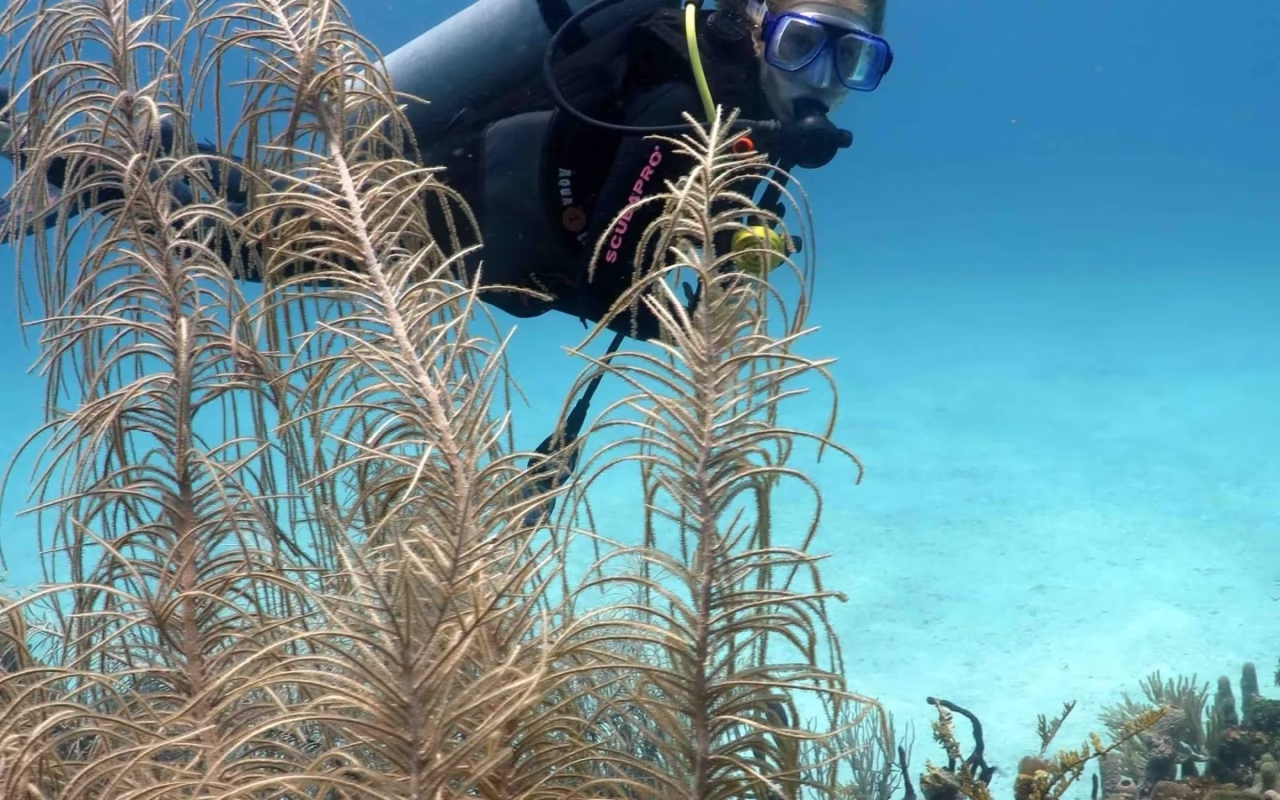
1. Bayahíbe — the Dominican Republic’s diving capital
Bayahíbe is unanimously considered the best diving area in the country. There are more than 20 accessible sites, including three iconic shipwrecks, the partially protected coral reefs of Cotubanamá National Park, and generally stable sea conditions.
The main shipwrecks:
- St. George Wreck — a cargo ship deliberately sunk after Hurricane George (1999). Lies at a depth of 40–44 m, with the top accessible from 15 m. Barracudas, eagle rays, and abundant marine life. Advanced dive.
- Atlantic Princess Wreck — a former 30-meter passenger ship, depth 10–12 meters. Accessible to all skill levels, including snorkeling from 2–3 meters. Well-colonized corals, parrotfish.
- Coca Wreck (Dragon Smoke) —a sailboat that sank after Hurricane Matthew (2012). Lionfish and eels in the wreck, coral gardens nearby, and a coral nursery close by.
Terra Dominicana Tip: We work with Green Fins-certified centers to ensure ethical diving practices—mooring to buoys, no anchoring on the reef, and visits to coral nurseries.
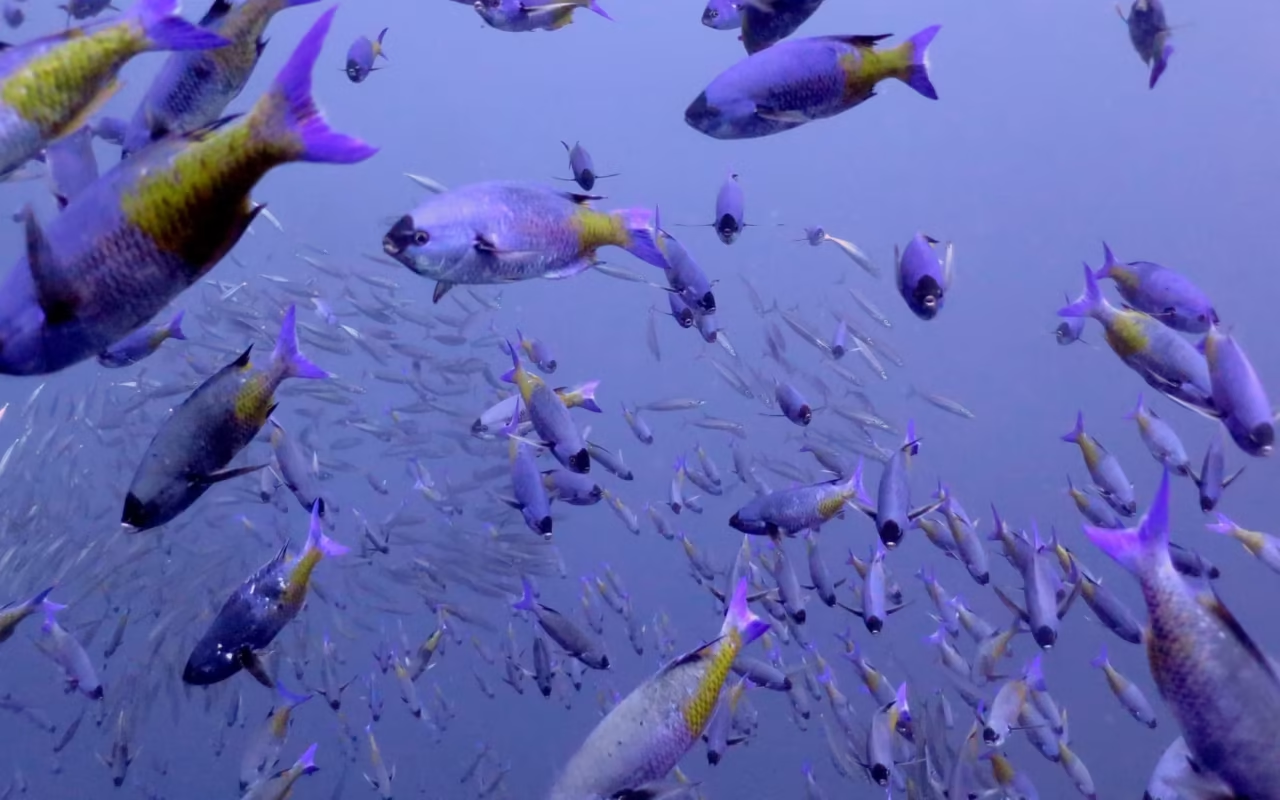
2. Punta Cana — Accessible, Reefs, and Coral Formations
Around Bávaro and Cabeza de Toro, the reefs are accessible, the depths are gradual (8 to 30 meters), and conditions are often stable. A great option for a first dive or a return to diving. Punta Cana is also home to a local coral restoration foundation: visit an underwater nursery and learn how to clean corals—a different way to dive, one that’s more mindful and directly helpful.
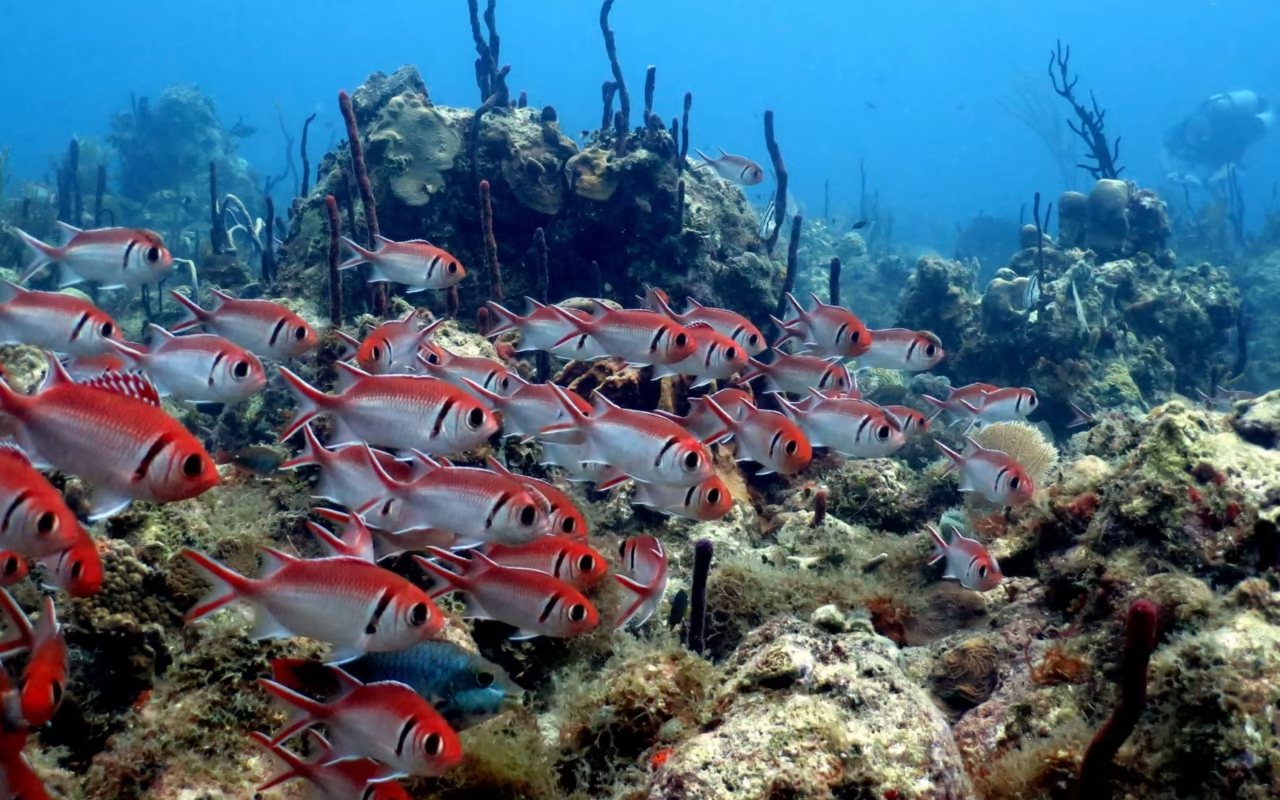
3. Sosúa (Puerto Plata) — rocks, rugged terrain, and the energy of the Atlantic
On the north coast, Sosúa offers a diving experience that’s structurally different from that of the south. Volcanic rock formations, small canyons, and drop-offs create a varied landscape—sites like Three Rocks (intermediate) or Airport Wall (advanced). Barracudas, moray eels, lobsters, tropical fish. The Atlantic Ocean can be slightly rougher—something to keep in mind depending on the season.
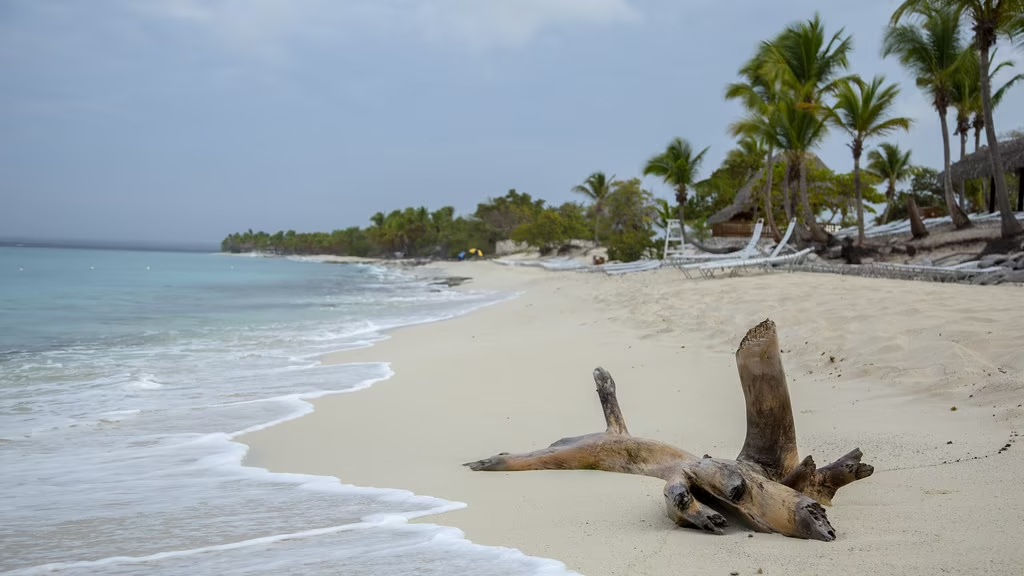
4. Isla Catalina — the legendary drop-off
Located near Bayahíbe, Isla Catalina is known for its flagship dive site, The Wall (La Pared): a drop-off that begins at a shallow depth before plunging vertically into the blue. The wall is covered with corals and gorgonians. Barracudas, moray eels, rays, and turtles are regularly spotted. Accessible to certified divers of various levels. The island also offers excellent snorkeling in the shallow areas.
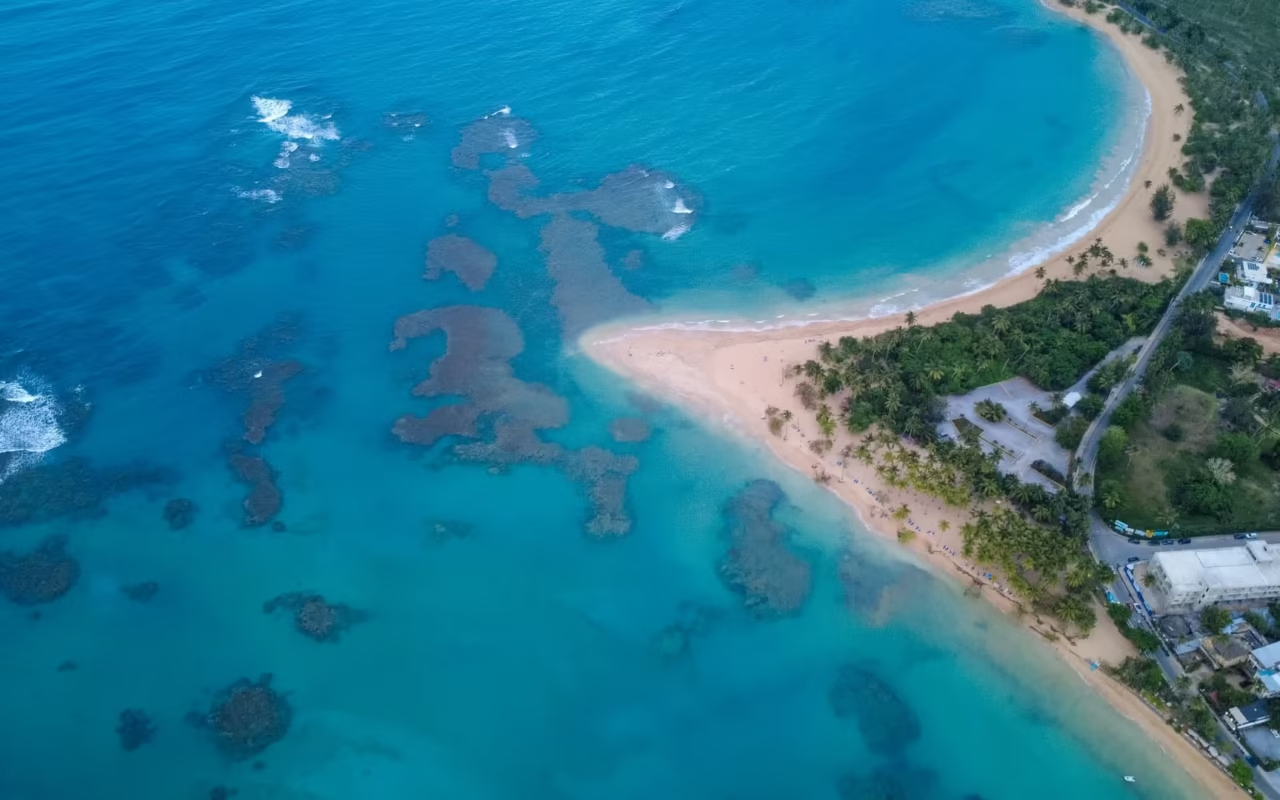
5. Las Terrenas (Samaná) — wild diving, Atlantic vibes
Rock formations, small canyons, and underwater features in a natural setting that’s less crowded than the south. Tropical fish, moray eels, rays, lobsters, and sometimes turtles. For certified divers only. Ideal to combine with a nature-focused vacation on the Samaná Peninsula.
The Best Snorkeling Spots
1. Playa Frontón (Las Galeras, Samaná)
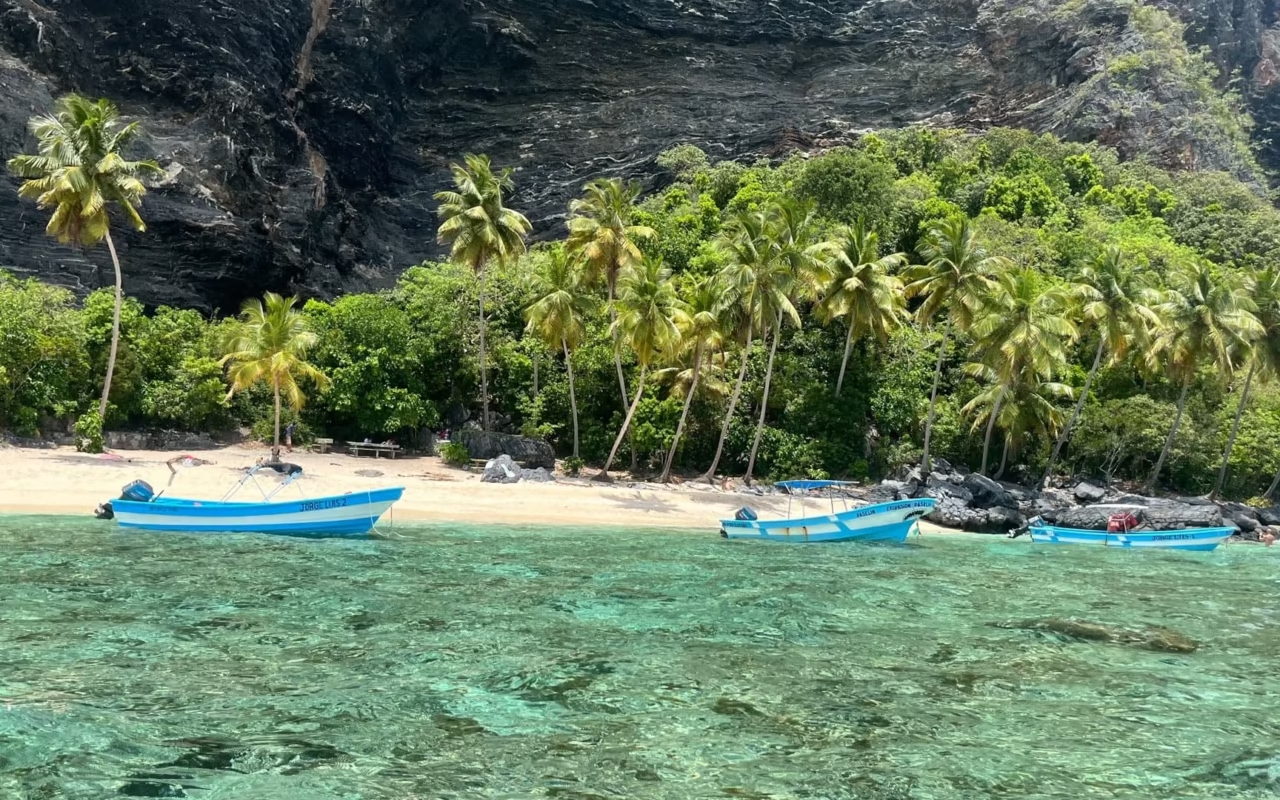
A rough crossing from Las Galeras, then the cove appears at the foot of a 90-meter limestone cliff. The water is crystal-clear, with the reef just a few meters away. Underwater: brain corals and gorgonians, parrotfish, angelfish, surgeonfish, moray eels among the rocks, and occasionally rays or turtles. One of the best wild snorkeling spots in the country.
- Access: by boat only from Las Galeras (~20–25 min) or via a jungle trail with a guide
- Water shoes are essential—sea urchins and corals on the seafloor
- Leave early in the morning for calmer waters and better visibility
- Can be combined with a visit to Playa Madama on the same day
2. Cayo Arena (Punta Rucia, Northwest)
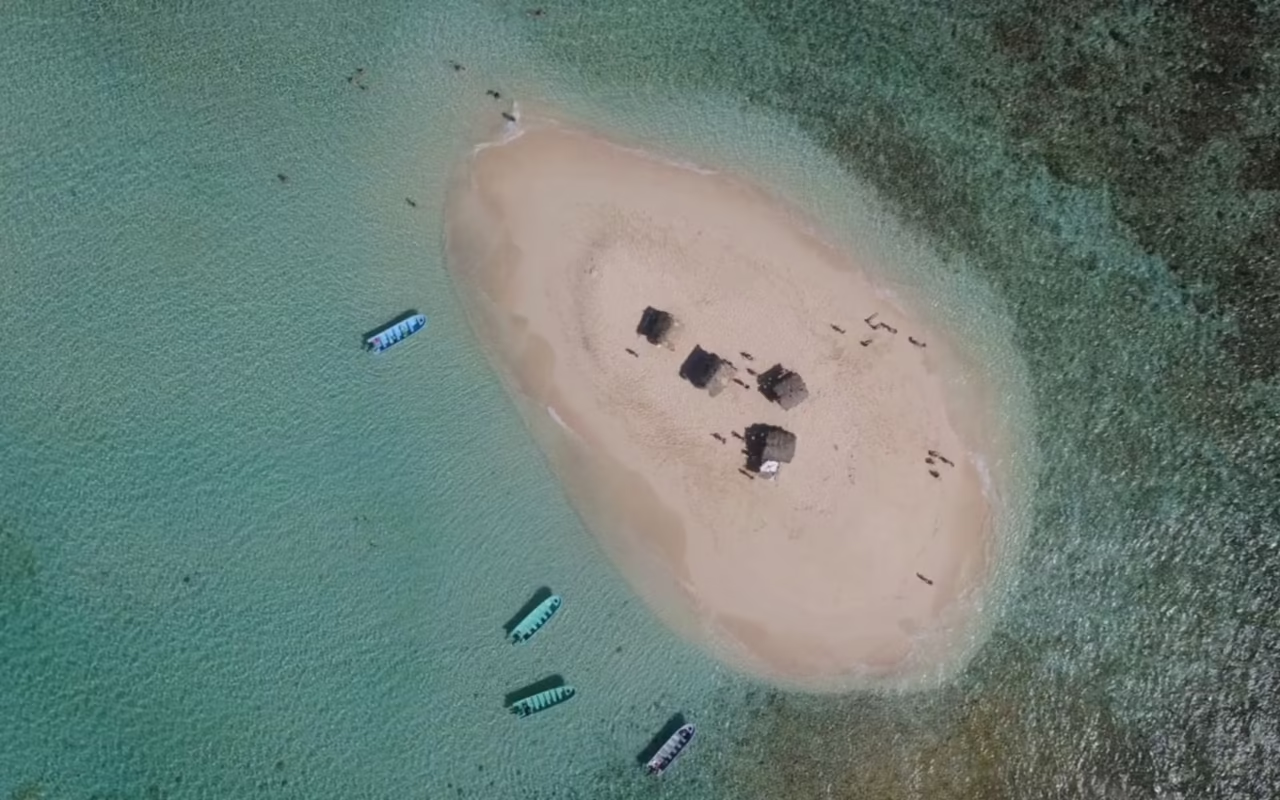
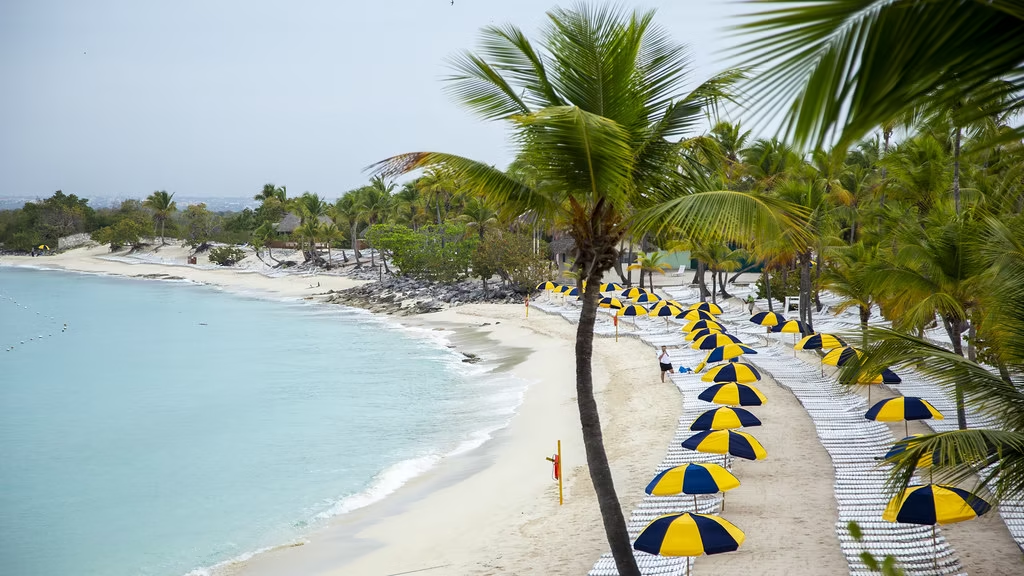
A white sandbar in the middle of a turquoise lagoon, surrounded by a coral reef. The water extends 360° around the sandbar. The snorkeling is excellent and accessible to everyone: plenty of tropical fish, colorful sponges, starfish, and corals ranging from 1 to 3 meters in height. Ideal for families and beginners. See our article on Punta Rucia.
Terra Dominicana Tip: Arrive early in the morning before the tour groups, or in the late afternoon to catch the golden light.
4. Bayahíbe (south coast)
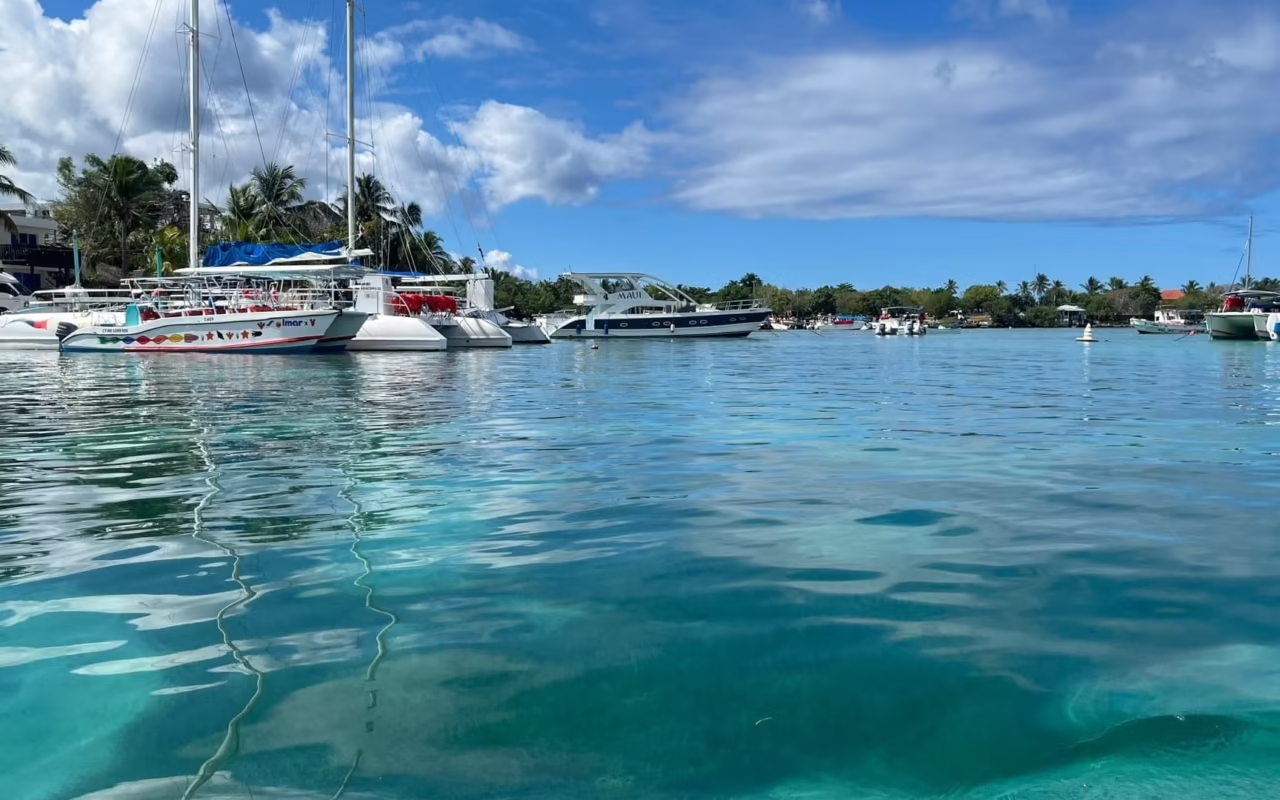
The Atlantic Princess wreck is accessible by snorkeling from a depth of 2–3 meters—parrotfish, small crabs, stingrays, and colorful corals. Catamaran excursions from Bayahíbe let you combine wreck and reef snorkeling in a half-day trip. Suitable for all ages.
5. Las Terrenas (Samaná)
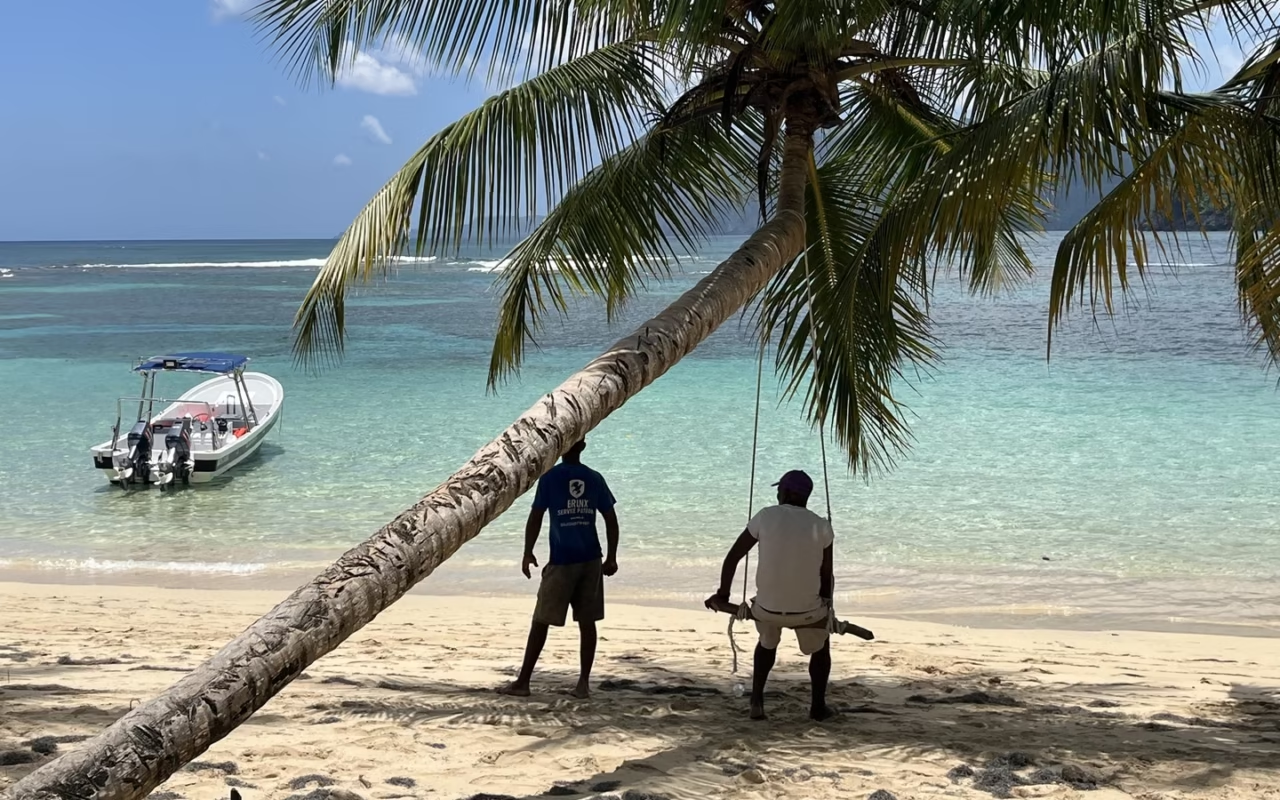
In the rocky areas at the ends of the beach, particularly near Las Ballenas or Punta Popy: small reef fish, starfish, sea urchins, small crustaceans, and occasionally juvenile moray eels. Snorkeling is freely accessible, easy, and enjoyable—a natural addition to any trip to Samaná.
Equipment and Best Practices
Essentials
- Reef-friendly sunscreen — apply 20–30 minutes before entering the water
- Water shoes — sea urchins and rocks at several sites (Frontón required)
- Mask + snorkel — ideally your own gear
- Waterproof bag for boat trips
Best Practices for Diving
- Never touch corals, starfish, or marine animals
- Never stand on the reefs
- Control your buoyancy to avoid hitting the seafloor
- Stay close to the guide or the boat
- Take all your trash with you
Choose a reputable operator
- Certified center with a clear safety briefing
- Small group sizes
- Mooring at a buoy (no anchoring on the reef)
- No feeding or handling of animals
Frequently Asked Questions
Where should I go diving if I’m a beginner?
Bayahíbe and Punta Cana are the most accessible options. The Atlantic Princess in Bayahíbe (10–12 m) is ideal for a first dive—calm conditions, a diverse reef, and professional guidance.
What’s the best snorkeling spot?
Playa Frontón for its wild cove atmosphere and rich reef (requires water shoes and a mask). Cayo Arena for its very accessible “aquarium” atmosphere, ideal for families. The two are quite different—we recommend them based on your preferences.
When is the best time to go?
The dry season (December through April) offers the best visibility and calmer seas, especially on the Caribbean side. On the Atlantic coast (Sosúa, Las Terrenas), conditions are good year-round but can be more dynamic in the fall. See our seasonal guide.
Can you really see all four species of sea turtles?
Yes—green, hawksbill, loggerhead, and leatherback turtles are found in Dominican waters. The areas around Bayahíbe, Cotubanamá, and Frontón are among the best for regular sightings. Leatherback turtles are rarer and are usually spotted in the open ocean.
Conclusion
The Dominican Republic is more than just “a beautiful sea”—it’s a diverse underwater destination, featuring wild coves, sandbars, accessible reefs, shipwrecks, and drop-offs. The real secret: pairing the right spot with the right time and the right guidance. At Terra Dominicana, we tailor your experience to your preferences—whether you’re traveling with family, seeking adventure, or have specific skill levels or comfort preferences—to ensure a smooth, safe, and truly personalized trip.
About the Author
Laura Grenouillet is the founder of Terra Dominicana. The content published here is based on local scouting, discussions with certified centers, and partnerships with organizations committed to preserving marine ecosystems.
Sources
- PADI — Dive Sites in the Dominican Republic
- FUNDEMAR — Foundation for Marine Protection and Biodiversity in the Dominican Republic
- Field surveys and service provider selection by Terra Dominicana, 2025–2026