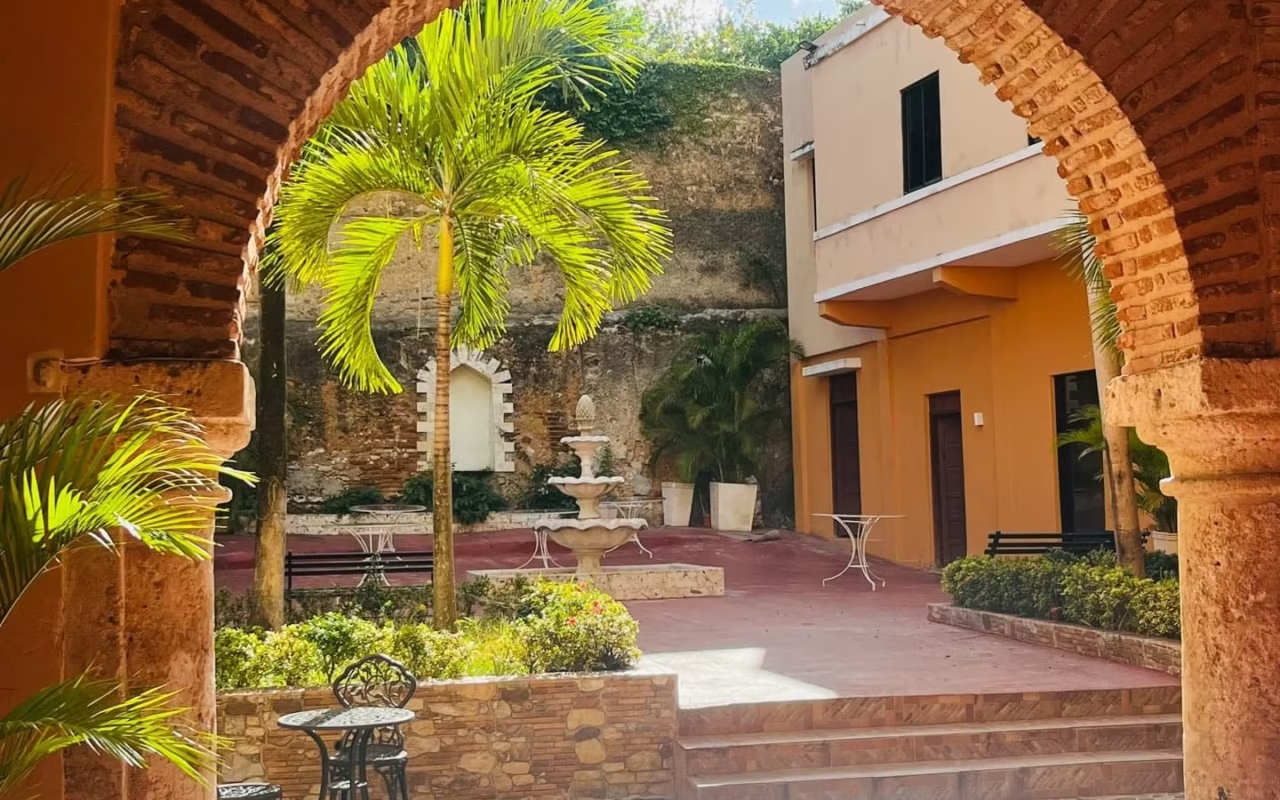
Santo Domingo is the capital of the Dominican Republic. The historic center, the Zona Colonial, is a UNESCO World Heritage Site. Plan on staying two to three nights to visit its palaces, churches, and squares. Las Américas Airport (SDQ) is 25 km away, a 30- to 40-minute drive.
Where is Santo Domingo, and how do you get there?
Four airports serve the capital, with travel times ranging from one to two times as long. This choice affects the first and last days of your trip.
Which airport should you choose?
| Airport | Distance | Travel Time | Good to Know |
|---|---|---|---|
| Las Américas (SDQ) | 25 km | 30 to 40 min | Direct flights from Europe |
| La Isabela (JBQ) | 9 km | 20 to 25 min | Domestic flights only |
| Puerto Plata (POP) | 230 km | 3 to 3½ hours | The north coast—no direct route |
| Punta Cana (PUJ) | 190 km | 2 hours 30 minutes | The eastern beaches |
Las Américas (SDQ) handles most flights from Europe, with year-round service. The airport is a half-hour drive from the city center. With Terra Dominicana, private transfers from the airport to your accommodation are included in the trip, both upon arrival and departure.
Getting Around Once You’re There
The historic center is easy to explore on foot; the Zona Colonial is compact. For the Malecón neighborhood or more distant areas, Uber and taxis are readily available. Keep a ride-sharing app handy for evening trips.
Introduction
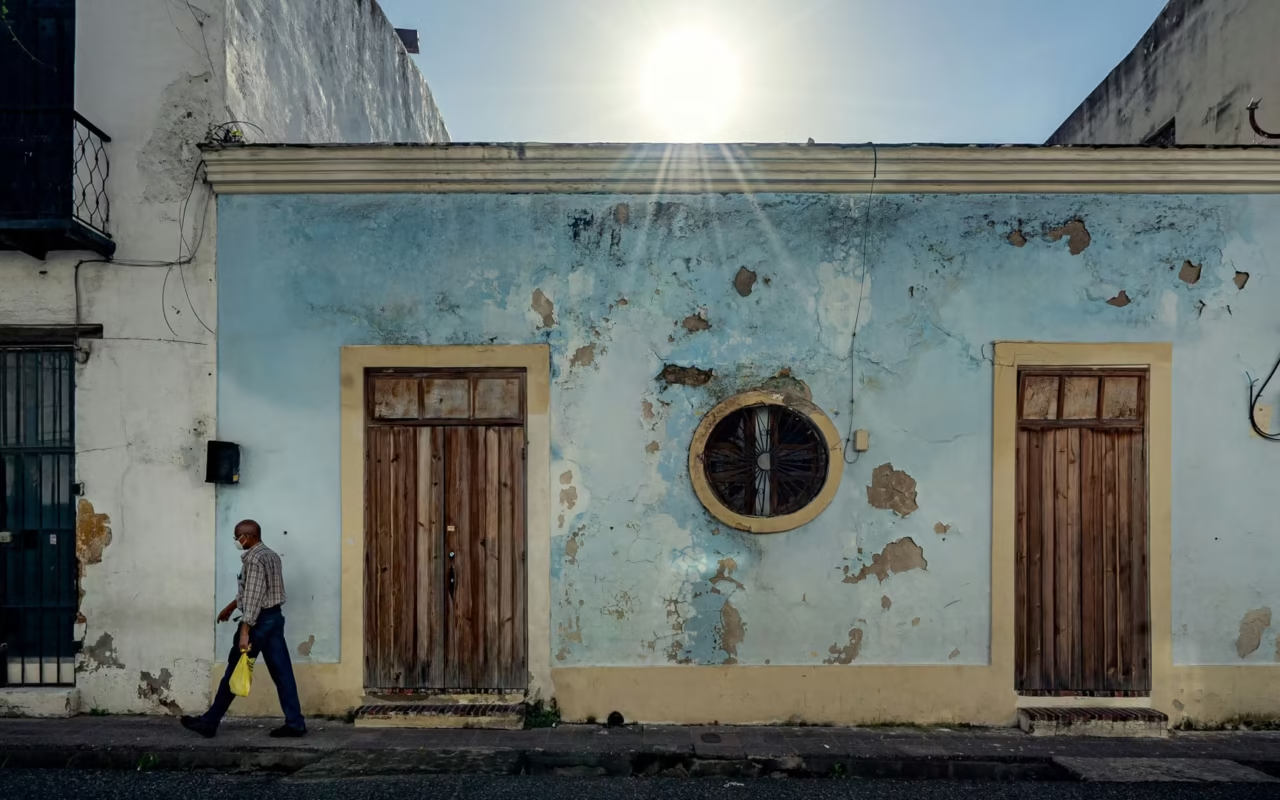
Asthe founding capital of the New World, Santo Domingo blends cultural heritage with the Dominican way of life. Here, you can discover history on foot, but the city also comes alive in everyday life: strolling through the streets, sampling local cuisine, going out at night, meeting the locals, and dancing. This article highlights all there is to do in the capital, beyond the monuments.
It’s a point of pride for us: Terra Dominicana has its offices in Santo Domingo, and it will be a real pleasure to meet you there!
Must-See Attractions in the Zona Colonial
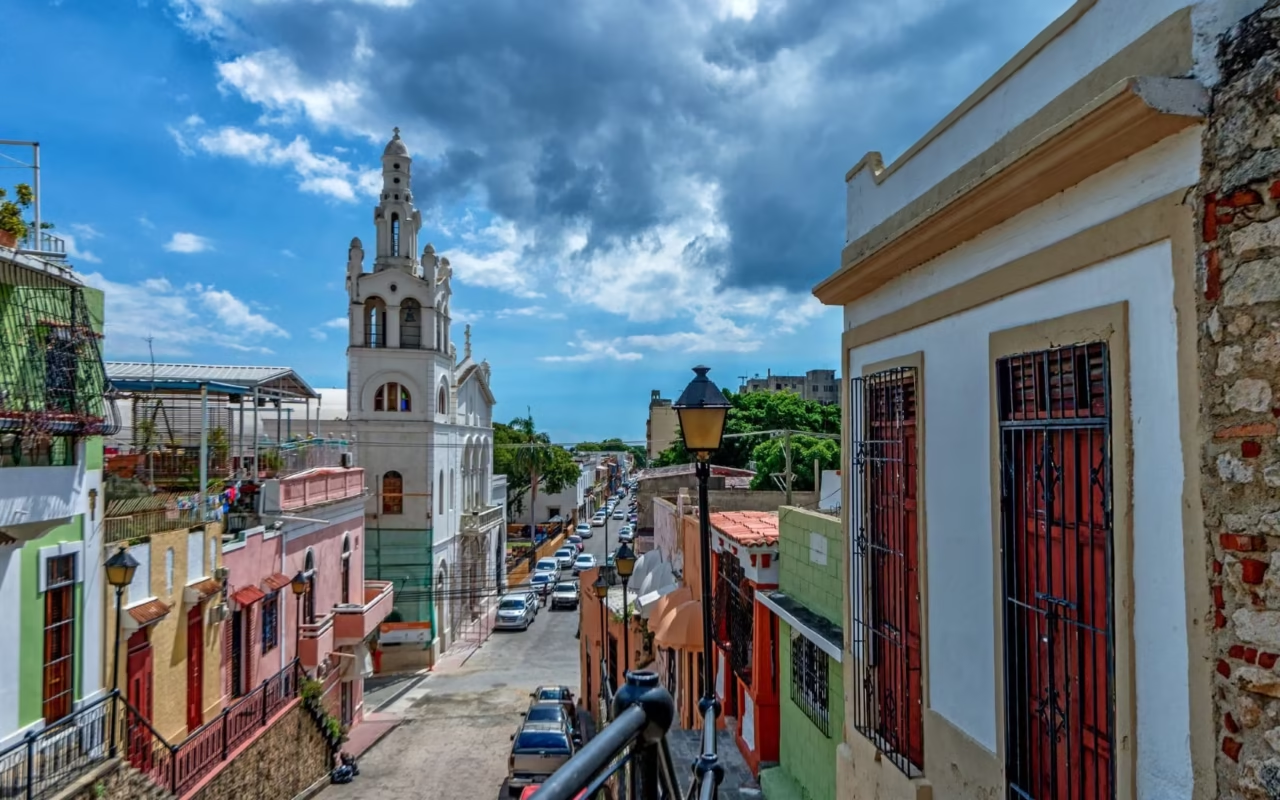
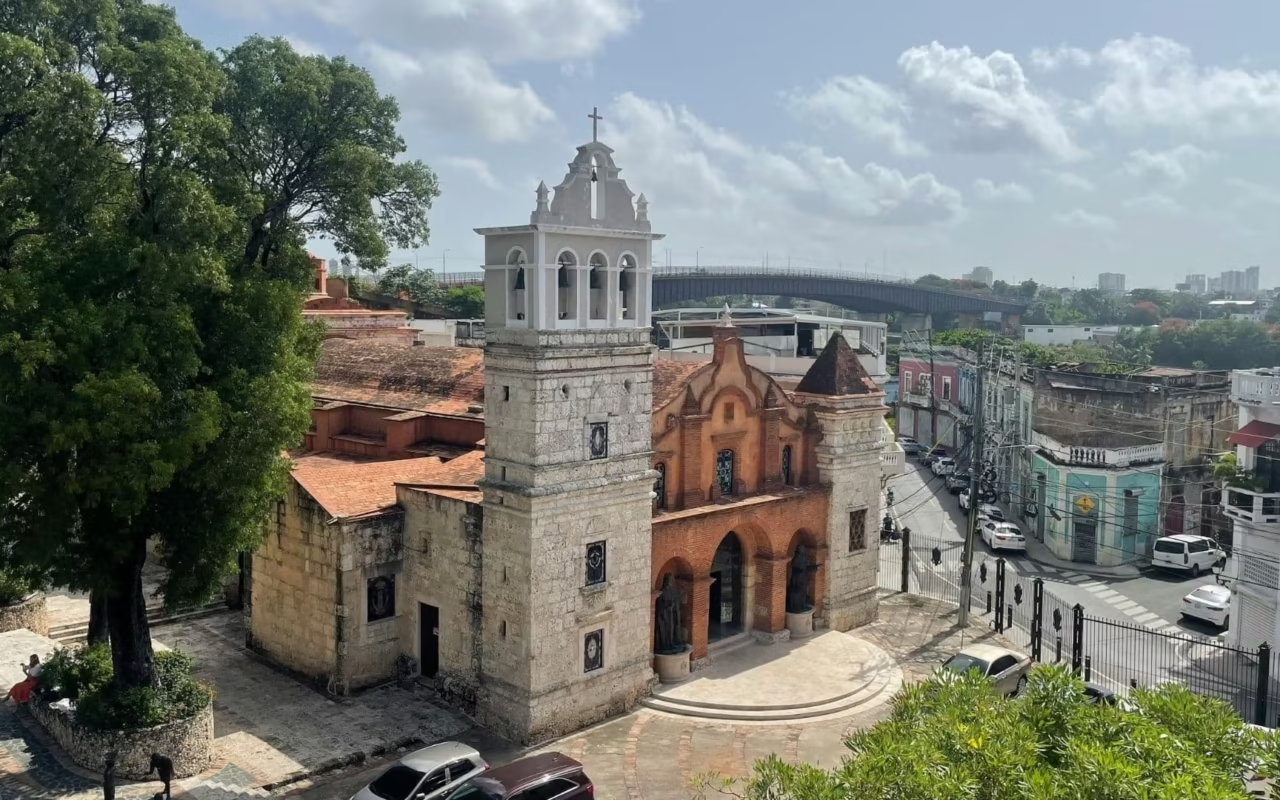
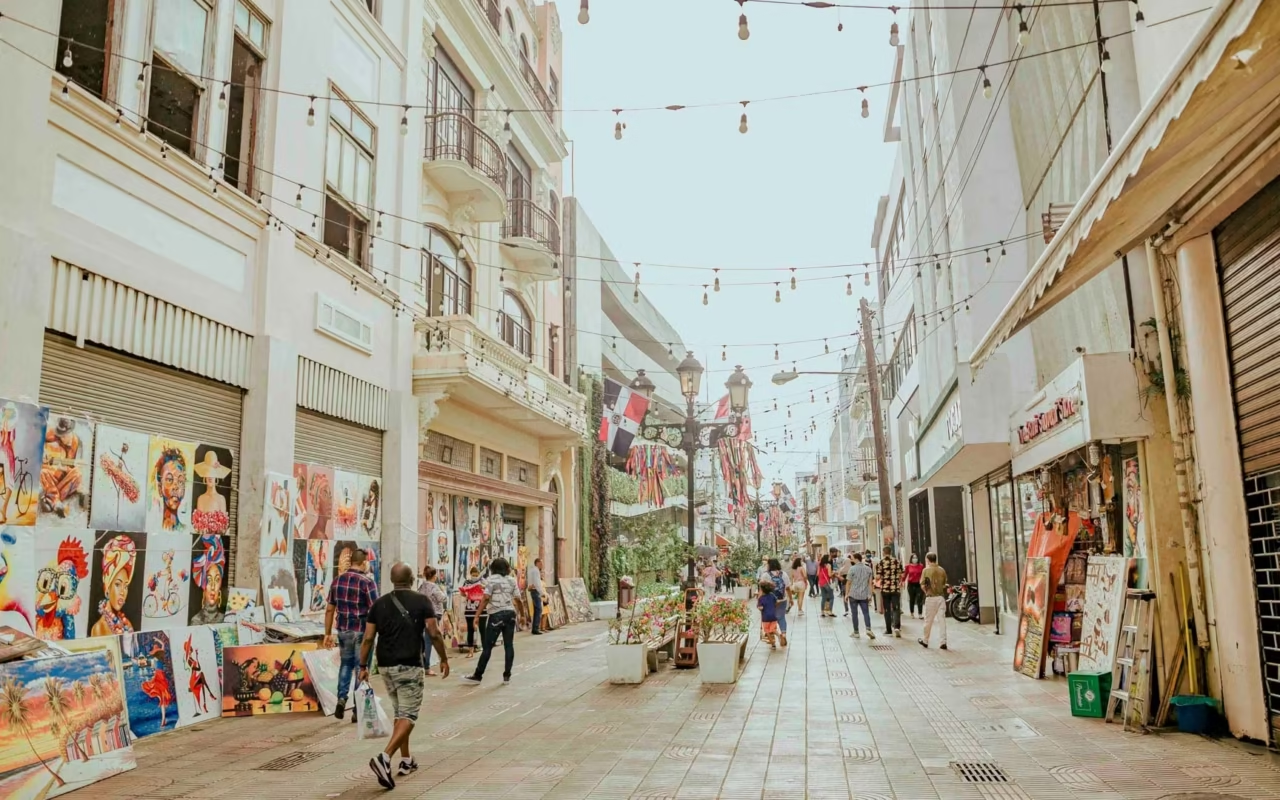
A UNESCO World Heritage Site, the Zona Colonial is best explored on foot. You’ll wander through cobblestone streets, shaded squares, and iconic monuments:
Catedral Primada de América
Built between 1504 and 1546, the Catedral Primada de América is the first cathedral on the continent. Sober and majestic, it symbolizes Santo Domingo’s central role in the history of the New World.
Colón Park
The lively heart of the Zona Colonial, Parque Colón is the perfect spot for a break on a terrace. As the day draws to a close, the atmosphere becomes warm and inviting, filled with conversation, music, and the comings and goings of locals.
Calle El Conde & Puerta del Conde
Calle El Conde is one of the oldest European-style streets in the Americas. It begins at the Puerta del Conde, where Dominican independence was proclaimed in 1844. Lively, popular, and very local—you’ll find absolutely everything here!
Calle de las Damas
As the first street in the Americas, Calle de las Damas is home to several major historic buildings. It’s an ideal stroll for understanding the layout of the colonial city.
Fortaleza Ozama
Built between 1502 and 1508, Fortaleza Ozama is the oldest European fortress in the New World. It offers a beautiful view of the Ozama River and the Caribbean coast.
Museo de las Casas Reales
Built in 1511, the Museo de las Casas Reales provides insight into the political, judicial, and economic workings of the Spanish colony. With ancient maps, artifacts, and maritime treasures, a visit here is essential for gaining a deeper understanding of the city’s monuments.
Panteón de la Patria
Formerly a Jesuit church that later served as a tobacco warehouse and then a theater, the Panteón de la Patria is now the mausoleum for prominent Dominican figures. A brief but memorable stop to understand the nation’s identity.
Alcázar de Colón
Standing on the Plaza de España is the Alcázar de Colón, an early 16th-century palace built for Diego Colón, son of Christopher Columbus. Built in the Gothic style, it now houses a museum.
Around Santo Domingo, there’s also…
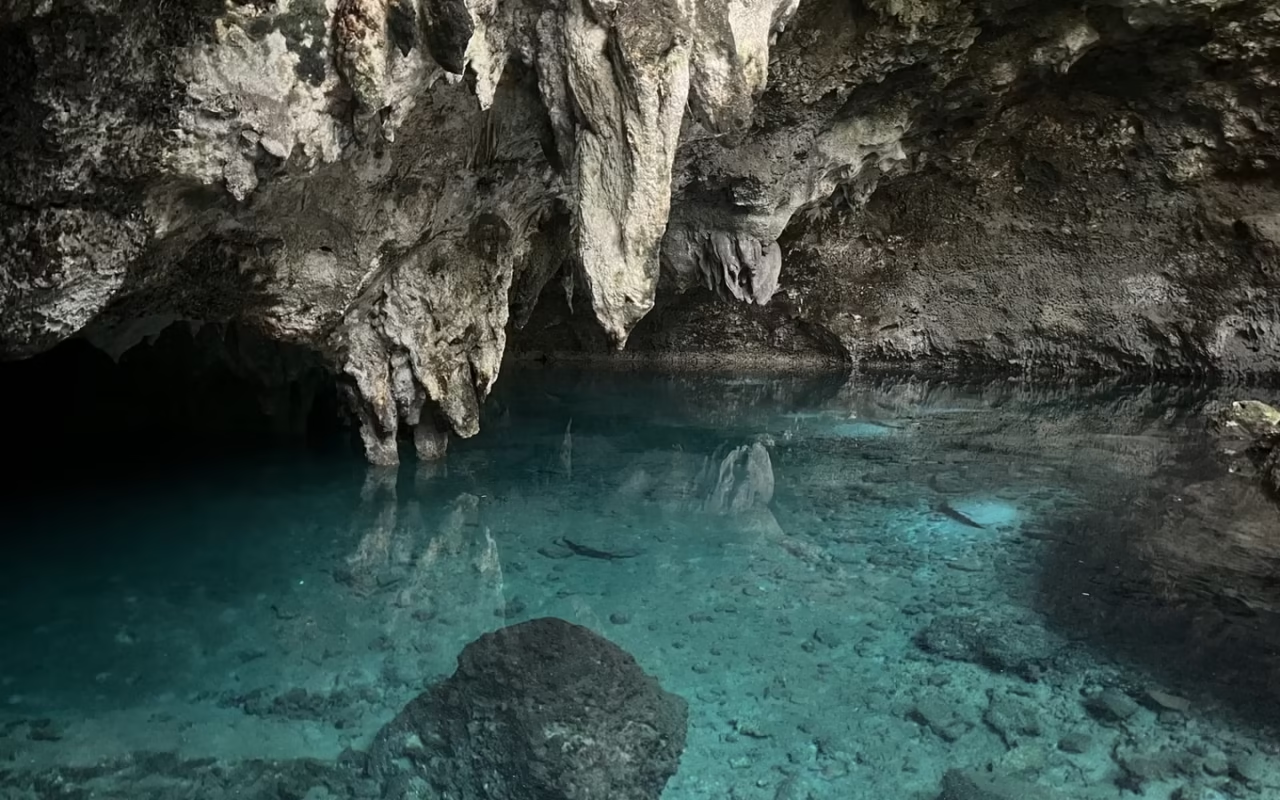
Los Tres Ojos National Park
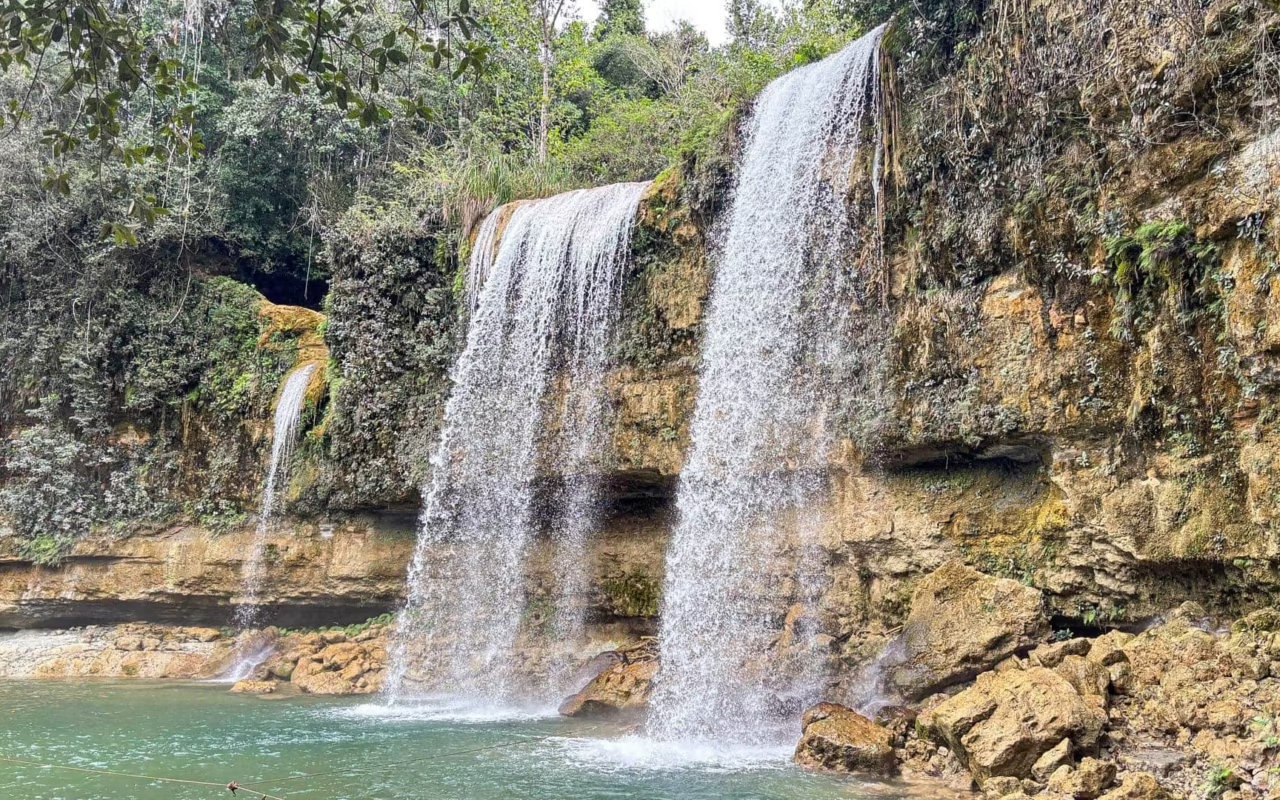
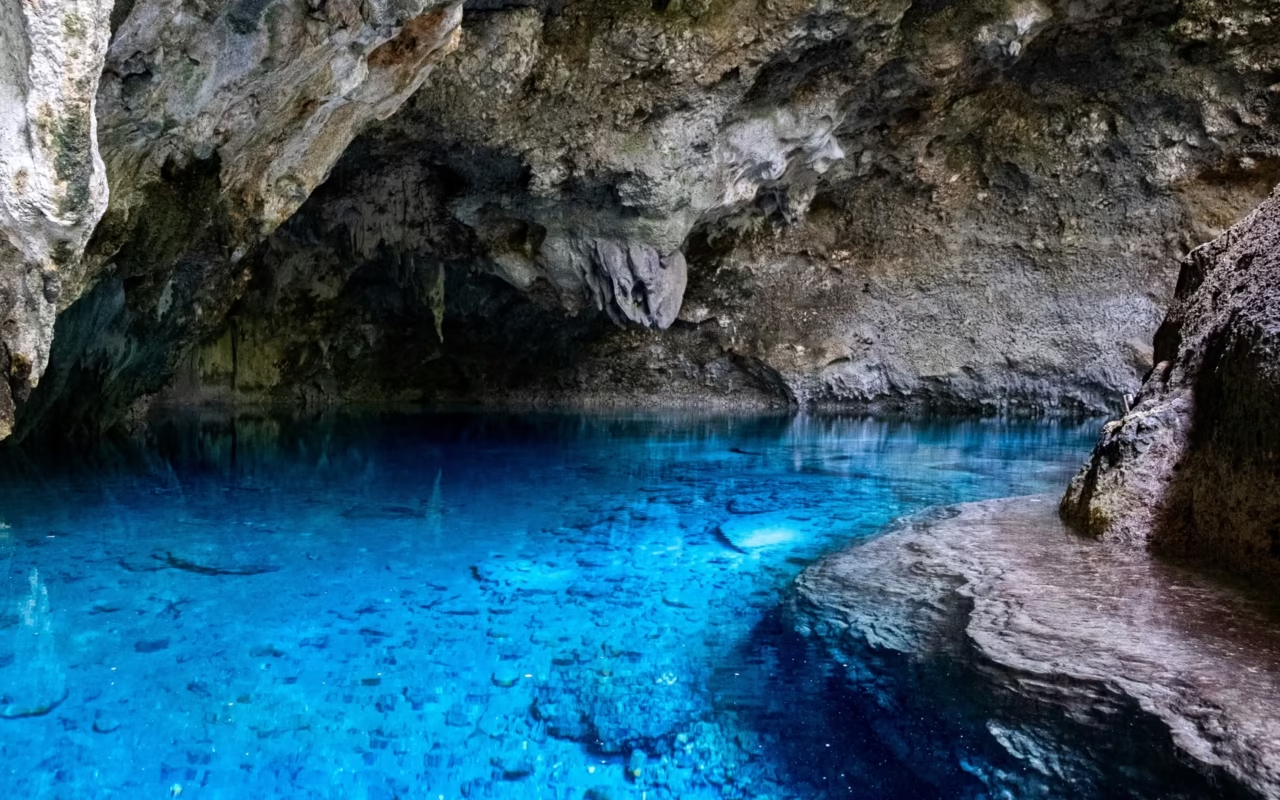
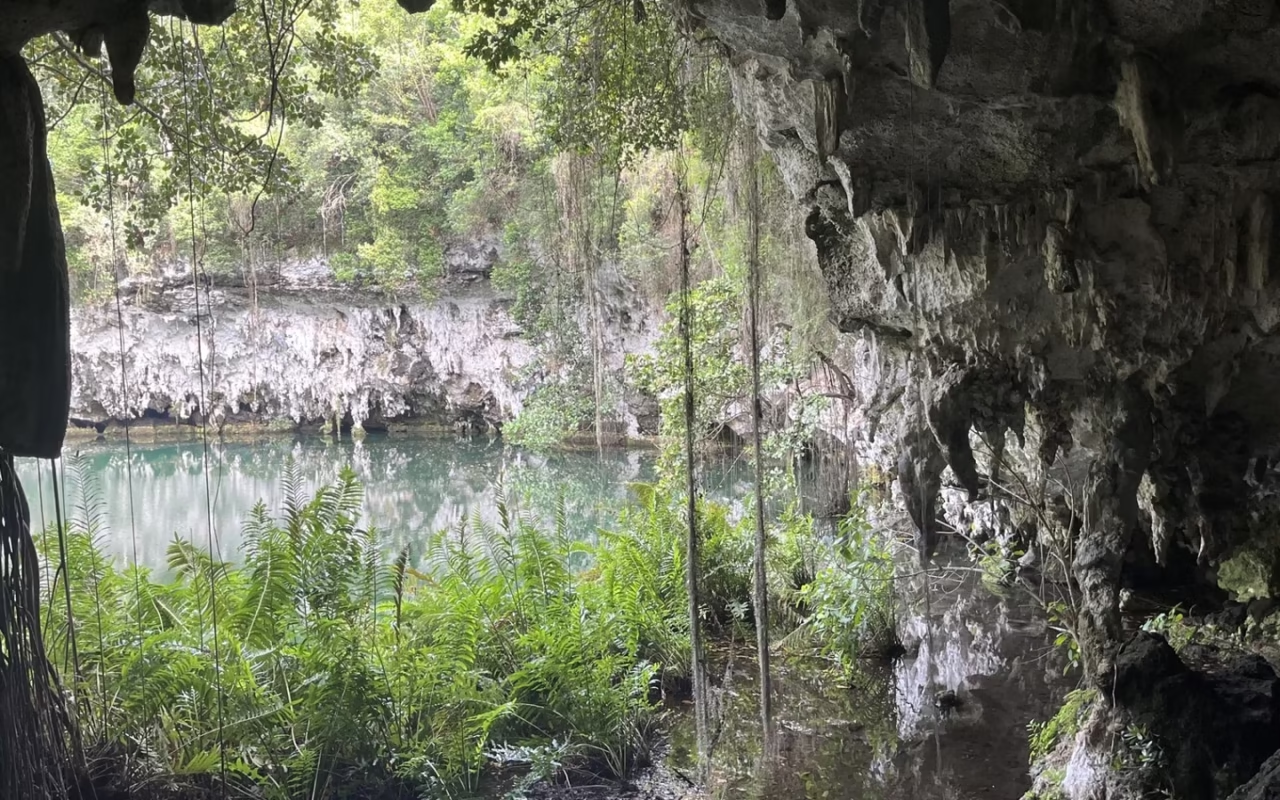
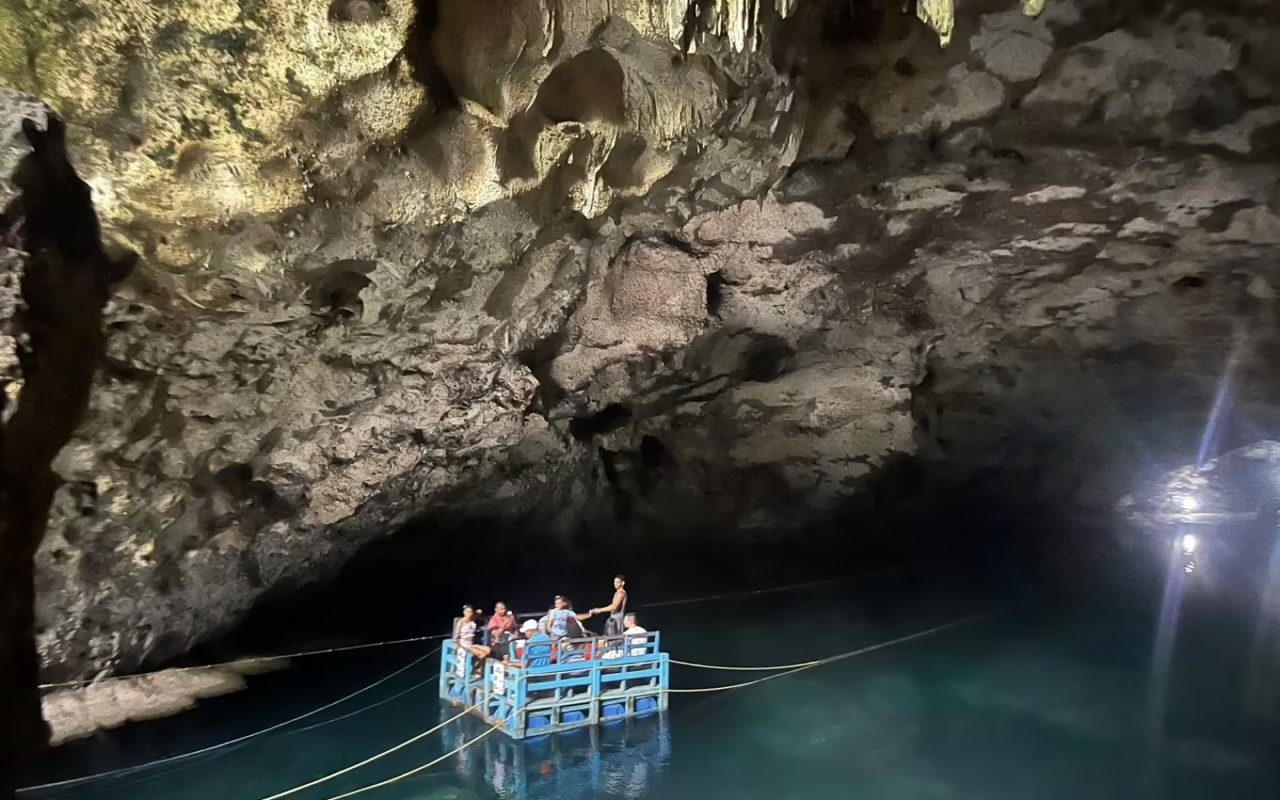
Just a few kilometers from the Colonial Zone, Los Tres Ojos National Park is home to limestone caves and turquoise freshwater cenotes.
Faro a Colón
Inaugurated in 1992 to commemorate the 500th anniversary of Christopher Columbus’s arrival, the Faro a Colón is one of the capital’s most impressive monuments. Built in the shape of a cross, it spans nearly 800 meters and houses several museum spaces dedicated to the cultures of the Americas.
On certain dates, a powerful cross-shaped beam of light is projected into the sky, visible from over 60 km away. Long believed to be the site where Columbus’s remains are housed, the location continues to spark debate and curiosity, making it a powerful symbol—historical, political, and cultural alike.
Santo Domingo Comes Alive at Night: Going Out, Dining, Dancing
Local restaurants and fine dining, live music bars, concerts, lively colmados, impromptu domino games… The capital comes alive as soon as night falls.
We’ll share several hidden gems and local events (especially in the colonial zone) so you don’t miss out on the Dominican vibe!
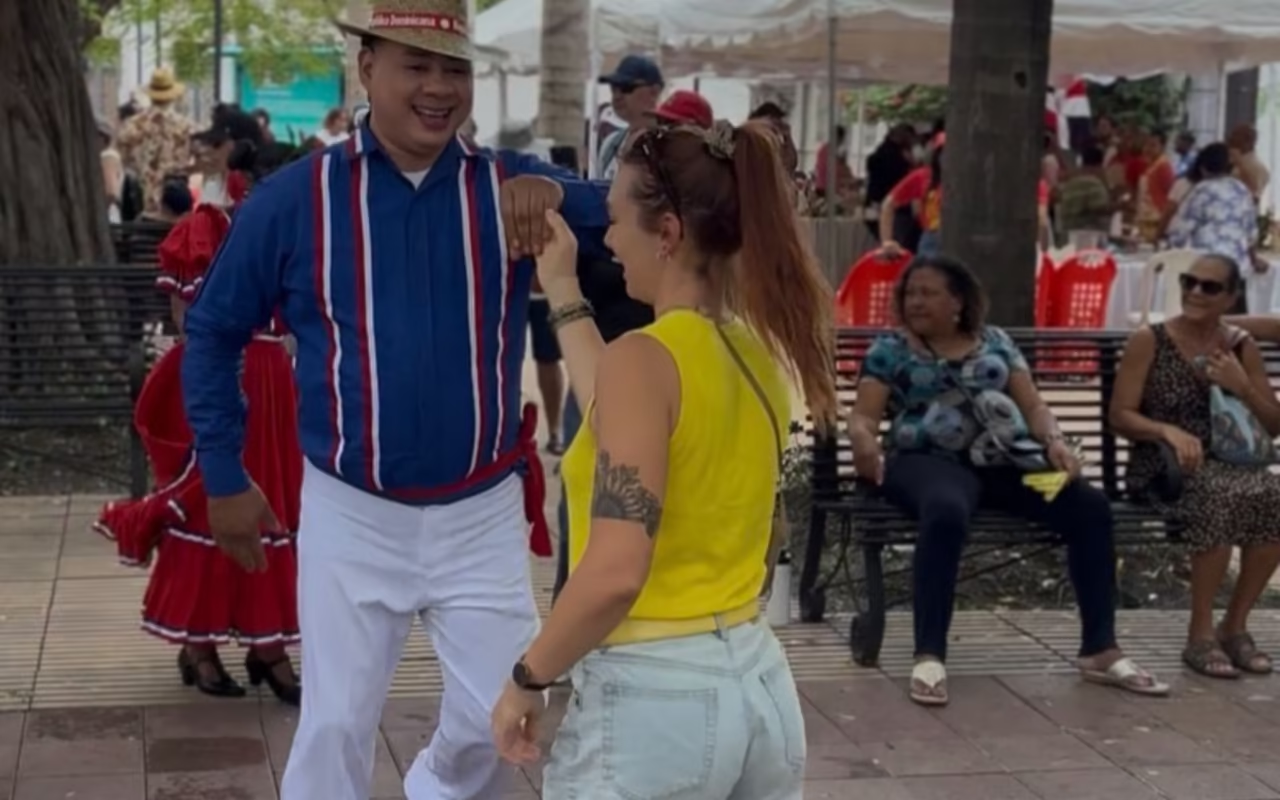
This capital is a place to experience, dance, and share: you’ll see this especially around the colmados (small local shops selling food, drinks, and all sorts of things!) where it’s not uncommon to see several people sharing a local beer, the Presidente, always wrapped in a bag.
One of the most pleasant and lively squares is the Plaza de España, which regularly hosts concerts and events. The surrounding restaurants and bars make it a vibrant spot.
Finally, heading toward the sea this time, Santo Domingo’s Malecón (or boardwalk) stretches along the coast for nearly 14 km. At the end of the day, people come here to walk, visit the amusement park, listen to music, and watch the sunset. It offers an excellent glimpse into Dominican family life.
Experiences that Terra Dominicana invites you to enjoy:
We love to combine historical and cultural tours with other activities, always in the heart of the city:
- an experience centered on Dominican rum,
- chocolate and cocoa workshops,
- a language class to learn Spanish,
- local dance classes to learn the basics of bachata or merengue
- going to see a baseball game (especially between October and January)
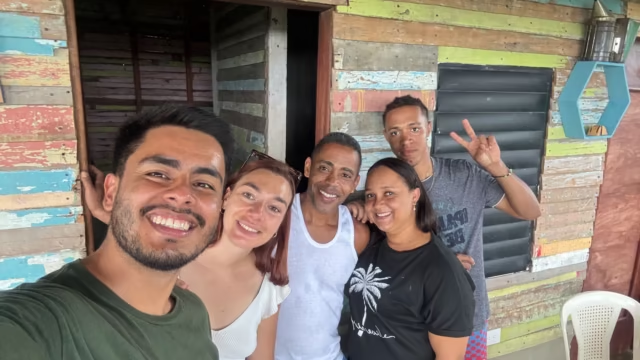
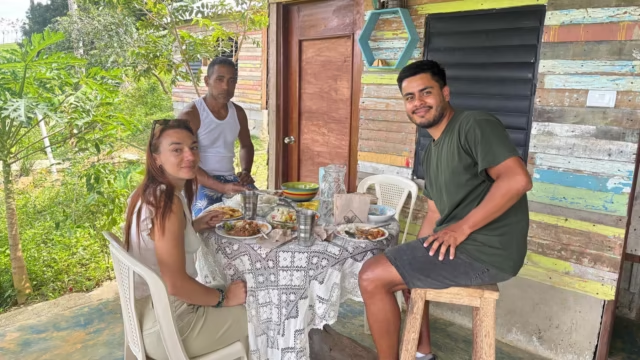
- a night staying with a Dominican family for a deeper immersion in local life
When is the best time to visit Santo Domingo?
The high season runs from December through April. This is the driest time of year, and also the most expensive: lodging rates rise by 30 to 40% in tourist areas.
| Season | Climate | Crowds and Prices | What You Get |
|---|---|---|---|
| December through April | Dry, with temperatures around 28 °C | High season, higher rates | Sunny mornings, mild evenings |
| May through August | Tropical showers in the late afternoon | Low season | Quieter streets and museums |
| September through November | Wettest months | Low season | Affordable prices in September |
The Atlantic hurricane season runs from June through November, peaking in August and September. Showers often occur in the late afternoon; they’re brief and don’t prevent you from going out. Hotel rates return to normal in November.
At Terra Dominicana, we particularly enjoy the months of May, June, and November. The weather remains pleasant, and the attractions are less crowded. Our guide on when to visit the Dominican Republic provides a month-by-month breakdown of the country.
How long should I stay in Santo Domingo?
2 to 3 days—the ideal length of stay
Two days are enough to explore the Zona Colonial, its museum, and its plazas, with an evening stroll along the Malecón. Three days allow you to add a visit to a palace and a cultural outing. You’ll return home with a clear picture of the city.
If you have more time
A week gives you time to explore residential neighborhoods and take day trips to the coast. The beaches on the east coast and the surrounding villages round out your stay. This is the perfect pace for travelers who don’t like to rush.
Where to Stay Depending on the Neighborhood?
The Zona Colonial charms history buffs with its charming hotels housed in restored palaces. The Malecón attracts those who want to wake up to the ocean and enjoy nearby nightlife. The quiet, green Gazcue neighborhood is ideal for families. Three distinct atmospheres, three ways to experience the capital.
Is Santo Domingo safe?
This question comes up again and again in online searches, destination by destination. The capital is easy to visit as long as you take the same precautions you would in any major city. Tourist areas remain lively, and there is a visible police presence in the colonial district.
Avoid carrying your phone or camera in plain sight. Do not venture alone into side streets at night, and use Uber or a pre-booked taxi for evening trips. This advice applies to all major cities in Latin America.
Our guide, “Is Traveling in the Dominican Republic Dangerous? ”, covers the topic on a national scale, region by region.
Santo Domingo FAQ
How much time should you plan for in Santo Domingo?
Two to three nights will give you time to see the Zona Colonial and the surrounding neighborhoods. If you have less than two nights, you’ll have to choose between the city center and the Malecón. Contact us for our recommendations on charming hotels.
Is it safe to walk around downtown?
Yes, as long as you take the usual precautions you would in any big city. The Colonial Zone stays lively well into the evening. Take an Uber or a taxi to get back after midnight.
Do you need a guide for the Colonial Zone?
No, the neighborhood is easy to explore on foot with a map. However, a guide can provide historical context for the palaces and churches. It’s up to you to choose the option that best suits your interest in detail.
Can you see everything in a single day?
Yes, if you stick to the Zona Colonial and the Malecón. The museums alone will take two or three hours. For a first visit, one day is enough to get a feel for the place.
What’s the budget?
For a custom trip with boutique hotels and guided activities, budget $150 to $250 per day per person, not including flights. Restaurants in the city center offer affordable set menus for lunch.
Updated: August 7, 2026
About the Author
Laura, Travel Designer at Terra Dominicana
Laura Grenouillet has been designing custom trips to Latin America for over seven years. She founded Terra Dominicana to help travelers discover a different side of the Dominican Republic—one that’s closer to the locals.
In Santo Domingo, she recalls an evening on the Malecón where music spilled out of the houses until the early hours of the morning. It’s experiences like this that shape the itineraries she creates.
Sources
- Ministry of Tourism of the Dominican Republic, 2026
- SITUR, MITUR’s tourism intelligence center, statistics on air arrivals
- UNESCO – Colonial City of Santo Domingo, fact sheet No. 526
- Go Dominican Republic, 2026
- Personal account of daily life in Santo Domingo, 2025
Sources
- Ministry of Tourism of the Dominican Republic, 2026
- UNESCO – Colonial City of Santo Domingo
- Go Dominican Republic, 2026
- Personal account of daily life in Santo Domingo, 2025