Dominican cuisine is a Creole culinary tradition born from the fusion of Taíno, African, and Europeaninfluences. Rice, red beans, plantains, slow-cooked meats, and seafood make up a hearty, family-oriented cuisine. From morning mangú to Dominican sancocho, each dish tells a collective story.
Dominican cuisine has evolved at the intersection of three cultural heritages: the Taíno people introduced yuca (cassava), corn, and casabe; African influences brought cooking techniques and a culture of sharing; while Europeans introduced livestock farming and stews. To learn more about this heritage, read our article onthe history of the Dominican Republic. And to discover the country’s agricultural regions (coffee, cacao, rum), check out Dominican Regions & Expertise.
1. Mangú with the Three Hits
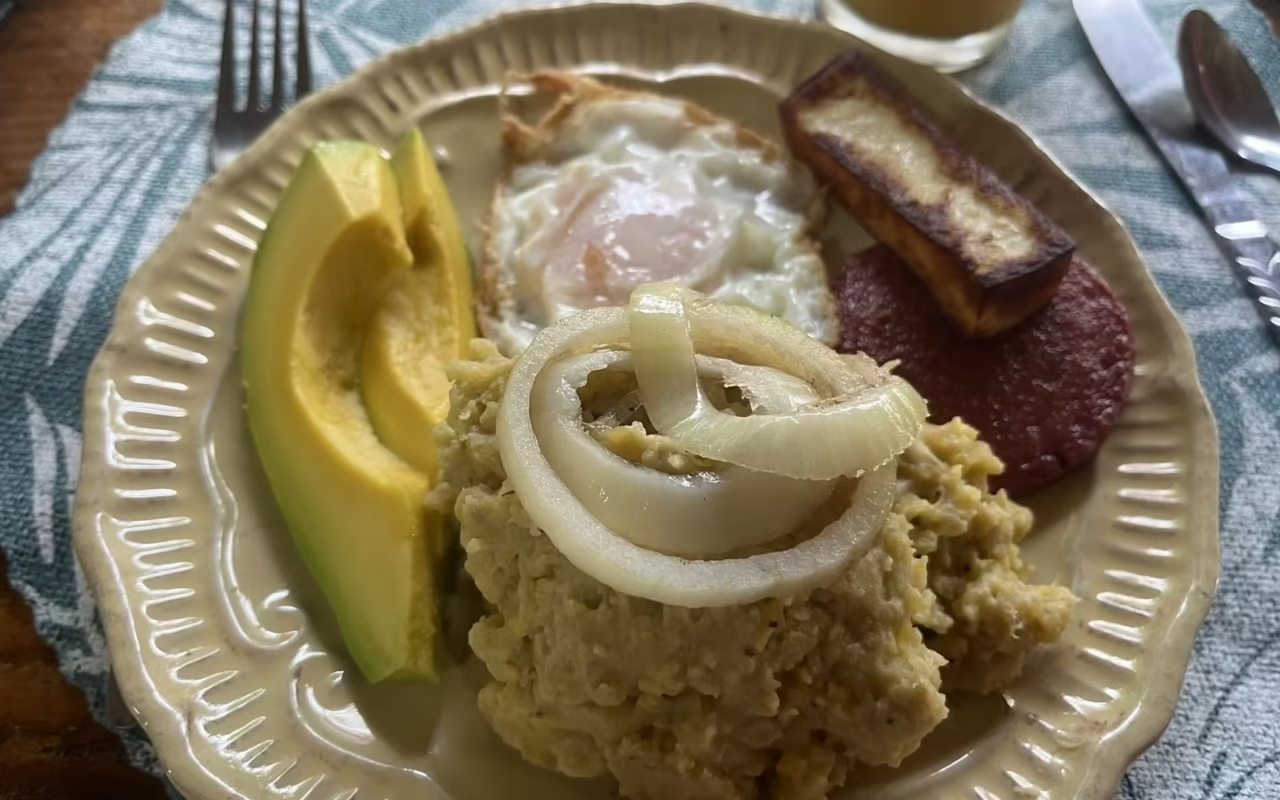
Mashed green plantains with « the three toppings »
Mangú is a staple of the Dominican breakfast. It consists of mashed green plantains, served hot, often garnished with pickled red onions. In its most iconic version, mangú con los tres golpes, it is served with fried cheese, Dominican salami, and fried eggs.
2. The Dominican Flag
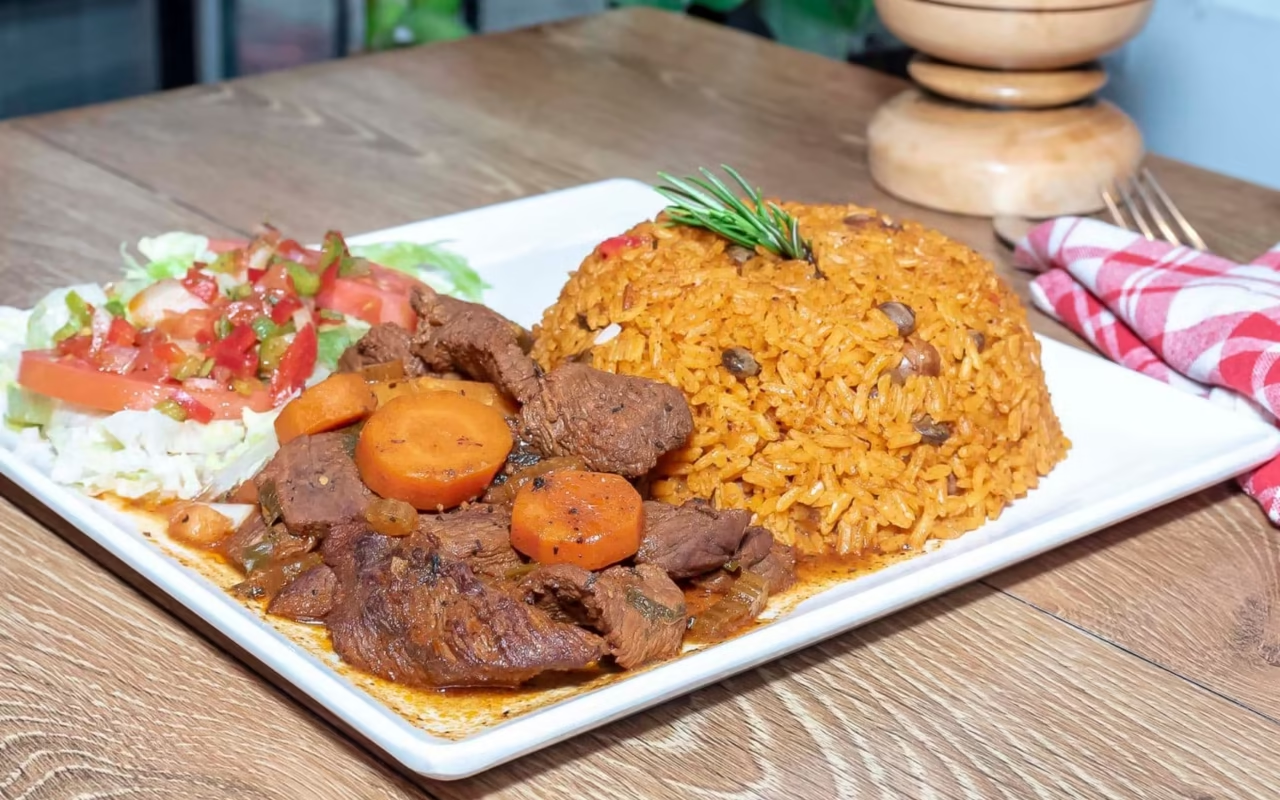
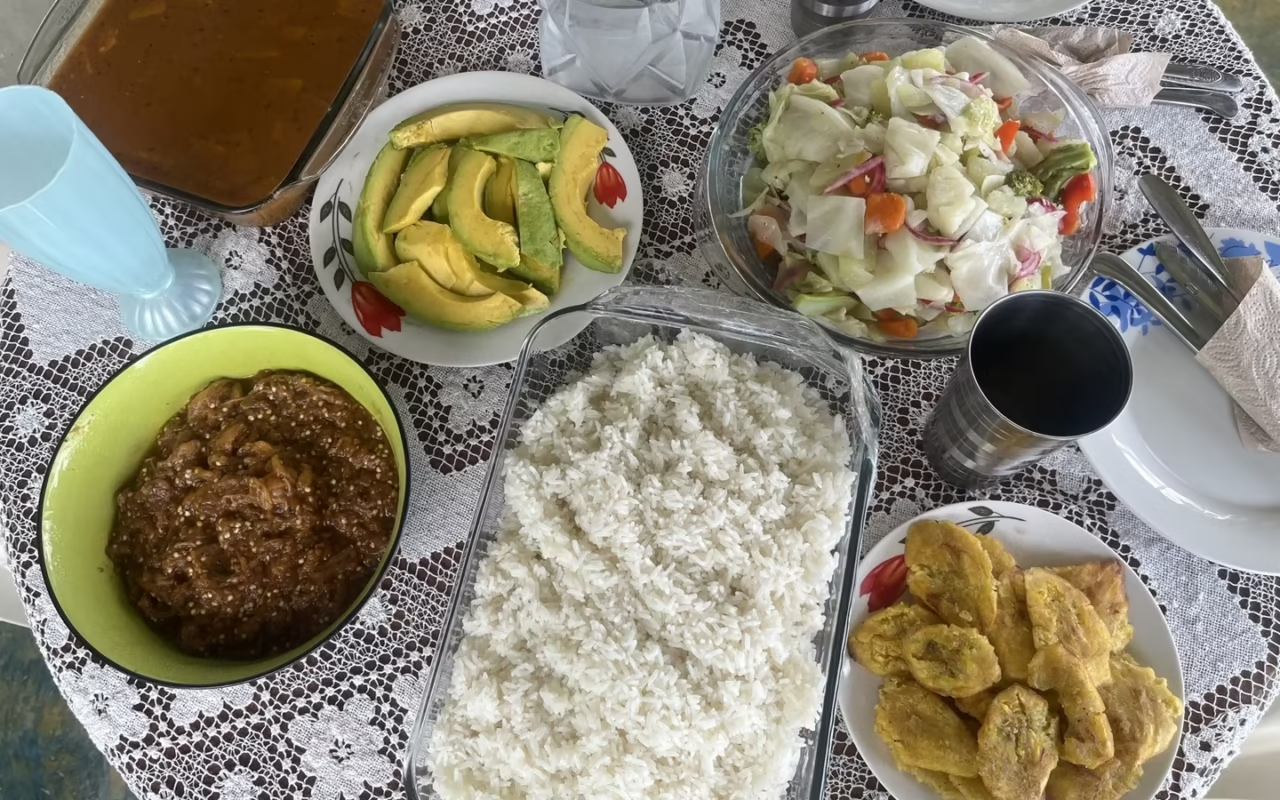
The « Dominican Flag »—rice, red beans, and meat
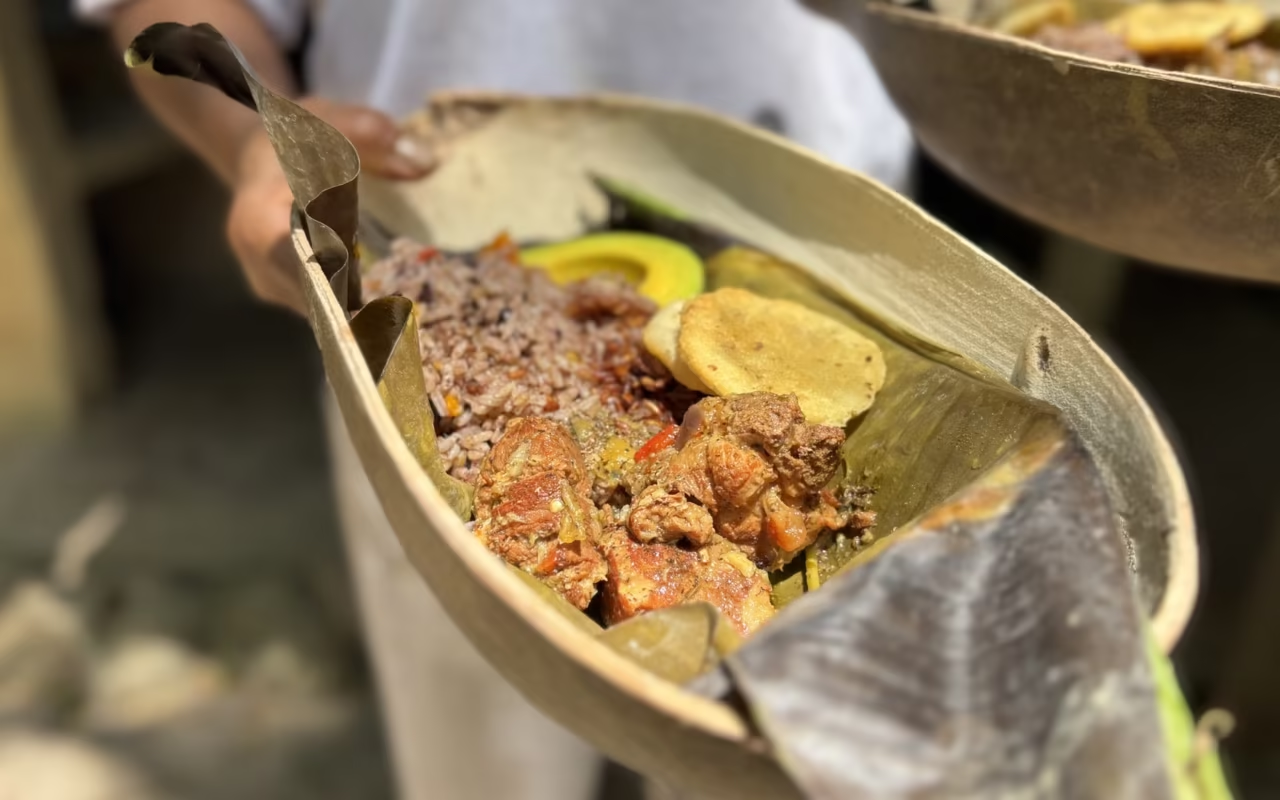
Considered the national lunch, the Bandera Dominicana consists of white rice, red beans (habichuelas), and meat (chicken or beef). Its name refers to the colors of the flag. It is the most common dish in Dominican households.
3. Sancocho
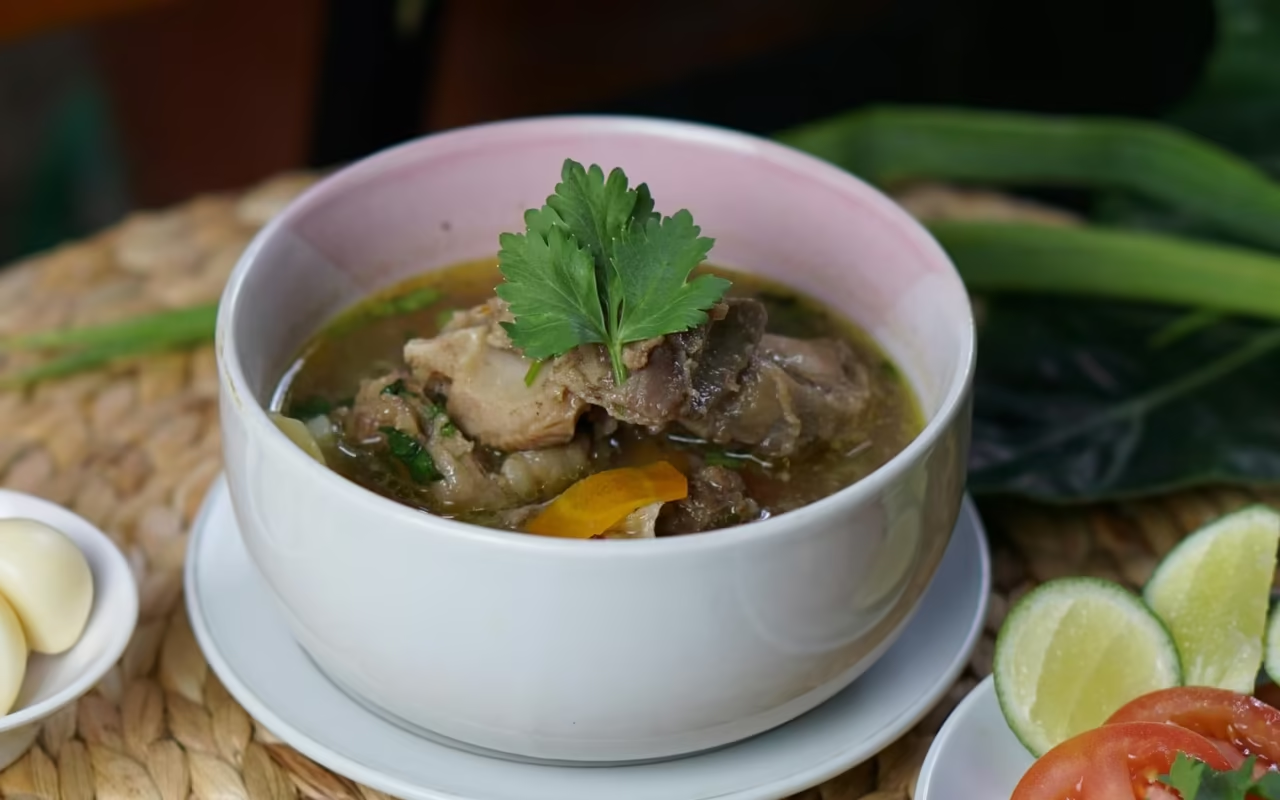
Traditional Dominican stew with meats and root vegetables
Sancocho is a dish for celebrations and gatherings: a thick stew that combines various meats (chicken, pork, beef) and root vegetables such as yuca, yautía, corn, and auyama. Every family has its own version. But one rule remains sacrosanct: no pasta or tomato sauce in a true sancocho.
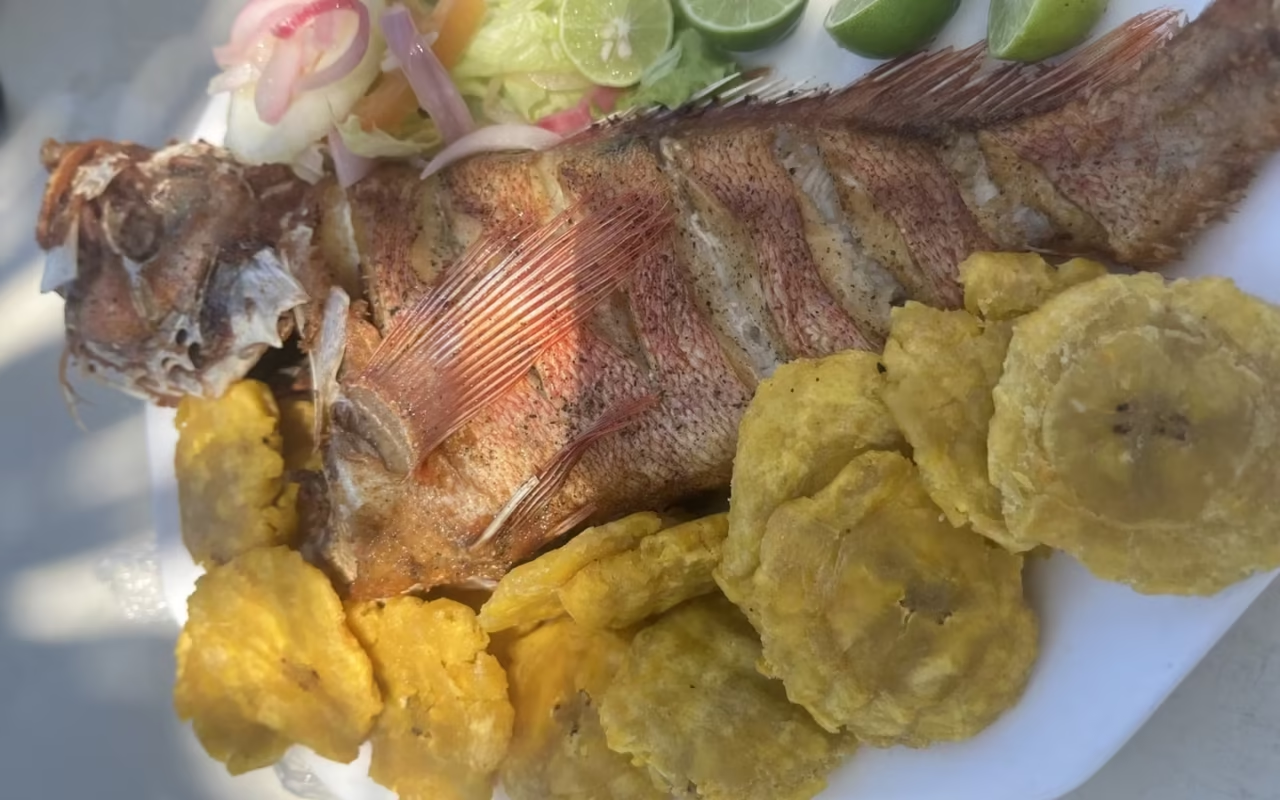
4. Tostones
Friedgreenplantain slices
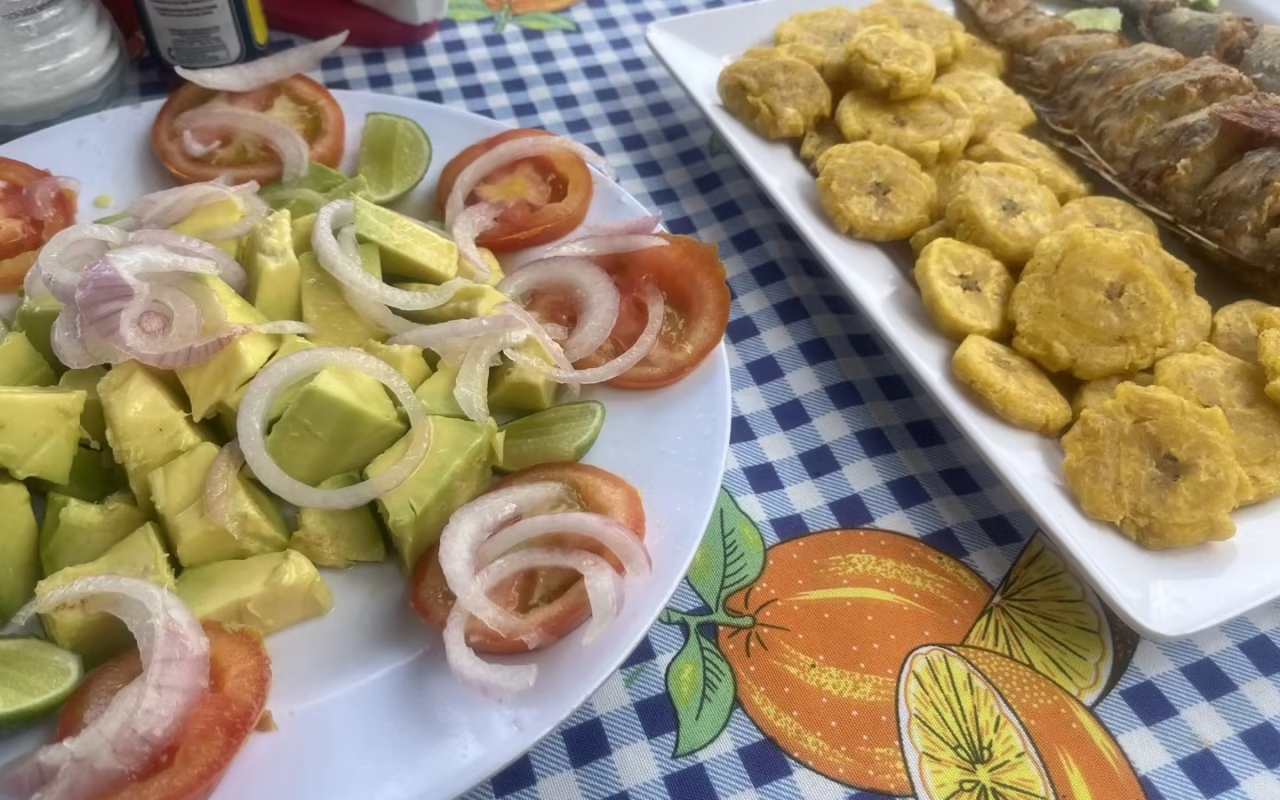
Tostones are slices of green plantain that are fried twice until they are crispy on the outside and tender on the inside. They are served as a side dish with fried fish, chicken, or grilled meats.
5. Mofongo
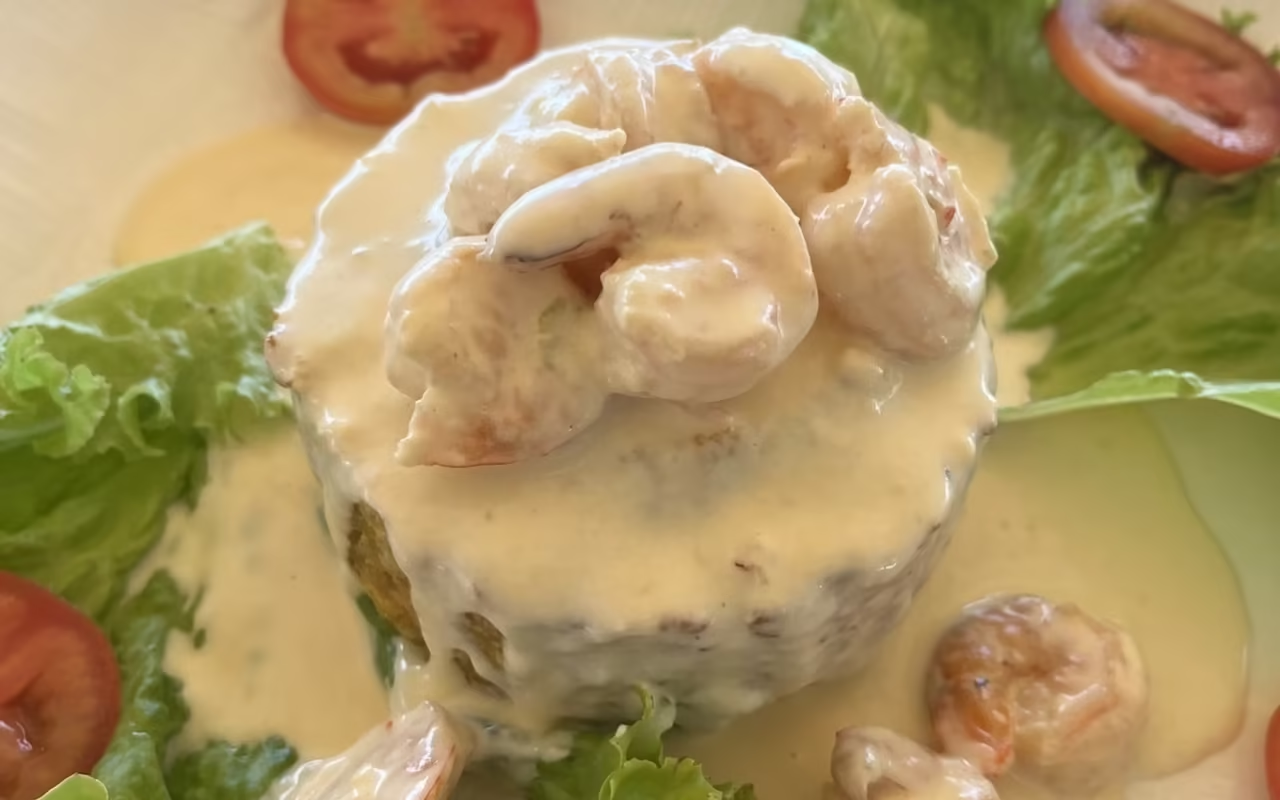
An iconic dish also found in Puerto Rico and Cuba, mofongo is made from fried green plantains, mashed in a pilón (a traditional wooden mortar) with garlic, salt, and pieces of crispy chicharrón. Traditionally served with a meat broth, it now comes in many variations: stuffed with shrimp, topped with Creole sauces, or made with yuca.
6. Habichuelas con dulce
This traditional dessert often surprises visitors: it combines red beans, milk, sugar, sweet potatoes, and spices. Eaten especially during Lent, it’s one of the country’s great culinary traditions (see our cultural calendar for key events throughout the year).
Of course, there are plenty of other culinary specialties, such as fish in coconut sauce, octopus in Creole sauce, garlic shrimp, and fried chicken or fish.
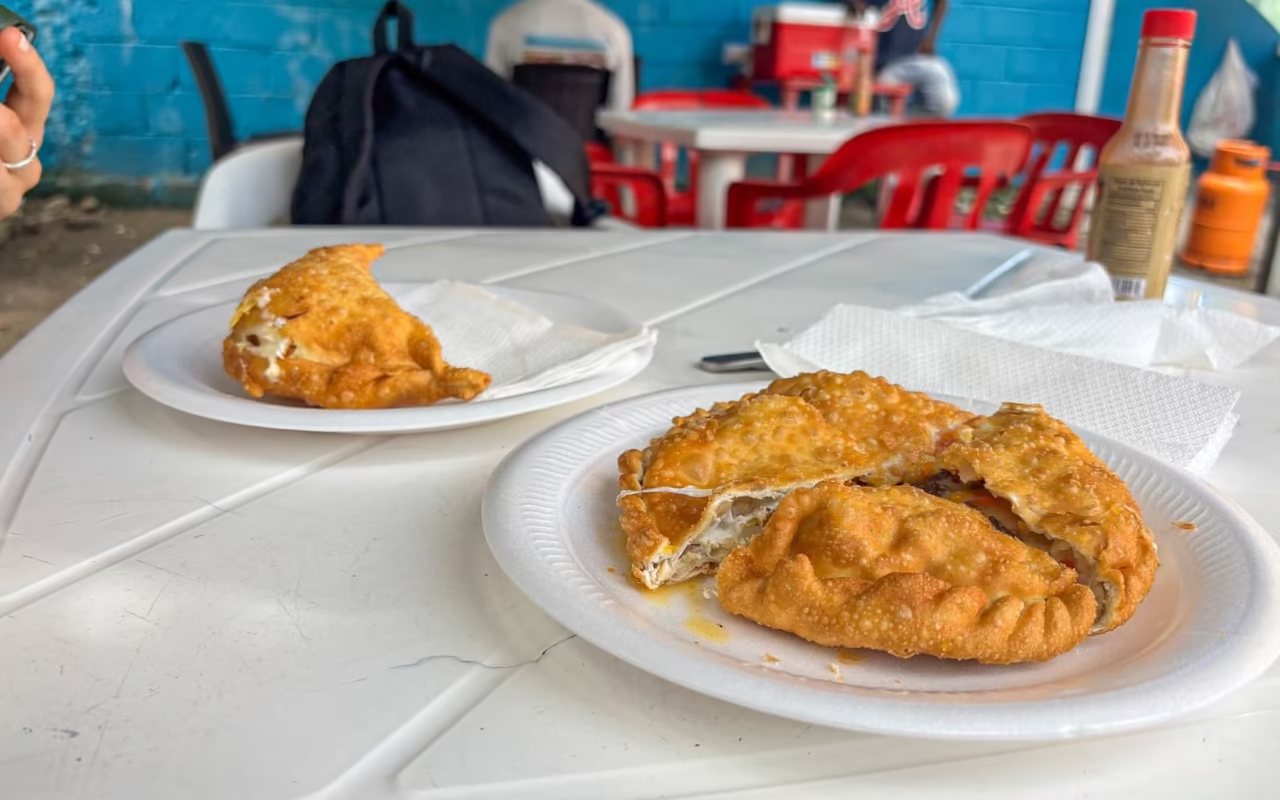
Street food is also an integral part of the Dominican experience, with empanadas, corn fritters, pastelitos en hoja, chicharron with mango and lemon…
Traditional Dominican Beverages
Morir soñando
Literally “to die while dreaming”: a refreshing drink made with milk and orange juice. Sweet and slightly tart, it’s perfect for hot days and is part of Dominican popular culture.
Mamajuana
This refers to the 100% Dominican liqueur that is commonly served as a « shot. » Some are aged for several years to develop maximum flavor. It’s a delicious blend of red wine, rum, honey, and about twenty different spices, which give it a rich array of aromas.
Terra Dominicana & Gastronomy: Our Way of Introducing You to the Country’s Flavors
At Terra Dominicana, all our travelers receive an exclusive guidebook, compiled by our team after on-the-ground research and testing: small local eateries, neighborhood colmados, renowned street food spots, family-run restaurants, and top-notch dining destinations.
Quality produce from Dominican farmland
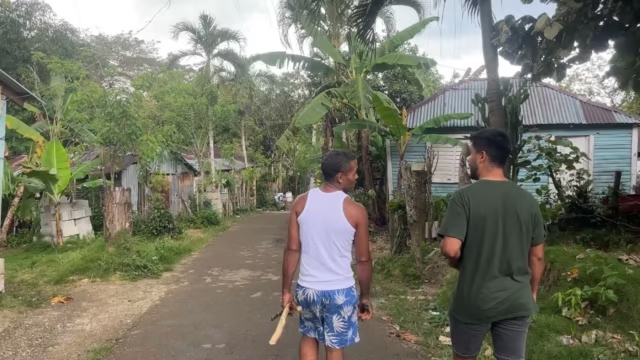
The Jarabacoa & Constanza region is one of the richest in fresh agricultural produce: vegetables, coffee, cacao, local meats, and cheeses.
Gastronomic City Tours in Santo Domingo
During our guided city tours in Santo Domingo, we’ll take you to iconic spots like Barra Payán, a working-class neighborhood known for its fried foods, fresh juices, and authentic Dominican atmosphere.
Cooking classes in the heart of the Dominican Republic
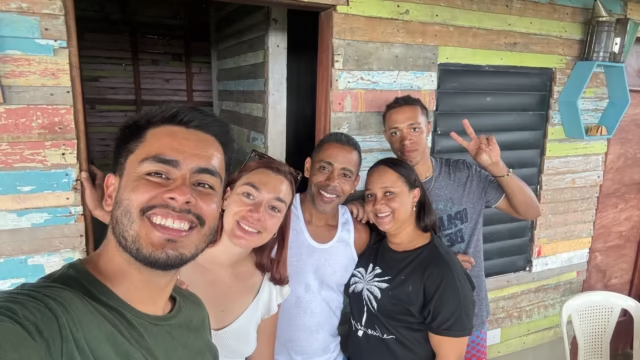
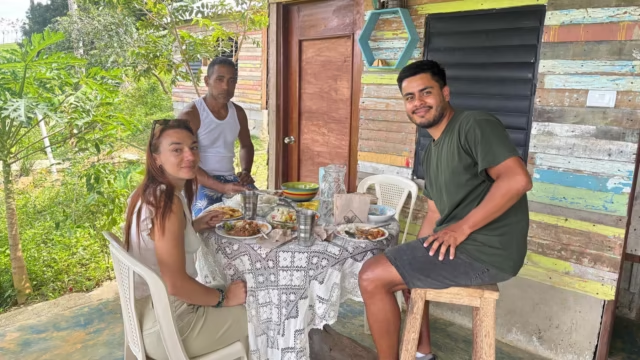
You can also experience a cooking class in a local’s home: learn to prepare mangú, a Bandera Dominicana, or mofongo, share family recipes, and gain insight into the ingredients used in the very heart of Dominican households. These experiences are available through our custom-designed trips.
Conclusion
Dominican cuisine is a gateway to the soul of the country. From morning mangú shared in a local home to festive sancocho, each dish tells a story of cultural fusion, resilience, and camaraderie. Convinced? Plan your trip with us to taste the real Dominican Republic.
About the Author
Laura Grenouillet is the founder of Terra Dominicana. Convinced that cuisine is a gateway to a country’s soul, she designs itineraries where encounters, local flavors, and cultural transmission take center stage.