At a Glance
- Kitesurfing and windsurfing: Cabarete (north coast) is the top spot in the Caribbean. Las Terrenas is the quieter alternative.
- Surfing: Playa Encuentro, Playa Grande, and Playa Macao are the top spots depending on your skill level.
- Wingfoil and SUP: rapidly growing in Cabarete and Las Terrenas.
An Underrated Winter Sports Destination
The Dominican Republic isn’t always the first destination that comes to mind for surfers. And yet, with nearly 400 kilometers of coastline exposed to the swells of the North Atlantic, a wide variety of reefs, bays, and open beaches, the country offers far more waves and wind than there are riders. After Cuba, it’s the largest island in the Caribbean, and its northern coast is home to some of the best surfing spots in the entire region. Whether you’re a beginner at kitesurfing, a windsurfing enthusiast, or looking for a hidden gem of a surf trip, there’s a spot suited to your skill level.
Kitesurfing and Windsurfing:
Cabarete, the water sports capital of the Caribbean
Why is Cabarete the gold standard?
Cabarete isn’t just the best spot in the Dominican Republic—it’s one of the world’s most renowned destinations for kitesurfing and windsurfing. Its reputation is built on solid fundamentals: the Atlantic trade winds blow consistently and steadily at 20 to 25 knots from December through August, almost every day. The bay is wide, protected by a coral reef about 500–600 meters from the shore, offering a safe lagoon for all skill levels, with reef breaks for advanced riders.
Air and water temperatures hover around 28°C—no wetsuit required. Cabarete is where several world kitesurfing champions have emerged, and where international competitions are held regularly.
Spots in Cabarete
Kite Beach —located north of the village, this is the windiest and most popular spot. The area is clearly divided into kiteboarding and windsurfing zones to avoid interference. Ideal for experienced riders, especially in the afternoon when the wind reaches its peak (1:00 PM–7:00 PM).
Bozo Beach — more centrally located, with a shallow area perfect for beginners and lessons. The lagoon is more accessible here, with flat to slightly choppy water, and instruction provided by several certified schools.
For wave enthusiasts, the reef 500–600 meters from shore offers waves ranging from 1 to 3 meters depending on conditions, particularly from November through April. Downwind trips to Playa Encuentro are also very popular.
Best Time to Kiteboard in Cabarete
| Period | Requirements | Recommended Profile |
|---|---|---|
| December – March | Side-offshore wind, frequent waves over the reef | Experienced wave riders |
| May–August | Trade winds 20–25 knots, steady side-shore wind, flatter lagoon | All skill levels — peak kitesurfing season |
| September–November | Hurricane season, irregular winds, possible rain | Best avoided unless conditions are exceptional |
Practical note: The nearest airport is Puerto Plata (Gregorio Luperón), about 40 km from Cabarete, or a 30–40-minute drive. It’s also possible to fly into Santo Domingo (about a 3.5–4-hour drive). There are few direct flights from France to Puerto Plata—it’s best to plan for a layover. For flight details, see our flight guide.
Kitesurfing in Las Terrenas: The English-Speaking, Relaxed Alternative
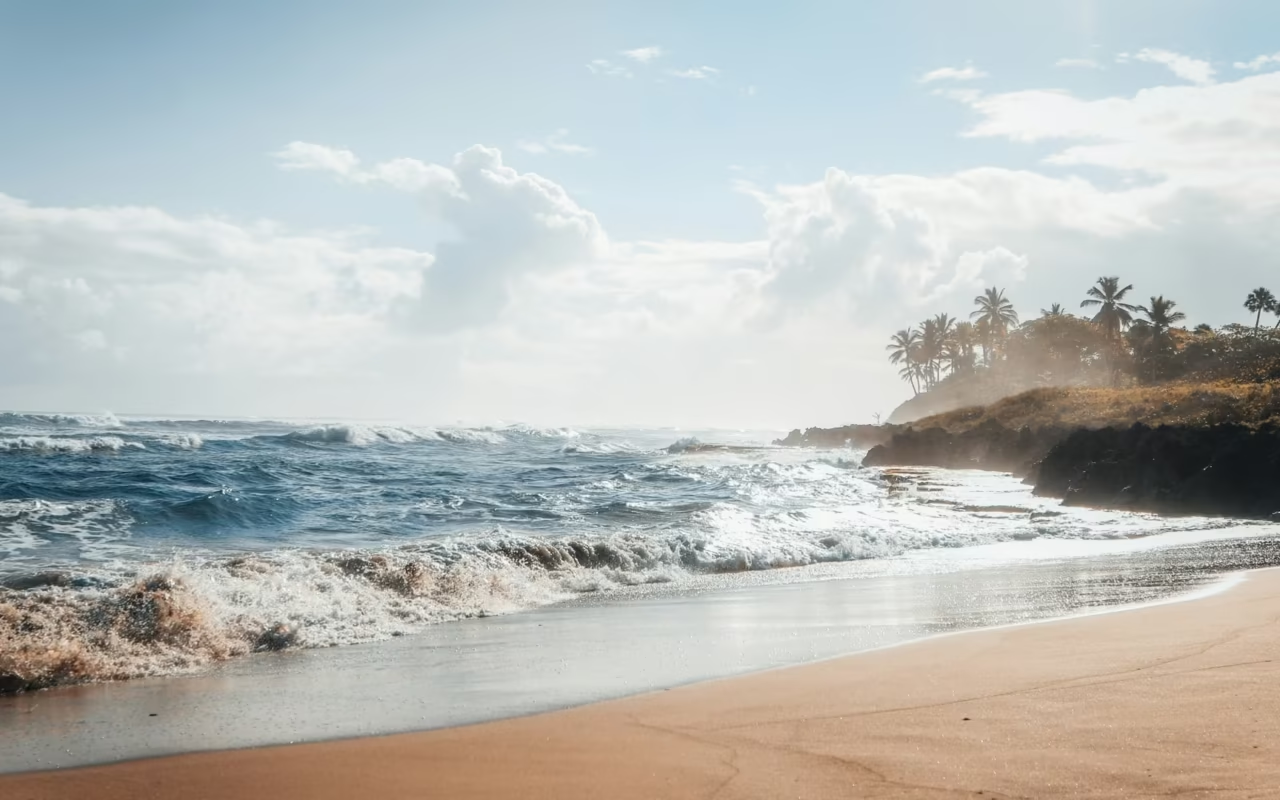
While Cabarete remains the go-to spot for technical kitesurfing, Las Terrenas offers a much more laid-back option. The main spot is located at Playa Punta Popy, where the thermal wind typically picks up in the early afternoon. The trade winds blow between 15 and 20 knots from December through late August, bolstered daily by the thermal wind. The site features two lagoons at different levels—shallow water for beginners and open water for more advanced riders—and a downwind ride of about 1 hour and 30 minutes between the two.
The atmosphere is more peaceful, ideal for combining kitesurfing, a beach vacation, and exploring the Samaná Peninsula. We work with English-speaking service providers in this region.
Surfing: The Best Spots in the Dominican Republic
The north coast, facing directly onto the Atlantic, gets the most consistent swell. The waves are good there almost all year round, with conditions generally cleaner in the morning before the thermal wind picks up.
1. Playa Encuentro — The go-to spot for all skill levels
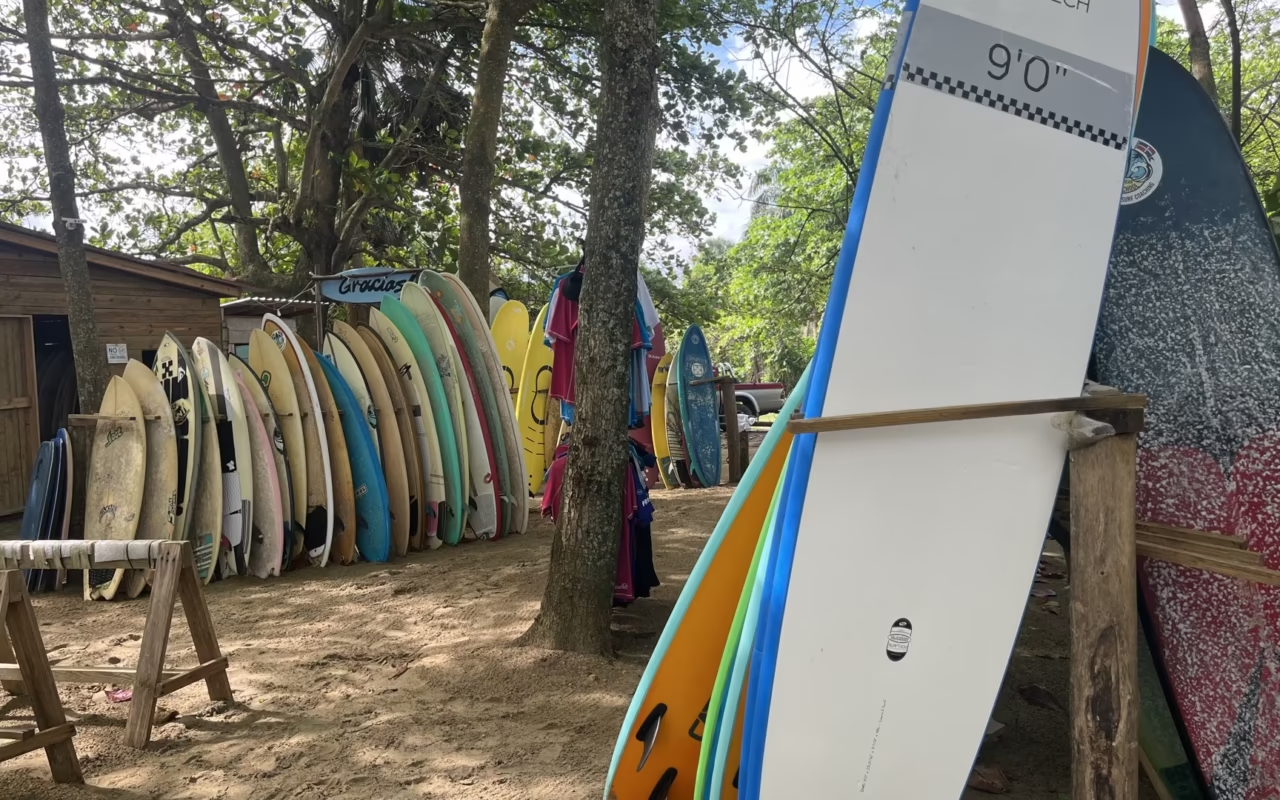
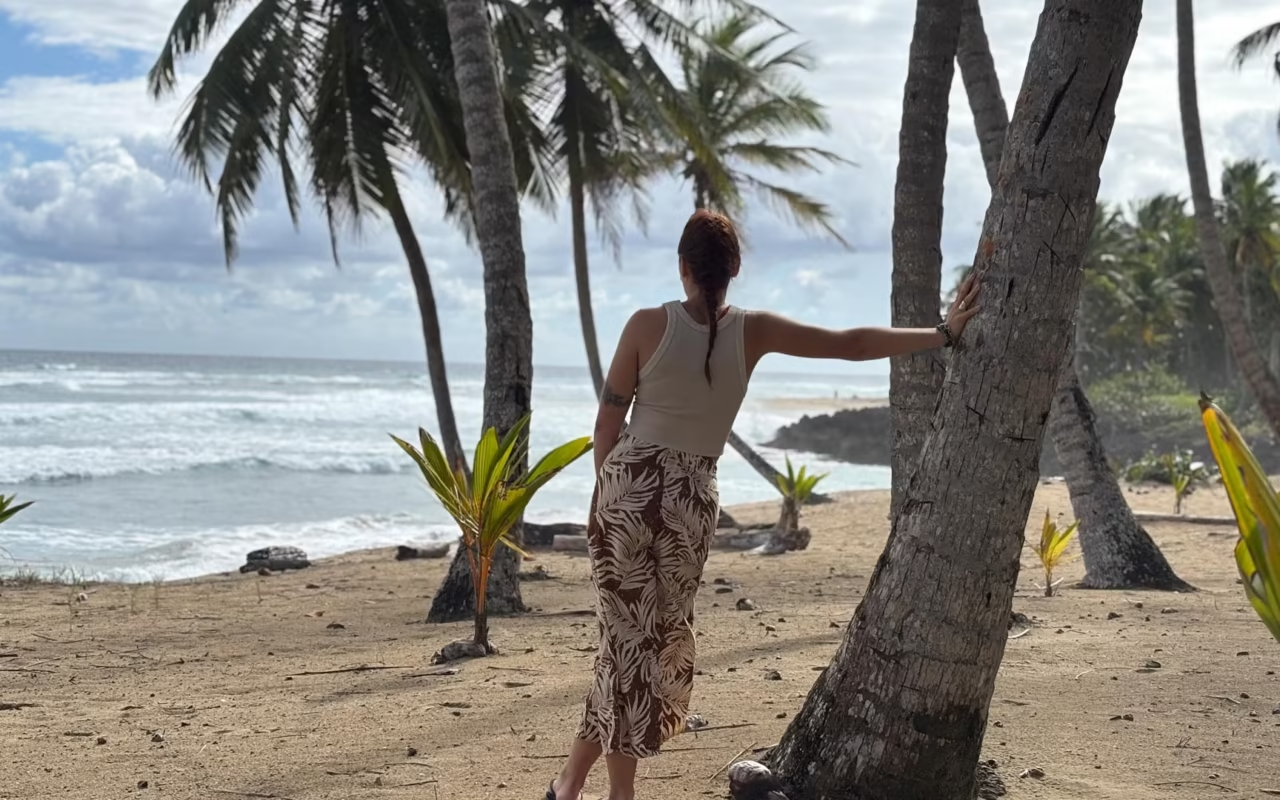
Located between Sosúa and Cabarete, Playa Encuentro is the most consistent surf spot in the country. The rocky seabed contributes to the consistency of the waves. Some sections offer gentle, progressive waves for beginners, while others are faster and more technical for experienced surfers. The best conditions are early in the morning, before the wind picks up.
For surfers looking for consistency and a structured environment (surf schools, board rentals, local advice), Playa Encuentro is the most reliable choice in the country.
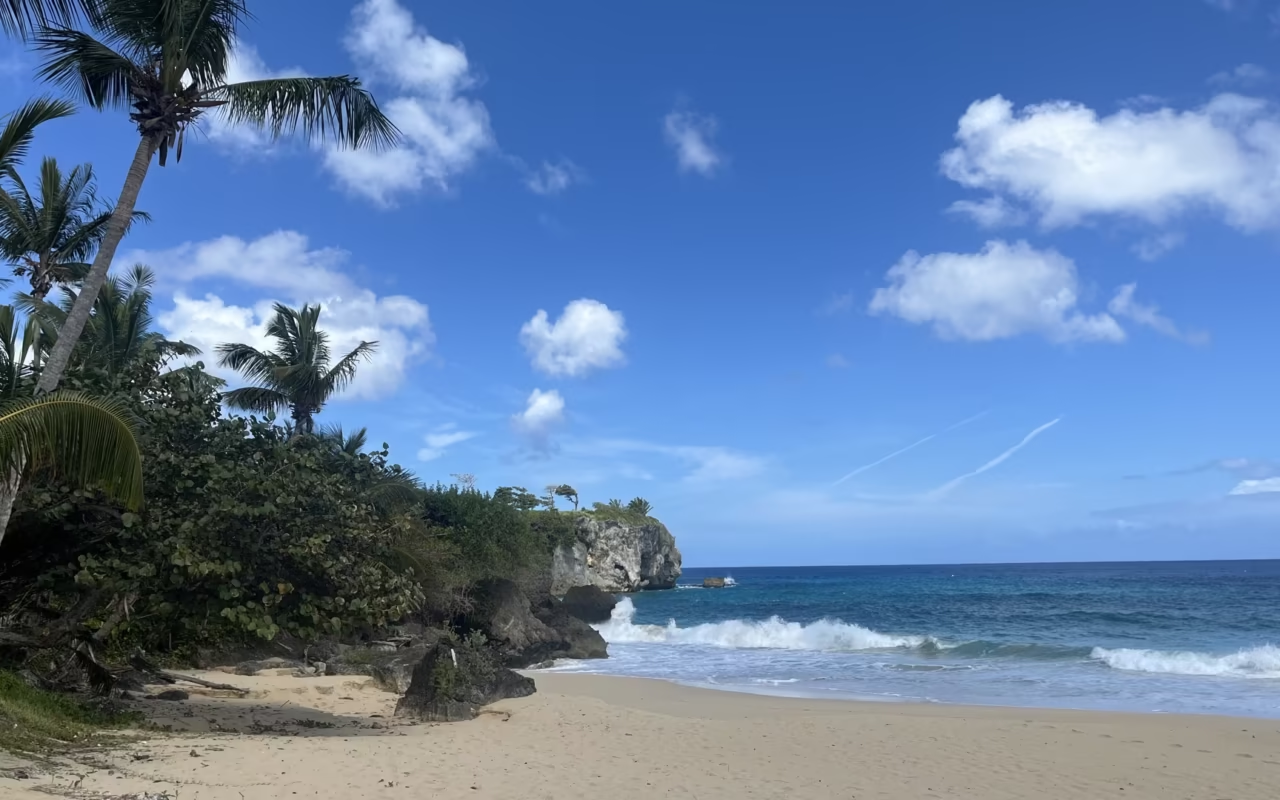
2. Playa Grande — For experienced surfers
In Río San Juan, Playa Grande offers a different kind of experience: more powerful waves, sometimes hollow, with strong currents depending on the swell. The spot features alternating right- and left-hand breaks depending on the sandbars. It’s a more challenging experience, reserved for intermediate or advanced surfers looking for power and space.
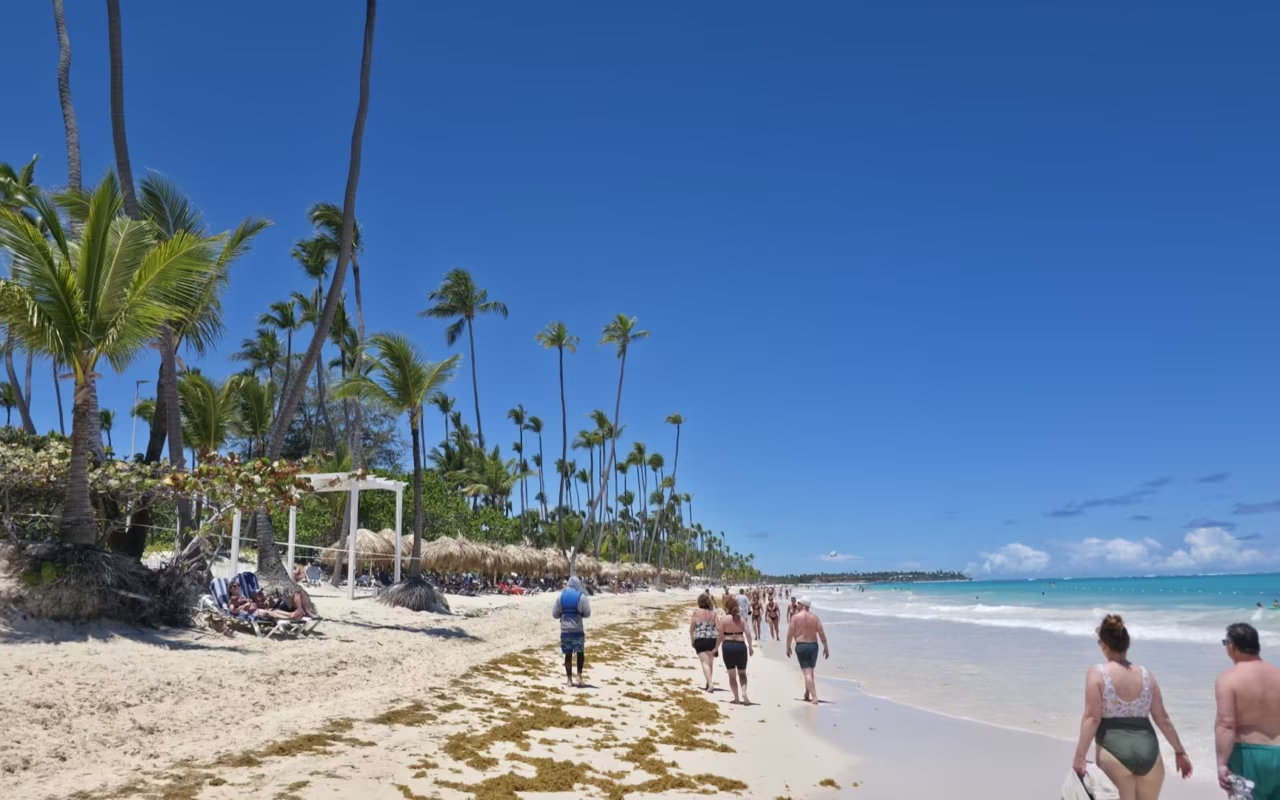
3. Playa Macao — Casual surfing from Punta Cana
For those staying in Punta Cana, Playa Macao offers a chance to surf without leaving the area. The waves there are less consistent than on the north coast, but the sandy bottom makes it a safer option for beginners or occasional surfers. It’s ideal for beginners or travelers who aren’t there solely to surf.
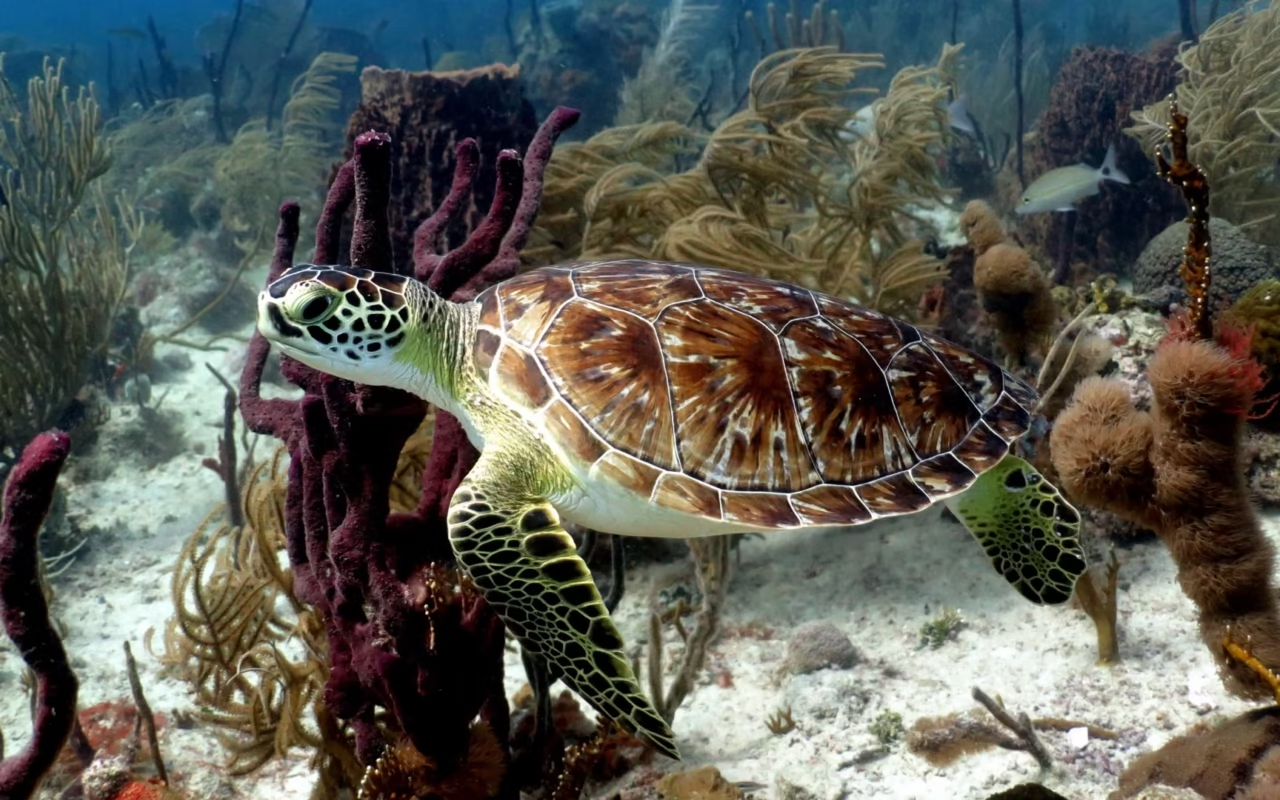
Diving Tour in the Dominican Republic: private or small-group tours
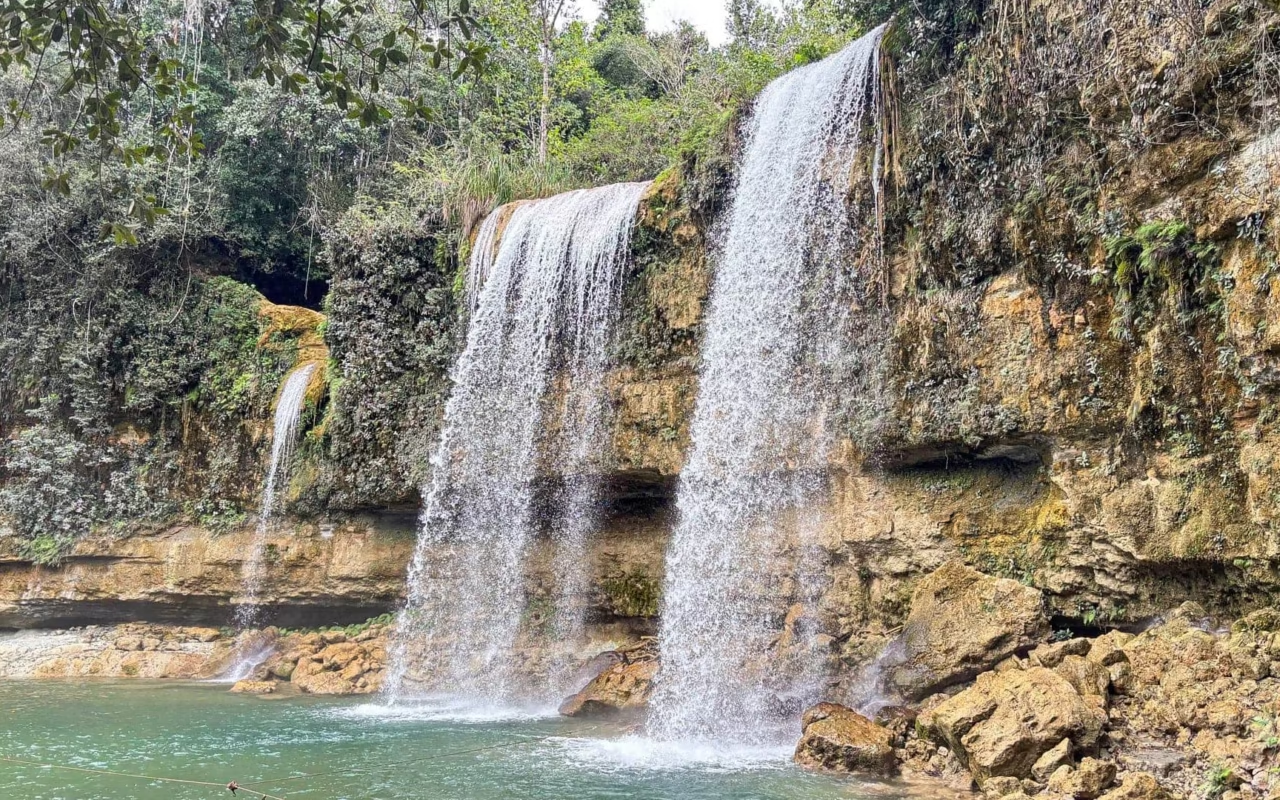
Nature Tour in the Dominican Republic: Waterfalls, Cenotes, and Untouched Beaches
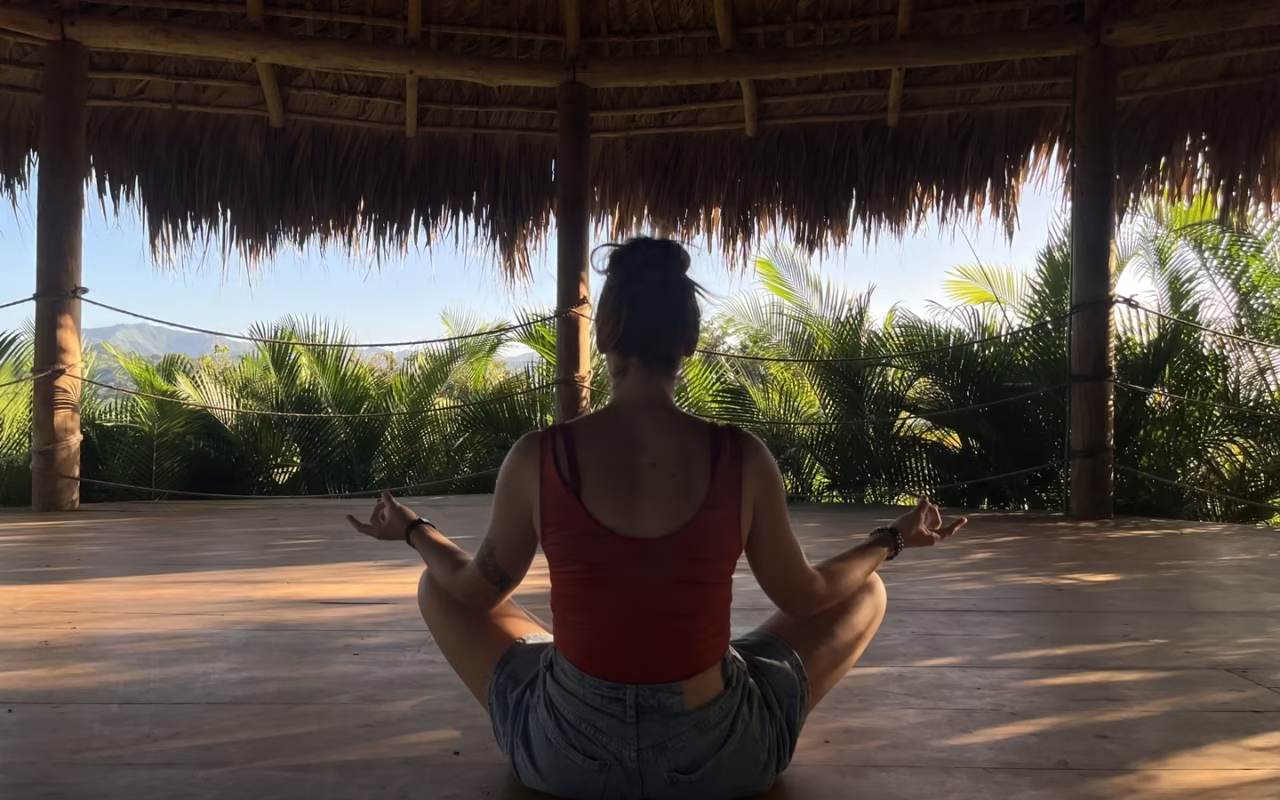
A Getaway in the Dominican Republic: Encounters, Adventures, and Wellness
Comparison Table of Spots
| Spot | Activity | Level | Best Time |
|---|---|---|---|
| Cabarete — Kite Beach | Kitesurfing, windsurfing | Intermediate / Advanced | May–August (kite), Dec.–March (waves) |
| Cabarete — Bozo Beach | Kitesurfing, wingfoiling | Beginner / Intermediate | December – August |
| Las Terrenas — Punta Popy | Kitesurfing | All levels | December – August |
| Playa Encuentro | Surfing | All levels | Year-round (mornings) |
| Playa Grande | Surfing | Intermediate / Advanced | Fall / Winter |
| Playa Macao | Surfing | Beginner | Variable |
Frequently Asked Questions
Can you surf year-round in the Dominican Republic?
Yes, mainly on the north coast thanks to the Atlantic swell. Playa Encuentro is good for kitesurfing almost all year round. The hurricane season (September–November) can bring good swells but also unstable conditions.
When is the best time for kitesurfing in Cabarete?
May, June, and July are generally the most consistent months, with trade winds between 15 and 25 knots that gradually pick up by late morning. December through March is excellent for wave riders. Avoid traveling between September and November (hurricane season). For more details, see our seasonal guide.
Is the destination overcrowded?
No. Compared to other Caribbean destinations, visitor numbers remain moderate. It’s often possible to find space on the water, including in Cabarete outside of competition periods.
Can you take lessons there?
Yes. Cabarete and Playa Encuentro have IKO (kitesurfing) and ISA (surfing) certified schools with experienced instructors. For French speakers, Las Terrenas is ideal: our local partners offer lessons in French.
Conclusion
The northern coast of the Dominican Republic offers a rare concentration of water sports spots within a radius of just a few kilometers. Cabarete is a world-class destination for kitesurfing and windsurfing. Playa Encuentro is one of the most consistent surf spots in the Caribbean. And all of this blends seamlessly with the hikes, waterfalls, and nature parks of the Dominican hinterland.
At Terra Dominicana, we incorporate these water sports experiences into your itinerary based on your profile and work with carefully selected providers to ensure you receive professional guidance.
About the Author
Laura Grenouillet is the founder of Terra Dominicana. She has explored the country’s northern coast on multiple occasions—including Cabarete, Sosúa, and Río San Juan—to assess the surfing conditions and the quality of local infrastructure.
Sources
- Dominican Surfing Federation (FEDOSURF) — fedosurf.org
- ION CLUB Cabarete — Complete Guide to Kitesurfing and Windsurfing in Cabarete
- Field data from Cabarete, Sosúa, and the northern coast, 2025