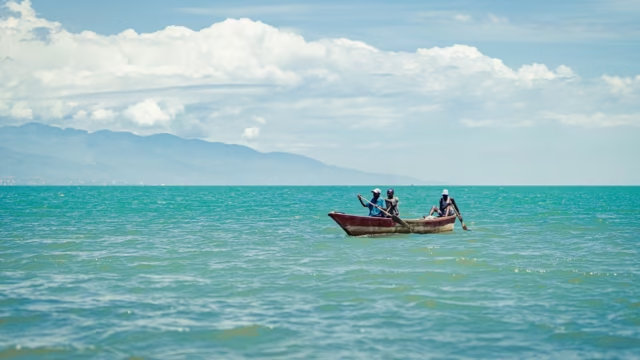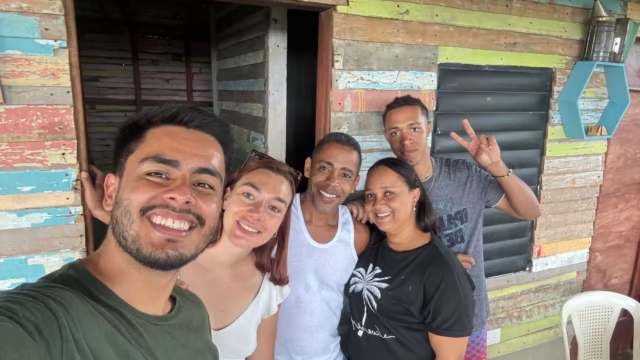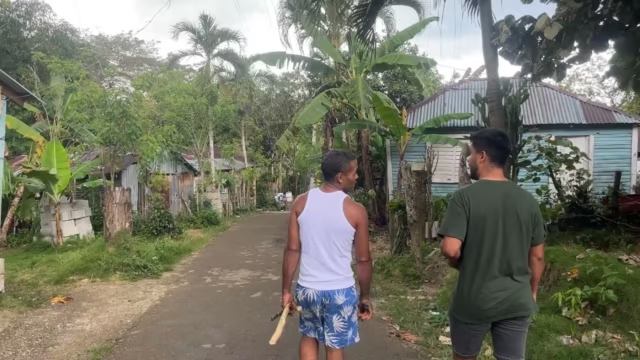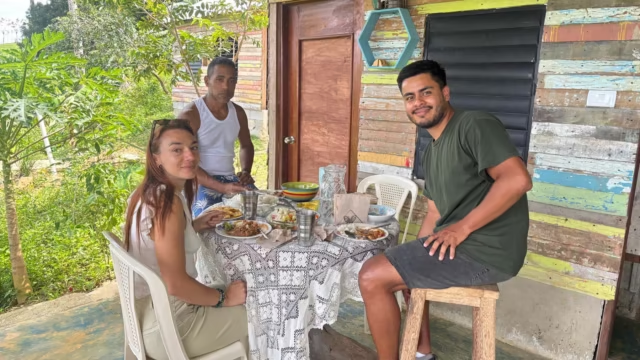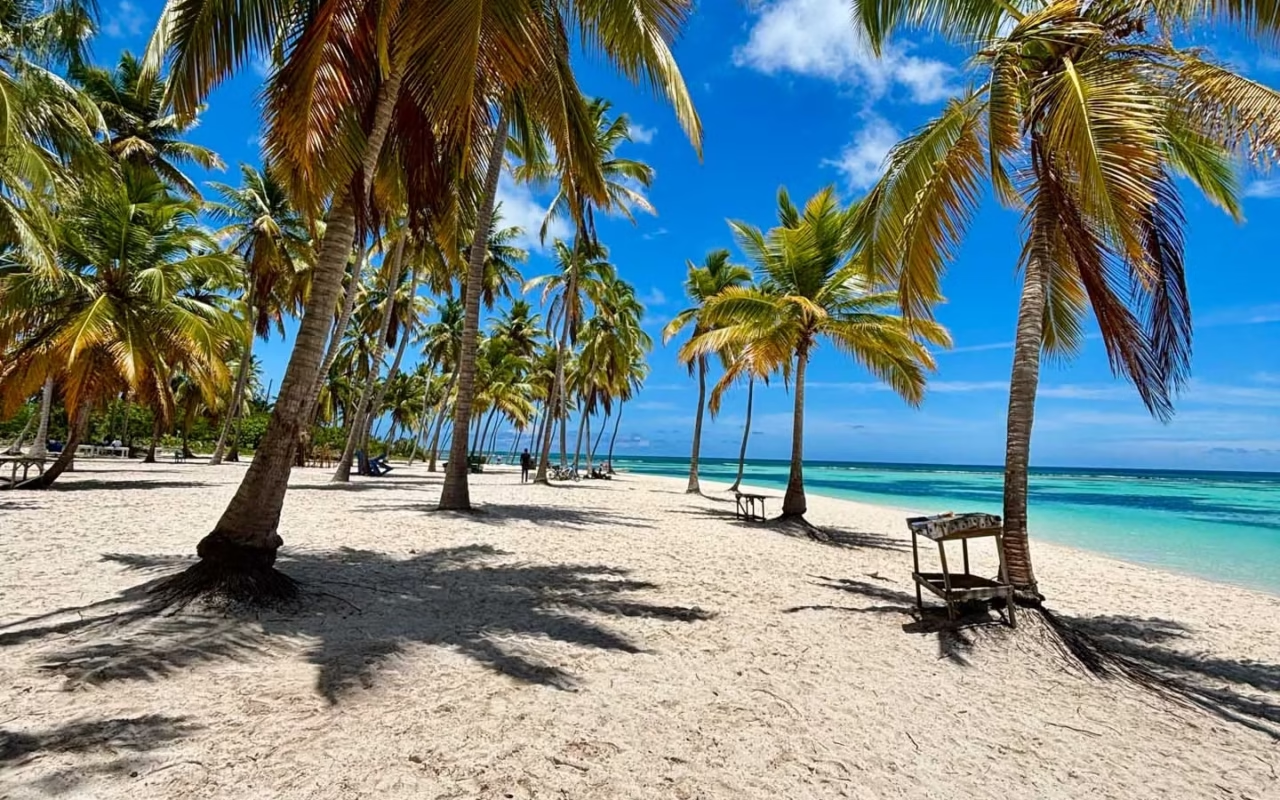
The Dominican Republic is a great destination for families. Beaches with sandy bottoms and gentle currents, such as Cayo Arena, Playa Cosón, and Bayahibe, are ideal for families with young children. The country has more than six international airports, and travel times are short: Santo Domingo is about two hours from Punta Cana. Safety requires the usual urban precautions, with a dedicated tourist police force and 911 as the emergency number. Plan on 10 to 15 days to combine beach, nature, and culture without tiring out the kids.
Planning a family trip to the Dominican Republic always raises the same questions. Will the kids handle the travel time? Are the beaches safe for them? What’s there to do beyond the hotel pool? Are there accommodations designed for families with kids?
This guide answers each of these questions in detail: kid-friendly beaches, age-appropriate activities, accommodations by region, actual distances, safety, health, and itineraries. It is based on research conducted by the Terra Dominicana team, based in Santo Domingo.
Why This Destination Is Great for Families
Four factors make this a great choice for families.
- Short distances. Each stop is just a two- to three-hour drive away, rarely more.
- Water that stays at 27 degrees all year round. Swimming is possible in every season, even for very young children.
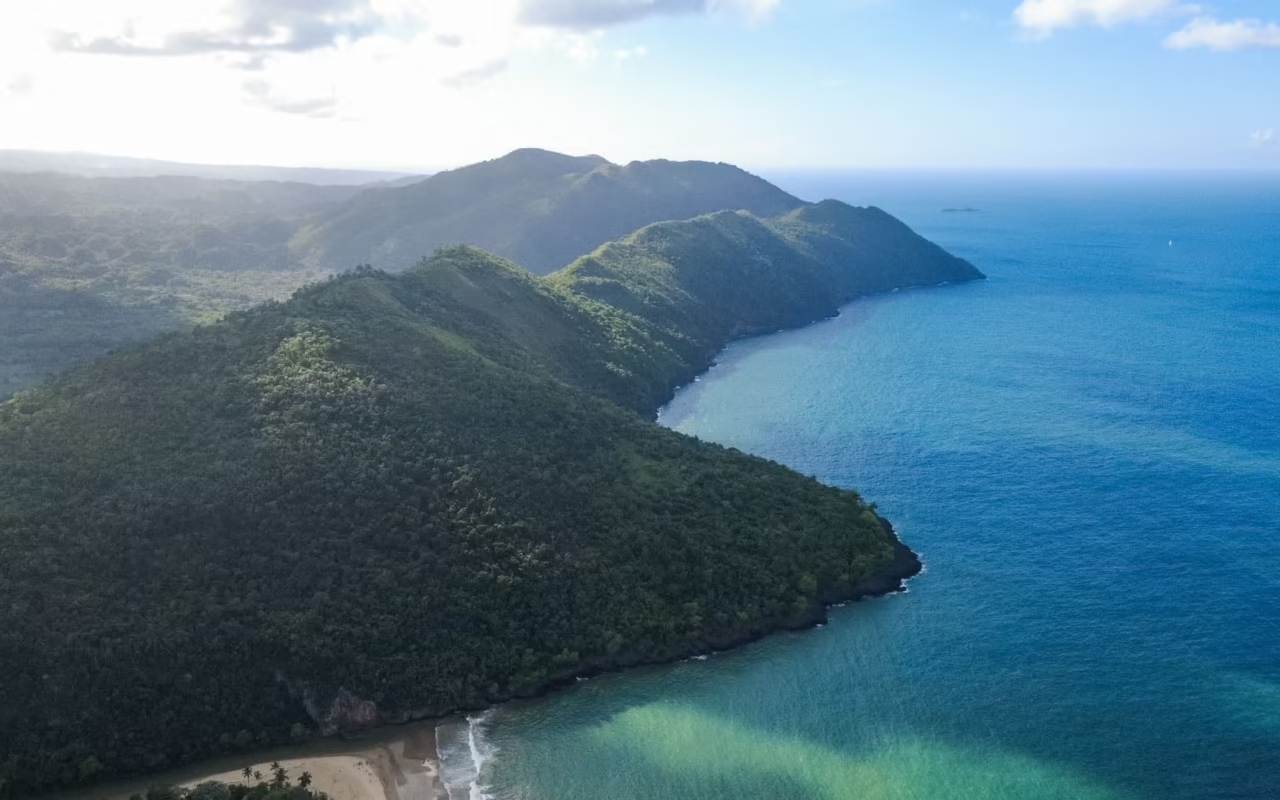
- A variety of places to explore. More than 1,600 kilometers of coastline, as well as waterfalls, caves, mangroves, ranches, and cool mountains.
- A very welcoming attitude toward children. Dominican social life takes place largely outdoors. Children are welcome everywhere, from restaurants to town squares.
The country also allows you to mix up the pace. A day of activities can be followed by a day with no set plans, which helps prevent accumulated fatigue.
Safety: What You Need to Know Before Traveling with Your Family
The Dominican Republic is not a dangerous destination for travelers. The country welcomes several million visitors each year, and tourism is a mainstay of its economy. Incidents encountered are primarily limited to petty urban crime, as in any major city.
A Coordinated Tourism Security System
There is a dedicated police unit, POLITUR, attached to the Dominican National Police. It covers tourist areas, monuments, and hotel facilities. It is particularly active in the colonial district of Santo Domingo, as well as in Punta Cana, Bayahibe, Las Terrenas, Puerto Plata, and Jarabacoa. The national emergency number is 911, which is operational throughout most of the country.
Simple Safety Tips for Families
- Be discreet with valuables, including cameras.
- Avoid isolated areas at night and deserted beaches after dark.
- Use taxis and official transportation rather than unlicensed services.
- Don’t leave anything visible in a vehicle, even for a short stop.
- Keep passports and documents in a safe place at your lodging.
- Supervise children while swimming: some beaches along the northern Atlantic coast are exposed to swells and currents.
The real cause for concern: service providers
The main risk does not come from the destination itself, but from informal service providers. On-site, you may encounter impromptu excursions, unregistered drivers, and uninsured transportation. When traveling with children, this becomes a critical concern.
Terra Dominicana works with official, registered drivers, certified guides, and insured partners. Every service is inspected before being offered. This topic is covered in detail in our guide, “Is Traveling to the Dominican Republic Dangerous?”
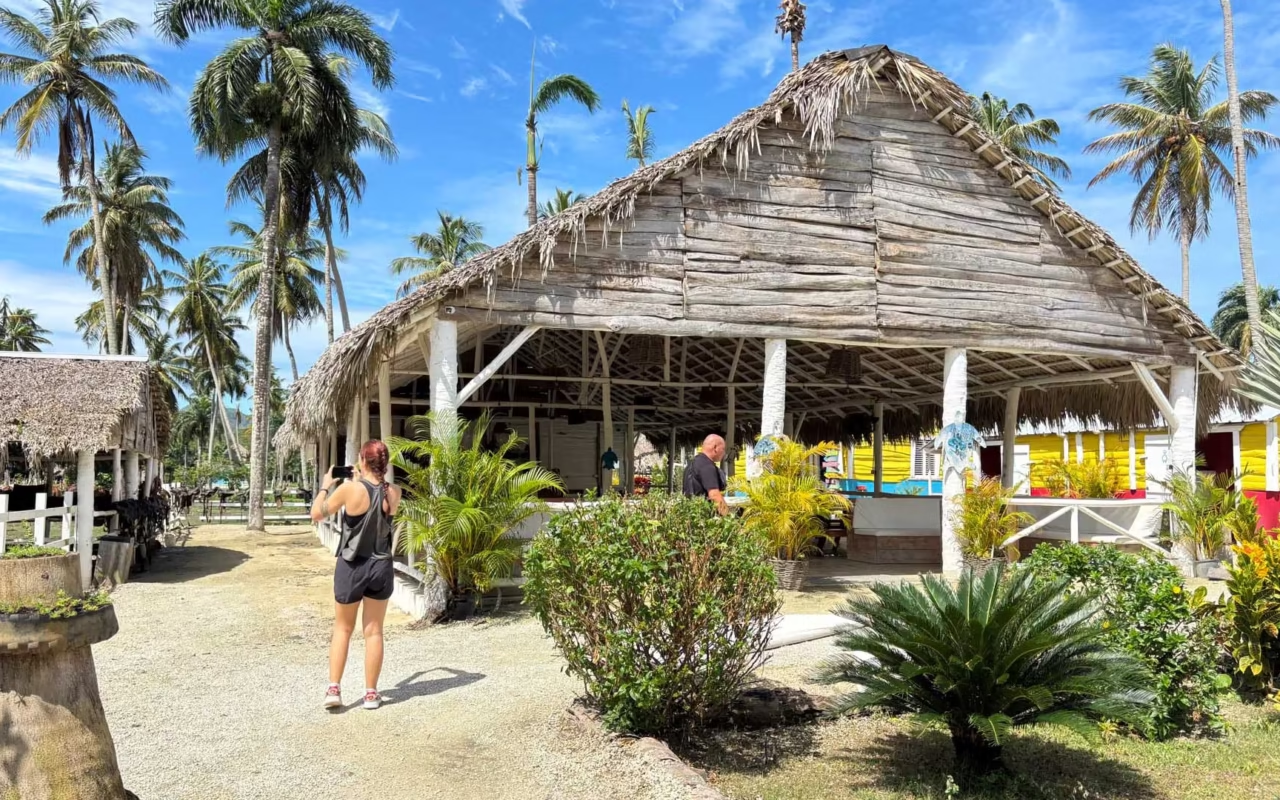
Distances and Logistics: Planning Your Itinerary
The rule is simple when traveling with kids: no more than three hours of driving per day, and at least two nights at each stop to avoid having to unpack every night.
| Route | Estimated travel time | Family-Friendly |
|---|---|---|
| Santo Domingo to Punta Cana | about 2 hours | Highway, in very good condition |
| Santo Domingo to Bayahibe | about 1 hour 30 minutes | Easy; one rest stop is enough |
| From Santo Domingo to Las Terrenas | 2 to 2.5 hours | Tourist route, smooth driving |
| From Santo Domingo to Jarabacoa | 2 to 3 hours | End of the route in the mountains, with curves |
| From Santo Domingo to Barahona | about 3 hours for 200 km | Long drive with young children |
| Santo Domingo to Cabarete | 3.5 to 4 hours | Best split into two days |
| Punta Cana to Las Terrenas | about 4 hours | Avoid doing this in one go with children under 6 |
| Las Terrenas to El Catey Airport | 23 km, about 30 min | Very comfortable |
| Cabarete to Puerto Plata Airport | 18 km, about 25 min | Very comfortable |
Choosing the Right Arrival Airport
The country has more than six international airports, which significantly reduces travel time. The main ones are Las Américas in Santo Domingo, Punta Cana, El Catey for the Samaná Peninsula, Gregorio Luperón in Puerto Plata, Cibao in Santiago, and La Romana.
Arriving and departing from two different airports avoids a long, empty return trip. A family that lands in Punta Cana and departs from El Catey saves about four hours of driving time.
Rental Car or Chauffeur?
The main roads are paved and in good condition. Driving is generally manageable, but Dominican traffic requires caution, especially in cities. With young children, private transportation with a driver takes the logistics off your hands and allows you to manage breaks without stress. Be sure to specify your need for car seats when requesting a quote.
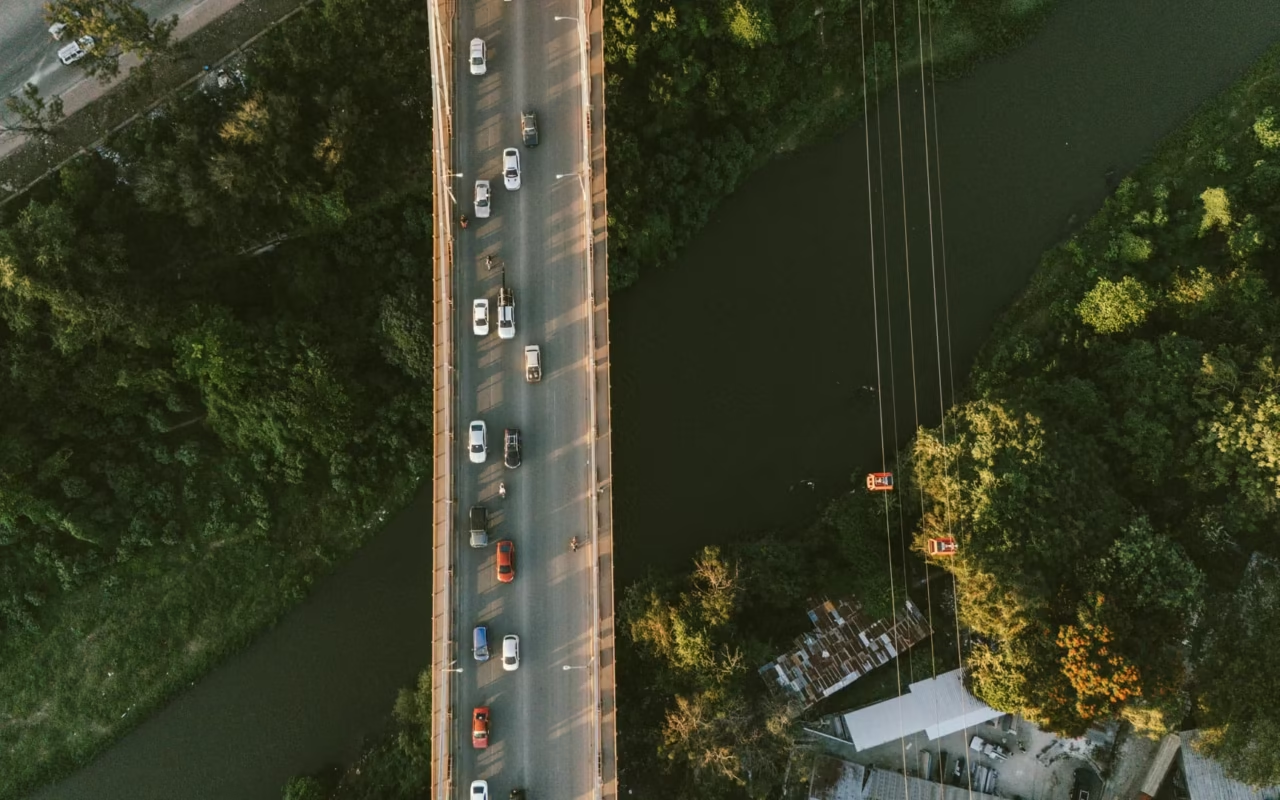
Beaches Suitable for Children
Not all Dominican beaches are equally suitable for families. Three factors are important: the depth of the water at the shoreline, the strength of the current, and the presence of rocks or exposed coral.
| Beach | Region | Why It’s a Good Fit | Access |
|---|---|---|---|
| Cayo Arena | Punta Rucia, Northwest | Sandbar in a lagoon, shallow water, corals at 1 to 3 m, aquarium-like effect | Boat |
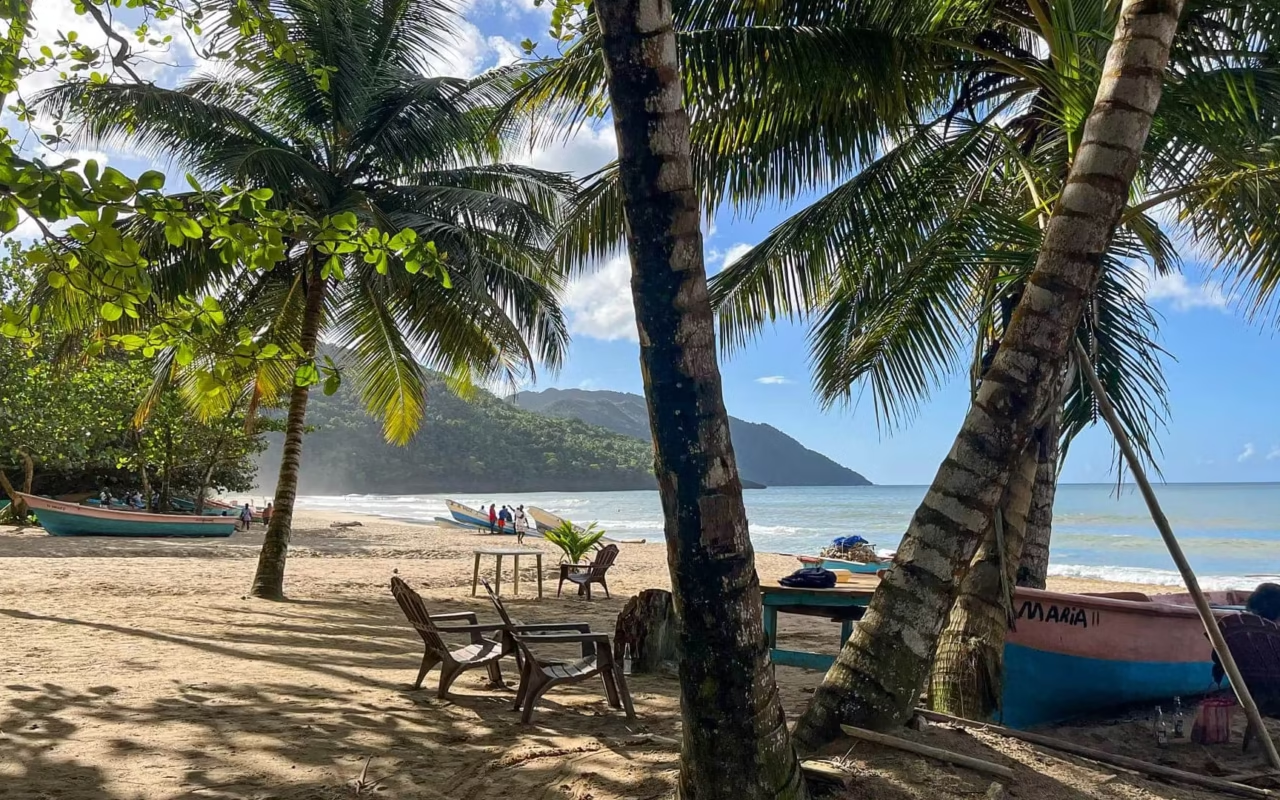
| Playa Cosón | Las Terrenas, Samaná | Several kilometers of golden sand, little current, long and rarely crowded | Car |
| Bayahibe Beaches | Eastern Caribbean | Calm waters, gentle seabed, amenities nearby | Car |
| Playa La Ensenada | Punta Rucia | Sheltered bay, beach huts for lunch on-site, fishing village atmosphere | Car |
| Saona Island, El Canto Beach | Cotubanamá National Park | Warm, crystal-clear water, white sand, full-day boat trip | Boat—private charter recommended |
| Diamante Beach | Cabrera, North Coast | A small, secluded bay where a freshwater river meets the sea | Car |
| Playa Cabo Rojo | Pedernales, Southwest | Crystal-clear water, nearby reef for snorkeling, few people | Car, limited amenities |
Conversely, some stunning beaches are not well-suited for young children. Playa Frontón, in Las Galeras, requires a boat ride that can be rough at times and features submerged rocks. Bahía de las Águilas offers seven to eight kilometers of pristine sand, but no amenities and no natural shade. These are best suited for families with teenagers.
The complete ranking can be found in our guide to the most beautiful beaches in the Dominican Republic. Details by region are available on the pages for the Samaná Peninsula and things to do from Bayahibe.
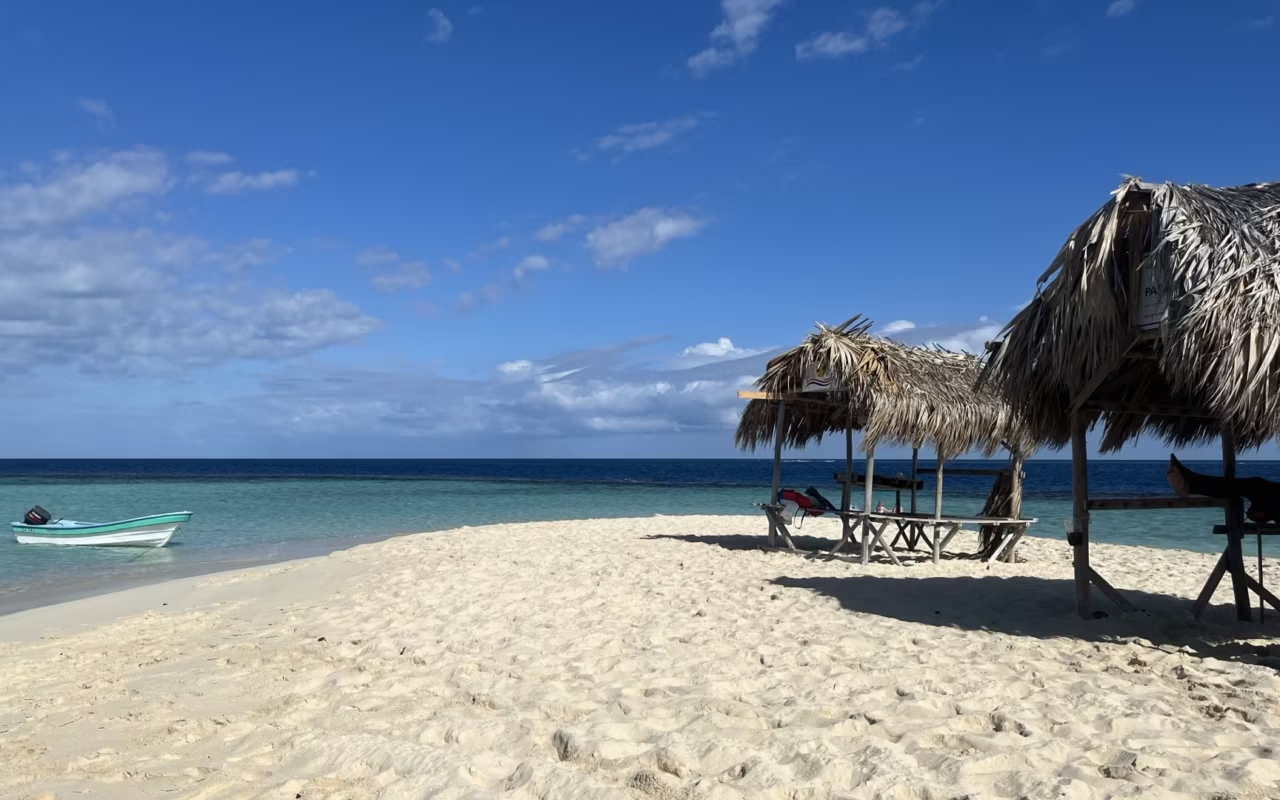
What activities are appropriate for children of different ages?
The country allows you to adapt your itinerary over the years. Here are the guidelines we use to plan a family trip.
| Age | Age-Appropriate Activities | Save for Later |
|---|---|---|
| 0–3 years | Beaches with gentle slopes, swimming pool, stroll through the colonial district, ranch to see animals | Long boat rides, hiking, snorkeling |
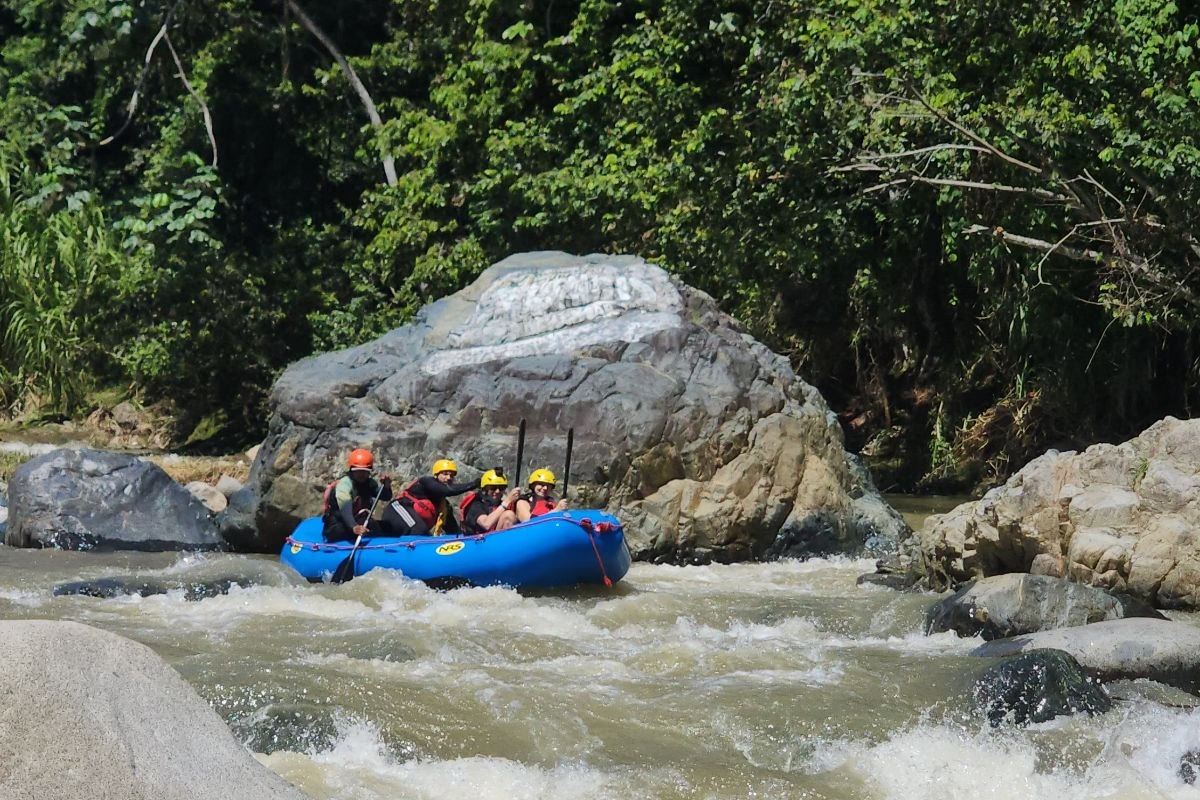
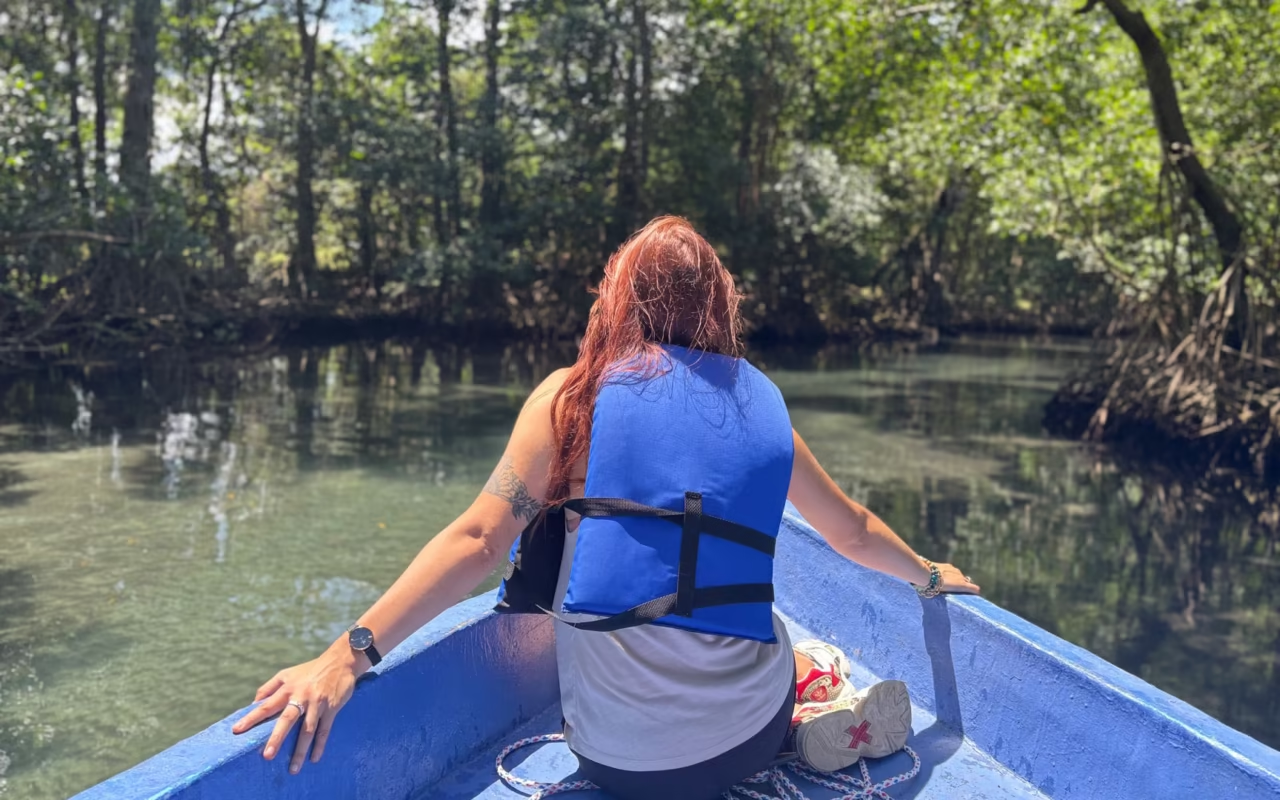
| Ages 4 to 6 | Accessible waterfalls, pony rides, short boat trips through mangroves, turtle sanctuary, Los Tres Ojos cenotes | Rafting, canyoning, long sea crossings |
| Ages 7–11 | Supervised snorkeling, kayaking, suspension bridges, zip-lining, hike to Salto El Limón, baseball academy | Hike up Pico Duarte, scuba diving |
| Ages 12 and up | Rafting on the Yaque del Norte, canyoning, mountain biking, introductory scuba diving, hiking in the Cordillera Central | Few restrictions; activities can be adapted based on skill level |
Service providers apply their own age, height, and weight restrictions, particularly for rafting, canyoning, and zip lines. We verify these requirements when designing the itinerary.
The Most Popular Family Outings
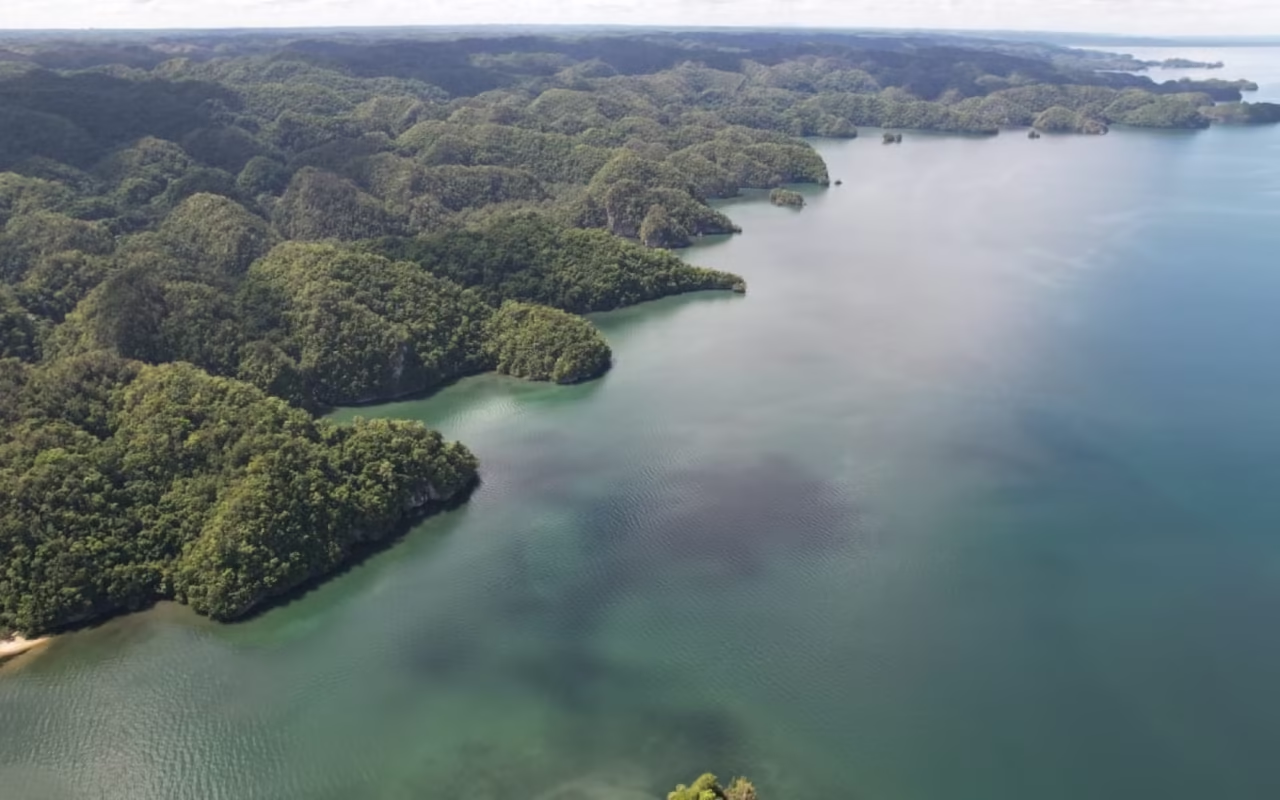
Los Haitises National Park by Boat
Cruise through mangroves, limestone islets, and caves adorned with Taíno petroglyphs. Tropical birds are easy to spot. The half-day excursion takes place in calm waters, minimizing the risk of seasickness.
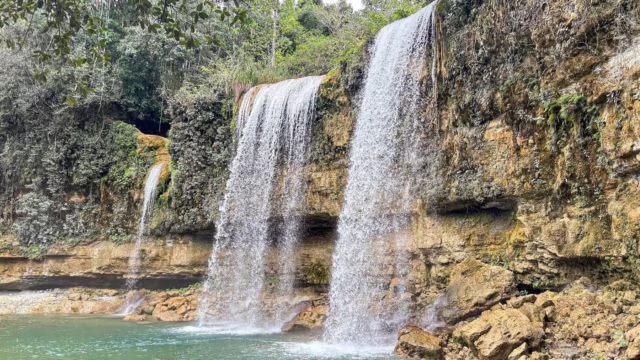
El Limón Waterfall from Las Terrenas
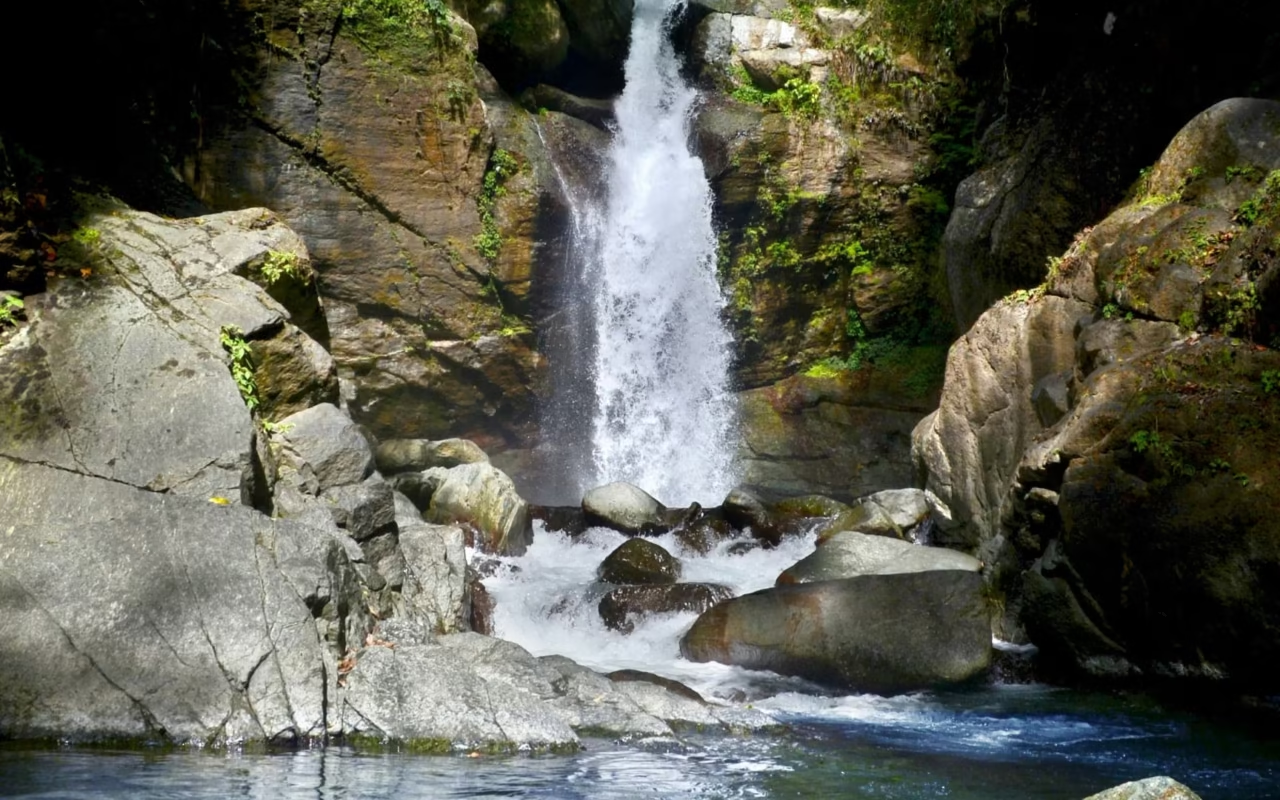
An easy hike that we regularly recommend to families. You can get there on foot or on horseback, and take a dip under the waterfall upon arrival. Lunch at a traditional ranch is a great way to round out the morning. See our guide to things to do from Las Terrenas.
Saona Island: A Private Tour
The island is worth a visit, but the experience depends entirely on how you get there. On a group tour with fifty to sixty people, the atmosphere suffers greatly. On a private boat, with an early morning departure, the day becomes a memorable experience. The Mano Juan turtle sanctuary is especially interesting for children. See our comparison of Isla Saona and Isla Catalina.
Cenotes and Caves
Los Tres Ojos, right in the heart of Santo Domingo, features several underground lakes accessible via staircases. The trail is short and shaded, making it a great option when the heat becomes oppressive. Other sites are listed in the activities guide and on the waterfalls and lagoons page.
A baseball academy
Baseball is the national sport. A stop at an academy gives children the chance to interact with young players and gain insight into a whole aspect of the local culture. The San Pedro de Macorís region is home to several renowned facilities.
Zip Lines and Suspension Bridges
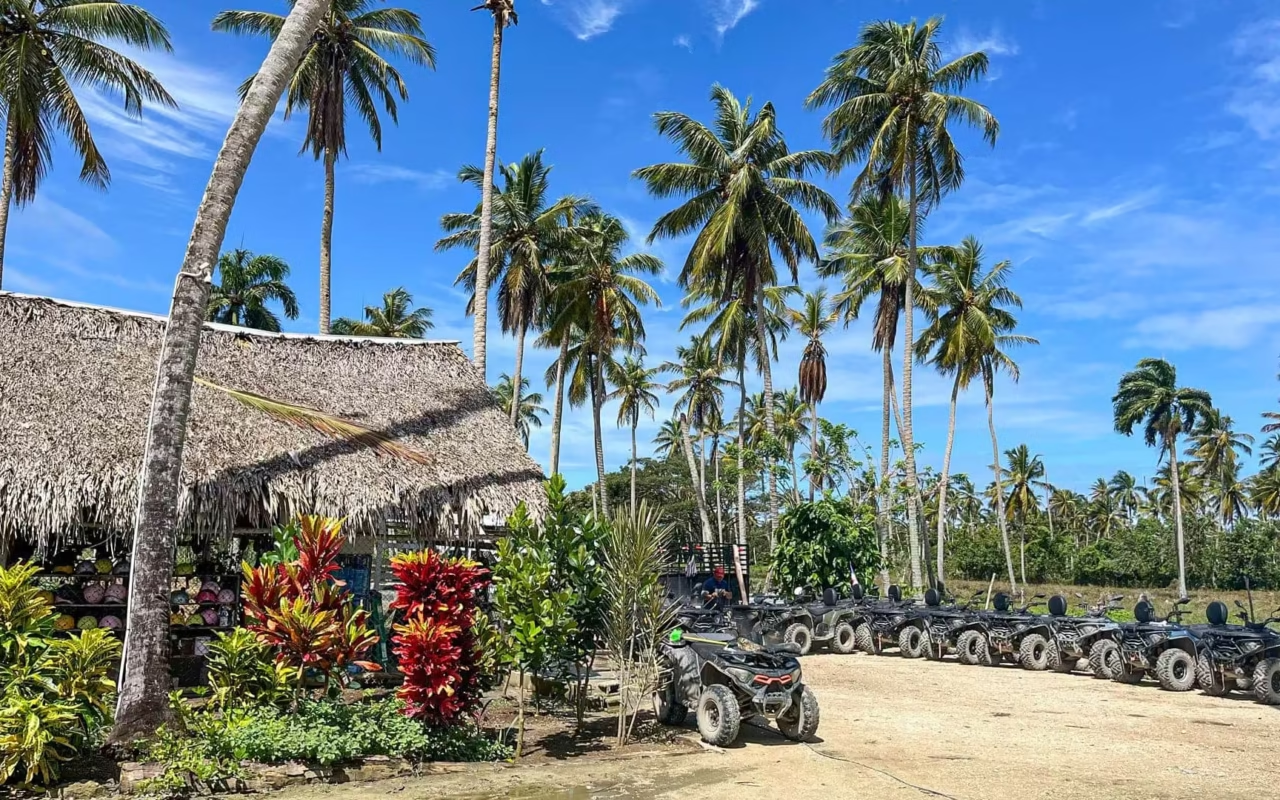
Several canopy tours exist on the Samaná Peninsula, high above the treetops. They’re suitable for families as well as thrill-seeking travelers, with height and weight restrictions set by the operators.
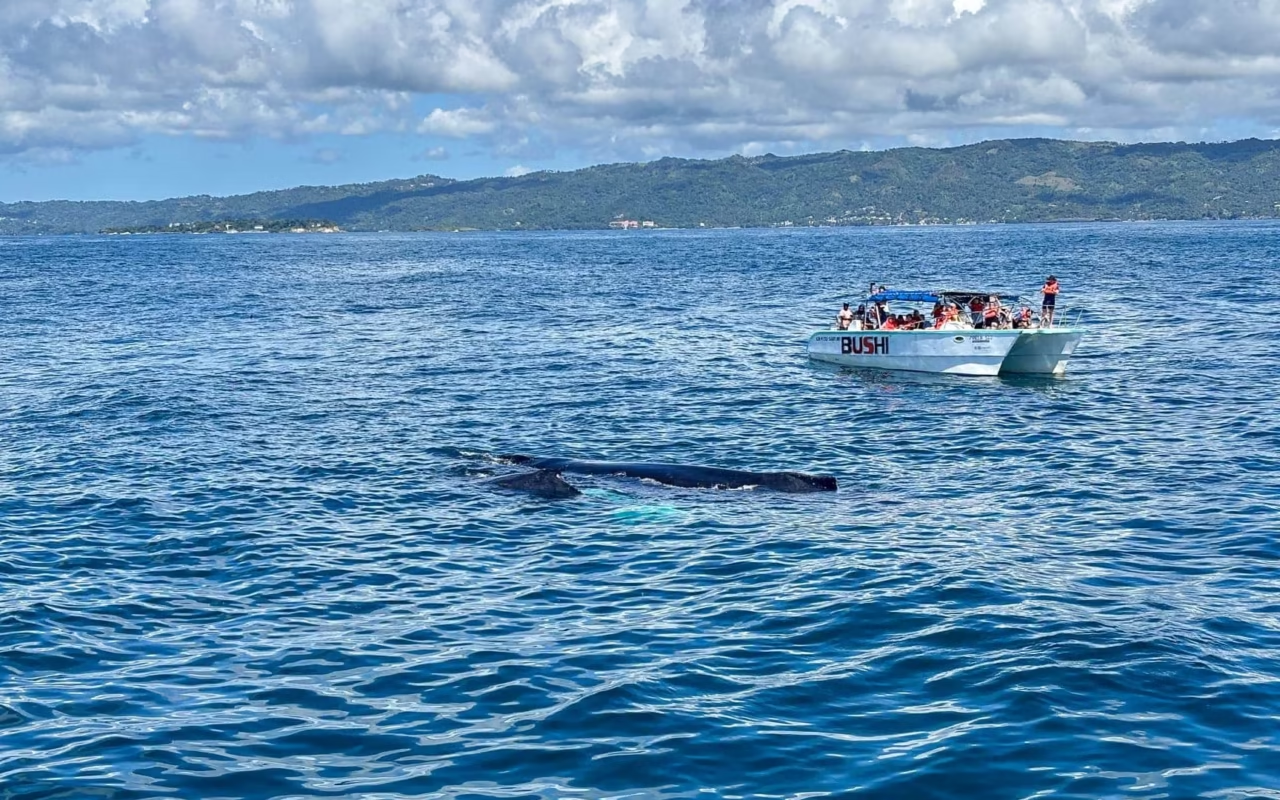
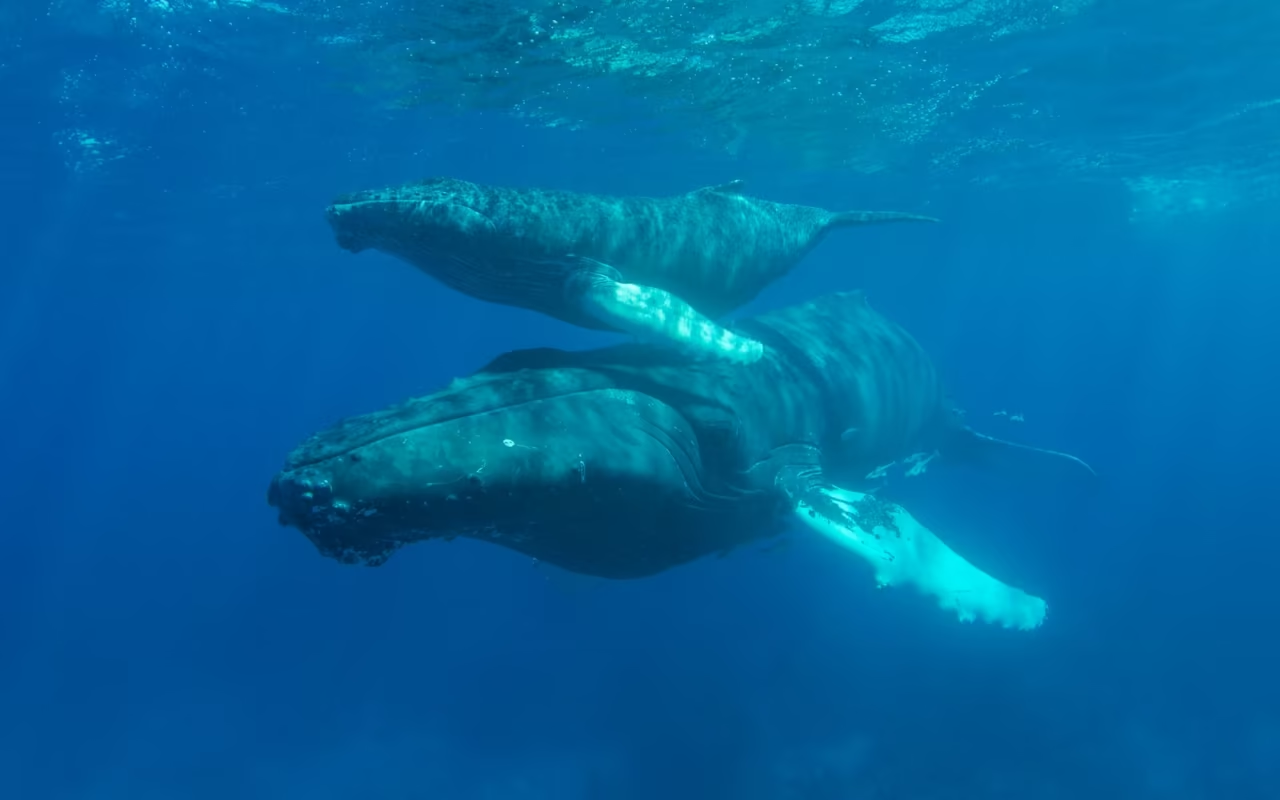
Humpback whale watching
From January through March, Samaná Bay welcomes humpback whales. The trip lasts about three hours on a guided boat tour. Be sure to bring motion sickness medication for children who are prone to seasickness.
Where to Stay with Your Family: Family-Friendly Accommodations
The choice depends less on the category and more on three practical criteria: the availability of connecting or family rooms, a space where children can play, and the immediate proximity to a place to eat.
| Region | Accommodation Type | For which family profile |
|---|---|---|
| Las Terrenas and Playa Cosón | Family-friendly beachfront hotels, self-catering villas | A great base for exploring for a week, with a variety of dining options |
| El Valle, Samaná | Eco-lodges surrounded by nature | Families seeking peace and nature, children ages 5 and up |
| Bayahibe and the Eastern Caribbean | Resorts, beach hotels, apartments | Very young children; need amenities and a pool |
| Santo Domingo, colonial district | Charming hotels in the historic center | One to two nights at the beginning or end of your stay; everything is within walking distance |
| Miches and the East Coast | Small accommodations, beach lodges | Families looking for an alternative to large resort areas |
| Jarabacoa, Central Mountain Range | Mountain lodges, guesthouses | Fresh air, outdoor activities for ages 8 and up |
| Cabarete, Atlantic Coast | Beachfront hotels, surf schools | Teens, water sports |
A villa with a kitchen often makes all the difference when traveling with young children. It allows you to manage meals and naps according to their schedule. Terra Dominicana visits every property before listing it and removes it from the catalog if standards decline.
Health, Sun, and Everyday Life with Children
Sun Protection
The UV index is high year-round. Apply sunscreen 20 to 30 minutes before sun exposure and choose a reef-safe formula. A UV-protective T-shirt and a hat remain the best protection for children. Several beaches in the Southwest offer no natural shade.
Mosquitoes
Bring a mosquito repellent suitable for children’s ages and wear protective clothing in the late afternoon, especially near mangroves and in wetlands.
Water and Food
Drink bottled or filtered water. A reusable water bottle, refilled at your lodging, helps reduce plastic waste. Dominican cuisine is well-suited for children: rice, beans, chicken, grilled fish, plantains, and fresh fruit. Chili peppers are rarely used in traditional dishes.
Water shoes
They’re essential at all sites with reefs or rocks, particularly Cayo Arena and Cabo Rojo. Sea urchins and exposed coral are the leading cause of minor injuries.
Formalities and Documents
Entry requirements and the documents needed for minors are detailed on our “Pre-Departure Formalities” page. Check the validity of each child’s passport well in advance. For health-related questions, consult your doctor or an international vaccination center before your trip.
When is the best time to travel with the family?
The dry season, from December through April, offers the most stable conditions. It coincides with the Christmas, winter, and spring breaks, which fits well with the school calendar.
| Period | Conditions | What This Means for Families |
|---|---|---|
| December through April | Dry season; calmer seas on the Caribbean side | Best time to visit. Higher visitor numbers and prices. |
| January through March | Humpback whales pass through Samaná | Best combined with a trip to the peninsula if the children are over 5 years old. |
| May through August | Hotter weather, short showers | Lush greenery, lower prices; plan for breaks in the shade. |
| June through November | Atlantic hurricane season, peaking in September | Low probability of a major hurricane. Off-season, attractive rates. |
The rainy season doesn’t mean constant rain. It usually consists of short, intense tropical showers followed by sunny spells. Region-by-region details can be found on the page “When to Visit the Dominican Republic.”
Two Family-Friendly Itineraries That Work
10 Days with Young Children
- Days 1 and 2: Santo Domingo—walk through the colonial district, visit the Los Tres Ojos cenotes, and explore a neighborhood colmado.
- Days 3–6: Bayahibe. Gentle-sloping beaches, private day trip to Isla Saona and the turtle sanctuary.
- Days 7–10: Las Terrenas. Playa Cosón, El Limón Waterfall on horseback, Los Haitises mangroves by boat. Return flight from El Catey.
15 days with children ages 7 and up
- Days 1 and 2: Santo Domingo, history and neighborhood life.
- Days 3–5: Eastern Caribbean, between Bayahibe and Miches, uncrowded beaches.
- Days 6–9: Samaná Peninsula. Zip lines, snorkeling, El Valle and its eco-lodges.
- Days 10–12: Central Mountain Range. Jarabacoa, waterfalls, river swimming, fresh air.
- Days 13–15: North Coast, Cabarete or Cabrera. Surfing for older kids, Gri Gri Lagoon, return via Puerto Plata.
Our published family tour—featuring tropical nature, hidden beaches, and local culture —lasts 15 days and is fully customizable. The entire range of options is listed on the family travel page.
Five Common Mistakes When Traveling with Family
- Trying to cram in too many stops. Three bases over ten days are enough. Any more than that, and the time spent packing and unpacking becomes counterproductive.
- Underestimating travel times. The distances are short, but city traffic and stops significantly extend the estimated travel times.
- Booking a group tour to Isla Saona. With kids, a private tour completely changes the day.
- Forgetting water shoes. They prevent most minor mishaps on reef beaches.
- Schedule activities for midday. Head out early in the morning. The heat, crowds, and light are much better before 11 a.m.
Frequently Asked Questions
Is the Dominican Republic a safe place to travel with a family?
Yes. The country welcomes several million visitors each year and has a dedicated tourist police force, POLITUR, stationed in the main tourist areas. The emergency number is 911. The precautions to take are the same as standard urban safety precautions.
At what age can you travel with a child?
There is no minimum age requirement. With a child under three years old, limit your trip to one or two destinations and choose beaches with gentle slopes. Starting at age six, a tour covering several regions becomes comfortable.
Which beach should you choose with young children?
Cayo Arena for its shallow water and sandy bottom, Playa Cosón for its length and gentle current, and the beaches of Bayahibe for their calm waters and nearby amenities.
How much time should you plan for a family trip?
Ten days allow you to combine two or three regions without rushing. Fifteen days open up the mountains and the north coast in addition to the beaches and the capital.
Should you rent a car or hire a driver?
Both options work well. The main roads are in good condition. With young children, private transportation with a driver makes it easier to manage breaks. Be sure to request car seats when making your reservation.
Can you go whale watching with children?
Yes, from January through March in Samaná Bay. The trip lasts about three hours on a guided boat tour. Be sure to bring motion sickness medication for children who are prone to seasickness.
Is the food suitable for children?
Yes. Rice, beans, chicken, grilled fish, plantains, and fresh fruit make up the bulk of the local cuisine. Chili peppers are rarely used in traditional dishes.
When is the best time to travel with a family?
From December through April, during the dry season, which coincides with winter and spring school breaks. From May through August, the landscape is greener and prices are lower, with short showers in the late afternoon.
In Summary
A family trip to the Dominican Republic comes down to three key decisions. Choose beaches with gentle slopes and weak currents for the youngest children. Limit travel time to three hours a day and stay at least two nights at each stop. Select licensed and insured service providers, especially for boat excursions.
The rest will fall into place naturally. The country offers enough variety to keep children of all ages entertained, with beaches, waterfalls, caves, mangroves, ranches, and cool mountains. The warm welcome extended to families remains one of the destination’s most consistent strengths.
To plan your itinerary, contact our team based in Santo Domingo. You’ll receive a response within 48 hours with an initial proposal tailored to your children’s ages.
Updated: August 25, 2026
About the Author
Laura Grenouillet is the founder and manager of Terra Dominicana, a local English-speaking travel agency based in Santo Domingo and a member of the Terra Panamerica network.
She lives on the island and personally meets with each service provider before recommending them. Each travel itinerary is carefully crafted to ensure families can travel independently, with WhatsApp support available throughout their stay. Contact: contact@terra-dominicana.com.
Sources
- Central Directorate of Tourism Police (POLITUR), Law 590-16, 2026
- National System of Protected Areas (SINAP), Dominican Ministry of the Environment, 2026
- Visit Dominican Republic, godominicanrepublic.com, 2026
- terra-dominicana.com, beach guides, safety, and seasons, 2026
- Terra Dominicana field surveys, 2025 and 2026