In a Nutshell
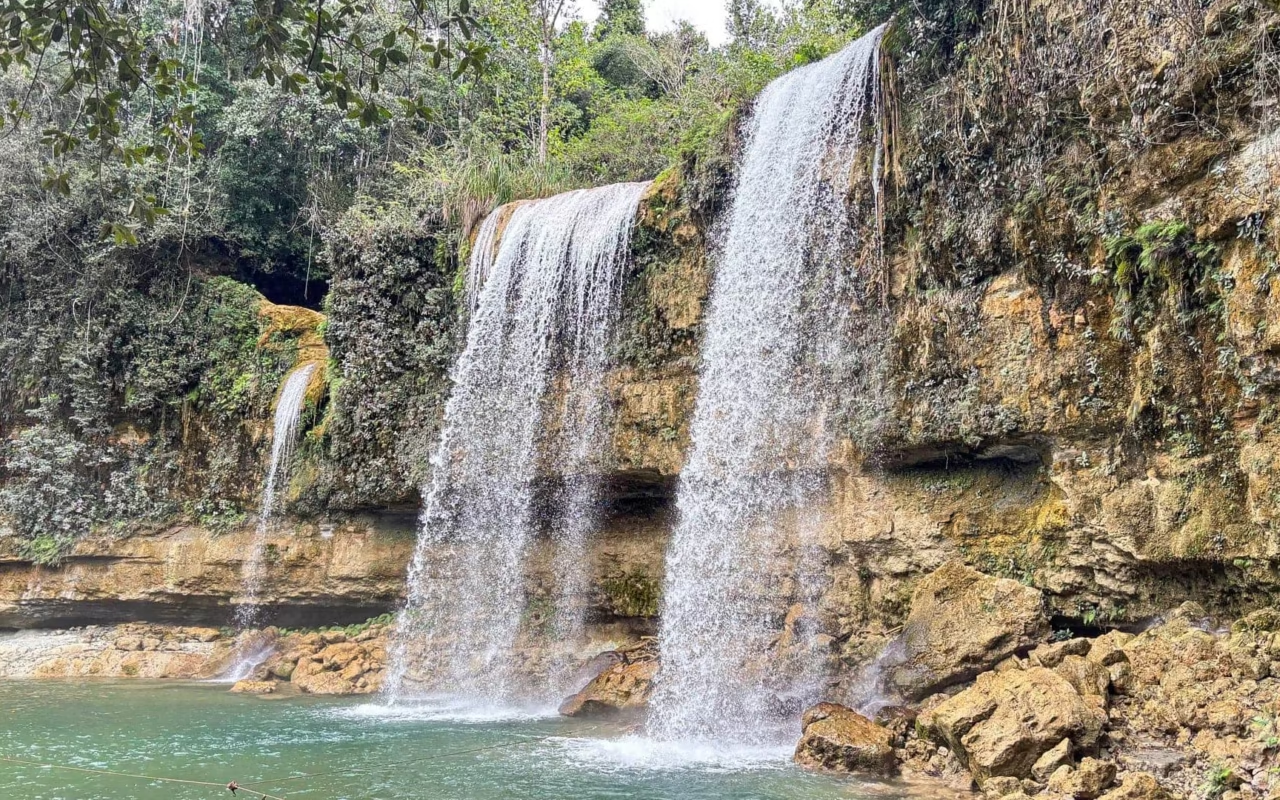
Beyond its beaches, the Dominican Republic is home to spectacular waterfalls and natural lagoons that are ideal for swimming or observing endemic species. Salto El Limón, La Jalda, Jimenoa, Aguas Blancas, Laguna Dudu, Lago Azul, Laguna Grigrí… Here is our Terra Dominicana selection, based on firsthand experience and how easily these sites can be incorporated into an itinerary.
A destination with so much more to offer than just its beaches
When you think of the Dominican Republic, white-sand beaches are usually the first thing that comes to mind. Yet the island hides a much greater natural wealth. From the Central Cordillera, with its peaks rising over 3,000 meters, to the tropical rainforests and the arid plateaus of the southwest, the country is home to dozens of waterfalls and natural lagoons.
Some are easily accessible and perfect for a family swim. Others require a challenging hike but reward the effort with spectacular scenery. Still others can be explored by boat, gliding through a mangrove forest in almost complete silence.
Here is our Terra Dominicana selection, based on firsthand experience and how easily these sites can be incorporated into an itinerary.
Waterfalls You Won’t Want to Miss
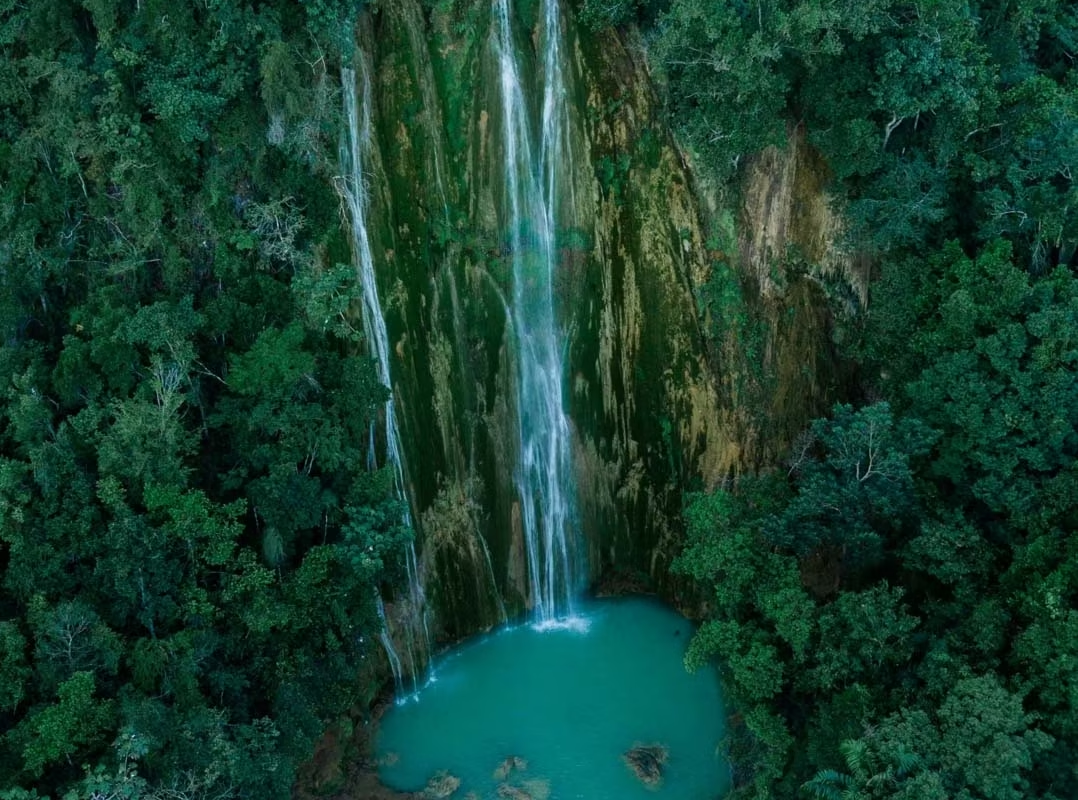
1. Salto El Limón — Samaná’s Iconic Waterfall
Located on the Samaná Peninsula, Salto El Limón is probably the country’s best-known waterfall. About 40 to 50 meters high, it flows into a natural pool surrounded by dense tropical vegetation.
Access is from the village of El Limón via several marked trails, the easiest of which follows the river for about 2.5 kilometers (a 30- to 45-minute walk). The hike can also be done on horseback, an option popular with families and those who aren’t as physically fit.
Swimming is possible in the natural pool, although the water is cool. This excursion pairs perfectly with a visit to Playa El Valle, Playa Frontón, or lunch at a local restaurant in Las Terrenas.
Our tip: Head out early in the morning to avoid the organized tour groups that arrive mid-morning from the hotels in Punta Cana.
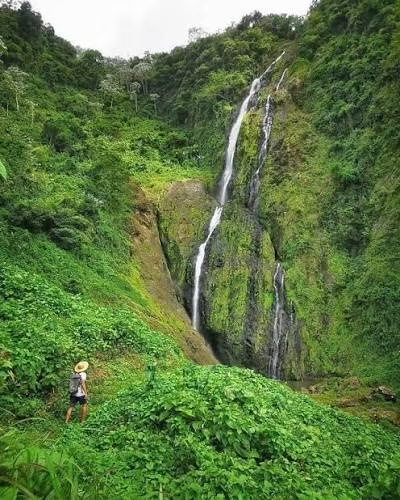
2. Salto de la Jalda — The Highest Waterfall in the Caribbean
At 120 meters high, Salto de la Jalda, located in the Miches region, is the highest waterfall in the Dominican Republic and one of the highest in the entire Caribbean. It is beautiful, secluded, and off the beaten path.
Reaching it requires a challenging 4- to 5-hour round-trip hike, or you can opt to ride a horse to make the journey easier. This site is best suited for active travelers looking for a full day of nature. It pairs well with a visit to Playa Esmeralda or Montaña Redonda, offering a chance to discover a still-unspoiled facet of the Dominican East Coast.
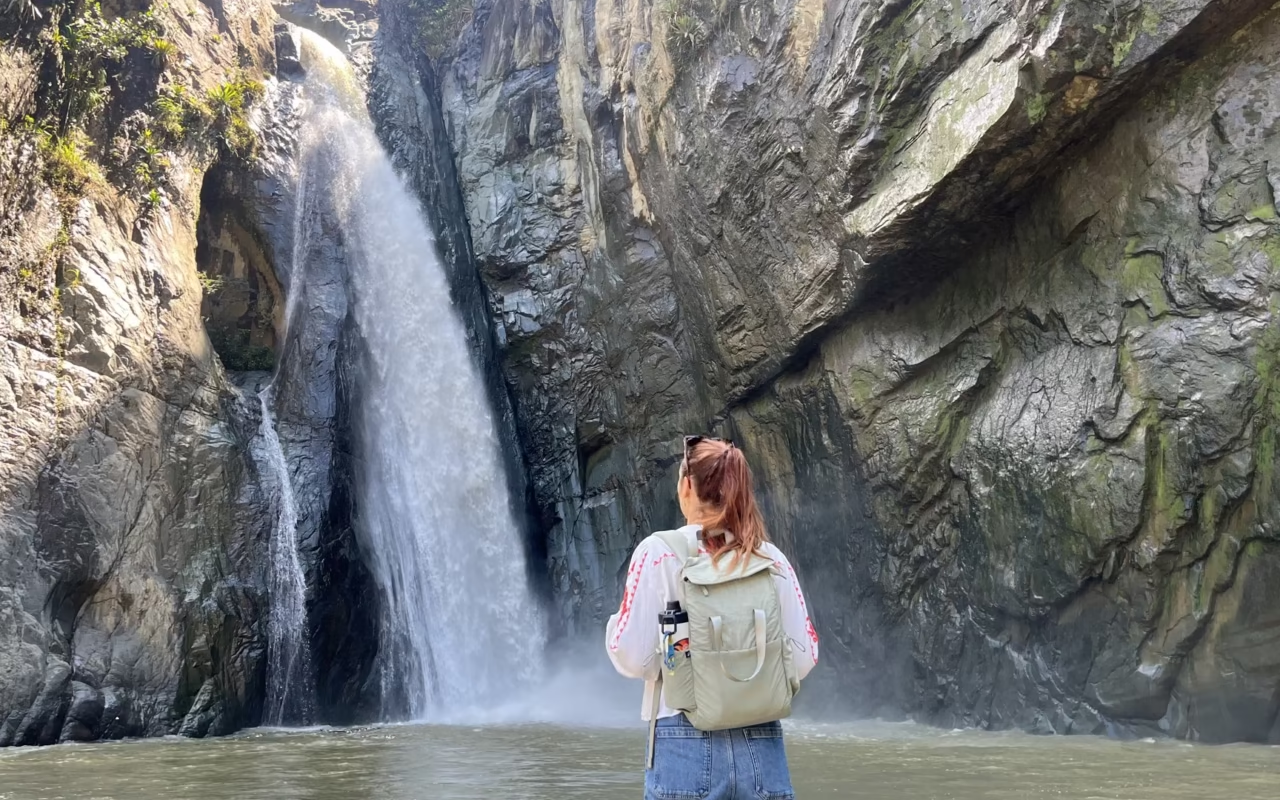
3. Salto de Jimenoa Uno — A Mountain Atmosphere in Jarabacoa
In Jarabacoa, in the heart of the Cordillera Central, the Salto de Jimenoa Uno offers a setting that is radically different from the coast. The waterfall, about 75 meters high, cascades down a rock face amid tree ferns and Dominican pines.
The hike to the waterfall takes about 30 minutes and involves a steep climb. The rocks can be slippery after rain. Swimming is permitted, but it is important to stay away from the main waterfall.
Our tip: Combine this excursion with a mountain getaway that includes rafting on the Río Yaque del Norte or exploring the villages of Jarabacoa and Constanza.
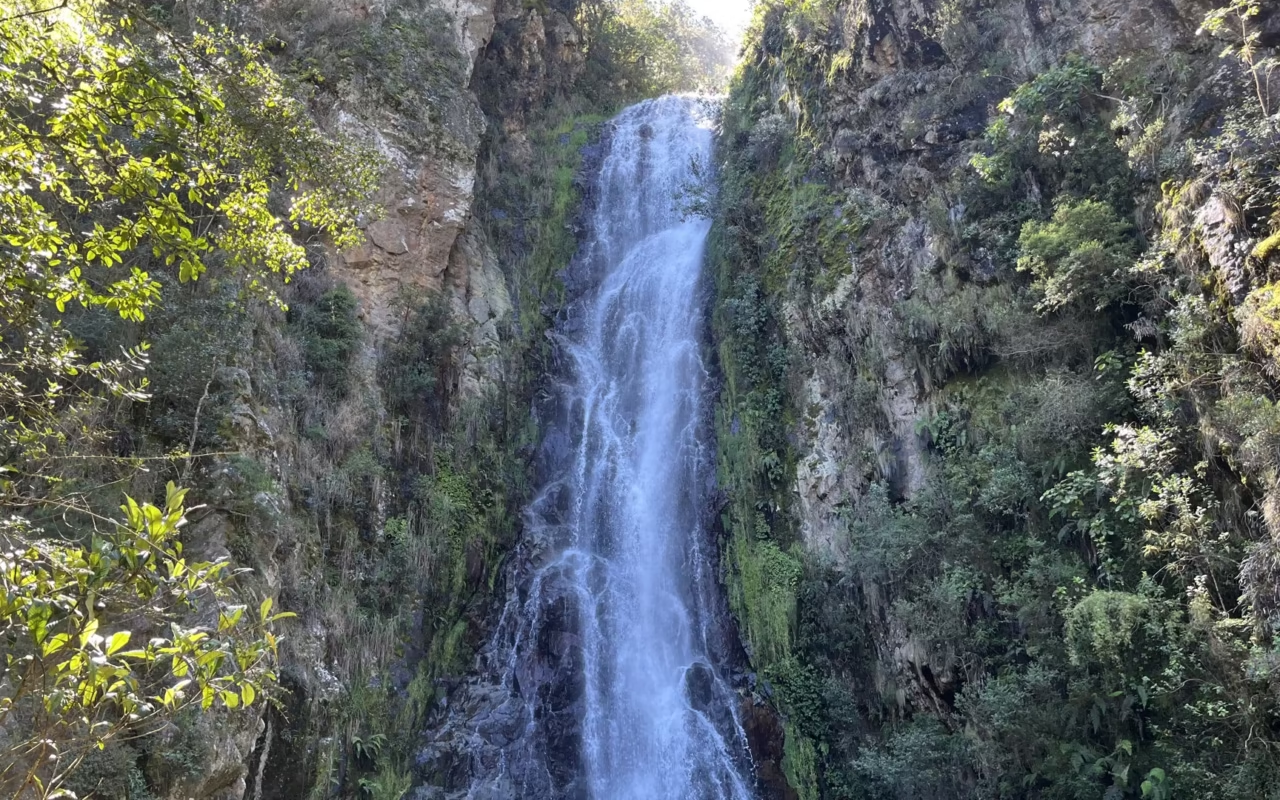
4. Salto de Aguas Blancas — Cool Mountain Air
Located at an altitude of about 1,680 meters near Constanza, Salto de Aguas Blancas stands out for its pine-forested surroundings and significantly cooler climate. The water there is particularly cold, especially in winter. It’s an ideal stopover while exploring Valle Nuevo National Park, offering a chance to discover an unexpected side of the Dominican Republic.
Access requires an SUV or 4×4, as the road is unpaved and rough.
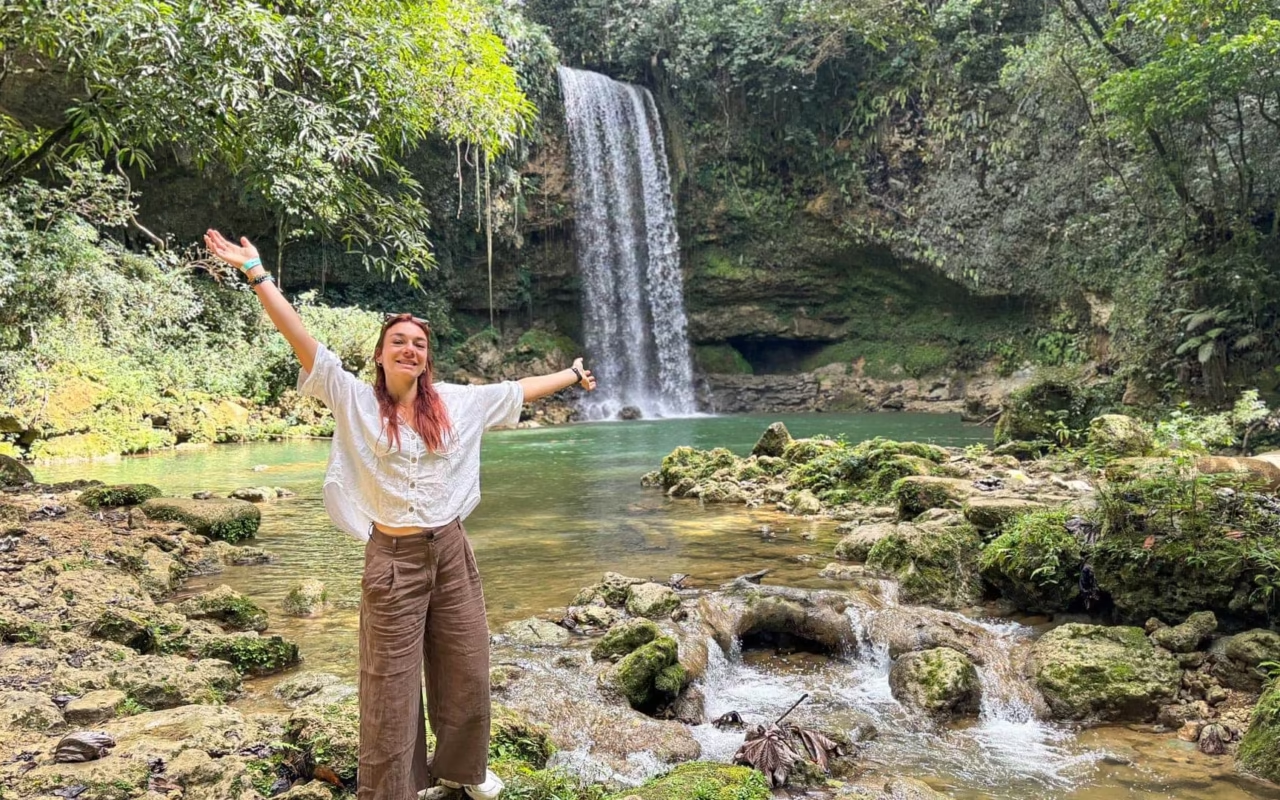
5. Salto Socoa and Salto Alto — Day Trips from Santo Domingo
For those staying in the capital, Salto Socoa and Salto Alto in Bayaguana are excellent options for day trips. These waterfalls feature several natural pools surrounded by lush vegetation, perfect for a refreshing swim less than 2 hours from Santo Domingo.
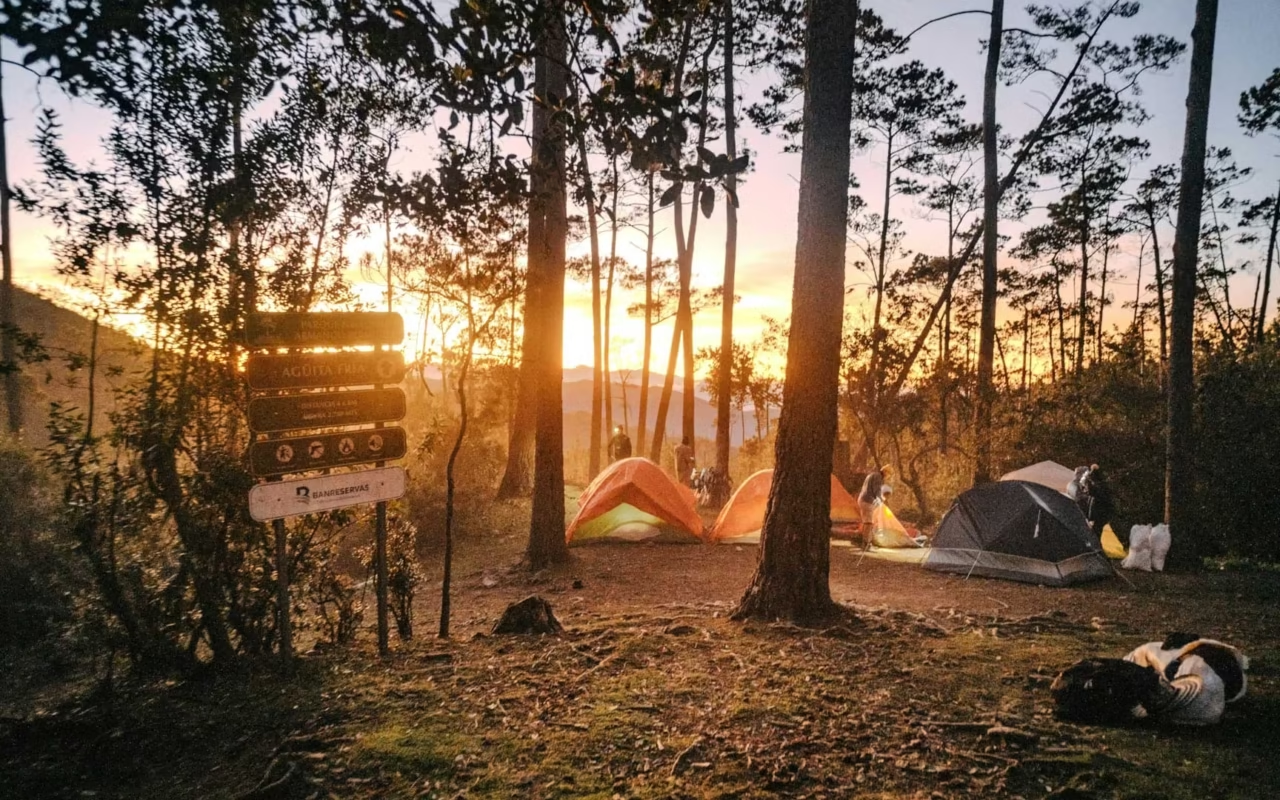
Adventure Trip to the Dominican Republic & Climb of Pico Duarte
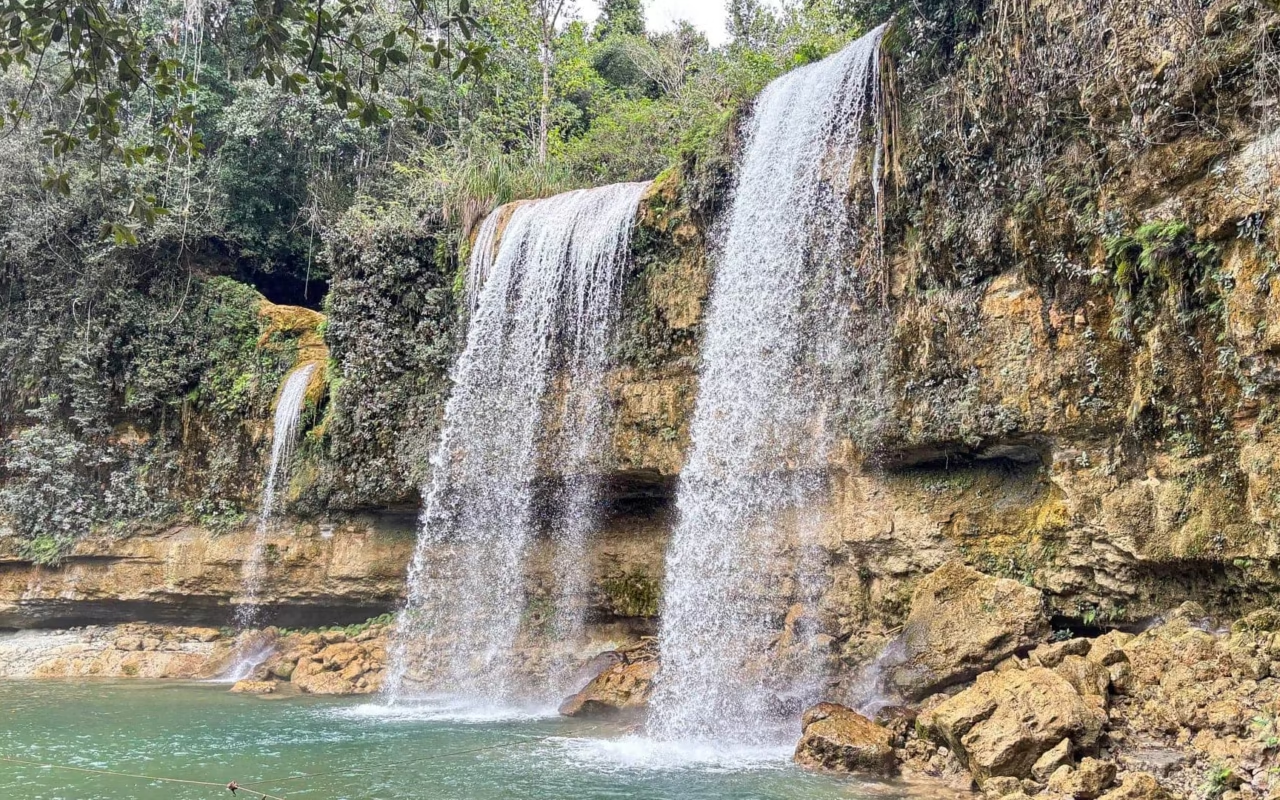
Nature Tour in the Dominican Republic: Waterfalls, Cenotes, and Untouched Beaches
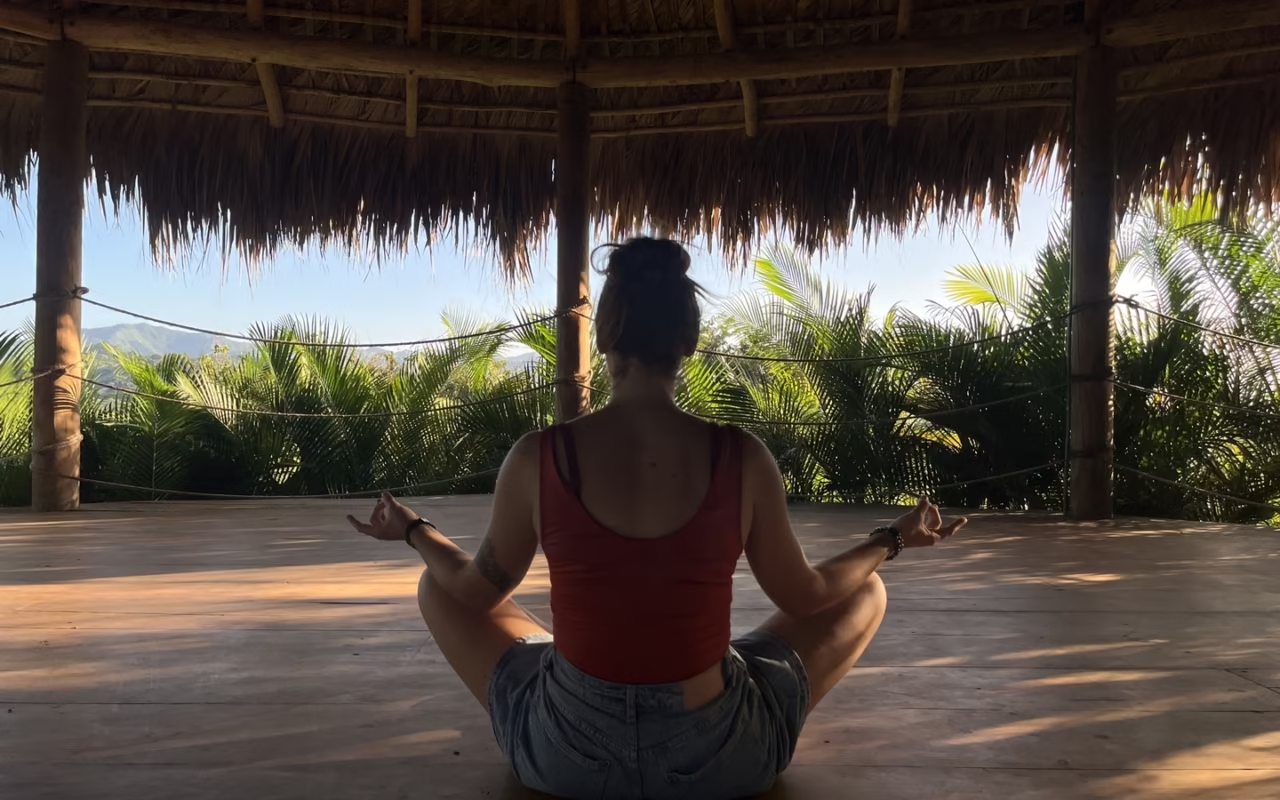
A Getaway in the Dominican Republic: Encounters, Adventures, and Wellness
Lagoons for swimming
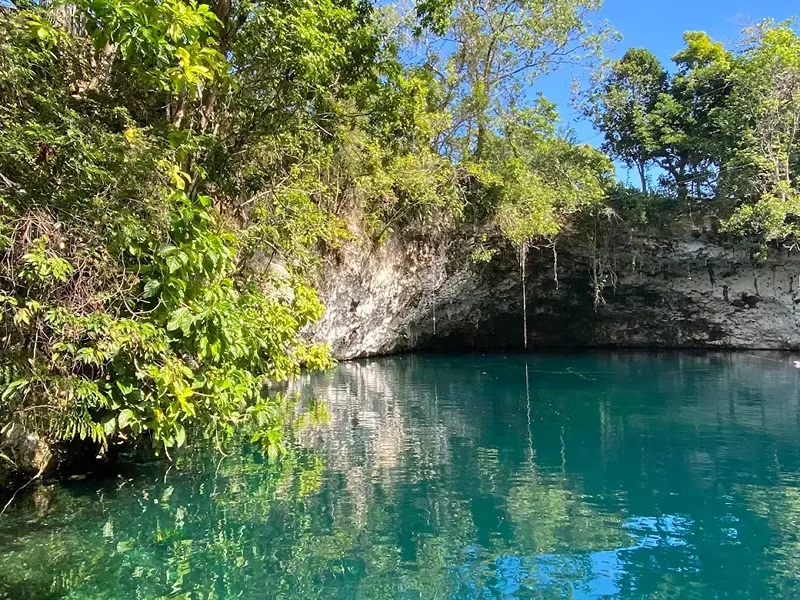
Laguna Dudu — Crystal-clear water and a family-friendly atmosphere
Located near Nagua, Laguna Dudu is one of the most popular natural sites on the north coast. It consists of two interconnected freshwater lagoons with exceptionally clear water. A zip line crosses the site, and a diving platform allows visitors to jump into the blue waters.
It’s an ideal stop on the north coast, especially when combined with a visit to Cabrera or Río San Juan.
Lago Azul — A Hidden Pool Near Cabrera
Lago Azul, near Playa Diamante in Cabrera, is a small, secluded natural pool located in a semi-cave. The deep blue water maintains a steady temperature of around 23°C, making it pleasant year-round. A hidden gem, perfect for curious travelers looking to venture off the beaten path.
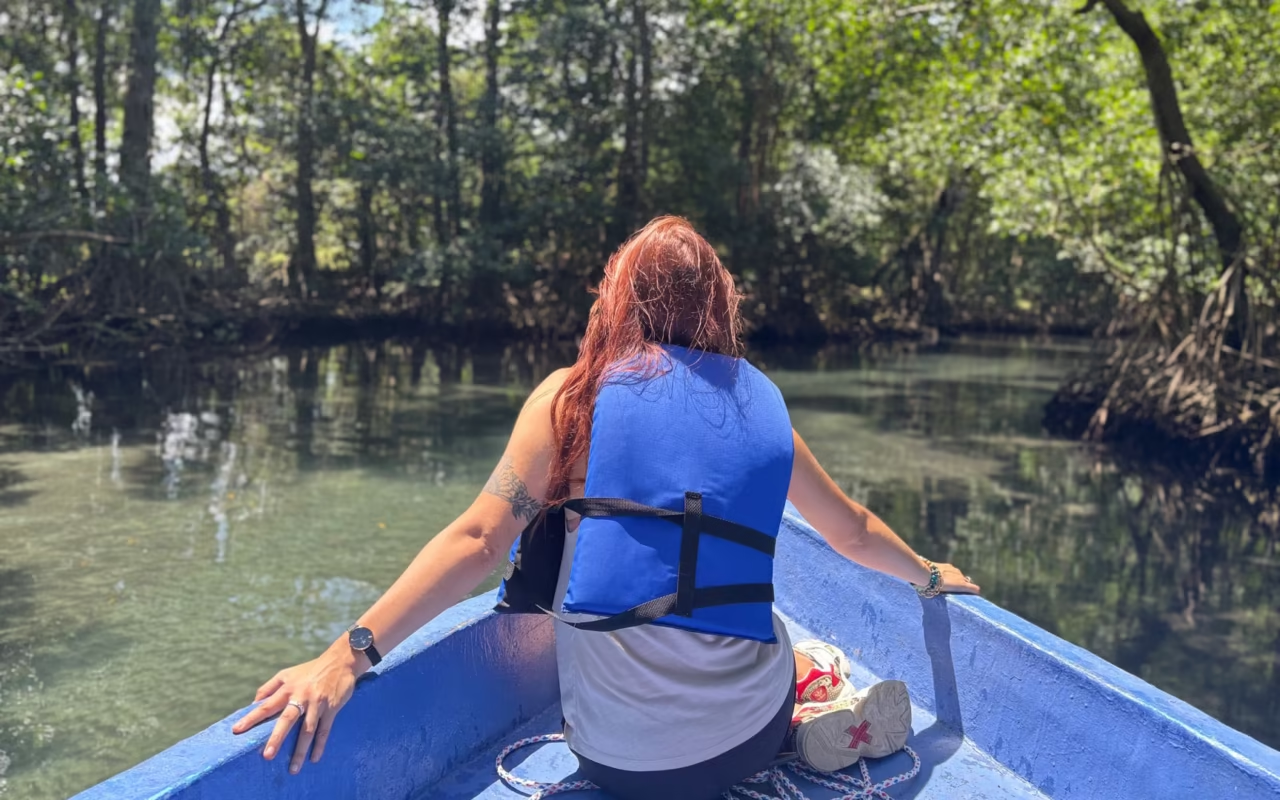
Laguna Grigrí — Mangroves and a Boat Ride
In Río San Juan, Laguna Grigrí offers an experience unlike any other. It’s not a swimming spot, but rather a lagoon connected to the sea by a canal about 260 meters long, surrounded by mangroves. The boat ride through the corridors of vegetation is a peaceful and contemplative experience, ideal for late afternoon.
Our tip: Several local restaurants around the lagoon let you round out your visit with a lunch of fresh fish.
Lagoons for Wildlife Viewing:
Floating Safari in the Southwest
Some Dominican lagoons are not meant for swimming, but rather for observing endemic wildlife in a semi-desert environment unique to the Caribbean.
In the southwest, Laguna de Oviedo and Lago Enriquillo offer a one-of-a-kind floating safari experience. Here, you’ll encounter flamingos, endemic rhinoceros iguanas, and—in the case of Lago Enriquillo—American crocodiles in their natural habitat.
These experiences fit perfectly into an itinerary to Barahona or Bahía de las Águilas. For more details, check out our article dedicated to protected areas in the southwestern Dominican Republic.
How to Choose a Waterfall or Lagoon?
| Site | Type | Access Difficulty | Region |
|---|---|---|---|
| Salto El Limón | Waterfall + Swimming | Easy to moderate | Samaná |
| Salto de la Jalda | Waterfall (tallest in the Dominican Republic) | Difficult | Miches |
| Jimenoa Uno Falls | Waterfall + swimming | Moderate | Jarabacoa |
| Aguas Blancas Falls | High-altitude waterfall | 4×4 required | Constanza |
| Dudu Lagoon | Freshwater lagoon + zip line | Easy | Nagua / North Coast |
| Lago Azul | Semi-cave pool | Easy | Cabrera |
| Laguna Grigrí | Mangrove + rowboat | Easy | San Juan River |
| Oviedo Lagoon | Endemic Wildlife Safari | Moderate | Southwest |
| Enriquillo Lake | Crocodile and Flamingo Safari | Moderate | Southwest |
Waterfalls and Lagoons in the Dominican Republic: Frequently Asked Questions
Can you swim at all the waterfalls?
Swimming is allowed at most sites, but some areas have strong currents (especially beneath the main falls). It’s important to follow local guidelines and never swim in an unfamiliar area.
Do you need a guide?
For the most accessible waterfalls, such as El Limón or Laguna Dudu, a guide isn’t required but is often available on-site. For La Jalda, the southwestern lagoons, or any waterfall in a national park, a local guide is strongly recommended—both for safety and to enhance your experience.
What is the best time of year to visit?
The waterfalls are most impressive during or just after the rainy season (May–June, September–October), when the flow is at its peak. On the other hand, the trails can be slippery. The dry season (December–April) offers more comfortable hiking conditions. See our seasonal guide.
Is a 4×4 vehicle required?
Required for Aguas Blancas and certain rural mountain areas. Recommended for La Jalda and several sites in the Miches region. Not necessary for El Limón, Laguna Dudu, or Laguna Grigrí.
Conclusion
The lagoons and waterfalls of the Dominican Republic reveal a destination far more diverse than its image as a beach resort. Mountains, rainforests, mangroves, or the arid landscapes of the southwest: each region offers its own aquatic scenery. At Terra Dominicana, we incorporate these nature experiences into your itinerary based on your pace, the region you’re visiting, and your travel style—with handpicked local guides and a true eye for detail.
About the Author
Laura Grenouillet is the founder of Terra Dominicana, based in Santo Domingo. She regularly explores the mountainous regions, the Samaná Peninsula, and the country’s southwest to identify the most authentic nature experiences.
Sources
- Visit Dominican Republic — Salto El Limón and Laguna Dudu
- Ministry of Environment and Natural Resources — Valle Nuevo and Cotubanamá National Parks
- Field data from Terra Dominicana, 2025–2026