Traveling to the Dominican Republic with a disability or reduced mobility can be a real challenge. Between adapted accommodation, getting around, beach access and organizing excursions, planning a stress-free trip requires special attention. A lack of reliable information and suitable solutions can sometimes hold back, or even discourage, travel plans.
At TERRA Dominicana, we firmly believe that a disability should never stand in the way of discovery. Drawing on our local expertise, we design tailor-made trips that take into account each traveler’s needs, constraints and wishes. Transport, accommodation, activities and pace: every step is designed so that everyone can discover the Dominican Republic in the best possible conditions.
Tourism for everyone : the new accessibility challenges in the Dominican Republic
Can you travel the Dominican Republic in a wheelchair ?
Yes, and the destination is making real progress on this front. In September 2025, La Romana–Bayahíbe became the country’s first destination officially recognized as touristic, accessible and inclusive.
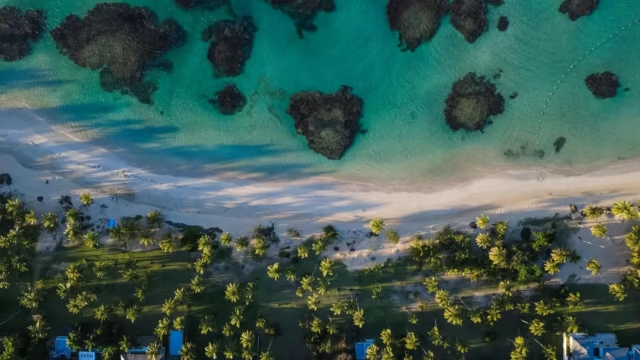
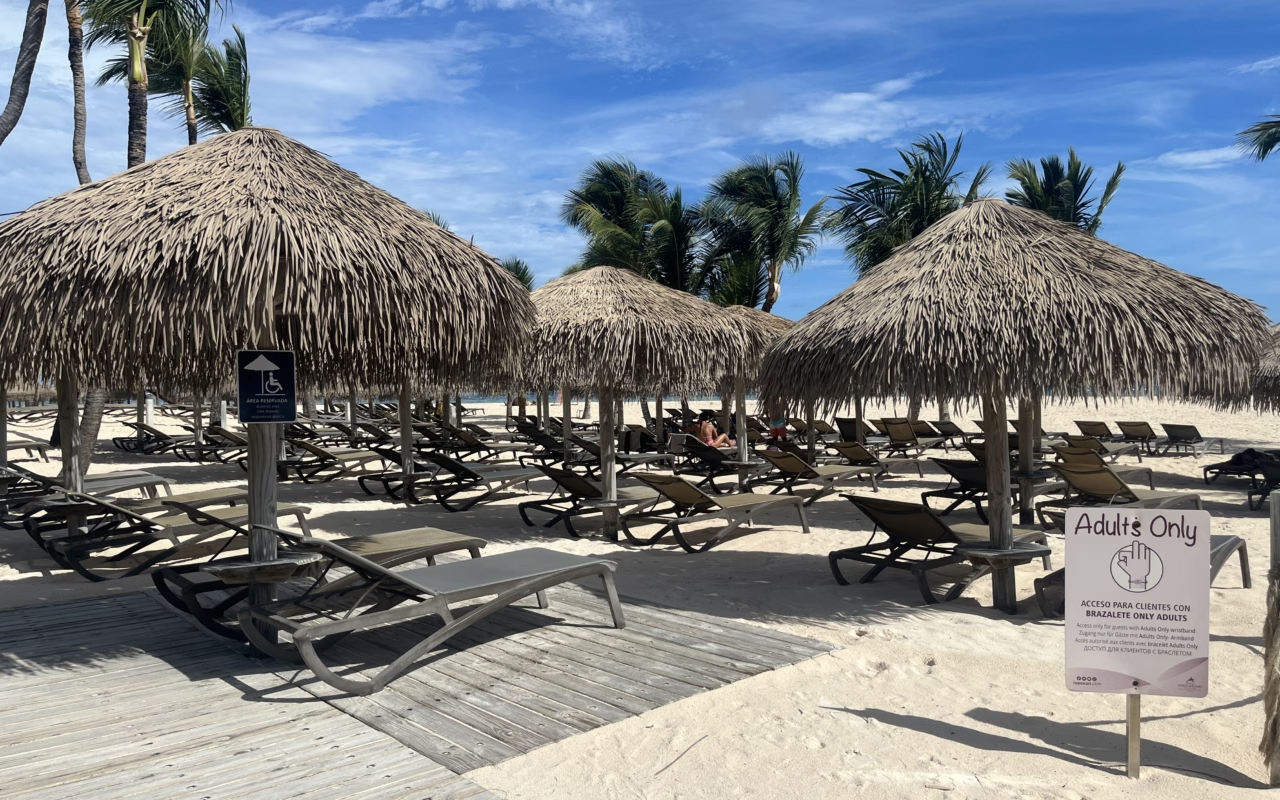
On site, some resorts in Punta Cana and La Romana offer accessible rooms, adapted access to pools and beaches, and sometimes even beach wheelchairs (tiralos) so guests can enjoy the sea. Some also have basic medical equipment.
But accessibility varies greatly from one property to another. At TERRA Dominicana, we therefore check every option, hotel by hotel and activity by activity, to build a trip that truly matches each traveler’s needs and level of independence.
Where to go in the Dominican Republic in a wheelchair ?
The choice of region depends on the traveler’s level of independence, specific needs and the type of trip they are looking for. Some destinations are easier to organize, while others require more advance planning.
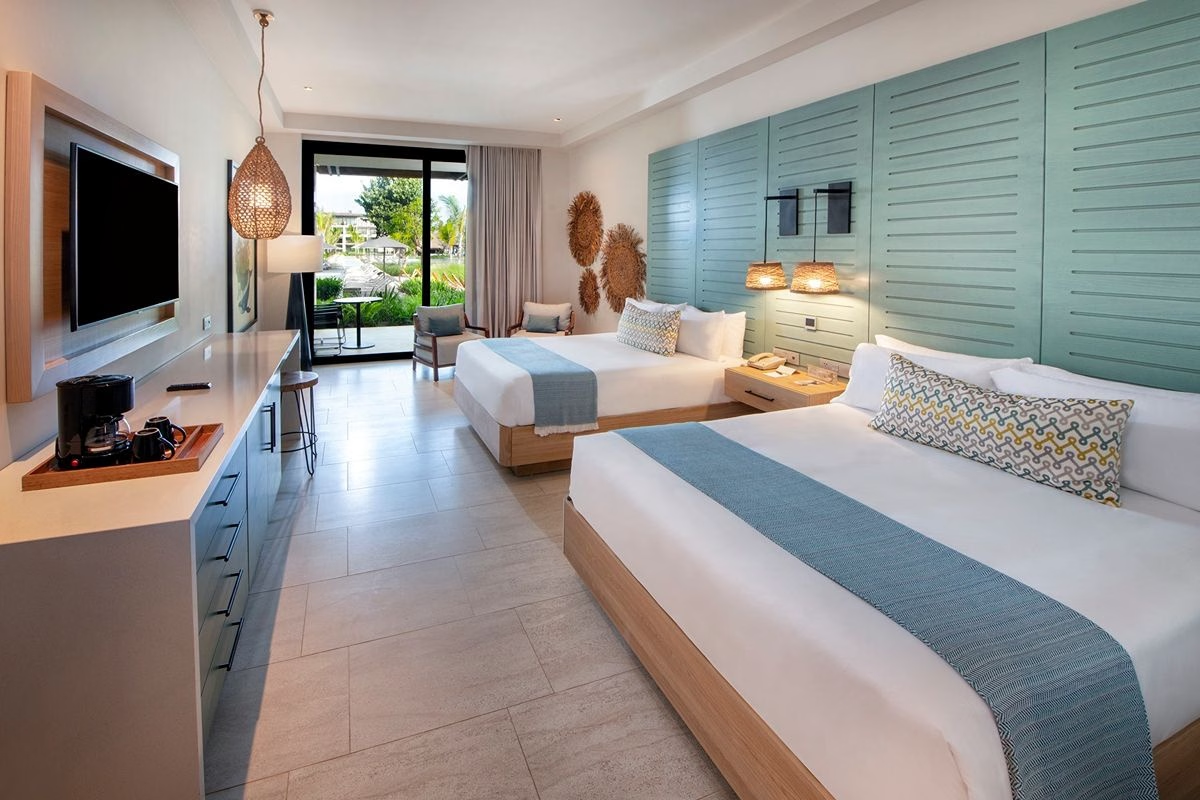
Punta Cana remains the easiest choice : plenty of hotels, well-established services and few long journeys. Several resorts have adapted ground-floor rooms and wheelchair-accessible common areas, all the way to the beach. Ideal for a beach vacation without logistical hassles.
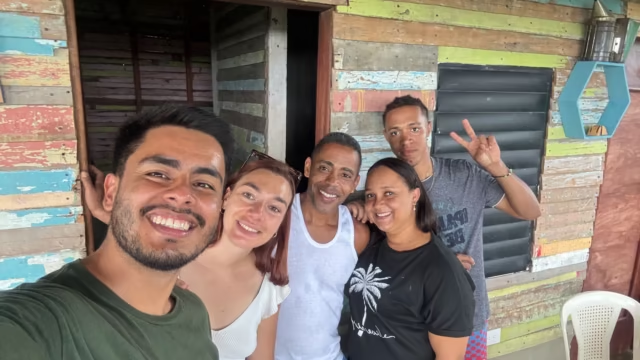
Our team went directly on the ground to visit several resort-style hotels, paying particular attention to their accessibility. Following these visits, we selected three properties that meet our criteria and are of real interest for our project.
La Romana–Bayahíbe lets you combine beaches and nature, in a region committed to improving accessibility. Some beaches and boat trips offer adapted facilities and boarding assistance for wheelchair users.
Following the inspections carried out by our team, our feedback is positive : this destination can definitely be offered. Although the number of accessible properties is much more limited than in Punta Cana, several hotels have adapted perfectly to this demand and offer infrastructure and services suited to these travelers.
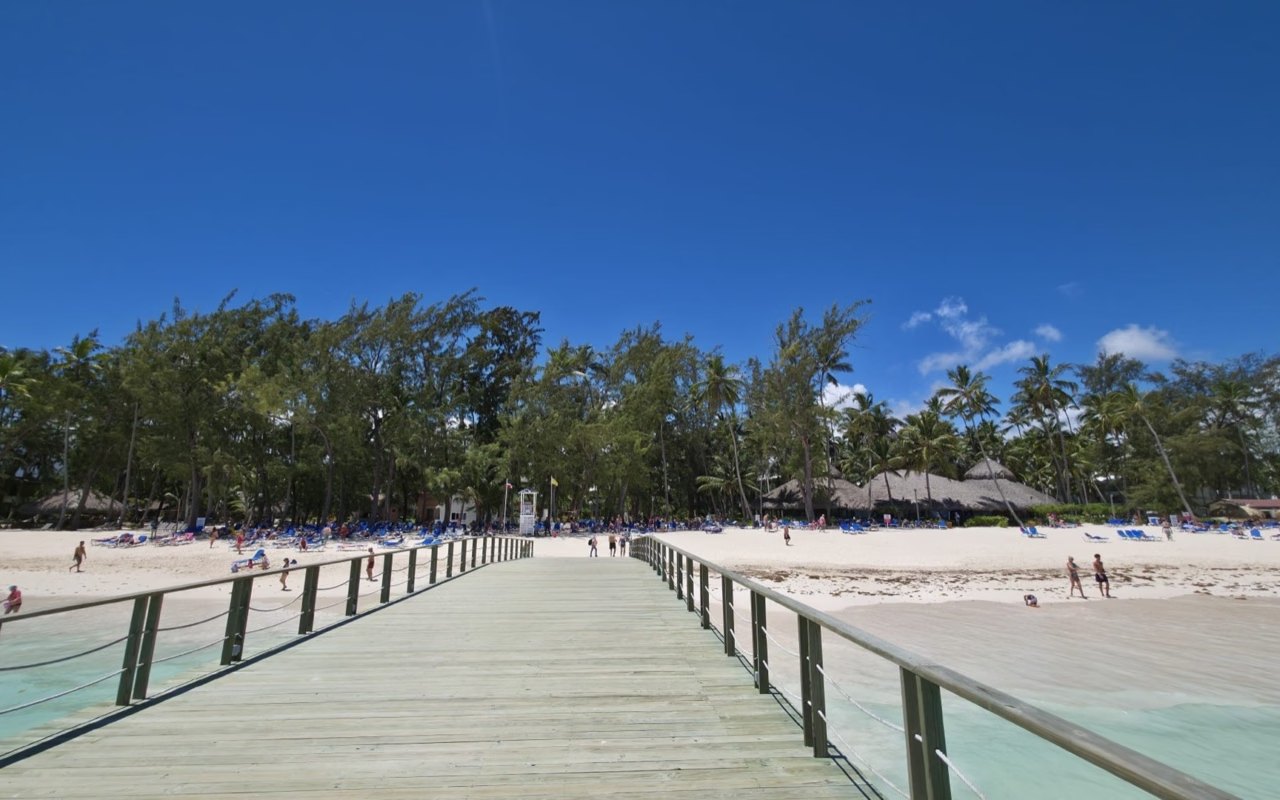
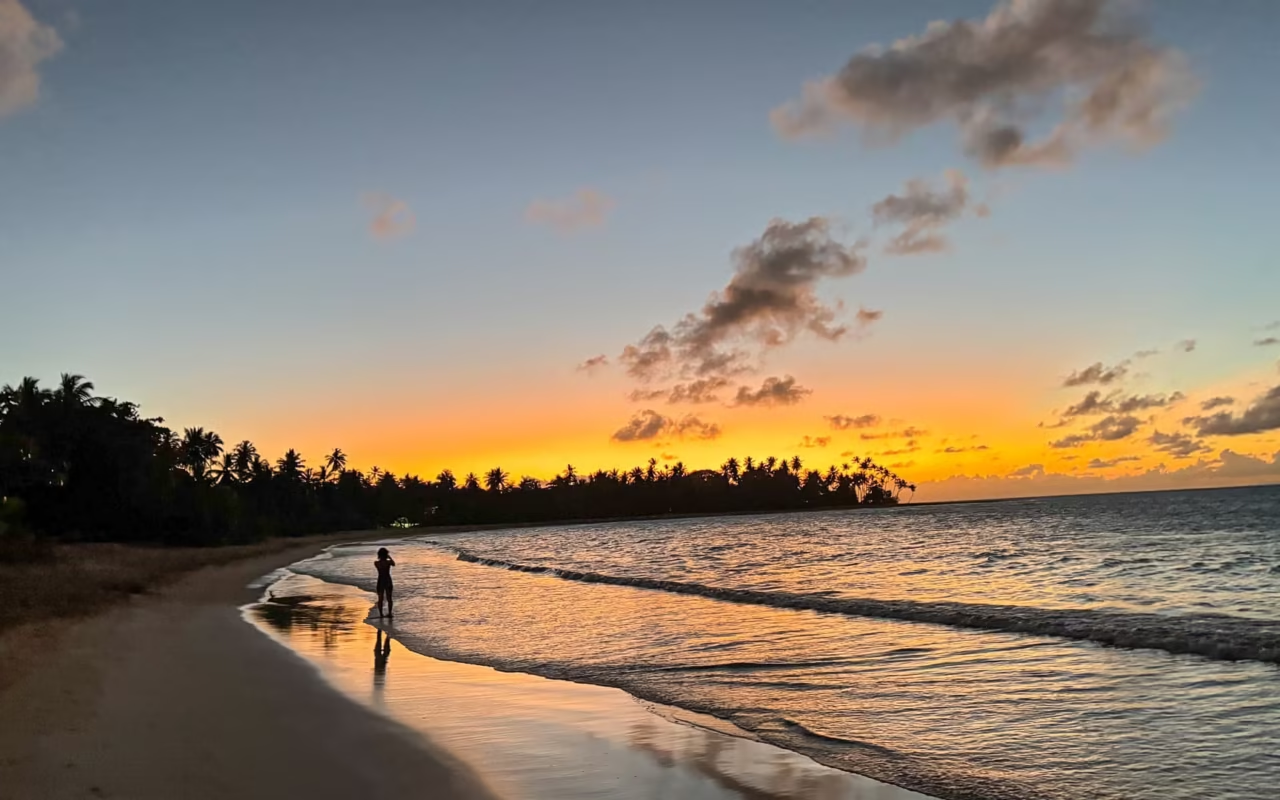
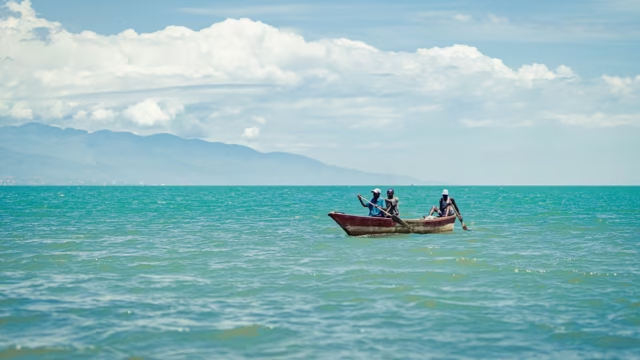
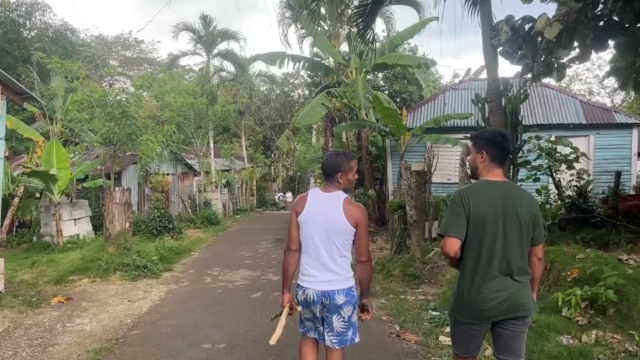
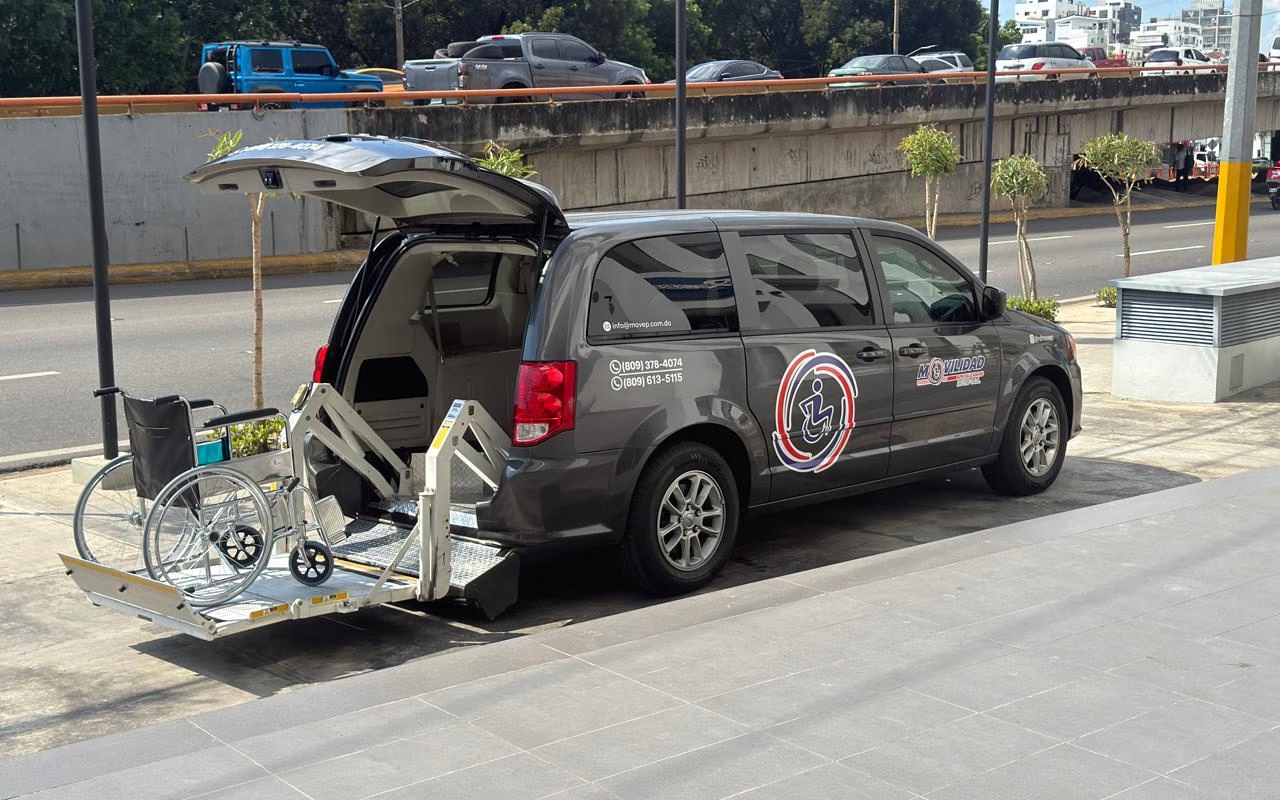
The Samaná Peninsula, and Las Terrenas in particular, is our favorite for travelers seeking authenticity, far from mass tourism. Between fishing villages and unspoiled beaches, you discover another way of traveling : step into local art studios, where painters and artisans gladly open up their world, then let the rhythm of the coast do the rest. We select ground-floor accommodations, some facing the sea, so you can enjoy the view as soon as you wake up and watch spectacular sunsets from your terrace. Depending on your wishes, a boat trip can round off your stay, with boarding points chosen for their accessibility. All transfers are made in wheelchair-accessible vehicles.
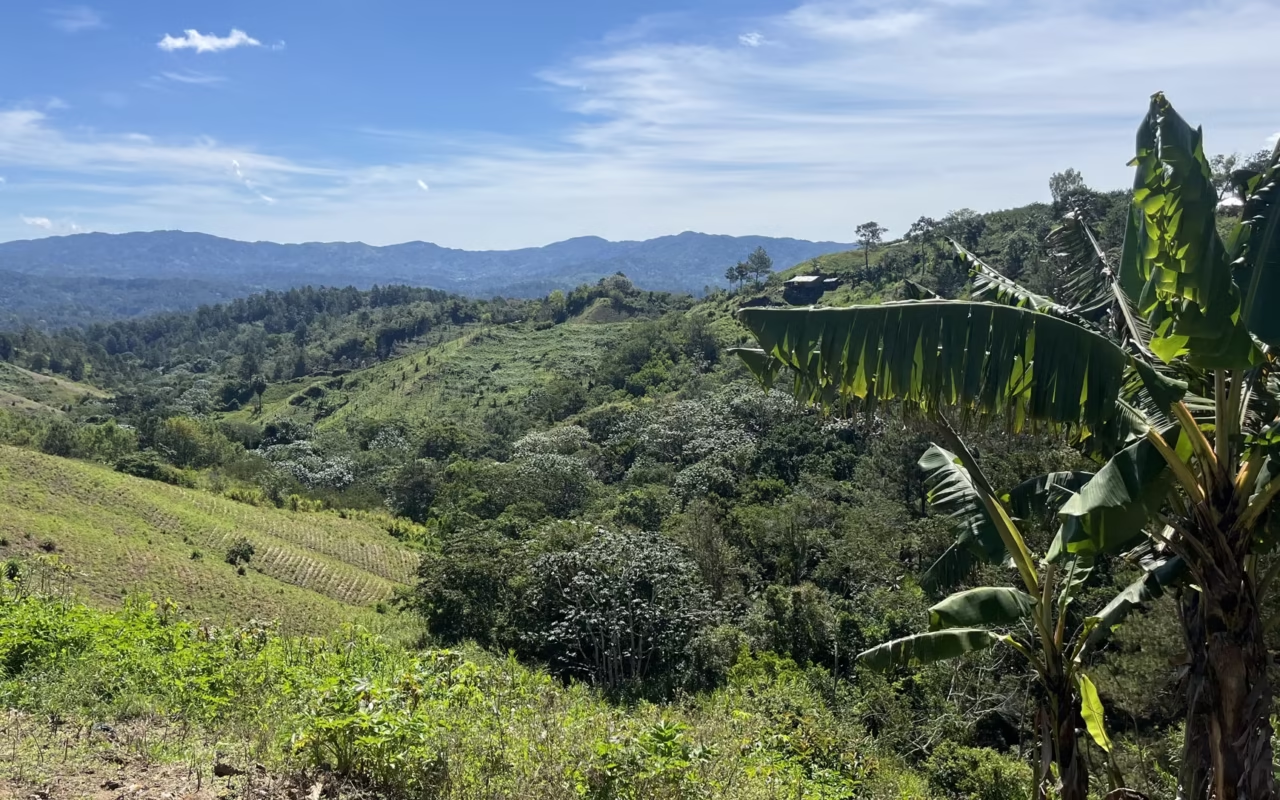
Jarabacoa, in the heart of the mountains, offers a lovely break of cool air and nature. A stop to discover the landscapes of the Cordillera Central, enjoy some fresh mountain air or visit a coffee plantation, with viewpoints accessible by vehicle and a manageable visit route.
In this region, the choice of hotels remains fairly limited, mainly because of the authentic, unspoiled character of this stop, away from the usual tourist routes. It is therefore essential to book well in advance, as properties have very few rooms adapted for guests with disabilities.
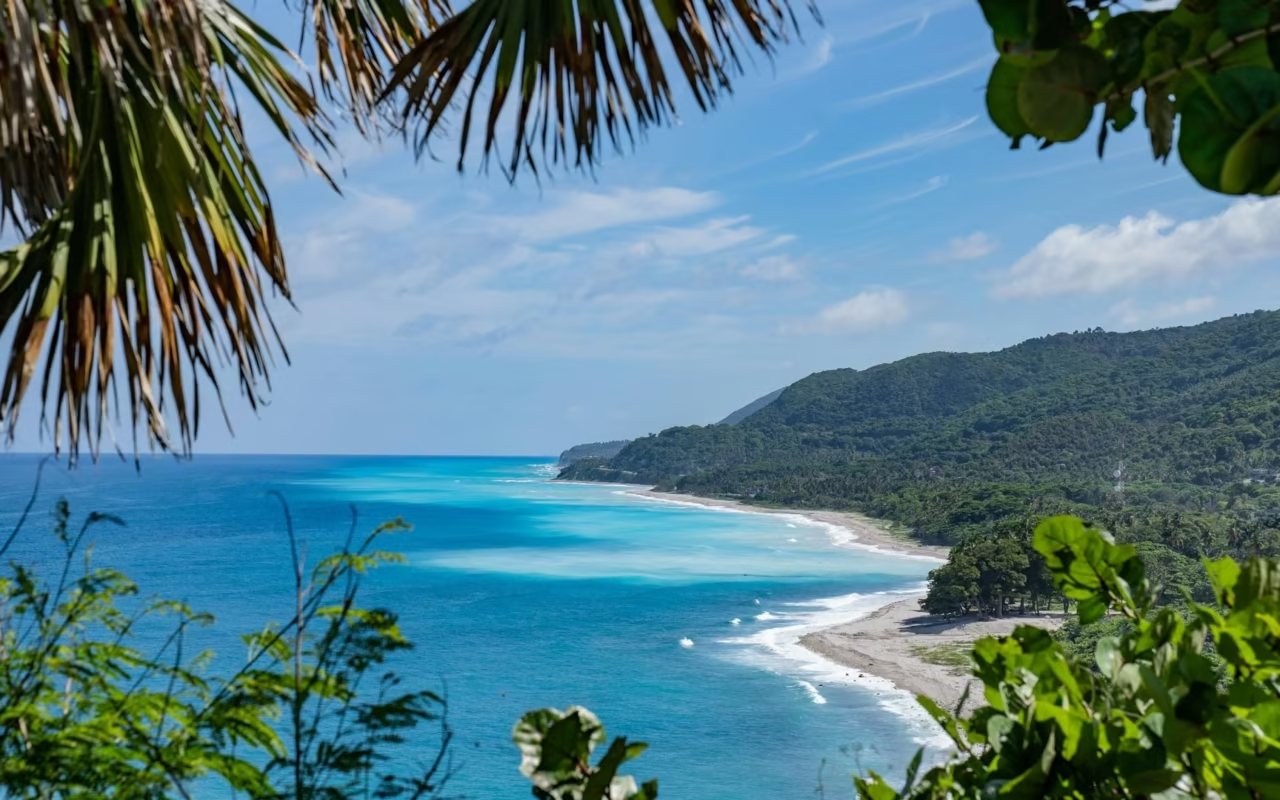
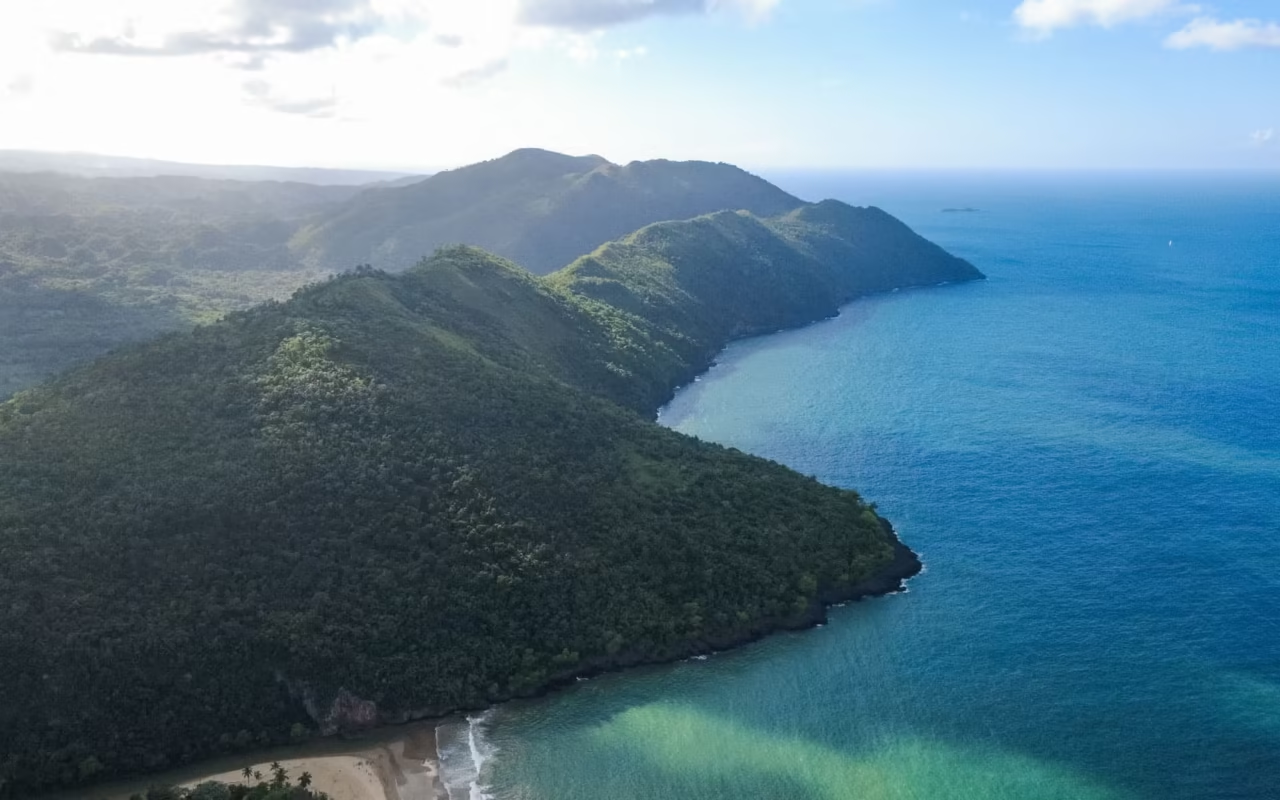
Barahona, in the southwest, charms visitors with its authenticity, dream beaches, wild landscapes and the discovery of larimar, the country’s iconic blue stone. Far from large tourist complexes, the region offers an immersive experience close to local life. Journeys are made in adapted vehicles and the larimar visit remains accessible. As distances are long, we recommend planning 4 to 5 nights to make the most of this stop.
Santo Domingo is ideal for cultural immersion. With a private French-speaking guide, discover the capital’s history through its museums, heritage and traditions. City tour in adapted electric transport, local food discovery, honey tasting, a game of dominoes with locals or street concerts : so many experiences to meet Dominicans and discover the city at your own pace.
Our local expert tip: not all of these regions offer the same level of accessibility. Options must be assessed case by case, especially for transport, accommodation and activities.
Which accessible experiences can you enjoy in the Dominican Republic ?
Beyond classic sightseeing, it is possible to include cultural and culinary experiences adapted to each person’s abilities.
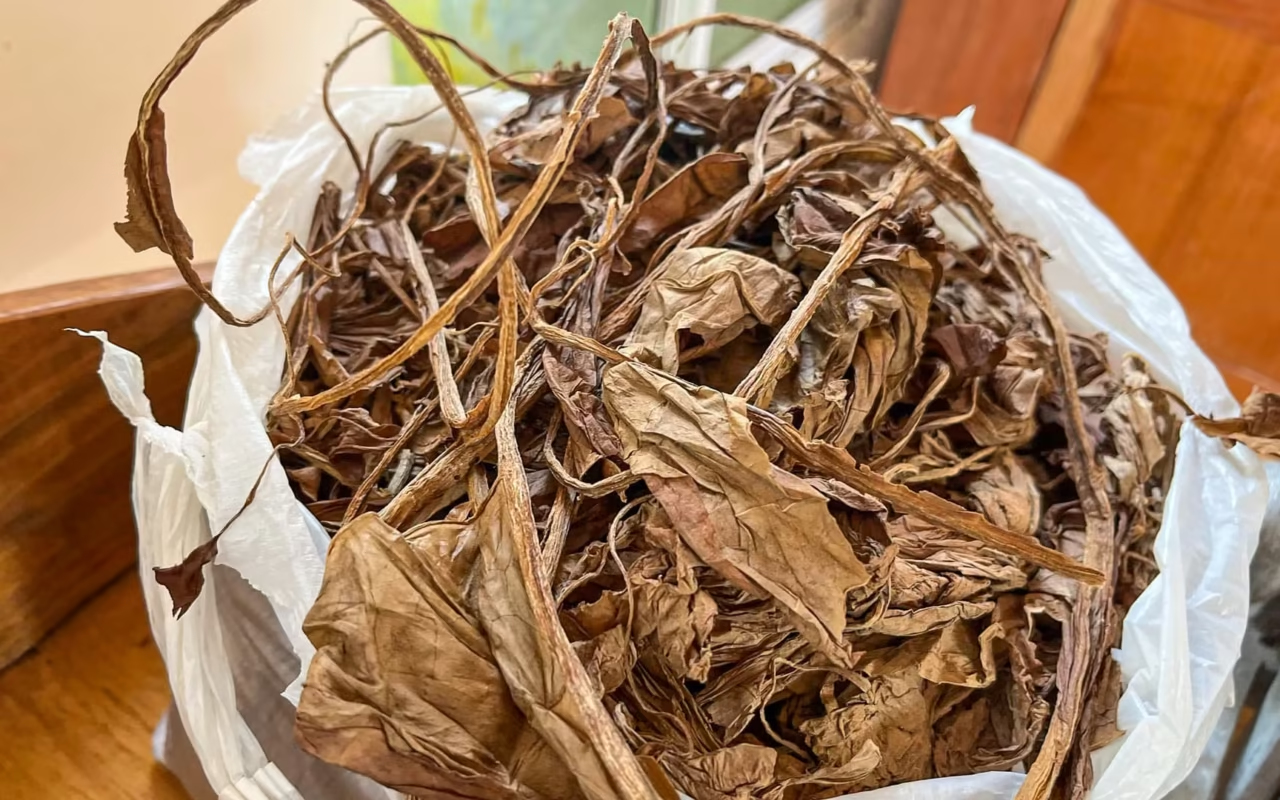
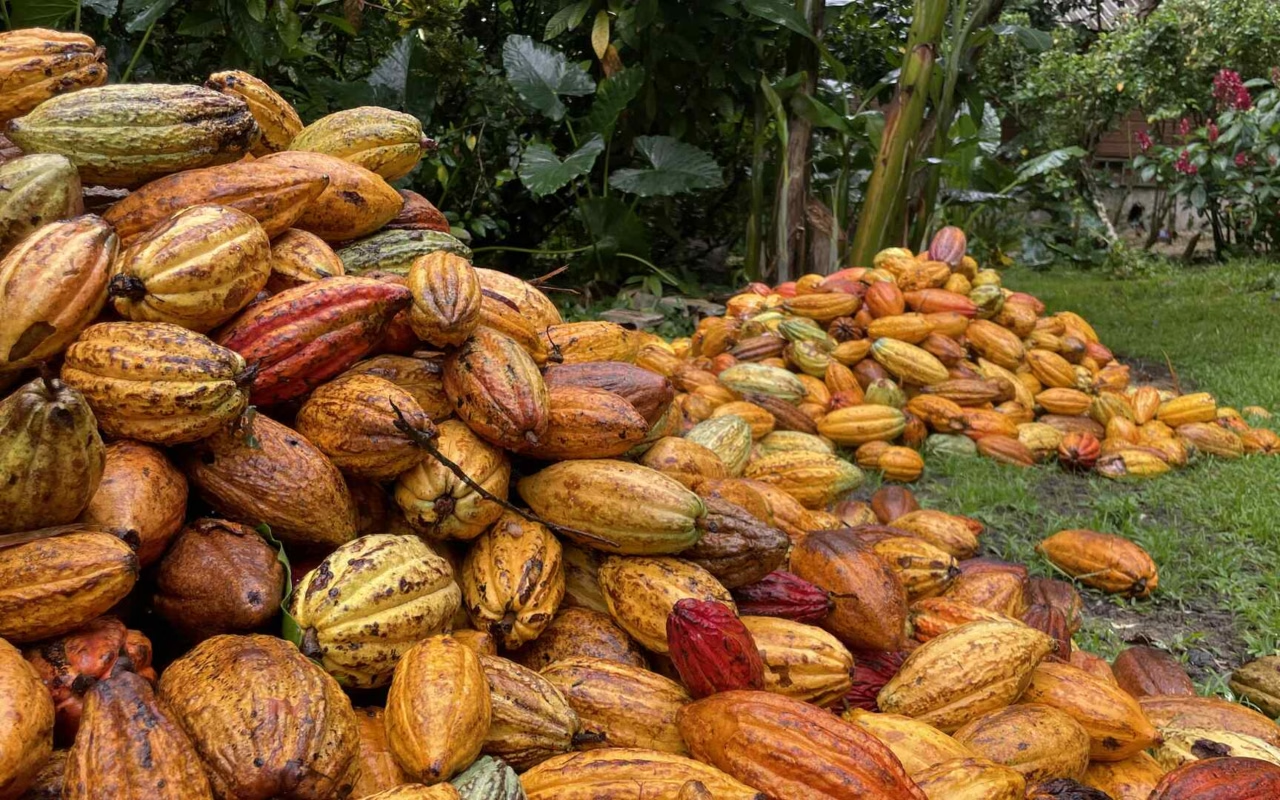
In Santo Domingo, an immersive discovery of the world of cacao lets you touch the pods, smell the roasted beans, taste different flavors and understand the steps involved in making chocolate. The experience can continue with a chocolate-making workshop and a Dominican lunch.
In Las Terrenas, meeting a French-speaking visual artist offers a chance to discover Dominican craftsmanship during a personalized workshop. Other experiences can complete the stay : rum tasting, a guided tour or a boat excursion. Each activity is assessed in advance, especially access and boarding conditions, to match the traveler’s abilities and pace.
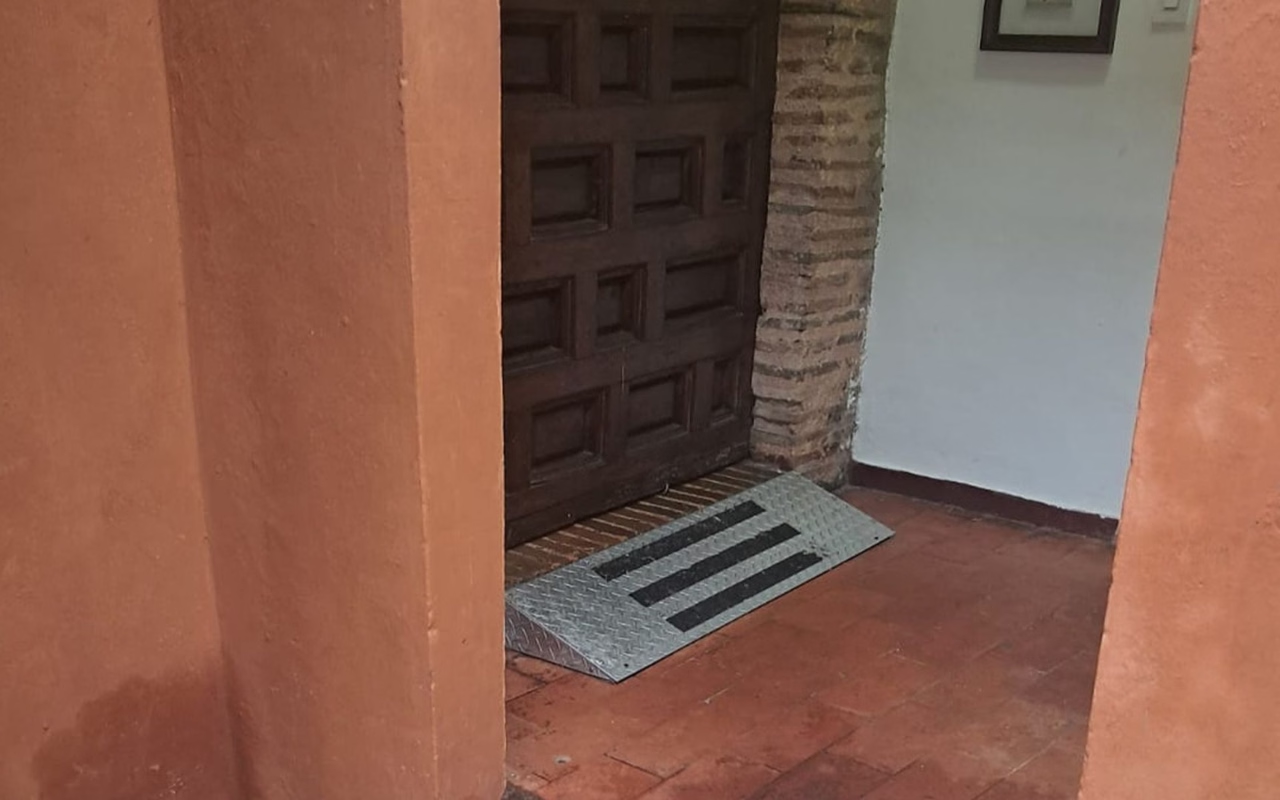
During our latest inspection, we also assessed the accessibility of the chocolate activity, located in the heart of the Colonial Zone, paying particular attention to the presence and compliance of access ramps.
How does Terra Dominicana organize an accessible trip ?
Every project starts with an in-depth conversation to understand the disability, level of independence, necessary equipment and the traveler’s wishes. This step allows us to go even further than our usual tailor-made approach and build a truly adapted itinerary.
Transport and equipment: how does it work in practice ?
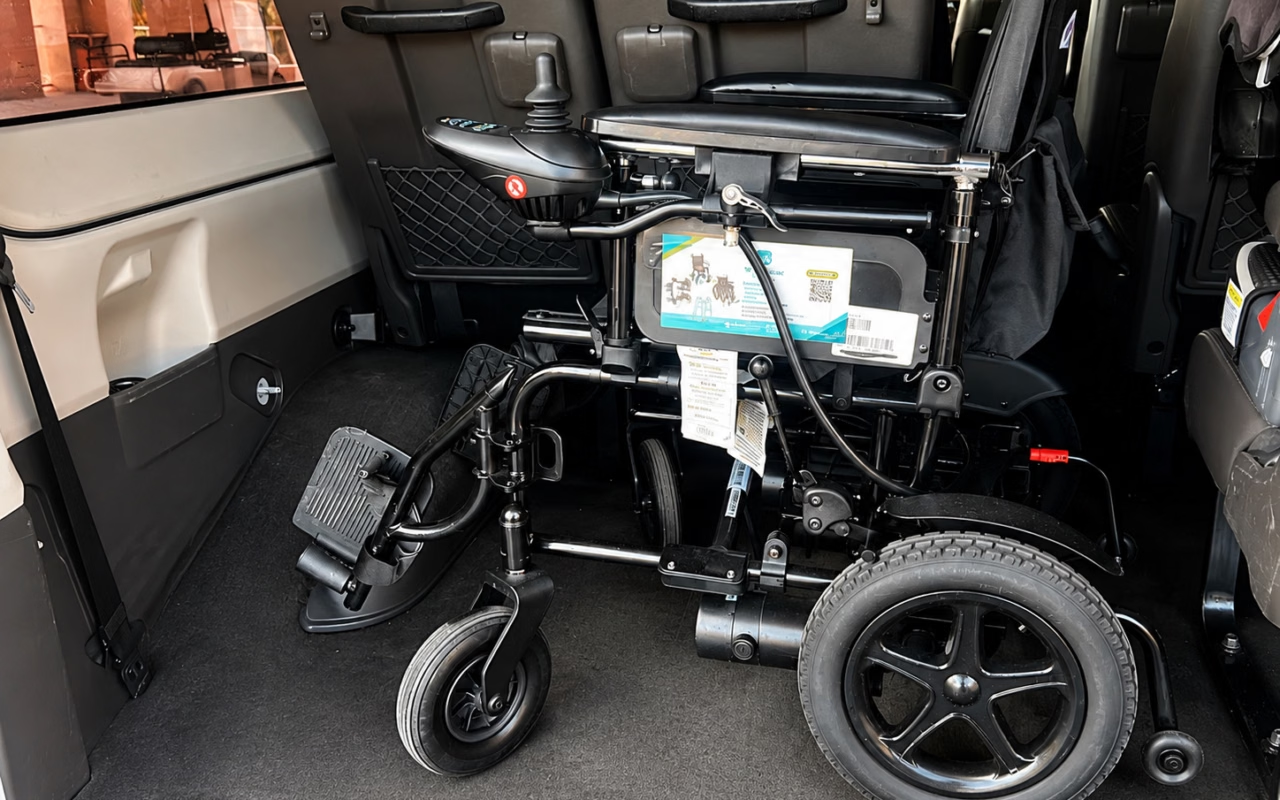
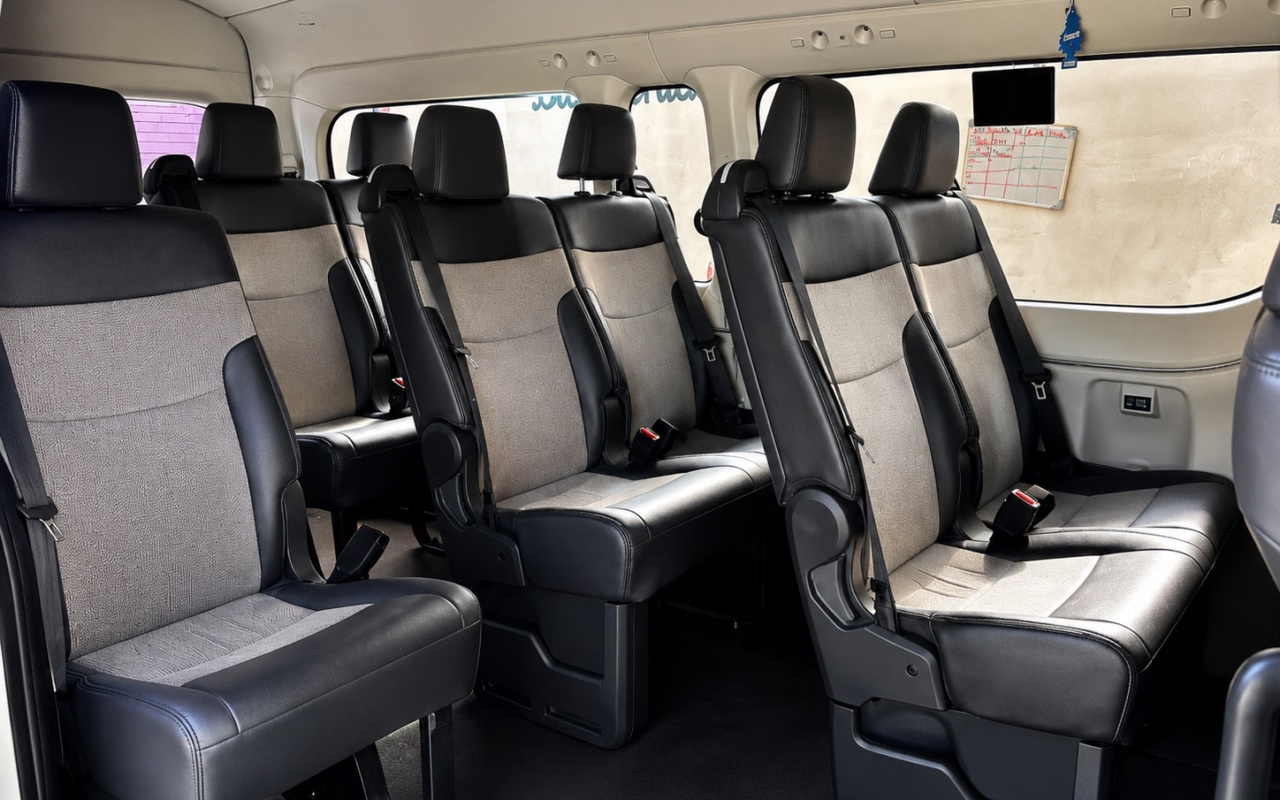
Journeys between regions can take more than 2 to 3 hours. We therefore organize private transfers in vehicles adapted for manual or electric wheelchairs, with trained local drivers.
For equipment, we work with specialized partners who can provide wheelchairs, patient lifts, shower chairs and additional medical equipment on site. Everything is arranged in advance according to the traveler’s needs, so they don’t have to deal with searching or logistics once they arrive.
| Equipment | What is it for ? | Where is it used ? | To confirm before departure |
|---|---|---|---|
| Wheelchair | Getting around every day, for travellers who are not bringing their own or who want a second wheelchair on site. | Hotel, excursions, restaurants, sightseeing spots. | Type of wheelchair (manual or electric), seat width, length of stay. |
| Patient lift | Safe transfers to and from the bed, wheelchair or bathroom, for both the traveller and the caregiver. | Bedroom and bathroom of the accommodation. | Traveller’s weight, type of transfer needed, room layout. |
| Shower chair | Washing while seated, with more stability and independence. | Bathroom or walk-in shower. | Shower or bathtub, whether a backrest or armrests are needed. |
| Additional medical equipment | Adding to the stay according to each person’s needs (hospital bed, mattress, mobility aids, etc.) | Accommodation, depending on the equipment. | Exact list of equipment, delivery and pick-up dates. |

Accommodations checked on the ground
For each partner hotel, we check key points : door width, shower threshold, grab bars, distance between the room and the beach or pool, and the type of flooring.
Our team, based directly in Santo Domingo, systematically includes CSR criteria in its hotel inspections, whatever the property visited. We pay particular attention to initiatives promoting inclusive tourism, in order to assess how far hotels take these essential issues into account. This approach allows us to identify committed properties and develop an ever more responsible, accessible and inclusive travel offer.
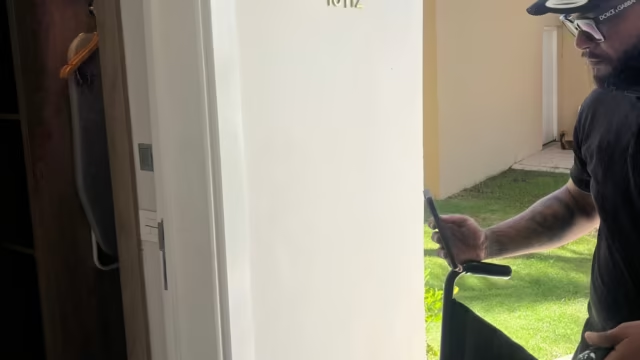
These checks are tailored to each property : circulation in common areas, access to facilities, terrain and slopes, and the layout of rooms and bathrooms. The goal is never to rely on the word “accessible” alone, but to confirm that the accommodation truly meets the traveler’s needs.
Which destinations are best for a reduced-mobility trip ?
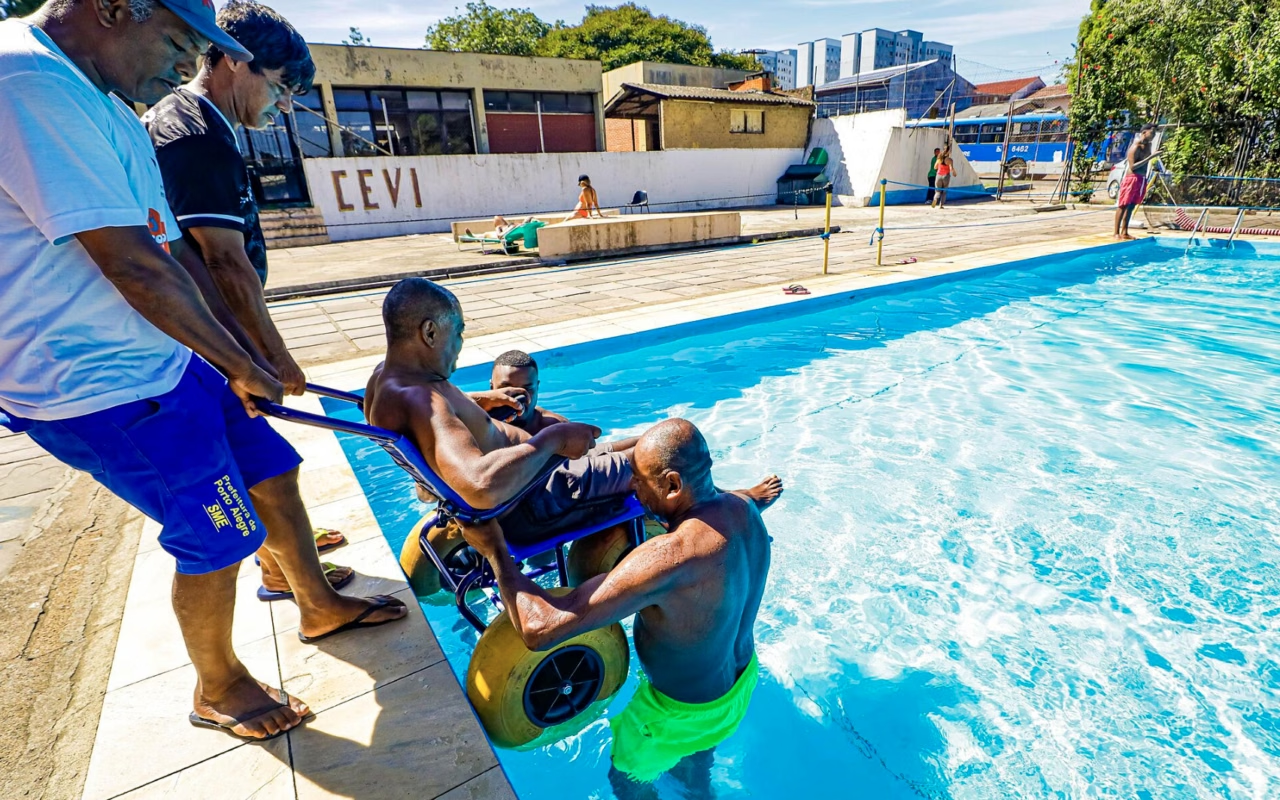
Why choose Punta Cana and La Romana for an accessible trip?
For travelers with a physical disability, Punta Cana and La Romana–Bayahíbe are the easiest regions to organize, thanks to their wide range of hotels and tourist infrastructure. The north coast, around Puerto Plata, is still an option, but requires more careful planning depending on accommodation, activities and transport options.
A trip that can also combine adventure, culture and mountains
A trip isn’t limited to beaches : depending on the traveler’s needs and independence, it can include more authentic stops such as Santo Domingo, Las Terrenas or Jarabacoa. Each itinerary is built case by case, based on accessible transport and activities. In Santo Domingo, a private French-speaking guide can show you the Colonial Zone and its historic heritage, before continuing, if conditions allow, to the more natural landscapes of Samaná and the northeast coast.
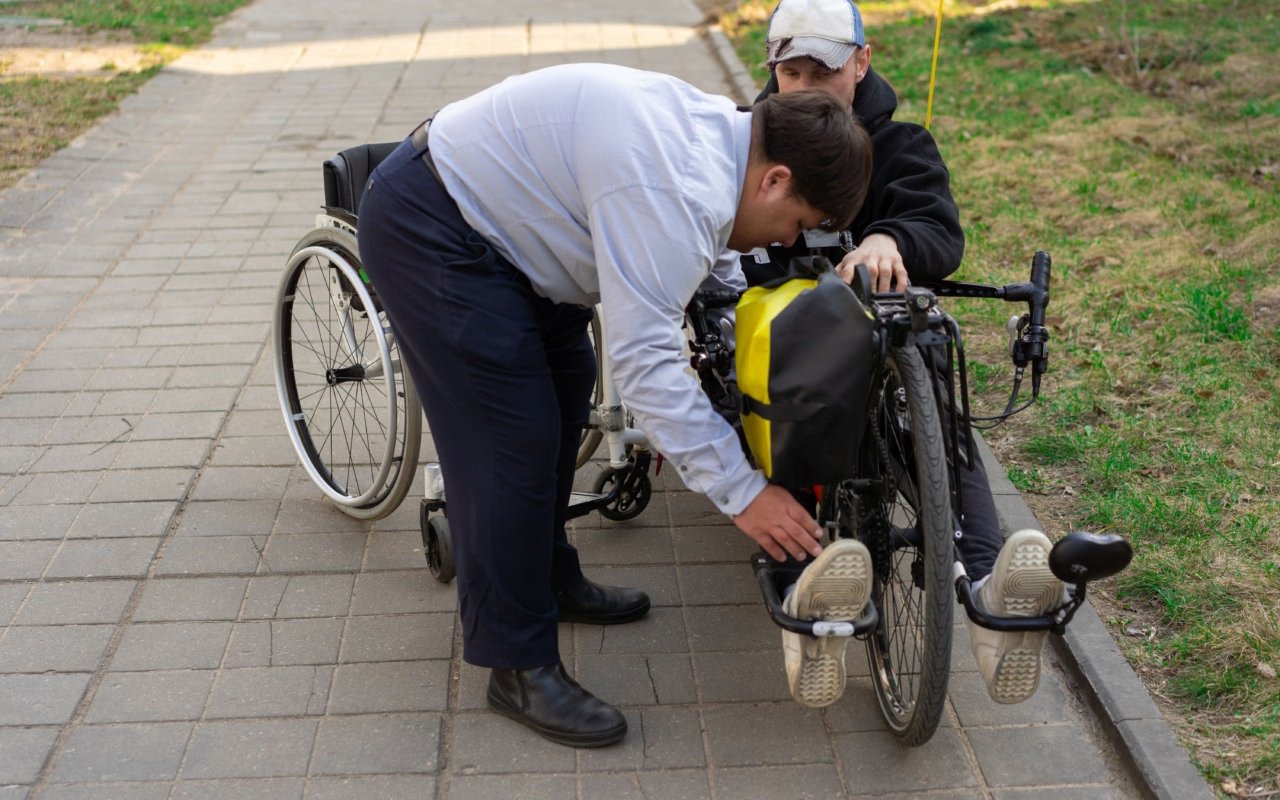
Tailor-made support, from the first call to the final itinerary
How TERRA Dominicana builds your tailor-made trip
We have selected hotels, activity providers and transport companies that allow us to build a complete trip : but not everything is possible everywhere. That’s why a qualification call beforehand is essential : understanding the disability, level of independence, preferred pace and budget, so we can build a truly tailor-made itinerary together. This approach is also part of a wider network : our partner agency Terra Panamerica in Colombia is developing a similar accessible tourism offer, which you can discover here : Accessible tourism in Colombia.
How long should a trip to the Dominican Republic be for travelers with a disability ?
To make the most of the destination without too many transfers, we generally recommend planning at least 10 to 12 days on site. This gives you time to settle in, enjoy the hotel’s facilities and include a few excursions or stops adapted to the traveler’s pace.
Depending on your wishes, your independence and the regions you want to discover, a longer stay can of course allow for a more varied itinerary.
Need help deciding on the length and pace of your trip ? Discover our tailor-made trips in the Dominican Republic.
FAQ
Is the Dominican Republic accessible to wheelchair users ?
Yes, some destinations, beaches, hotels and tourist sites have adapted facilities. However, accessibility varies by location and by wheelchair type: a manual wheelchair and an electric wheelchair do not involve the same logistics (transport, access width, charging). We adapt each trip to your profile.
Can a tailor-made reduced-mobility tour be organized ?
Yes. The number of stops, travel times, accommodation, transport and activities can all be adapted to the traveler’s needs and pace.
Can private transfers be arranged ?
Yes. Private transfers make it possible to organize travel around the group and the traveler’s specific needs.
Which regions are best ?
Punta Cana, La Romana and Santo Domingo can all be suitable, depending on the type of trip you are looking for. The choice is made case by case, based on the traveler’s wishes, abilities and pace.
The Dominican Republic is making real progress toward more inclusive tourism : record visitor numbers and its first officially accessible destination. But a successful reduced-mobility trip doesn’t depend on a “certified” destination : it is built step by step, around the traveler. That is exactly what we do at TERRA Dominicana.
About the author
Elisa EPENOY is an intern at TERRA Dominicana and specializes in designing tailor-made trips to the Dominican Republic, with a particular focus on accessible tourism and travel for people with reduced mobility.
She is particularly interested in adapted accommodation, private transfers and accessible experiences, in order to design itineraries that match each traveler’s needs and wishes.
Passionate about travel and Caribbean cultures, Elisa shares her expertise through Terra Dominicana’s guides and articles, with one goal : to show that a reduced-mobility trip to the Dominican Republic is possible when it is carefully designed and prepared to measure.


Main sources
- Presidency of the Dominican Republic — Ministry of Tourism : tourist arrivals and recognition of La Romana–Bayahíbe as the country’s first accessible and inclusive tourist destination, 2026.
- Presidency of the Dominican Republic — Civil Aviation : statistics on passengers, air operations and international connectivity, 2025.
- Dominican Republic Tourism Board: information on transport and the accessibility of certain tourist sites.
- CONADIS / ONE : national data on people with disabilities and accessibility policies, 2024.