I thought I knew the Dominican Republic… until I lived there
– Daniel’s Story from Terra Dominicana
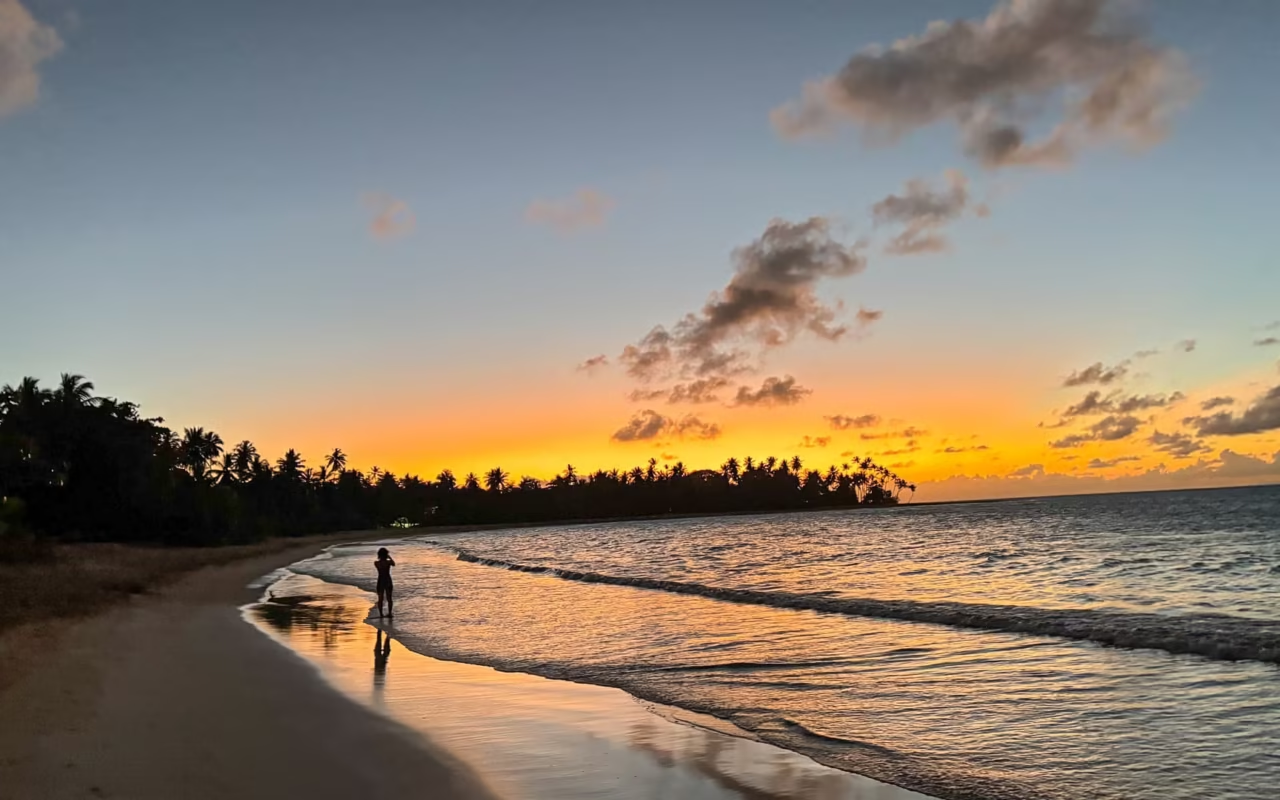
Before joining TERRA Dominicana, I imagined the Dominican Republic just like many others do: idyllic beaches, coconut palms, and all-inclusive resorts. As I explored the country firsthand, I realized it held incredible diversity: mountains over 3,000 meters high, farming villages, people of rare generosity, and an exceptional historical heritage. Here’s what truly changed my perspective on this destination.
A destination I thought I knew… before I moved there
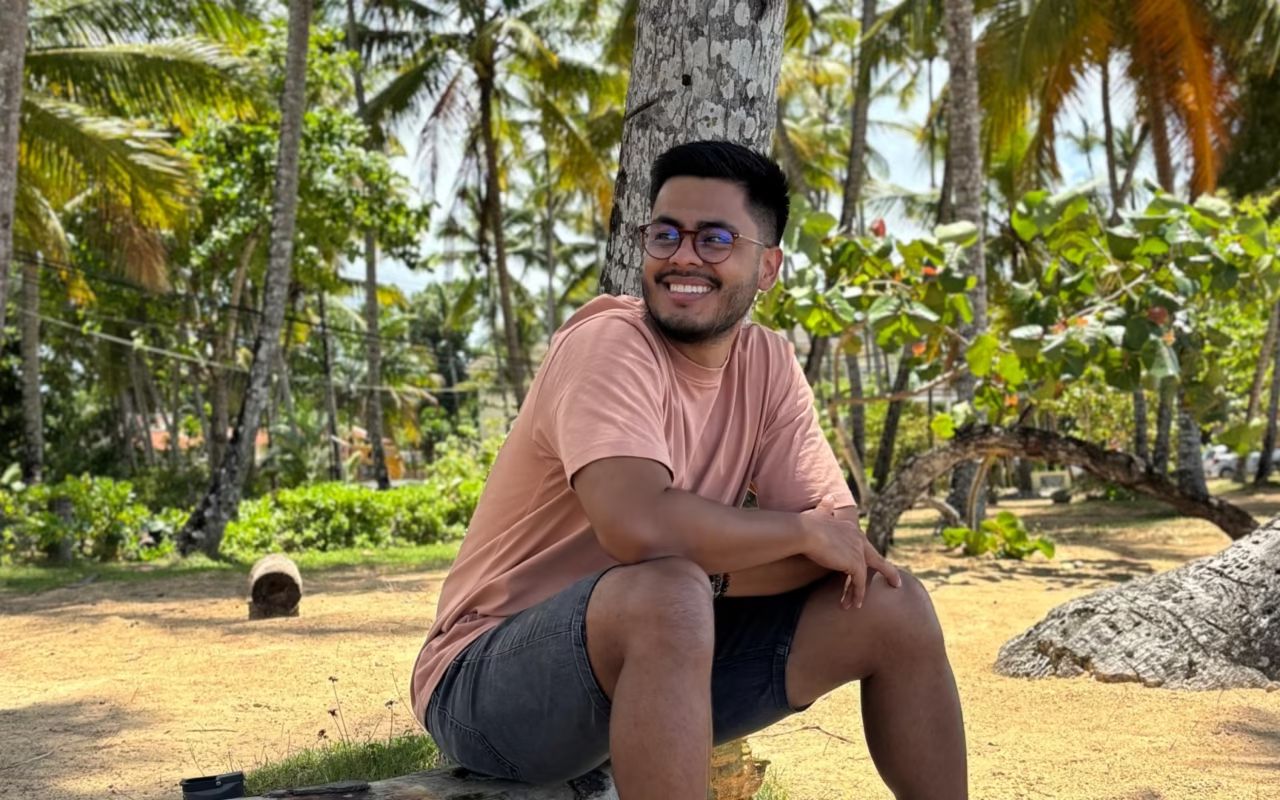
I’m from Costa Rica; I grew up in the heart of Central America, surrounded by volcanoes, tropical forests, and beaches. When people think ofa Caribbean island, they almost always picture the same thing: turquoise waters, a few coconut palms, year-round sunshine, and a relaxing atmosphere.
That was exactly the image I had of the Dominican Republic.
Then I began traveling around the country as a member of the fledgling TERRA Dominicanateam , meeting families, local guides, hoteliers, producers, and artisans. As I traveled further and further, I realized that this island had a much richer character than I had imagined.
Did you know?
With an area of nearly 49,000 km², the Dominican Republic is the second-largest country in the Caribbean after Cuba. This geographic diversity explains the impressive variety of its landscapes.
The Dominican Republic is more than just beaches
When I tell people that I now live in the Dominican Republic, the first reaction is almost always the same:
« You must spend your days on the beach! »
I smile, because in reality, our days rarely look like that.
Our job involves traveling around the country to select new partners, visit accommodations, try out activities, and meet the people who will bring our clients’ future trips to life.
Mountains I never imagined would be in the Caribbean
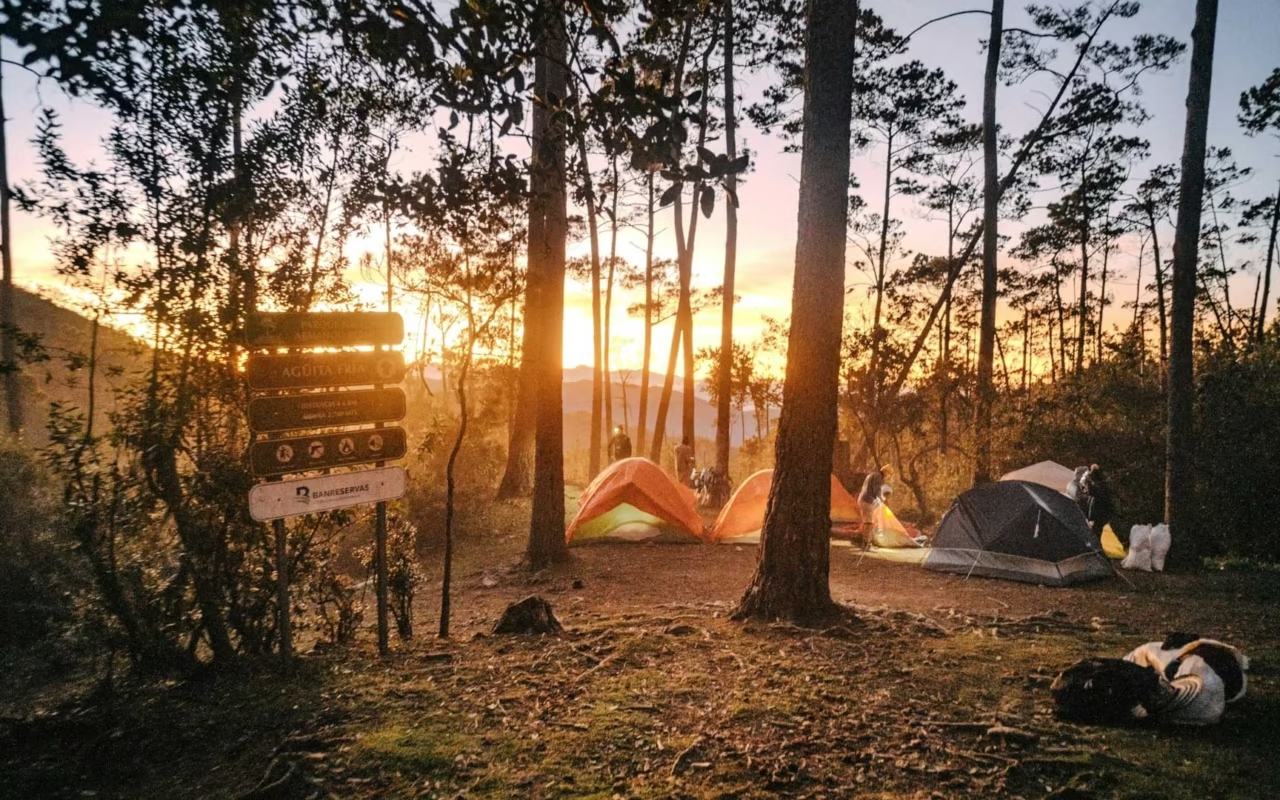
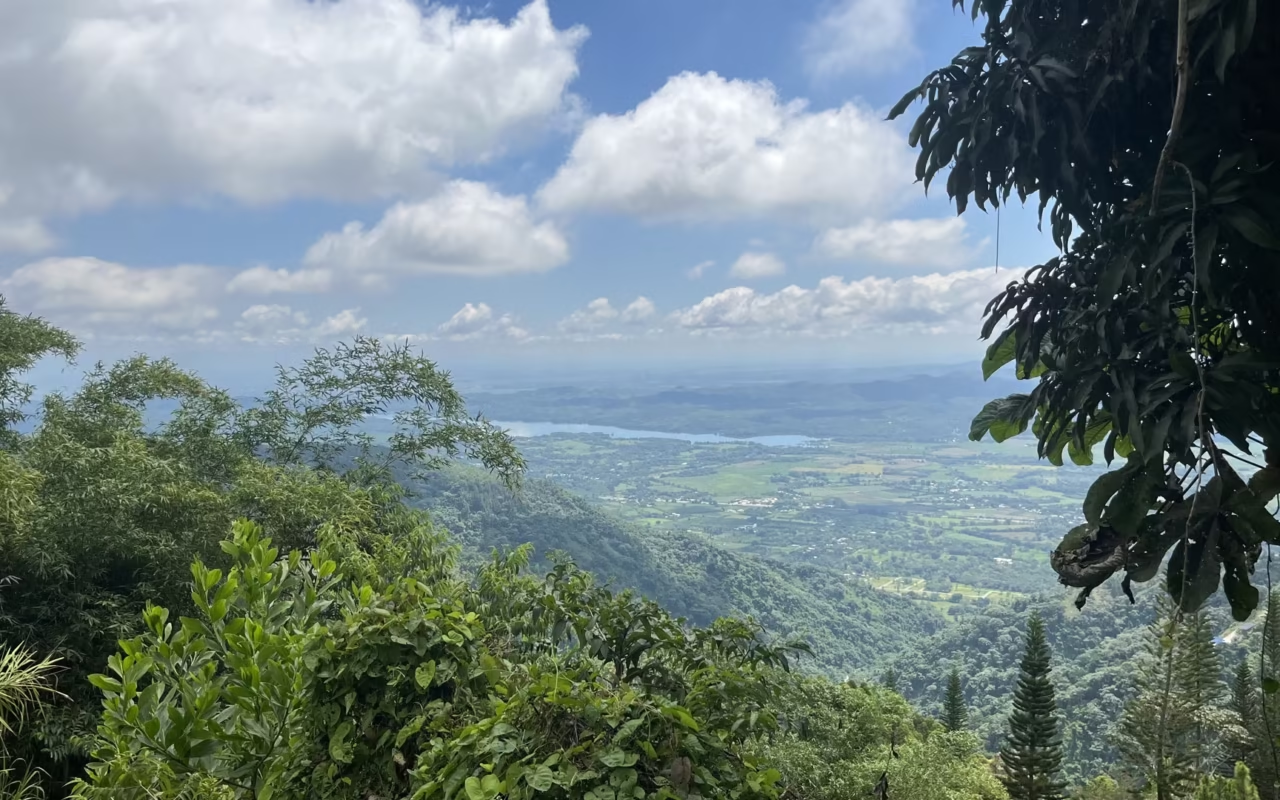
My biggest surprise? In the heart of the Cordillera Central stands Pico Duarte, the highest peak in the Caribbean at 3,098 meters. As I drove along these mountain roads, I encountered landscapes that reminded me of my native Costa Rica: lush forests, cooler air, and nature all around.
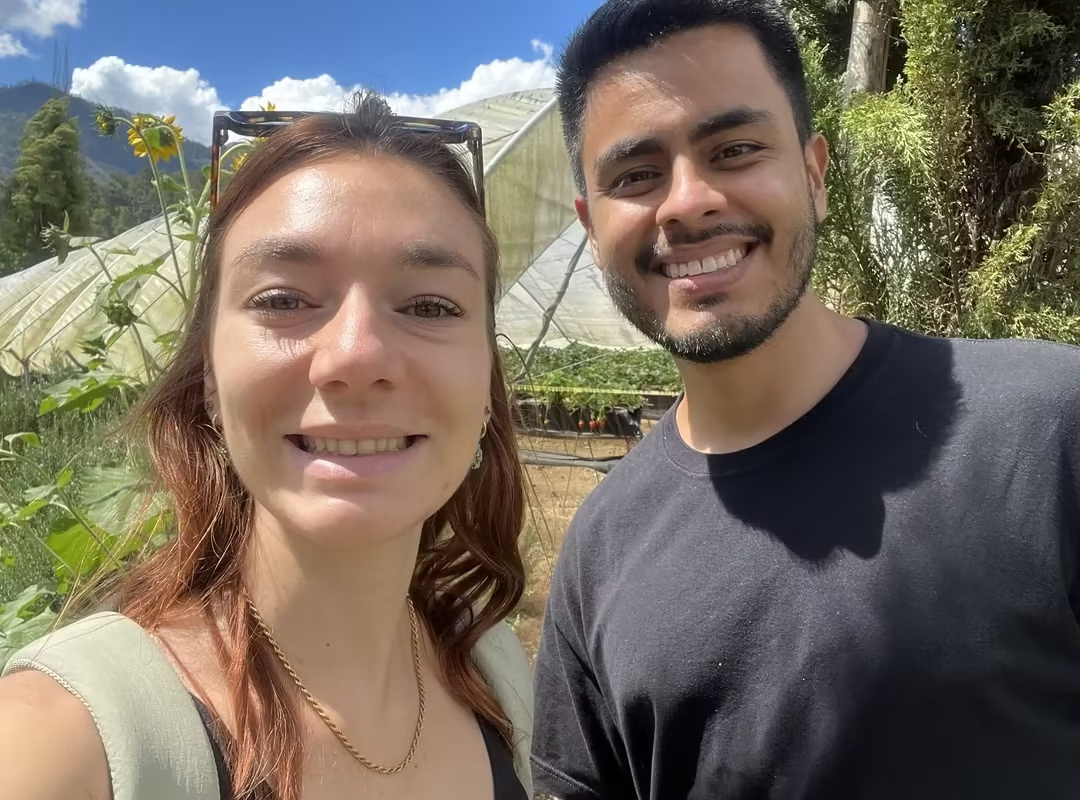
It was also in this region that I discovered Constanza, often nicknamed the “Switzerland of the Caribbean.” Surrounded by agricultural valleys, this town is renowned for its vegetable, strawberry, and flower farms. Its surprisingly cool climate and peaceful atmosphere offer a striking contrast to the typical image of the Caribbean.
It was then that I realized the Dominican Republic is a country of many faces, capable of surprising you at every turn of your journey.
Daniel’s Tip
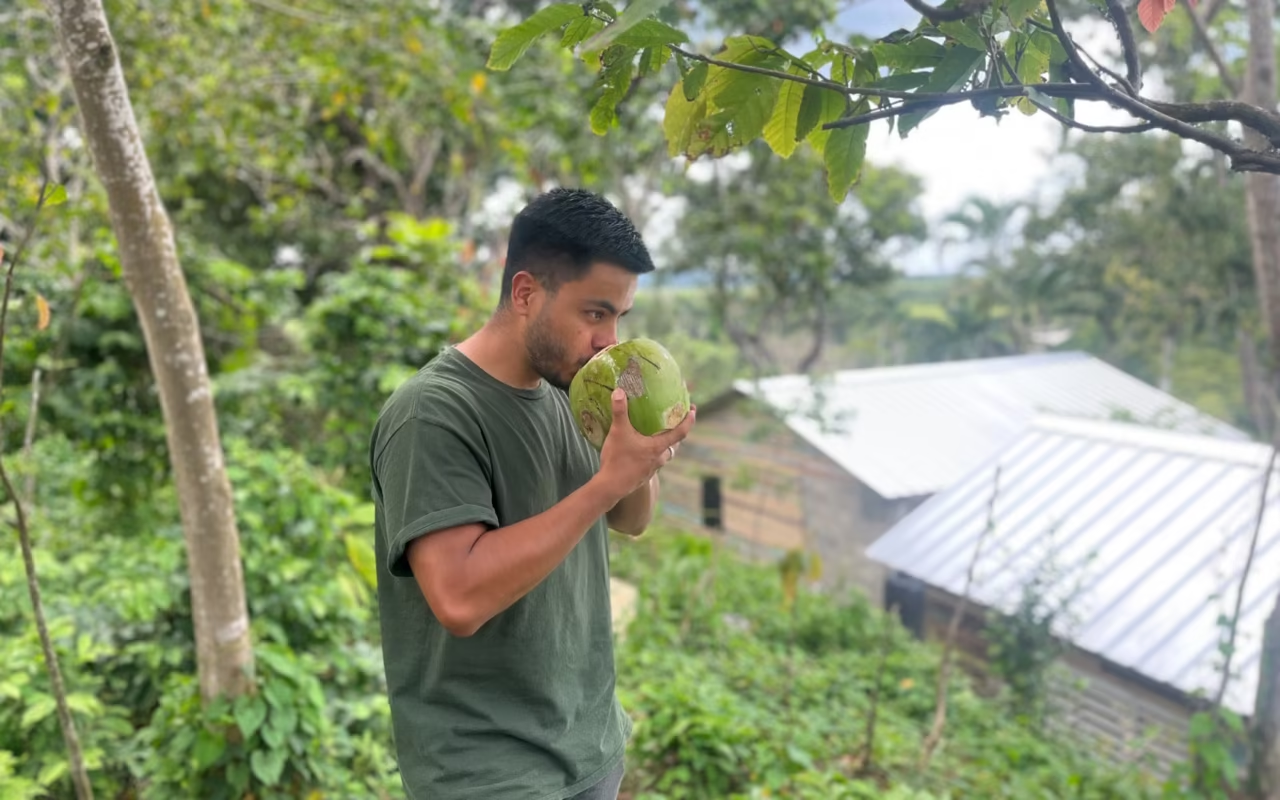
If you’re passing through Constanza, don’t just admire the scenery. Stop at a small villageeatery, chat with local farmers, and take the time to observe daily life.
A destination that changes with every kilometer
That’s probably what has surprised me the most since I arrived.
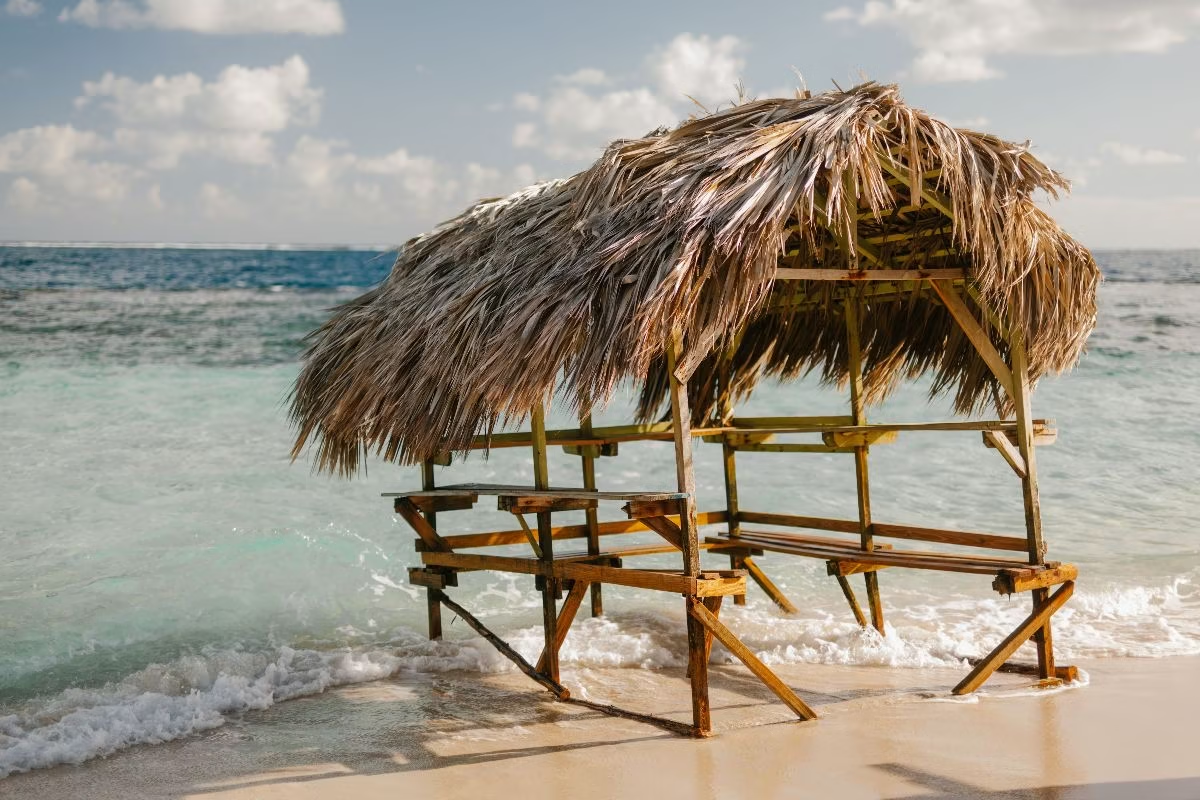
In just a few hours’ drive, you can go from a beach lined with coconut palms to a mountain forest, pass through agricultural valleys, follow rivers, and then arrive at a colonial town that’s more than five centuries old.
This diversity is one of the Dominican Republic’s greatest treasures. And it’s also what makes every itinerary—which we tailor to your needs—unique.
Discover our inspirational itineraries
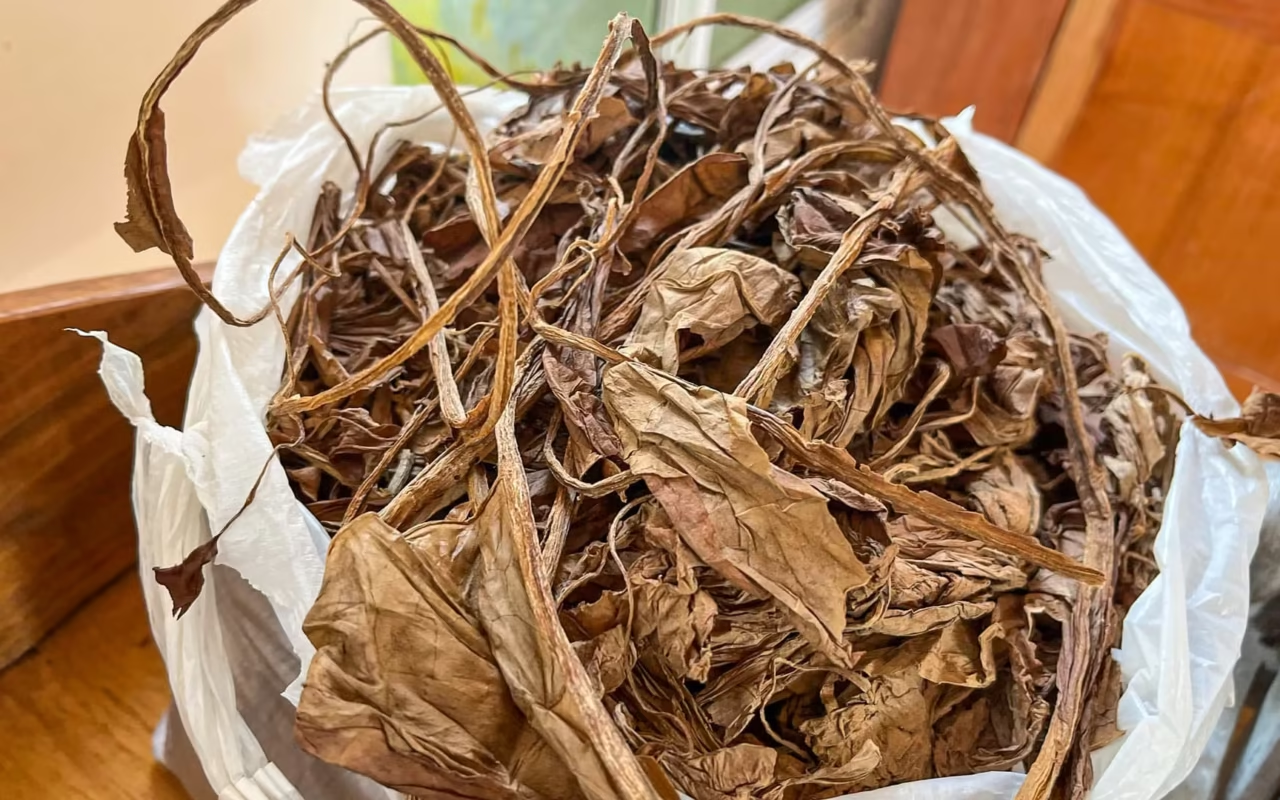
Cultural Trip to the Dominican Republic: Rum, Coffee, Cigars & Heritage
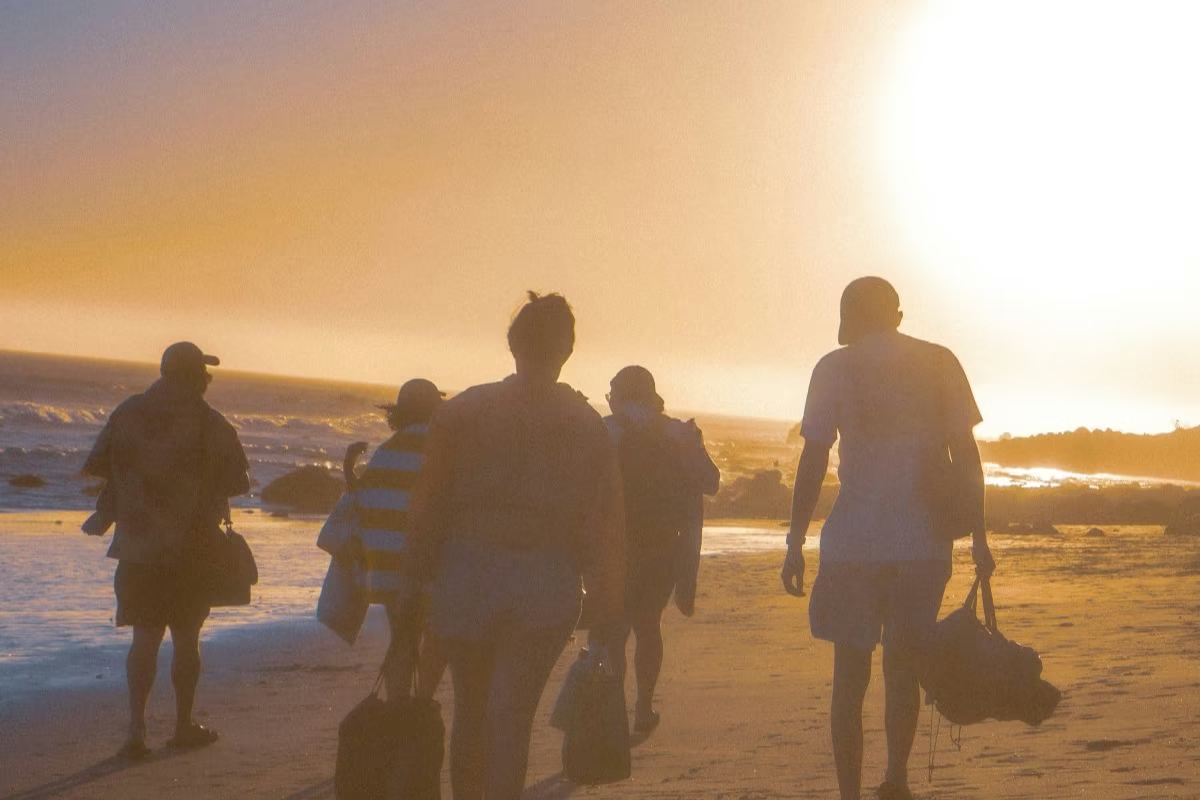
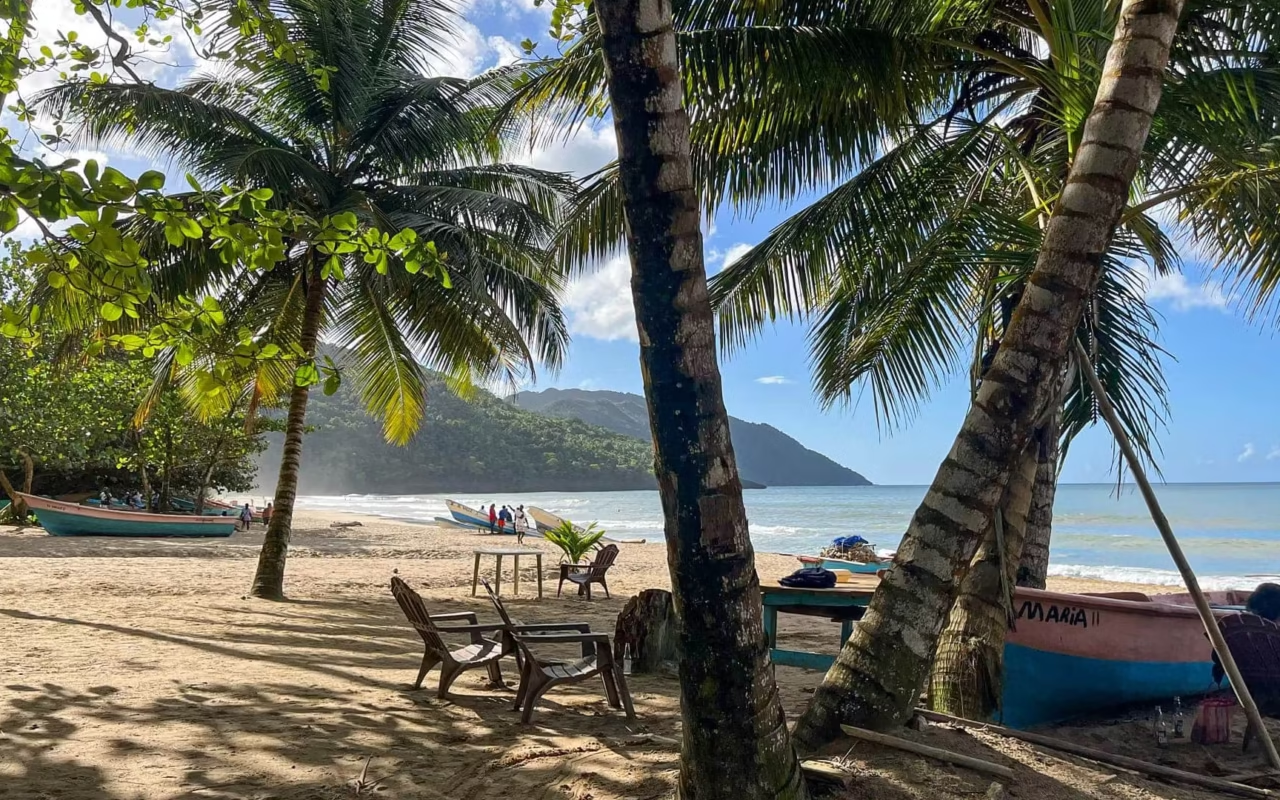
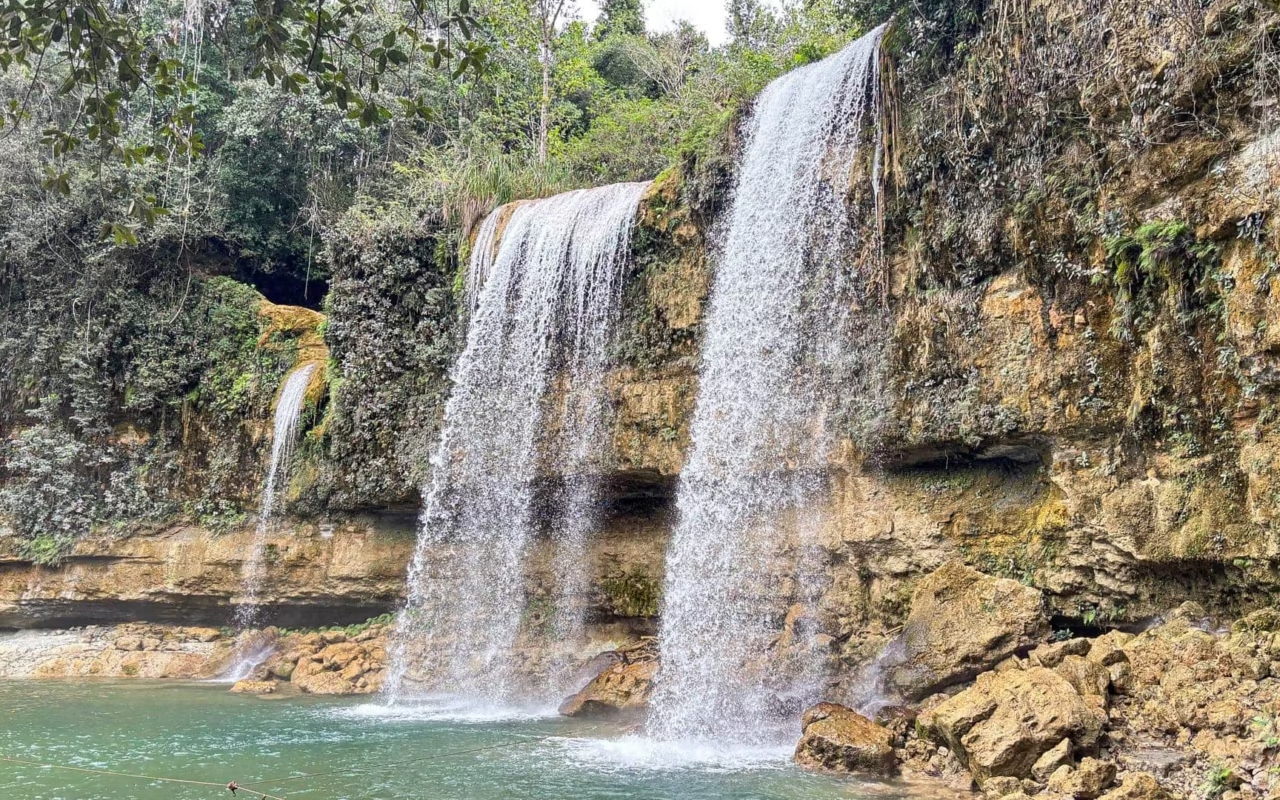
Nature Tour in the Dominican Republic: Waterfalls, Cenotes, and Untouched Beaches
The Dominicans: My Greatest Discovery
The scenery impressed me, but what made the biggest impression on me in the Dominican Republic were the people I met.
Let’s start with a little travel anecdote:
I especially remember stopping at a small empanada stand on the road to the east. Several people were already waiting when a saleswoman spotted me. She stopped her conversation, turned to me with a big smile, and said, “Mi amor, let him through—I’m definitely going to serve him first!” (“My love, come on, let him through—him, yes, I’m going to serve him first!”).
I burst out laughing. So did the other customers. It was the first time I’d encountered this spontaneous and affectionate way of addressing people. In the Dominican Republic, the letter “r” often becomes an “l, ” and expressions like “mi amol” are simply part of everyday life.
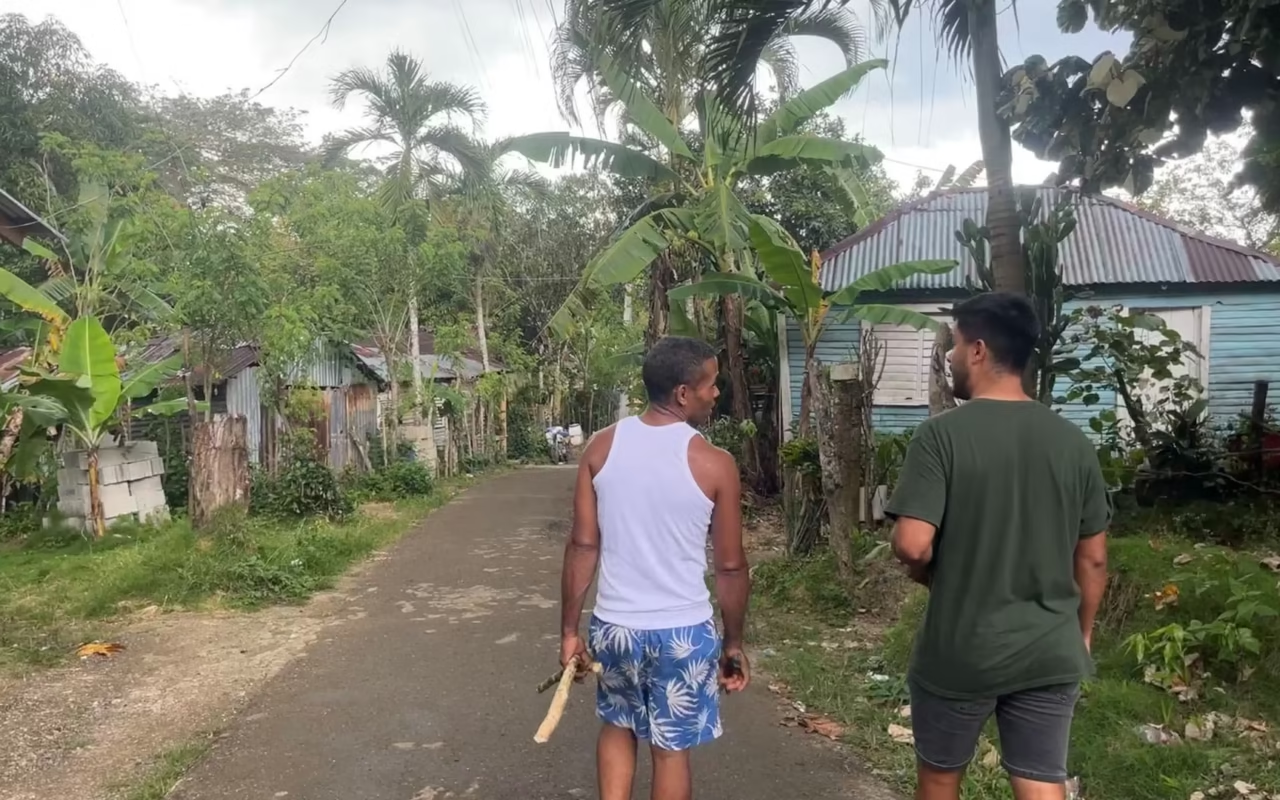
As I explored further, I was also touched by the way they enjoy the simple things in life. On the weekend, it’s not uncommon to see families or groups of friends set up in a park with a few chairs, a cooler, some music, and the desire to share a good time together. Here, friendliness is part of the culture.
A history and culture worth exploring
Before moving to the Dominican Republic, I knew very little about its history.
While exploring Santo Domingo, where I live today, I discovered the first colonial city on the American continent, designated a UNESCO World Heritage Site in 1990. Its cobblestone streets, stone buildings, and monuments tell the story of more than five centuries of history.
Of all the places I’ve visited, the one that left the deepest impression on me was the Museum of the Dominican Resistance. There, I learned about the struggles the Dominicans waged to defend their freedoms, particularly during the dictatorship of Rafael Leónidas Trujillo.
I also love to wander aimlessly through the Ciudad Colonial, without a specific itinerary. Walking down Calle Las Damas, admiring the Primada de América Cathedral, stopping at Plaza Colón, or simply watching the bustling life on the terraces as the day draws to a close.
And if I had to recommend a good restaurant, it would be Buche Pericowithout a doubt . Its tropical garden, its Dominican fusion cuisine, and its chicken-mango-cashew dish make it one of my favorite restaurants in the capital.
Today, I experience daily life in the Dominican Republic
All these discoveries have completely changed the way I see the country. Today, I’m lucky enough to experience them every day as part of the TERRA Dominicanateam .
My role is primarily to develop and maintain our network of local partners. I regularly set out to discover new accommodations, guides, producers, and activity providers to explore new experiences andensure that the quality of what’s offered meets our travelers’ expectations.
I love building genuine connections with the people we meet. Behind every hotel, every excursion, and every bed-and-breakfast, there are, above all, passionate men and women. This relationship of trust is essential for creating authentic trips and ensuring an experience that meets our clients’ expectations.
My Favorite Places in the Dominican Republic
If I had to choose two regions that have made a particular impression on me, I would say, without hesitation, Las Terrenas and Punta Rucia.
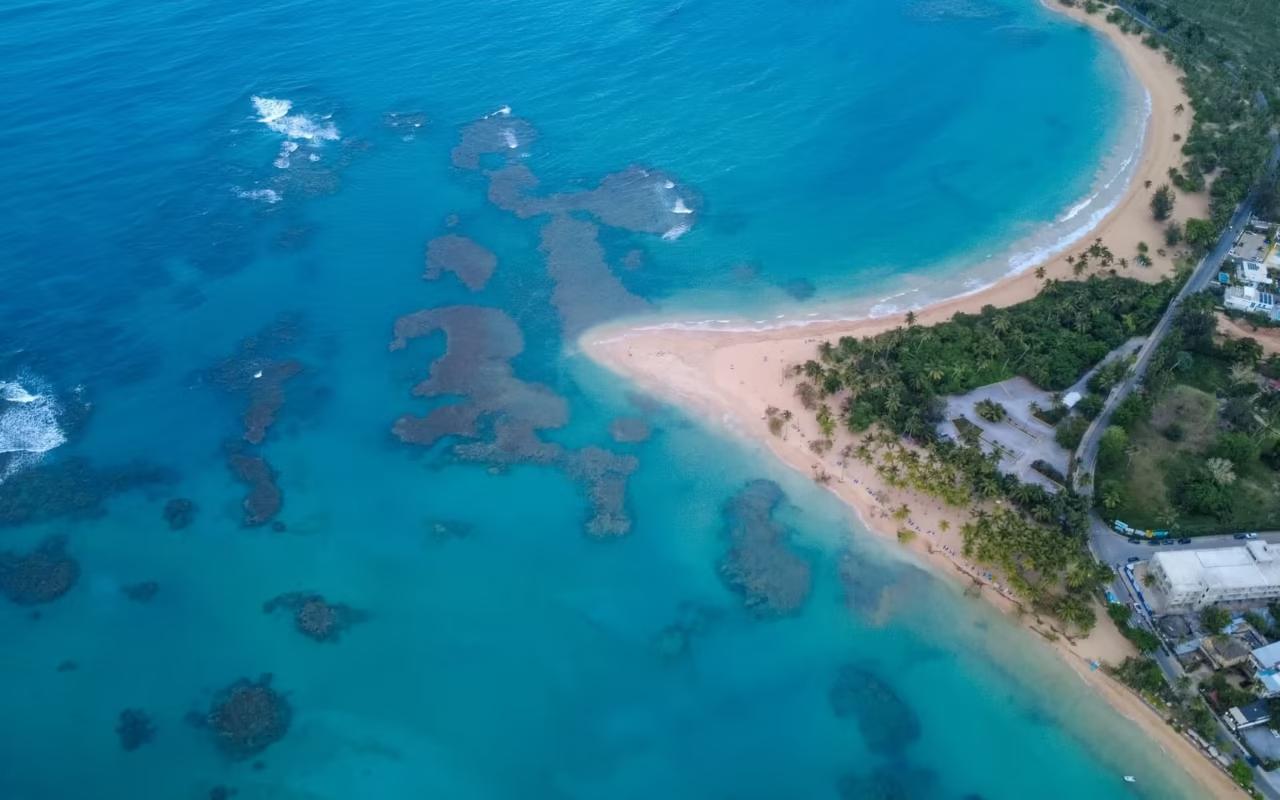
1 – In Las Terrenas, I appreciate the balance between nature, the long beaches, the small restaurants, and the relaxed atmosphere there.
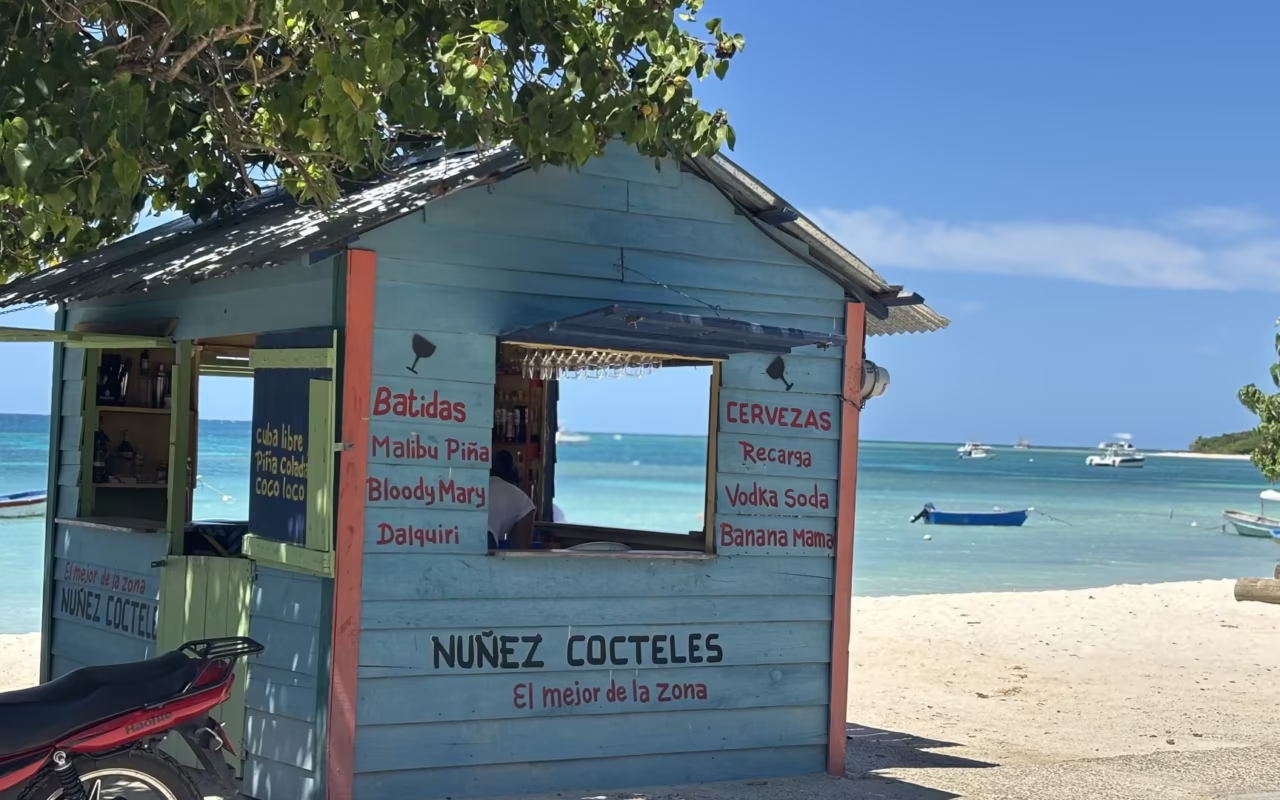
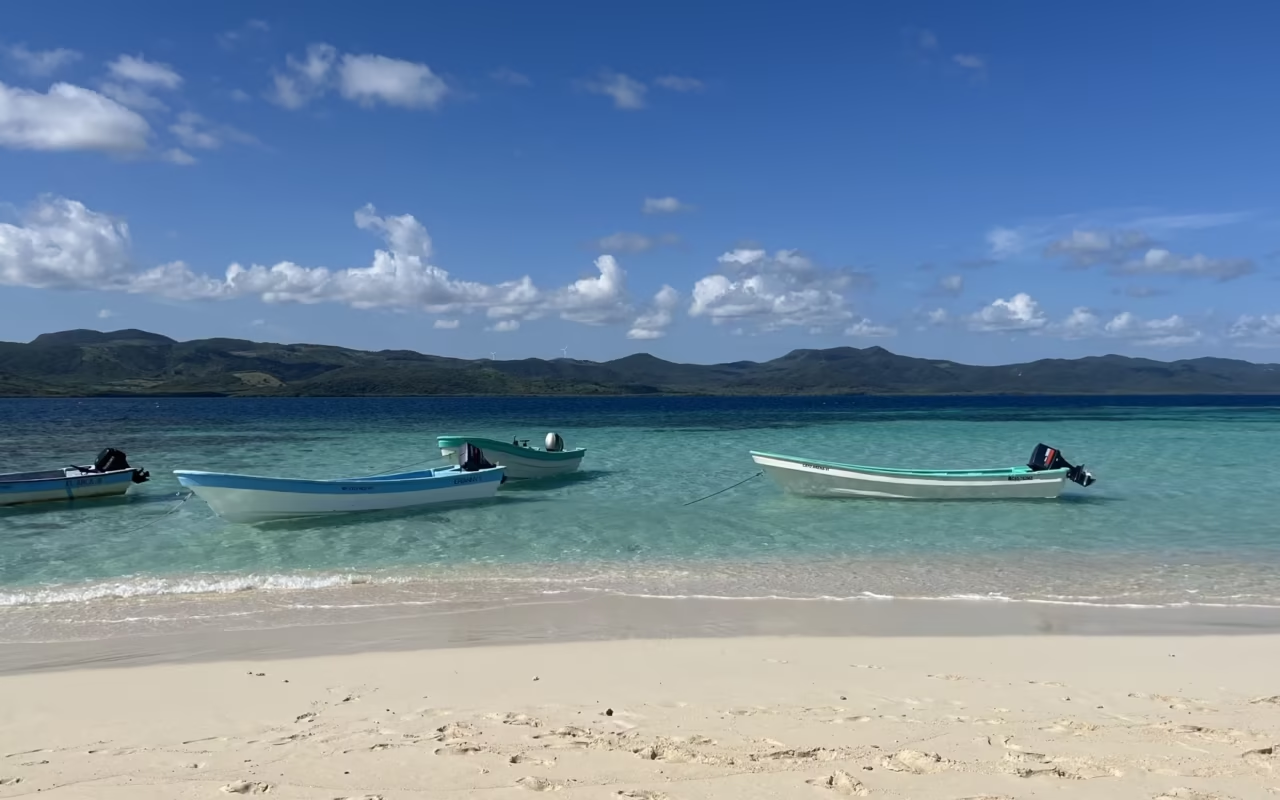
2 – In Punta Rucia, my favorite spot is still Playa La Ensenada. Its calm waters, white sand, and peaceful atmosphere make it, in my opinion, one of the most beautiful beaches in the Dominican Republic.
But my fondest memory is, above all, a chance encounter.
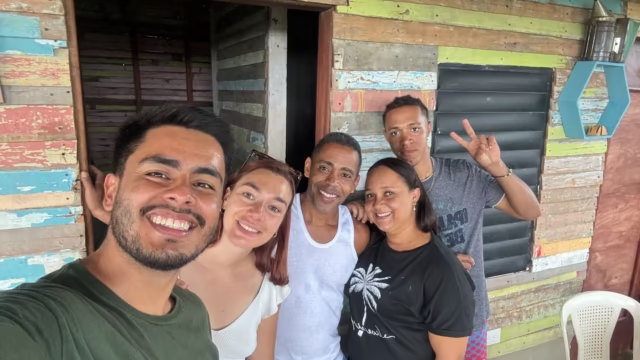
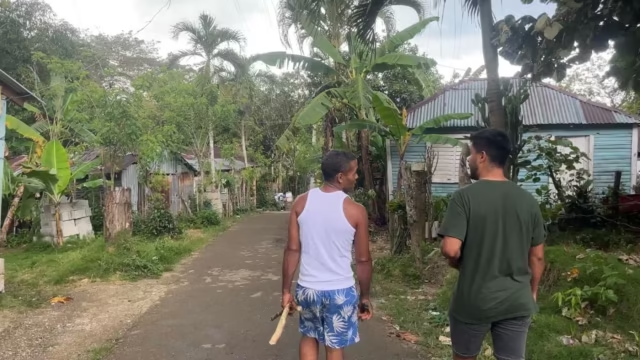
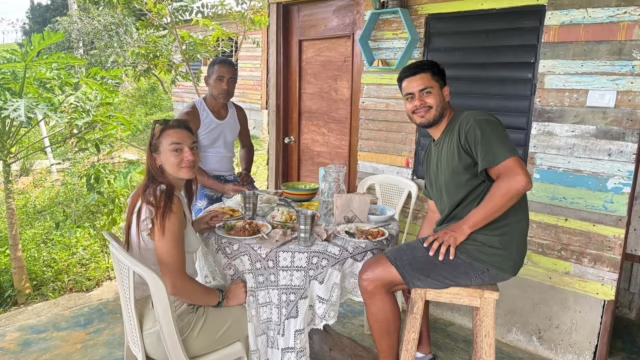
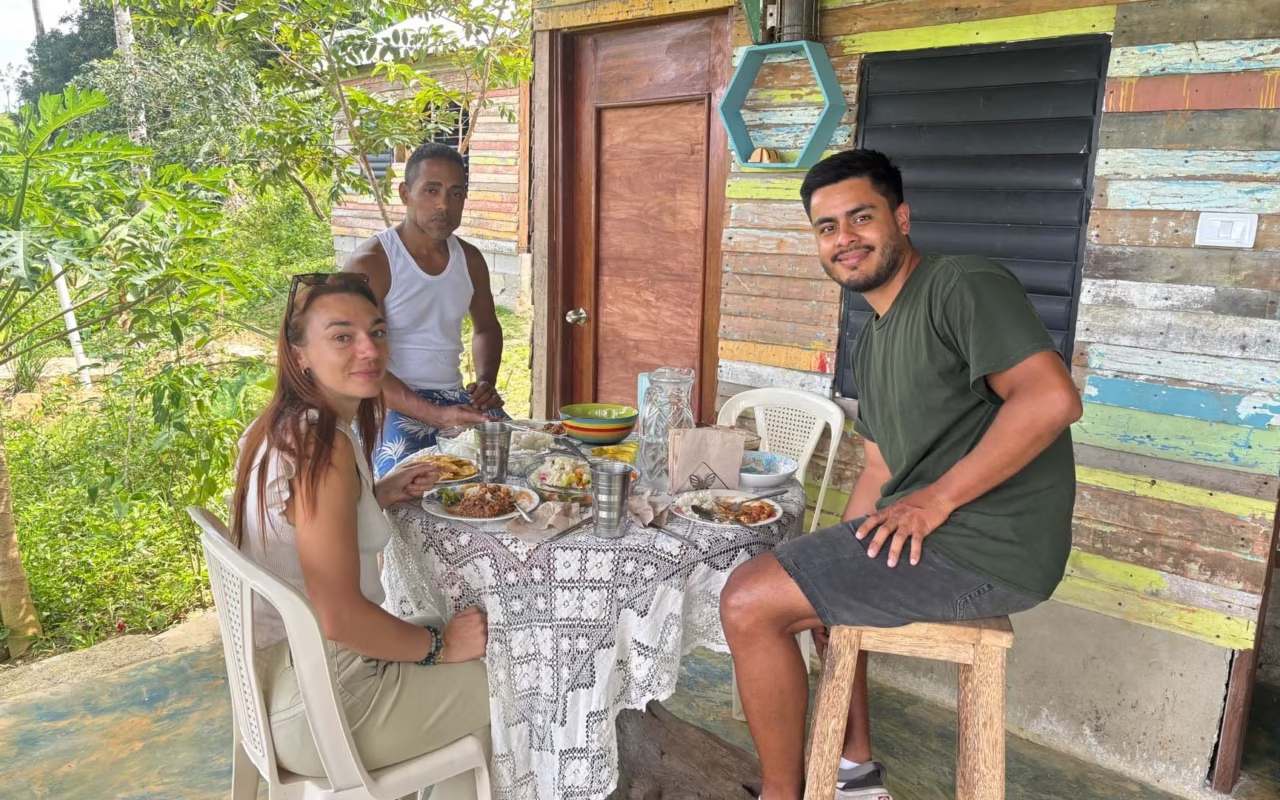
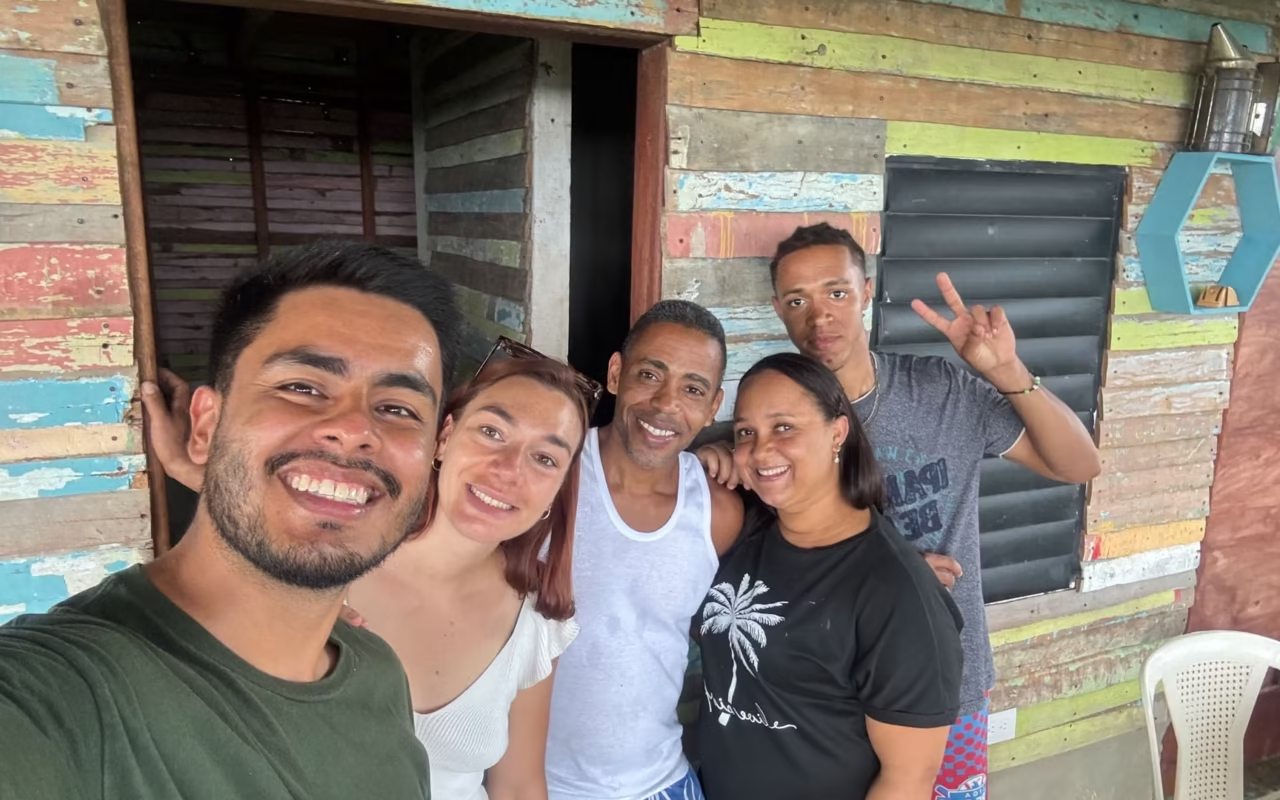
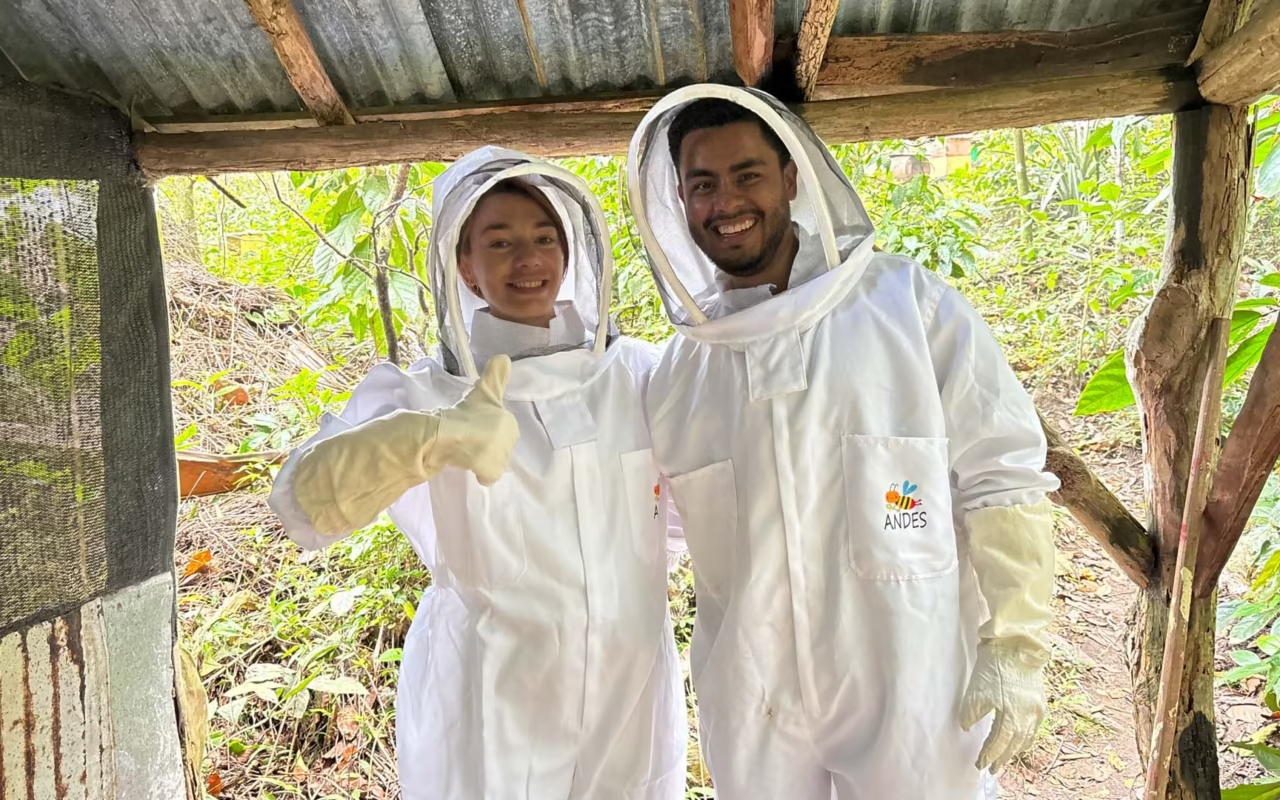
During a location scouting trip, we were welcomed by Johnny, one of our partners, who shared his experience with honey production with us. Beyond the activity itself, his entire family opened the doors of their home to us with incredible generosity and a touch of shyness. We shared a meal, chatted with them, and tasted some absolutely delicious honey.
FAQ
Is the Dominican Republic just about the beaches?
Absolutely not. The country offers a wide variety of landscapes: mountains, agricultural valleys, waterfalls, mangroves, authentic villages, colonial heritage, and idyllic beaches.
Which region does Daniel recommend?
Among his favorites are Las Terrenas, for its balance of nature and seaside charm , and Punta Rucia, particularly for La Ensenada Beach .
Why does TERRA Dominicana regularly visit its partners?
Because the quality of a trip depends above all on the people who make it possible. On-site visits allow us to select the best partners, test the activities, and ensure an experience that meets travelers’ expectations.
Which historic site in Santo Domingo does Daniel recommend?
The Museum of the Dominican Resistance, which offers a deeper understanding of the country’s contemporary history, as well as the Colonial Zone, a UNESCO World Heritage Site.
Conclusion
When I arrived in the Dominican Republic, I thought I was going to discover a beach destination. Today, I see a deeply human country, where each region has its own identity, landscapes, and traditions.
This is the Dominican Republic we want to share at TERRA Dominicana: a country that reveals itself through encounters, mountain roads, villages, local producers, and the moments of life that make every trip unique.
I hope that my perspective will inspire you, in turn, to look beyond the clichés and set out to discover this island, which is as surprising as it is endearing.
About the Author
Daniel Sánchez has been in charge of operations and partnerships with local suppliers at TERRA Dominicana since its founding. Originally from Costa Rica, he now travels throughout the Dominican Republic to meet new partners, visit accommodations, and select the best local experiences.
Passionate about connecting with people and authentic tourism, he helps develop TERRA Dominicana’s itineraries by drawing on extensive fieldwork and a relationship of trust with local stakeholders. His favorite regions are Las Terrenas and Punta Rucia, where he loves to return to discover new initiatives and share his favorite spots.
Sources
- UNESCO – Colonial City of Santo Domingo.
- Dominican Ministry of the Environment – Pico Duarte and Protected Areas.
- National Statistics Office of the Dominican Republic (ONE).
- Ministry of Tourism of the Dominican Republic (MITUR).