In a Nutshell
Looking for things to do in the Dominican Republic beyond the beaches? The country offers a wide variety of cultural activities: a visit to the UNESCO-listed Colonial Zone (the oldest city in the Americas), Taíno sites, museums, rum distilleries, cigar factories, larimar mines, and bachata and merengue dance classes. One of the richest cultural heritages in the Caribbean.
One of the richest cultural heritages in the Caribbean
The Dominican Republic is often reduced to its beaches and resorts. Yet the country boasts one of the richest cultural heritages in the entire Caribbean region. Taíno heritage, Spanish colonial architecture, music recognized by UNESCO, and crafts unique in the world—the country’s cultural depth is intertwined with exceptional natural beauty.
The Colonial Zone of Santo Domingo —
a UNESCO World Heritage Site and the « City of Firsts »
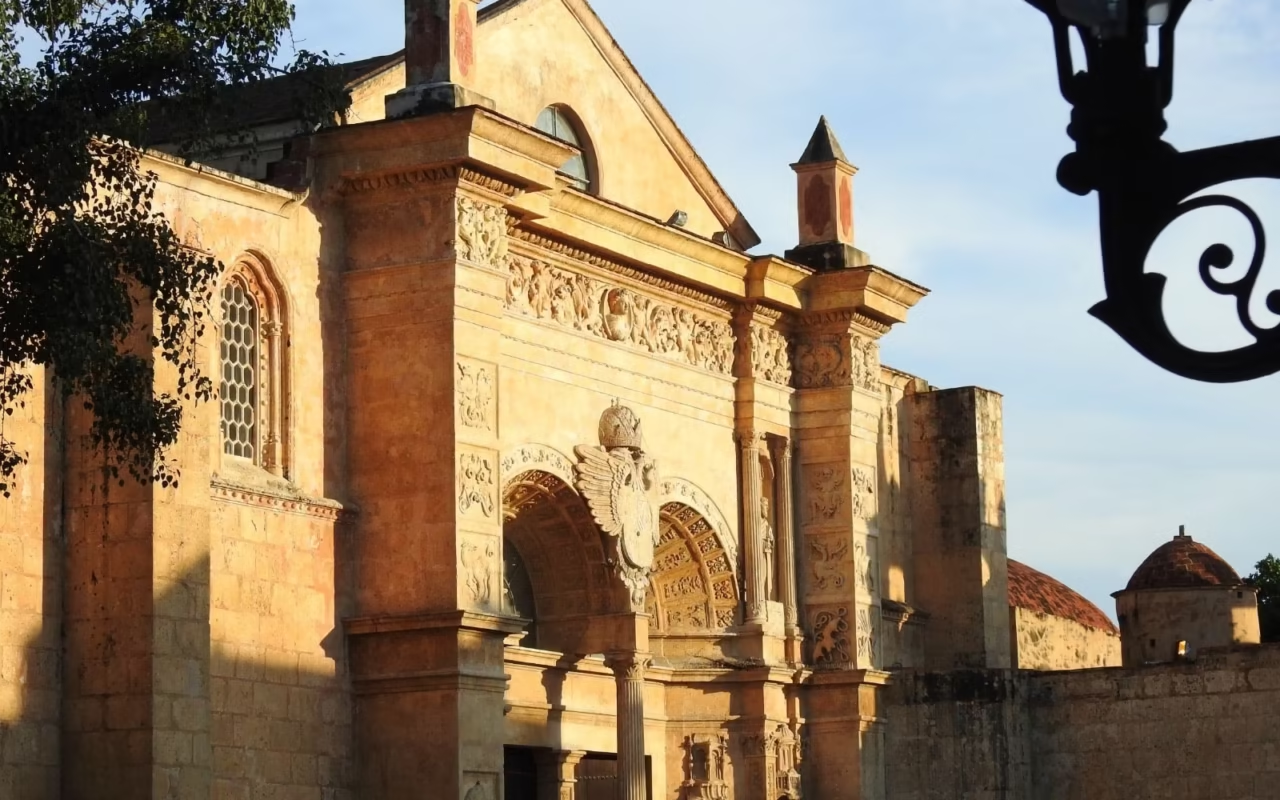
Designated a UNESCO World Heritage Site in 1990, the Colonial Zone of Santo Domingo is the first permanent European settlement in the Americas. Founded in 1498 by Bartolomé Columbus on the west bank of the Ozama River, it was built according to an orthogonal grid plan that would become the model for all Spanish colonial cities in the New World.
Santo Domingo bears the title “City of Firsts”: it was here that the first cathedral in the Americas, the first hospital, the first university, the first military fortress, and the first monastery were built. Within an area of less than 2 km², there are more than 300 historic sites.
Must-See Sites in the Colonial Zone
- Catedral Primada de América (1512)—the first cathedral in the Americas, where (according to Dominican tradition) the remains of Christopher Columbus rest
- Alcázar de Colón — Renaissance palace of Diego Columbus, son of Christopher, now a museum
- Fortaleza Ozama (1503) — the first military fortress in the Americas, with a panoramic view of the river
- Calle Las Damas — the first paved street in the Americas
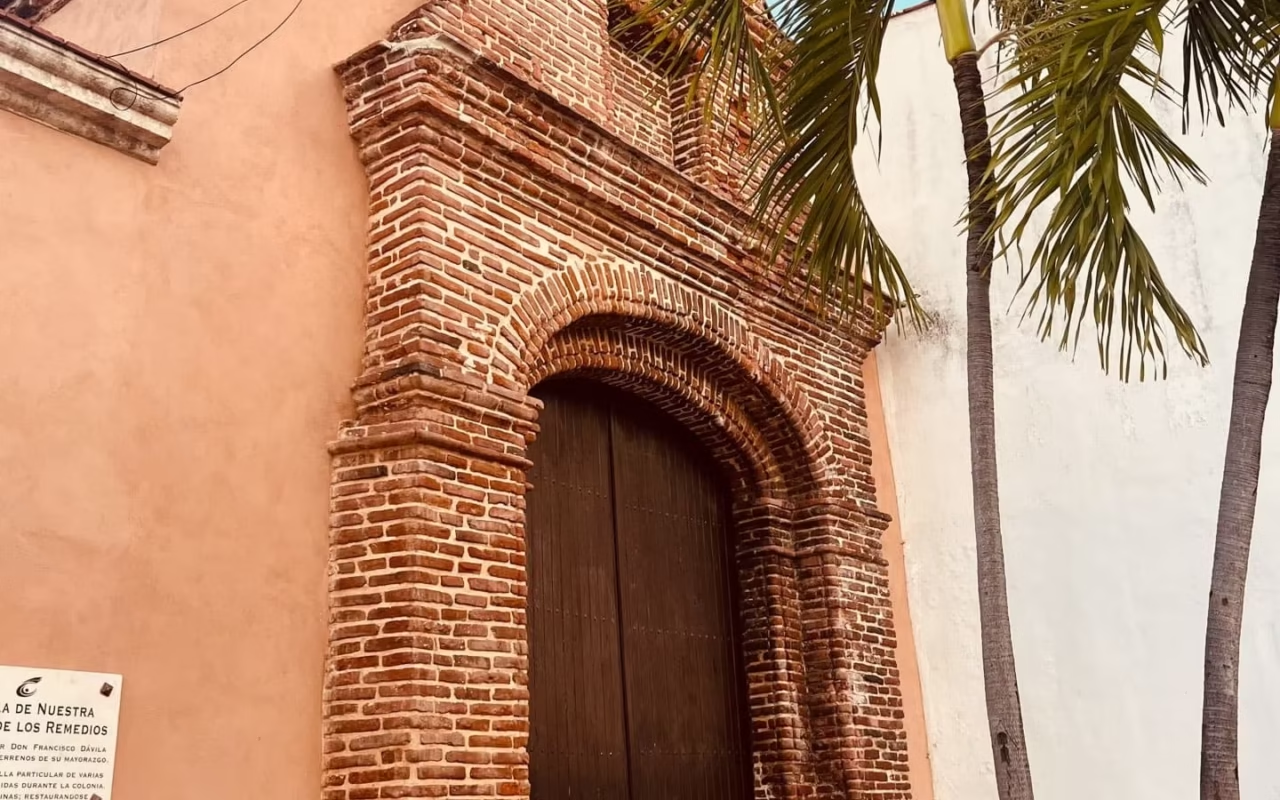
- Puerta de la Misericordia and the ruins of the Hospital San Nicolás de Bari
Terra Dominicana Tip: Plan for a full day—the Colonial Zone is best explored on foot, at your own pace, without a set itinerary. Start early in the morning (golden light on the narrow streets, fewer crowds) and end the day on a terrace overlooking Parque Colón in the late afternoon.
The Taíno Legacy: Caves, Petroglyphs, and Rock Art
Long before the arrival of the Spanish in 1492, the island of Hispaniola was inhabited by the Taíno—an Arawak people who had developed an organized civilization, complete with art, rituals, agriculture, and spirituality. Their most visible legacy can be found in the caves and caverns, which we cover in detail in our article dedicated to Taíno caves and cenotes.
1. Cuevas del Pomier (San Cristóbal)
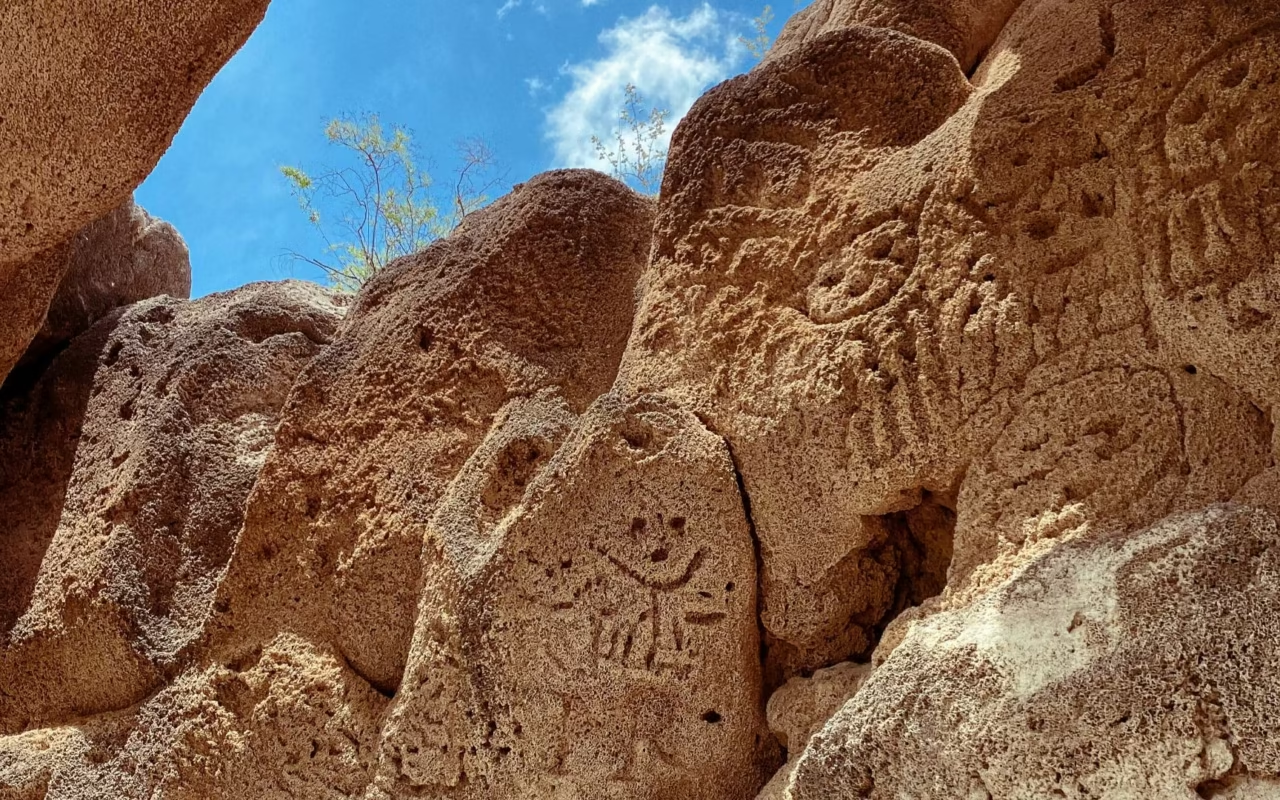
Considered one of the most important rock art sites in the entire Caribbean, this site features more than 4,000 pictograms and approximately 500 petroglyphs scattered throughout a network of limestone caves. A guided tour is essential to understand the depictions and their ritual context. Located in San Cristóbal, 40 km from Santo Domingo.
2. Los Haitises National Park (Samaná Bay)
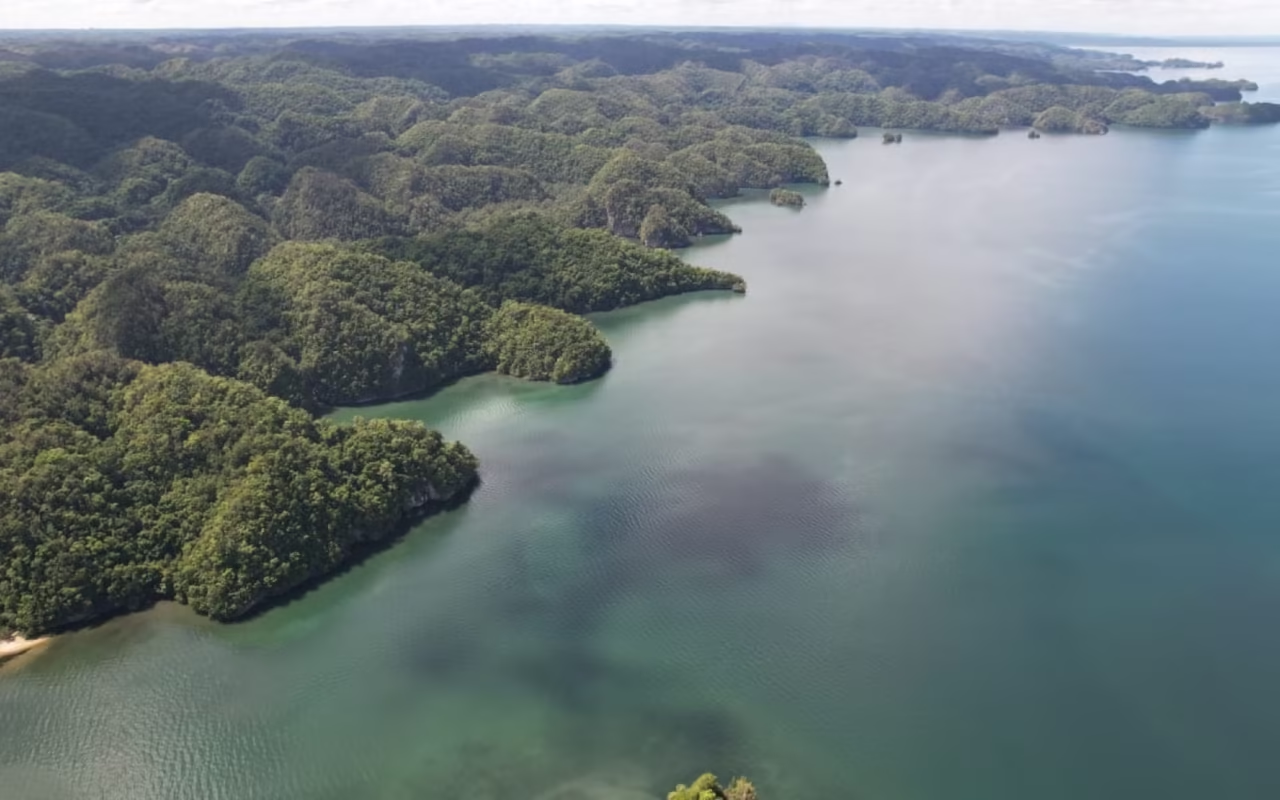
The park is accessible mainly by boat from Samaná or Sánchez. In the karst caves of the mogotes (vertical rock formations rising from the mangroves), several cavities contain exceptionally well-preserved Taíno petroglyphs. A unique experience that combines nature and archaeology.
3. Cueva de las Maravillas (La Romana)
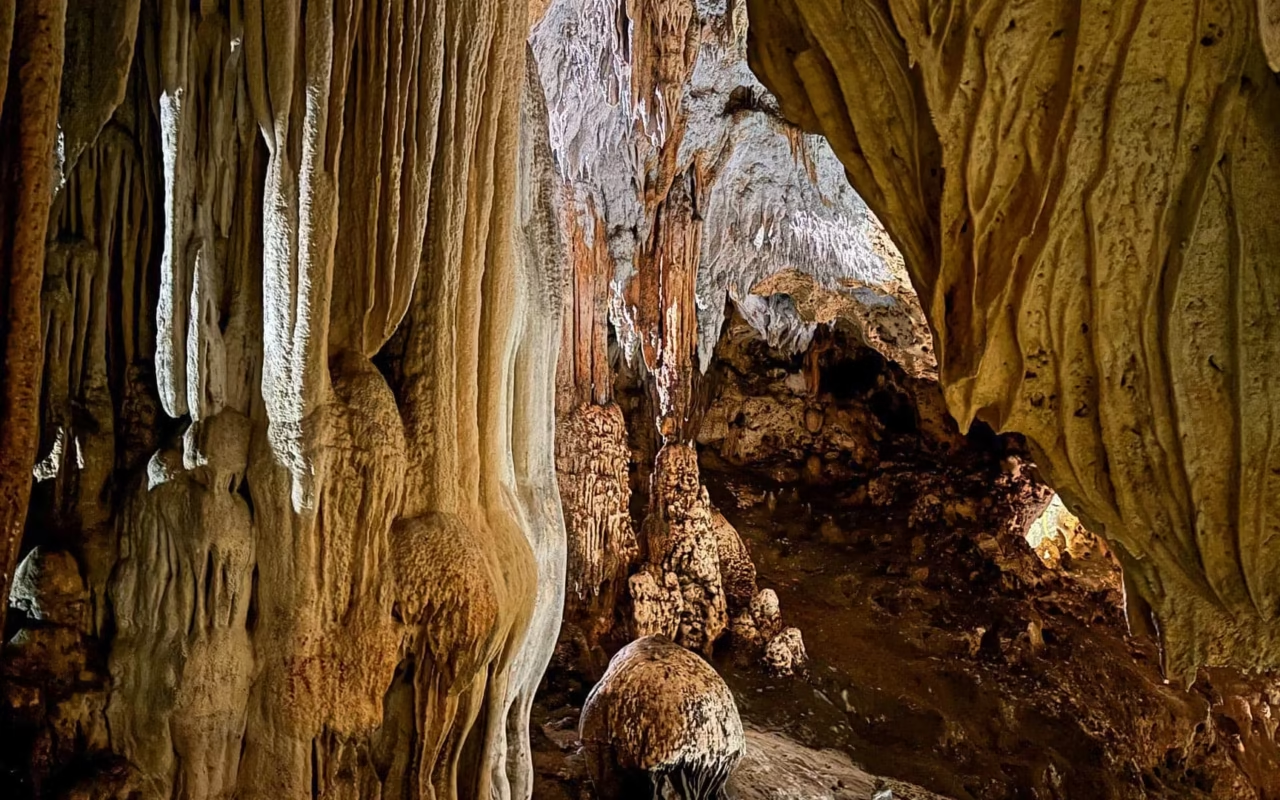
A developed and illuminated cave, easily accessible from Bayahibe or Punta Cana. Known for its well-preserved Taíno petroglyphs and impressive limestone formations (stalactites, stalagmites). The lighting makes it easy to clearly see the depictions—ideal for a family visit.
4. Las Caritas de los Indios (Lake Enriquillo)
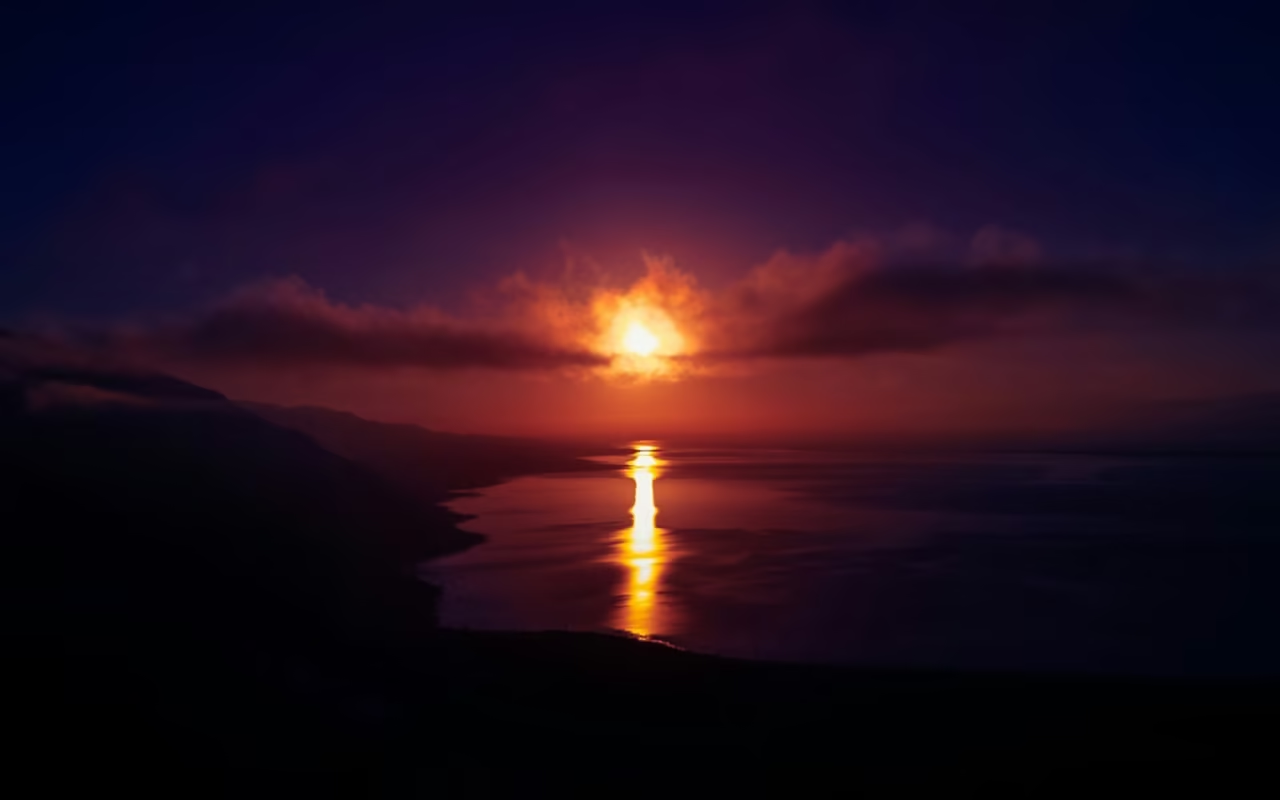
Located near Lake Enriquillo in the southwest, this site features large anthropomorphic carvings in the rock—stylized faces and ritual forms. It is usually included in an itinerary to Barahona and the wild southwest.
Museums in the Dominican Republic
In Santo Domingo
- Museo de las Casas Reales — Our favorite place to learn about colonial history, housed in a 16th-century palace in the heart of the Colonial Zone.
- Museo del Hombre Dominicano — A large collection of Taíno artifacts, reenactments of pre-Columbian life, and a permanent exhibition on the island’s history.
- Centro Cultural Taíno / Casa del Cordón — A space dedicated to Taíno archaeology, housed in a colonial house built around 1503–1504.
- Museo Nacional de Historia Natural — Scientific collections on the biodiversity of the Caribbean region: fauna, geology, and evolution.
- Museo Bellapart — A private museum of Dominican art, featuring a remarkable collection of works by 20th-century local artists.
- ChocoMuseo Santo Domingo — The history of Dominican cacao through interactive exhibits, tastings, and a chocolate workshop.
In Puerto Plata
- Museo del Ámbar — Dominican amber is world-renowned for its quality and fossil inclusions. The museum traces its geological origins and displays exceptional pieces. See our article on Puerto Plata.
- Fortaleza San Felipe — The 16th-century colonial fortress that once overlooked Puerto Plata Bay. Historical exhibition, panoramic view of the coast.
Street Art and the Contemporary Art Scene
Street art in Santo Domingo reflects the country’s social realities, Caribbean identity, and contemporary energy. Outside the Colonial Zone—in neighborhoods like Villa Juana or Los Mameyes—large murals tell the story of contemporary Dominican history with remarkable freedom and creativity.
At Terra Dominicana, we offer guided tours focused on street art, as well as visits to local artists’ studios and independent galleries. It’s a great way to explore the capital from a different perspective, off the beaten path.
Larimar and Amber: Dominican Gemstones
Larimar—Unique in the World
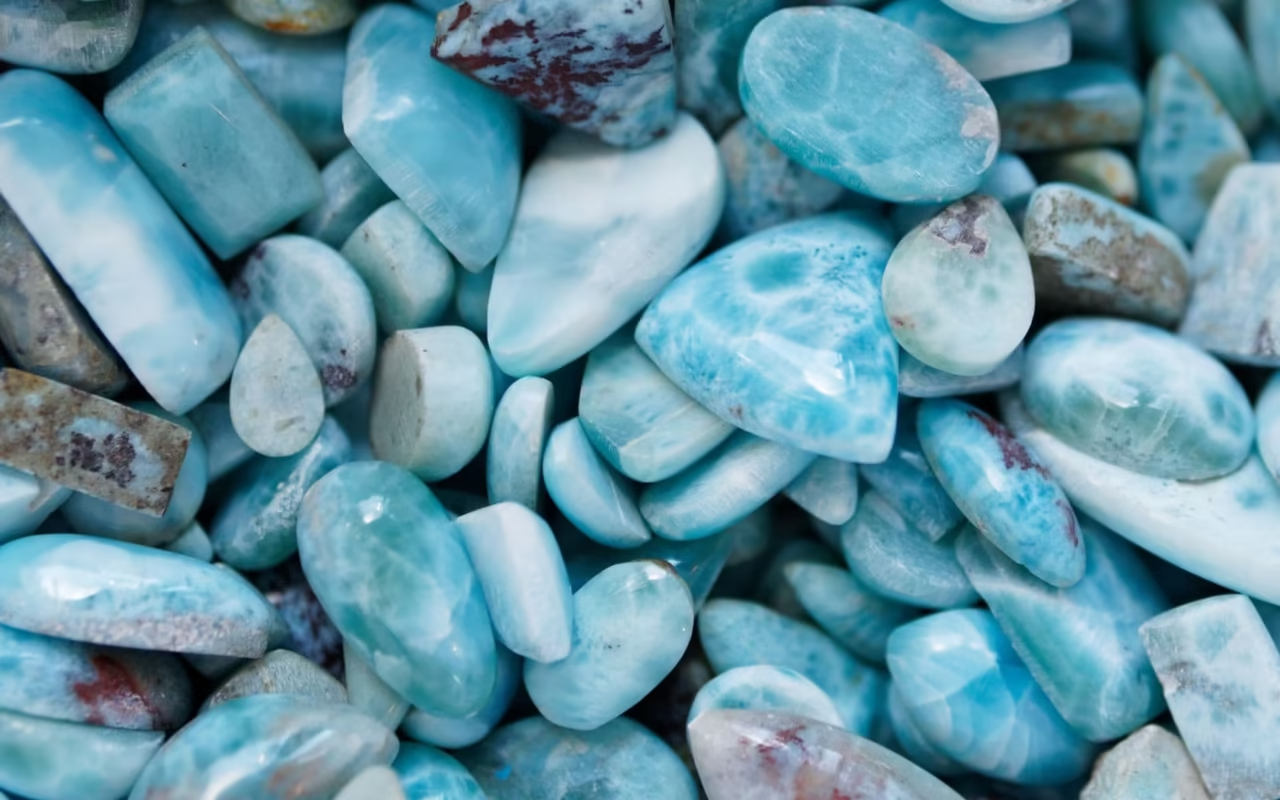
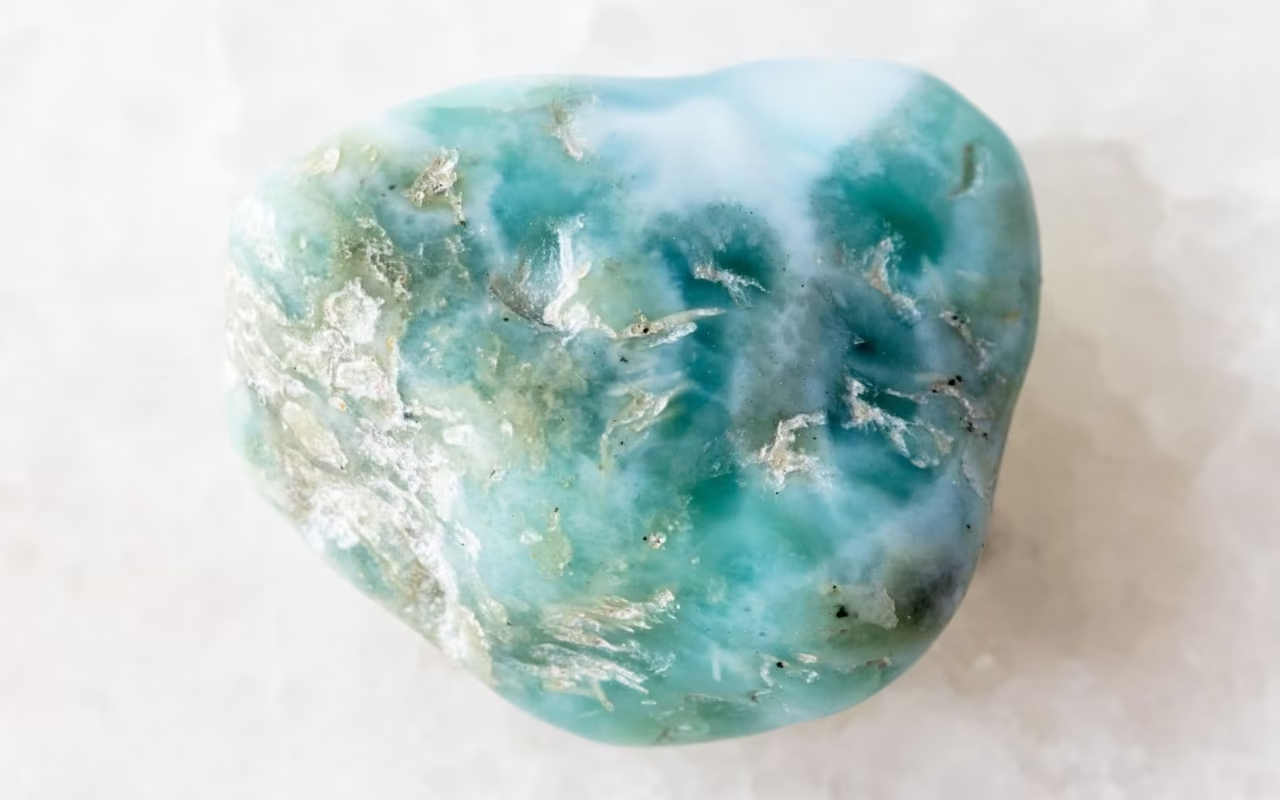
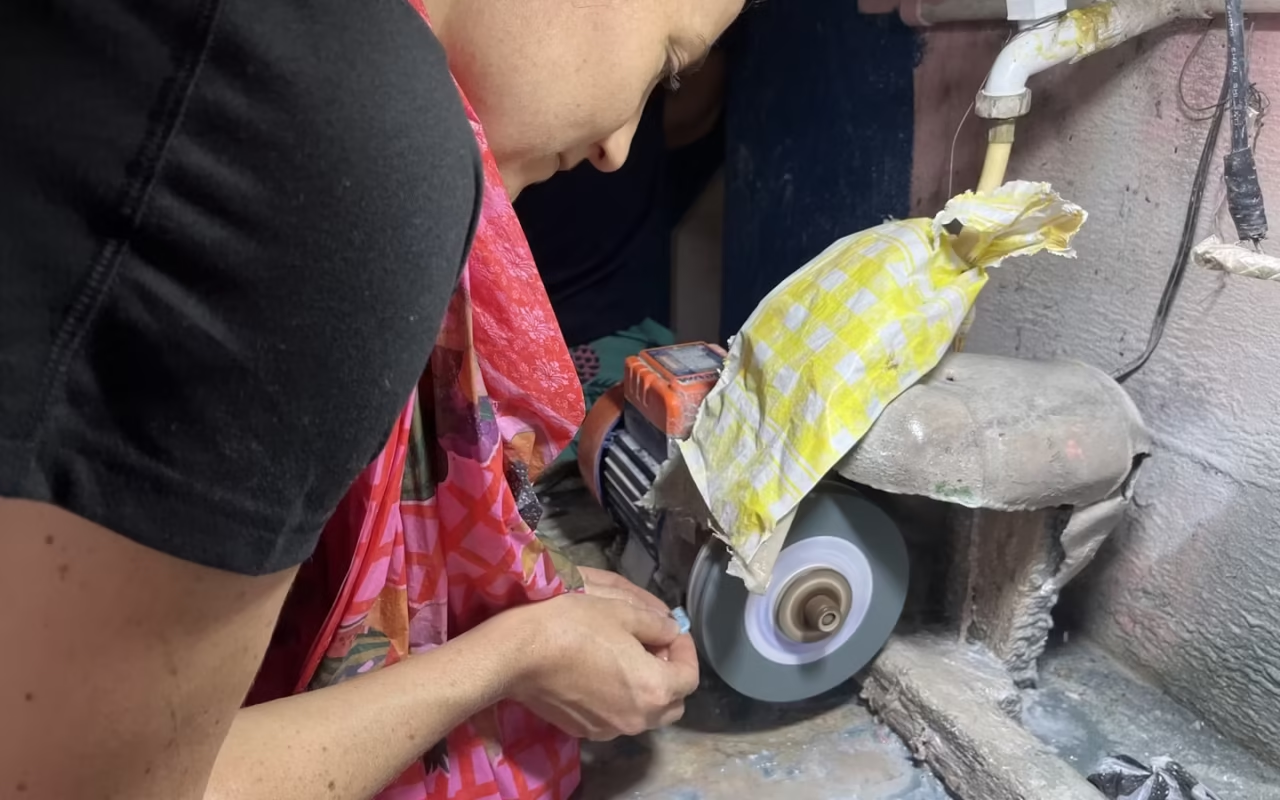
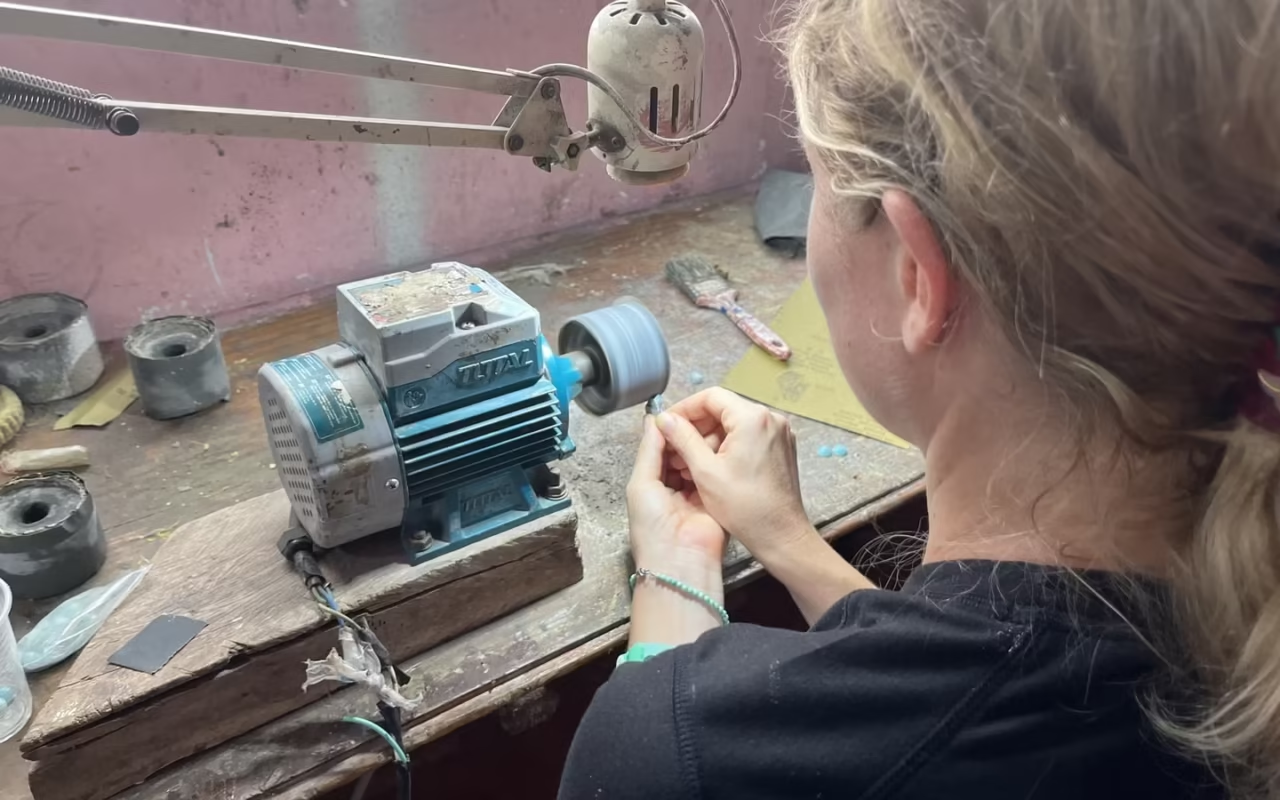
Larimar is a blue-green semiprecious stone found nowhere else on the planet—mined exclusively in the Barahona region, in the southwestern part of the Dominican Republic. We offer a tour of the mining area with a local guide, a meeting with an artisan craftsman, and the opportunity to purchase directly.
Dominican Amber
Dominican amber, formed from the fossilized resin of a tree species that became extinct approximately 15 to 45 million years ago, is internationally recognized for its exceptional clarity and rare fossil inclusions. The Museo del Ámbar in Puerto Plata is the premier destination for learning about its geological history and admiring the finest pieces.
Rum, cigars, cocoa, and coffee:
Dominican craftsmanship
The Cigar Capital of the World: Santiago and Tamboril
Santiago de los Caballeros is the country’s second-largest city and the heart of Dominican cigar production. The Tamboril region, just a few kilometers away, is home to numerous premium cigar manufacturers—some of which offer guided tours with tastings. The Dominican Republic is now one of the world’s largest producers and exporters of premium cigars.
Dominican Rum: Distilleries and Tastings
Sugar cane, introduced during the colonial era, is the foundation of a well-established rum-making tradition. Several historic distilleries—including Brugal, founded in 1888 in Puerto Plata —offer distillery tours with guided tastings. These tours can be incorporated into a North Coast itinerary. See also our article on Dominican terroirs and craftsmanship.
Organic Cacao: The Dominican Republic’s “Brown Gold”
The Dominican Republic is one of the world’s leading producers of certified organic cacao. Tours of cacao cooperatives can be arranged in the Jarabacoa region and along the north coast, featuring tastings of artisanal chocolate.
Coffee from the Mountain Regions
The regions of Barahona, Neyba, and Cibao produce coffees renowned for their intense aromas and fruity notes—a reputation that extends far beyond the island’s borders.
Music, Dance, and Cultural Life
It’s impossible to talk about Dominican culture without mentioning music. Merengue —the official national dance since 1936 and designated as part of UNESCO’s Intangible Cultural Heritage in 2016—and bachata —also recognized by UNESCO in 2019—are much more than just dances: they are profound expressions of identity. See our article dedicated to Dominican music.
At Terra Dominicana, we offer private or small-group sessions: bachata lessons in Santo Domingo or Las Terrenas, merengue introductions, and local music outings at venues that aren’t tourist clubs.
The Dominican cultural calendar also includes jazz festivals (notably in Cabarete and Puerto Plata), merengue festivals, theater performances in the Colonial Zone, and the famous February carnivals—including the one in La Vega, which is renowned throughout the Caribbean. See our cultural calendar.
Summary table: what to see based on your interests
| Of Interest | Recommended Sites / Experiences | Region |
|---|---|---|
| Colonial History | Santo Domingo Colonial Zone | Santo Domingo |
| Taíno Heritage | Cuevas del Pomier, Los Haitises, Cueva de las Maravillas | Multiple |
| Museums | Casas Reales, Hombre Dominicano, Bellapart | Santo Domingo |
| Unique Handicrafts | Larimar (Barahona), Amber (Puerto Plata) | Southwest / North |
| Cigars | Tamboril Factories | Santiago |
| Rum & Distilleries | Brugal Puerto Plata, other distilleries | Puerto Plata |
| Cocoa & Chocolate | ChocoMuseo, cooperative tours | Santo Domingo / North |
| Music & dance | Bachata and merengue classes, local outings | Santo Domingo, Las Terrenas |
| Carnival | Carnival in La Vega, Monte Cristi, Santiago | Cibao |
| Street art | Neighborhoods of Santo Domingo Outside the Colonial Zone | Santo Domingo |
Frequently Asked Questions
What cultural attractions should I visit in the Dominican Republic?
The Colonial Zone of Santo Domingo is a must-see—the first city in the Americas, a UNESCO World Heritage Site, with 300 historic sites in less than 2 km². Los Haitises for Taíno heritage. The larimar mines in Barahona. The cigar factories in Santiago. And the Dominican music scene, led by bachata and merengue.
When was the Colonial Zone designated a UNESCO World Heritage Site?
The Colonial Zone of Santo Domingo was inscribed on the UNESCO World Heritage List in 1990. It is recognized as the first permanent European settlement in the Americas—founded in 1498, home to the first cathedral, the first university, and the first military fortress in the New World.
Can we visit a rum distillery?
Yes. Several distilleries offer guided tours with tastings—notably in Puerto Plata (Brugal) and other rum-producing regions. We incorporate these tours into itineraries based on your preferences.
Is Carnival worth the trip?
Yes—and every city has its own traditions. The Carnival in La Vega is famous for its diablos cojuelos, with their extraordinarily intricate, grotesque masks. Monte Cristi is known for its ritual battles. Santiago is known for its grand parades. The dates are usually around February. See our cultural calendar.
Conclusion
A trip to the Dominican Republic can offer a truly rich cultural experience without sacrificing any of the country’s landscapes or coastline. Colonial heritage, Taino legacy, crafts, music, and living traditions: the richness is there, accessible—as long as you know where to look.
At Terra Dominicana, we design these itineraries by combining historic sites, local experiences, and moments in nature—so that every trip reflects the country’s true character.
About the Author
Laura Grenouillet is the founder of Terra Dominicana. Specializing in cultural itineraries and the lesser-explored regions of the Dominican Republic, she designs trips that highlight the country’s historical and human depth.
Sources
- UNESCO — Colonial City of Santo Domingo, World Heritage Site
- Ministry of Culture / Museos RD — museosrd.gob.do
- Zona Colonial — zonacolonial.org
- Ministry of Tourism of the Dominican Republic — Cultural Attractions
- Site surveys and selection of service providers: Terra Dominicana, 2025–2026