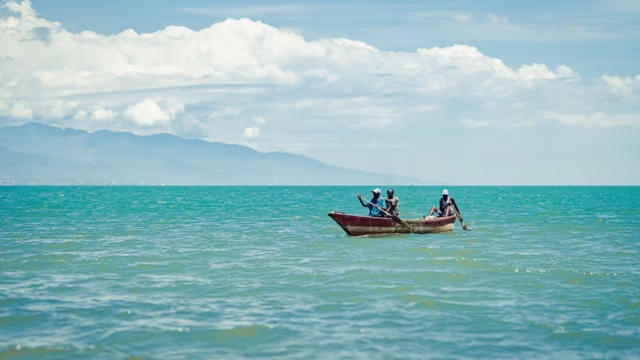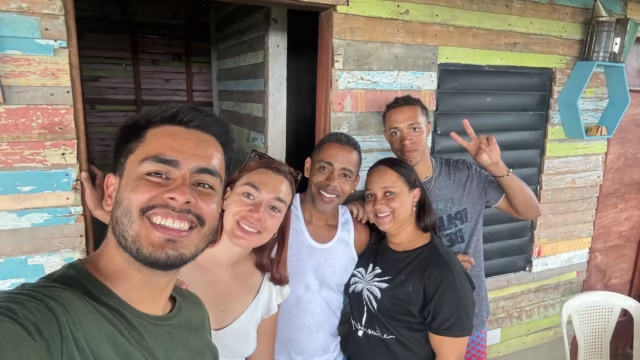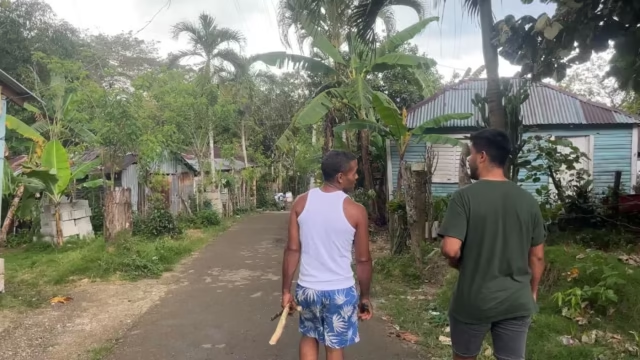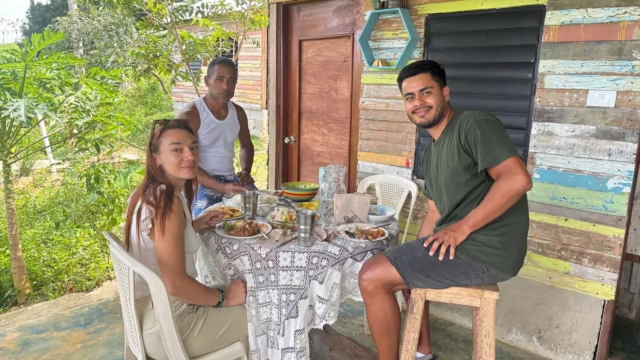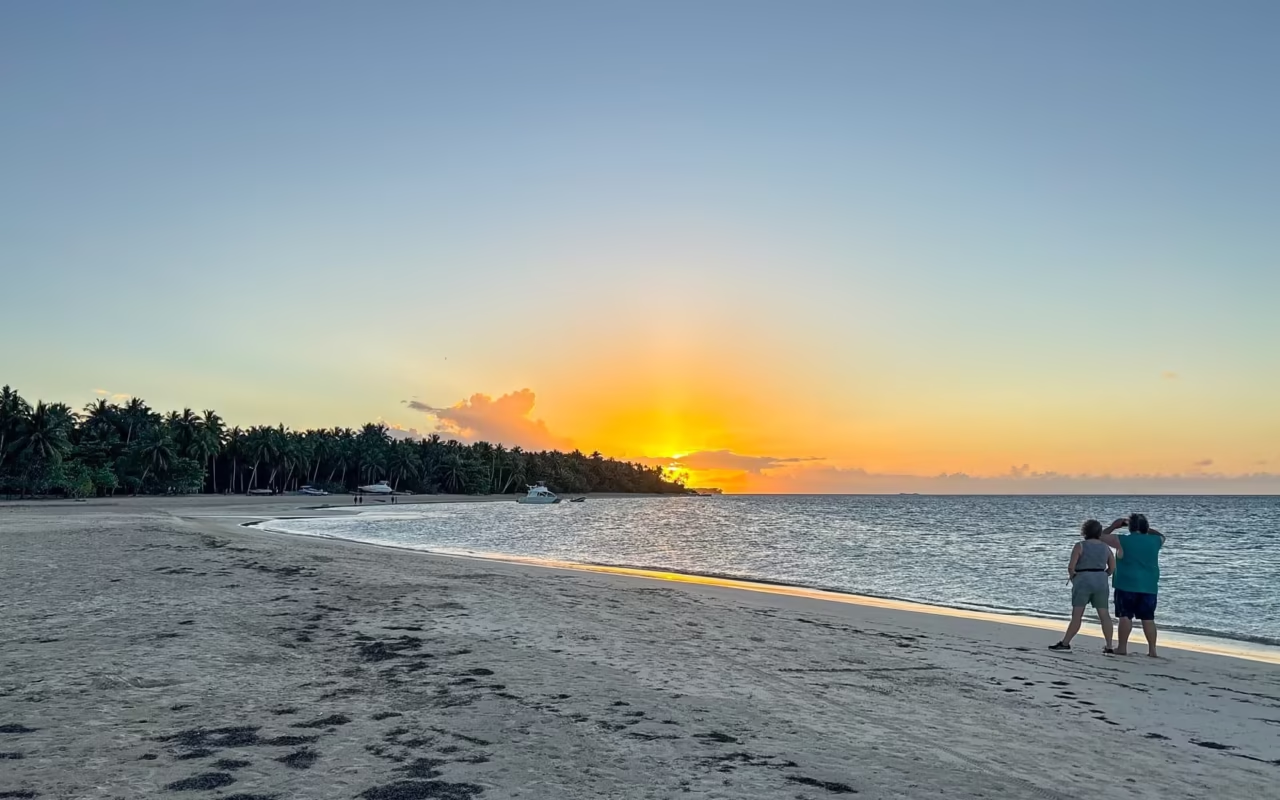
Las Terrenas is a beach resort on the Samaná Peninsula, on the northeastern coast of the Dominican Republic. El Catey Airport is 23 km away—a 30-minute drive—and Santo Domingo is a 2½-hour drive away. Plan to stay 3 to 5 nights to explore El Limón Waterfall, Los Haitises National Park, and Cayo Levantado. Humpback whales visit the bay from January through March.
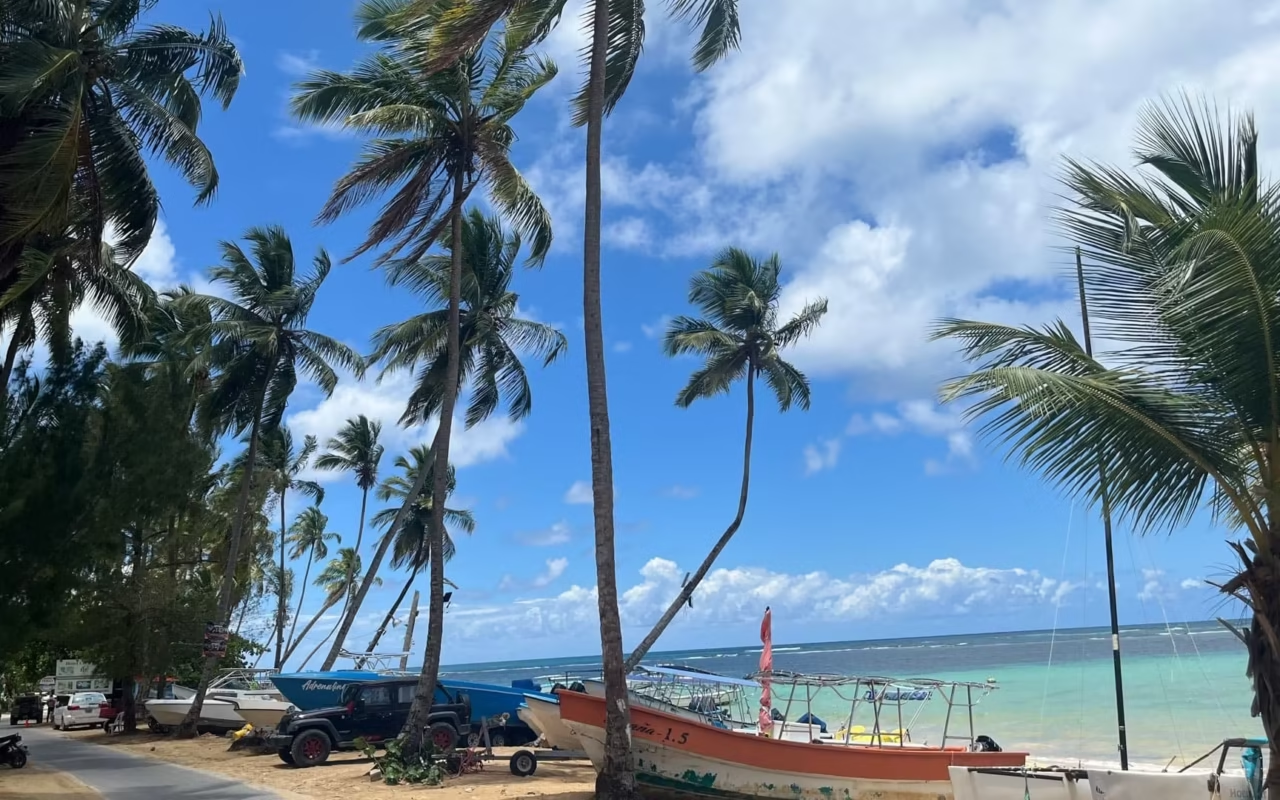
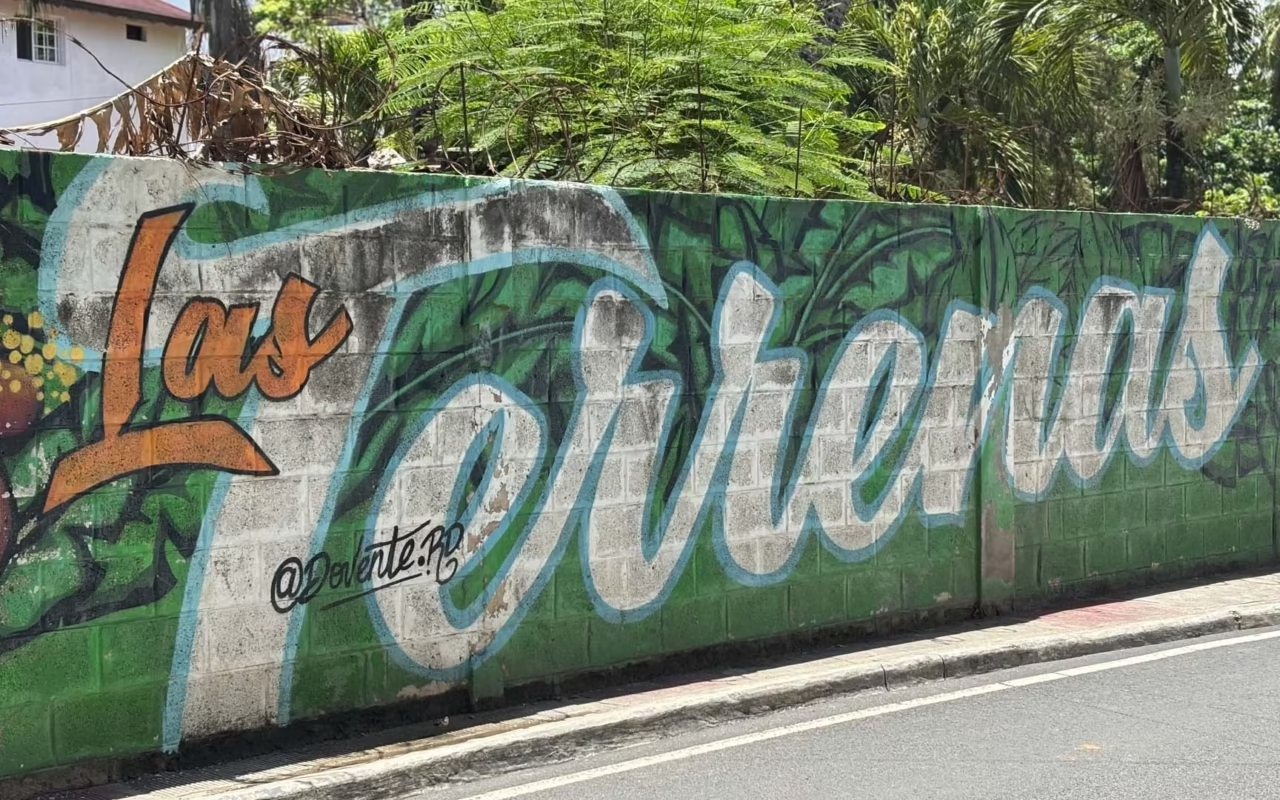
Where is Las Terrenas, and how do you get there?
Four airports serve the region, with travel times ranging from one to eight. This choice has a major impact on the first and last days of the trip.
Which airport should you choose?
| Airport | Distance | Travel Time | Good to Know |
|---|---|---|---|
| Samaná El Catey (AZS) | 23 km | 30 min | The closest international airport, but with seasonal and infrequent service |
| Santo Domingo Las Américas (SDQ) | approx. 140 km | 2 to 2.5 hours | Most flights from Europe. Three tolls on the highway |
| Puerto Plata (POP) | north coast | approx. 3 hrs. 30 mins. | No direct buses |
| Punta Cana (PUJ) | East Coast | approx. 4 hours | The route crosses almost the entire country |
El Catey opened in November 2006, and its 3,000-meter runway can accommodate wide-body aircraft. Traffic, however, remains modest and is driven by tourist demand. Air Caraïbes operates a direct Orly–Samaná route during the winter season, with two flights per week. Check the dates when booking, as the schedule changes from year to year.
Expect to pay $30 to $80 for a private transfer from the airport. With Terra Dominicana, arrival and departure transfers are included in the trip.
Getting Around Once You’re There
You can explore the village center on foot. For other destinations, the motoconcho—the local motorcycle taxi—costs $1 to $3 per ride; be sure to negotiate the fare before getting on. The guagua, a shared minibus, runs to El Limón, Samaná, and Las Galeras for $1 to $2. Car rentals cost between $45 and $75 per day. Many travelers prefer scooters or ATVs, which are easier to park.
Avoid driving at night if you’re unfamiliar with the road. Our guide to transportation in the Dominican Republic details each option.
Located on the northeastern coast of the Dominican Republic, Las Terrenas charms visitors with its bohemian and cosmopolitan atmosphere. Although the town has developed significantly as a tourist destination, the beach resort has managed to retain its identity as a former fishing village.
From this lively village, travelers can easily reach some of the most beautiful sites on the Samaná Peninsula, all while enjoying a relaxed lifestyle punctuated by beaches, restaurants, and small local shops.
Whether you’re looking for a laid-back adventure, cultural exploration, or simply the pleasure of slowing down by the ocean, Las Terrenas offers a rich and varied array of experiences.
What to See Around Las Terrenas: Waterfalls, a National Park, and Whales
There are three main attractions to visit from the village. All of them can be visited in a day, and two of them are seasonal.
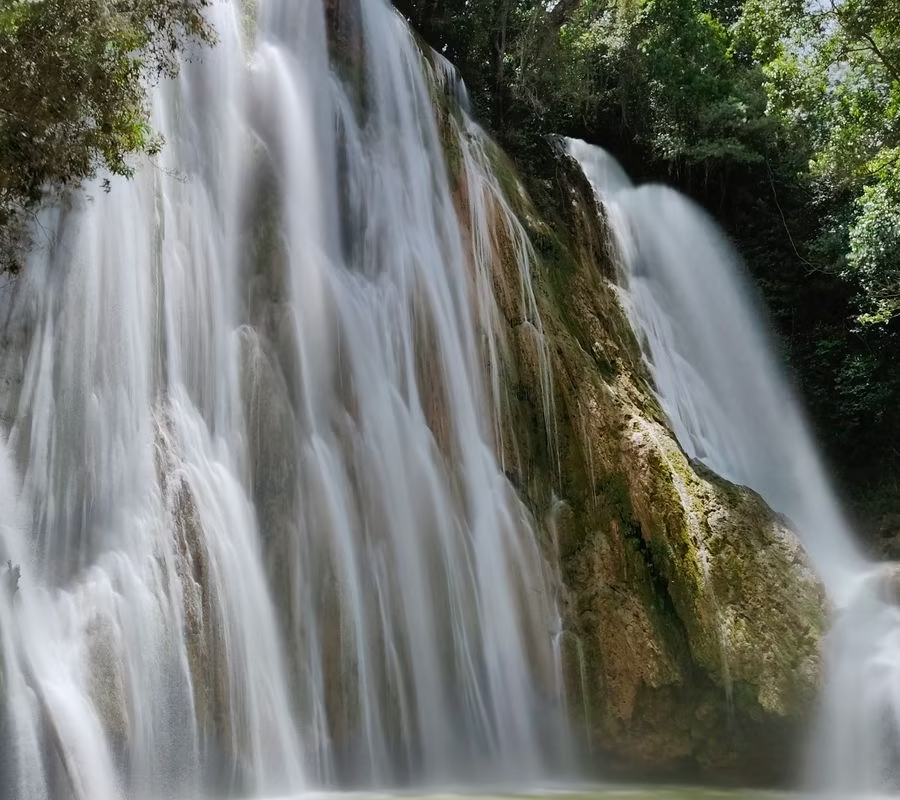
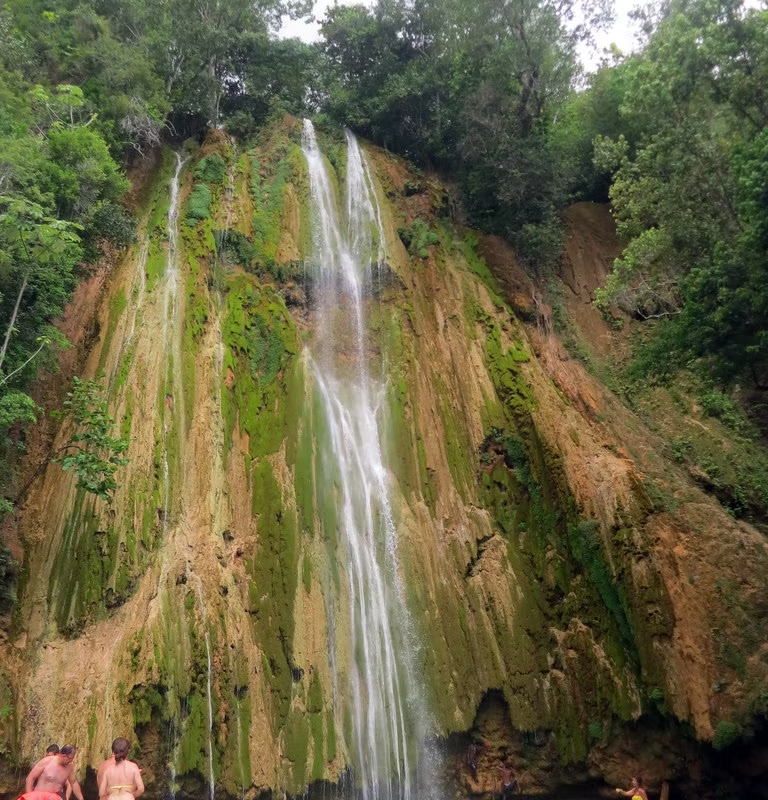
Salto El Limón, a waterfall 25 minutes from the village
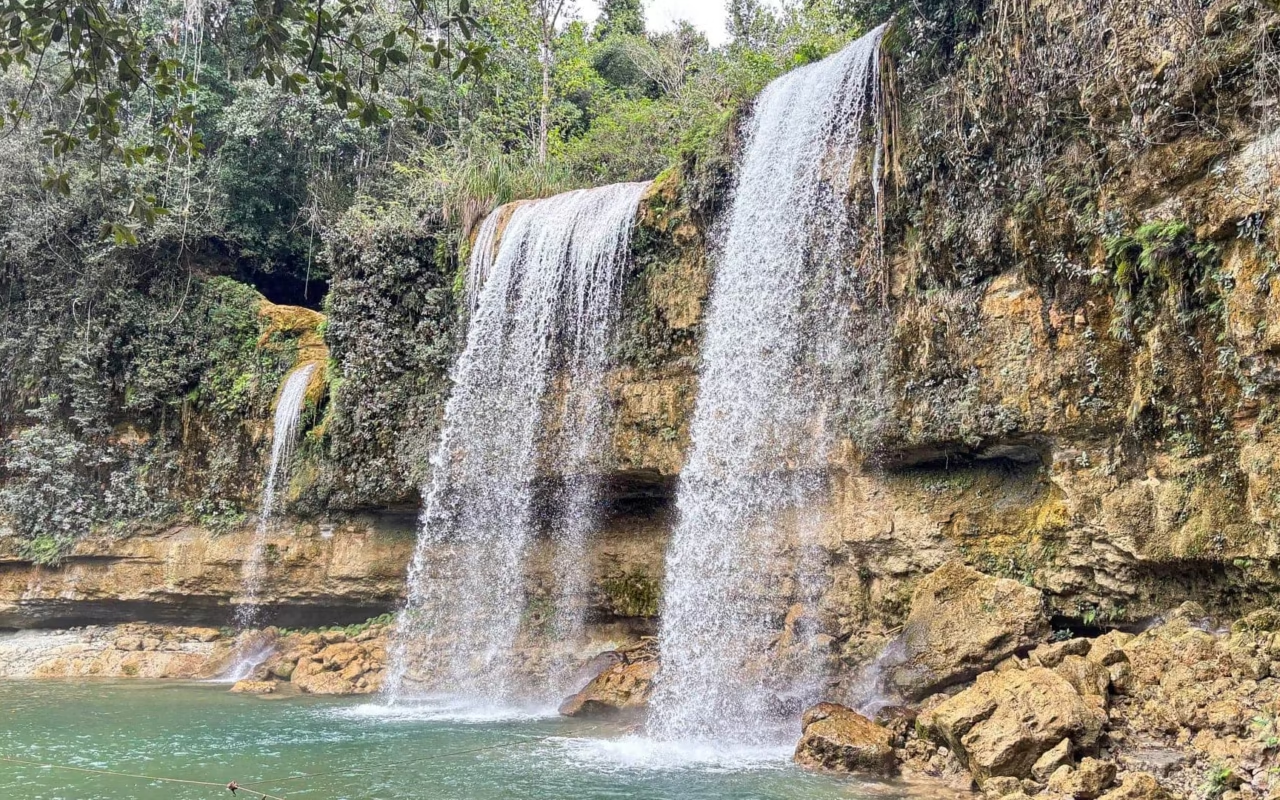
The hike to Salto El Limón is easy and family-friendly. The trail winds through cacao and coconut plantations, follows rivers, and then leads into dense vegetation. The waterfall is between 40 and 50 meters high, depending on the source: the Dominican Tourism Board lists it as 40 meters, while the General Directorate of Cinema lists it as 50.
There are six official trails leading to the site, each with varying levels of difficulty. Expect a round-trip hike of about 5 km and a two-hour walk, not including time spent at the site. A guided tour costs between 15 and 30 dollars per person.
Terra Dominicana organizes tours during off-peak hours with local guides. You’ll be able to swim at the base of the waterfall, and we’ll stop for lunch at a nearby finca. Other waterfalls in the country are worth a visit if you extend your trip.
Los Haitises National Park: Mangroves, Caves, and Birds
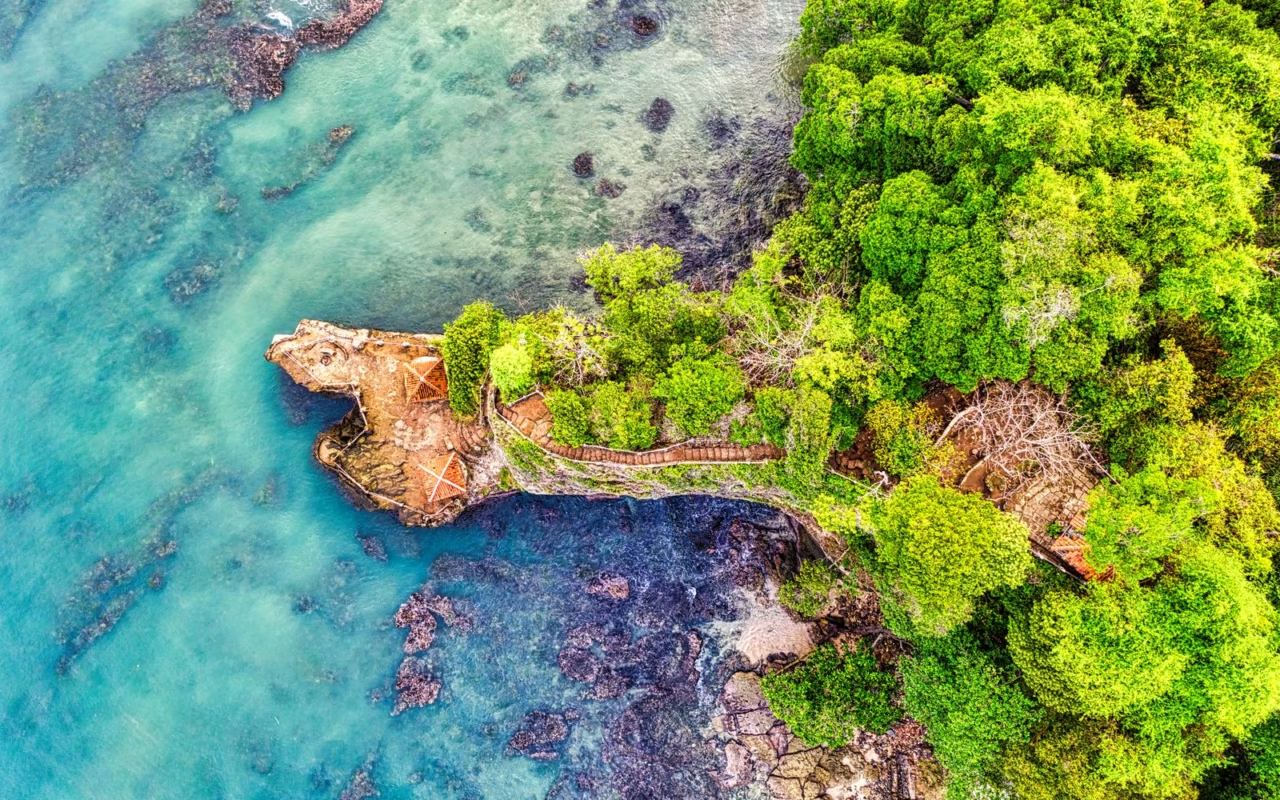
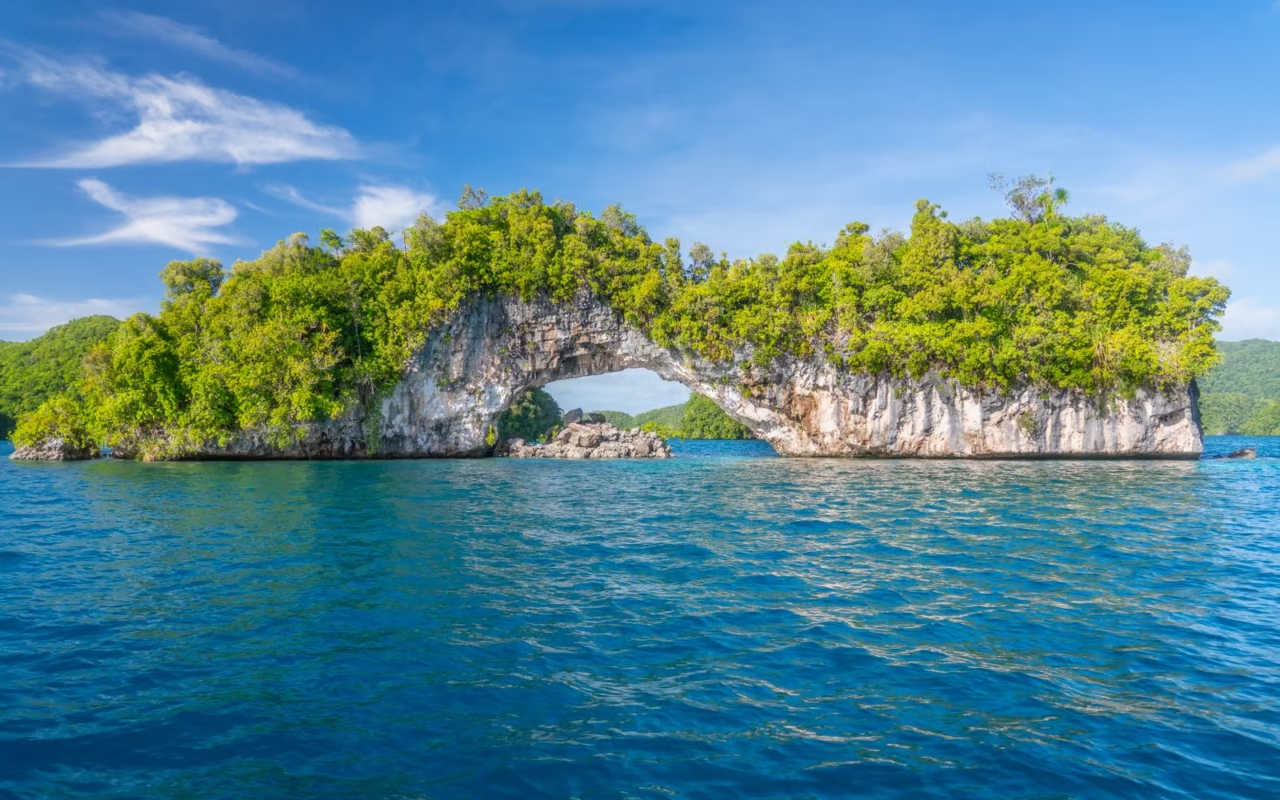
Los Haitises National Park covers approximately 600 km² along Samaná Bay, as defined by Sectoral Law 202-04 on protected areas. Established in 1976, it covers parts of the provinces of Samaná, Monte Plata, and Hato Mayor.
By boat or kayak, visitors can navigate through the heart of the mangroves, between limestone islets and peaceful channels. The park is home to 110 recorded bird species, out of the 270 found in the country. Visitors may spot the Ridgway’s hawk, an endangered endemic species, as well as brown pelicans, frigatebirds, herons, and Hispaniolan woodpeckers.
The tour continues through sea caves adorned with Taíno petroglyphs, evidence of the island’s earliest civilizations. We prefer small-group tours led by English-speaking guides. Expect to pay $60 to $90 for a full day. The park is featured in our overview of Dominican national parks.
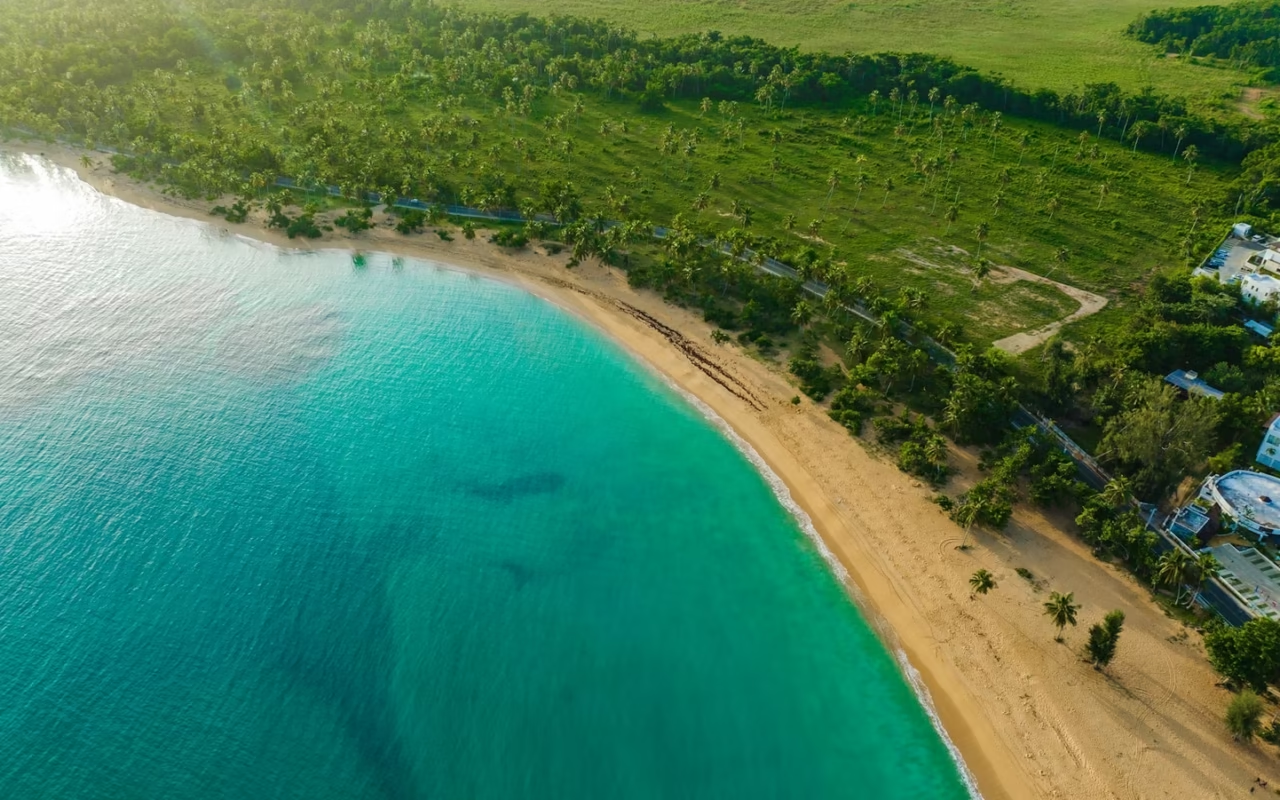
Humpback Whale Watching, January through March
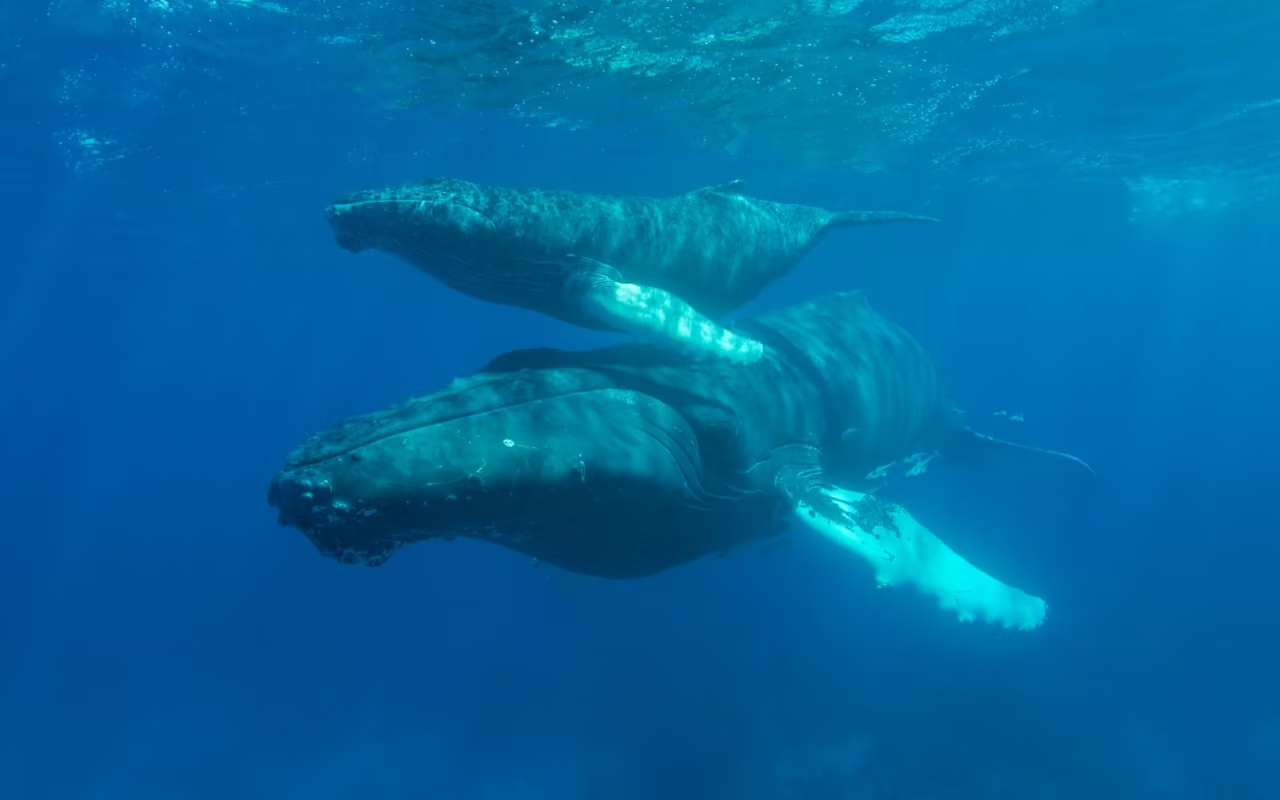
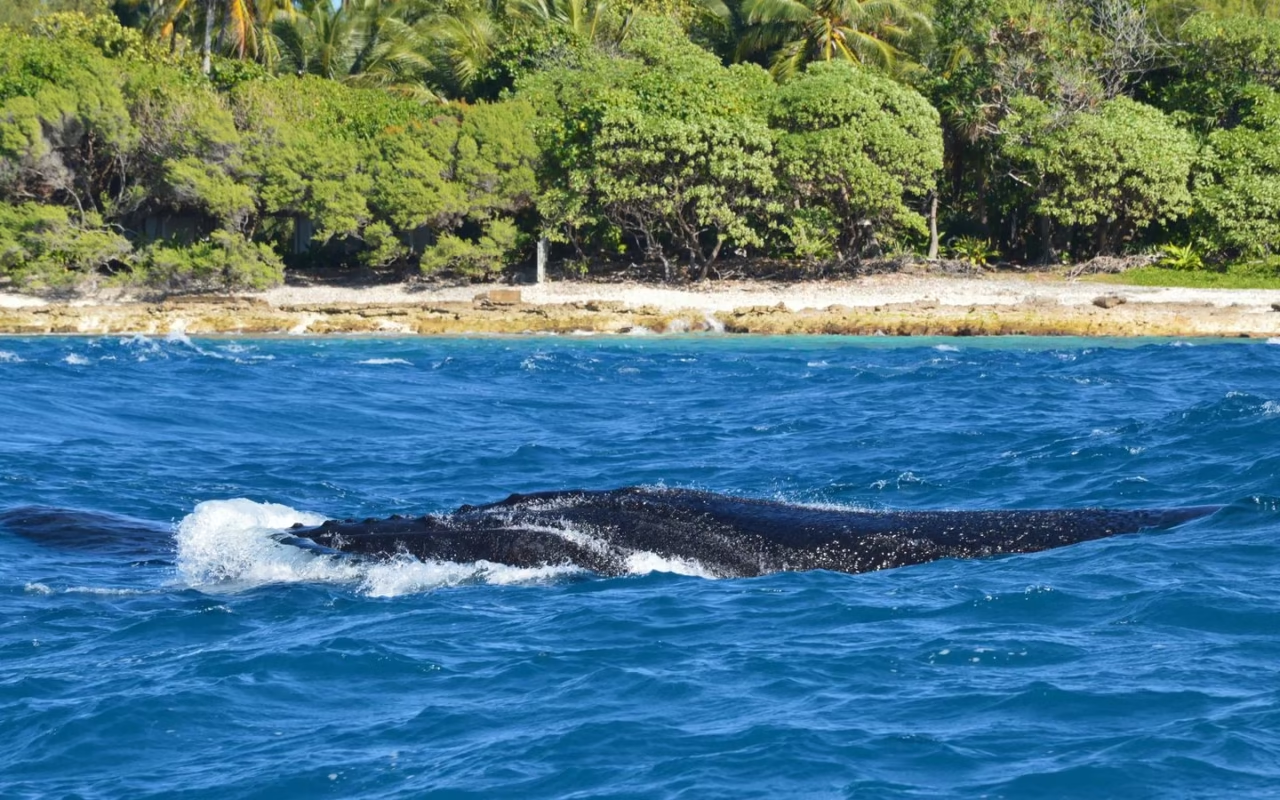
From January through March, Samaná Bay is home to one of the largest gatherings of humpback whales in the North Atlantic. According to the International Whaling Commission, at least 252 individuals have been identified there. The Dominican Republic has the most active whale-watching program in the Caribbean, governed by strict regulations.
The area is part of the Dominican Republic’s Marine Mammal Sanctuary, which covers 32,913 km² and is the country’s largest conservation area. This sanctuary was the first in the world to form a partnership with another sanctuary to protect a migratory species at both ends of its migration route. The network was launched in 2006 by the Stellwagen Bank National Marine Sanctuary, off the coast of Massachusetts. A second technical cooperation agreement was signed in Paris with the French Ministry of Ecological Transition on December 12, 2017.
Regulations are strictly enforced: a maximum of three boats per group, a 50-meter distance from adults, an 80-meter distance from a group with a calf, and a 30-minute time limit per group if other boats are waiting. Swimming with whales is prohibited in the bay. At Terra Dominicana, tours are conducted by certified operators. Expect to pay $70 to $100 per person.
A free land-based observatory has been open since 2011 at Punta Balandra, near Santa Bárbara de Samaná.
Water Activities and Low-Impact Adventures
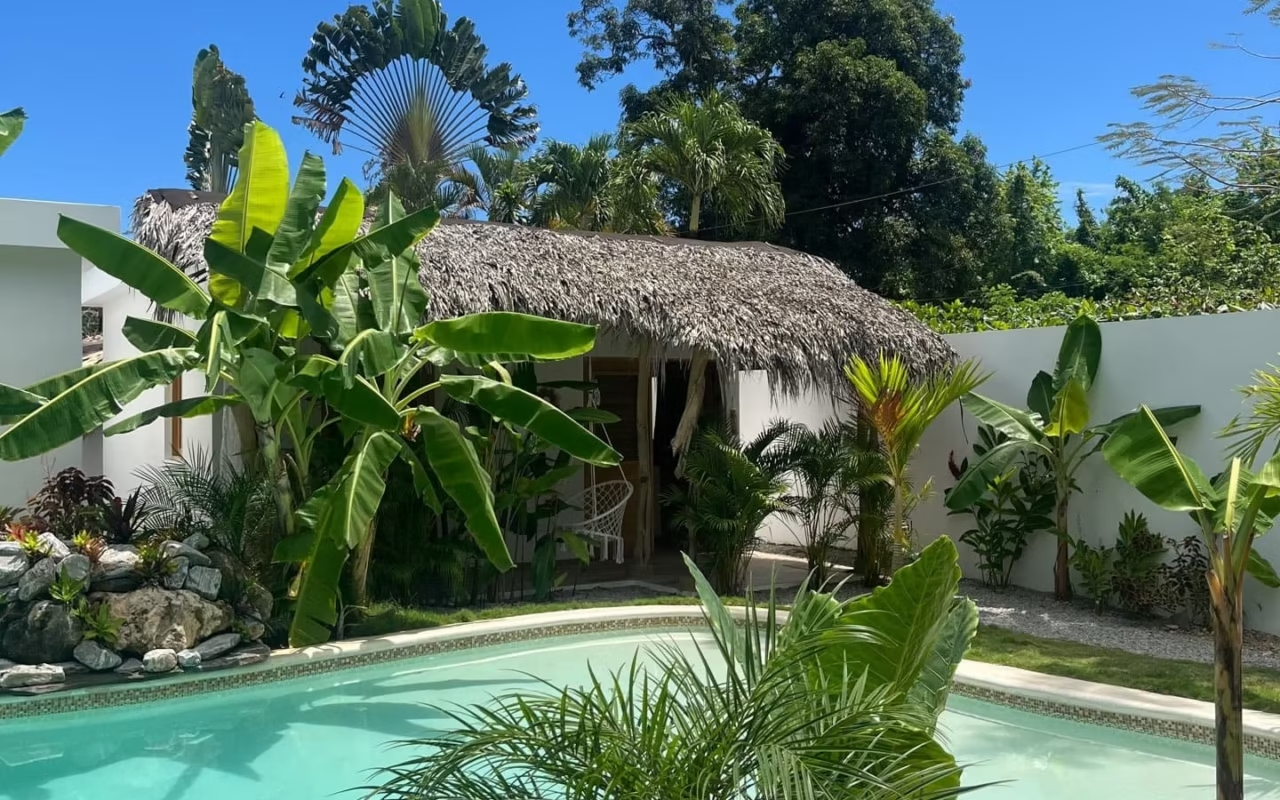
Around the village, water-based activities make up half of the program. The rest takes place in the jungle bordering the village.
Which beach should you choose?
Playa Las Ballenas is right next to the town center and is within walking distance. Playa Punta Popy draws kitesurfers in the late afternoon. Playa Bonita and Playa Cosón stretch to the west; they’re quieter and have surf schools. El Portillo closes off the bay to the east. Our article on the beaches of the Samaná Peninsula compares them one by one.
Diving and Snorkeling Around Las Galeras
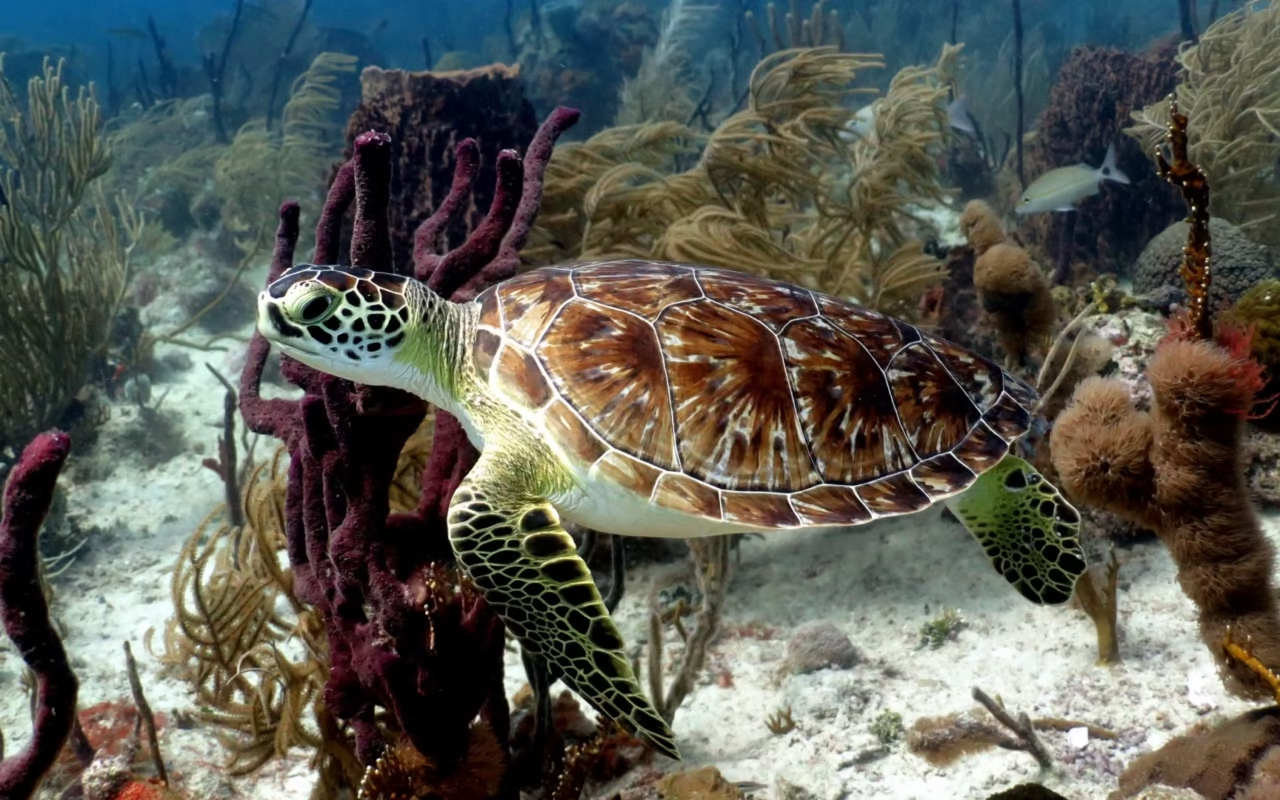
The seabed near Las Galeras is home to coral reefs, tropical fish, and secluded coves. Diving trips are suitable for all skill levels and are led by reputable dive clubs at less-visited sites. Expect to pay $50 to $90 for a guided trip.
Boat Trips to Secluded Beaches
Some beaches on the peninsula are accessible only by sea. These excursions offer access to wild coves and secluded sandy spots where you can enjoy a peaceful lunch.
Zip lines and nature trails
The zip-line course combines thrills with views high above the tree canopy. You’ll also cross several suspension bridges, suitable for families as well as travelers seeking an adrenaline rush.


A Tour of Santa Bárbara de Samaná: The Vibrant Heart of the Region
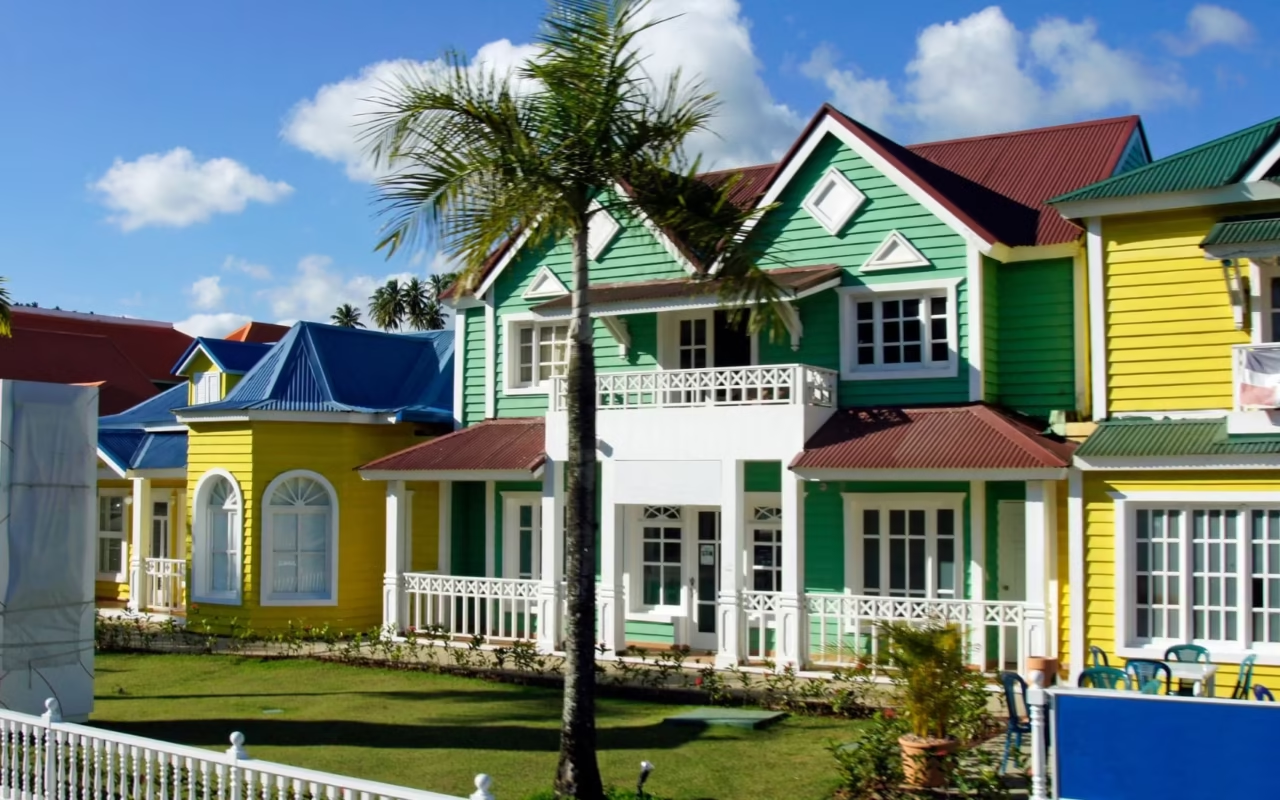
The capital of Samaná Province, Santa Bárbara de Samaná is a modern city that was partially destroyed by a fire in 1946 and later rebuilt on the orders of President Joaquín Balaguer. Today, it serves as the peninsula’s main administrative center.
Santa Bárbara was once populated by slaves from the United States and the Leeward Islands. This heritage is reflected in certain cultural traditions and in the practice of Protestantism, which is still not widespread elsewhere in the country.
Not to be missed:
- Santa Bárbara Cathedral, built in 1911, an iconic architectural landmark of the city.
- The Malecón, a pleasant seaside promenade and a hub for socializing and daily life.
- The Port of Samaná, the departure point for boat tours and a testament to the city’s commercial past.
Local markets, small shops, and simply strolling through the streets to experience the Dominican energy in all its simplicity.
Cayo Levantado – An Iconic Island
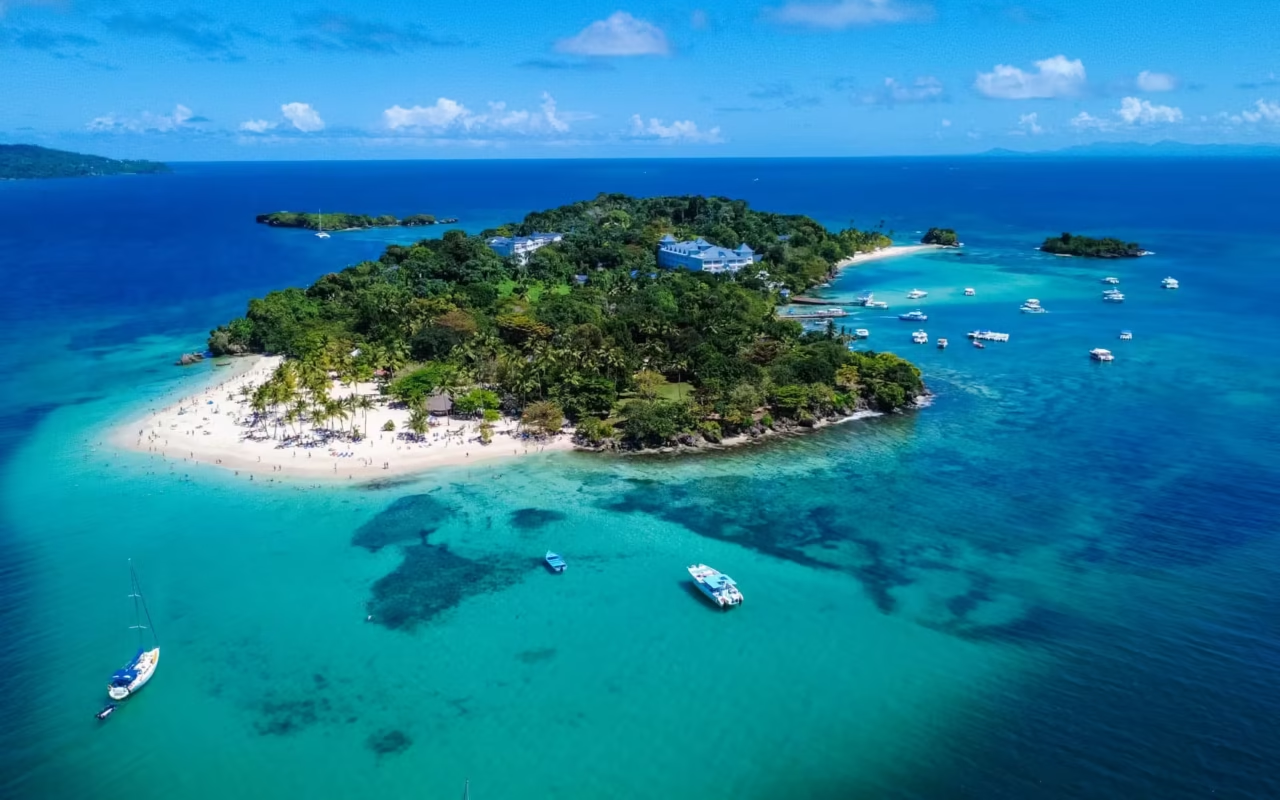
Accessible for day trips from Santa Bárbara de Samaná, Cayo Levantado is one of the bay’s most iconic (and most popular) sites. The island, about 1 km long, can be crossed on foot in about 15 minutes.
The public section is perfect for swimming, sunbathing, kayaking, or paddleboarding, and enjoying fresh seafood. The other half of the island is home to a beautiful, upscale resort with the most stunning beach reserved exclusively for its guests.
Bordered by Playa Grande and Playa Honda, accessible on either side of the landing stage, the island offers a postcard-perfect setting of white sand, crystal-clear waters, and coconut palms. From January through March, it’s also located within a humpback whale-watching zone.
Please note : Access may be restricted on certain days when large cruise ships are anchored offshore. At the end of the day, once the day-trippers have left, the island returns to a calmer atmosphere.
Living in the village of Las Terrenas and sharing in daily life there
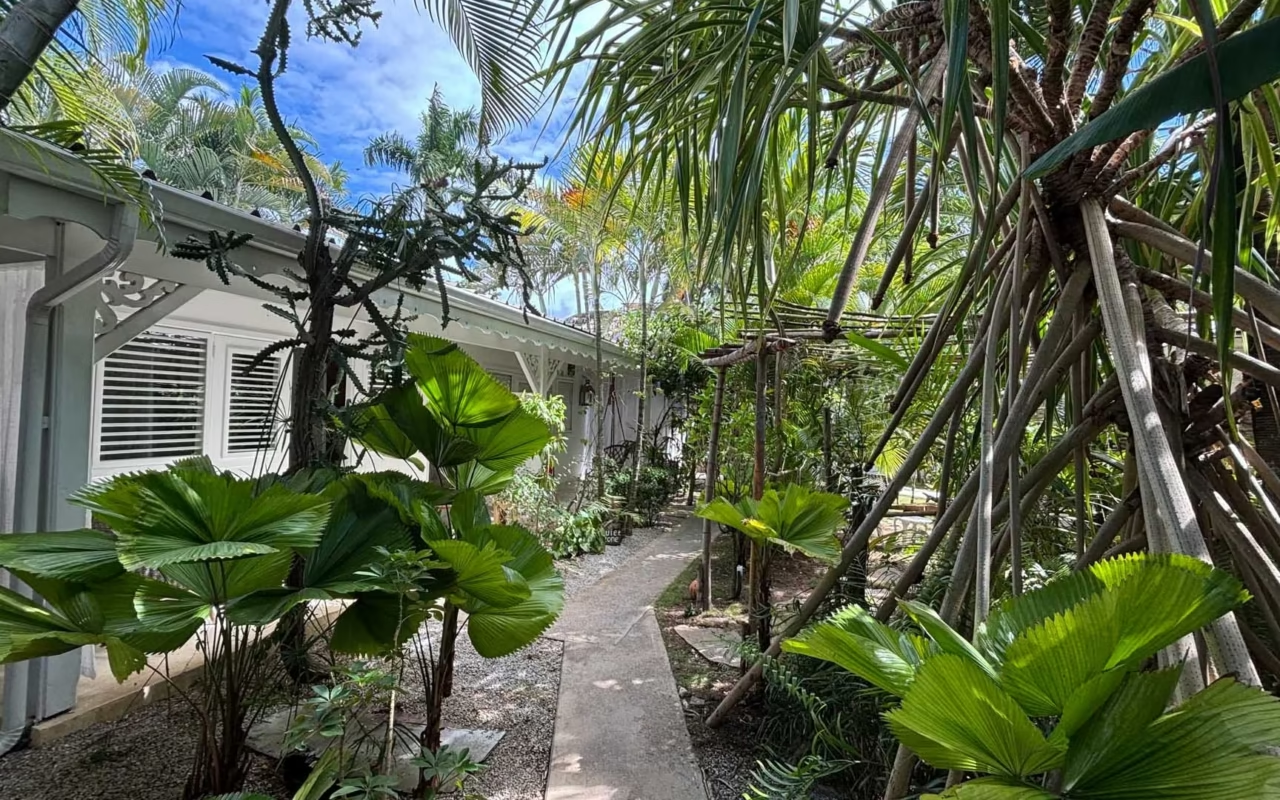
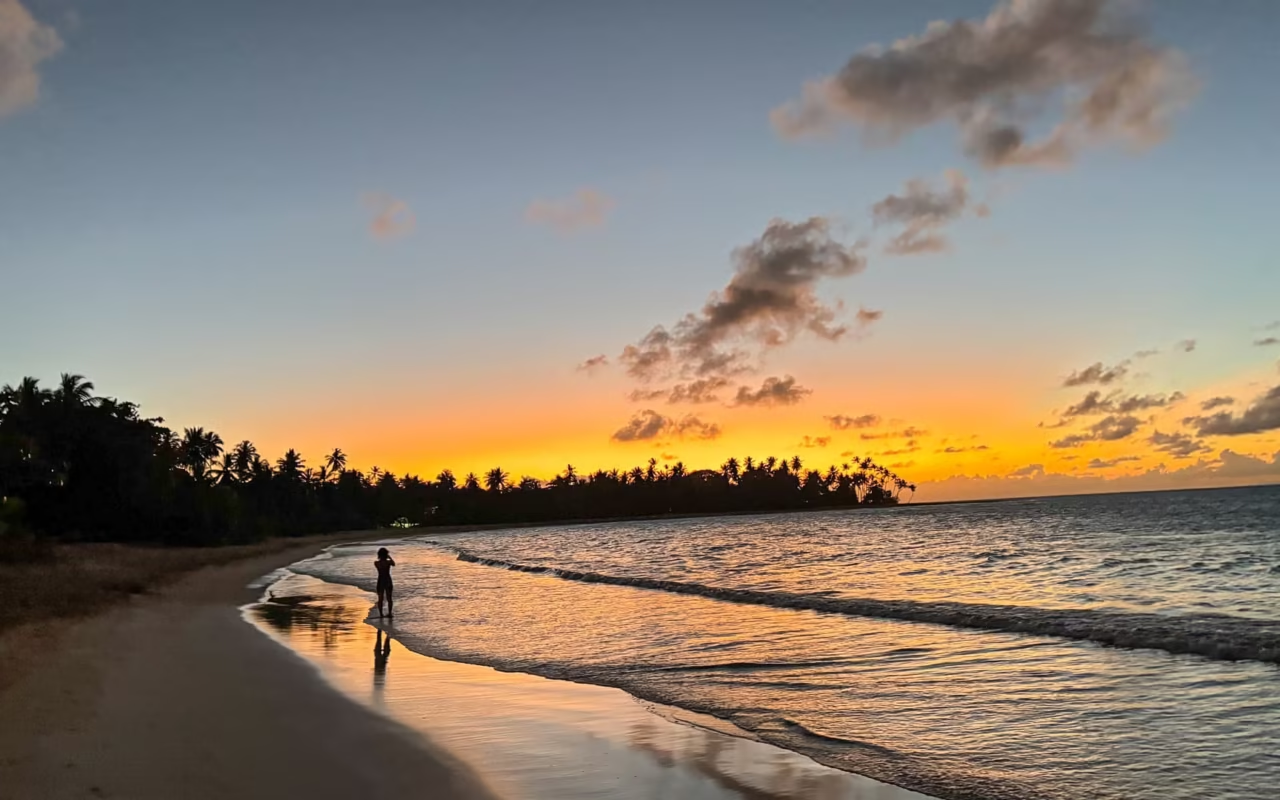
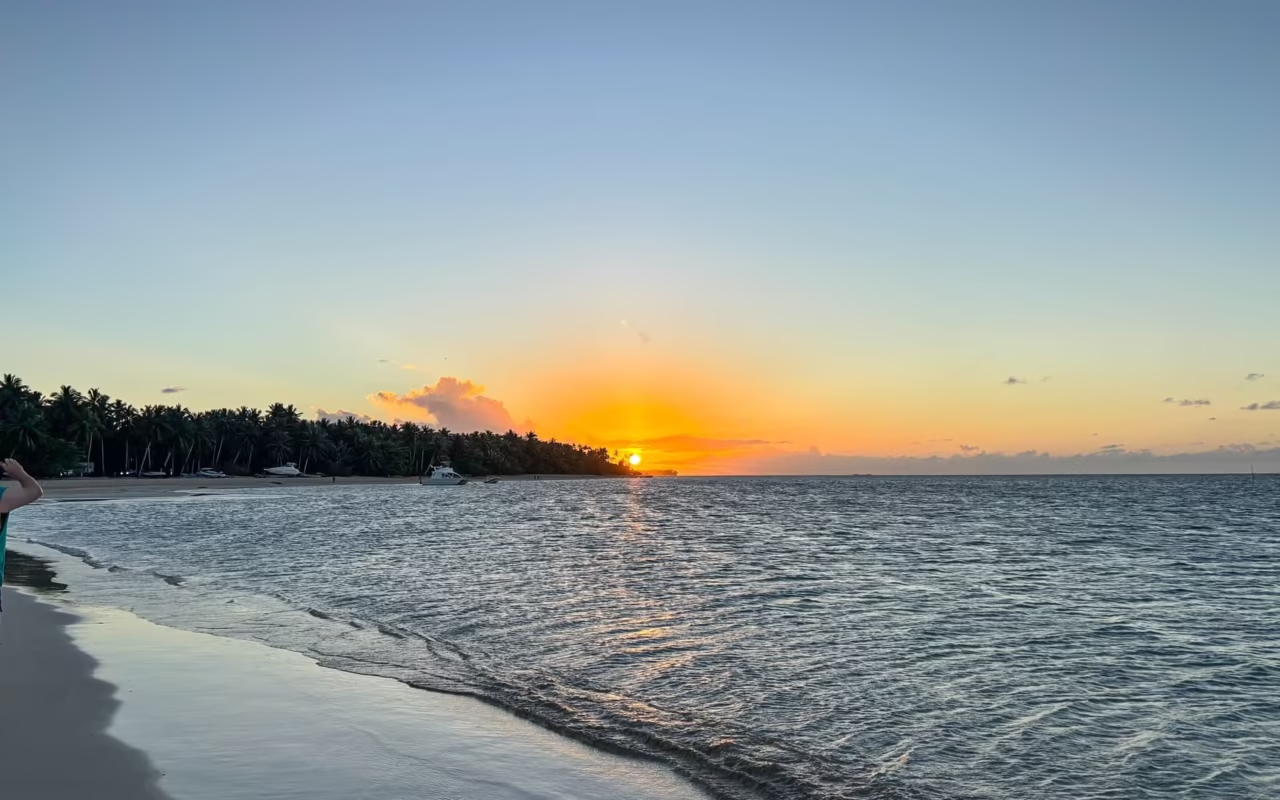
Las Terrenas: a home away from home for French expats who’ve realized where paradise is. It’s easy to fall under the spell of the village’s bohemian atmosphere and enjoy its many beaches with fine sand and turquoise waters. We recommend heading to one of the beaches around 5:30 p.m. to watch the sunset at Playa Bonita, Playa Cosón, or Playa Punta Popy.
The village is brimming with charming boutique hotels, restaurants blending local and international influences, as well as numerous English-speaking spots, including cafés and bakeries.
Strolling through home decor shops and stores selling jewelry made from coral or sea urchins, visiting cigar shops, sampling different rums, and trying mamajuana are all an integral part of the experience.
When is the best time to visit Las Terrenas?
The high season runs from December through April. This is the driest time of year, and also the most expensive: lodging rates rise by 30 to 40% in tourist areas.
| Season | Climate | Crowds and Prices | What You Get Out of It |
|---|---|---|---|
| December through April | Dry, pleasant temperatures | High season, higher prices | Whales from January through March, calm seas |
| May through August | Tropical showers in the late afternoon | Low season | Less crowded sites, lush greenery |
| September through November | Wettest months | Low season | November is still a good time to visit |
The Atlantic hurricane season runs from June through November, peaking in August and September. Hurricanes rarely make landfall on the peninsula, but keep an eye on alerts if you’re traveling during this period.
At Terra Dominicana, we enjoy the off-season, from May through August, as well as the month of November. Showers often occur in the late afternoon; they’re brief and won’t keep you from going out. Our guide on when to visit the Dominican Republic provides a month-by-month breakdown.
How long should I stay in Las Terrenas?
3 nights, at least
Three nights are enough to see the village, a beach, and go on a day trip. Either the El Limón Waterfall or Los Haitises—not both. You’ll leave with a lasting impression, not the entire region.
5 to 7 nights: the right pace
Five to seven nights give you time to visit the three main attractions, two or three beaches, and enjoy a day with no set plans. This length of stay allows you to make it all the way to Las Galeras or El Valle without rushing.
Is Las Terrenas safe?
This issue comes up again and again in research, destination by destination. The village remains a tourist resort where visitors can move about freely, both during the day and in the evening in the town center.
The precautions are the same as in any beach resort. Do not leave anything visible in a parked car. On the trail to El Limón Waterfall, hikers have reported thefts: travel light and preferably with a companion. Do not drive at night on the peninsula’s roads if you are unfamiliar with them, as animals frequently cross the road.
Our guide, “Is Traveling in the Dominican Republic Dangerous? ”, covers the topic on a national scale, region by region.
Combine Las Terrenas with
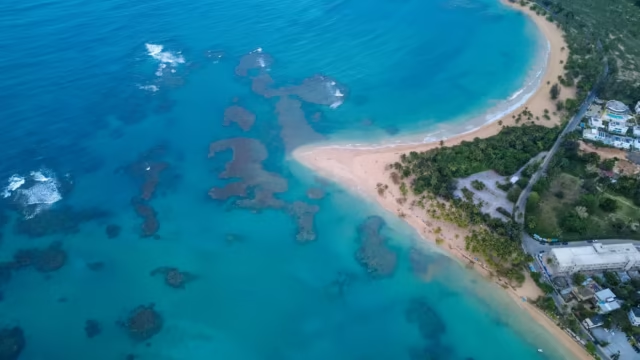
Las Terrenas FAQ
How many days should you plan to spend in Las Terrenas?
Three to five nights will give you time to enjoy the village and explore the peninsula’s main attractions. If you’re staying fewer than three nights, you’ll have to choose between the waterfall and the national park. Contact us for our recommendations on boutique hotels and villas.
Is Las Terrenas family-friendly?
Yes. The beaches are within walking distance of the center, the activities are family-friendly, and the charming accommodations welcome children. The hike to El Limón Waterfall is suitable for children as young as 6 or 7 years old.
When is the best time to visit?
The most popular time is from December through April, with dry weather and pleasant temperatures. We also enjoy the off-season, from May through August, as well as November. Rain showers come late in the day, are brief, and the sites are less crowded.
Can you visit without a car?
Yes. You can explore the town on foot; motoconchos cover short distances; and most excursions include transportation from your lodging. A car makes it easier to get to Las Galeras or El Valle.
Which airport should you choose for Las Terrenas?
El Catey (AZS) is the closest, a 30-minute drive away, but flights there are seasonal. Santo Domingo Las Américas (SDQ) offers the most flights from Europe and is a 2.5-hour drive away. Punta Cana is about a 4-hour drive.
How do you get from Punta Cana to Las Terrenas?
Allow about 4 hours by car, via San Pedro de Macorís and then the Samaná highway. This is the longest drive of the four airports. If your itinerary starts in Punta Cana, plan for a stopover rather than a direct transfer.
What is the budget for Las Terrenas?
For a custom trip with charming accommodations and guided activities, budget $160 to $250 per day per person, excluding flights. A night at a hostel starts at $18, while a local boutique hotel ranges from $100 to $180. As for activities: $15 to $30 for the El Limón waterfall, $60 to $90 for Los Haitises, and $70 to $100 for whale watching. Restaurants in the village charge prices similar to those in Europe. Our Dominican Republic budget guide breaks down each expense in detail.
Updated: August 7, 2026
About the Author
Laura, Travel Designer at Terra Dominicana
Laura Grenouillet has been designing custom trips to Latin America for over seven years. She founded Terra Dominicana to help people discover a different side of the Dominican Republic—one that’s closer to the locals.
In Las Terrenas, she recalls meeting a shoemaker who worked by day and made mamajuana the rest of the time—two trades combined in the same shop. It’s encounters like this that shape the itineraries she creates.
Sources
- Ministry of Tourism of the Dominican Republic (MITUR)
- Official Tourism Office, Go Dominican Republic
- Ministry of the Environment and Natural Resources, Sectoral Law 202-04 on Protected Areas
- International Whaling Commission, Whale Watching Manual, Dominican Republic fact sheet
- NOAA, Stellwagen Bank National Marine Sanctuary
- Samaná Municipal Government