At a Glance
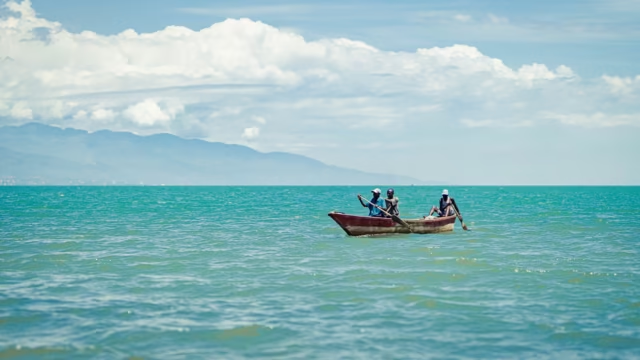
The Dominican Republic is one of the best sportfishing destinations in the Caribbean. Big-game fishing (marlins, sailfish, tuna), inshore reef fishing (snappers, barracudas, trevally), fly fishing on tropical flats, and regulated spearfishing: everything is possible. Punta Cana, Bayahíbe, Puerto Plata, and Samaná are the main departure points.
A little-known fishing destination,
recognized internationally
With more than 1,280 kilometers of coastline, bordered by the Caribbean Sea to the south and the Atlantic Ocean to the north and east, the Dominican Republic offers ideal conditions for saltwater fishing year-round. The water drops off rapidly just a few miles from shore—particularly near the Mona Passage—creating migrations of pelagic fish of a richness rarely seen in the Caribbean.
Dominican sport fishing is internationally recognized, particularly for the quality of its big-game fishing. But beyond giant marlins, the country also offers accessible inshore fishing, family-friendly reef trips, fly fishing on tropical flats, and even regulated spearfishing.
Great Fishing Adventures
Big Game Fishing — Offshore
This is the Dominican Republic’s signature activity. A few miles off the coast, the seabed drops off rapidly, creating an ideal environment for deep-sea species. The most common technique is trolling with lures or live bait. Offshore fishing charters typically depart in the morning between 7 a.m. and 9 a.m. for trips lasting 4 to 8 hours.
| Species | Best Time | Note |
|---|---|---|
| White marlin | March – June | Catch-and-release required |
| Blue marlin | June–October | May exceed 400 kg. Catch-and-release required |
| Sailfish | October–March | Catch-and-release required |
| Yellowfin tuna | July–December | Active fishing along the entire coast |
| Dorado / Mahi-Mahi | October–March (inshore) | Present almost year-round |
| Wahoo | September–December | Famous for its speed |
| Swordfish | Late summer | Often fished at night |
⚠️ Important: Catch-and-release of billfish (marlins, sailfish, swordfish) is mandatory in the Dominican Republic. Size and catch limits also apply to several other species.
Coastal and Reef Fishing
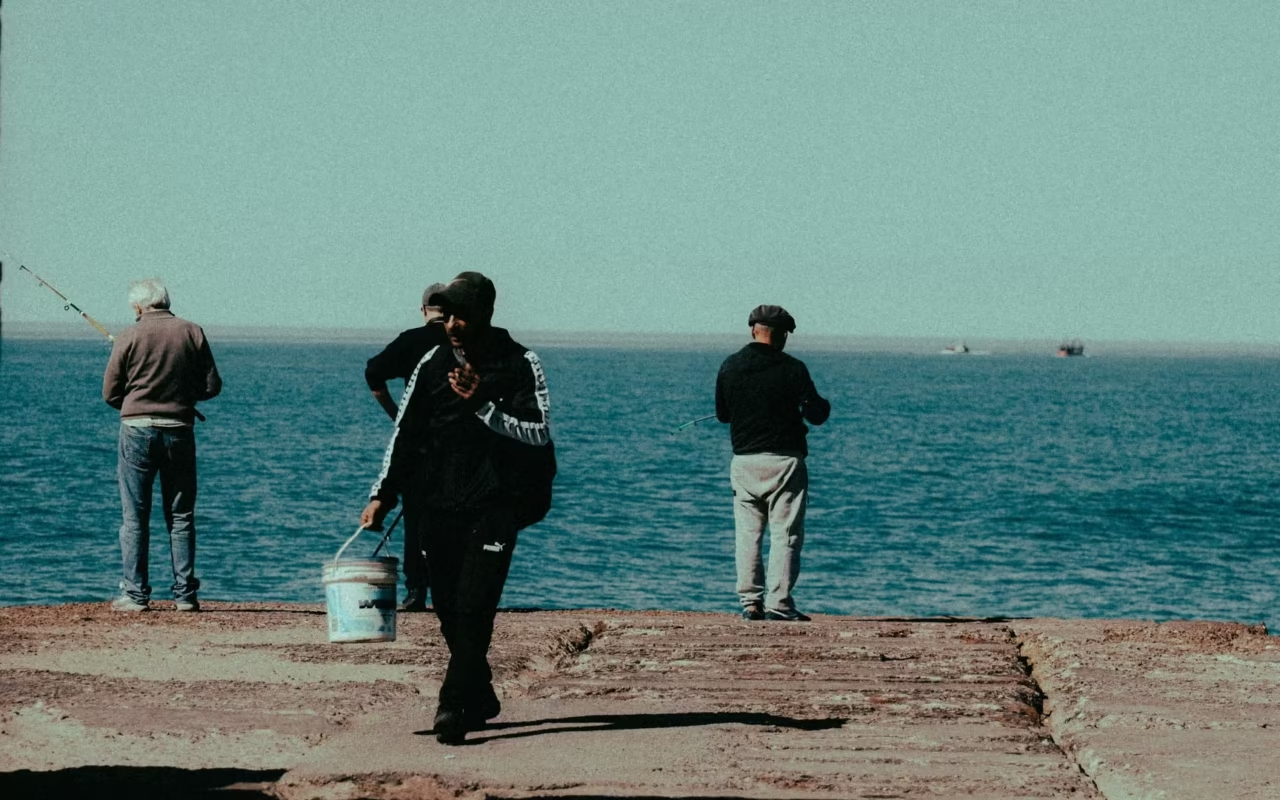
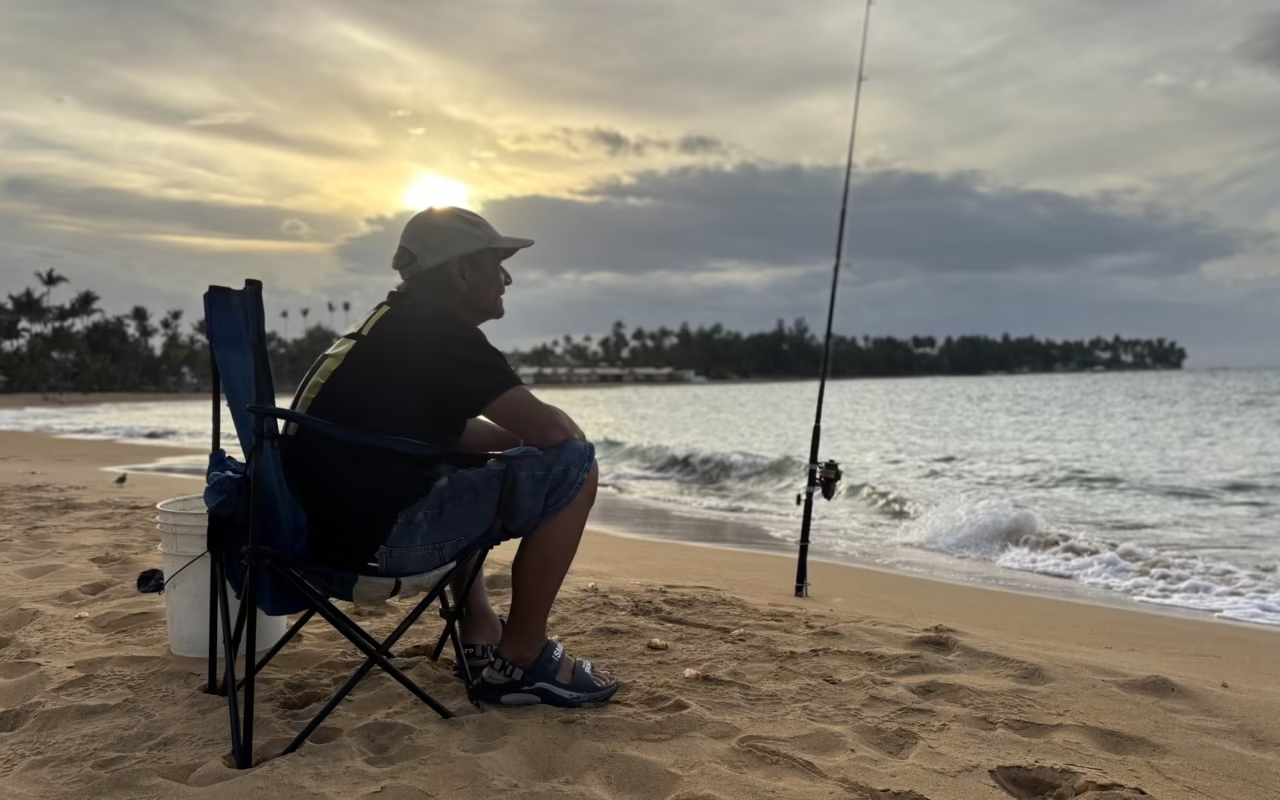
More accessible and better suited for families or short trips, inshore fishing takes place near reefs, in shallow waters, or around natural structures. Bottom fishing and light trolling are the most common techniques. Winter (November through May) is particularly good for this type of fishing.
Species commonly caught include snappers, groupers, barracudas, trevally, bonito, cobia, mackerel, and tarpon. This is an ideal option for a half-day outing, easily combined with snorkeling or a stop at the beach.
Fly Fishing
The Dominican Republic has shallow flats and lagoons that are ideal for fly fishing. The target species—bonefish (macabí), tarpon, permit, and snook (róbalo)—require stealth and technique in waters that are often clear and shallow. Offshore fly fishing for dorado or sailfish is also available, but is best suited for experienced anglers.
Spearfishing
Practiced in certain regulated areas, spearfishing primarily targets groupers, snappers, barracudas, and, depending on the season, spiny lobsters and octopuses. Regulations are strict regarding permitted periods and areas. Hiring a professional guide is strongly recommended to avoid any violations.
The Best Fishing Spots
| Area | Fishing Type | Special Feature |
|---|---|---|
| Punta Cana | Offshore, reef, fly fishing | Wideest selection of charter options, deep waters just 5 minutes away |
| Bayahíbe | Offshore + reef fishing | Cotubanamá National Park, active tournaments |
| Puerto Plata (north coast) | Pelagic, marlin | Atlantic exposure, more challenging conditions |
| Samaná | Mixed: dorado, wahoo, marlin | Local atmosphere, less commercialized |
| Mona Passage | Open ocean, marlin | Between the Dominican Republic and Puerto Rico, long trips, experienced anglers |
The Mona Passage: a unique area
Located between the Dominican Republic and Puerto Rico, the Mona Passage is traversed by strong currents which, combined with the tropical trade winds, create an exceptional migratory corridor for pelagic species. This is what makes fishing off the coast of Punta Cana among the best in the Caribbean—boats often have their lines in the water within five minutes of leaving the dock. This area is reserved for long trips with experienced captains.
Tournaments and Competitions
The Dominican Republic hosts several international tournaments that reinforce its reputation for sport fishing. Among the best known are:
- White Marlin Fishing Tournament (Santo Domingo Yacht Club, Cabeza de Toro area)
- Billfish Shootout
- Offshore multi-species competitions in Punta Cana
Essential Regulations
- A sport fishing license is required—it is generally included in the price of professional charters
- All billfish (blue marlin, white marlin, sailfish, swordfish)must be released
- Size and catch limits apply to several species (snapper, grouper, etc.)
- Specific regulations for spearfishing (zones and seasons)
- Certain fishing gear is prohibited: drift nets, explosives, and non-selective methods
At Terra Dominicana, we work with certified captains who take the time to explain local regulations before each trip.
Frequently Asked Questions
Can you fish year-round?
Yes. The diversity of species and fishing areas allows for year-round fishing, with different species available depending on the season. The peak season runs from March through September for most pelagic species. See our seasonal guide.
When is the best time for marlin?
March through June for white marlin. June through October for blue marlin. Outside of these periods, other species more than make up for it.
Is this suitable for beginners and families?
Yes. Inshore and reef fishing are perfectly accessible. Charters provide all the necessary equipment and experienced crews. Children under 10 are generally not allowed on deep-sea trips, but reef trips are open to everyone.
Do you need to book in advance?
During peak season (winter and spring), it’s recommended to book several weeks in advance. The rate for a private charter generally ranges from $400 to $600 for a half-day, depending on the size of the boat. See our budget guide.
Conclusion
Fishing in the Dominican Republic isn’t just about giant marlins, even though they are the undisputed stars. The country offers true diversity: offshore sport fishing, family-friendly reef trips, fly fishing in the lagoon, or adventurous deep-sea exploration. The combination of Atlantic and Caribbean currents, the rich marine environment, and the well-organized selection of professional charters make it one of the best fishing destinations in the Caribbean.
At Terra Dominicana, we incorporate these fishing trips into your itinerary and select reliable local captains who are well-suited to your profile and expectations.
About the Author
Laura Grenouillet is the founder of Terra Dominicana, based in Santo Domingo. She collaborates with local captains and guides in various fishing areas across the country to offer responsible experiences tailored to each traveler’s skill level and expectations.
Sources
- CODOPESCA — codopesca.gob.do — Official Fishing Regulations
- Ministry of Agriculture of the Dominican Republic — Recreational fishing regulations
- Field data from Terra Dominicana, 2025–2026