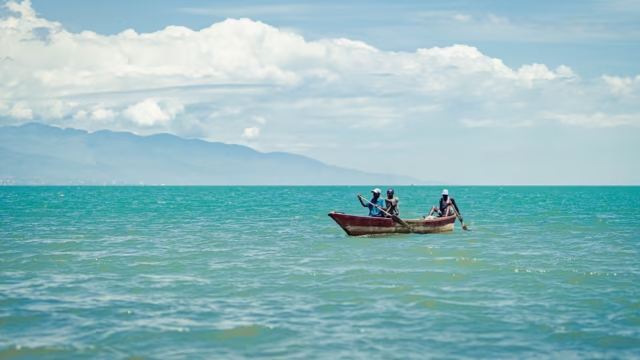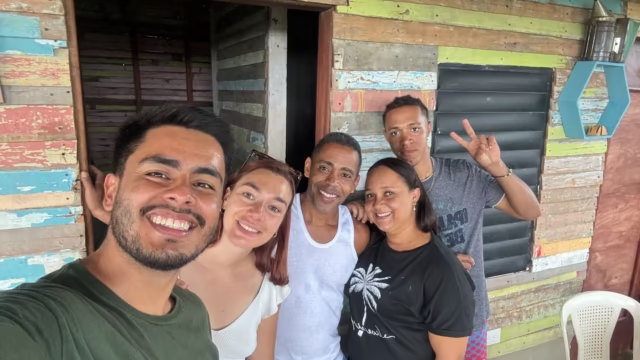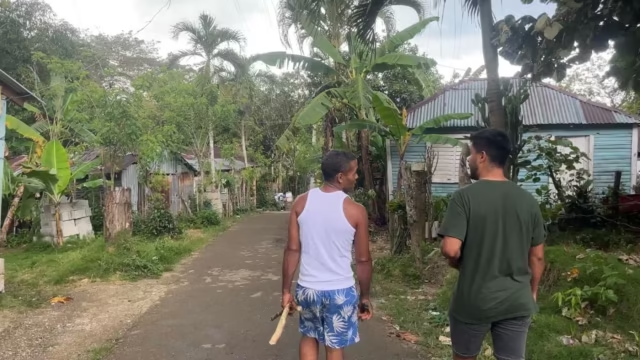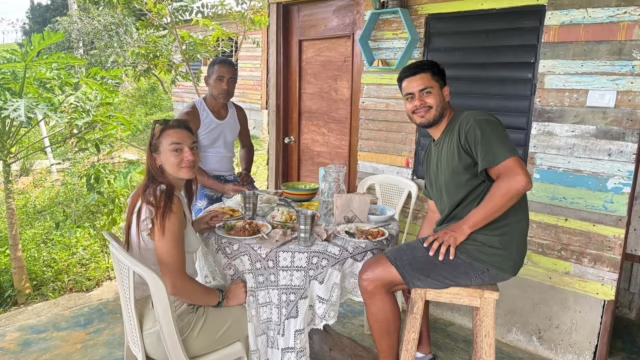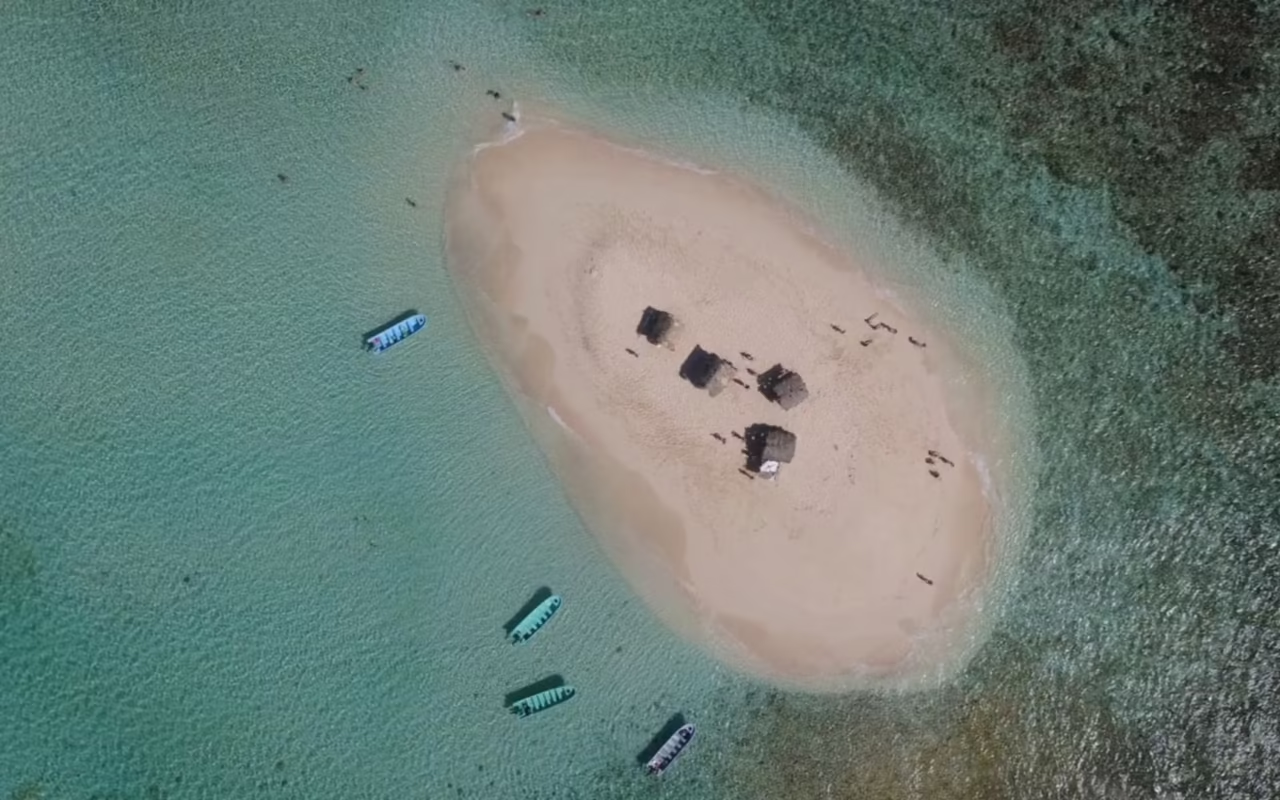
Every winter, thousands of Canadians fly to the Dominican Republic to escape the cold—and most book an all-inclusive package. Yet a trip to the Dominican Republic from Canada can be so much more than that: tailor-made itineraries, day trips, private villa rentals, local English-speaking guides, mountains, fine dining, and authentic encounters.
Whether you’re setting out on a two-week exploration, staying at a resort in Punta Cana, or spending several weeks each year at your Dominican vacation home, Terra Dominicana—a local English-speaking agency based in Santo Domingo—will tailor your activities and itinerary to your pace. Here’s what you need to know to plan your trip from Canada and discover the country off the beaten path.
Formalities and Practical Information for Traveling from Canada
Before you start dreaming about the beaches, let’s take care of the practical details: this is often what people look for first, and it’s simple.
Passport, Visa, and E-Ticket
Canadians do not need a visa for a tourist visit: a valid passport is sufficient. Until December 31, 2026, it simply needs to be valid for the duration of the stay (the 6-month rule is temporarily suspended for tourism). Important update: the paper immigration form is no longer used. You must now complete the E-Ticket, a free and mandatory digital form, up to 72 hours before your flight. Be wary of websites that charge for it—the official form is free. Find all the details on our entry requirements and visas page, and be sure to check voyage.gc.ca before you leave.
Travel Insurance: A Must-Have for Quebecers
A point that’s all too often overlooked: RAMQ covers practically nothing abroad. Travel insurance (medical care + repatriation) is essential, regardless of your age or the length of your stay. It’s the only “ticket” you never want to use, but you should always have it.
Flights from Canada
The destination is very well connected to Canada, with numerous direct flights from Montreal, Quebec City, Ottawa, and Toronto —expect a flight time of about 5 hours from Montreal. Depending on the season, Air Transat, Air Canada, and WestJet fly to Punta Cana, Puerto Plata, Samaná, Santo Domingo, and La Romana. Details on routes and airlines can be found on our flights and airlines page. No matter which airport you arrive at, we’ll build your itinerary from there.
Money, Electricity, Time: Pleasant Surprises
- Currency: the Dominican peso (DOP); the U.S. dollar is widely accepted in tourist areas. Bring some cash for small shops and tips. To plan your expenses, check out our travel budget guide.
- Electricity: 110 V, Type A/B plugs—exactly like in Canada. No adapter needed.
- Time difference: virtually none. In winter, it’s 1 hour ahead of Quebec; in summer, there’s no time difference.
- Health: No mandatory vaccinations for a typical trip, but make sure your routine vaccinations are up to date and protect yourself from mosquitoes.
When is the best time to travel to the Dominican Republic from Canada?
November through June: the best time to visit
From November through June, the island of Quisqueya offers its best conditions: sunshine, temperatures ranging from 25°C to 30°C depending on the region, and a low chance of rain. This is the ideal time to enjoy beaches, mountains, and adventure.
December through March: peak season
This is the peak travel season, perfect for beaches, mountains, and especiallyhumpback whale watching in Samaná Bay (mid-January to mid-March)—one of the country’s major nature events, featured in our wildlife viewing calendar. Due to its popularity, book a few months in advance for the best selection of accommodations and experiences.
April through June: The Beautiful, Quiet Alternative
Excellent weather, fewer crowds, and often better rates: our favorite “secret” time of year.
What about hurricane season?
Let’s be transparent: hurricane season runs from June through November, peaking in August, September, and October. That doesn’t mean it rains nonstop—many days are still sunny—but travel insurance covering unexpected weather and a bit of flexibility are recommended. To time your trip around local holidays, checkthe cultural calendar and our detailed guide on when to go.
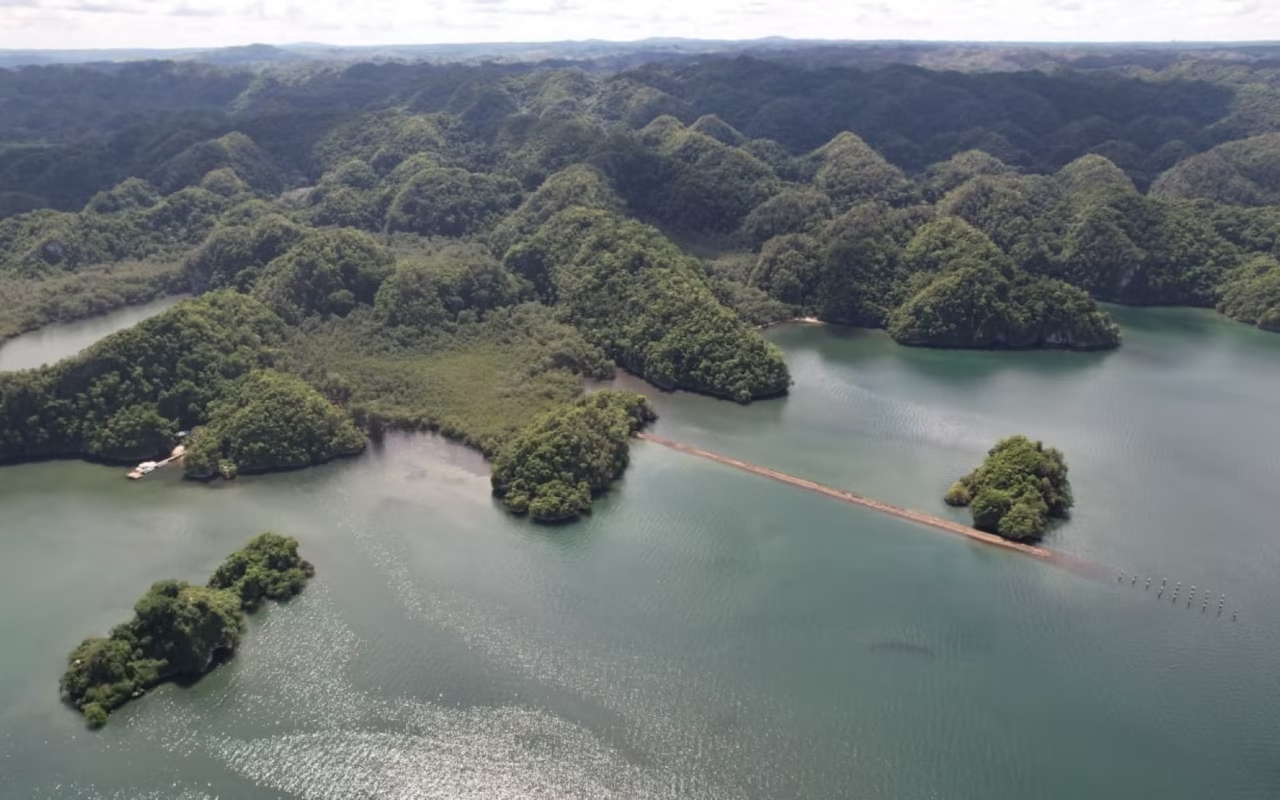
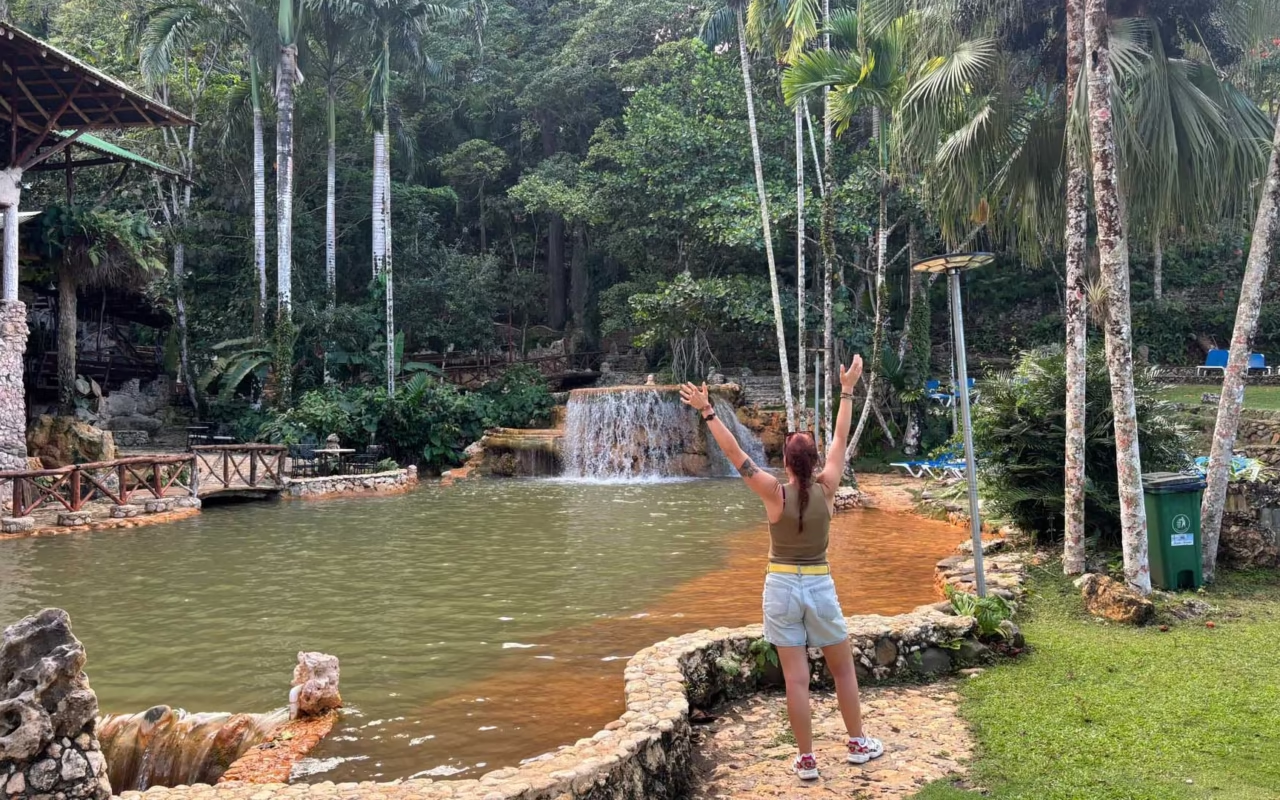
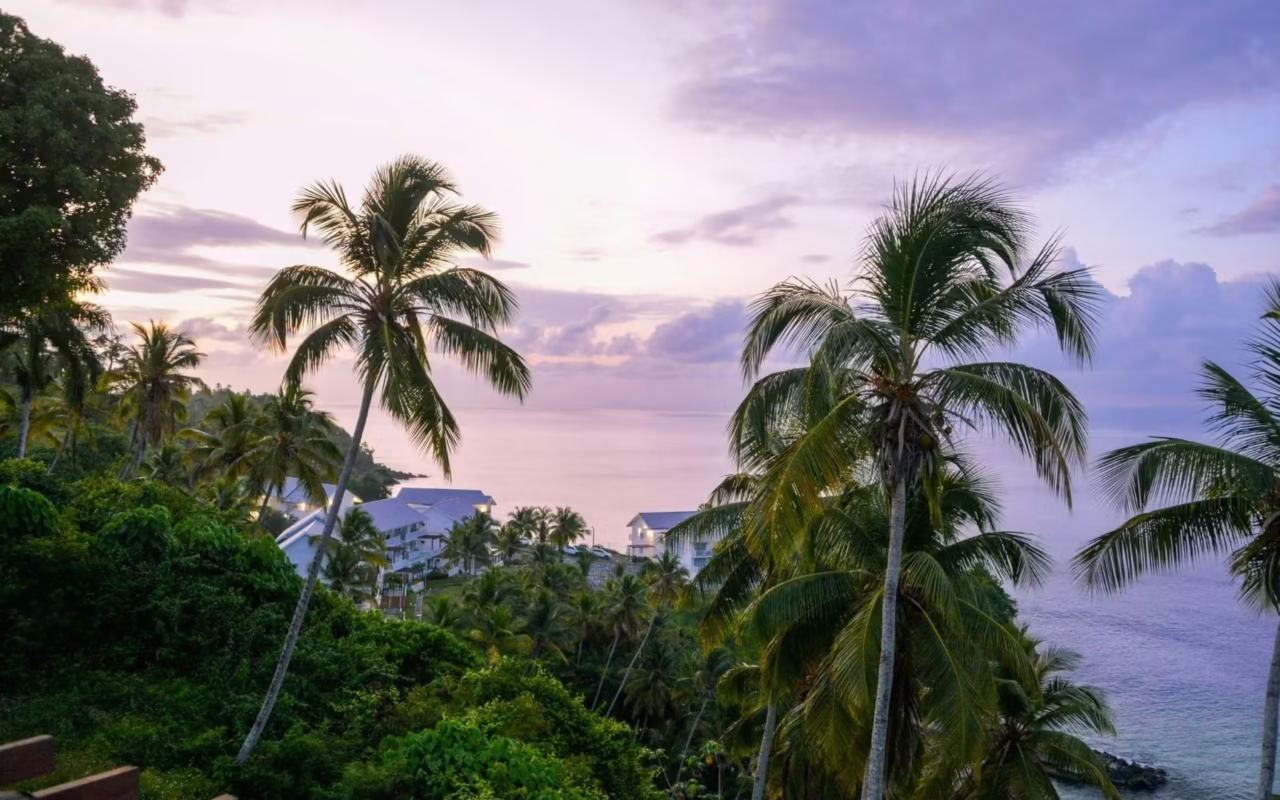
The Regions of the Dominican Republic and Their Activities
The Dominican Republic is one of the most diverse destinations in the Caribbean. Here’s an overview region by region—each with its own must-try activities. You can also see everything on the map of the regions.
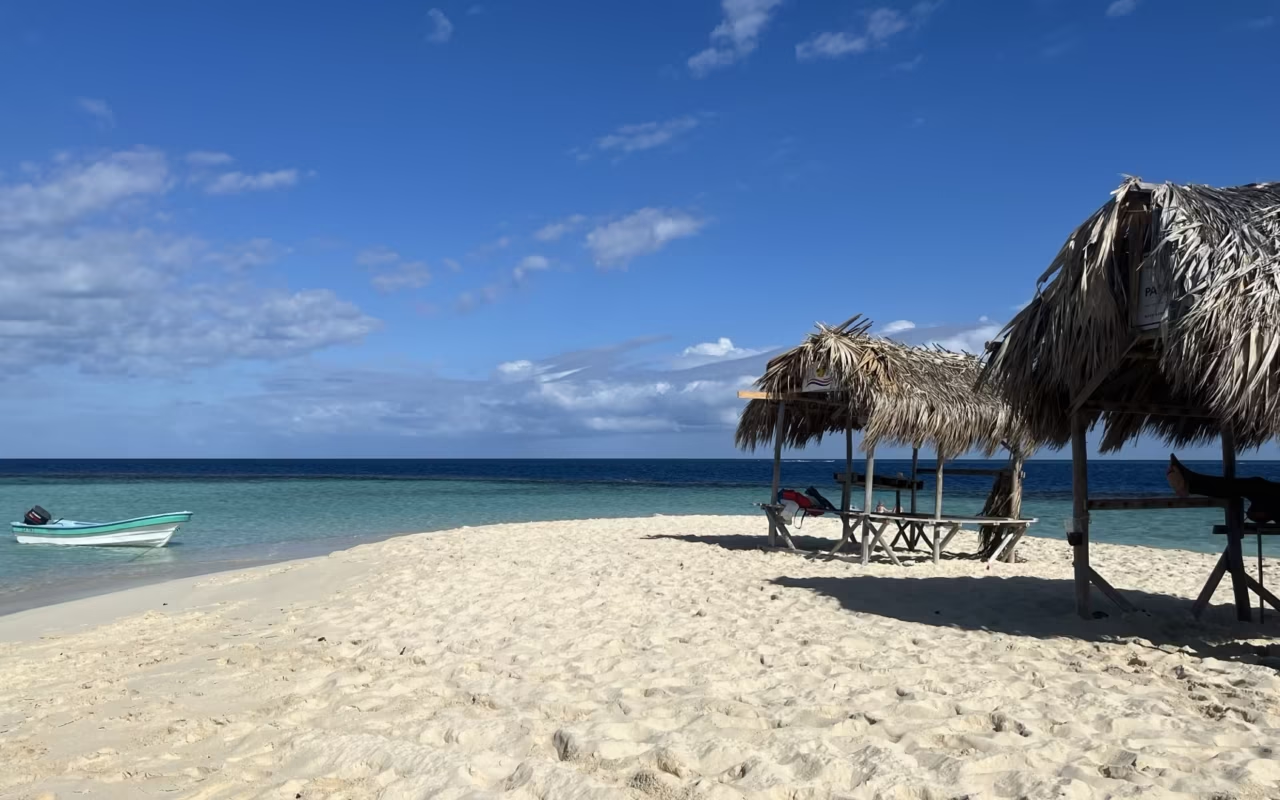
The Eastern Caribbean: Beyond the Resorts of Punta Cana
This is the classic gateway. Beyond the large resorts of Punta Cana, Cap Cana, and Bávaro,the Eastern Caribbean offers some wonderful getaways: the paradise islandsof Isla Saona and Isla Catalina, day trips from Bayahibe, or Miches, the lesser-known alternative. Ideal for Canadians staying at resorts who want to head out for a day of exploration.
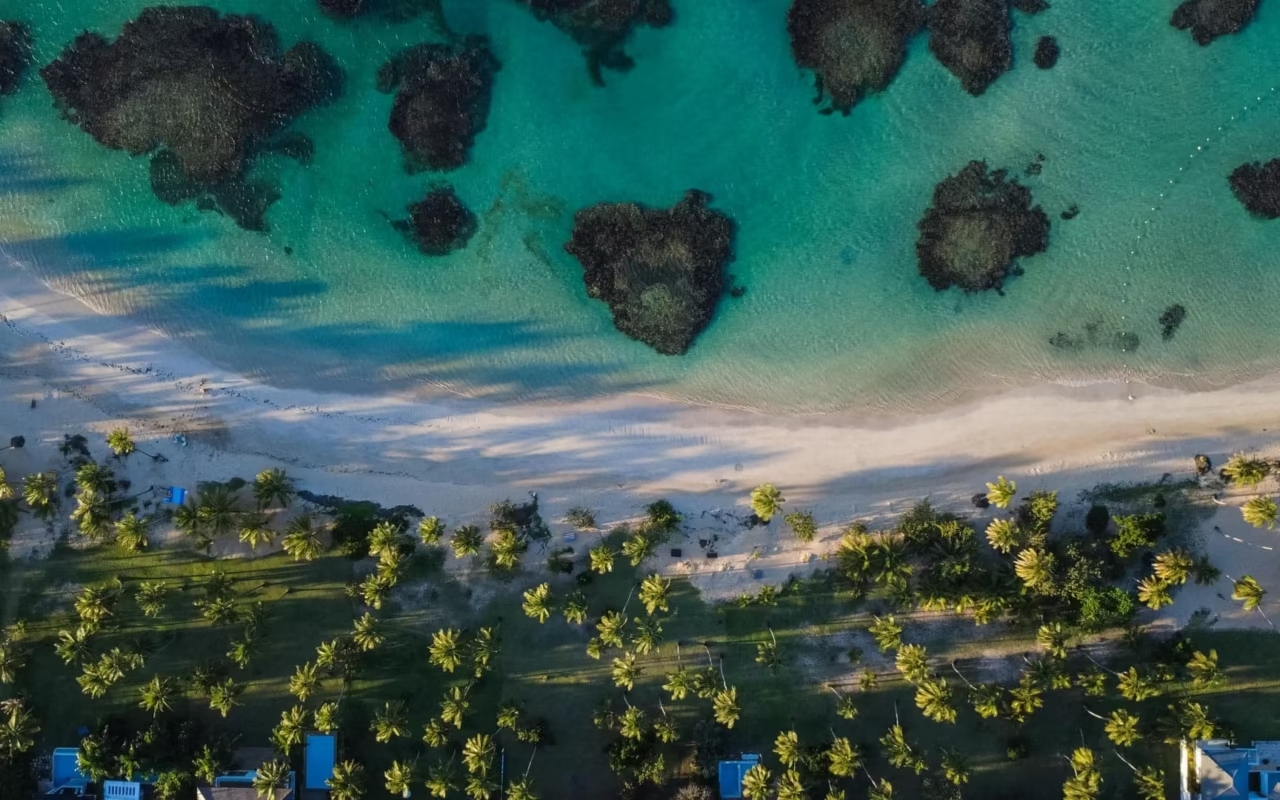
The Samaná Peninsula: Whales, Forests, and Unspoiled Beaches
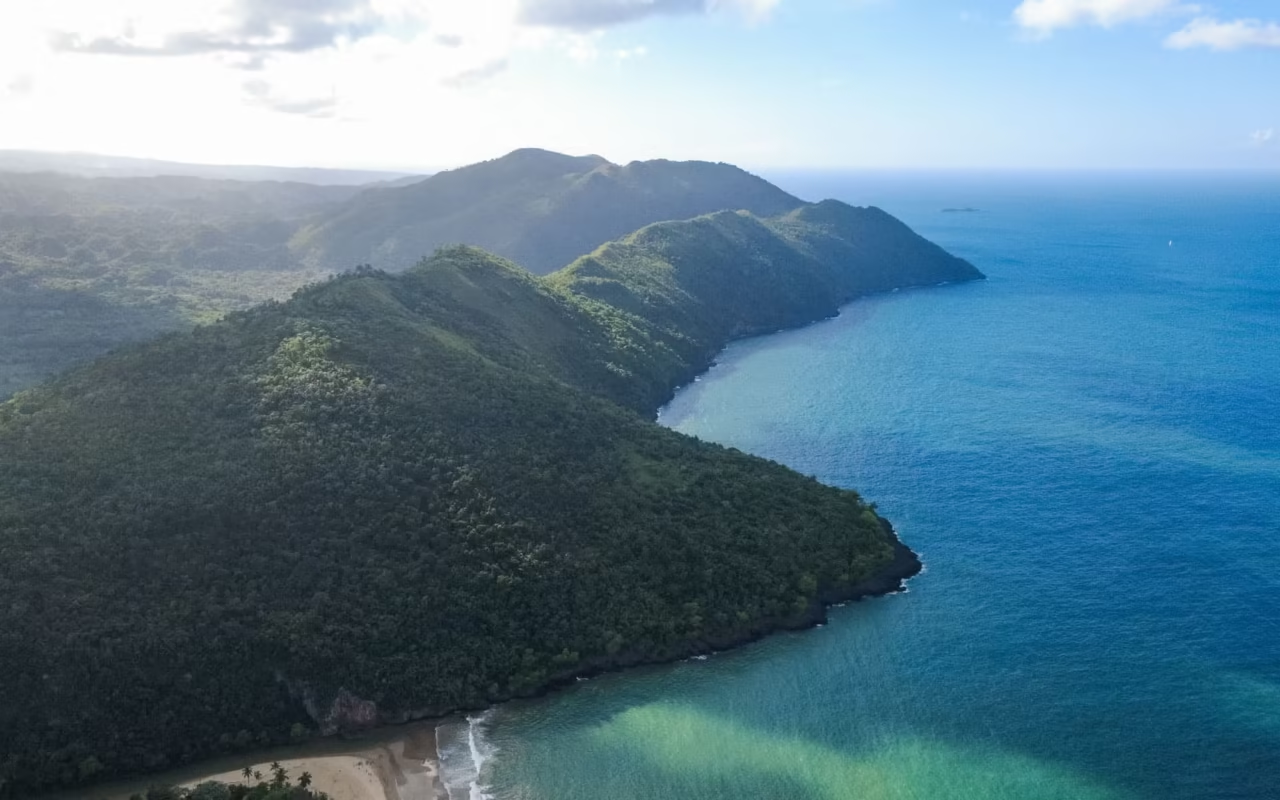
Samaná is one of the country’s most beautiful destinations. In winter, you can watch humpback whales, explore the peninsula’s wild beaches and the nature reserves of Las Galeras and El Valle, and easily venture out from Las Terrenas.
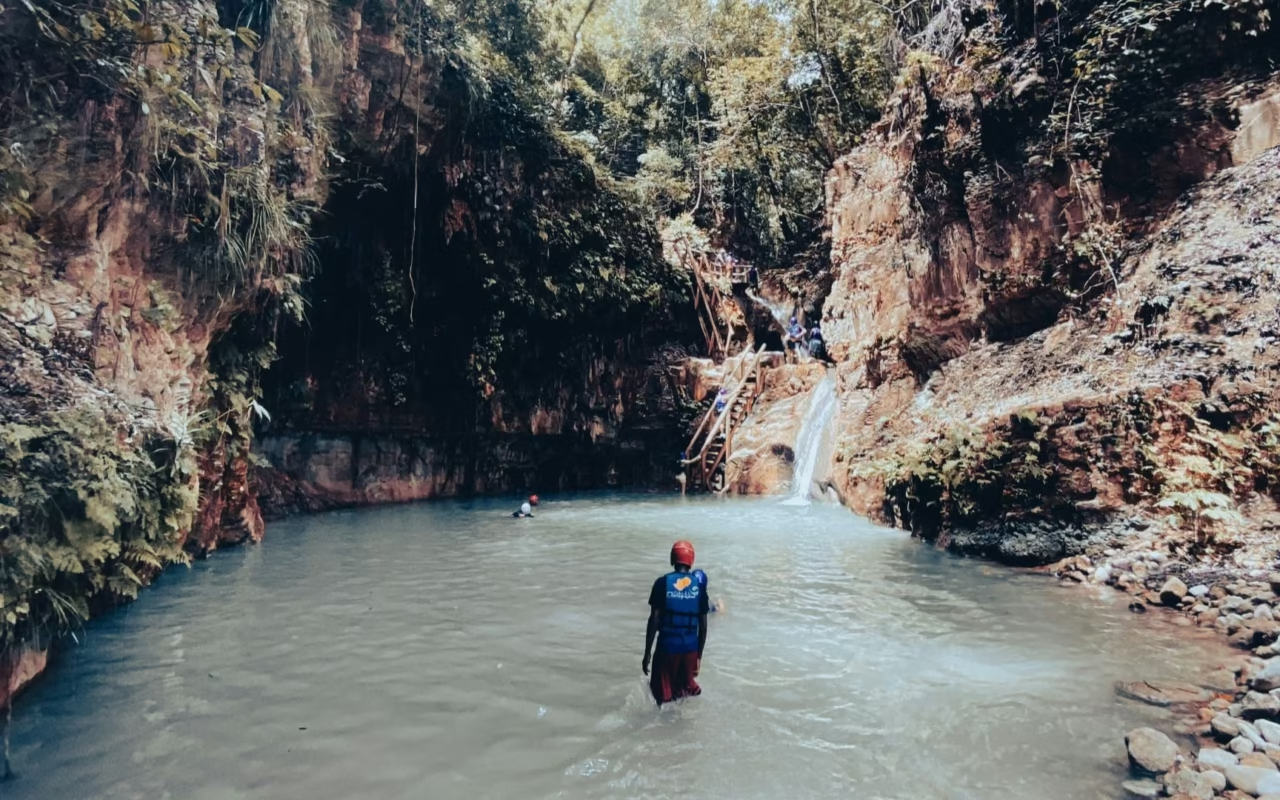
Puerto Plata and the Atlantic Coast: Sports and Victorian Culture
On the north coast, Puerto Plata and the Atlantic blend heritage with outdoor activities. In Puerto Plata, visitors can stroll through the historic center, with its colorful Victorian houses, explore the world of Dominican rum, and visit the famous Amber Museum. Nearby, Cabarete is one of the Caribbean’s top kitesurfing destinations—where you can also enjoy surfing, stand-up paddleboarding, and pickleball. Further afield, Cabrera, Río San Juan, and Jamao, along with the wild coastline stretching from Punta Rucia to Montecristi, are sure to charm nature lovers.
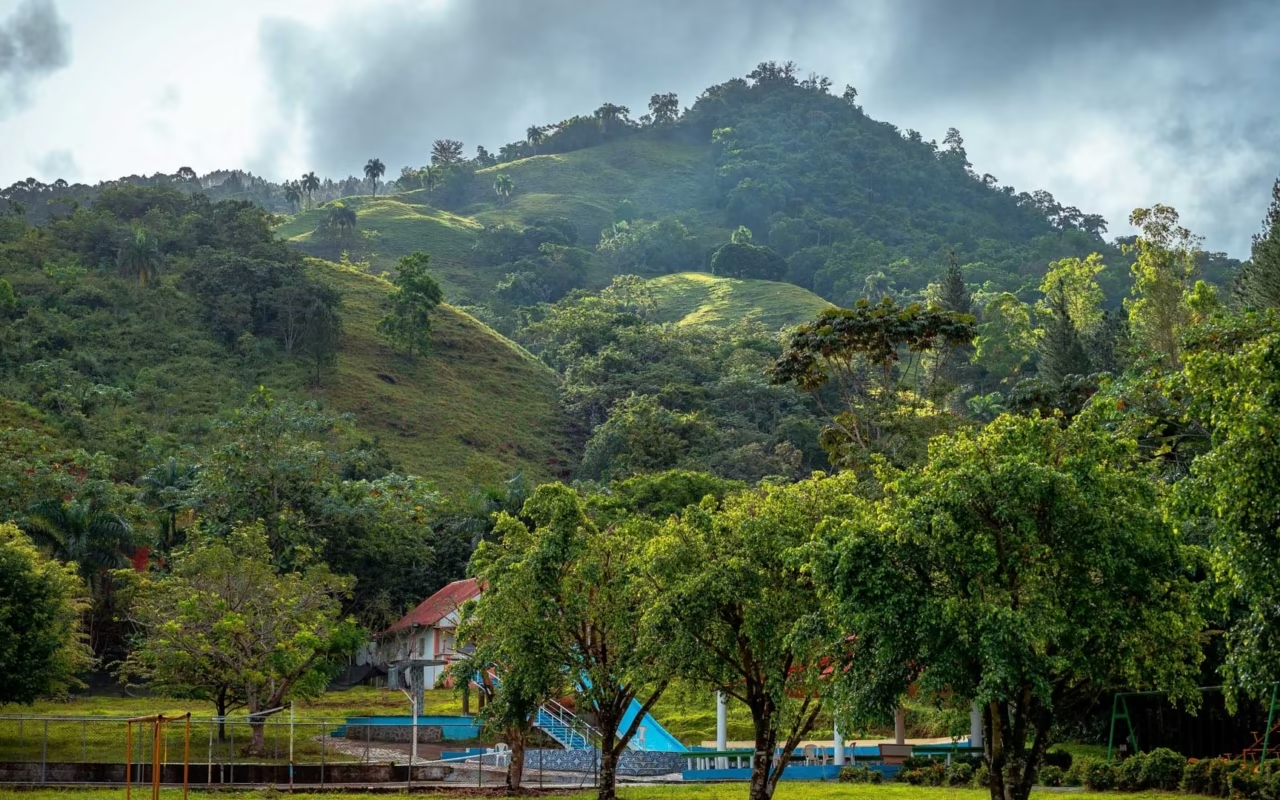
The Central Mountain Range: Mountains and Cool Climates
Inland, the Central Cordillera reveals another side of the island. Constanza and Jarabacoa offer hiking, coffee, agritourism, and a cool climate, whilethe ascent of Pico Duarte (3,098 m) leads to the roof of the Caribbean.
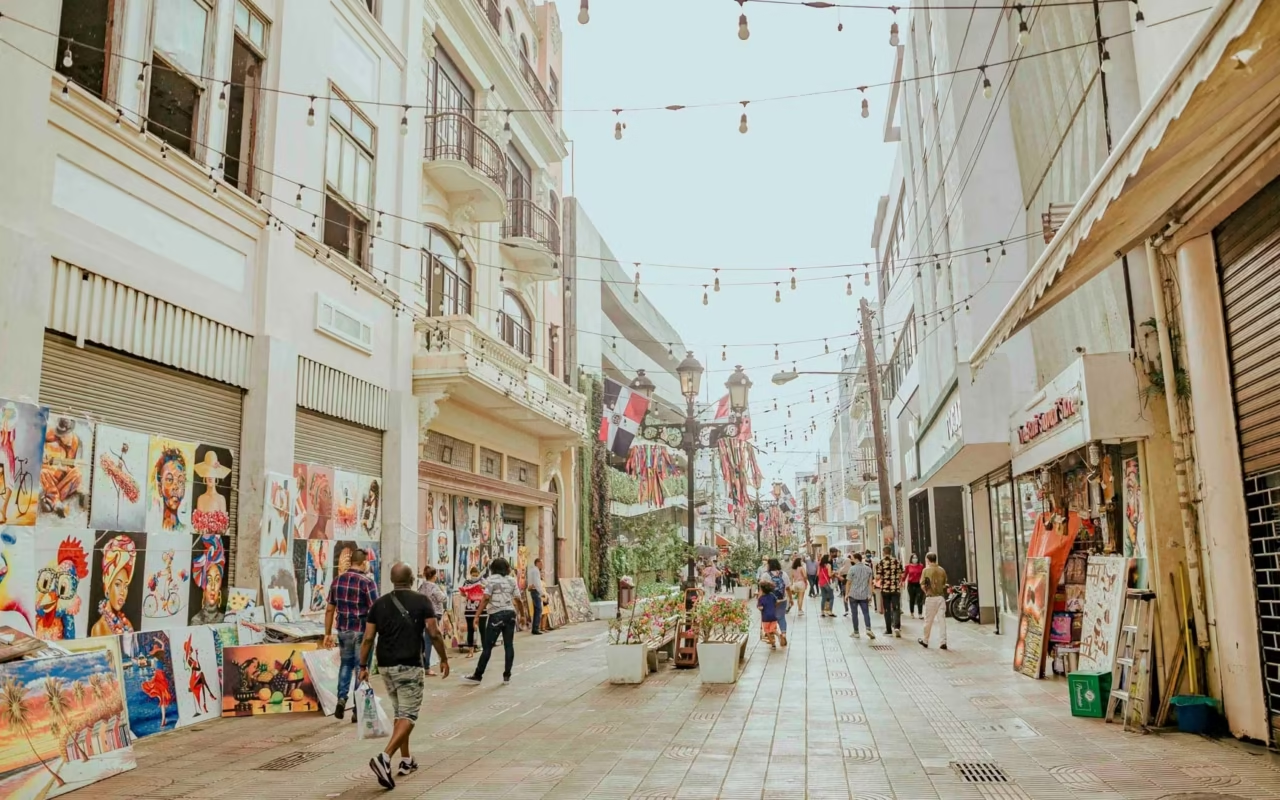
Santo Domingo: Where You Can Really Get to Know the Country
The capital boasts a rich cultural scene: museums, tropical gardens, and architecture steeped in history. In the evening, the streets come alive to the sounds of merengue and bachata, the outdoor cafes fill up, and street food takes center stage. Discover what to do in Santo Domingo, what to see in the surrounding area, andthe history of the first city in the Americas.
It’s no coincidence that Terra Dominicana has set up shop in Santo Domingo, just a stone’s throw from the Colonial Zone—an ideal location to stay close to the country’s history, culture, and energy.
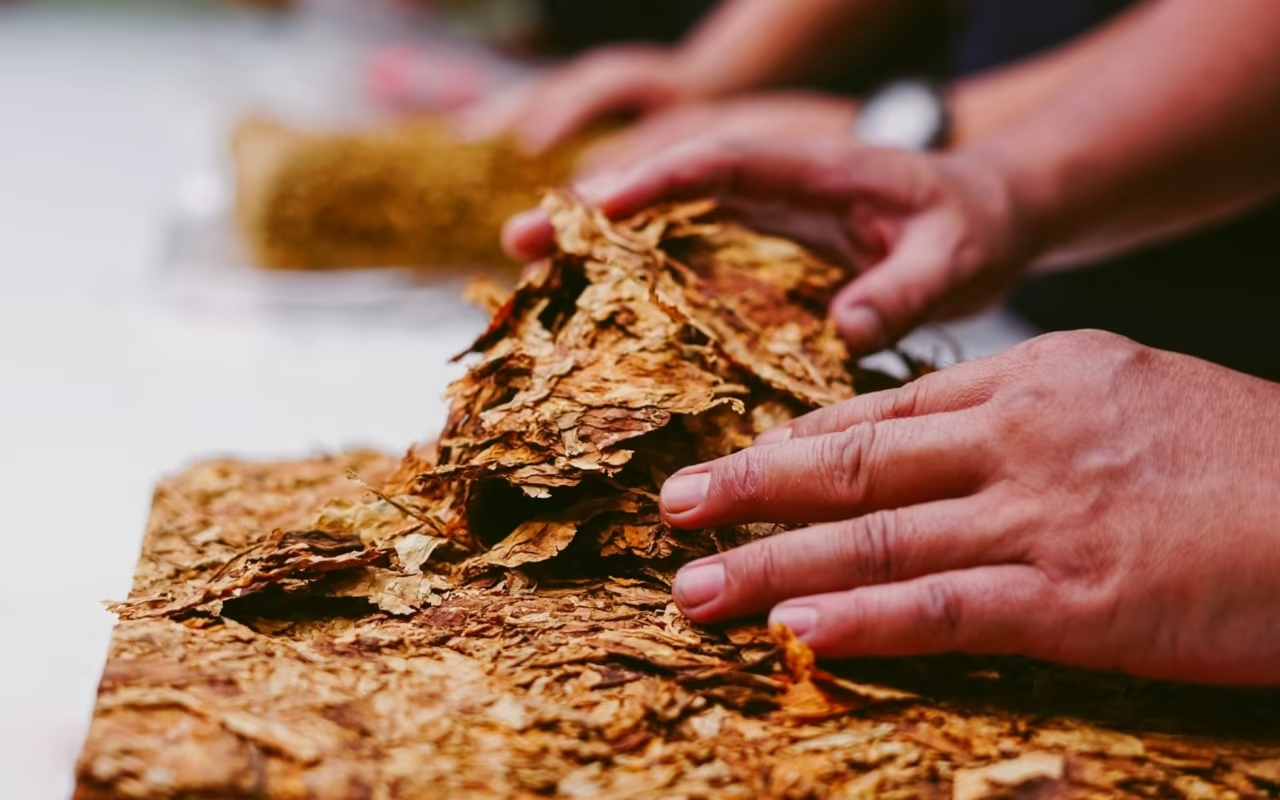
The Cibao and the Agricultural Valleys: Cigars, Cocoa, and Rural Life
The agricultural heart of the country. The Cibao and its valleys can be explored around Santiago de los Caballeros, the capital of tobacco and rum, and the valley’s wine-growing regions.
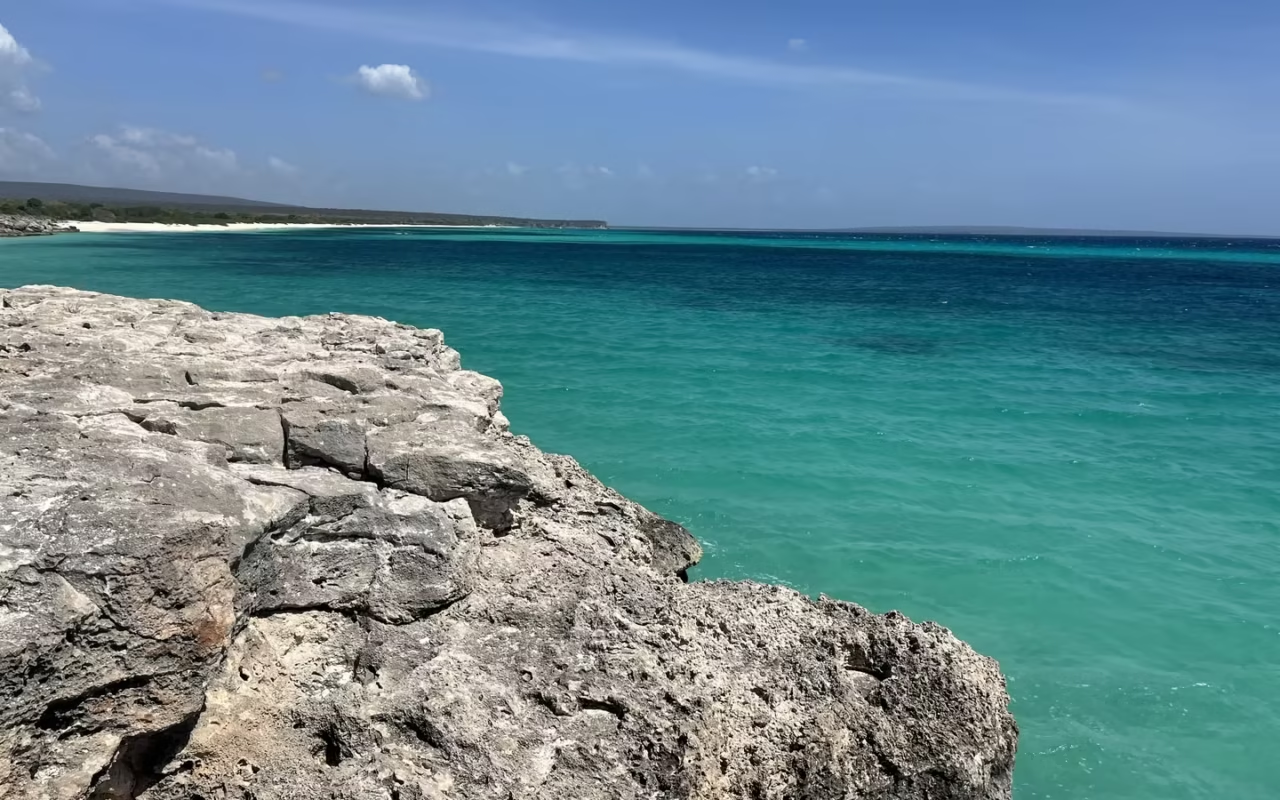
The Untamed Southwest: The Island’s Most Unspoiled Region
Further south, the untamed Southwest features mountains plunging into the Caribbean Sea, turquoise beaches, freshwater rivers, coffee plantations, and authentic villages. It’s the gateway to the spectacular Bahía de las Águilas, often considered the island’s most beautiful beach: things to do in Barahona, Pedernales, and Bahía de las Águilas. Here you can enjoy glamping nights right on the beach, stays at ecolodges, and wildlife watching in some of the Caribbean’s wildest natural settings. The region is also home to larimar, a rare semi-precious stone; the Sierra de Bahoruco, a birdwatcher’s paradise; and the lagoons of Lago Enriquillo and Laguna de Oviedo. To truly immerse yourself, explore the wild Southwest region.
Activities and Day Trips
This is one of our key advantages for Canadian travelers: you don’t have to book a big tour to enjoy the country. Whether you’re staying at a resort, a hotel, or in your own villa, we’ll organize your day trips and activities —including private tours with a English-speaking guide.
Here are a few ideas to mix and match based on where you’re staying:
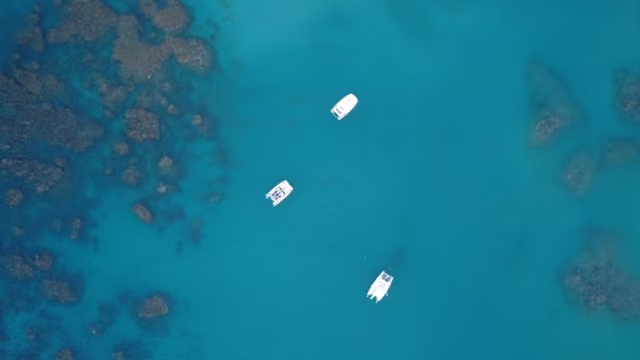
- Sea & Islands: private catamaran and mini-cruises, diving and snorkeling, and the country’s most beautiful beaches, including secluded coves accessible by foot or boat.
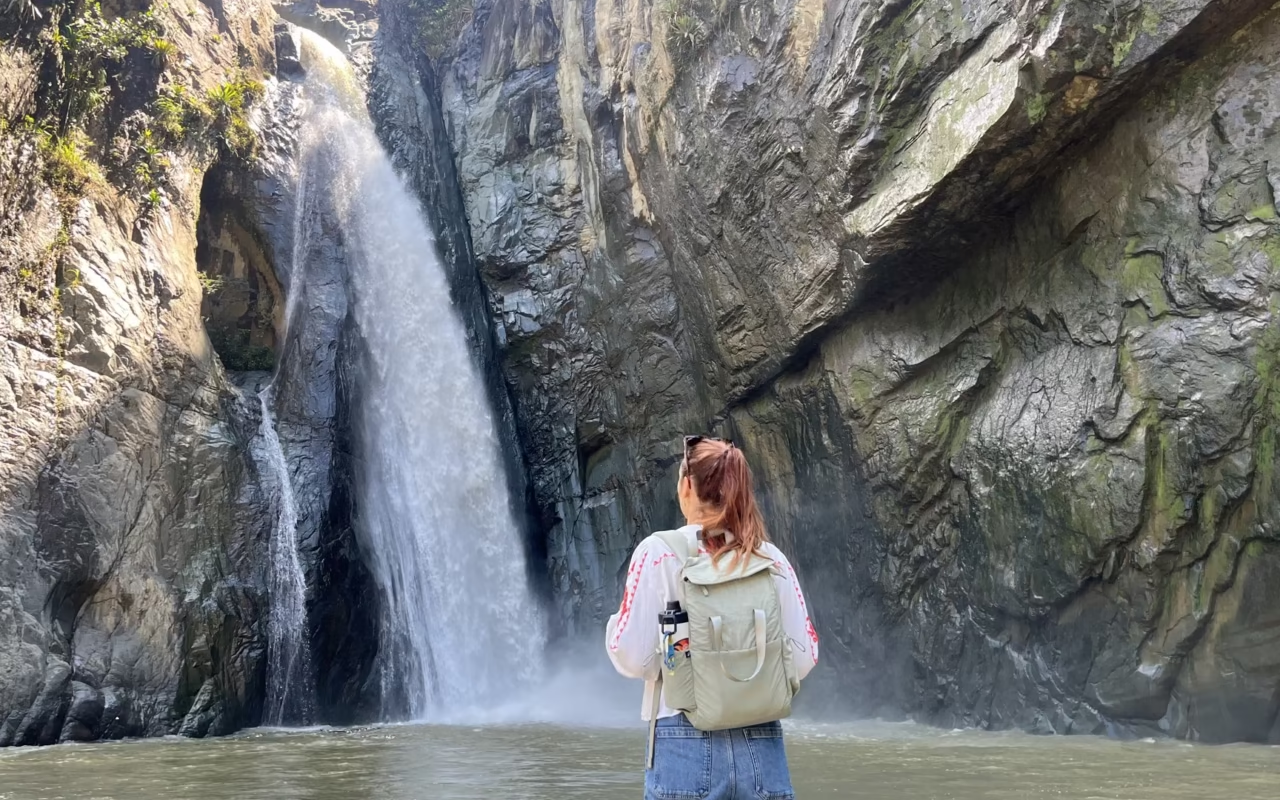
- Nature & Adventure: lagoons and waterfalls, caves and cenotes, hikes and treks, national parks.
- Sports & Outdoors: kitesurfing, windsurfing, and surfing; fishing.
- Culture: art, culture, and heritage.
Find it all in our activities guide.
Do you already own a condo or villa? Many Canadians spend several weeks a year in the Dominican Republic. If you have a vacation home, we’ll take care of your day trips, activities, and adventures throughout the country—you enjoy the experience, and we’ll handle the logistics.
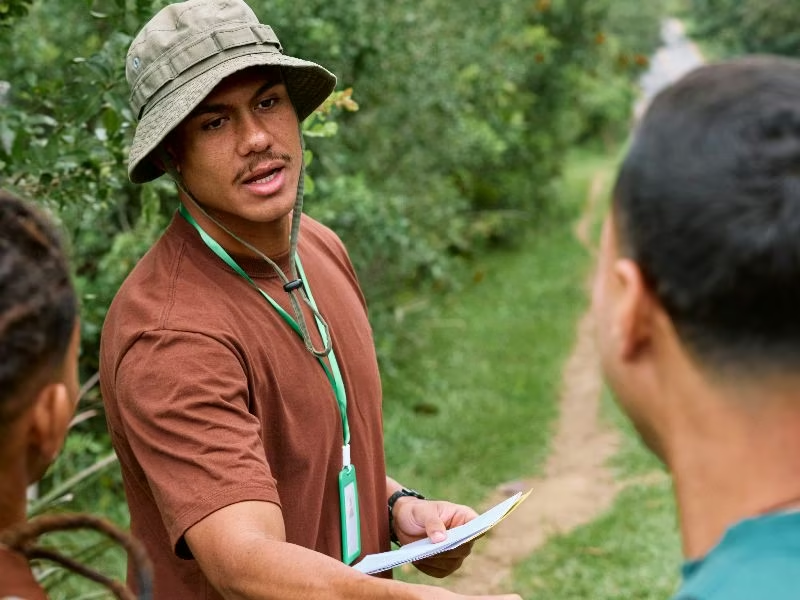
The Dominican Republic with a Difference: Encounters, Culture, and Cuisine
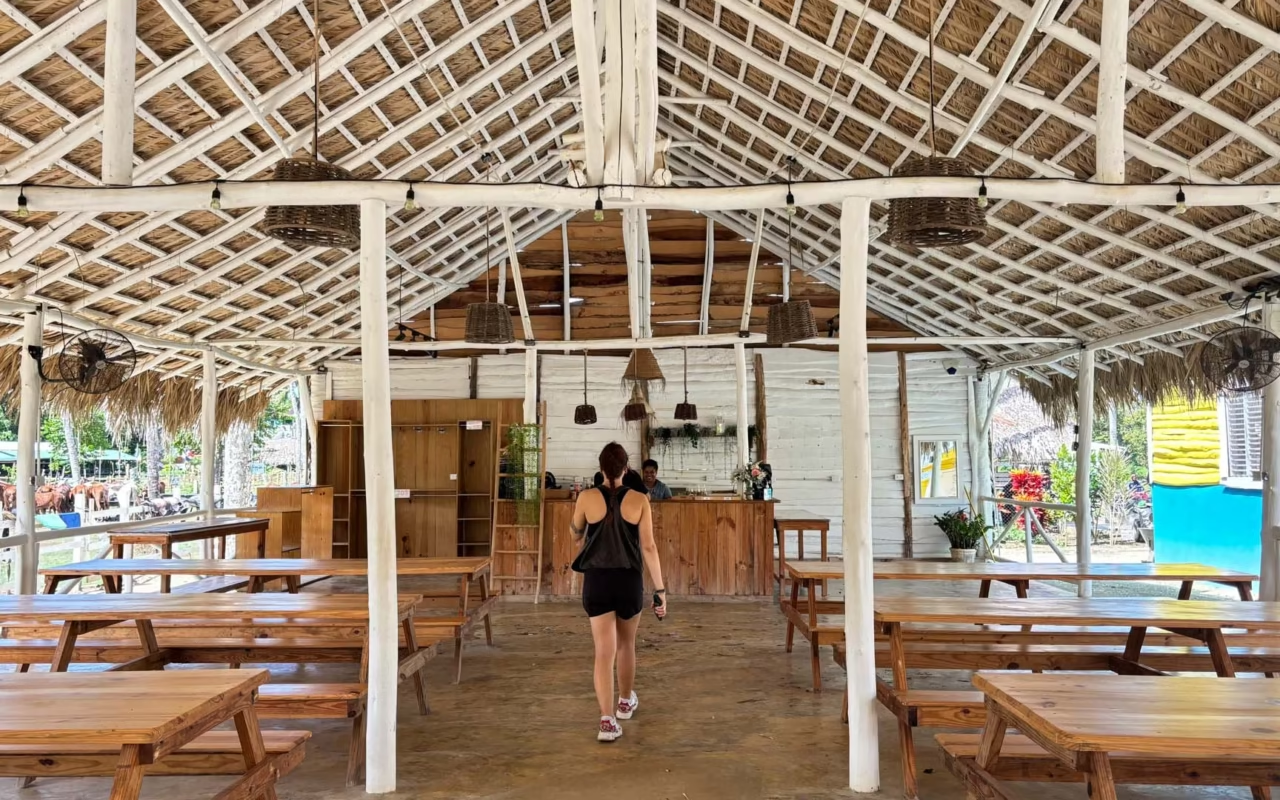
The best way to discover a country is through its people. We prioritize experiences that foster genuine connections: meals in local homes, visits to small family-run farms, coffee, cacao, and honey tastings, Dominican cooking workshops, and conversations with passionate producers. And let’s not forget dancing to the rhythms of bachata, salsa, and merengue—an integral part of the local culture.
The Dominican Republic is also one of the world’s leading producers of organic cacao. We work with several family-run fincas that open their doors to our travelers: you’ll discover the entire production process, take part in artisanal tastings, and even sample the surprising cacao wine. A glimpse into Dominican terroirs and craftsmanship to whet your appetite.
When it comes to dining, Dominican cuisine is often a delightful surprise: hearty traditional fare, dishes simmered over a wood fire, locally harvested tropical fruits, tasty street food, sweet treats like habichuelas dulces, and family recipes passed down through generations.
Private Villa Rentals and In-Home Chefs
More and more families and groups of friends in Quebec are now opting for private villas. This option offers much more space, privacy, and flexibility than a traditional hotel.
- Some villas have housekeeping staff or a private chef who prepares meals according to your preferences.
- Others have fully equipped kitchens, so you can cook your own meals using ingredients purchased at local markets.
We select the villa based on your region, budget, and planned activities, and can arrange excursions, a chef, transfers, and a English-speaking guide. This option is particularly popular for trips with family or friends departing from Canada.
Travel with Terra Dominicana: Tailor-made and with no language barrier
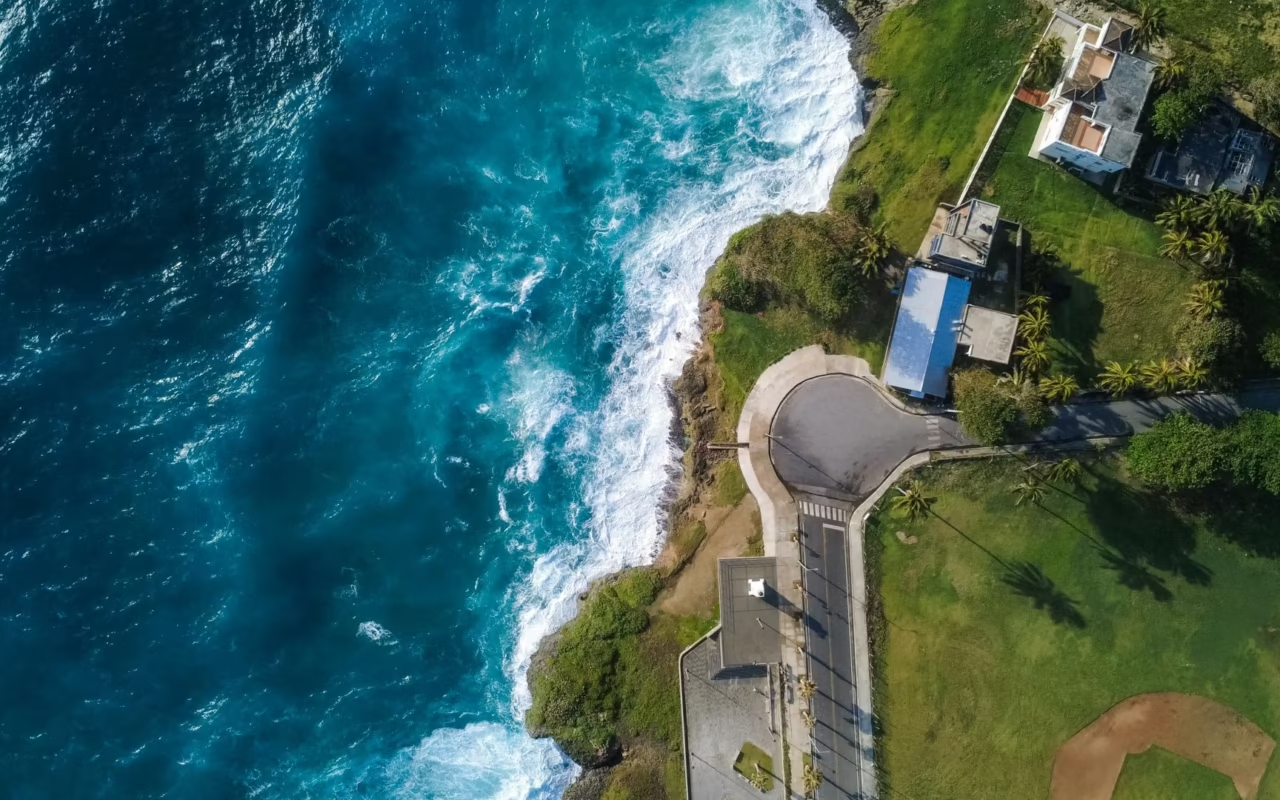
Rather than limiting your stay to a single region, we design itineraries that showcase the country’s many facets: beaches, mountains, culture, cuisine, and nature. You can travel:
- on a self-drive tour with a rental car;
- with a private driver;
- onprivate excursions;
- in a small group;
- or by letting us handle only the organization of your activities if you’re already there.
A network of local English-speaking guides
One of our greatest strengths: local English-speaking guides based in several regions. You’ll discover the country in depth, without any language barriers, with detailed explanations of its history, culture, and traditions.
Our suggested itineraries based on the length of your stay
- 7 days: an in-depth exploration of one region (e.g., North: Puerto Plata + Cabarete + Samaná).
- 10 to 12 days: two to three different facets of the country—check out the Nature Tour: waterfalls, cenotes, and secluded beaches, or the Family Nature and Culture Trip.
- 15 days or more: a comprehensive tour, from the wild south to the north coast—such as the cultural tour focusing on rum, coffee, and heritage, or the exceptional stay in ecolodges.
Discover all our itinerary ideas and our full range of trips to the Dominican Republic.
Discover our tours that can be booked from Canada
FAQ — Traveling to the Dominican Republic from Canada
Do I need a visa to travel to the Dominican Republic from Canada?
No. A valid passport is sufficient for a tourist visit, along with the E-Ticket form (free and required), which must be completed before your flight. See our Formalities page for details.
Do I need travel insurance?
Highly recommended: RAMQ covers virtually nothing outside of Quebec. Be sure to arrange for medical coverage and repatriation.
When is the best time to visit from Canada?
From November to June, with peak season from December to March. April through June offers a lovely, quieter alternative. See when to go.
Can we just go on day trips?
Yes. Whether you’re staying at a resort, a hotel, or in your villa, we’ll organize your activities and day trips, including private tours.
Can we rent a villa with a private chef?
Yes, this is one of our signature packages: a private villa with house staff, a private chef, or a fully equipped kitchen—whatever you prefer.
Is the Dominican Republic a safe destination?
Yes, as long as you take the usual common-sense precautions. We live in the country year-round and carefully select our accommodations and partners.
Can we travel with a English-speaking guide?
Yes, in several regions of the country.
Plan Your Trip from Canada with Terra Dominicana
A trip to the Dominican Republic from Canada can be so much more than just an all-inclusive package. Beaches, mountains, adventure, cuisine, and new encounters—the country offers a diversity rarely found in the Caribbean—and lends itself just as well to a grand tour as it does to simple day trips or a villa getaway with loved ones.
Our mission: to help you discover this other side of the Dominican Republic by taking the time to explore beyond the most-traveled paths.
About the Author
Laura Grenouillet is the founder of Terra Dominicana and has been a specialist in custom travel to the Caribbean and Central America for over 10 years. Based year-round in the Dominican Republic, she selects the best partners, accommodations, and experiences for her travelers. Terra Dominicana draws on the expertise of the Terra Panamerica network, which has been active in Latin America and the Caribbean for over 25 years.