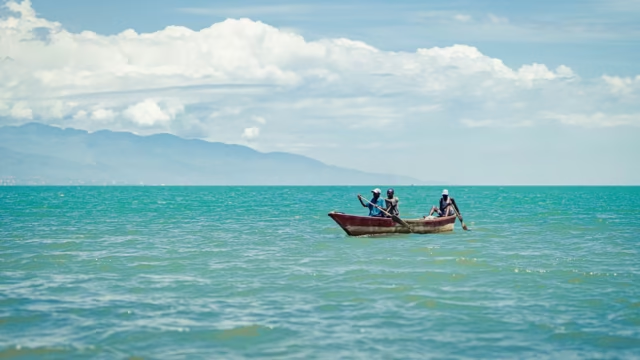
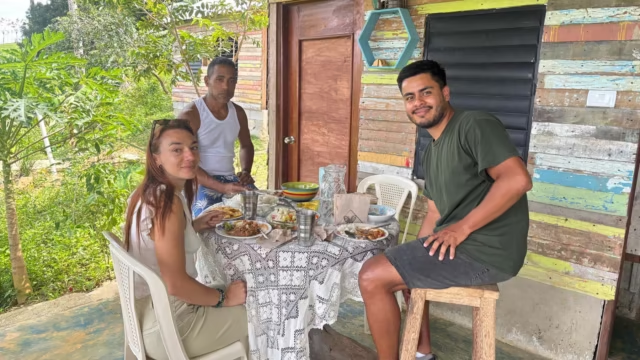
West of Santo Domingo, there are four destinations that can be visited on a day trip or over two days: San Cristóbal and its 55 ornate caves, 30 km away; Baní and its 15 km of dunes, 65 km away; the salt-producing village of Las Salinas; and Azua de Compostela, founded in 1504. Plan for 1 to 3 days, preferably between December and April.
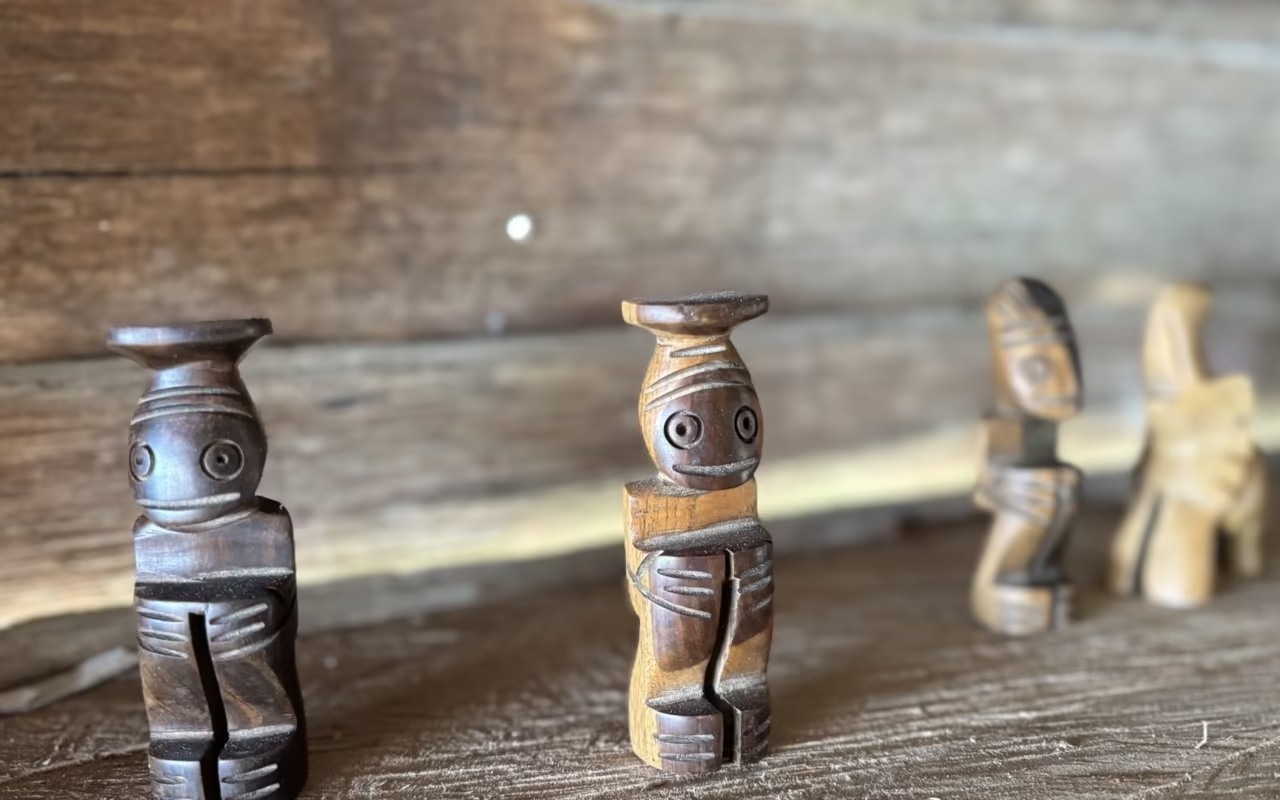
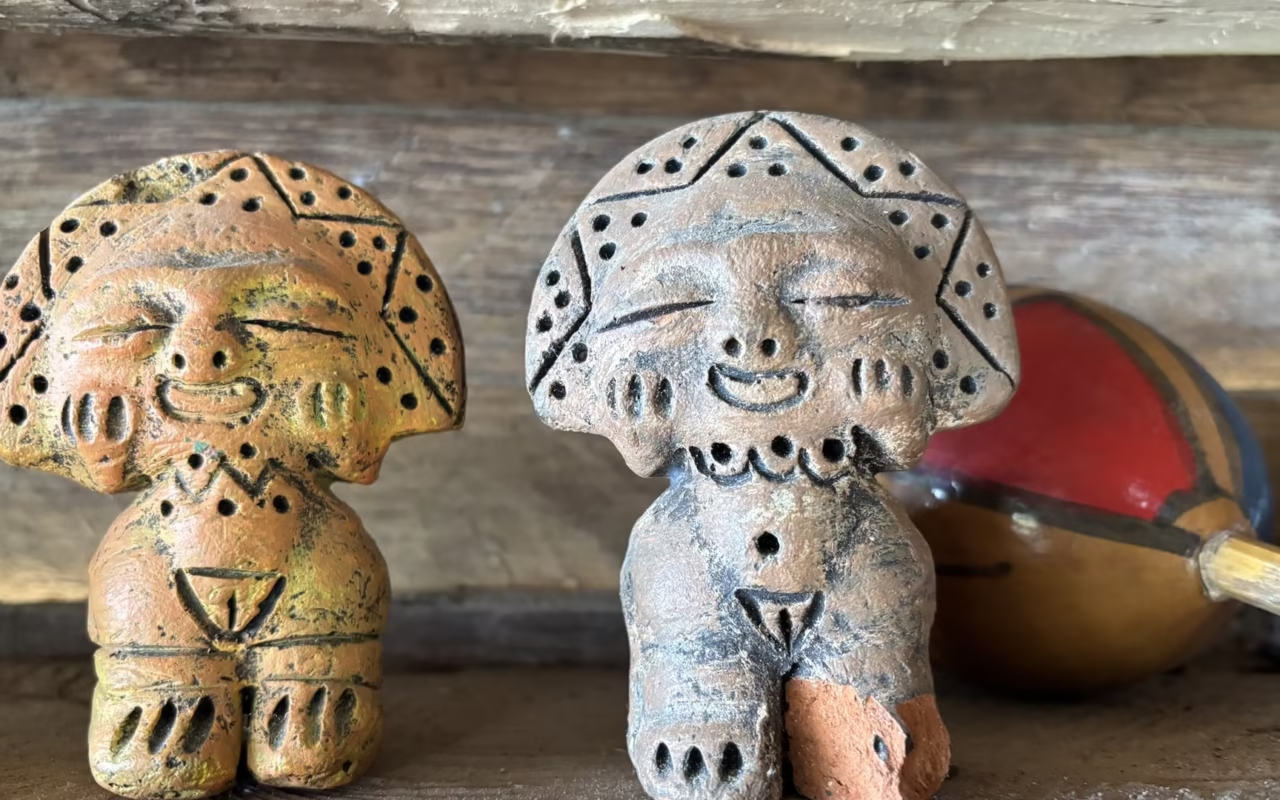
The west coast of Santo Domingo sees few travelers. Yet it is home to a dune field unique in the Caribbean, the largest concentration of Taíno rock art in the West Indies, salt marshes that are still in use, and two of the country’s founding cities.
These destinations are connected by the 6 de Noviembre Highway and can be combined with a stay in the capital. If you’re looking for things to do in the city first, the “Things to Do in Santo Domingo” page covers the Zona Colonial and nightlife.
How do you get to these stops from Santo Domingo?
All travel is via the 6 de Noviembre Highway, which starts in the western part of the capital and is in good condition. It is a toll road; tolls are paid in pesos, in cash at the toll booth.
San Cristóbal is about a 45-minute drive away. Baní takes a little over an hour, Las Salinas takes about 30 minutes longer via a secondary road, and Azua takes a little over two hours. A rental car remains the most flexible option: buses serve the cities, but not the dunes or the salt flats. Our page on transportation in the Dominican Republic details the options.
Avoid driving at night on secondary roads, which are poorly lit and frequented by motoconchos without lights.
The Dunas de Baní: A Unique Landscape in the Caribbean
Located on the Las Calderas Peninsula, between Baní and Las Salinas, the Dunas de Baní form a spectacular dune field nearly 15 km long, shaped by the winds and sediments from nearby rivers. Some dunes reach 35 meters in height, set within a subtropical dry forest environment where cacti, mangroves, and an astonishing variety of birdlife (flamingos, herons, and gulls) coexist. Walking on the sand, facing the bay and the salt flats, is a far cry from the classic Caribbean image. Can you imagine this in the Dominican Republic?
Baní, Agricultural Capital and Gateway to the Dunes
Located 65 km from Santo Domingo, Baní is the main city in the province of Peravia. Founded in 1764, it owes its name to an ancient Taíno chief and its development to agriculture: sugarcane, bananas, mangoes (including a renowned red variety), and salt production.
Though not a major tourist destination, Baní charms visitors with its local atmosphere, the Nuestra Señora de Regla Cathedral, and its markets. Above all, it serves as a strategic base for exploring the dunes, salt flats, and the surrounding southern coast.
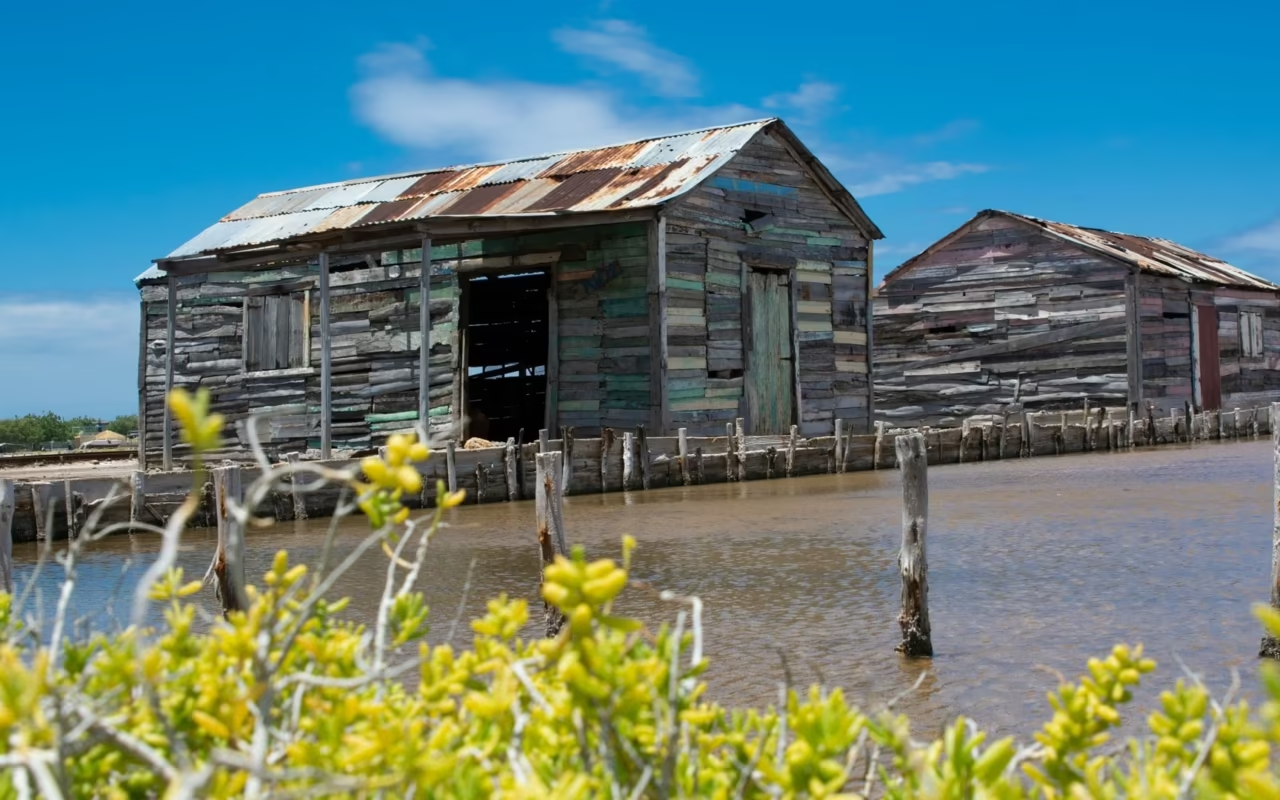
Las Salinas: Dunes, Salt, and Artisanal Fishing
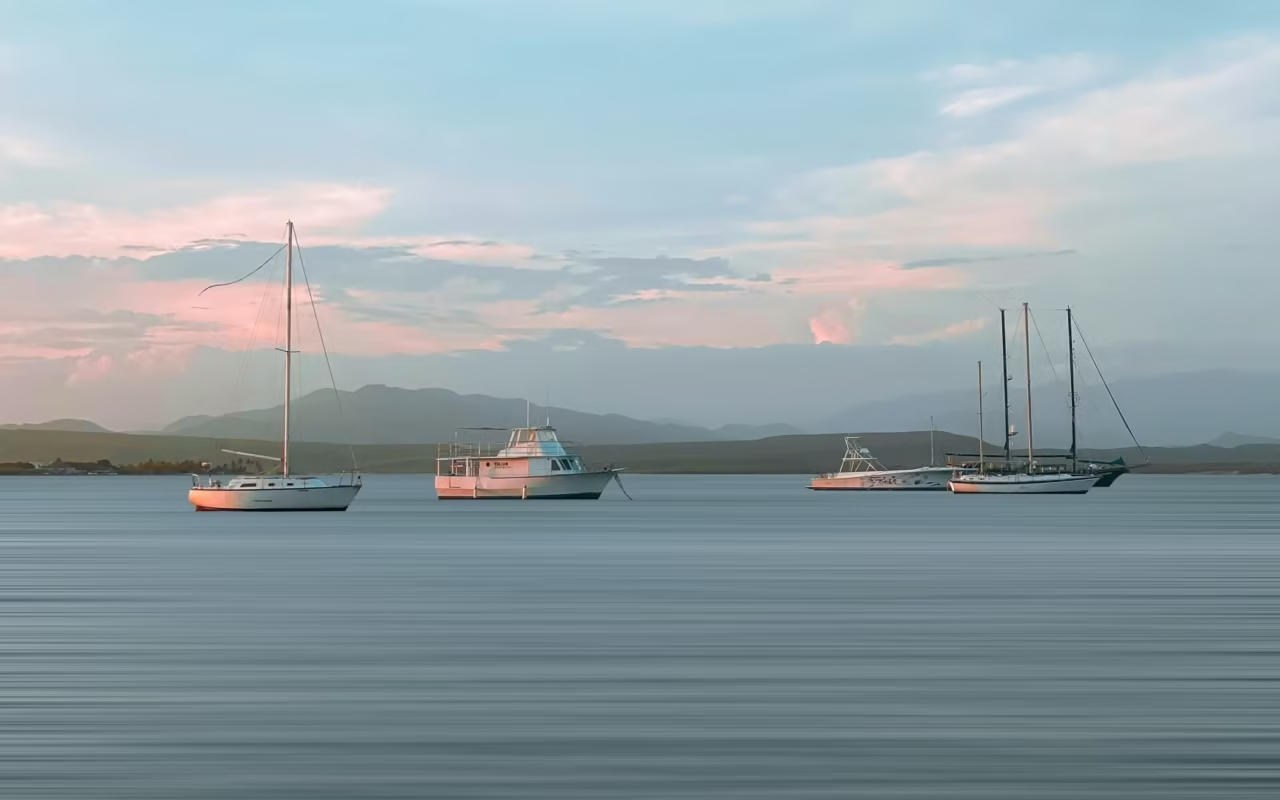
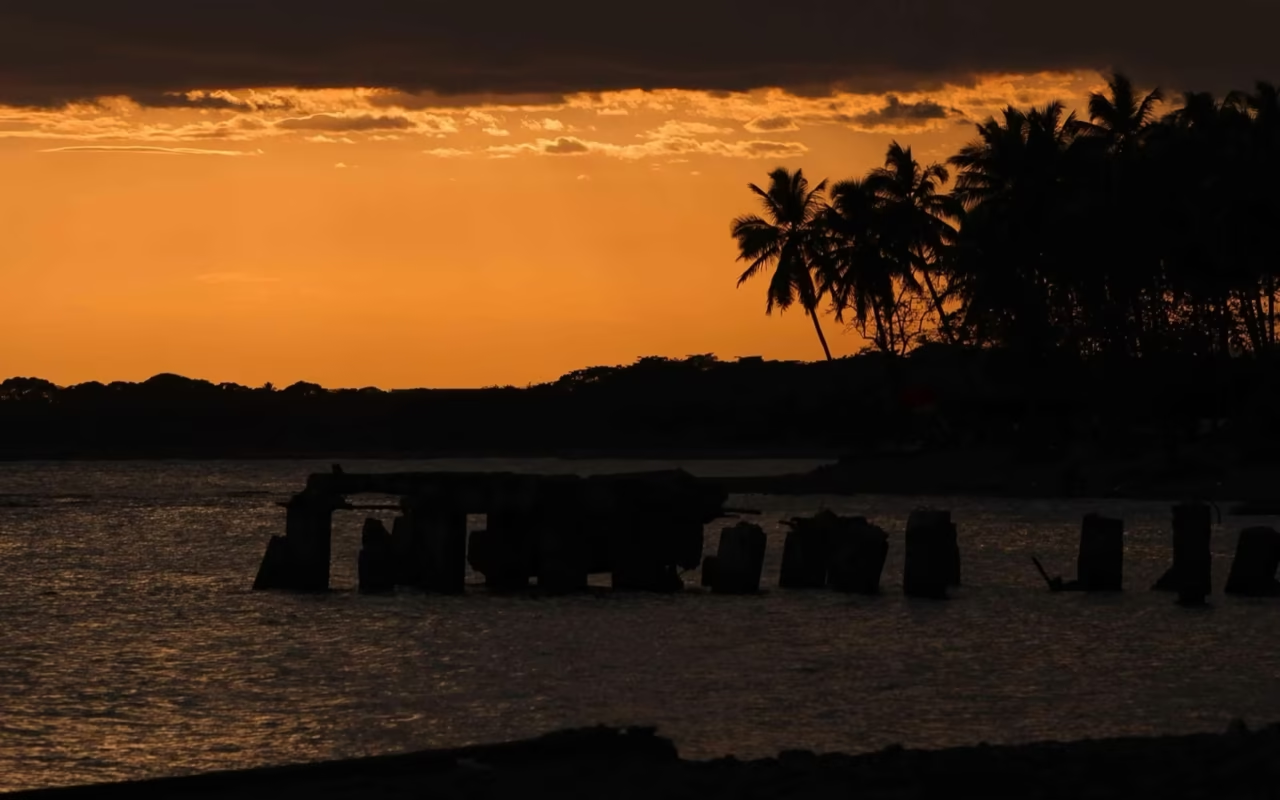
From Baní, a coastal road leads about 20 kilometers to the village of Las Salinas. On one side are the dunes of the nature park; on the other, Las Calderas Bay, which is sometimes tinged with pink and mauve hues.
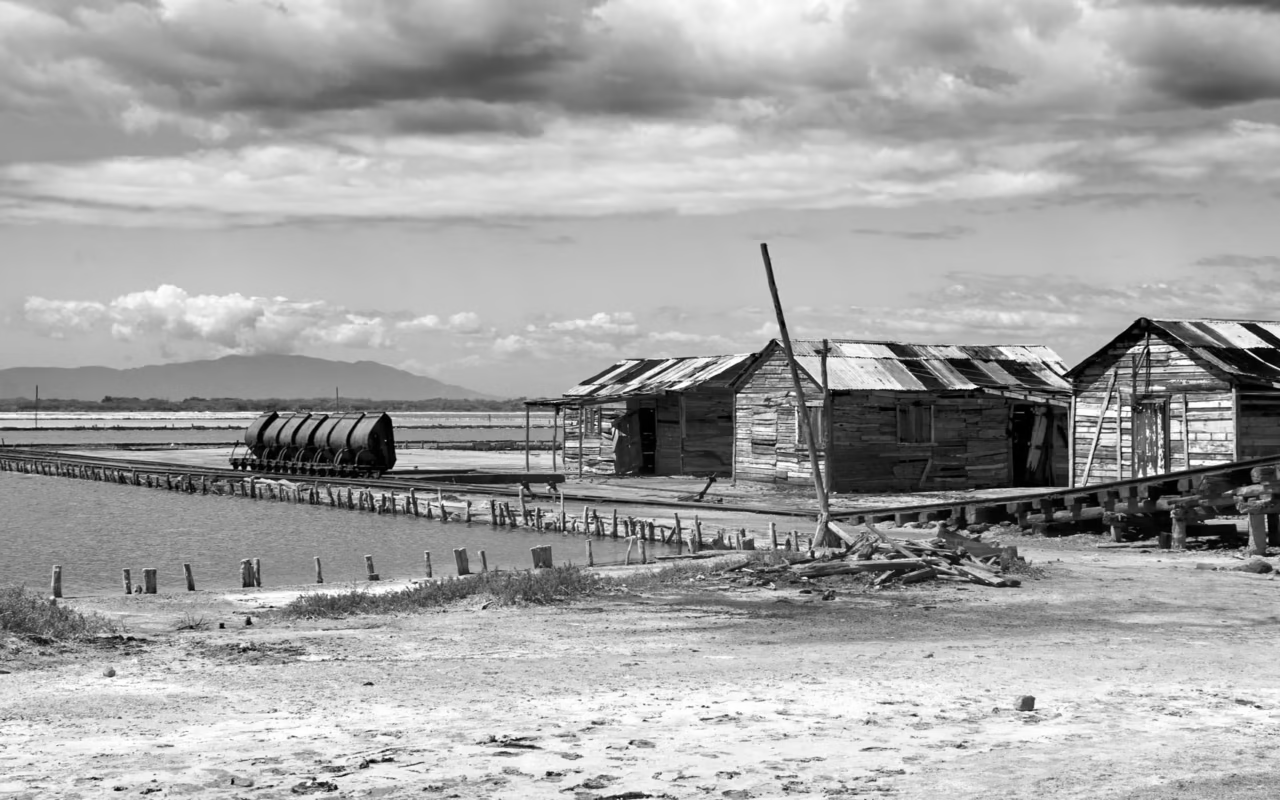
Here, you can see the traditional salt marshes, the salt-drying facilities, and a gray-sand beach dotted with fishing boats. It almost feels like you’ve stepped out of time!
San Cristóbal and the Cuevas del Pomier
Located 30 km west of Santo Domingo, San Cristóbal holds a prominent place in Dominican history: it was here that the country’s first Constitution was signed on November 6, 1844. The city owes its name to a fortress built on the orders of Christopher Columbus in an area that was once rich in alluvial gold.
The Cuevas del Pomier, Prehistoric Capital of the Antilles
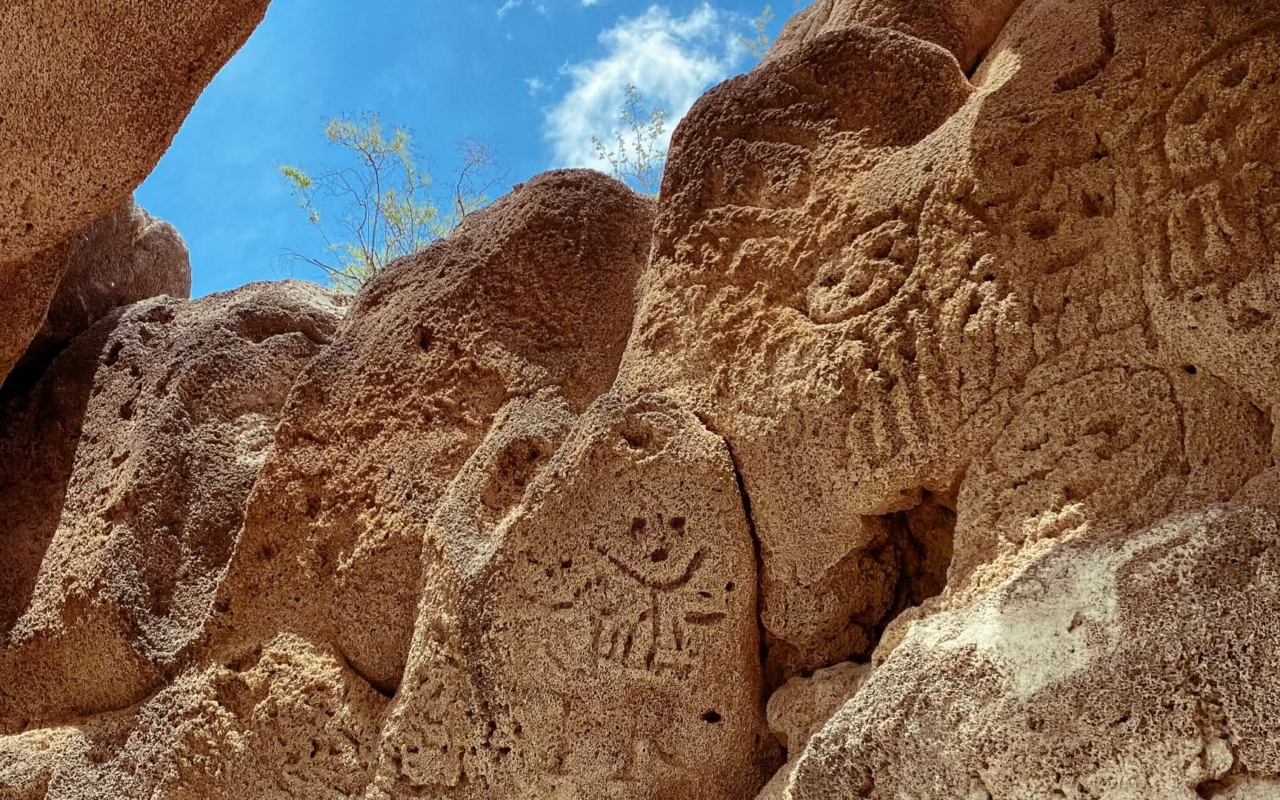
Located 7 km north of the city, in the Borbón district, the Cuevas del Pomier Anthropological Reserve comprises 55 caves. Surveys conducted since 1976 have identified more than 6,000 paintings and approximately 500 rock engravings left by the Taínos and the Igneris. The marked trail is approximately 340 meters long and can be visited with a site guide.
The reserve has been part of the Dominican Republic’s system of protected areas since November 2, 1993, with the status of a Natural Monument. It is not listed as a UNESCO World Heritage Site, contrary to what several travel websites indicate. Limestone mining in the surrounding area remains the primary threat to the site.
Azua de Compostela, a Living Legacy of the Dominican South
Founded in 1504, Azua de Compostela is one of the oldest cities in the country. Its history was marked by numerous periods of destruction in the 19th century, particularly during the conflicts with Haiti. Hernán Cortés lived there before setting out to conquer Mexico, and the port of Azua played a key role in colonial trade.
Today, Azua charms visitors with its historical heritage, the pristine beaches of Ocoa Bay (Monte Río, Caobita, Playa Blanca, Caracoles), and its natural resources: rivers, sulfur springs, mangroves, and archaeological sites.
The local cuisine features goat cheese and casabe, a legacy of the Taíno people.
When is the best time to visit the area around Santo Domingo?
From December through April, the dry season offers the best conditions: clear skies over the dunes, passable trails toward Las Salinas, and bearable heat in town. This is also the most popular time of year, and therefore the most expensive.
From May through November, showers are brief but can make the dune trails difficult to navigate. The Atlantic hurricane season runs from June 1 through November 30, peaking between August and October. The southern coast is less exposed than the northern coast, though it is not entirely sheltered.
Two local highlights: The banilejo mango harvest is concentrated between May and July. The salt flats of Las Salinas are most photogenic at the end of the dry season, when the pools are at their lowest. For the entire country, see when to visit the Dominican Republic.
How much time should I allow?
A day trip from Santo Domingo allows you to visit San Cristóbal and the Cuevas del Pomier, returning in the late afternoon. This is the most common itinerary.
A two-day trip takes you to Baní, the dunes, and Las Salinas, with an overnight stay there. Anything shorter than that means the drive takes up most of the day, and you’ll only see the dunes in full sunlight—the worst time for walking and taking photos.
A three-day trip adds Azua and the beaches of Ocoa Bay. Beyond that, it makes more sense to continue on to the wild Southwest rather than head back to the capital.
Is it safe to travel in this region?
This area does not pose any particular risk compared to the rest of the country. The towns you’ll pass through rely on agriculture and fishing, not tourism, and petty crime targeting travelers is less organized there than in the beach resorts.
Here are some practical tips to keep in mind. Swimming at Playa Las Salinas and along the Ocoa coast is unsupervised, with strong currents when the sea is rough. The dunes offer neither shade nor water sources: leave early, bringing two liters per person. The access road requires a vehicle with adequate ground clearance after heavy rain.
Detailed information by region can be found in our guide, “Is it dangerous to travel in the Dominican Republic?”
Where to stay?
The selection of accommodations is local and modest, with no all-inclusive options. Baní offers the widest variety: small downtown hotels and a few guesthouses, which serve as a convenient base for exploring the dunes and salt flats.
Las Salinas offers a handful of accommodations along the bay, popular with windsurfers on weekends. Azua has a few places to stay along the road to Barahona. Many travelers prefer to stay in the capital and take day trips from there, which works well for San Cristóbal but less so for Azua.
| Step | Distance from the capital | Route | Things to See | Time spent there |
|---|---|---|---|---|
| San Cristóbal | 30 km | 45 min | Cuevas del Pomier, historic center | Half a day |
| Baní | 65 km | 1 hr 15 min | Baní Dunes, markets, cathedral | Half-day |
| Las Salinas | 85 km | 1 hr 45 min | Salt marshes, Las Calderas Bay | 2 to 3 hours |
| Azua de Compostela | 120 km | 2 hours 15 minutes | Colonial heritage, beaches of Ocoa Bay | One day |
Frequently Asked Questions
Is it possible to visit the Dunas de Baní in a day from Santo Domingo?
Yes, if you leave early. Allow 1 hour and 15 minutes for the drive there, two to three hours at the site, and the return trip before dark. It’s more comfortable to spread it out over two days, with an overnight stay in Baní or Las Salinas.
Are the Cuevas del Pomier a UNESCO World Heritage Site?
No. The site is a Dominican Anthropological Reserve, designated as a protected area on November 2, 1993, and classified as a Natural Monument. It comprises 55 caves and the largest collection of rock art in the Caribbean, but it is not listed as a World Heritage Site.
Do you need a 4×4 to reach the dunes?
Not during the dry season: a sedan can reach the trailhead. After heavy rains, the trail becomes rutted, and a vehicle with high ground clearance is necessary.
Can you swim at Las Salinas?
Swimming is possible on the gray-sand beach, which is unsupervised. Las Calderas Bay is windy, making it a popular spot for windsurfing, but the sea gets choppy in the afternoon.
How does this differ from the southwestern part of the Dominican Republic?
These four stops can be visited from the capital in one to three days. The southwest, around Barahona and Pedernales, begins past Azua and requires a dedicated itinerary lasting several days.
Conclusion
West of the capital, the dunes, Taíno caves, and founding cities offer a perspective on the country that the beachfront cannot. One day is enough for San Cristóbal, two for the dunes and salt flats, and three to make it all the way to Azua.
Updated: August 7, 2026
About Laura Grenouillet
Laura Grenouillet is the founder and travel consultant at Terra Dominicana. Based in Santo Domingo, she has spent several years exploring the areas surrounding the capital to create itineraries that strike a balance between cultural heritage, nature, and local life. She guides travelers in discovering an authentic Dominican Republic, far from the typical beach resort clichés.
Sources
- Ministry of the Environment of the Dominican Republic, Dunas de Baní, 2026
- Enciclopedia Dominicana, Cuevas del Pomier Anthropological Reserve, 2017
- Listín Diario, Las Cuevas del Pomier, 2024
- Azua City Council, 2026
- Field observations by Terra Dominicana, 2025