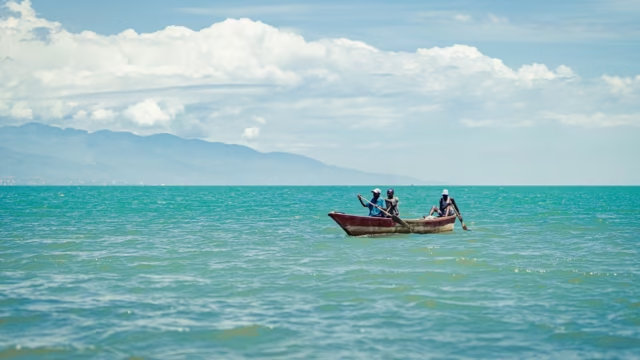
Bayahibe is a former fishing village on the southeastern coast, 16 km from La Romana and 20 km from its airport. It takes 25 minutes to get there from La Romana (LRM) and 1 to 1.5 hours from Punta Cana. It serves as the gateway to Cotubanamá National Park, which covers 791.9 km² and features nearly 400 caves, and is the departure point for trips to Saona and Catalina. Plan on staying at least three nights.
Where is Bayahibe, and how do you get there?
The village is situated in a southwest-facing cove, between La Romana and the western boundary of the national park. The road is paved all the way from the area’s three airports, with no difficult sections. La Romana Airport is the closest, but its European connections remain limited, which explains why most travelers arrive via Punta Cana.
Once there, you can get around the village on foot. A vehicle is helpful for traveling to Dominicus, Altos de Chavón, or Higüey.
| From | Driving distance | Estimated travel time |
|---|---|---|
| La Romana Airport (LRM) | 20 km | 25 min |
| Punta Cana Airport (PUJ) | 95 km | 1 hour to 1 hour 30 minutes |
| Las Américas Airport (SDQ), Santo Domingo | 110 km | 1 hour 30 minutes to 2 hours |
| City of La Romana | 16 km | 20 min |
| Playa Dominicus | 6 km | 10 min by car, 30 min on foot |
| Altos de Chavón | 25 km | 30 min |
| Higüey | 45 km | 45 min |
If your flight lands in Punta Cana, be sure to arrange your transfer when you make your reservation. Airport taxis don’t always serve the La Romana area, and shared shuttles mainly go to hotels on the east coast. A private transfer booked in advance is still the easiest option for your first day.
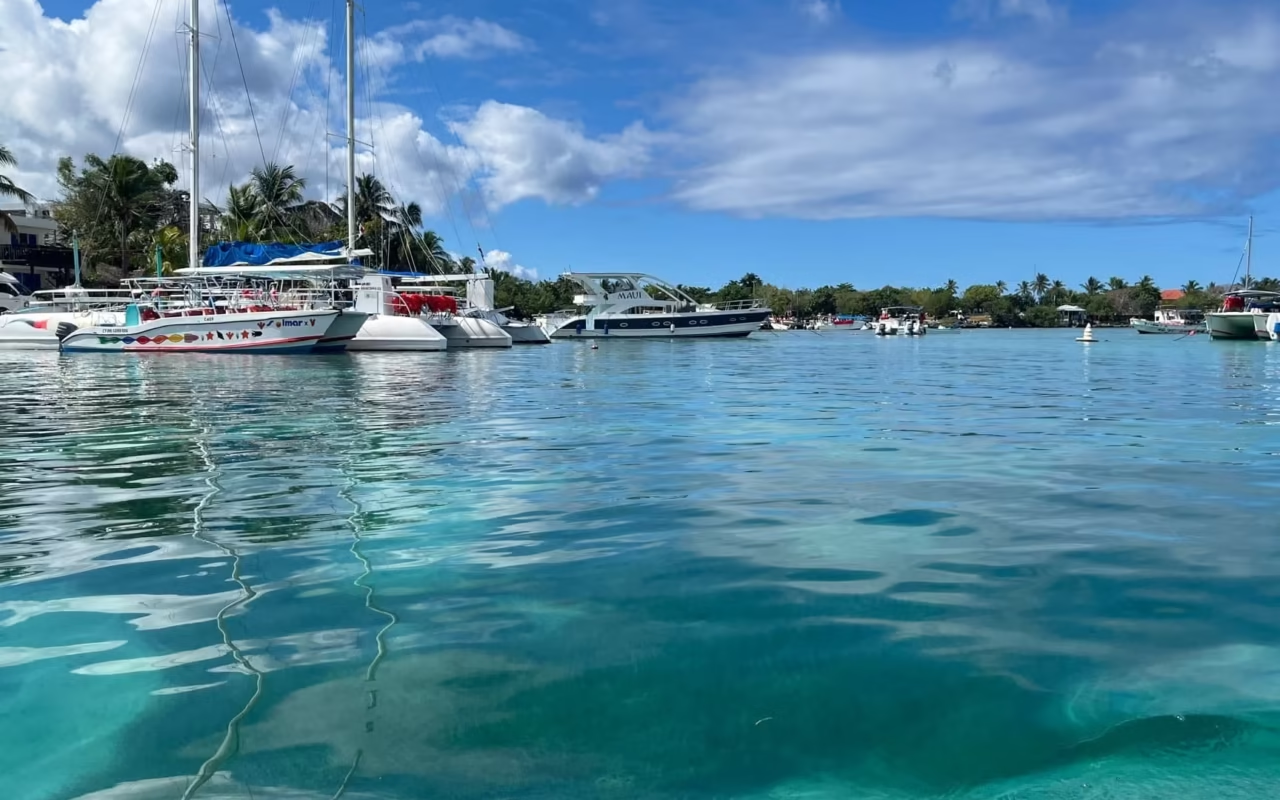
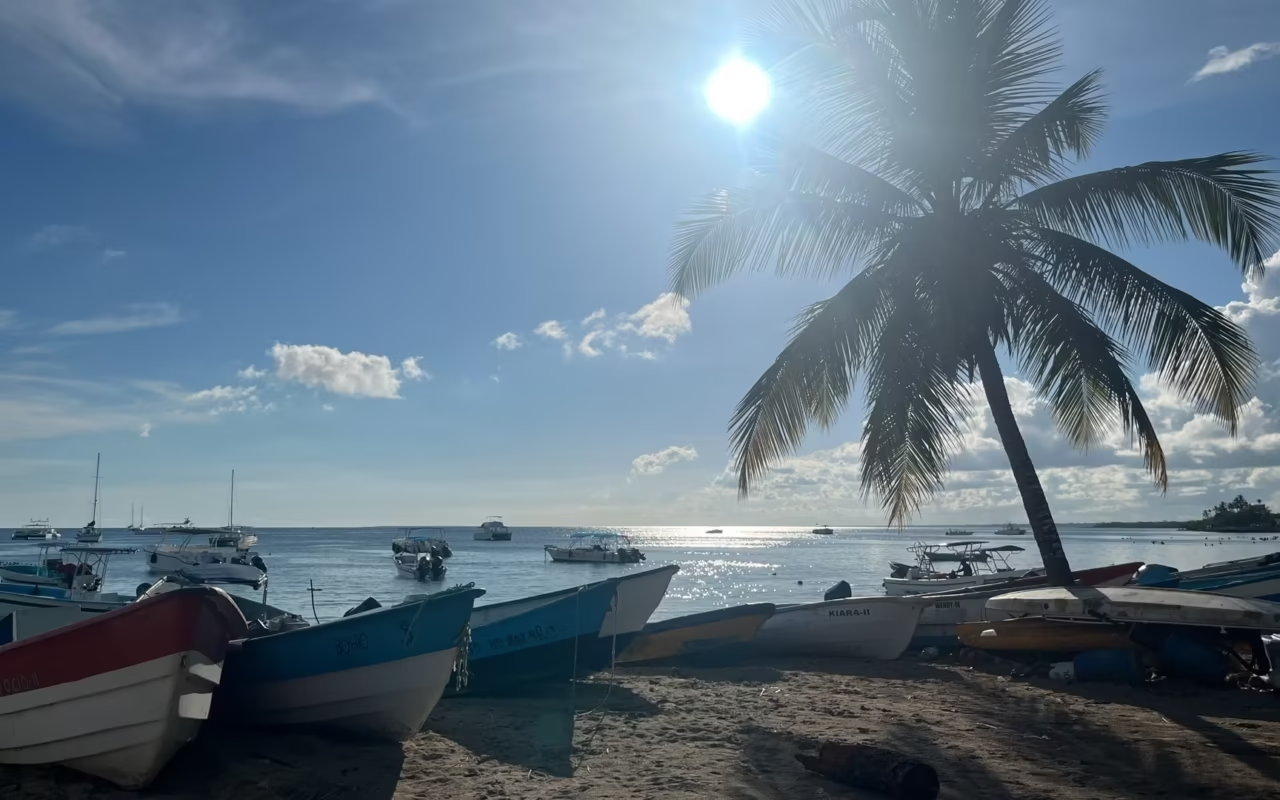
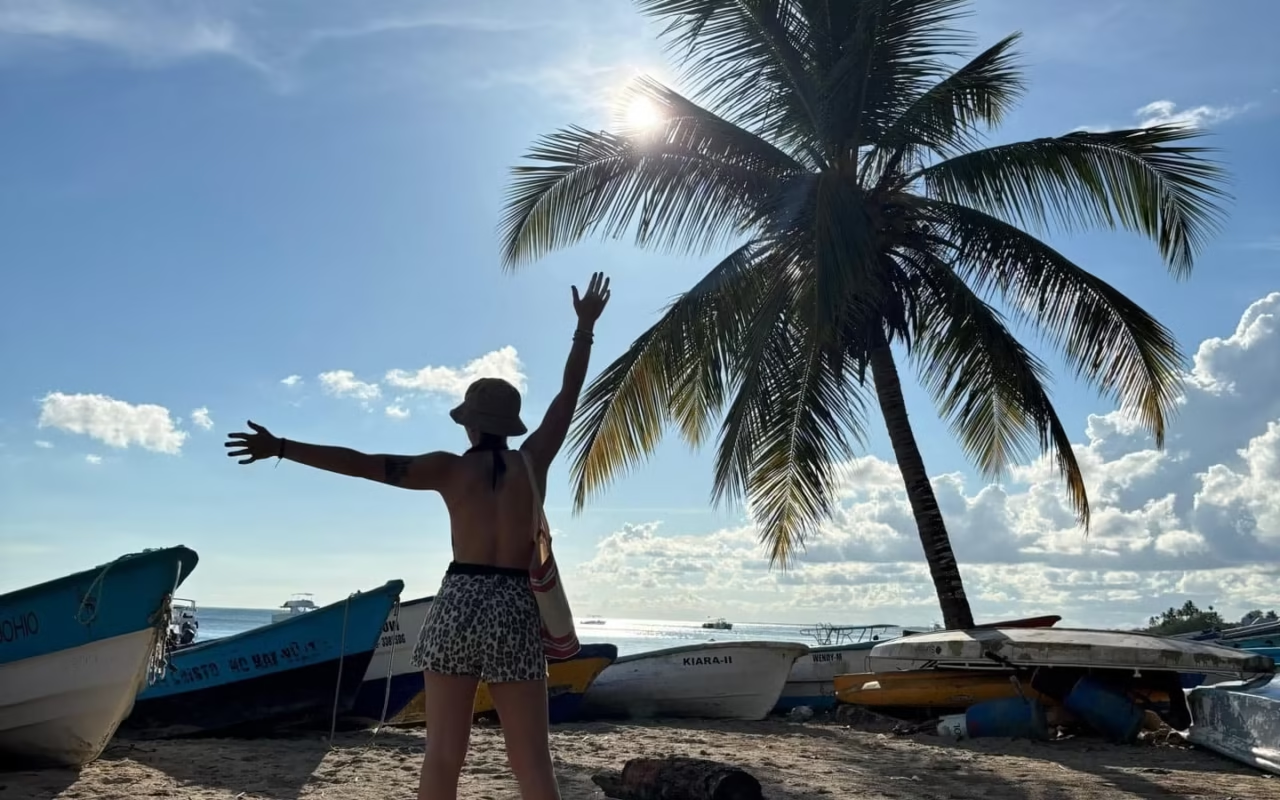
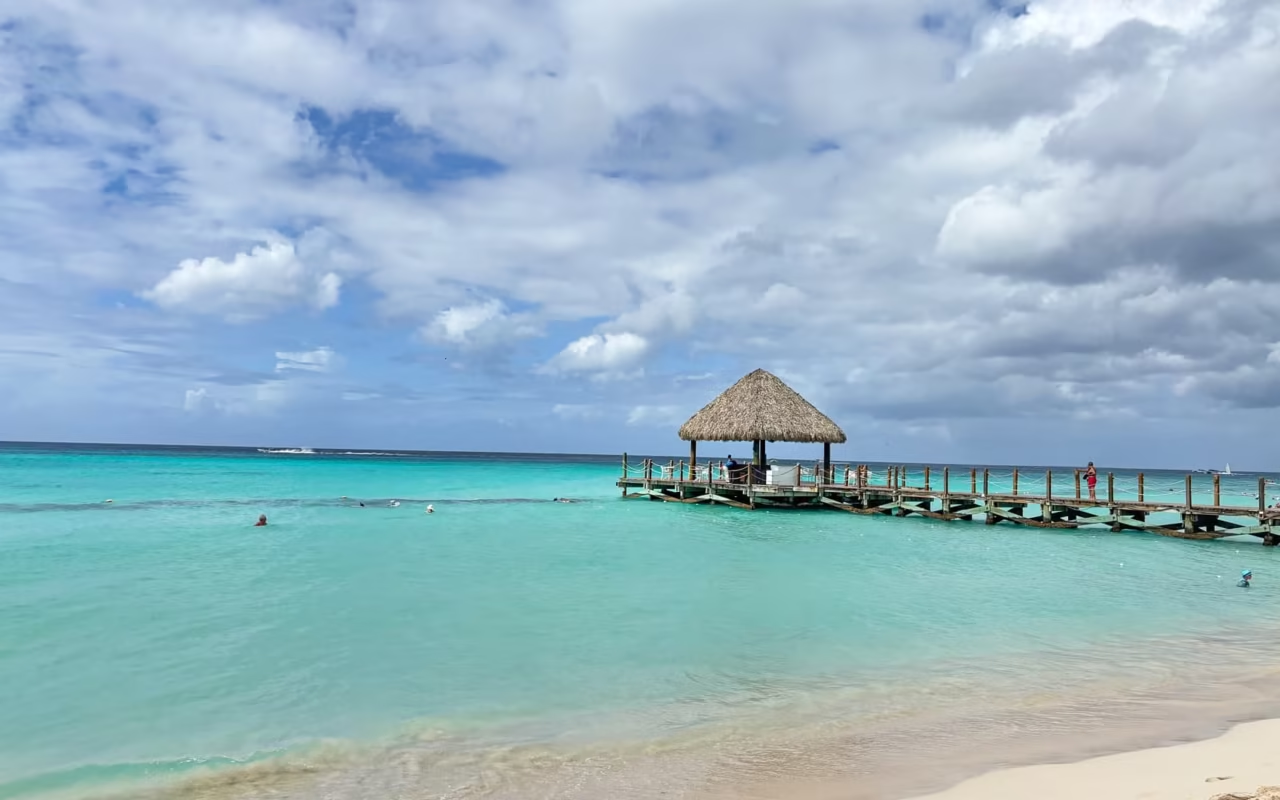
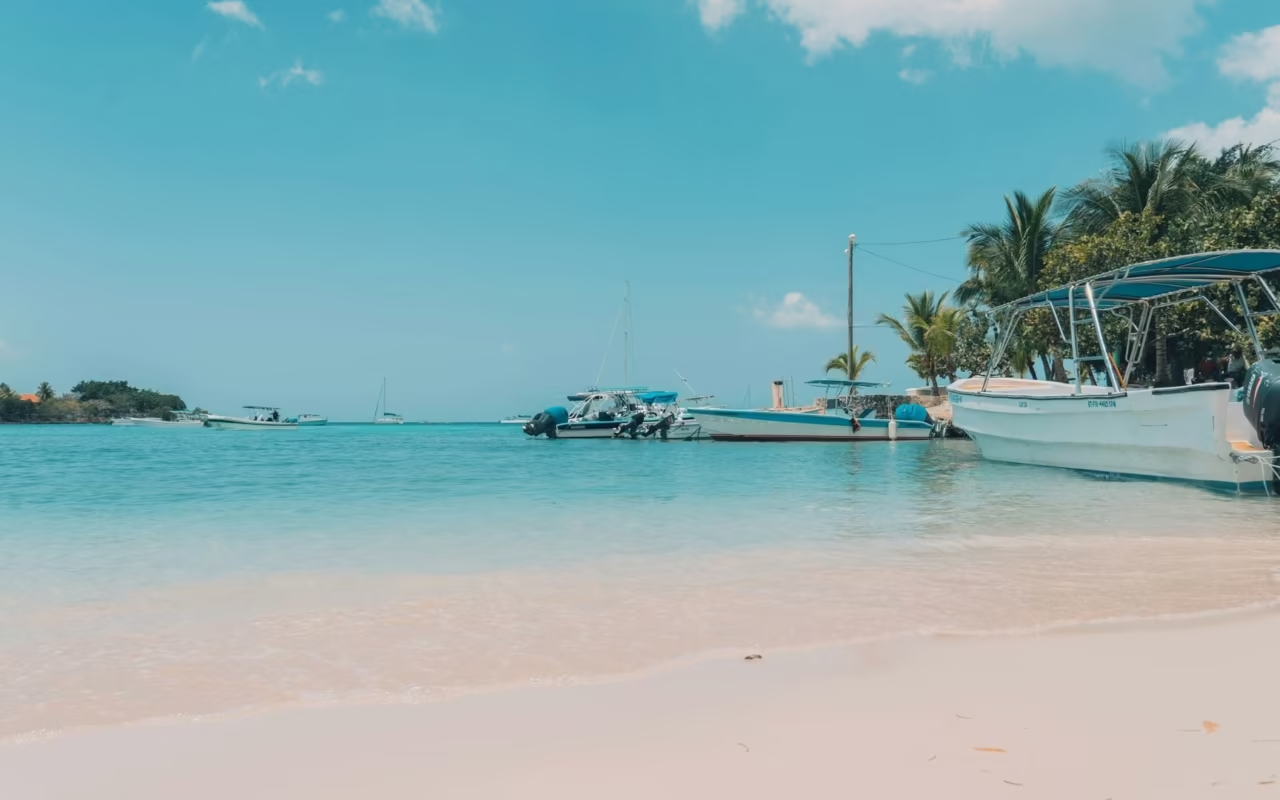
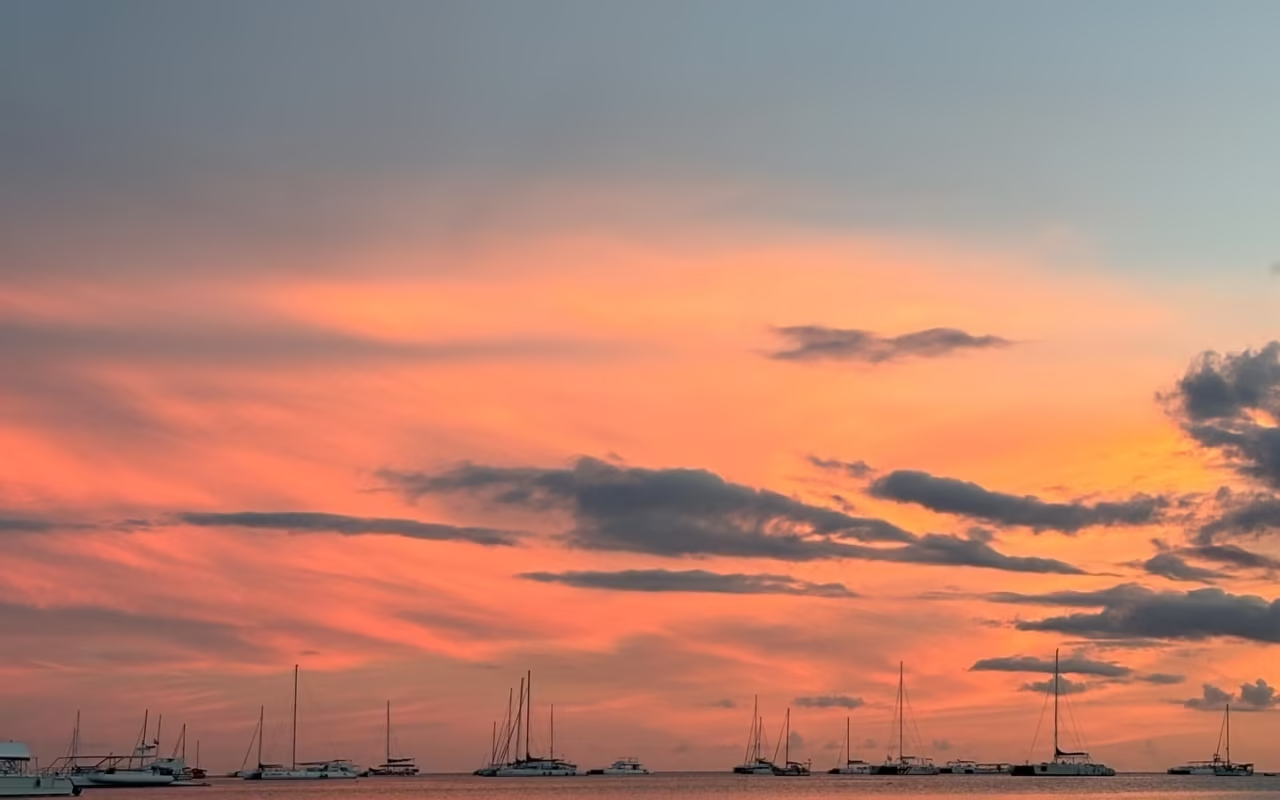
Enjoy the beaches of Bayahibe and Dominicus
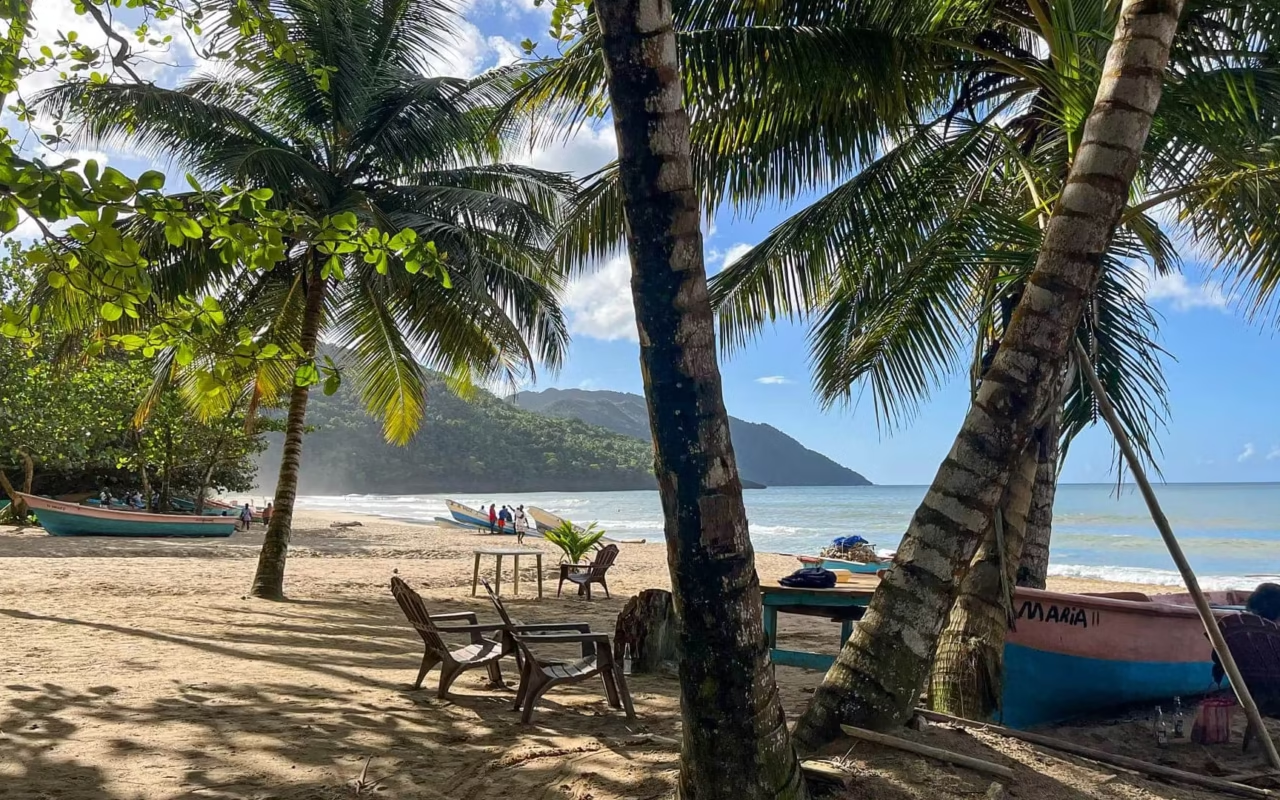
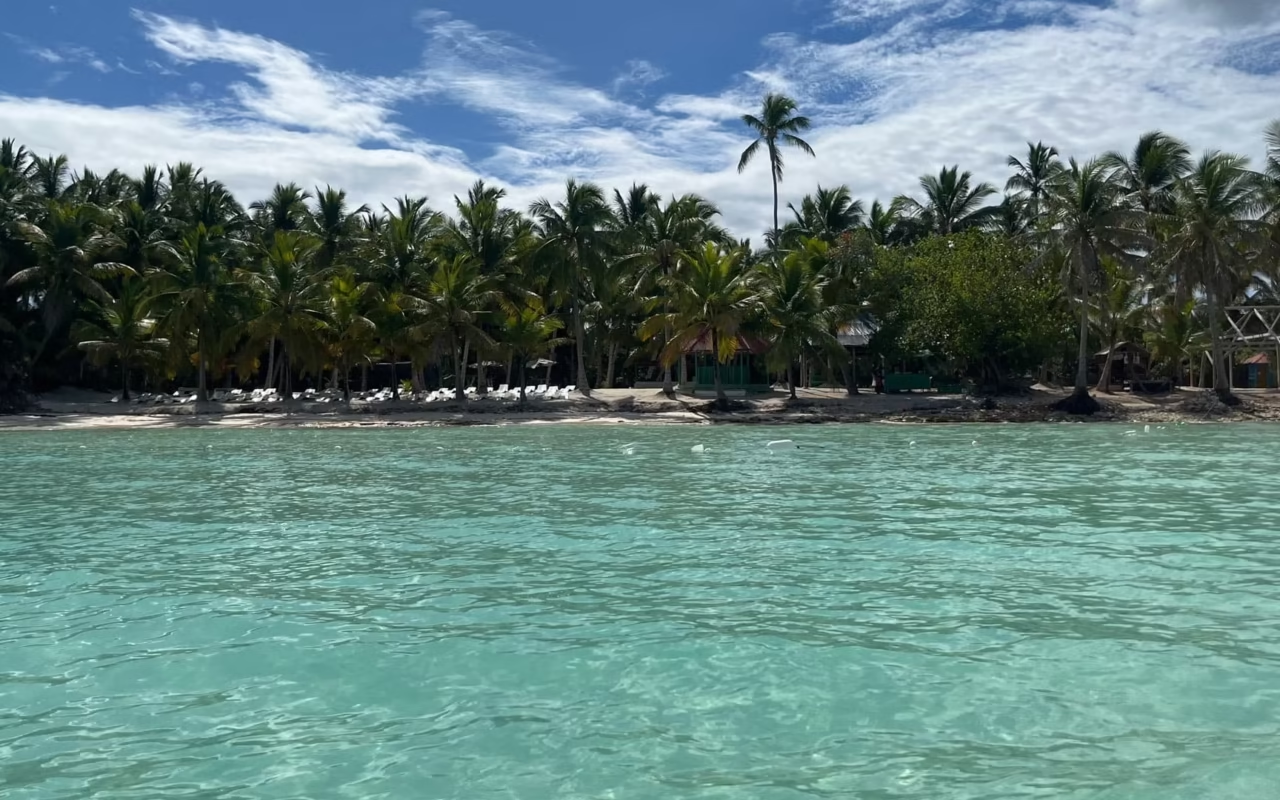
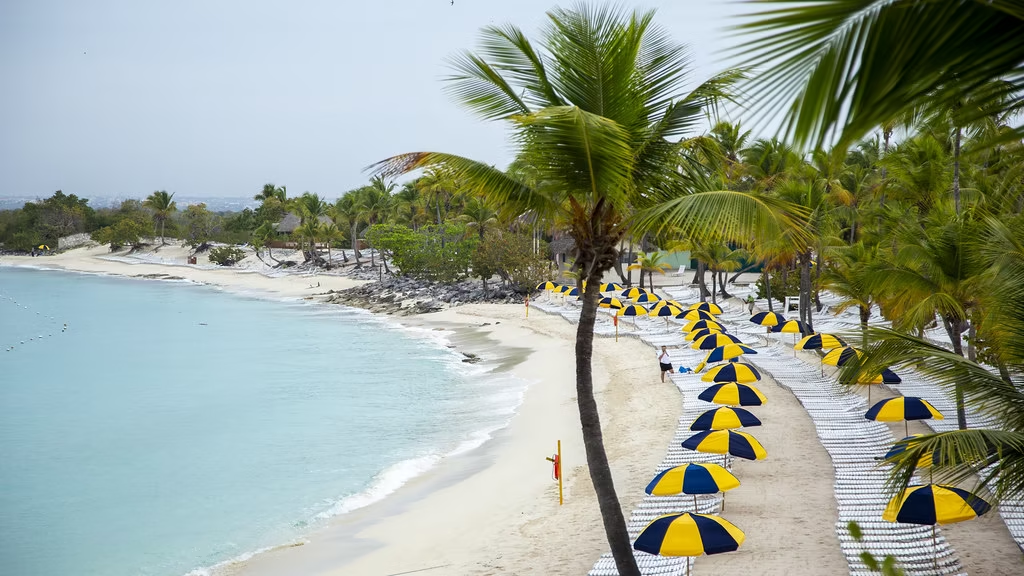
The water here is often calmer than on the Atlantic coast, making swimming pleasant year-round. The coastline alternates between sheltered beaches and wilder coves.
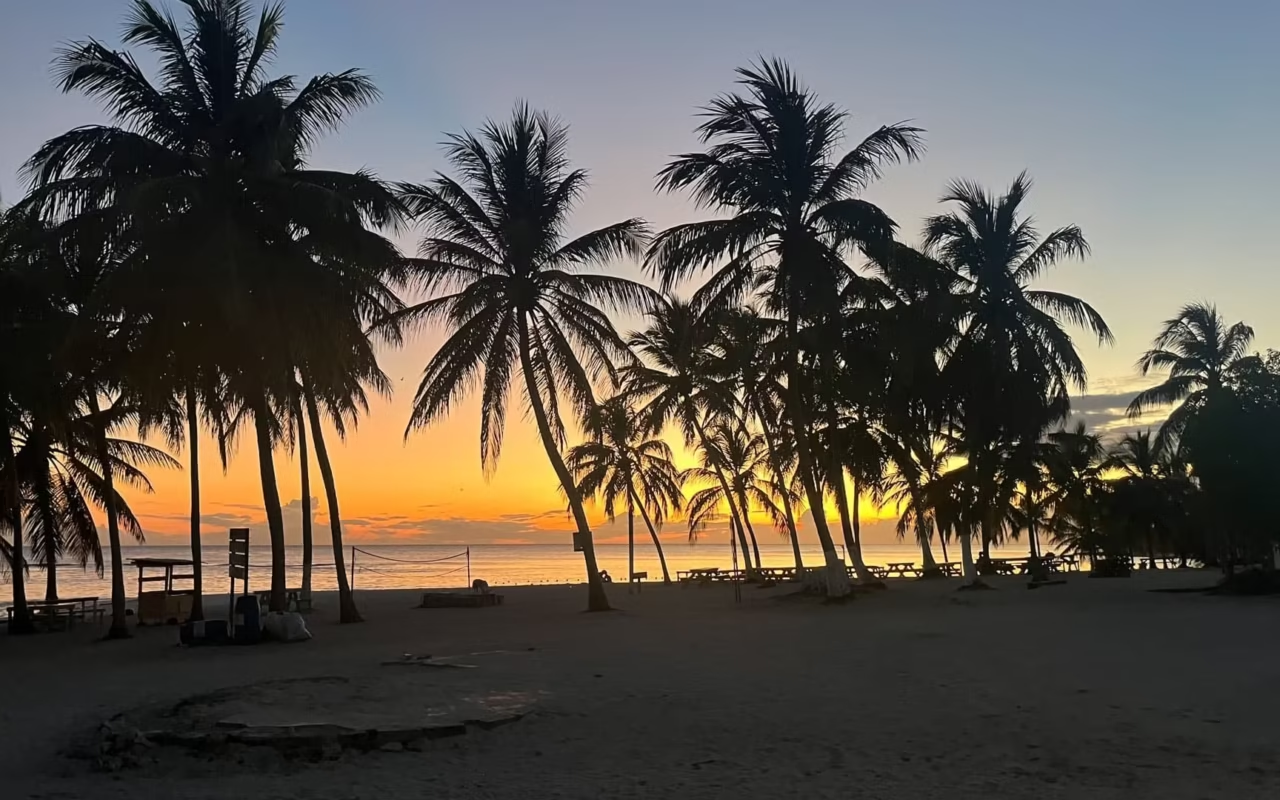
- Playa Bayahibe: the village beach, bustling at sunset and well-positioned to watch the fishing boats come in.
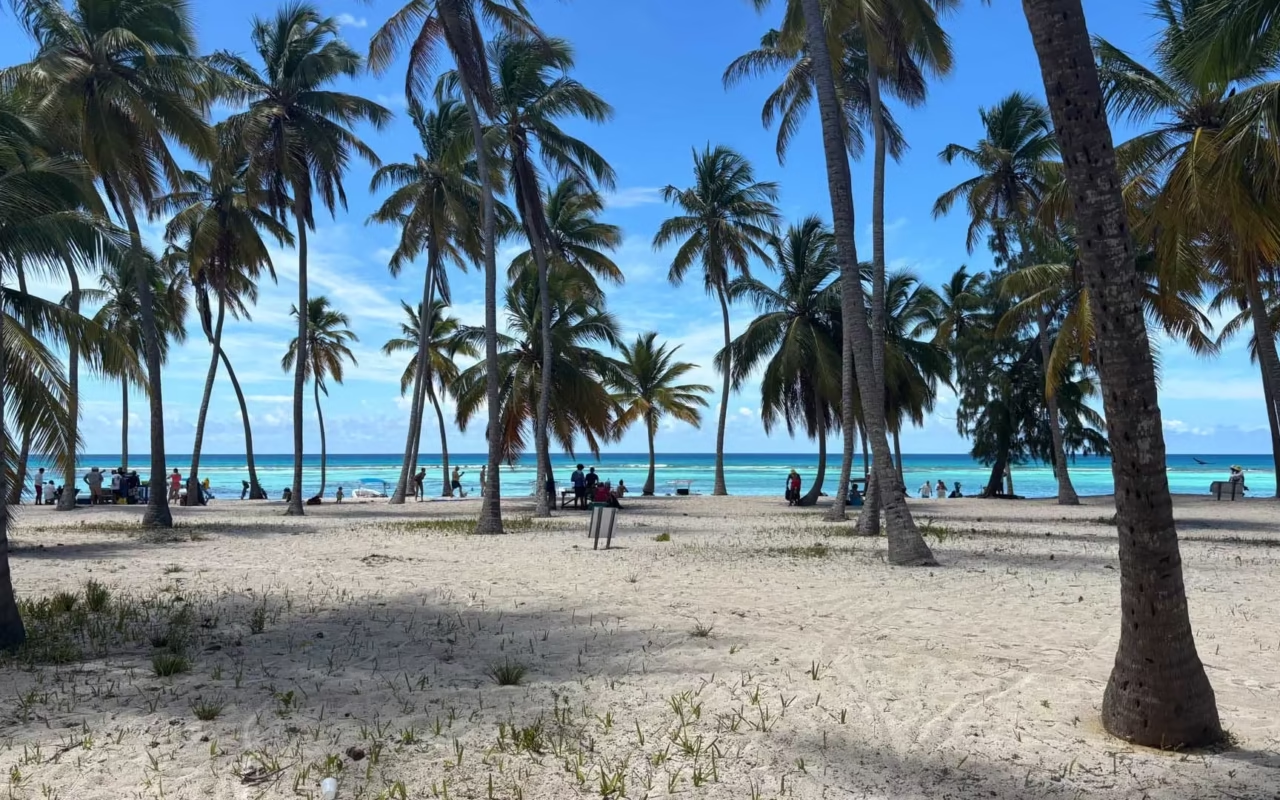
- Playa Dominicus: 1.5 km of white sand and shallow waters; the first beach on the American continent to be certified with the Bandera Azul award, in October 2003.
The certification is administered by the Dominican Institute of Environmental Law on behalf of the Foundation for Environmental Education and is renewed each season. It focuses on water quality, safety, and site management—not on the beauty of the location.
The beaches get crowded on weekends and in the late afternoon: there’s a noticeable local crowd, and it changes the atmosphere. To connect the two beaches, a coastal trail—a 30-minute walk—passes through a stretch of forest and the edge of the village.
Explore Cotubanamá National Park
Bayahibe is the gateway to Cotubanamá National Park, a protected area covering 791.9 km² that spans the provinces of La Altagracia and La Romana, including Saona Island and its surrounding marine area. The park was established by Decree 1311 on September 16, 1975, under the name Parque Nacional del Este.
A name rooted in Taíno resistance
The Dominican Congress renamed it Cotubanamá in 2014, in honor of the Taíno chief of the Higüey cacicazgo. He led the resistance against the Spanish conquistadors before being executed in the early 16th century. In 2021, the park was included in the SPAW Protocol of the Cartagena Convention, which protects marine areas in the Greater Caribbean.
Dry Forests, Mangroves, and Birds
Official inventories list 539 plant species, including about 50 endemic to Hispaniola, and 112 bird species, eight of which are endemic. The mangroves and coastal lagoons are home to herons, frigatebirds, and pelicans. Dolphins are sometimes spotted offshore, and manatees are seen more rarely.
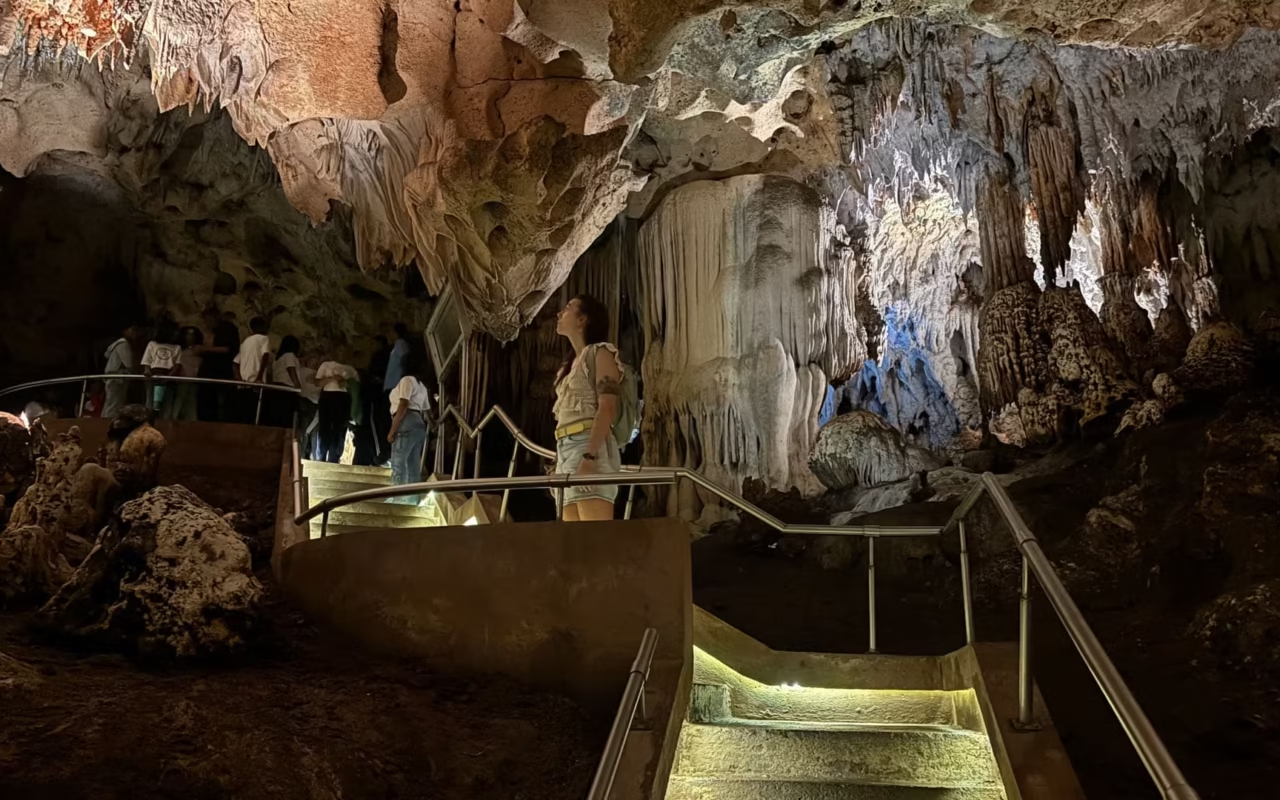
Nearly 400 caves
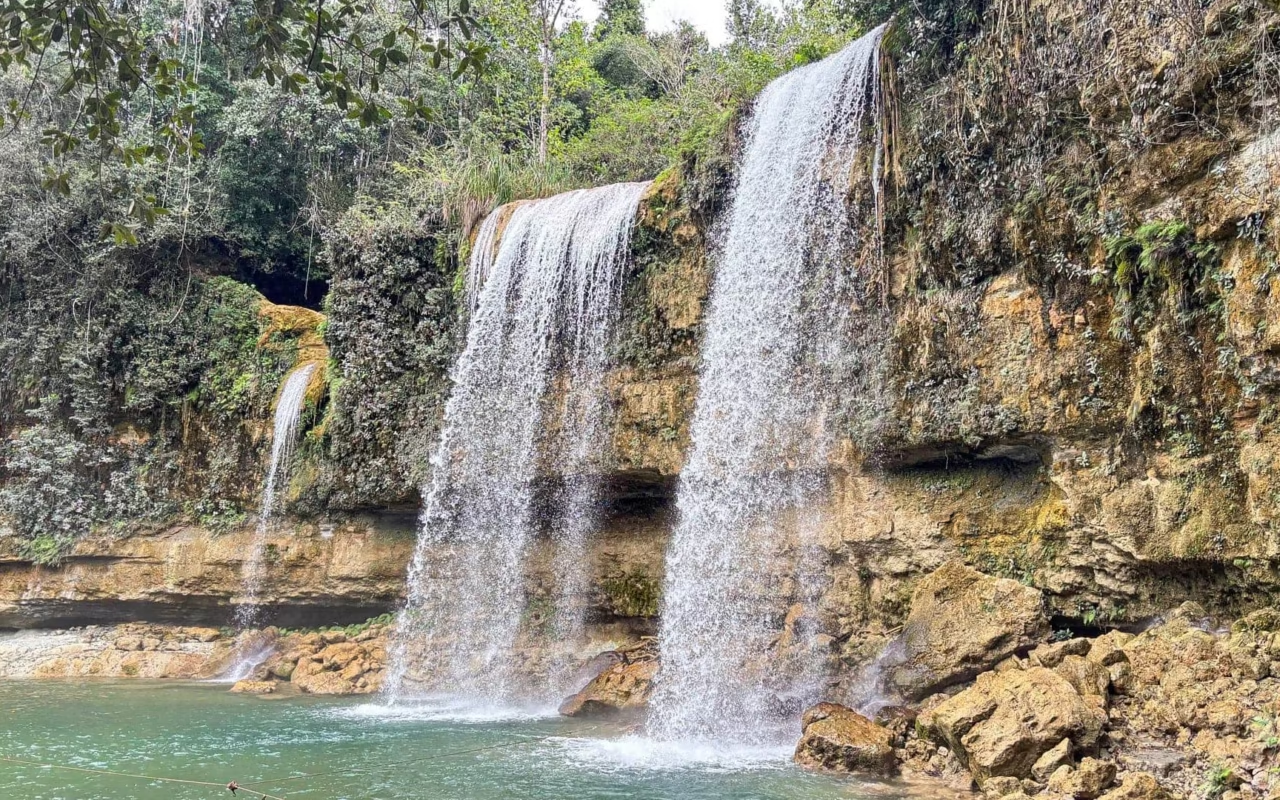
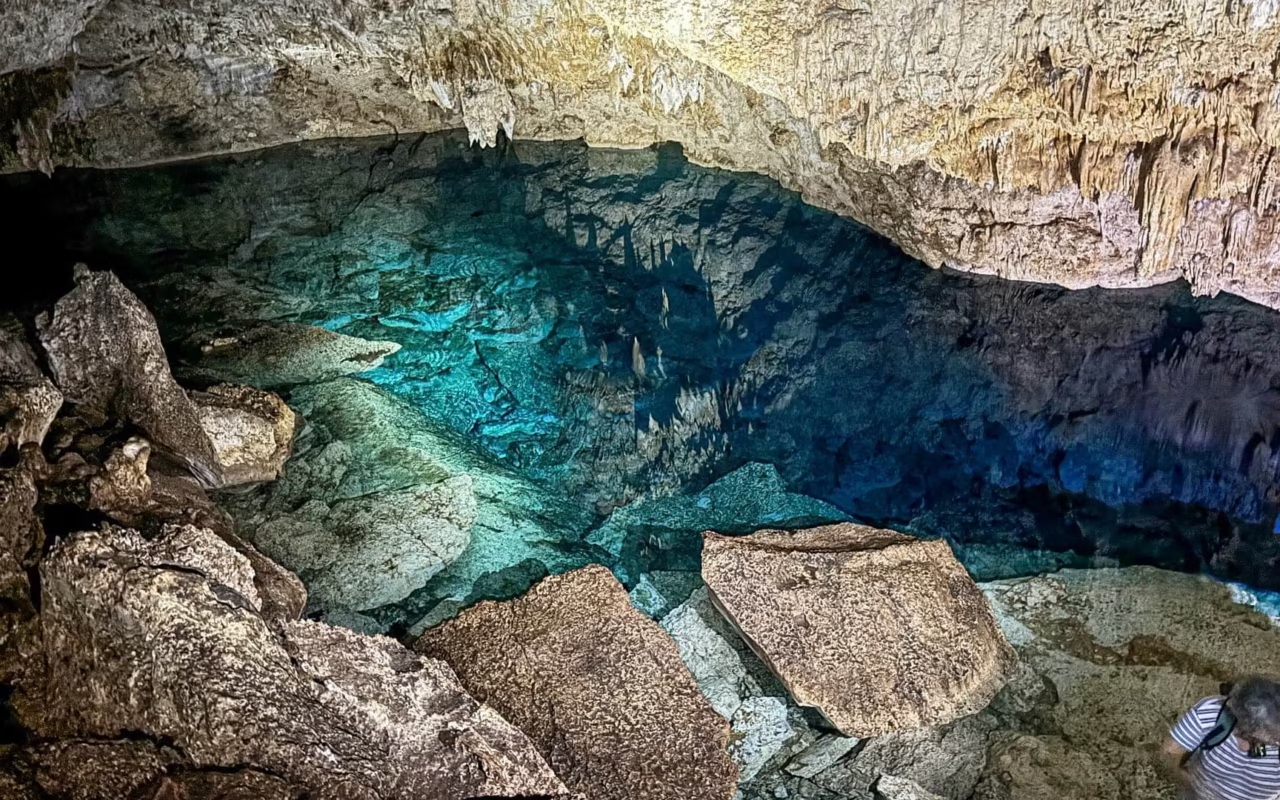
The park has about 400 caves, fed by water filtered through coral rock. Several provide drinking water for the village and the hotel zone, which explains the strict access rules.
- Cueva del Puente: a vast, three-level cavern with stalactites and Taíno petroglyphs; a helmet and headlamp are required.
- Sendero Padre Nuestro: a trail about 2 km long starting from the Dominicus Road, featuring petroglyphs and underground lagoons where swimming is permitted.
- Cueva de Chicho: an underground lagoon at the end of the trail; cave diving is restricted to certified divers.
For more information, see our guide to caves and cenotes in the Dominican Republic.
Admission to the park is paid at the office located at the entrance to Bayahibe, where visitors must obtain a wristband. The admission fee for the Padre Nuestro section is 200 pesos per person, or about 3 euros. Closed-toe shoes, a flashlight, and a bottle of water are recommended: the trail runs over sharp limestone, and the caves are unlit.
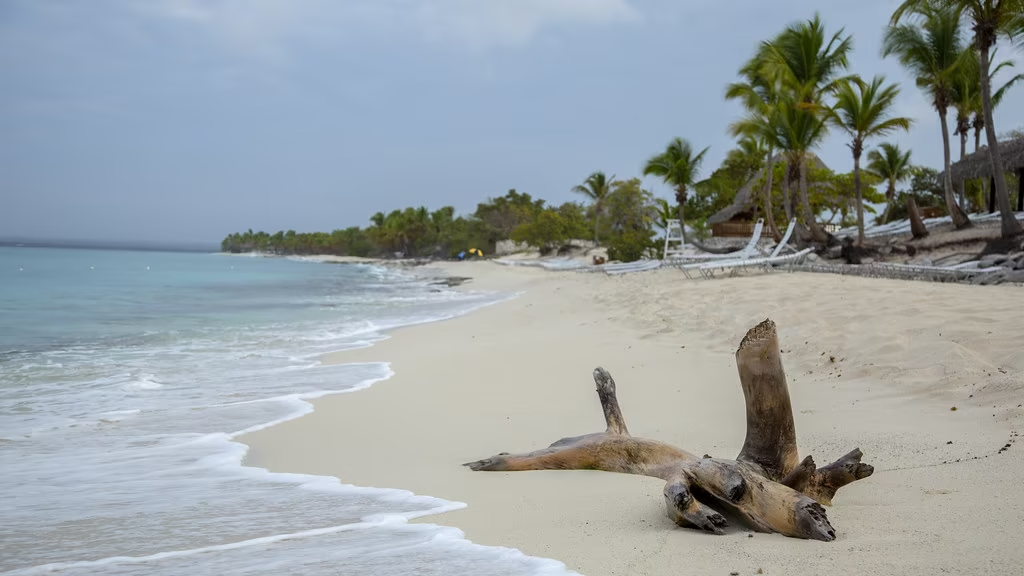
Saona Island and Catalina Island: Choosing the Right Tour
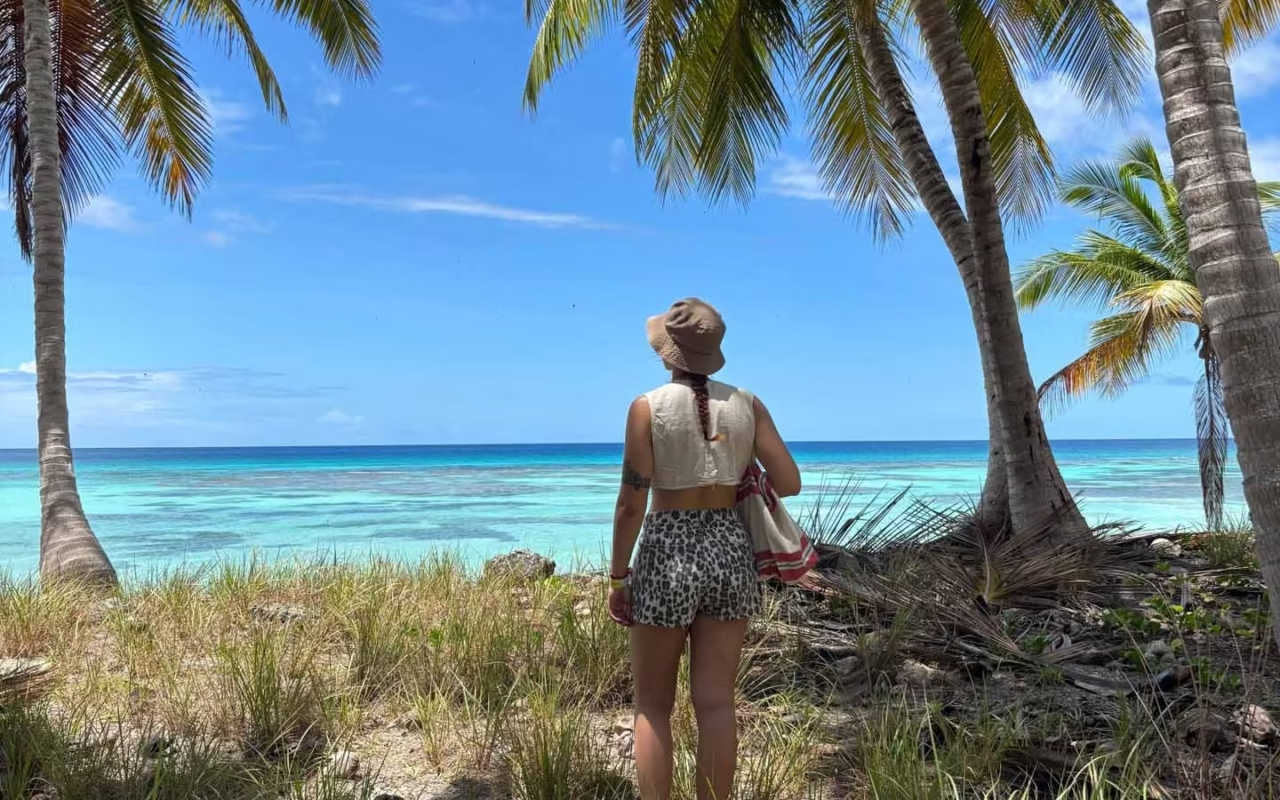
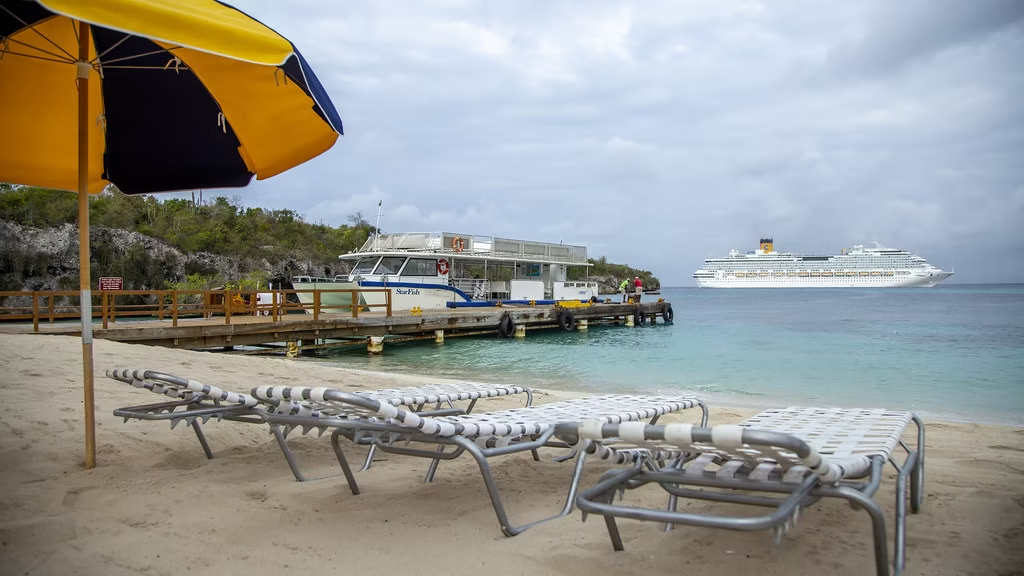
Saona Island is part of the national park. It is 22 km long and covers 110 km², has two villages—Mano Juan and Catuano—and remains the most visited island in the country. Day trips depart from the port of Bayahibe by speedboat or catamaran, with a stop at the natural pools where starfish can be found.
Isla Catalina, off the coast of La Romana, is a natural landmark separate from Cotubanamá Park. It is particularly popular for scuba diving, especially along the drop-off and at the wreck known as Captain Kidd’s ship.
Neither island is listed as a UNESCO World Heritage Site, contrary to what several French-language guidebooks claim. In the Dominican Republic, only one site appears on this list: the Colonial City of Santo Domingo, inscribed in 1990.
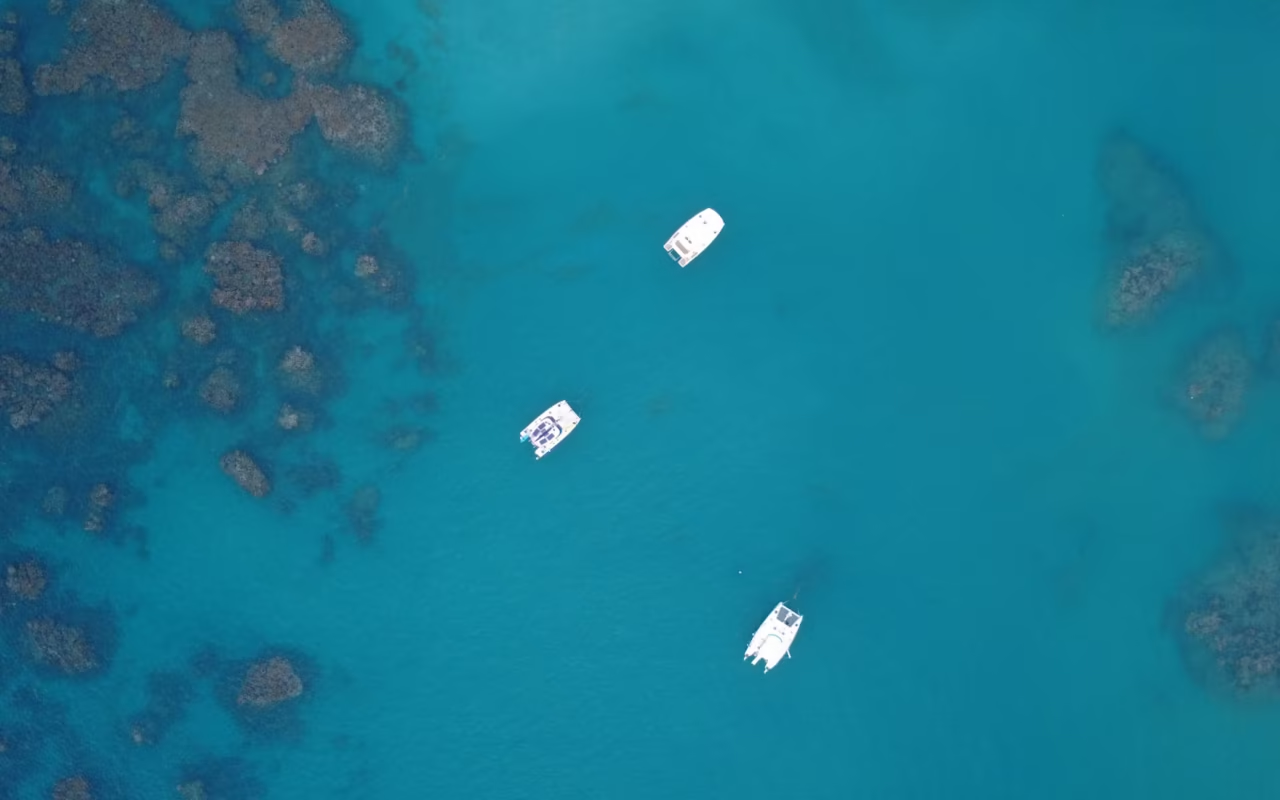
Around Bayahibe, the reefs are accessible as soon as you leave the harbor, and snorkeling can be done without a boat from Dominicus. Our overview of diving and snorkeling spots details the required skill levels.
A point to note: between lively outings in large groups, catamarans with sound systems, and quieter excursions, there is a significant difference in quality. To help you decide, seeour guide on how to choose between Isla Saona and Isla Catalina.
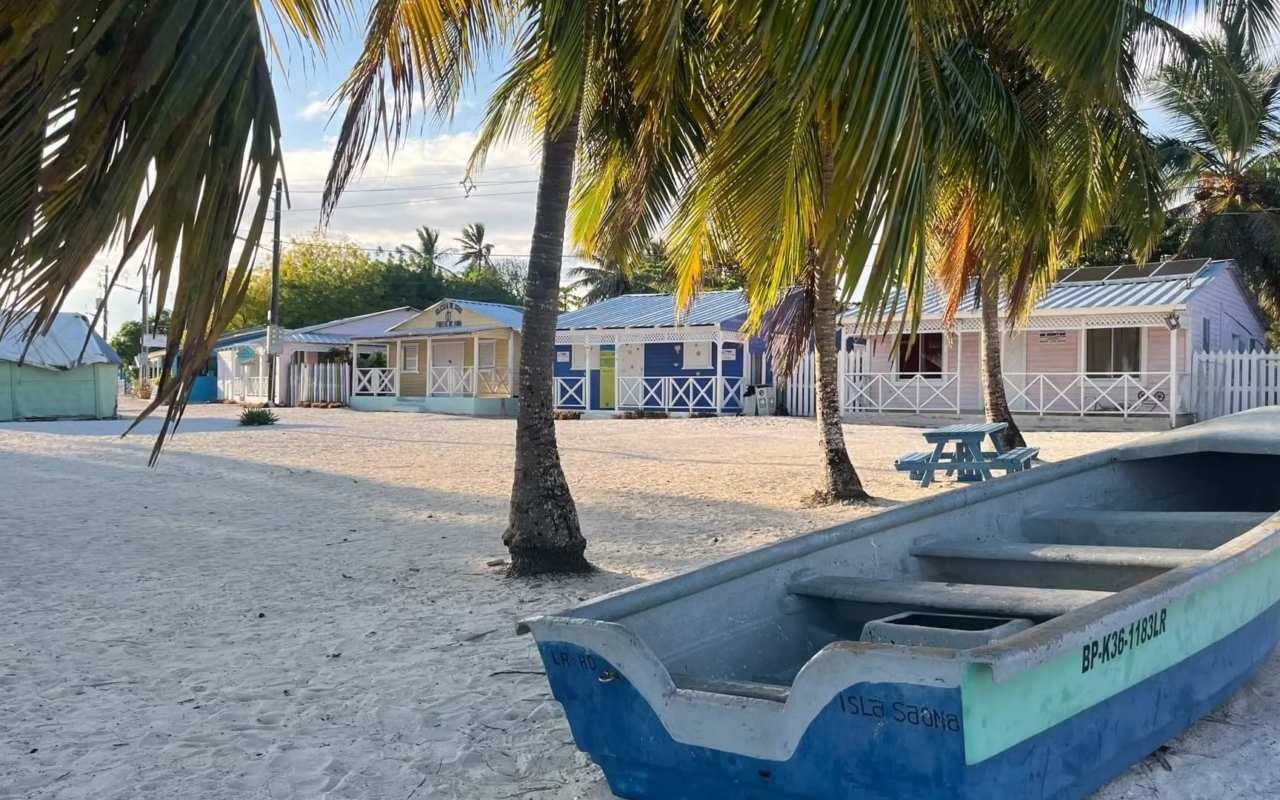
Altos de Chavón & Río Chavón: An Artistic Getaway and Tropical Views
Nearby, Altos de Chavón, a Mediterranean-inspired village overlooking the Río Chavón, is well worth a visit. This stone village, inaugurated in 1976, is a replica of a 16th-century Mediterranean town. Conceived by Charles Bluhdorn, then president of Gulf & Western, it was designed by Dominican architect José Antonio Caro and built using traditional techniques and materials.
The site is entirely dedicated to the arts: galleries, artisan workshops, a design school affiliated with the Parsons School of Design, and a 5,000-seat open-air amphitheater that has hosted major international artists. The complex majestically overlooks the Río Chavón.
Iglesia San Estanislao
In the heart of the village, the San Estanislao Church dominates the valley. Consecrated in 1979 by Pope John Paul II, it houses a wooden statue carved in Kraków as well as a relic of the Polish saint. Its romantic silhouette and unobstructed view of the river make it one of the most photographed buildings in the region.
The Río Chavón: Jungle, Cinema, and History
The Río Chavón originates inland before flowing into the Caribbean Sea at La Romana. Once used to transport precious wood and, according to some legends, a refuge for pirates, it is now known for its lush landscapes.
You can explore this river and its vegetation on a boat tour accompanied by local guides. In fact, you won’t be surprised to learn that, thanks to its natural beauty and limestone cliffs, several films have been shot there.
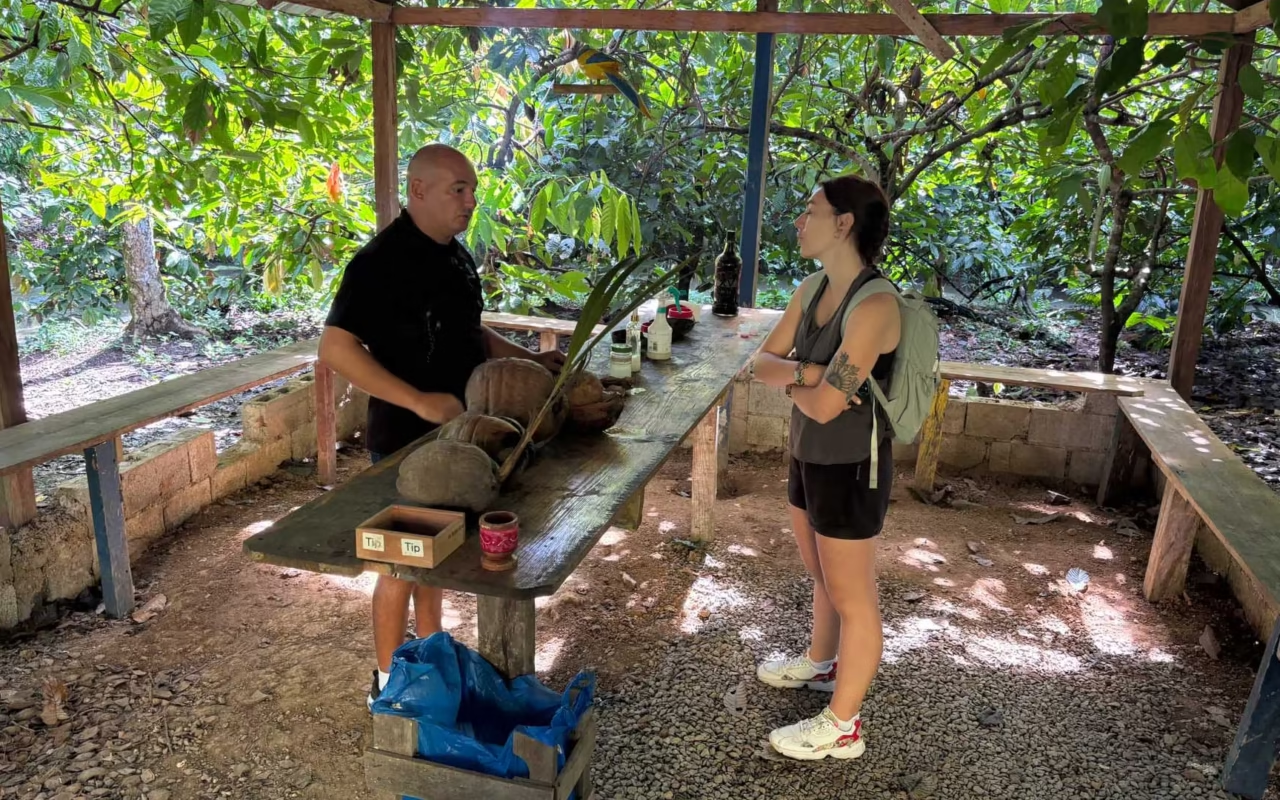
An Immersive Experience Around Higüey
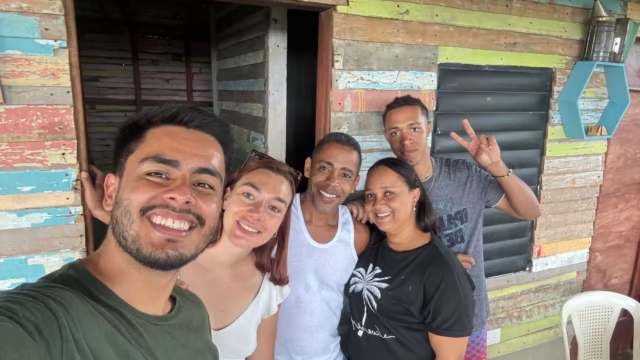
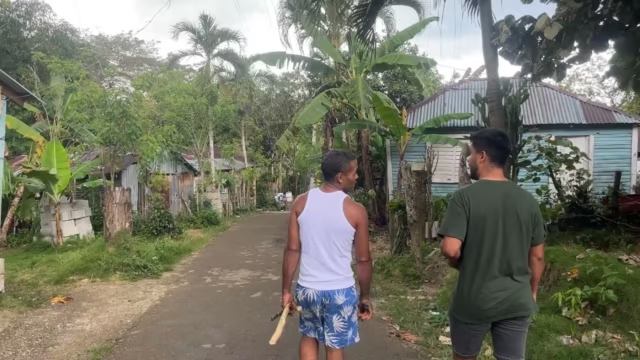
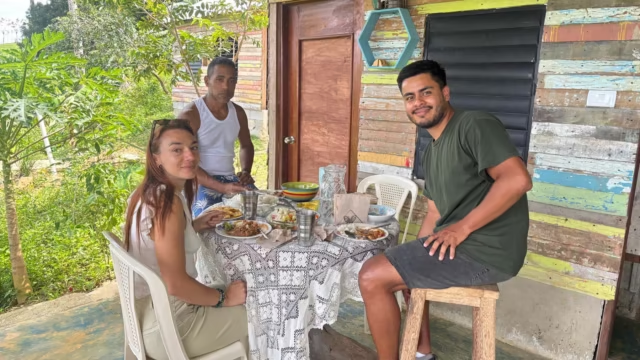
Leave the coast behind for a day to explore rural Dominican Republic. The day begins with a chance to spend time with a local family, followed by a tour of the region’s crops: cacao, coffee, and sugarcane.
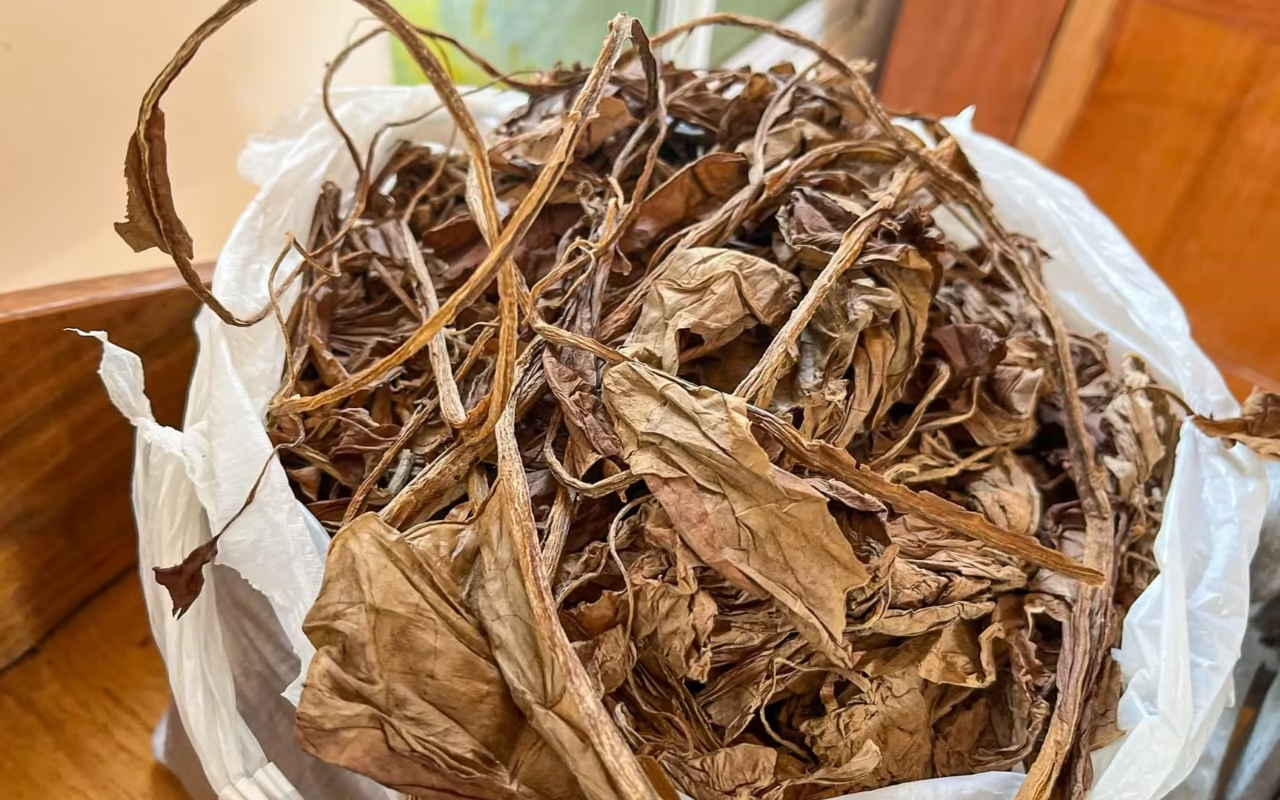
Next, head to Higüey, a city of over 250,000 residents and the capital of La Altagracia Province, to visit its basilica, the country’s main pilgrimage site. Next, visit the covered market. Enjoy lunch at a casa típica, featuring a simple Dominican meal. The experience concludes at an artisanal cigar factory, with a tasting of rum and mamajuana.
When should you go, and how long should you stay?
The dry season runs from December to April: calm seas, decent visibility for diving, and temperatures around 28 °C. The Atlantic hurricane season officially runs from June 1 to November 30, with a statistical peak between August and October. Sargassum drifts mainly affect the east coast; Bayahibe Cove, which faces southwest, is reported to be less exposed, though this is by no means a guarantee.
Over the course of your stay, three nights are enough to explore an island, go on a diving or snorkeling trip, and hike the park trail. With two nights, you’ll have to skip one of these three activities—and it’s almost always the park. See also our guide on when to visit the Dominican Republic.
| Best Time to Visit | Factors to Consider | What to Expect |
|---|---|---|
| December through April | Dry season, calm seas, peak season | Book excursions in advance |
| May through July | Short showers, low visitor numbers | Possible sargassum, lower prices |
| August through October | Peak hurricane season, hot and humid | Trip cancellation insurance, flexible dates |
| November | End of the rainy season | Good balance between price and weather |
Is Bayahibe safe, and what should you know before you go?
You can walk around the village during the day and in the early evening, and there is a visible police presence around the harbor. Take the same precautions as in any tourist area: don’t leave valuables on the beach, and be cautious when using ATMs in isolated locations. Also exercise caution on the road at night, as lighting is limited between the village and Dominicus.
Two specific points to note. Currents remain weak in the cove, but no beaches are lifeguarded outside the hotel zones. And excursions to Saona must be booked through a licensed tour operator: informal offers circulate at the port, but they lack insurance and do not provide life jackets that meet safety standards. Our guide, “Is Traveling in the Dominican Republic Dangerous?”, covers this topic in detail by region.
Where should you stay, and what kind of atmosphere can you expect?
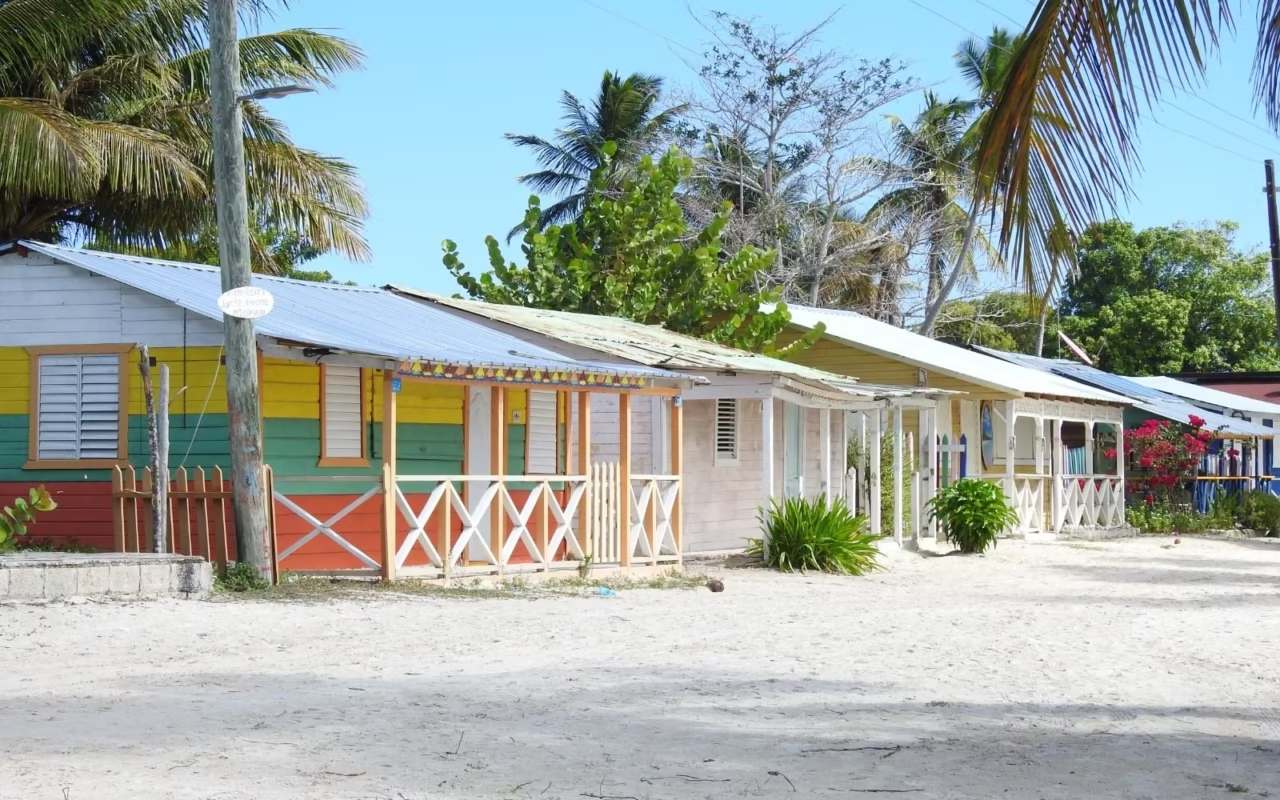
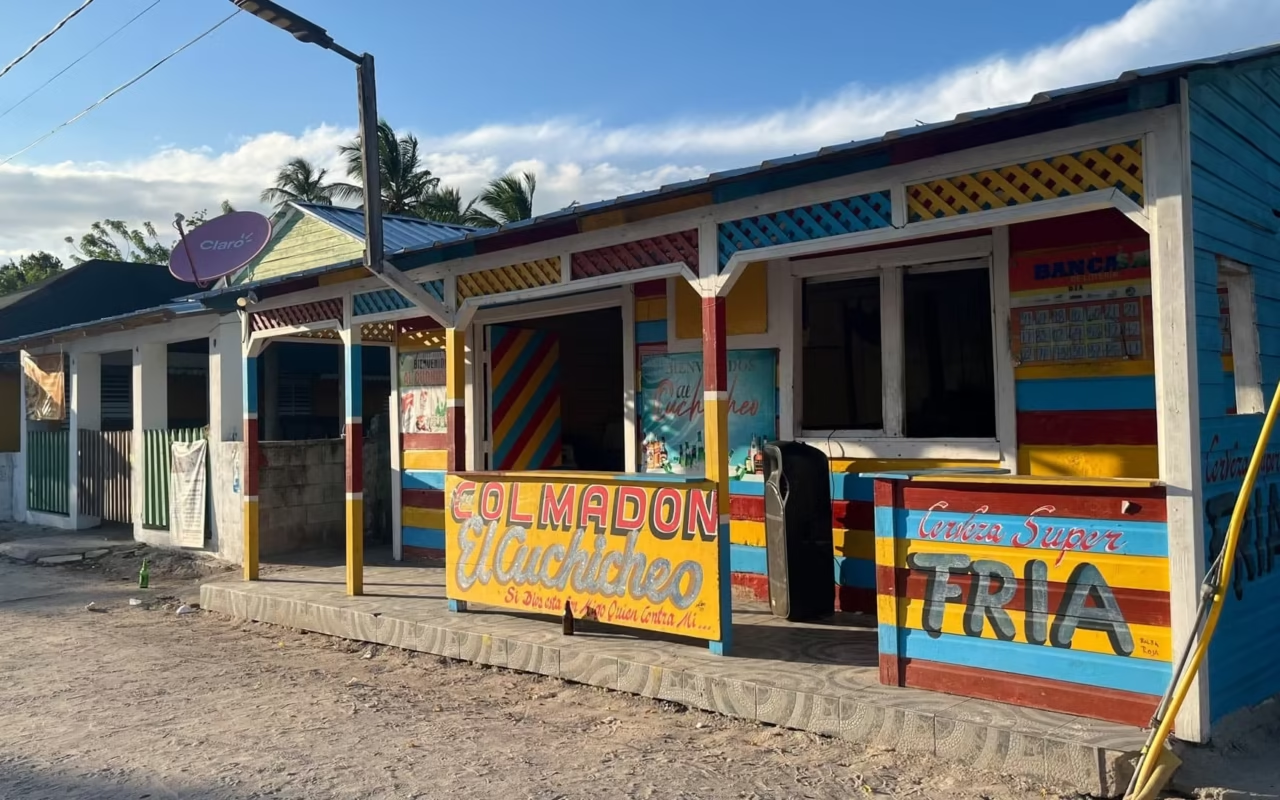
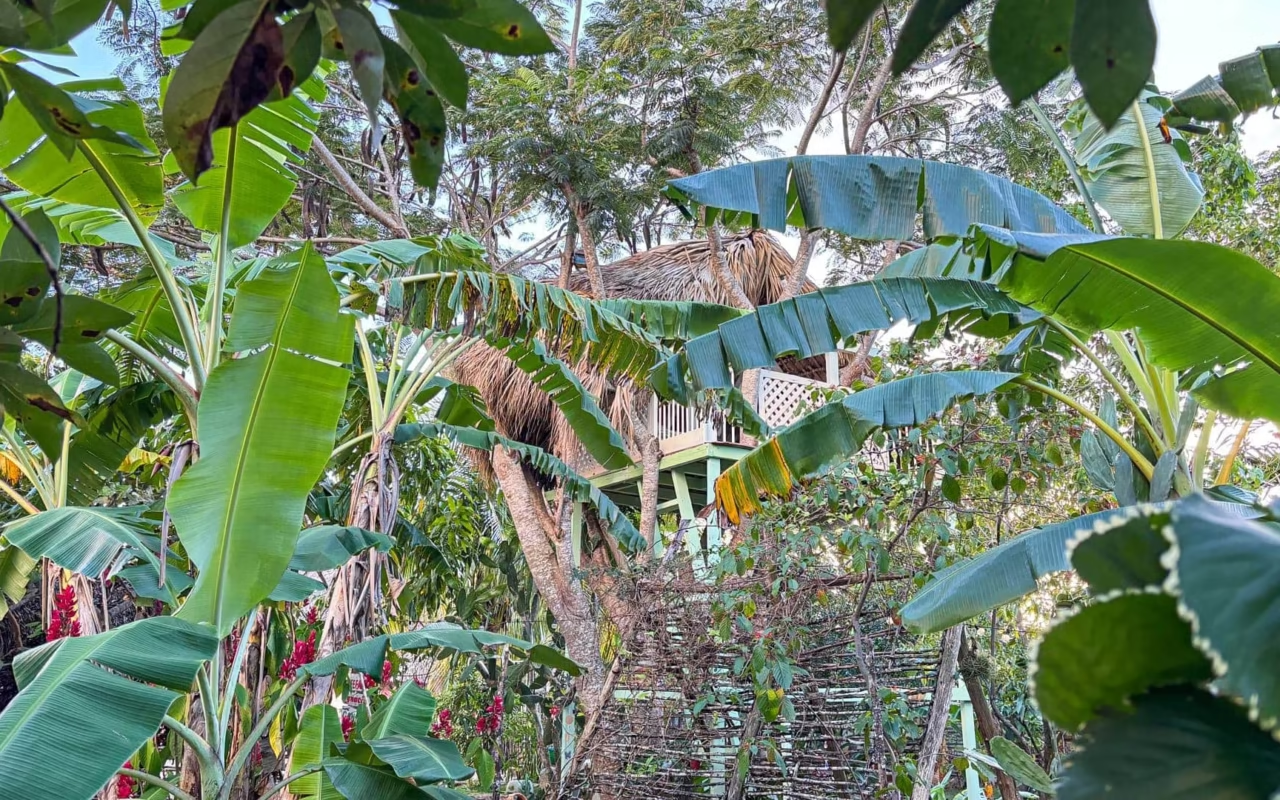
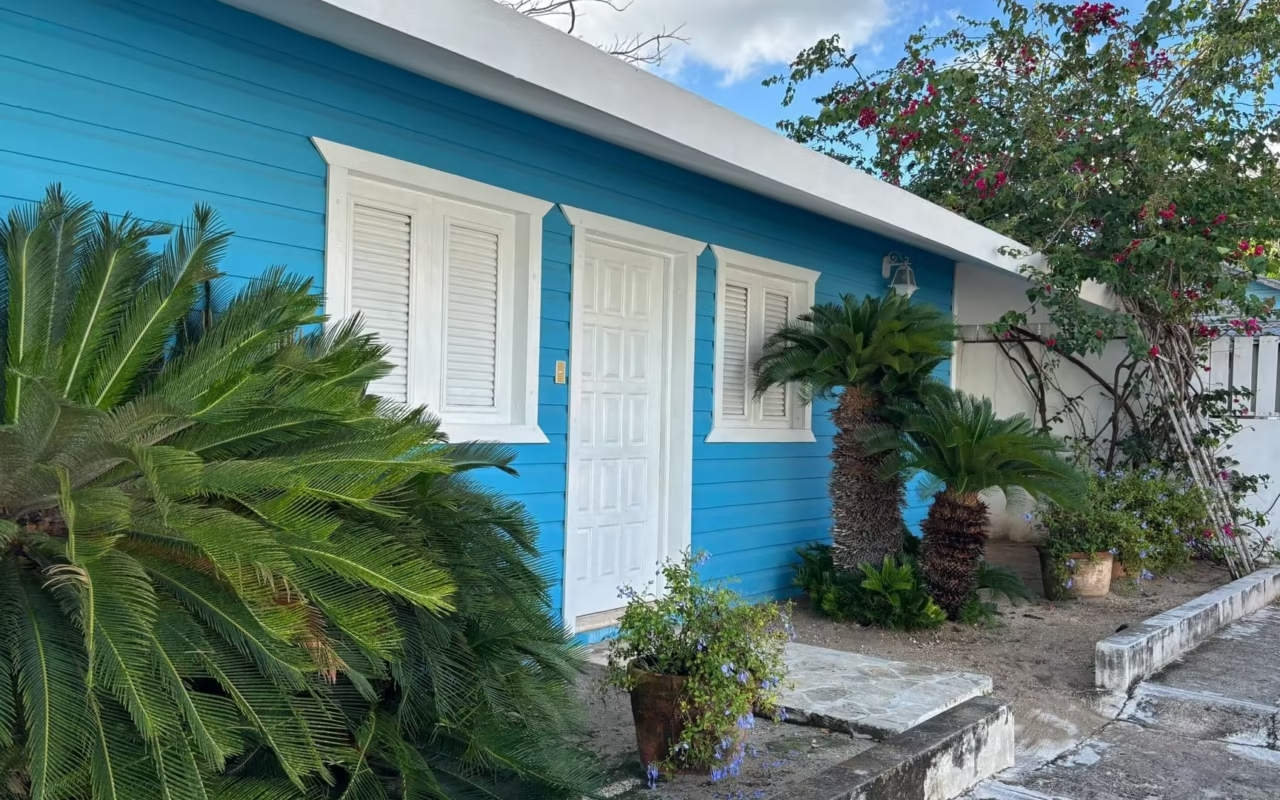
In contrast to Punta Cana and Bávaro—which are dominated by large all-inclusive resorts—Bayahibe retains a genuine village atmosphere: intimate hotels, independent restaurants, and fishing boats at anchor. A long-established Italian community has left its mark on the local dining scene.
Three types of accommodations coexist here. The village itself is home to small establishments, guesthouses, and aparthotels, all just a few minutes from the public beach. The Dominicus area, 6 km away, is home to all-inclusive beachfront resorts. In between, a few rental properties and villas cater to long-term stays and families. For a comparison with the east coast, see Punta Cana, Cap Cana, and Bávaro.
Which other destination should you combine with Bayahibe?
| Stage | Directions from Bayahibe | What it offers |
|---|---|---|
| Santo Domingo | 1 hour 30 minutes to 2 hours | Ciudad Colonial, the only Dominican site listed by UNESCO |
| Punta Cana and Bávaro | 1 to 1½ hours | Wide beaches, all-inclusive packages, international flights |
| Miches | 2 hours | Coastline with few developments, lagoon, and mountains |
| Boca de Yuma | 45 min | Eastern entrance to the park, cliffs, and fishing village |
FAQ
What to Do in Bayahibe in One Day?
In the morning, hike the Padre Nuestro trail in Cotubanamá Park—a two-hour walk—and take a dip in a cave for 200 pesos. In the afternoon, head to the village beach, then take the coastal trail toward Dominicus—a 30-minute walk. Watch the sunset from the harbor as the fishing boats come in.
Bayahibe or Punta Cana: Which to Choose?
Punta Cana offers wider beaches, more direct flights, and a wide range of all-inclusive options. Bayahibe offers a lively village, direct access to the national park, and the departure point for boats to Saona. For a first beach vacation without a car, choose Punta Cana. To combine the sea, nature, and local life, choose Bayahibe.
Which airport should you use to get to Bayahibe?
La Romana (LRM) is the closest, 20 km and a 25-minute drive away, but flights from Europe are seasonal and infrequent. Punta Cana (PUJ) has the most flights, about 1 to 1.5 hours away. Las Américas (SDQ), in Santo Domingo, is a good option if you’re starting your trip in the capital.
Is Saona Island a UNESCO World Heritage Site?
No. Isla Saona is part of Cotubanamá National Park and has been under the SPAW protocol since 2021, which is a regional conservation status. The only Dominican site inscribed on the UNESCO World Heritage List is the Colonial City of Santo Domingo, added in 1990.
How much is admission to Cotubanamá National Park?
Admission to the Padre Nuestro sector costs 200 Dominican pesos per person—about 3 euros—at the park office at the village entrance. Visitors are given a wristband, which must be worn at all times during the visit. Boat tours to Saona generally include the entrance fee in their price.
Updated: August 16, 2026
About the Author
Laura Grenouillet is the founder of Terra Dominicana. After more than seven years living and working in the Caribbean in the custom travel industry, she chose to settle in the Dominican Republic to offer a deeper insight into the country.
Based in Santo Domingo, she regularly travels throughout the country to select meaningful experiences: unspoiled nature and destinations off the beaten path. Bayahibe and Cotubanamá National Park are among the regions she particularly loves for their balance of ocean, biodiversity, and Taino history.
Sources
- Ministry of the Environment and Natural Resources, Cotubanamá National Park
- Ministry of Tourism, inclusion of Cotubanamá National Park in the SPAW protocol
- Go Dominican Republic, Dominicus Beach
- Visit Dominican Republic, Caves of Cotubanamá National Park
- Diario Libre, Playa Dominicus’s Blue Flag certification
- UNESCO, Colonial City of Santo Domingo, Fact Sheet No. 526
- Field observations and site surveys by Terra Dominicana, 2025