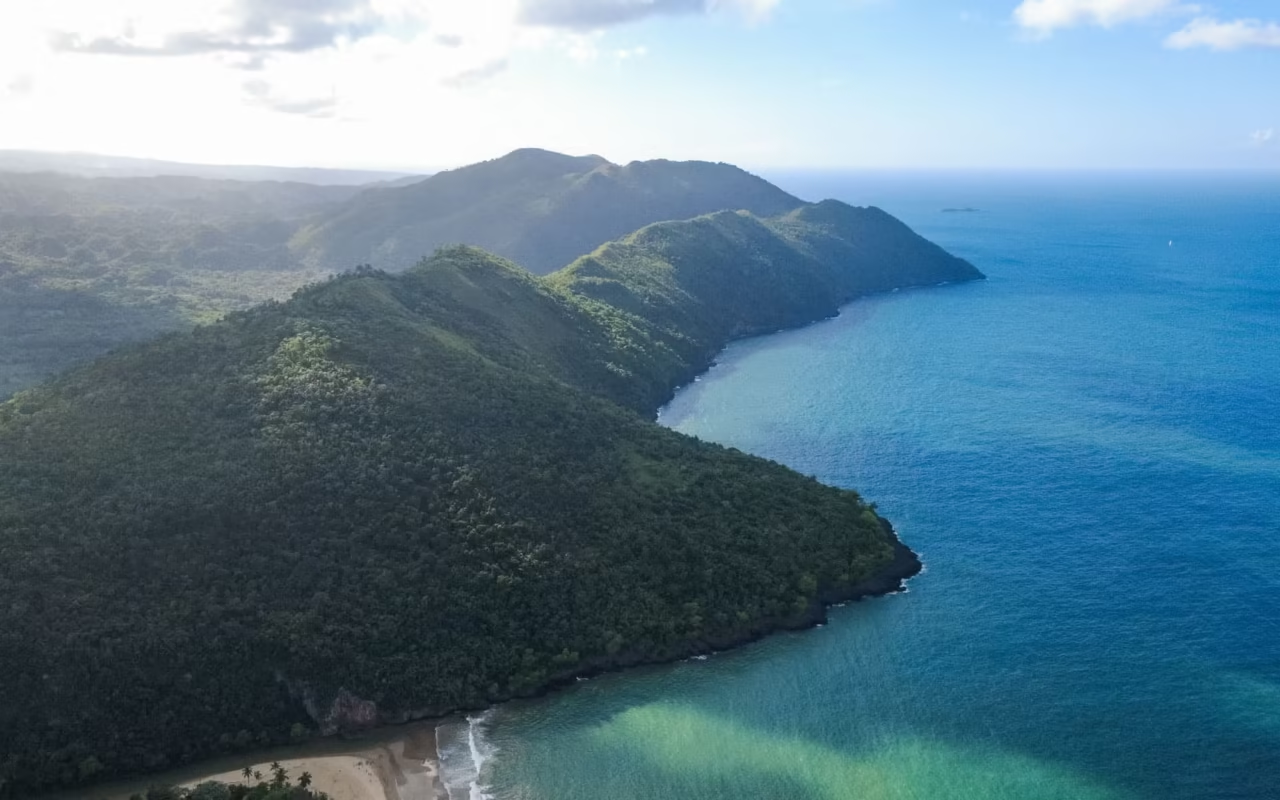
The Dominican Republic is one of the most biologically diverse regions in the Caribbean, with more than 6,000 plant species, over 300 bird species, about 30 endemic species, and more than 800 marine species. From the mangroves of Los Haitises to the forests of the Cordillera Central, from the saltwater lagoons of the wild Southwest to the coral reefs of Monte Cristi, the country is a true natural sanctuary.
To find out when to plan your trip based on your interests, check out our guide on the best times to travel. And to plan your nature activities, explore our pages on national parks and diving and snorkeling.
January through March: Humpback Whale Season
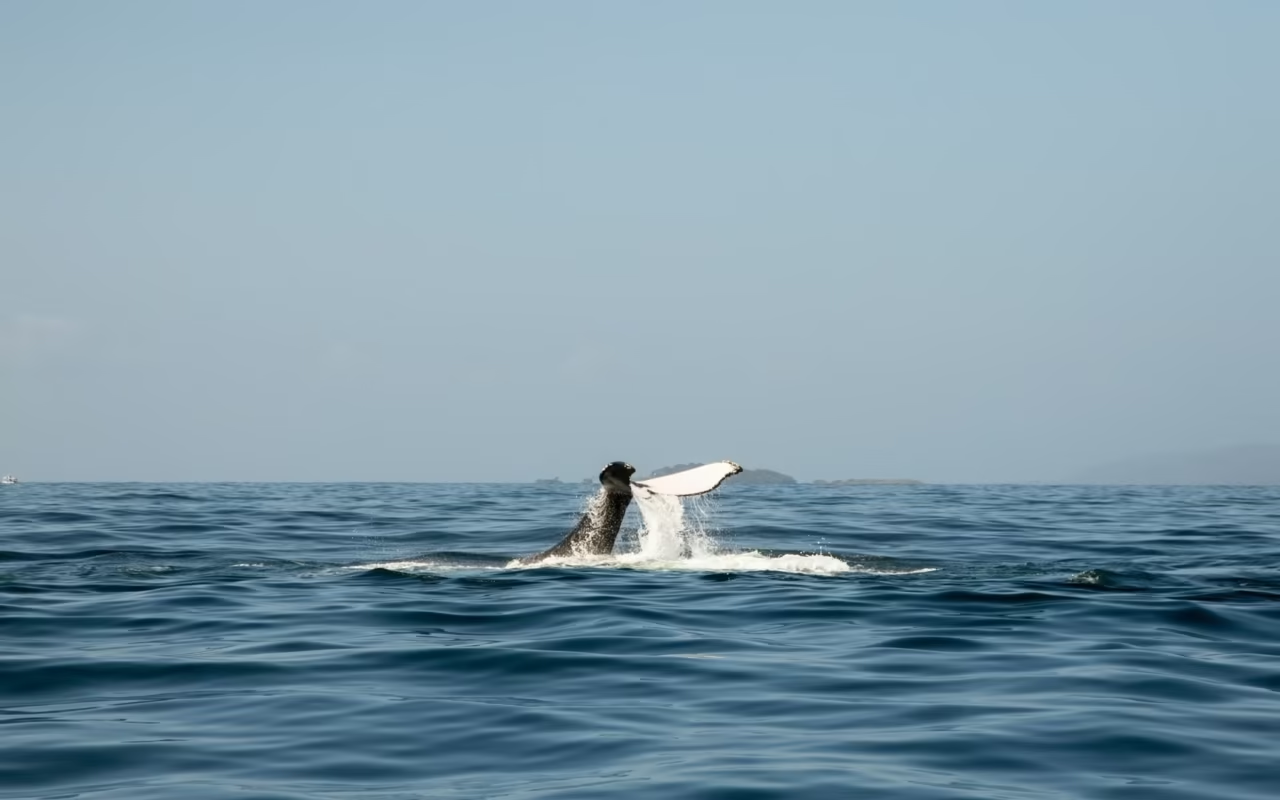
Between mid-January and late March, Samaná Bay welcomes approximately 1,500 humpback whales that have traveled from the cold waters of the North Atlantic to breed and give birth. Samaná Bay is a deep, sheltered bay rich in nutrients and has been designated an official marine mammal sanctuary since 1986.
It’s the best wildlife experience in the Caribbean. Set out from the Samaná Peninsula to witness this unique spectacle. The beaches of the Samaná Peninsula and the villages of Las Galeras perfectly complement this nature-focused getaway.
Birdwatching: A Paradise for Birdwatchers
The Dominican Republic is home to 32 endemic bird species and more than 300 recorded species. Thanks to its geographic diversity (ocean, mangroves, mountains, dry savanna), birdwatching is possible year-round. The premier birding destination in the Dominican Republic: the Sierra de Bahoruco, a UNESCO Biosphere Reserve.
Endemic and Iconic Species
- Rhinoceros iguana (Cyclura cornuta) – Lake Enriquillo
- Ricord’s iguana (Cyclura ricordi) – a rare species
- Paradoxical solenodon – rare prehistoric mammal
- Hutia – endemic rodent
- American crocodile – Lake Enriquillo
Manatees and marine life
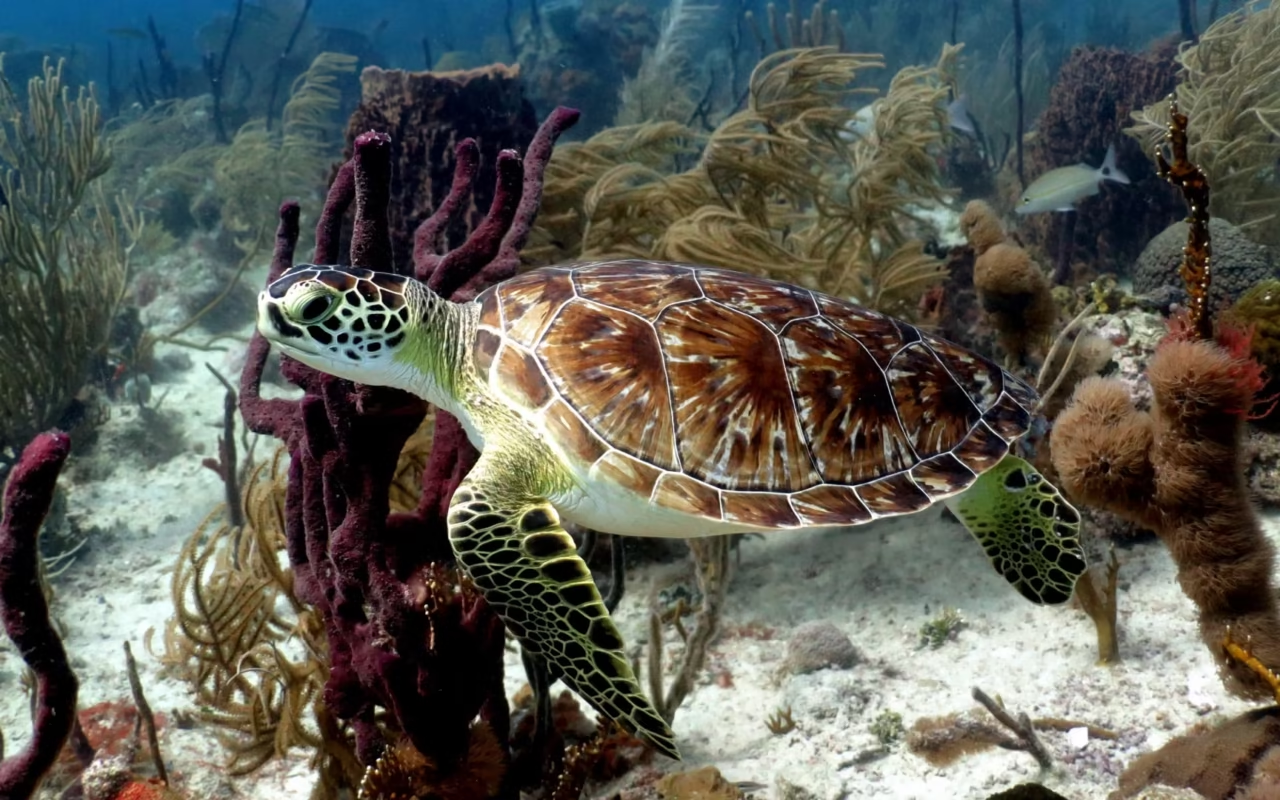
On the north coast, near Punta Rucia (Estero Hondo), lives one of the largest manatee colonies in the Caribbean. The Dominican Republic is also home to bottlenose dolphins, leatherback, hawksbill, and green sea turtles, coral reefs (Monte Cristi, Bayahibe), and more than 800 species of fish.
Marine Life and Diving
Dominican waters feature coral reefs spanning over 200 km². The main diving and snorkeling areas are located in Bayahibe, Monte Cristi, and Punta Cana. The dry season (December through April) generally offers the best underwater visibility. Biodiverse mangrove forests, such as those in Los Haitises National Park, are also not to be missed.
When should you visit, based on your interest in wildlife?
| Highlights | Best time to visit | Main Location |
|---|---|---|
| Humpback whales | January–March | Samaná Peninsula |
| Birdwatching | Year-round (peak: Dec–April) | Bahoruco Mountains, Los Haitises |
| Rhinoceros iguanas | Year-round | Enriquillo Lake |
| Manatees | November–April | Estero Hondo (Monte Cristi) |
| Sea turtles | May–November (nesting season) | Bayahibe, South Coast |
| Diving / Reefs | December – April | Bayahibe, Monte Cristi, Punta Cana |
| American crocodile | Year-round | Enriquillo Lake |
What Terra Dominicana Offers
Wildlife viewing in the Dominican Republic requires a thorough understanding of the terrain and the seasons. Our role is to guide you toward the most suitable regions and times of year. We carefully select and vet our partners to ensure guided, responsible, and reliable experiences, all integrated into a well-planned itinerary that combines exploration, safety, and comfort. To explore all our nature activities, check out our national parks, hikes, and treks.
Conclusion
From the bay of the Samaná Peninsula to the lagoons of the wild Southwest, from the mangroves of Los Haitises to the peaks of Jarabacoa and Constanza, the Dominican Republic is a nature destination in its own right. Knowing when to visit can turn a trip into an unforgettable experience.
About the Author
Laura Grenouillet is the founder of Terra Dominicana, an inbound travel agency specializing in custom trips to the Dominican Republic. She collaborates with specialized local guides, national parks, and organizations committed to environmental protection.